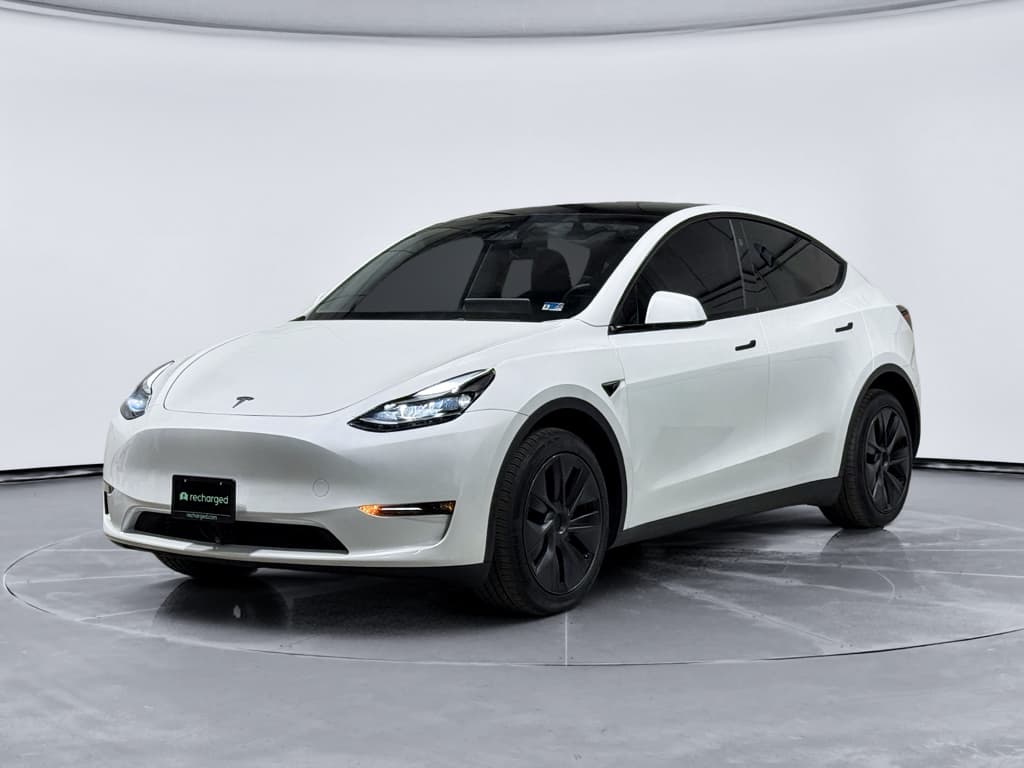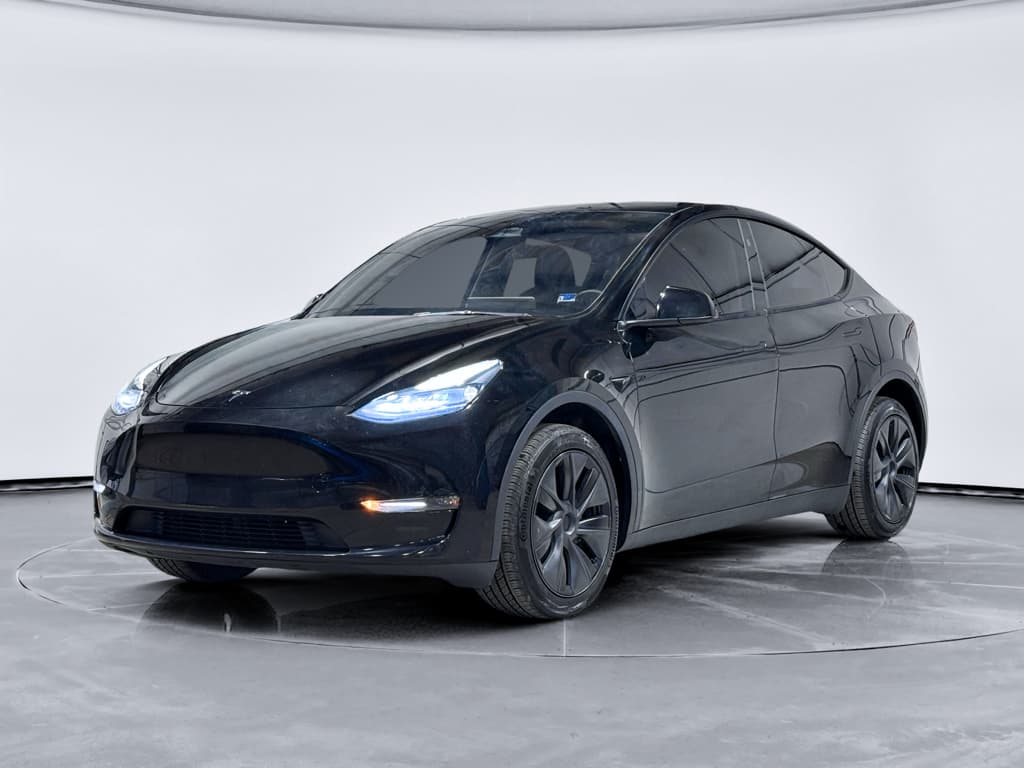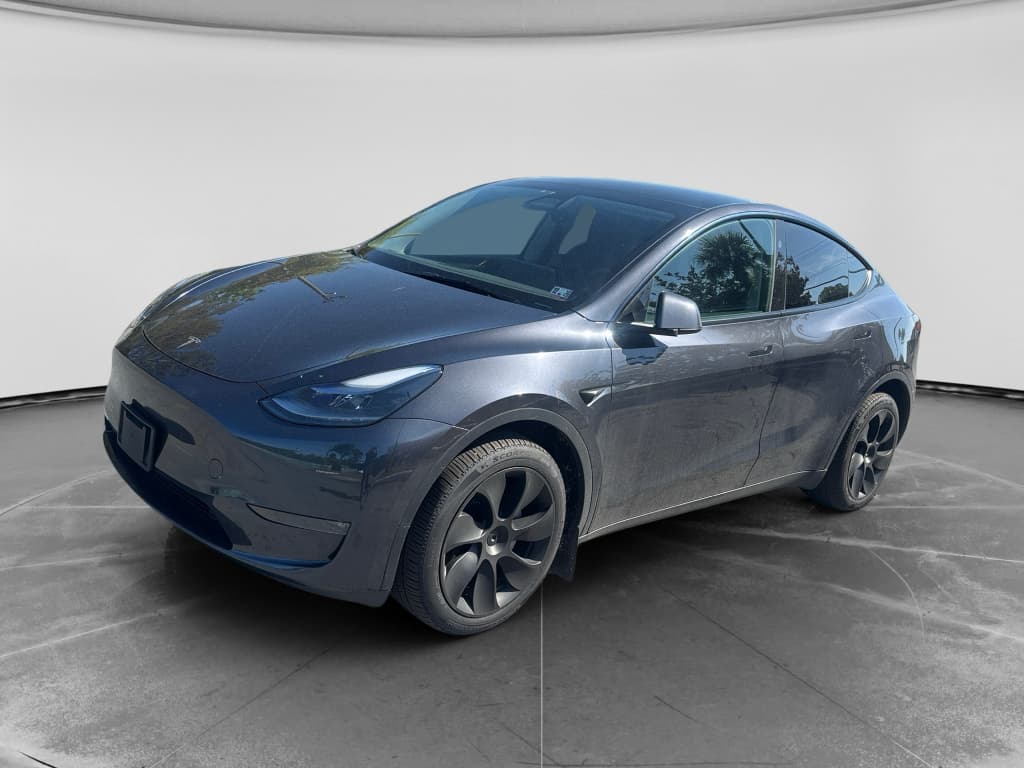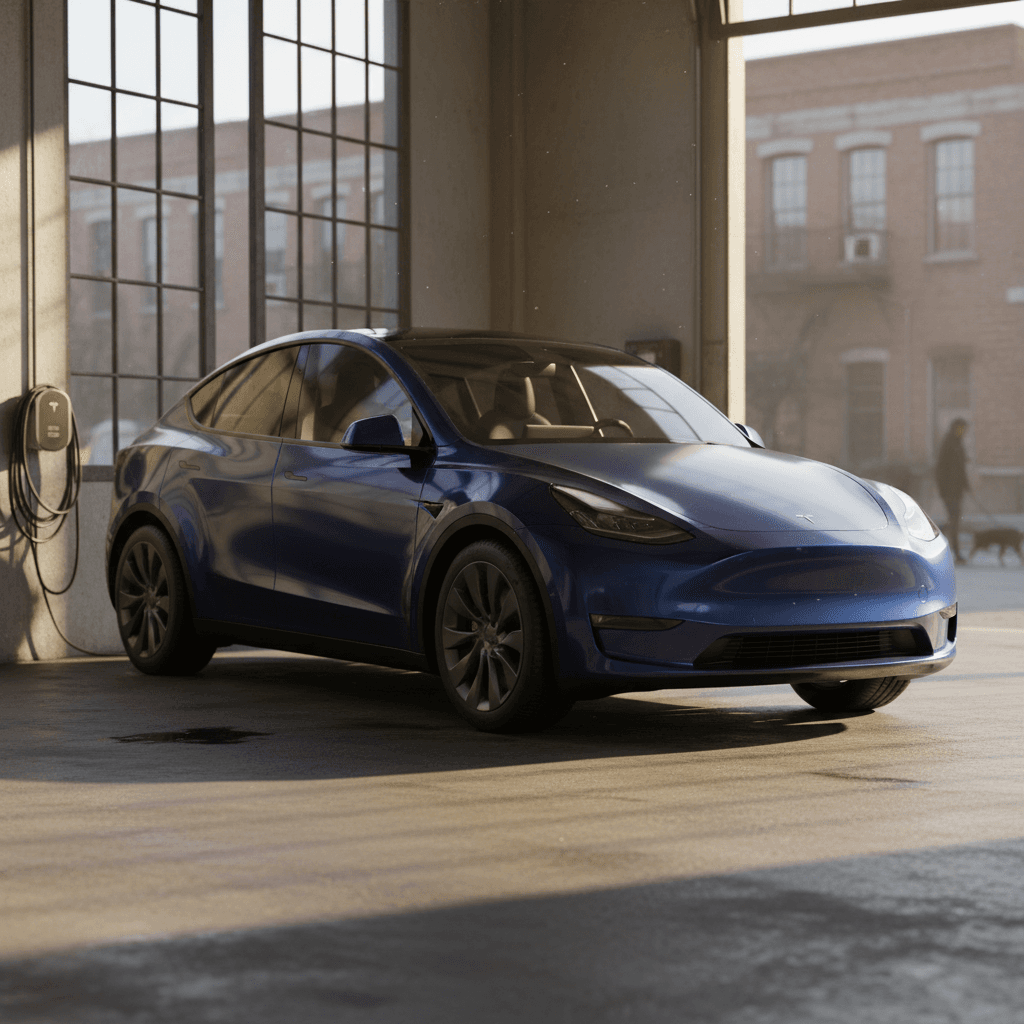
If you’re wondering **“is the Tesla Model Y worth buying in 2026?”**, you’re not alone. The Model Y is no longer the shiny new thing, but it’s still one of the most popular EVs on U.S. roads and a top‑selling SUV globally. In 2026, though, you have more electric‑SUV options than ever, and Tesla is facing real competition, price cuts, and shifting brand perception. That combination makes 2026 a very interesting year to be shopping a Model Y, especially used.
Context: where the Model Y stands in 2026
Should you buy a Tesla Model Y in 2026?
Who the Model Y still makes sense for
And who should probably look elsewhere in 2026
A good fit if…
- You want a long‑range, efficient electric SUV with strong highway DC fast‑charging.
- You value software, over‑the‑air updates and a minimalist interior more than luxury materials.
- You road‑trip often and care about access to Tesla’s Supercharger network.
- You’re open to buying used to let someone else eat the steepest depreciation.
Think twice if…
- You’re sensitive to ride comfort, cabin noise, or panel‑gap/fit concerns.
- You want the latest driver‑assist safety tech with traditional controls, not a touchscreen‑centric cockpit.
- You’re put off by Elon Musk/Tesla brand politics and potential future resale impact.
- You can get strong deals on newer‑design rivals like Hyundai Ioniq 5, Kia EV6, or Chevy Equinox EV.
At a high level, the Tesla Model Y is still **worth buying in 2026** if you prioritize range, charging convenience, and software, and you’re realistic about build quality, ride comfort, and depreciation. The equation gets especially compelling in the **used market**, where sharp price drops over the last two years mean you can often buy a well‑spec’d Model Y for the price of a new mainstream crossover.
Quick take: when the Model Y is (and isn’t) worth it
- Worth buying new in 2026 if you can combine recent **price cuts**, possible incentives, and low‑APR financing, and you want easy access to Superchargers for frequent road trips.
- Often **best as a used buy**: 2–4‑year‑old Model Ys have already absorbed the steepest depreciation, yet still have plenty of battery life left if they’ve been cared for.
- Less compelling if you’re cross‑shopping newer‑generation EV SUVs that offer **better ride comfort, interiors, or dealer support**, especially if charging access is decent where you live.
- If you only drive short distances and can charge at home, some smaller or cheaper EVs (or PHEVs) may pencil out better than a Model Y’s higher upfront cost.
Tip: start from your use case, not the brand
How much does a Tesla Model Y really cost in 2026?
Tesla has cut prices repeatedly since 2023, which has been great for new‑car shoppers and tough on early buyers’ resale values. In 2025, Tesla even introduced a **cheaper Model Y variant just under $40,000** with a simplified interior to shore up demand in a tougher market. That basic pricing posture carries into 2026: the Model Y is still not cheap, but aggressive discounting has pulled it closer to well‑equipped gas crossovers and rival EVs.
Typical Tesla Model Y pricing in 2026 (U.S.)
Approximate transaction prices before incentives; Tesla’s direct pricing changes frequently, so treat these as ballpark ranges, not quotes.
| Configuration | Approx. new price (before taxes) | Typical 2–3‑year‑old used price | Notes |
|---|---|---|---|
| Base / "Standard" Model Y (RWD or lower‑range AWD) | $39,000–$44,000 | $30,000–$36,000 | New lower‑content trims undercut many rival EV SUVs on price. |
| Long Range AWD | $47,000–$52,000 | $34,000–$40,000 | Most common spec; heavy early‑life depreciation creates good used value. |
| Performance | $53,000–$60,000 | $38,000–$45,000 | Quick but less efficient; used values depend heavily on wheel/tire condition. |
| Older (2020–2021) Long Range AWD | N/A (no longer new) | $24,000–$32,000 | Where depreciation bites hardest; condition and battery health vary widely. |
Price ranges assume a new 2026 build ordered in early 2026, plus typical used values seen on major marketplaces.
Watch the depreciation curve
Model Y cost and value snapshot for 2026 buyers
The big takeaway for 2026: **don’t over‑stretch for a brand‑new Model Y** unless you plan to keep it for many years and can capture good incentives or financing. If you’re payment‑sensitive, a **2–4‑year‑old Long Range** model will often deliver 90% of the experience for tens of thousands less.
Range, charging and road‑tripability in 2026
If there’s one area where the Model Y still punches above its weight in 2026, it’s the combination of **real‑world range and charging convenience**. Other EVs now match or exceed its EPA range figures, but few offer the same mix of efficiency, network depth, and software integration.
Tesla Model Y range & charging reality check
Approximate numbers for 2024–2026 Model Y variants; specific ratings vary slightly by wheel size and year.
| Variant | EPA range (approx.) | Realistic highway range @ 70 mph | Max DC fast‑charge rate | Notes |
|---|---|---|---|---|
| Base / Standard | 260–280 miles | 190–220 miles | Up to ~170 kW | Best efficiency; smaller wheels help ride and range. |
| Long Range AWD | 310–330 miles | 230–260 miles | Up to ~250 kW (peak) | The sweet spot for road trips and resale appeal. |
| Performance | 270–290 miles | 200–230 miles | Up to ~250 kW (peak) | Fastest, but larger wheels reduce comfort and winter range. |
Think of these as usable ranges on a full charge under mixed conditions, not optimistic best‑case numbers.
Supercharger advantage (still real in 2026)
Tesla‑centric experience
- Built‑in trip planner routes you via Superchargers and accounts for weather, speed and elevation.
- Plug‑and‑charge billing tied to your Tesla account, no RFID cards or third‑party apps needed.
- High station density along major U.S. corridors, especially on the coasts.
2026 reality with more networks
- More non‑Tesla EVs now use the NACS plug and can access many Superchargers.
- CCS networks (Electrify America, EVgo, etc.) have improved uptime, but quality is still uneven.
- The Model Y’s efficiency means you spend less time and money at fast‑chargers versus many larger, heavier EV SUVs.
Winter range still drops, plan for it
Reliability, recalls and common Model Y issues
Reliability is where the Model Y story gets more nuanced. Mechanically, EVs have fewer moving parts than gas SUVs, and many Model Y owners report **low day‑to‑day powertrain issues**. But the car’s build quality, electronics and service experience have been uneven, especially on earlier model years.
Common Model Y complaints to watch for
Especially on 2020–2022 builds, but still relevant in 2026
Fit & finish
HVAC & heat pump
Electronics & sensors
Service access can be a bottleneck
The good news is that many early build‑quality issues have improved over time, and cars built in later years (especially from factories that came online after the initial ramp) tend to be better sorted. Still, if you’re buying used, **inspect carefully for water leaks, uneven tire wear, panel alignment, and any history of recurring warning lights**.
Safety, insurance and total cost of ownership
On safety, the Model Y remains a strong performer. It has earned **top crash‑test ratings** from U.S. and European agencies, and its structure, low center of gravity and active safety tech give it excellent crash protection. Where things get trickier is **insurance costs and repair pricing**, both of which have been higher than many gas SUVs due to expensive bodywork and sensor‑laden bumpers.
Model Y safety & cost factors that matter in 2026
Control costs with smart spec choices
From a total‑cost‑of‑ownership standpoint, the Model Y is compelling if you **drive enough miles each year** to fully exploit its low energy and maintenance costs. If you drive only 5,000–7,000 miles annually, fuel savings versus a hybrid SUV may not offset the higher purchase price and depreciation, especially if you pay peak electricity rates and rarely fast‑charge.
New vs used Tesla Model Y in 2026
Buying new in 2026
- Pros: Latest hardware, full warranty, no previous owner abuse, easier to spec exactly what you want.
- Pros: Can qualify for the latest **federal and state incentives**, and potentially attractive financing offers.
- Cons: You absorb the steepest depreciation in the first 2–3 years.
- Cons: You’re buying late in the Model Y’s product cycle, with rumors of deeper refreshes or cheaper variants lingering.
Buying used in 2026
- Pros: Let someone else take the big value hit; strong supply of 2021–2024 cars to choose from.
- Pros: You can benchmark battery health and real‑world efficiency from years of owner data.
- Cons: Earlier cars may have more **build‑quality quirks** and incomplete service histories.
- Cons: Battery and drive‑unit warranty length left varies; collision repairs or aftermarket mods can be red flags.
Where Recharged fits into the picture
Which used Model Y years are most attractive?
1. 2022–2024 Long Range AWD
Often the sweet spot of updated build quality, modern hardware and big depreciation already baked in. Prioritize cars with clean histories and documented service.
2. 2021 Long Range with strong battery health
Early depreciation makes these affordable. Have battery and drive unit checked, and inspect carefully for paint, panel and water‑ingress issues.
3. Avoid heavily modified or abused examples
Oversized wheels, cheap suspension mods or frequent track‑use can hurt ride, efficiency and long‑term durability. Walk away from cars with unclear accident repair.
4. Confirm remaining warranty coverage
Tesla’s battery and drive‑unit warranties typically run 8 years / 100k–120k miles from in‑service date. Knowing what’s left matters for your risk tolerance.
Tesla Model Y vs rival EV SUVs in 2026
In 2020, the Model Y was almost in a class of one. By 2026, it’s facing serious competition from vehicles that ride better, feel more upscale inside, or are sold and serviced through traditional dealer networks. That doesn’t make the Model Y obsolete, it just means the **“default EV choice” era is over.**
How the Model Y stacks up against popular 2026 rivals
High‑level comparison; exact prices and specs vary by trim and incentives.
| Model | Key strengths vs Model Y | Key weaknesses vs Model Y | Who it suits best |
|---|---|---|---|
| Tesla Model Y | Excellent range & efficiency; Tesla Supercharger access; strong software & OTA updates. | Ride can be firm; interior is minimalist rather than plush; brand perception more polarizing in 2026. | Tech‑forward buyers who road‑trip and value charging convenience. |
| Hyundai Ioniq 5 | Comfortable ride; distinctive design; good interiors; competitive charging speeds. | Slightly less efficient; charging network integration not as seamless as Tesla’s in many regions. | Drivers prioritizing comfort, style and a more traditional cabin. |
| Kia EV6 | Sporty handling; strong DC fast‑charging; solid warranty and dealer support. | Cargo and rear headroom tighter than Model Y; availability varies by region. | Enthusiasts who want a sporty feel and still‑practical hatchback form. |
| Ford Mustang Mach‑E | Familiar brand, dealer network support; decent range; engaging to drive in some trims. | Charging efficiency lags; some trims feel heavy; OTA/software experience not as polished as Tesla’s. | Buyers who want an EV from a legacy brand and value dealer service. |
| Chevy Equinox EV (and similar new entrants) | Aggressive pricing; familiar Chevy dealer support; decent real‑world range for the price. | Newer platform with less long‑term data; charging ecosystem and software still maturing. | Budget‑conscious buyers wanting a mainstream badge and lower payment. |
Use this as a directional guide and then compare specific trims you’re actually cross‑shopping.
Don’t compare just MSRPs, compare monthly cost and use case
Buyer checklist: how to shop a Model Y wisely
Step‑by‑step checklist for evaluating a Model Y in 2026
1. Define your real range and space needs
List your longest typical trips, how often you road‑trip, and what you usually carry (kids, strollers, bikes, pets). This will determine whether a Long Range model is overkill or essential.
2. Decide new vs used, and set a firm budget
Factor in down payment, expected incentives, charging installation, and a buffer for tires and insurance. Decide if you’re comfortable owning through the steepest depreciation years or if you’d rather let a prior owner absorb them.
3. Check local charging and service coverage
Use charging apps and Tesla’s map to see how well your region is covered by Superchargers and other fast‑chargers. Also confirm where the nearest Tesla Service Center and approved body shops are located.
4. Inspect build quality and history
On used cars, look closely at paint, panel alignment, glass, tires and underbody. Pull a history report, and scrutinize any collision repairs or repeated service visits. A Recharged Score Report can surface issues a simple visual check might miss.
5. Verify battery health, not just mileage
Two Model Ys with the same mileage can have very different remaining battery capacity. Look at projected range at 100%, scan for frequent DC fast‑charging in the history, and, if possible, get a third‑party or marketplace‑provided battery health diagnostic.
6. Test drive like you’ll actually use it
Drive over broken pavement and highways you use daily. Pay attention to ride firmness, wind and road noise, and visibility. Try one‑pedal driving and Autopilot/driver‑assist in traffic to see if the experience matches your preferences.
7. Compare to at least two non‑Tesla alternatives
Even if you end up in a Model Y, drive a couple of rival EV SUVs. It’s the best way to tell whether the Tesla’s software and charging advantages outweigh things like interior feel, ride quality and dealer support.
FAQ: Is the Tesla Model Y worth it in 2026?
Frequently asked questions about buying a Model Y in 2026
Bottom line: Is the Tesla Model Y worth buying in 2026?
In 2026, the Tesla Model Y is no longer the default choice by virtue of being the only serious game in town, but it’s still one of the **strongest all‑around electric SUVs** you can buy. Its combination of range, efficiency, software and charging access make it a smart fit for many households, especially those who road‑trip regularly or can make good use of the Supercharger network.
The flipside is that depreciation has been steep, build quality remains inconsistent, and rivals have closed the gap on tech while often surpassing Tesla on interior execution and ride comfort. That’s why, for many shoppers, the **sweet spot in 2026 is a carefully vetted used Model Y**, ideally one with verified battery health and a clean history, rather than a heavily optioned new build bought at full freight.
Next step: make the numbers and the car work for you
Ready to find your next EV?
Browse Vehicles