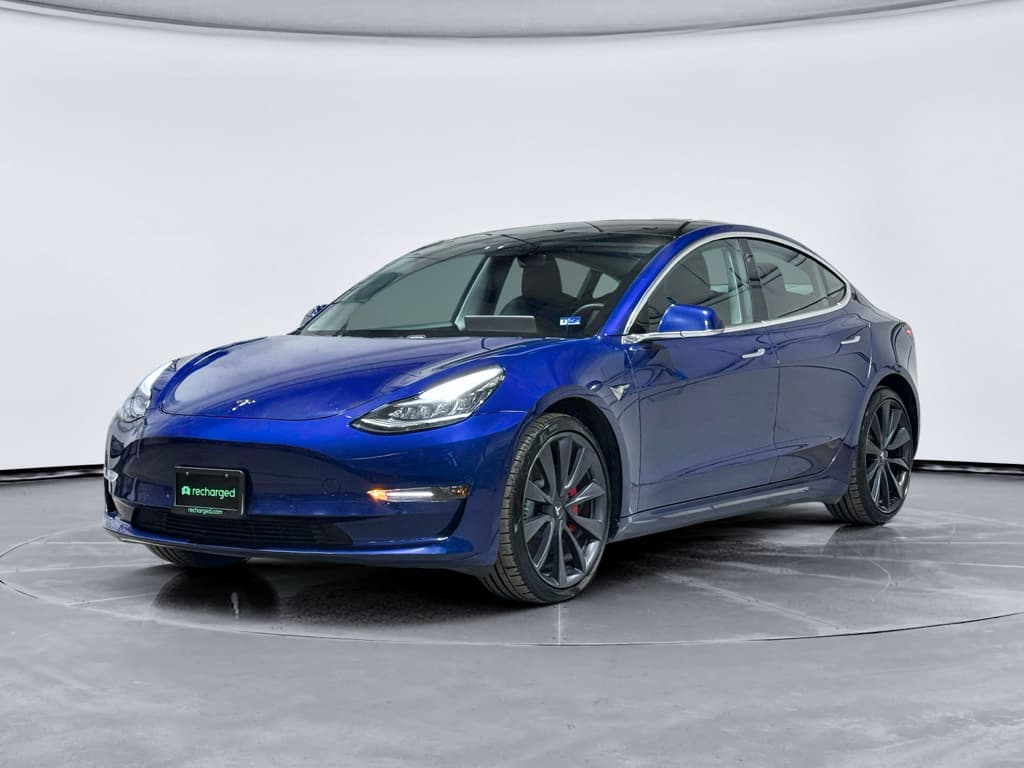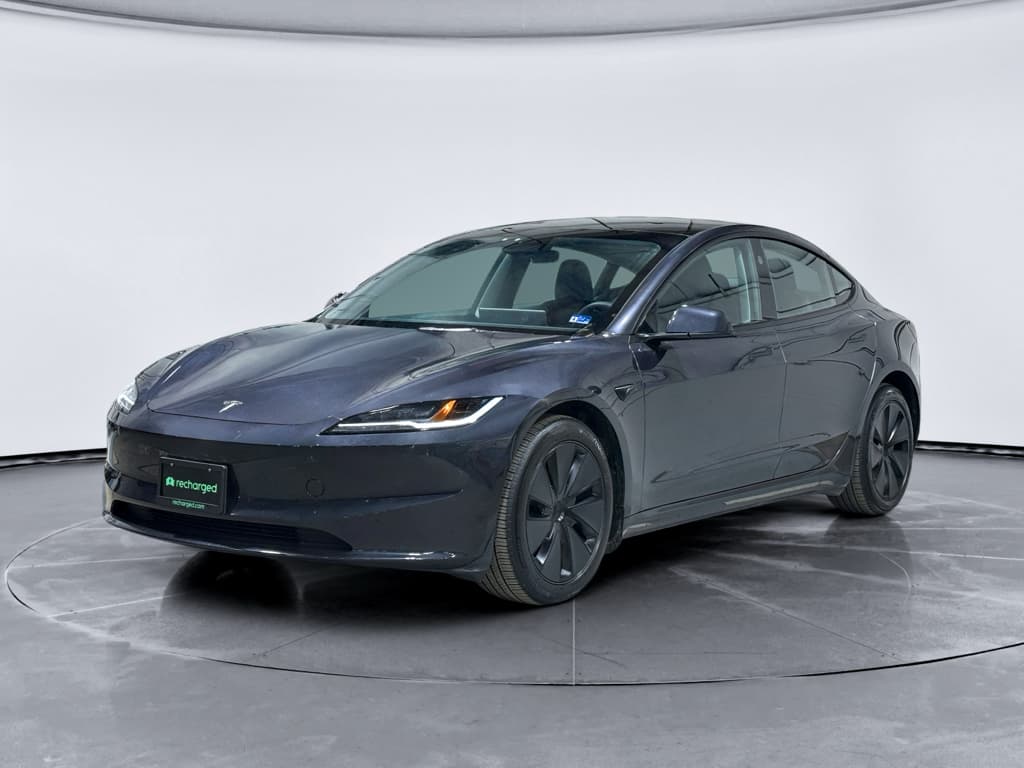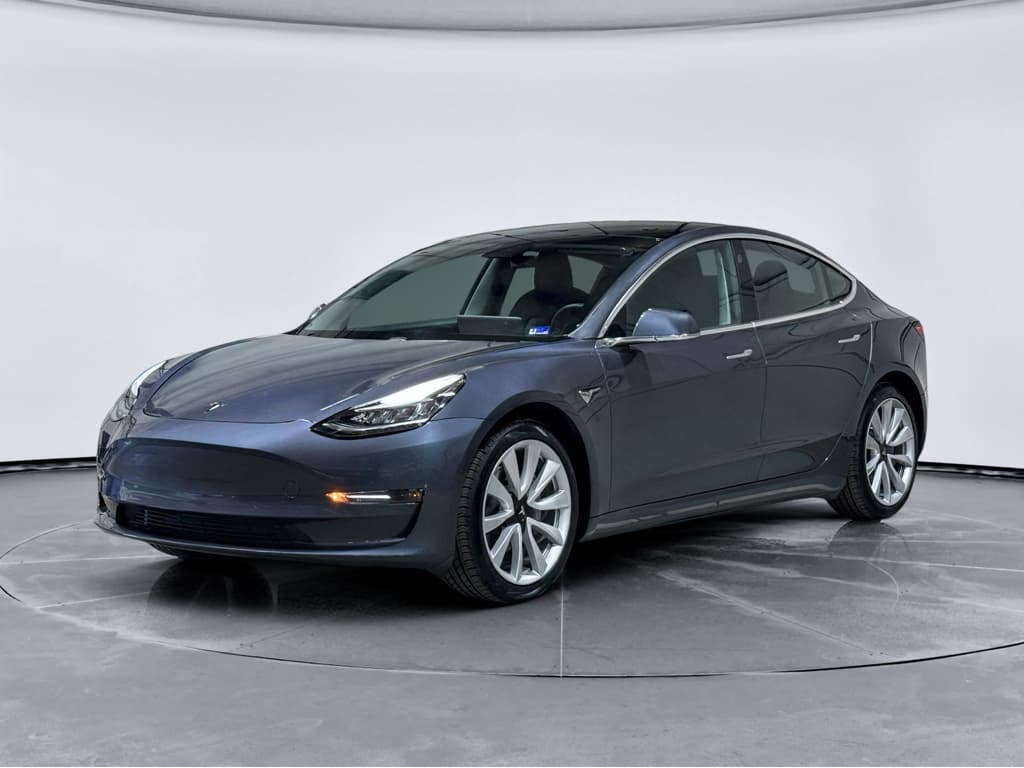
If you’re wondering whether a Tesla Model 3 is still worth buying in 2026, you’re not alone. Between price cuts, new “Highland” updates, cheaper Standard trims, and a growing field of rivals, the answer isn’t as simple as it was five years ago. But with the right expectations, and the right car, the Model 3 can still be one of the smartest EV purchases you make, especially on the used market.
At a glance
Quick answer: Is a Tesla Model 3 worth buying in 2026?
When the answer is “yes”
- You want excellent range (250–340+ miles depending on trim).
- Fast, convenient Supercharger access matters for your road trips.
- You value over‑the‑air updates and a modern tech feel.
- Low maintenance and strong resale are important to you.
- You’re fine with a minimalist interior and firm, sporty ride.
When you should think twice
- You need a roomier family SUV – a Model Y or another crossover may fit better.
- You live far from Tesla service and prefer a traditional dealer network.
- Panel gaps, rattles, or fit‑and‑finish issues would drive you crazy.
- You can get a rival EV with similar range and more features for less money in your area.
So is the Tesla Model 3 worth buying in 2026? For many U.S. shoppers the answer is still yes, but usually not at any price and not for every lifestyle. The rest of this guide breaks down what’s new on the 2026 cars, how they age, and when a used Model 3 from a trusted marketplace like Recharged may be the smarter financial move.
What’s new with the 2026 Tesla Model 3?
By 2026, the U.S. market is centered on the refreshed “Highland” generation of the Model 3. The big design and interior changes arrived for 2024–2025; 2026 models largely refine that package with small tweaks and pricing moves.
2026 Model 3 Highland highlights
What you actually feel from behind the wheel
Quieter, more refined cabin
Updated range & efficiency
Simplified interior
Model year tip
Key advantages: Why a Model 3 still makes sense
Why the Model 3 still punches above its weight
- Class‑leading efficiency and range for the price. Tesla still sets the bar for how many miles you get per kWh, which matters every day you drive.
- Supercharger access is a genuine advantage in 2026. Other brands are gaining NACS access, but a Model 3 still gets the smoothest plug‑and‑charge experience on Tesla’s network.
- Over‑the‑air updates keep older cars feeling newer. Features, interface tweaks, and efficiency improvements roll out long after you drive off the lot.
- Simple powertrain, low routine maintenance. No oil changes, timing belts, or complex multi‑gear transmissions to service.
- Still fun to drive. Even base RWD cars feel quick off the line, and the low center of gravity gives you confident handling.
Where the Model 3 still shines
Downsides and 2026 controversies you should know
No car is perfect, and Tesla’s decisions over the last few years mean you need to shop with your eyes open. Here are the main drawbacks shoppers bring up in 2026.
Common complaints about the Model 3
Some issues are serious, others are just annoyances
Build quality & rattles
Service and parts delays
Battery warranty anxiety
Polarizing brand & leadership
Don’t ignore fit and finish
New vs used Tesla Model 3 in 2026: Which is the better buy?
In 2026, the more interesting question isn’t just “Is a Tesla Model 3 worth buying?” but “Is a new Model 3 worth it compared with a used one?” Price cuts and new budget trims have shaken things up, but so has depreciation.
New vs used Tesla Model 3 in 2026
How the decision shakes out for many U.S. shoppers
| New 2026 Model 3 | Used 2019–2023 Model 3 | |
|---|---|---|
| Typical purchase price | Higher MSRP, but occasional discounts and low‑APR deals | Often 30–50% cheaper than original MSRP, especially on earlier years |
| Battery & tech | Latest hardware, Highland refinements, full warranty term | Slightly older tech; some warranty used up but still strong daily usability |
| Range | Similar or slightly better on paper for equivalent trims | Real‑world range still strong; some early cars show modest degradation |
| Incentives | May qualify for federal/state EV incentives depending on configuration and rules in 2026 | Used EV tax credits are smaller but can stack with lower purchase prices |
| Best for | Buyers keeping the car 7–10 years who want the newest look and safety tech | Value‑seekers who want Tesla experience and are comfortable with a prior owner |
Exact prices will vary by market, incentives, and mileage, this table focuses on the trade‑offs.
How to decide quickly
At Recharged, we see many shoppers who come in convinced they “need” a brand‑new Model 3 but leave with a late‑model used car instead. Once you factor in depreciation, insurance, and financing, a clean used Model 3 with a verified Recharged Score battery health report frequently delivers the best real‑world value.
Cost of ownership and depreciation in 2026
One of the smartest ways to decide if a Model 3 is worth it in 2026 is to look beyond the window sticker and consider total cost of ownership, purchase price, depreciation, energy, insurance, and maintenance.
Depreciation
- Most 5‑year‑old Model 3s in the U.S. are still worth about 45–55% of their original MSRP, depending on miles and condition.
- The steepest drop typically happens in the first 3–4 years, then depreciation slows and gets more predictable.
- Buying in that 3–6‑year window often means you avoid the sharpest value loss while still getting a modern battery and tech package.
Running costs
- Electricity is usually cheaper per mile than gasoline, especially if you can charge at home on off‑peak rates.
- Routine maintenance, tires, wiper blades, brake fluid, is generally lower than a gasoline car with similar performance.
- Insurance can be higher than average compact sedans, so it’s worth quoting coverage before you buy.
Where used helps most
Battery life and range on older Model 3s
Battery life is the single biggest worry many gasoline drivers have when they consider a used Tesla. The reality, backed by real‑world data, is more reassuring than most headlines suggest.
- Real‑world fleet data on Model 3s suggests that most cars lose only a modest portion of their range in the first 100,000 miles when charged and driven normally.
- Tesla’s battery warranty has typically covered 8 years with a minimum 70% capacity retention, depending on trim and year, which protects you against severe early degradation.
- Daily habits matter: frequent DC fast charging, repeatedly charging to 100%, or storing the car at extreme temperatures can accelerate wear, while gentler use slows it.
- Even with some degradation, a Long Range Model 3 that started around 310–330 miles of EPA range can still offer very usable real‑world range years later.
How Recharged helps you avoid a bad pack
Model 3 vs Model Y and other EVs in 2026
In 2026, shoppers cross‑shopping a Model 3 are often looking at a Model Y or a newer competitor from Hyundai, Kia, Ford, or Chinese‑backed brands. The Model 3 isn’t the automatic no‑brainer it once was, but it still competes strongly.
Model 3 vs common alternatives (2026 snapshot)
General strengths and weaknesses compared with popular 2026 EV choices.
| Tesla Model 3 | Tesla Model Y | Other compact EV sedans / crossovers | |
|---|---|---|---|
| Space & practicality | Lower seating position, sedan trunk; fine for most, tight for tall families | Taller seating, hatchback cargo; better family hauler | Varies widely; some rivals offer more rear headroom and cargo |
| Range & efficiency | Among the best in class for miles per kWh | Slightly less efficient than 3 but still strong | Some match or beat Tesla on range now, others fall short |
| Charging experience | Best Supercharger integration, expanding NACS access for others | Same advantage as Model 3 | More public networks, but charging experience can be less seamless |
| Ride & refinement | Sporty and firm; quieter in Highland generation | Comfort‑oriented but still firm compared with some competitors | Some newer rivals offer softer rides and more sound insulation |
| Resale value | Proven, relatively strong | Also strong but still maturing | Depreciation varies; some brands are weaker than Tesla so far |
Exact pricing and incentives vary by state and month; always compare offers in your local market.
Choosing between Model 3 and Model Y
Who should, and shouldn’t, buy a Model 3 in 2026?
A Model 3 is worth buying in 2026 if…
- You want an EV that’s easy to live with daily and can still handle long trips.
- You value a simple, software‑driven cabin more than physical buttons.
- Access to Tesla’s Supercharger network matters to you.
- You’re comfortable buying used if it means a better trim or more range for the money.
- You plan to keep the car long enough to benefit from its low running costs.
You may be happier with something else if…
- You want a traditional luxury interior with analog controls and plush materials.
- You or your passengers struggle getting in and out of low sedans, an SUV may be easier.
- The nearest Tesla service center is hundreds of miles away.
- You’re extremely sensitive to rattles, wind noise, or panel misalignment.
- The best local deals in 2026 happen to be on a competitor with similar range and better pricing.
Checklist: How to buy a used Tesla Model 3 the smart way
Smart steps for buying a used Model 3 in 2026
1. Decide your must‑have trim and range
Know whether you truly need a Long Range AWD or if a RWD car with mid‑200‑mile real‑world range will cover your driving. Don’t pay for performance you’ll never use.
2. Check battery health, not just miles
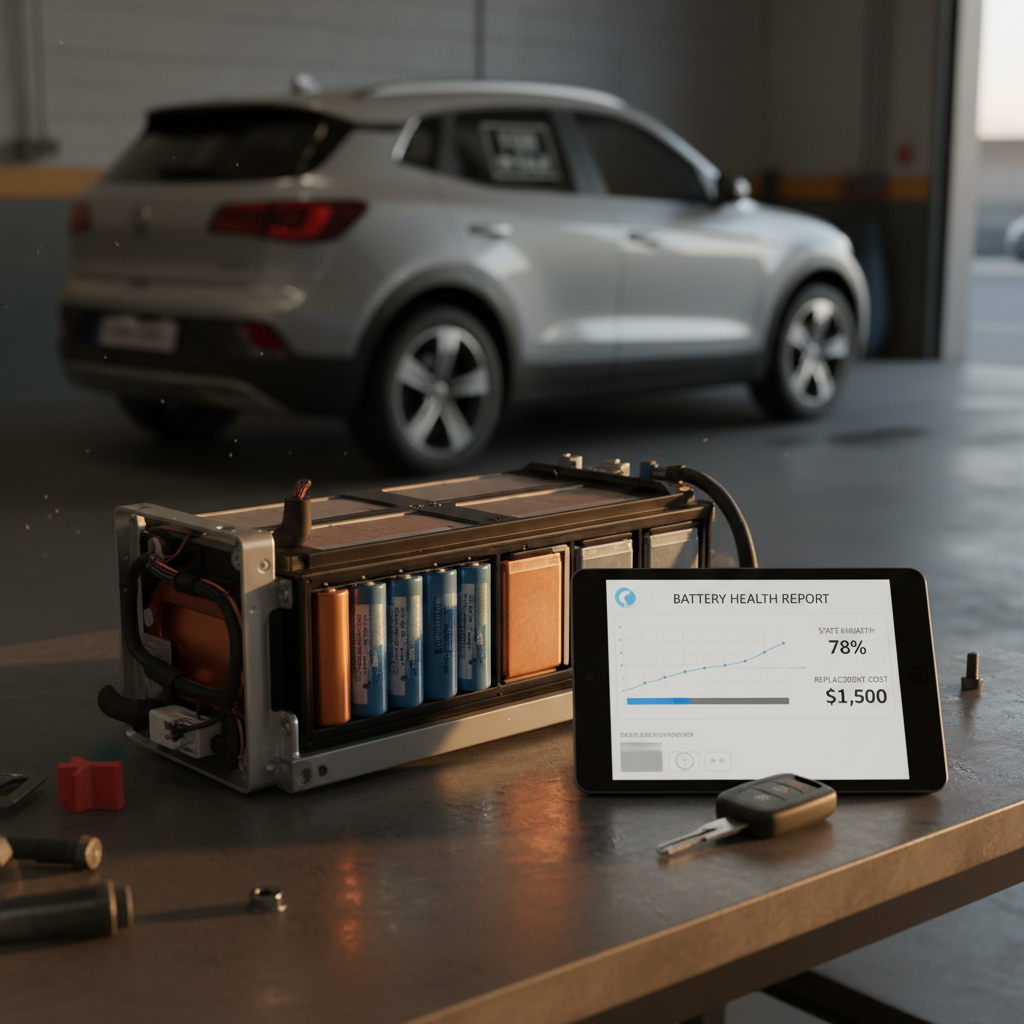
Two Model 3s with the same odometer reading can have very different battery histories. Use a <strong>third‑party battery health report</strong>, or a Recharged Score report, to see how the pack is holding up.
3. Inspect for build quality issues
Go over panel gaps, paint, and interior trim. On the test drive, listen for creaks, wind noise, and rattles over bumps and at highway speeds.
4. Verify software and included features
Confirm which software features (like Enhanced Autopilot or FSD) are actually tied to the car and will transfer after purchase. Don’t assume based on the ad alone.
5. Review service history and recalls
Ask for records of prior repairs, especially for recurring issues like door handles, suspension noise, or leaks. Check that safety recalls have been addressed.
6. Run the total cost numbers
Compare not just the asking price but also <strong>financing terms, insurance quotes, and expected charging costs</strong>. A slightly higher purchase price with better APR can still be the cheaper car to own.
7. Buy from a seller who understands EVs
EVs are different from gas cars. Marketplace platforms like <strong>Recharged</strong> specialize in used EVs, provide transparent battery diagnostics, and can help you compare options side‑by‑side.
FAQ: Is Tesla Model 3 worth buying in 2026?
Common questions about buying a Model 3 in 2026
Bottom line: When a Tesla Model 3 is worth it in 2026
In 2026, the Tesla Model 3 is no longer the only obvious choice in town, but it’s still one of the best all‑around EVs you can buy when you match the right car to the right driver. If you value a quick, efficient sedan with easy long‑distance charging and you’re comfortable with a minimalist interior, the Model 3 absolutely can be worth buying, especially as a 2–5‑year‑old used car that has already shed the steepest depreciation.
If you’d like help deciding which year, trim, and battery configuration fits your life, Recharged can walk you through options, show you Recharged Score battery health reports on individual cars, help you trade in your current vehicle, arrange financing, and deliver nationwide. That way, the question isn’t just “Is a Tesla Model 3 worth buying in 2026?” but “Which specific Model 3 will give you the best combination of value and peace of mind.”