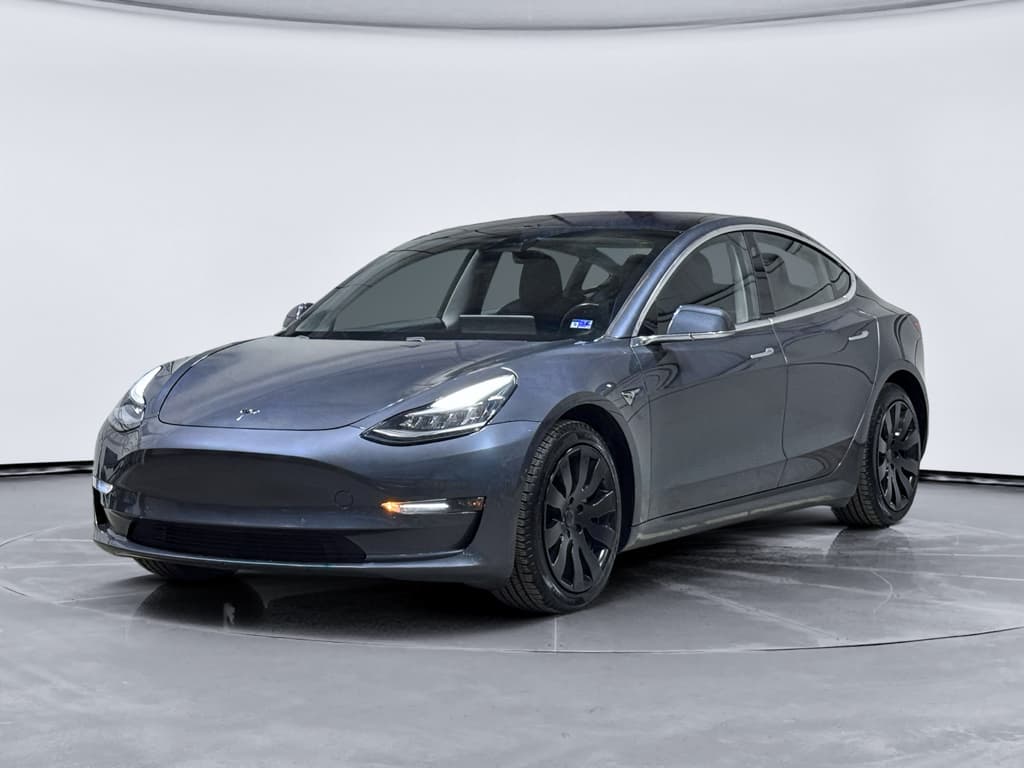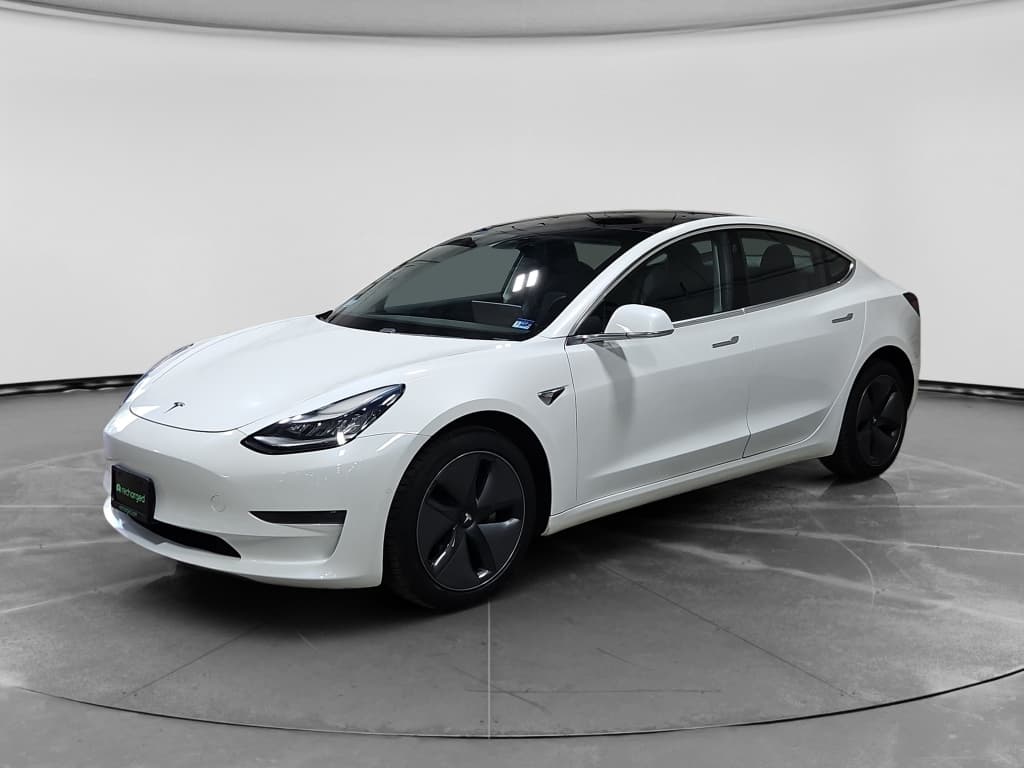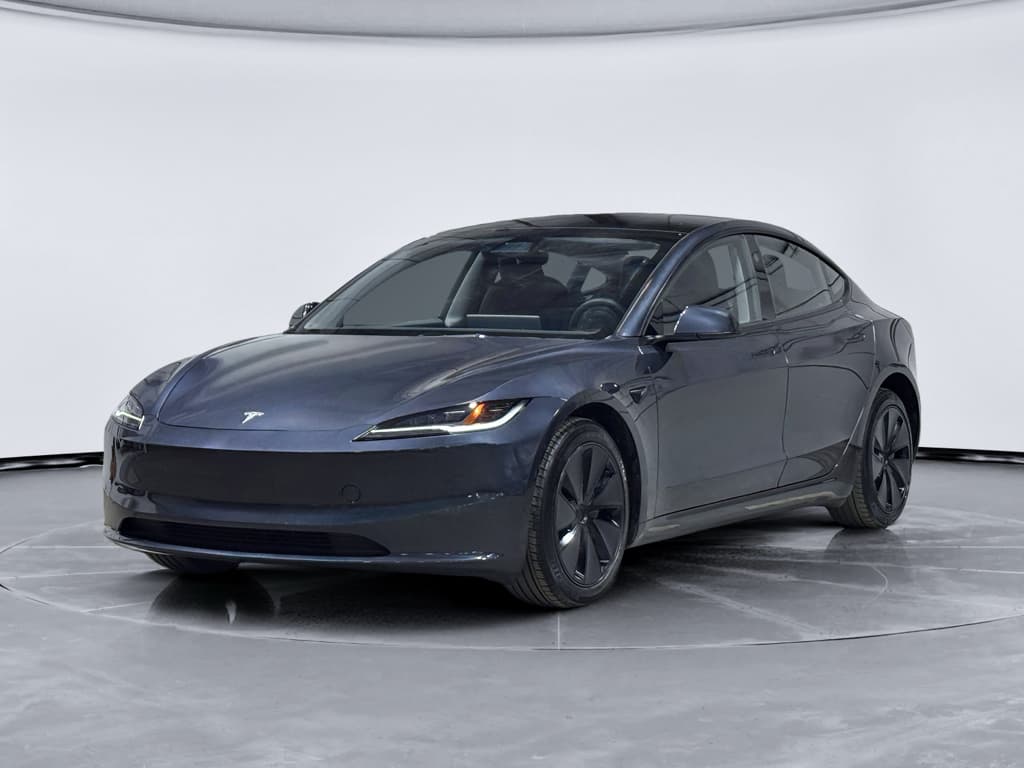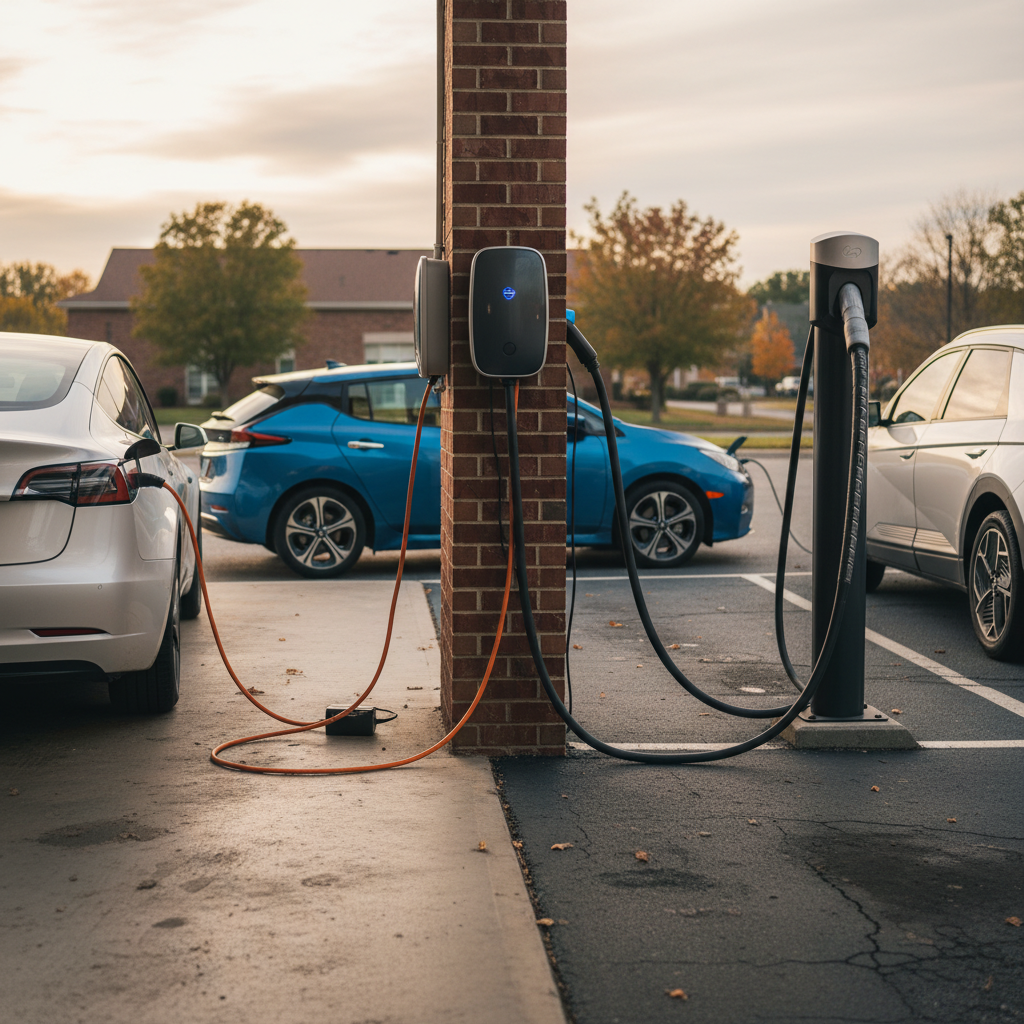
Yes, an EV cross country road trip is absolutely possible in 2026. In fact, for many drivers, it’s already routine. But it’s not yet the brain‑off, cruise‑control experience you may remember from a V6 Camry and a 15‑gallon tank. Long‑distance EV travel lives at the intersection of math, weather, and infrastructure, and how much hassle you’re willing to tolerate for quiet torque and zero tailpipe emissions.
The short answer
Is an EV Cross-Country Road Trip Actually Possible?
If you stay on major corridors, think I‑10, I‑40, I‑70, I‑80, I‑90, and I‑95, an EV cross country road trip is not only possible, it’s already been done thousands of times by owners in everything from Teslas to Hyundai Ioniqs to Chevy Bolts. The difference between a "possible" trip and an enjoyable one comes down to three things: charging speed, network coverage, and your tolerance for detours.
Public Fast Charging in the U.S. Today
Where it’s still tough
How Far Can Today’s EVs Really Go Between Stops?
Ignore the marketing for a moment. On a real cross‑country drive at 70–80 mph, in mixed weather, most EVs deliver 60–75% of their EPA range. That’s your working number for planning.
Approximate Real-World Highway Range
Rough planning numbers for mixed-weather highway driving at 70–75 mph, starting from 100% and arriving near 10–15%.
| EV Type | EPA Range (mi) | Realistic Highway Range (mi) | Comfortable Leg Length (mi) |
|---|---|---|---|
| Short‑range city EV | 220 | 140–160 | 100–120 |
| Mainstream compact crossover | 260–300 | 180–220 | 140–180 |
| Long‑range premium EV | 330–400 | 230–280 | 180–220 |
| Ultra‑long‑range flagship | 400+ | 280–320+ | 200–240 |
Use these as conservative estimates, always check your specific model’s trip planner and recent owner reports.
How to sanity‑check your range
Does the U.S. Have Enough Chargers for Cross-Country EV Travel?
In 2026, the limiting factor isn’t whether chargers exist, it’s how evenly they’re distributed and how reliable they are when you arrive. Public EV infrastructure in the U.S. has scaled fast. There are now on the order of 200,000+ public charging ports in total, with roughly 60–70 thousand of those being DC fast chargers that you actually want for a cross‑country trip. Tesla still owns the lion’s share of high‑speed highway infrastructure, but non‑Tesla networks have grown up fast around it.
The Big Players You’ll Actually Use
These are the networks that stitch together most American EV road trips.
Tesla Supercharger
The backbone of long‑distance EV travel. Tens of thousands of DC fast ports across the U.S., tightly clustered along interstates. Many sites now offer restrooms, food, and 24/7 lighting.
Best for: Tesla drivers, and an increasing number of non‑Tesla EVs that support Supercharger access.
Electrify America & Ionna
Electrify America now has hundreds of stations and thousands of fast ports, many up to 350 kW. New joint‑venture network Ionna (BMW, GM, Honda, Hyundai, Kia, Mercedes, Stellantis) is rapidly adding large plazas along major corridors.
Best for: CCS and NACS‑equipped non‑Teslas on interstates.
EVgo, ChargePoint & Others
EVgo focuses on metro and travel‑center locations, while ChargePoint, Blink and regional players fill gaps at retailers and local highways. Coverage is spottier but improving every quarter.
Best for: Topping up between highway legs and charging near hotels or attractions.
What about government‑funded chargers?
Tesla vs. Non-Tesla: Who Has the Easier Road Trip?
Tesla Road Trips: Still the Easiest Mode
- Integrated planning: Punch in your destination and the car strings together Supercharger stops automatically.
- Dense network: Thousands of Supercharger sites with many stalls per location, often right off the interstate.
- Predictable experience: Same app, same payment, similar interfaces almost everywhere.
- Now opening to others: Many sites are gradually allowing non‑Tesla EVs with NACS or adapters, especially in high‑traffic corridors.
For a first EV cross‑country trip, a Tesla still feels closest to the "it just works" gas‑car experience.
Non-Tesla Road Trips: Very Doable, Slightly Fiddlier
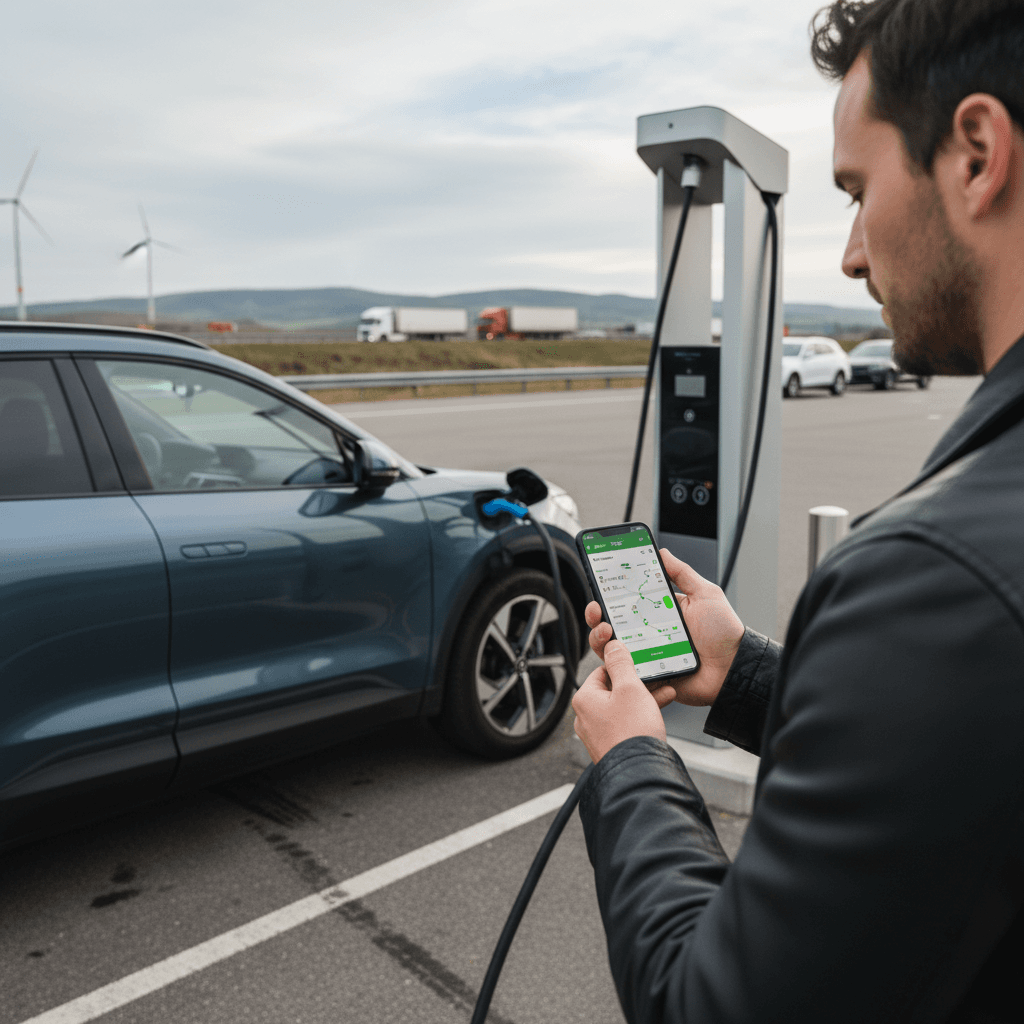
- More apps: You’ll juggle apps like Electrify America, EVgo, ChargePoint and PlugShare to find, start and pay for sessions.
- Coverage gaps: Big interstates are fine; deep rural detours still require careful planning and sometimes slower Level 2 charging.
- Connector confusion: Some 2024–2026 EVs use CCS; others use NACS. Many networks support both, but you must confirm before you rely on a site.
- Trip planners improving: Automaker nav systems and third‑party tools now do decent multi‑stop planning, just verify against real‑world reviews.
If you’re willing to plan ahead and be flexible, a modern non‑Tesla can absolutely handle a coast‑to‑coast run.
Pro move for non‑Tesla drivers
How to Plan an EV Cross-Country Route Step by Step
Step-by-Step EV Route Planning
1. Choose your primary corridor
Stick to major interstates whenever possible. They have denser DC fast charging, better maintenance, and more hotel options near chargers. Scenic byways are fantastic, but treat them as side‑quests once you understand your car.
2. Lock in realistic daily mileage
For most drivers, <strong>400–600 miles per day</strong> is comfortable in an EV. That usually means 3–5 fast‑charge stops plus overnight Level 2 at your hotel or rental.
3. Map fast chargers before anything else
Use your car’s nav plus apps like PlugShare, EVgo, Electrify America, and Tesla (if applicable) to drop pins along your route. Look for redundancy: aim to have a backup charger within 20–40 miles of your primary stop.
4. Book lodging with on-site or walkable charging
A cheap motel that forces you to sit at a charger at 10 p.m. is not actually cheap. Filter hotels for EV charging, or find a Level 2 near your lodging so you leave each morning close to 100%.
5. Time your meals with your charges
Design your stops so the battery is charging while you’re eating, grabbing coffee, walking the dog, or checking email. A 30‑minute DC fast stop disappears if you’re already doing those things.
6. Build weather and traffic buffers
In winter, high winds, cold temps, and snow can eat 20–40% of your rated range. In summer, mountain climbs do the same. Add at least one extra stop per day to keep your state of charge comfortable.
Charging Time and Cost on a Coast-to-Coast EV Trip
On a good network, a modern EV can regain a road‑trip’s worth of range in about the time it takes you to order a sandwich and scroll your messages. But that speed depends on both the charger and your car’s architecture.
Typical Public EV Charging Speeds and Costs
High‑level comparison of charging options you’ll encounter on a cross‑country trip.
| Charger Type | Power (kW) | Time 10–80% (≈200–250 mi EV) | Typical Use | Approx. Cost per kWh |
|---|---|---|---|---|
| Level 2 (public) | 6–11 | 4–8 hours | Overnight at hotel, sightseeing stops | Often $0.15–$0.35, sometimes free |
| Older DC fast | 50–75 | 45–60 minutes | Legacy highway sites, small plazas | ≈$0.25–$0.45 |
| Modern DC fast | 150 | 20–30 minutes | Most new highway sites | ≈$0.30–$0.50 |
| Ultra‑fast | 250–350 | 15–25 minutes (if car supports) | Premium sites, busy interstates | ≈$0.35–$0.55 |
Exact prices vary by network and state; always check rates in each app before you plug in.
How total trip cost compares to gas
Picking the Right EV (New or Used) for a Long Road Trip
Can you cross the country in a short‑range city EV that fast‑charges slowly? Technically, yes. Will you enjoy it? That’s another question. For most drivers, the sweet spot is a long‑range compact SUV or sedan with at least 250 miles of realistic highway range and robust DC fast‑charging.
Which EVs Make Road Trips Easier?
Think in terms of capability, not just badges on the hood.
Best: Long‑range, 800V, fast‑charging
Examples include newer premium sedans and crossovers with large packs and 800‑volt systems. These cars can often sustain 150–250 kW, meaning very short stops.
Good for: Families, tight schedules, ambitious itineraries.
Good: 250–300 mi EPA, 100–150 kW
This is where many mainstream EV crossovers live. They may peak around 100–150 kW and taper sooner, but with smart planning they handle multi‑day drives comfortably.
Good for: Most buyers doing 1–2 big trips a year.
Challenging: <230 mi EPA or slow DC
Older city‑focused EVs or early long‑range models with limited fast‑charging curves. They can still go cross‑country, but expect more frequent, longer stops.
Good for: Patient solo travelers, flexible itineraries.
How Recharged can help
Ready to find your next EV?
Browse VehiclesWhy Battery Health Matters More Than EPA Range
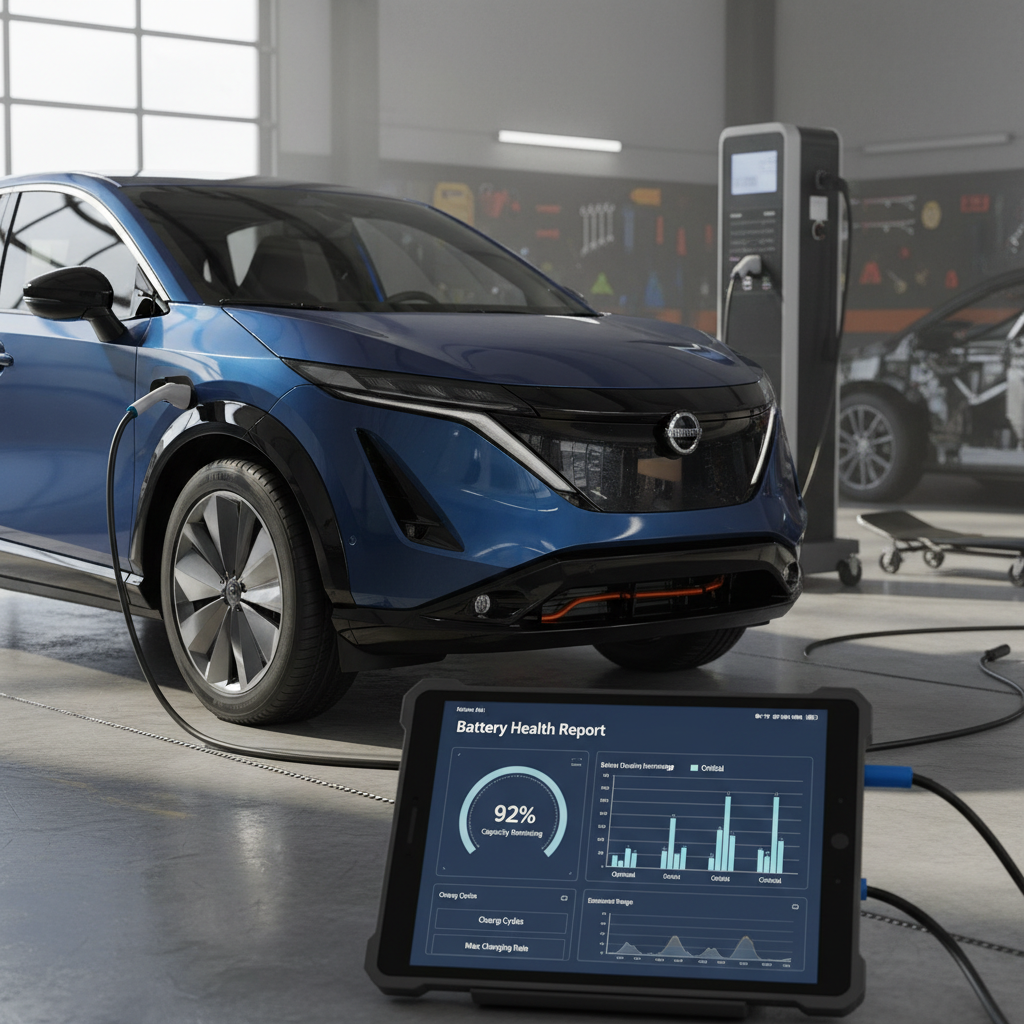
EPA range is measured when the battery is young and the test is gentle. A used EV that’s been fast‑charged to 100% every day for 100,000 miles is not the same machine it was at delivery. Battery health directly affects how far you can go between chargers and how fast you refill, two things that matter a lot when you’re staring across Kansas in February.
- As batteries age, usable capacity shrinks, reducing real‑world range between stops.
- Some degraded packs also charge more slowly, adding minutes to every DC fast session.
- Trip planners assume a certain battery health; if your car is far below that, you’ll need more frequent stops.
- Accurate battery diagnostics can surface hidden abuse you won’t see on a window sticker.
Buying a road‑trip EV used?
EV Road Trip Checklist: Before You Leave the Driveway
Pre‑Trip EV Prep Checklist
Confirm your connectors and adapters
Know whether your EV uses CCS, NACS, or CHAdeMO, and pack any necessary adapters. If your car can use Tesla Superchargers, confirm exactly which sites and what hardware you need.
Update all apps and payment methods
Install or update charging apps (Tesla, Electrify America, EVgo, ChargePoint, PlugShare, your automaker’s app). Add payment info and test at a local station before your big trip.
Check tires, brakes, and alignment
EVs are heavy. Under‑inflated or misaligned tires kill range and can be dangerous at highway speeds. Set pressures to the door‑jamb values before you leave.
Set realistic daily legs
Plot each day’s start, main legs, and overnight stop. Aim for state of charge (SoC) arrival in the 10–20% range, not zero. Build in one extra fast‑charge stop beyond what the nav insists on.
Pack a Level 1/2 backup
Bring your portable EVSE and any 14‑50/TT‑30 adapters you trust. In a pinch, a campground pedestal or friend’s dryer outlet can save a day.
Plan for kids, pets, and boredom
Extra stops are a feature, not a bug, if you use them well. Pack snacks, games, leashes, and charging‑time rituals so 30‑minute sessions feel like breaks, not delays.
Common EV Road Trip Mistakes to Avoid
- Believing the EPA number literally. Plan off your real‑world consumption, not the brochure range. Use a conservative buffer, especially in winter or at high speeds.
- Assuming every plug on the map works. Apps show planned stations that aren’t built yet, and stations that are down for maintenance. Always read recent check‑ins and reviews.
- Arriving at chargers nearly empty. Don’t treat 0% as a target. Aim to land with 10–20% so you have options if a site is full or offline.
- Charging to 100% every time. The fastest charging happens between roughly 10–60%. Topping up to 80–90% is sometimes necessary in sparse regions, but don’t linger at 100% out of habit.
- Ignoring terrain and weather. Climbing mountain passes, headwinds, freezing temps, or blasting A/C all nudge your consumption up. Adjust your stop spacing before the car panics on your behalf.
- Assuming any EV will do. A lightly used long‑range crossover with documented battery health is a very different road‑trip machine from a first‑generation city hatch with an unknown fast‑charging history.
The only truly bad outcome
EV Cross-Country Road Trip FAQ
Frequently Asked Questions About Cross-Country EV Trips
Bottom Line: Is an EV Cross-Country Road Trip Worth It?
If your question is "Is an EV cross country road trip possible?" the answer is yes, on America’s main arteries it’s already normal life. The better question is whether it fits your travel style. If you equate freedom with blasting 700 miles a day and stopping only when the fuel light screams, you may find the EV rhythm, shorter, more frequent, more civilized breaks, an adjustment. But if you’re open to re‑timing your stops around meals, scenery, and sleep, today’s EVs can turn a cross‑country slog into a quieter, calmer way to cross the map.
The trick is matching the right car to the right trip and going in with honest expectations. That’s where used EVs with documented battery health, like the ones you’ll find at Recharged, shine. Choose the right range and charging capability, plan with modern tools, and a cross‑country EV drive stops being a stunt and becomes just another way to go see the people and places that matter to you.