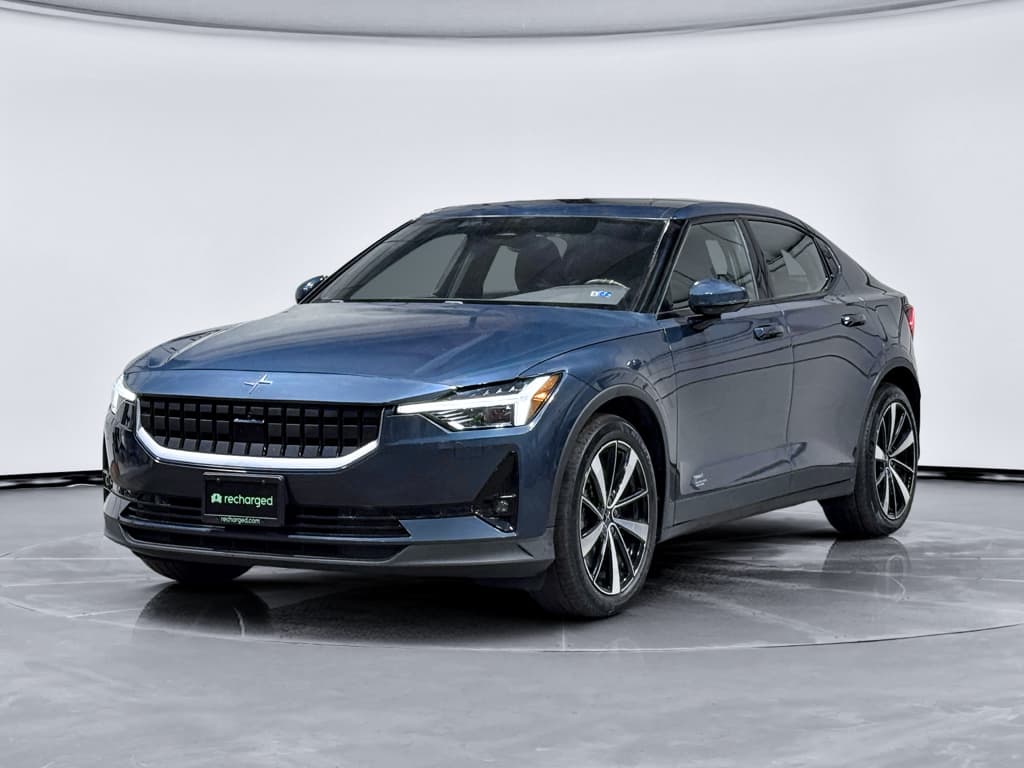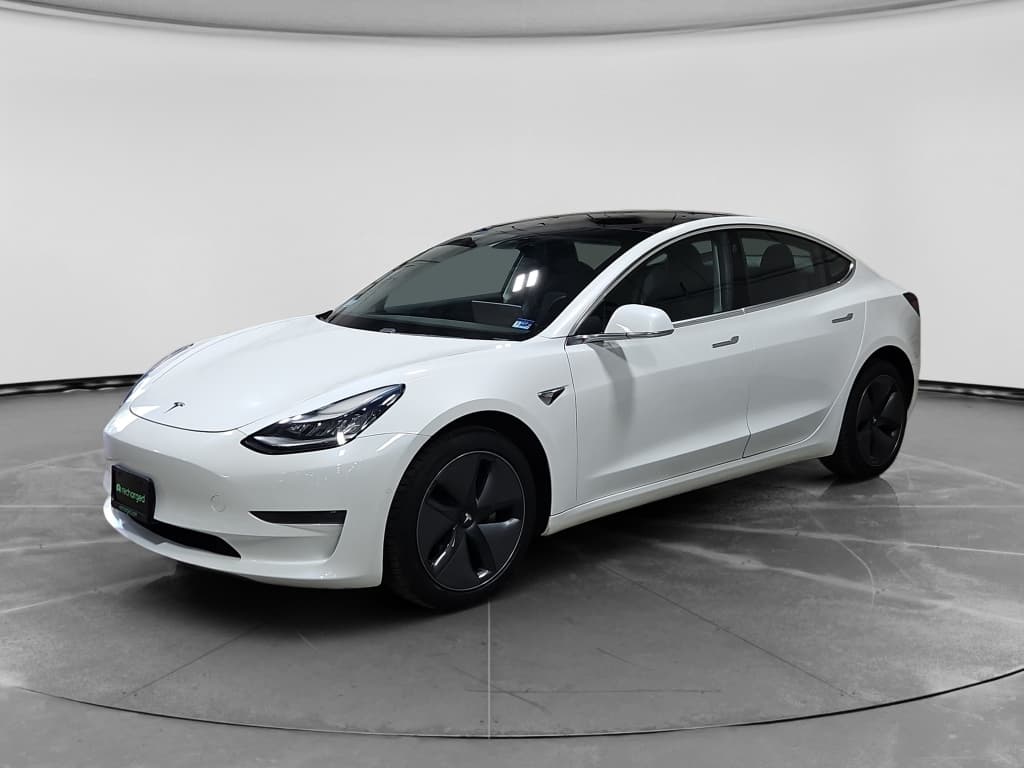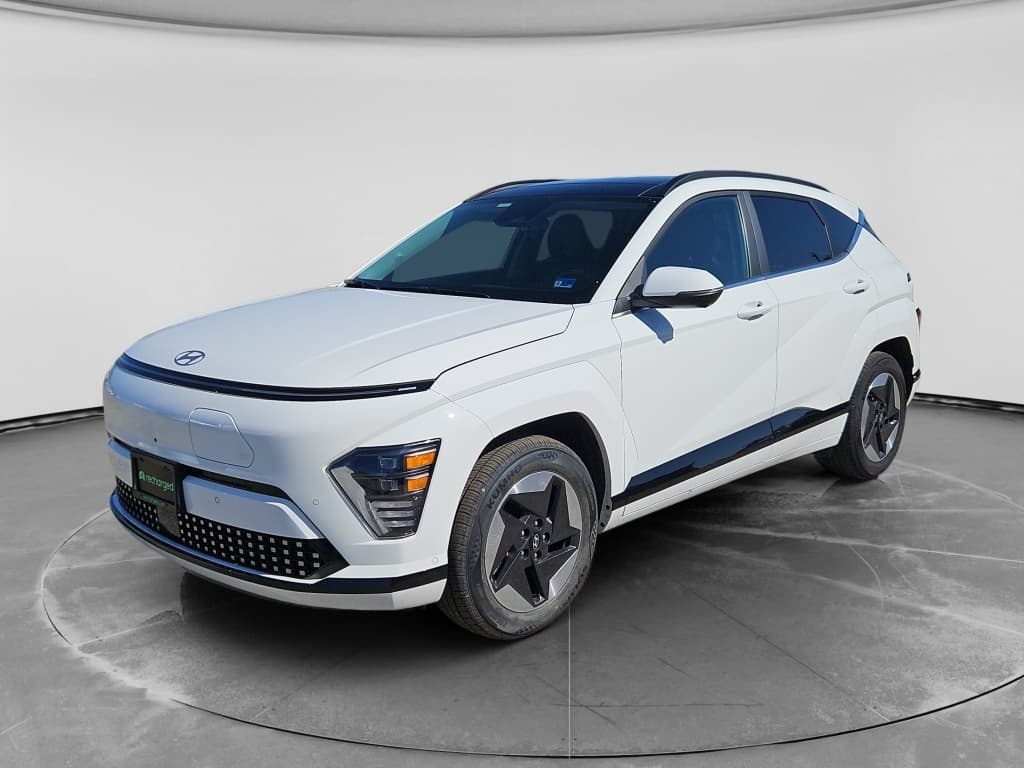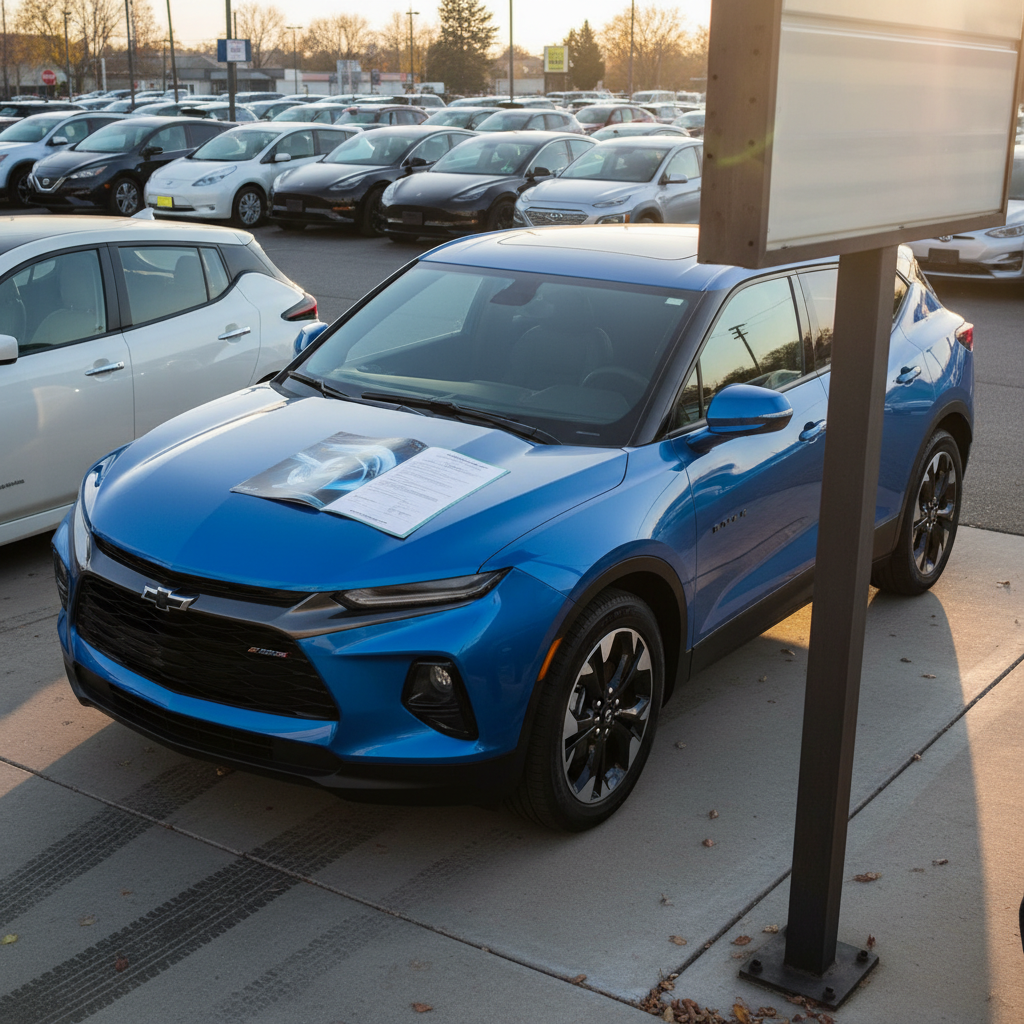
If you’re shopping for your next car in 2026, the big question isn’t just **electric or gas** anymore. It’s **“Is a used EV worth it in 2026, or am I buying someone else’s battery problems?”** The good news: prices are down, batteries are holding up better than many people feared, and the math increasingly favors the right used EV. The bad news: not every used electric car is a deal, and the rules have changed since federal tax credits expired in late 2025.
Snapshot: Are Used EVs a Good Deal in 2026?
Is a Used EV Worth It in 2026? Quick Answer
For most U.S. drivers in 2026, a used EV **is worth it** if: - You drive at least 8,000–10,000 miles a year - You can charge at home or reliably at work - The car’s battery still has healthy range for your routine - You buy at the now-lower market prices instead of overpaying at a legacy dealer Where a used EV may **not** be worth it is if you road-trip constantly in remote areas, can’t install home charging, or are looking at older, lower-range models with visible battery degradation and no trustworthy battery report.
Key Numbers Behind Used EVs in 2026
How the Used EV Market Has Changed by 2026
If you looked at used EVs a few years ago, the landscape in 2026 is almost unrecognizable. Values were on a rollercoaster: steep drops as new EV prices were cut, then a rebound in specific brands like Tesla after tax credits ended and production plans shifted. Overall, **used EVs now depreciate faster than gasoline cars**, which sounds scary for owners, but it’s a gift to used buyers.
What’s Different About Used EVs in 2026
Three big shifts that change whether a used EV is worth it
1. Prices Finally Corrected
2. Real Battery Data Exists
3. Charging Is Easier
Watch for Model-Specific Stories
Used EV Prices vs Gas Cars in 2026
By late 2024, average used EV prices in the U.S. had slipped into the high‑$30,000 range and continued easing into 2025 and 2026. In several segments, used EVs now undercut equivalent gas cars from the same brands. Meanwhile, some used Teslas have held or recovered value after supply tightened and new-car tax credits ended, but **most non‑Tesla EVs are relative bargains** compared to their original sticker.
Typical 3–5 Year-Old Used Prices in 2026 (Illustrative)
How used EVs often stack up against similar gas models by segment. Actual prices vary by mileage, condition, and region.
| Segment & Example | Used EV ballpark | Comparable gas car | Used gas ballpark |
|---|---|---|---|
| Compact sedan (e.g., Chevy Bolt EUV / Nissan Leaf) | $17k–$23k | Civic / Corolla | $18k–$24k |
| Entry luxury (e.g., Tesla Model 3 / Polestar 2) | $24k–$33k | BMW 3 Series / Audi A4 | $25k–$35k |
| Family crossover (e.g., Hyundai Ioniq 5 / VW ID.4) | $28k–$38k | RAV4 / CR‑V | $26k–$34k |
| Premium EV (e.g., Porsche Taycan) | $60k–$80k | 5‑Series / E‑Class | $40k–$55k |
In many categories, used EVs now cost the same or less than comparable gasoline cars, despite much lower running costs.
How to Use These Price Ranges
Battery Life and Degradation: Will a Used EV Battery Last?
This is the heart of the “is a used EV worth it in 2026” question. A modern EV’s battery pack is its engine, transmission, and fuel tank rolled into one very expensive component. The encouraging news: **most EV batteries are aging better than early skeptics predicted.**
- Most automakers back their EV batteries for at least 8 years / 100,000 miles, often guaranteeing at least 70% capacity in that window.
- Recent real‑world data suggests many EVs still retain roughly 85–90% of their original capacity after 8–10 years, depending on brand and usage.
- High‑mileage EVs with 100,000+ miles commonly show state‑of‑health in the high‑80s to mid‑90s percent range, especially when well cared for.
- Degradation isn’t linear: there’s an early dip in the first few years, then a long, slow flattening where capacity barely moves.
What Actually Hurts EV Batteries
Quick Signals of a Healthy vs. Tired Battery
What to look for when assessing a used EV in 2026
Signs of a Healthy Pack
- Range within ~10–15% of original EPA estimate
- Seller can show mostly Level 2 (home/work) charging history
- No battery‑related warning lights; smooth DC fast charging behavior
- Independent scan or Recharged Score shows high state‑of‑health
Red Flags to Investigate
- Range noticeably below what owners typically report for that model/year
- Service records showing repeated fast‑charging or thermal issues
- Car frequently limited power (“turtle mode”) or charging faults
- Seller can’t or won’t provide any battery data or reports
The True Costs of Owning a Used EV
Sticker price is only the opening act. To decide if a used EV is worth it in 2026, you need to look at **total cost of ownership**: energy, maintenance, repairs, insurance, and potential resale.
Energy: Electricity vs. Gas
If you can charge at home, you’re swapping $3–$5 per gallon gas for electricity that often works out to the equivalent of $1–$2 per gallon. Many U.S. EV drivers still save **hundreds to over a thousand dollars a year** on energy versus a similar gas car, especially in states with high fuel prices.
Public DC fast charging is more expensive, but if it’s only a slice of your driving, the math still usually favors electric.
Maintenance & Repairs
Used EVs don’t need oil changes, timing belts, or exhaust repairs. Brakes can last longer thanks to regenerative braking. You still have tires, cabin filters, and suspension wear, but for many owners yearly maintenance is dramatically lower than on a comparable gas car.
The wildcard is out‑of‑warranty repairs on electronics or, in rare cases, the battery pack. That’s why understanding battery health up front is so important.
Where Recharged Fits In
Ready to find your next EV?
Browse VehiclesWhen a Used EV Is Absolutely Worth It
There are scenarios where a used EV in 2026 is not just “fine,” but a **routinely smarter buy than a used gas car**. If you see yourself in one of these, a well‑vetted used EV is strongly worth considering.
Great Fits for a Used EV in 2026
You drive a predictable daily route
If most of your driving is commuting, school runs, and errands under 60–80 miles a day, a used EV with 180–220 miles of remaining real‑world range is more than enough, and you’ll enjoy quiet, effortless driving every single day.
You can charge at home or work
Access to a driveway, garage outlet, or workplace charging makes EV ownership dramatically more convenient and cheaper. Plug in, go to sleep or work, and your "tank" is full when you come back.
You’re price‑sensitive but plan to keep the car
Because EVs drop in value faster up front, buying used lets you avoid the steepest depreciation. If you then keep the car for 5–8+ years, you benefit from lower running costs while the remaining depreciation slows down.
You live in or near a metro area
Urban and suburban drivers usually have better charging coverage and shorter average trips. That makes range less of an issue and puts more of the EV’s strengths, quiet, instant torque, low running costs, into your daily life.
You care about emissions and air quality
Even with the carbon cost of manufacturing, a used EV typically has lower lifetime emissions than a comparable gas car, especially once you’re past roughly 15,000 miles of driving. Buying used is an even more resource‑efficient choice.
When a Used EV Might Not Be Worth It
Used EVs are not one‑size‑fits‑all. There are still drivers and situations where a gas or hybrid vehicle might serve you better in 2026.
- You can’t install home charging, have no workplace charging, and rely entirely on public infrastructure that’s spotty where you live.
- You routinely drive 250+ miles in a single day through regions with few fast‑chargers and can’t afford extra time for charging stops.
- The only used EVs in your budget are older, short‑range models (think original Leaf‑era cars) that no longer meet your real daily needs.
- You’re looking at a model with a known history of battery or electronics issues and you can’t get a trustworthy battery health report or warranty coverage.
Don’t Force an EV That Doesn’t Fit Your Life
How to Evaluate Whether a Specific Used EV Is Worth It
“Are used EVs worth it in 2026?” is one question. **“Is this specific 2019 Model 3 or 2021 Kona Electric worth what they’re asking?”** is another. Here’s how to work through that second question like a pro.
7-Step Checklist for Judging a Used EV
1. Start with your real range needs
Write down your longest regular round‑trip drive and add a cushion for bad weather and detours. If you need 120 miles, aim for a used EV with at least 180–200 miles of reliable remaining range.
2. Research the specific model/year
Look up common issues, battery chemistry, and real‑world owner reports. Some generations handle heat and fast charging far better than others. A quick model‑specific search can save you from an expensive mismatch.
3. Demand objective battery health data
Ask for a recent battery scan, capacity report, or a third‑party assessment like the <strong>Recharged Score</strong>. Don’t accept vague assurances like “it’s fine” in place of data.
4. Inspect charging history if possible
Frequent 150 kW fast‑charging in hot climates is a different story than mostly 240V home charging in mild weather. If service records or apps can show usage patterns, study them.
5. Check software and feature support
Make sure the car is up to date on software, and confirm which features are still supported, especially for older Teslas and early‑generation models. Software support affects safety, range, and resale value.
6. Compare total cost vs a similar gas car
Price out an equivalent gas model: purchase price, expected fuel, and maintenance over five years. If the EV’s purchase + electricity + maintenance comes out similar or lower, and it fits your life, that’s a strong “yes.”
7. Lean on EV‑savvy inspections
Traditional pre‑purchase inspections often ignore the battery and high‑voltage systems. Choose shops or platforms (like Recharged) that specialize in EV diagnostics, not just old‑school engine checks.
Use Recharged as a Shortcut
Financing, Incentives, and Resale in 2026
The money math around used EVs shifted in late 2025 when the **federal EV tax credits for new and used vehicles expired for purchases after September 30, 2025**. That means in 2026, you’re mostly looking at **state and local incentives**, plus dealer or lender programs. The upside is that lower used EV prices and simpler rules can make shopping more straightforward.
Financing a Used EV
Many lenders now treat EVs as mainstream products, offering competitive rates similar to gas cars. Some banks and credit unions still have green‑vehicle loan programs with slight rate discounts.
At Recharged, you can handle financing fully online, pre‑qualify with no showroom pressure, and line up payments before you ever step into an Experience Center or receive a delivery truck.
Resale Value Going Forward
From 2020–2024, EV resale values were volatile. By 2026, the picture is calmer: depreciation is still steeper than for some gas cars, but more predictable as battery tech stabilizes and more brands standardize on long‑range packs.
If you’re buying a used EV at today’s corrected prices and planning to keep it for years, you’re dodging the wildest swings and enjoying the inexpensive miles that follow.
Don’t Forget Local Perks
Used EV Worth It? Key FAQs for 2026
Frequently Asked Questions About Used EVs in 2026
Bottom Line: Is a Used EV Worth It in 2026?
In 2026, the used EV story has flipped. Early on, buyers paid big money for unproven technology. Today, you can buy those same cars after years in the wild, with real battery data, calmer prices, and a much clearer picture of what ownership looks like. For the right driver, someone with predictable miles, reasonable access to charging, and a bit of patience to shop carefully, a used EV is not just “worth it,” it’s often the smartest value play in the market.
The trick is refusing to buy blind. Demand battery health data. Compare total ownership costs, not just monthly payments. Lean on EV‑savvy inspectors and platforms that put the battery front and center instead of burying it in fine print. If you want a head start, explore used EVs on Recharged, every listing comes with a Recharged Score Report, financing options, trade‑in support, and expert guidance to help you decide, confidently, whether a particular used EV is truly worth it for you.