If you’re looking at the numbers and wondering, “Is a used electric car worth it?”, you’re not alone. With used EV prices dropping, batteries aging, and incentives changing in 2026, the answer isn’t a simple yes or no, it depends on your driving habits, charging situation, and what you’re comparing it to.
Quick answer
Is a used electric car worth it in 2026?
Key 2026 data points that shape the answer
Put simply, used EVs are finally priced like used cars, not niche tech products. Prices have dropped faster than gas vehicles in the last couple of years, and a 2026 total-cost-of-ownership study found that used battery-electric vehicles (BEVs) now have the lowest overall cost to own versus used gas, hybrid, and plug-in hybrid vehicles, mainly because of how they depreciate and how cheap they are to run over time.
But that doesn’t mean every used EV is automatically a bargain. Battery health, model choice, how you charge, and how long you plan to keep the car can swing the math thousands of dollars either way. The rest of this guide walks through the tradeoffs so you can decide whether a used electric car is worth it for you, and how to shop with confidence.
How used EV prices compare to gas cars
Until recently, used EVs carried a steep premium. That has flipped. Multiple datasets now show used EV prices falling much faster than gasoline models. One 2025 analysis of 1‑ to 5‑year‑old vehicles found the average used EV price around $32,000, down more than 15% year over year, while used gas and hybrids were essentially flat around $31,000.
Average used vehicle prices (1–5 years old, US)
Illustrative snapshot based on recent industry analyses; actual prices vary by model, mileage, and market.
| Powertrain | Average price | 1‑year change | Notes |
|---|---|---|---|
| Battery EV (BEV) | $32,000 | -15% | Sharp discounts as off‑lease EVs hit the market |
| Hybrid | $31,500 | ≈0% | Values holding steady |
| Gasoline | $31,300 | ≈0% | Prices largely flat after pandemic spikes |
Used EVs have come down sharply in price, narrowing the gap with gasoline vehicles.
Buyer’s advantage
There is one big caveat: not all models behave the same. High‑volume models like the Tesla Model 3 and Chevrolet Bolt have seen particularly large price drops as more hit the used market. Some niche models or long‑range luxury EVs still command higher prices. And late in 2025, when federal tax credits for new EVs ended, used Tesla prices in particular started creeping back up as shoppers looked to the secondhand market. In 2026, it pays to compare a few models, not just grab the first “cheap” EV you see.
Battery life on a used EV: what’s normal?
For many shoppers, the biggest worry is the battery: “Am I buying a ticking time bomb?” The good news is that real‑world data from fleets and battery‑tracking companies now shows modern EV packs holding up far better than early fears suggested.
- Most modern lithium‑ion EV batteries lose roughly 2–3% of capacity per year on average.
- It’s common to see 5–10% range loss after about five years for many mainstream models.
- Manufacturers typically warranty the battery to around 70% of original capacity for 8–10 years or 100,000–150,000 miles.
- Degradation isn’t perfectly linear: there’s usually a slightly faster drop in the first year or two, then a slower, steady decline.
Real‑world example
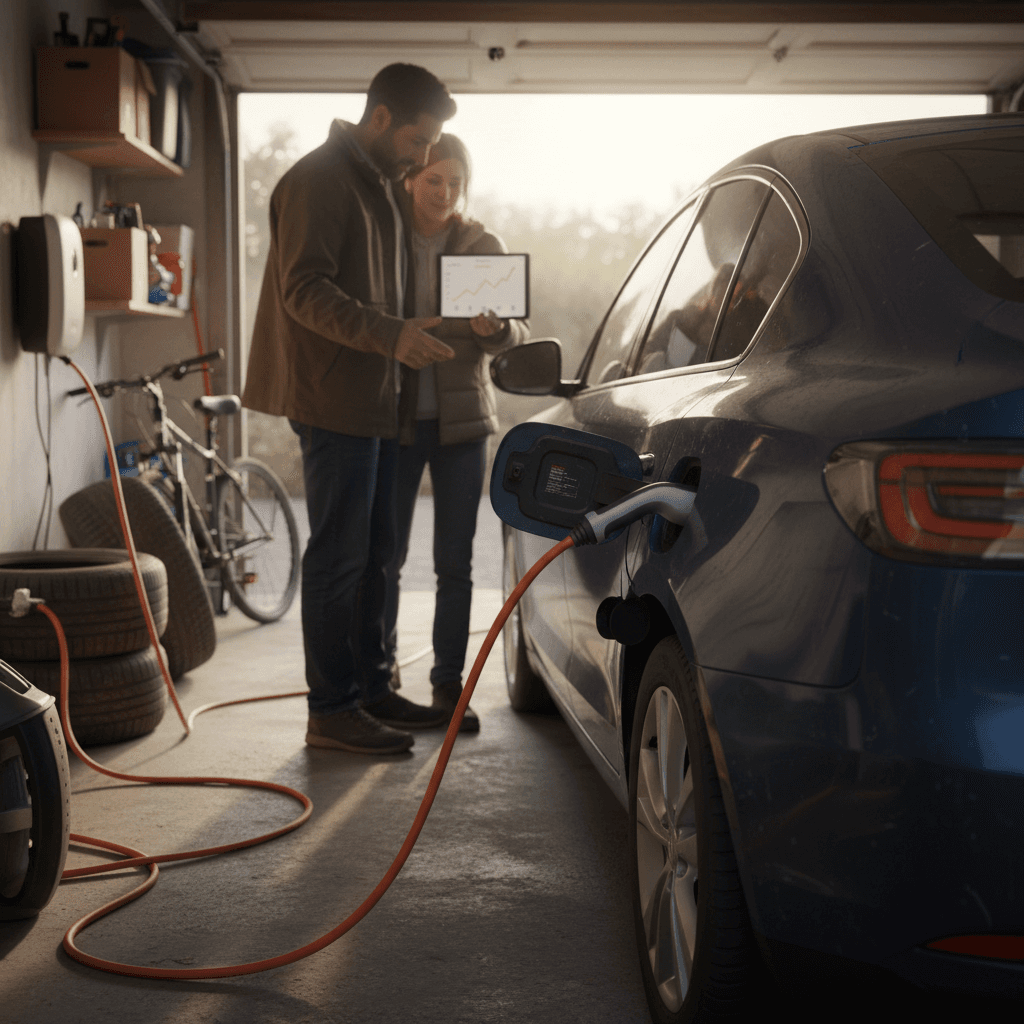
Where things get risky is at the extremes: early‑generation EVs with small packs (like older Nissan Leafs), cars that have lived in very hot climates, or vehicles fast‑charged constantly and left at 100% state‑of‑charge for long periods. Those can show much higher degradation, and that’s where a proper battery health report becomes critical.
Don’t trust the guess‑o‑meter alone
Total cost of ownership: used EV vs gas
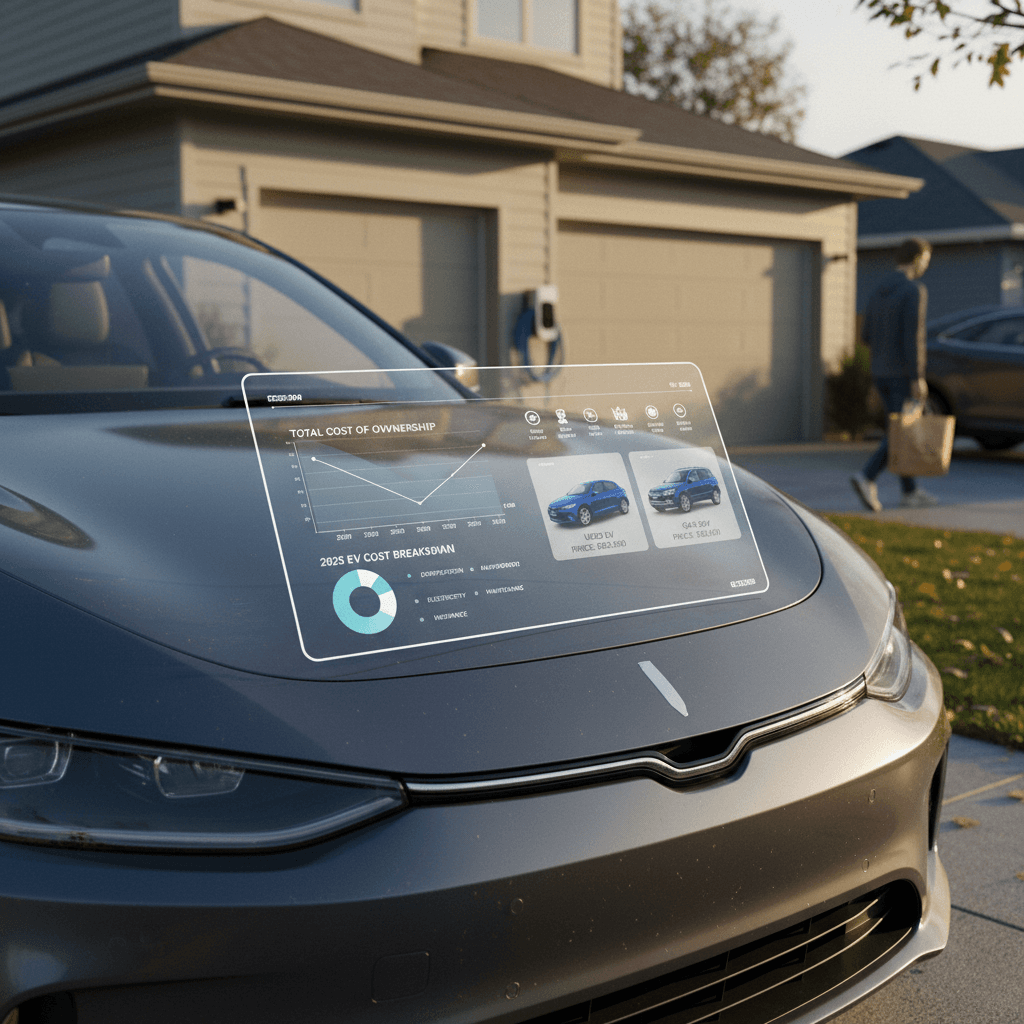
Even if a used EV is a bit more expensive up front than a comparable gas car, the question is what you pay over the years you own it. A 2026 analysis from the University of Michigan found that across different vehicle classes, cities, and charging patterns, used battery‑electric vehicles had the lowest total cost of ownership of all powertrains they studied. That held true even when new EVs often cost more than new gas cars.
Where used EVs save you money
- Fuel: Charging at home is typically equivalent to paying around $1–$1.50 per gallon of gas in many US regions, depending on electricity rates.
- Maintenance: No oil changes, fewer fluids, no exhaust system, and far fewer moving parts. Brake wear is often lower thanks to regenerative braking.
- Repairs: Fewer mechanical components that fail over time (no transmission in the traditional sense, no timing belts, etc.).
Where costs can creep up
- Public fast charging: DC fast‑charging can cost as much, or more, per mile than gas if you rely on it heavily.
- Insurance: Some EVs carry slightly higher premiums due to higher repair costs and complex technology.
- Battery replacement risk: Rare within warranty, but out‑of‑warranty pack replacement is expensive and can flip the math.
Big picture
When a used electric car is a great deal
Common situations where a used EV shines
If several of these describe you, a used electric car is very likely worth it.
Daily commuter
You drive a predictable route, say, 20–60 miles per day, mostly around town. A used EV with 200+ miles of real‑world range gives plenty of buffer, even with some battery degradation.
Home or workplace charging
You can plug in overnight at home or during the day at work. That keeps your fuel costs low and means you’re not relying on expensive fast charging.
Cost‑focused buyer
You care more about total cost per mile than about having the newest tech. You’re happy to let the first owner take the depreciation hit and enjoy lower monthly costs.
Lower emissions priority
You want to cut your tailpipe emissions. After about 15,000 miles of driving, an EV’s lifetime emissions advantage over gas grows steadily, even accounting for battery production.
You keep cars a while
If you tend to keep a vehicle 5–8 years, a well‑priced used EV can deliver thousands in fuel and maintenance savings over that span.
Second car in the household
You already have a gas or hybrid vehicle for long road trips. The used EV handles commuting and errands, so range and charging constraints matter less.
In these scenarios, the math usually leans heavily in favor of a used EV, as long as you verify battery health and don’t overpay for a model whose values are still falling fast.
When a used EV might not be worth it
Red flags for your situation
- You live in an apartment or condo with no reliable access to charging, and workplace/public options are limited or expensive.
- You routinely drive long, rural routes where fast‑charging is sparse and can’t tolerate extra planning or charging time.
- You plan to keep the car only 1–2 years and are very sensitive to resale value swings in a volatile segment.
- You’re looking at an older, short‑range EV (for example, an early Nissan Leaf) with significant degradation in a hot‑weather market.
- Your local electricity rates are unusually high and gas is cheap, making fuel savings smaller.
None of these are automatic deal‑breakers, but they raise the bar: the car has to be priced attractively, with a clearly healthy battery and a realistic plan for how you’ll charge.
Used EV depreciation and future resale value
For years, the knock on EVs was brutal depreciation. That’s been partly true, especially for early models and high‑priced luxury EVs. In 2024 and 2025, multiple analyses showed used EVs losing value four to six times faster than hybrids and gas cars, with some popular EVs dropping 20–25% in a single year. That’s painful if you bought new, but a huge opportunity if you’re buying used in 2026.
Where things stand now
That said, future resale value is still uncertain. Upcoming cheaper new EVs, changing incentives, and rapid improvements in range and charging speeds can all pressure older models. If resale value is your top priority, lean toward:
- High‑demand mainstream models with broad appeal (e.g., compact crossovers).
- Vehicles with strong battery health and longer range.
- Brands with good reliability records and active software support.
“The sharp depreciation of EVs presents a potential opportunity for buyers looking for lower-cost electric models while gasoline and hybrid vehicles maintain their value.”
How to check battery health before you buy
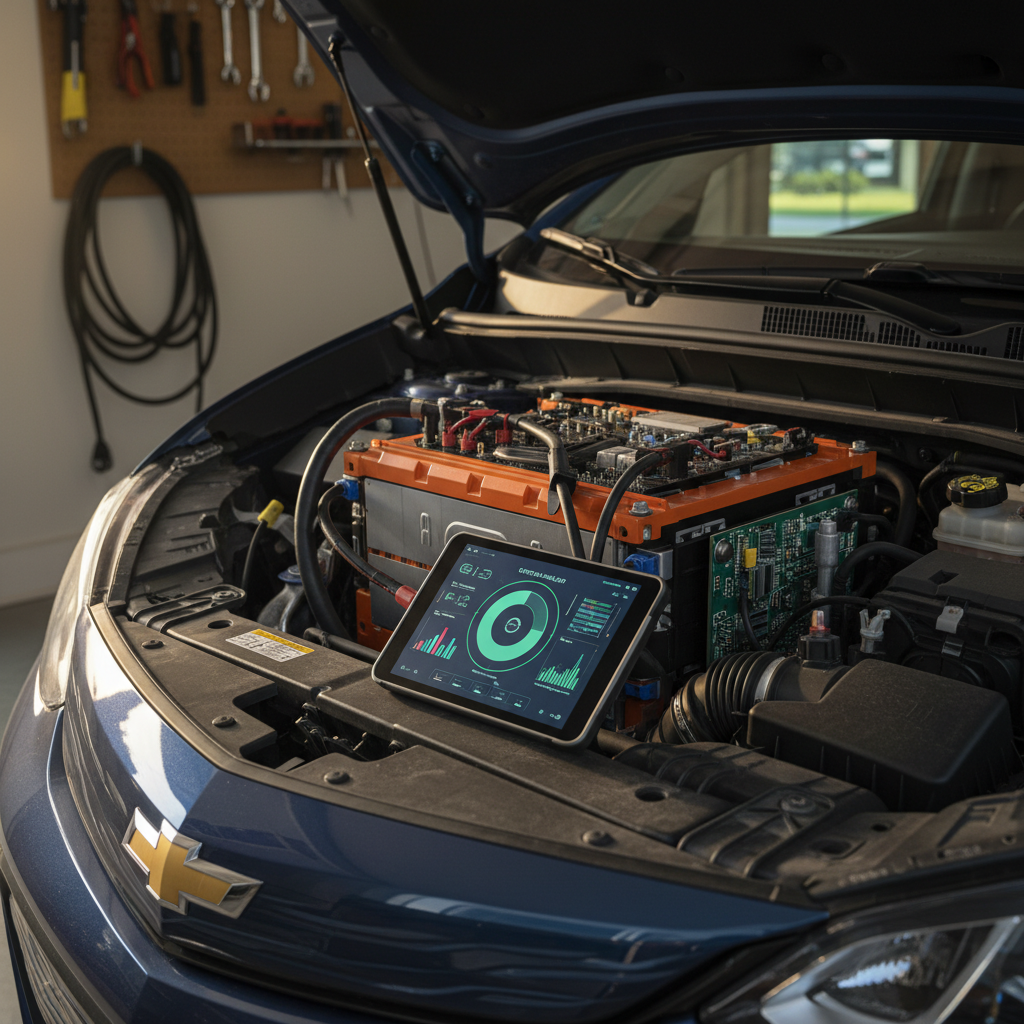
Battery health is the single biggest swing factor in whether a used electric car is worth it. Two similar‑looking cars can differ by 15–20% in remaining capacity depending on how they were used and charged. You want objective data, not guesswork.
Essential battery checks for any used EV
1. Get a third‑party battery health report
Use a specialized diagnostic service or marketplace that can read the pack directly and estimate remaining capacity and expected range. At Recharged, every vehicle comes with a <strong>Recharged Score battery health report</strong> so you’re not buying blind.
2. Review the EV’s battery warranty
Confirm the original battery warranty term (often 8–10 years / 100,000–150,000 miles) and whether it transfers to you. A car still under battery warranty carries much less downside risk.
3. Look at real‑world range, not just EPA numbers
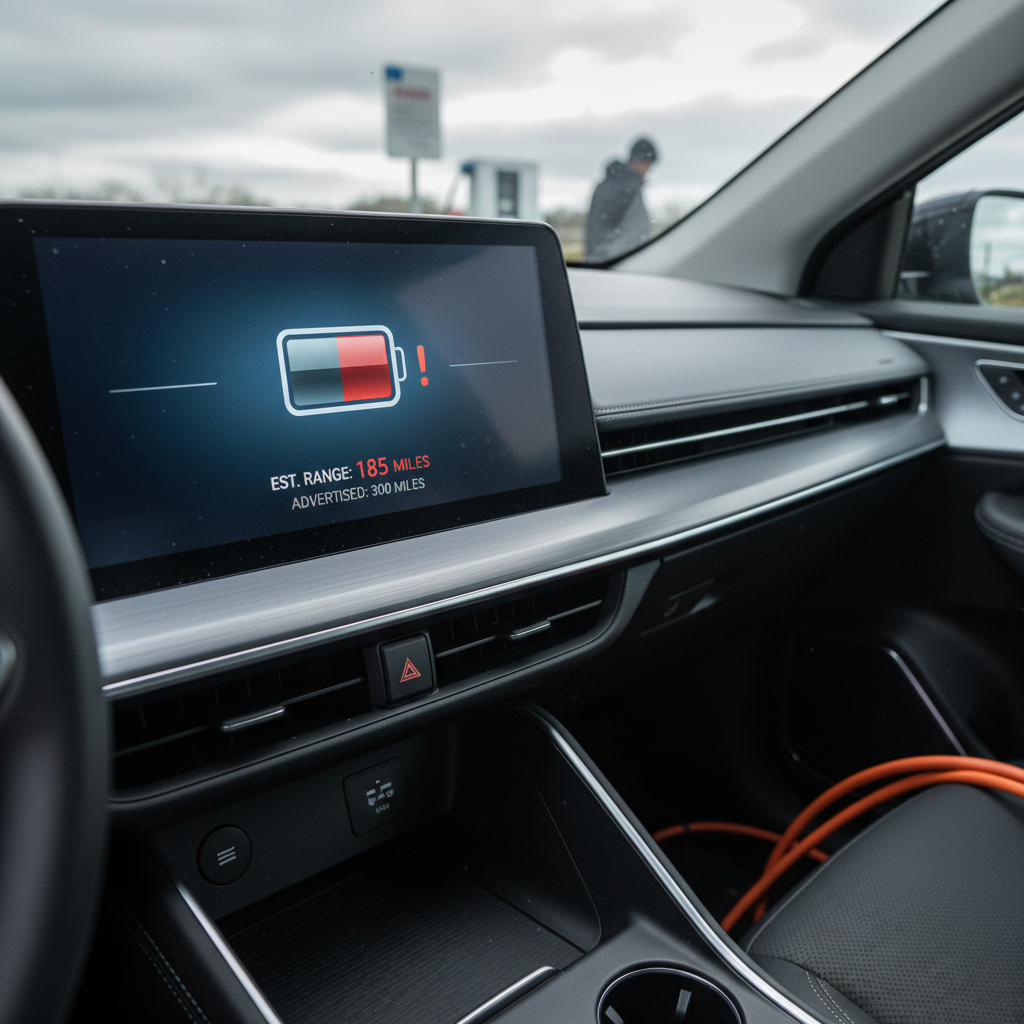
Ask for recent full‑charge range observations or trip logs. If a car rated at 260 miles new only delivers 170–180 miles in mixed driving, that’s a sign of meaningful degradation.
4. Check charging history and habits
Frequent DC fast‑charging, constantly charging to 100%, and living in very hot climates can accelerate wear. A car mostly charged at Level 2 (home/work) and kept between ~20–80% is ideal.
5. Inspect for software and recall updates
Ensure the car is running current software and that any battery‑related recalls or service bulletins have been addressed. This can affect both performance and longevity.
How Recharged helps
Financing, incentives and taxes for used EVs
In the US, incentives have shifted quickly. As of late 2025, federal tax credits for both new and used EVs ended, which has changed the way shoppers do the math in 2026. That said, used EVs are still often cheaper to own overall thanks to lower fuel and maintenance costs, and some states and utilities continue to offer local rebates or discounted charging.
Financial factors that affect whether a used EV is “worth it”
Key money pieces to check before you sign.
| Factor | What to check | Why it matters |
|---|---|---|
| Purchase price | Compare used EVs to similar gas/hybrid models in your market. | A small price premium can be fine if fuel and maintenance savings are strong. |
| Interest rate | Ask lenders about EV‑friendly rates and terms. | Slightly better financing can offset the lack of a tax credit. |
| Local incentives | State/utility rebates, special electricity rates, or HOV lane access. | These can add hundreds of dollars in value per year. |
| Electricity vs gas prices | Your home kWh rate vs local gas price per gallon. | Determines how big your fuel savings will be. |
| Taxes & fees | Sales tax, registration, EV‑specific fees. | Make sure you compare out‑the‑door numbers, not just sticker prices. |
Even without federal credits, there are several levers that can tilt the math toward a used EV.
Where Recharged fits in
Step-by-step checklist for evaluating a used EV
If you’re trying to decide whether a specific used electric car is worth it, use this quick framework. It turns a big, fuzzy question into a concrete yes/no decision.
“Is this used EV worth it?” decision checklist
1. Confirm your use case and range needs
Add up your typical daily miles and your longest regular trips. If a car’s <strong>realistic range with degradation</strong> covers your needs with 25–30% buffer, you’re in good shape.
2. Verify charging access
Can you reliably charge at home, work, or a nearby Level 2 station? If not, are there enough DC fast‑chargers on your routes, and are you okay paying more for them?
3. Get battery health data
Don’t skip this. Use a marketplace like Recharged that provides a <strong>verified battery health report</strong>, or have an expert run diagnostics. Walk away from cars with severe, unexplained degradation unless they’re priced accordingly.
4. Compare total monthly cost
Compare payments, insurance estimates, and average monthly charging vs gas spend against a similar gas or hybrid car. A slightly higher payment can still be a win if your fuel and maintenance bills plunge.
5. Check depreciation and resale risk
Look at recent price trends for that model. If values are still falling fast and you plan to sell soon, you may want a lower purchase price or a different model.
6. Review history and condition
As with any used car, check accident history, service records, tire and brake wear, and cosmetic condition. EVs still need good tires and a solid chassis.
FAQ: is a used electric car worth it for you?
Frequently asked questions about used EV value
Bottom line: is a used electric car worth it?
For a growing share of drivers in 2026, the answer to “Is a used electric car worth it?” is yes, especially if you have predictable driving patterns, access to home or workplace charging, and plan to keep the car for several years. You’re stepping into a vehicle after the steepest depreciation has already hit, with lower ongoing fuel and maintenance costs and a battery that, in most modern EVs, is aging far more gracefully than early skeptics expected.
Where people get burned is when they skip battery diagnostics, overestimate range, or buy from sellers who don’t really understand EVs. If you approach a used EV the way you’d approach any major purchase, with good data, realistic expectations, and a clear sense of how you’ll use it, it can be one of the smartest plays in the current car market.
If you’d like expert help running the numbers, comparing models, or reading a battery health report, Recharged is built for exactly that. Every vehicle on our marketplace includes a Recharged Score Report with verified battery health and fair market pricing, plus EV‑specialist support from first question to final delivery. That way, you’re not gambling on whether a used electric car is worth it, you’ll know before you drive it home.