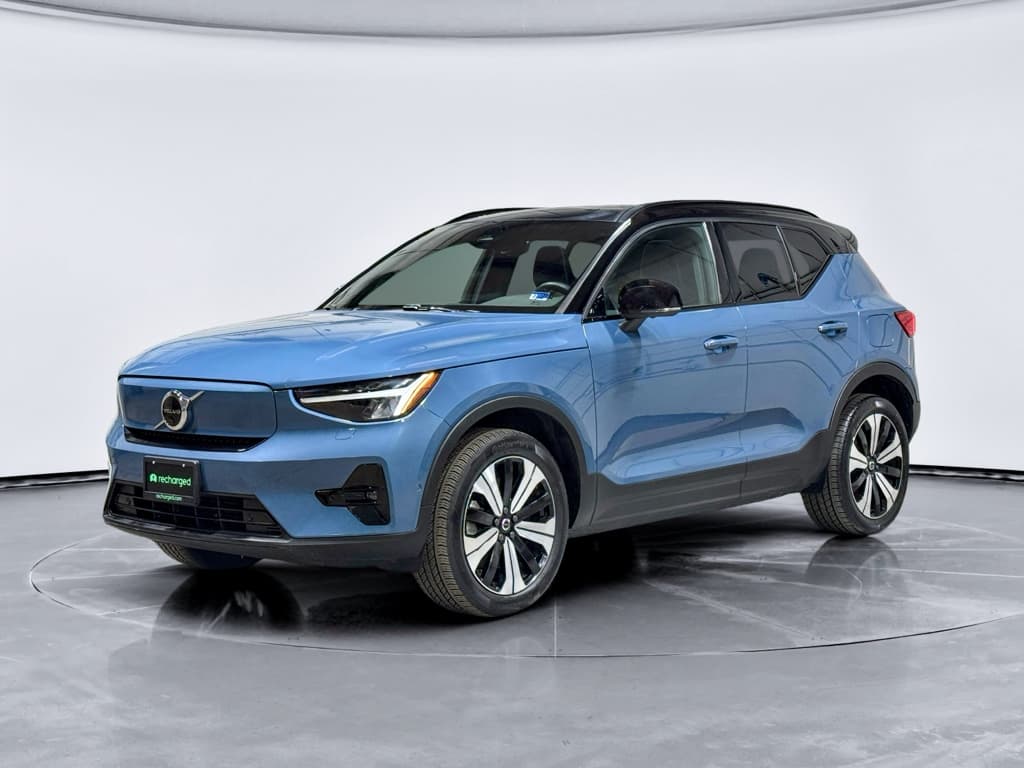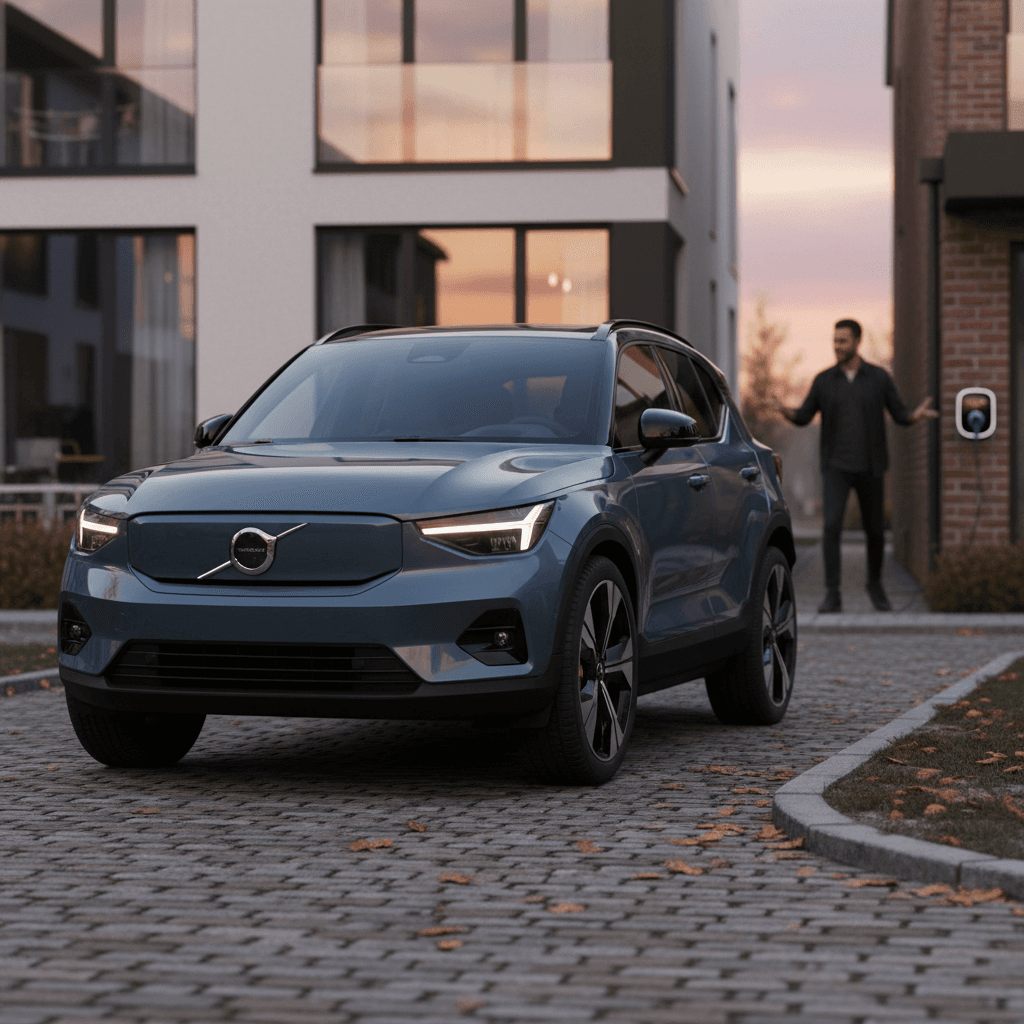
If you’re shopping for a small, premium electric SUV, the question naturally comes up: is the 2026 Volvo EX30 a good buy? On paper, it’s a compelling package, strong performance, upscale design, a reasonable price tag, and Volvo’s safety reputation. But early software bugs, a high‑voltage battery recall, and a smaller battery than some rivals mean you’ll want to go in with eyes wide open.
Model‑year context
2026 Volvo EX30 at a glance
Key 2026 Volvo EX30 numbers (U.S.-relevant)
Is the 2026 Volvo EX30 a good buy?
For many buyers, the 2026 Volvo EX30 can be a very good buy, especially if you prioritize design, city‑friendly size, strong performance, and safety over maximum range. However, it’s not a no‑brainer. Early EX30s have faced software teething issues and a high‑voltage battery recall, and its modest battery size means long‑distance drivers might be happier in something like a Kia Niro EV or Tesla Model Y.
In other words: if you mainly commute, run errands, or take occasional regional trips with reliable access to DC fast charging or Level 2 at home, the EX30 makes a lot of sense. If your life is built around frequent 300‑ to 400‑mile drives, you’ll want to weigh the trade‑offs carefully and look closely at charging behavior and real‑world range.
Quick verdict
Strengths: where the 2026 EX30 shines
Major pros of the 2026 Volvo EX30
Why this small EV punches above its weight
Compact size, upscale feel
The EX30 is smaller than many electric SUVs, which makes it easy to park and maneuver in tight urban areas. Yet the cabin design, materials, and big central screen deliver a premium feel you’d expect from a more expensive Volvo.
Serious performance
Even the single‑motor versions feel lively. The twin‑motor Performance trim delivers sports‑sedan acceleration, making on‑ramps and passing effortless while still feeling solid and planted.
Safety first
Euro NCAP awarded the EX30 a five‑star overall rating, with strong scores in adult and child protection and advanced driver‑assistance tech. That matters when you’re choosing a small vehicle to share roads with large trucks and SUVs.
Aggressive pricing
Volvo positioned the EX30 below the larger XC40 Recharge, undercutting some premium rivals and often landing in the high‑$30Ks to mid‑$40Ks before incentives for well‑equipped trims.
Efficient and light
The relatively small battery keeps curb weight in check, helping efficiency and making the EX30 feel more agile than some heavier compact EVs with 75–80 kWh packs.
Cross Country flavor
The EX30 Cross Country variant adds extra ground clearance, cladding, and a more rugged look, appealing if you like the idea of light trails, snowy roads, or just a tougher aesthetic.
Weaknesses and early issues to know about
1. Software bugs and UX quirks
Early EX30 owners have reported infotainment glitches, app connectivity hiccups, and UX annoyances like slow wake‑up times or inconsistent driver‑assist behavior. Volvo has been pushing over‑the‑air (OTA) updates and the 2026 model benefits from later software, but this is still a first‑generation product on a new platform.
Expect things to improve over time, but if you’re a "set it and forget it" kind of driver, factor in that you may see the occasional gremlin.
2. Battery recall and long‑term confidence
Volvo has already announced a high‑voltage battery recall affecting tens of thousands of EX30s globally, including North American builds. The aim is to address a thermal‑event risk at very high states of charge. While recalls are part of modern EV life, any battery‑related campaign can shake buyer confidence.
If you’re considering a 2026 EX30, confirm recall status and ask for documentation of completed work. This is exactly the kind of thing a structured inspection and battery‑health report should surface.
Be realistic about size & space
Range, battery and charging: what to expect
The EX30 uses 51 kWh (standard range) and 69 kWh (extended range and Performance) batteries. In U.S.‑style driving, most shoppers will see the extended‑range models as the sweet spot. Official range figures vary by wheel size and configuration, but think in terms of roughly mid‑200‑mile real‑world capability on the highway when new, based on emerging testing and early road trips.
2026 Volvo EX30 battery and performance overview
Big‑picture view of powertrains most U.S. shoppers will encounter
| Trim (likely U.S.) | Drive | Battery (nominal) | Power | Character |
|---|---|---|---|---|
| Single Motor | RWD | 51 kWh | ~268 hp | Lowest price, best city efficiency, limited highway range |
| Single Motor Extended Range | RWD | 69 kWh | ~268 hp | Best balance of price, range and performance |
| Twin Motor Performance | AWD | 69 kWh | ~422 hp | Quickest, grippiest, but slightly less efficient |
Exact EPA figures will depend on wheel choice and certification timing, but these numbers frame the trade‑offs.
Charging behavior in the real world
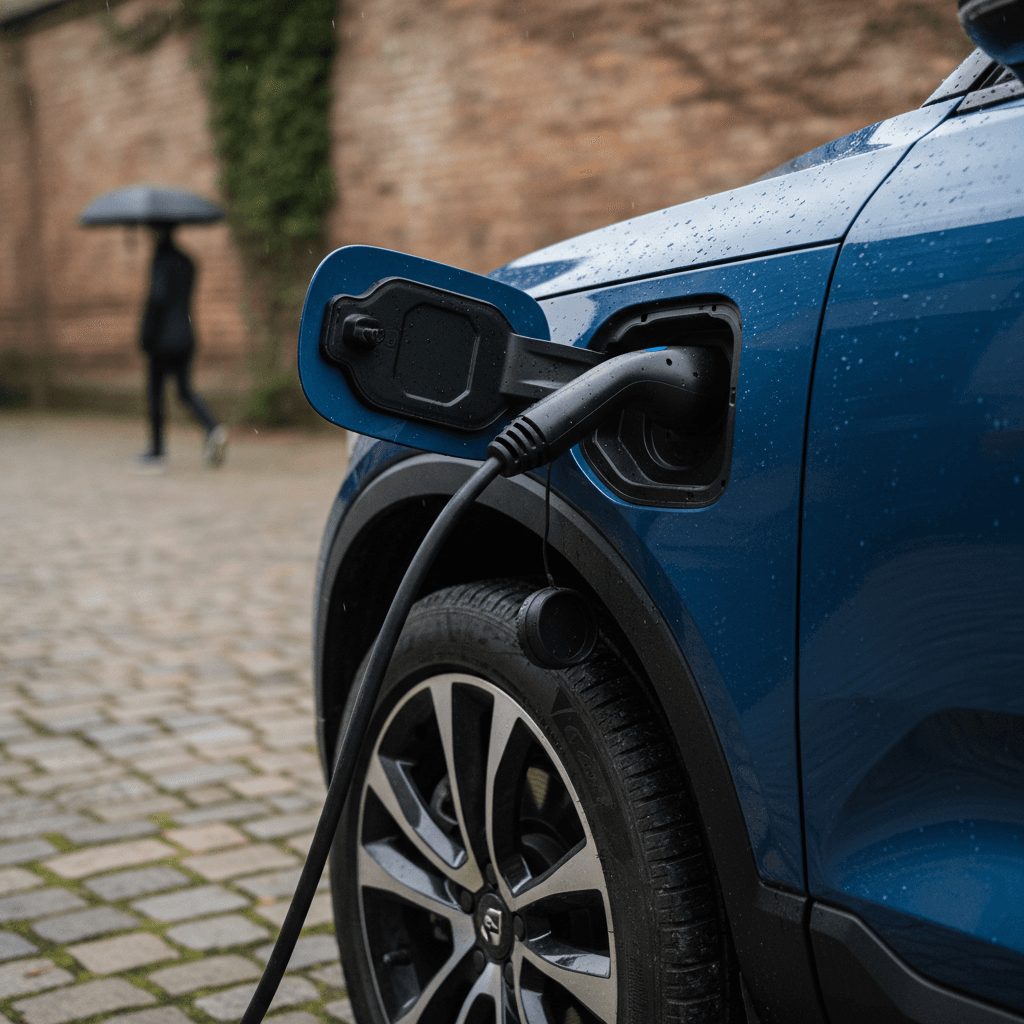
- Daily commuting (30–60 miles): the EX30 is in its element. You’ll likely charge at home a few times a week and rarely think about public charging.
- Weekend getaways (150–220 miles one‑way): manageable with a mid‑trip fast‑charge stop, especially in extended‑range trims.
- Regular long‑haul (250+ miles each way): doable, but you’ll stop more often than in longer‑range rivals. If that sounds exhausting, consider a different EV class.
Safety ratings and driver assistance
Safety is a big part of why the 2026 Volvo EX30 is on so many shortlists. Euro NCAP has already awarded it a five‑star overall rating, with strong sub‑scores in adult occupant protection, child occupant protection, and safety‑assist technologies. For a pint‑size SUV sharing American highways with massive pickups, that’s not just nice to have, it’s essential.
Key safety and driver‑assist highlights
What you’re actually getting for your money
Robust structure
Crash‑test performance shows the EX30’s structure and restraints doing exactly what you expect from a Volvo, with good protection in side‑impacts and offset frontal crashes.
Advanced collision avoidance
Automatic emergency braking, pedestrian and cyclist detection, lane‑keeping support, and rear cross‑traffic alerts help you avoid trouble in the first place.
Highway driver assist
Adaptive cruise and lane centering reduce fatigue on longer drives. As with all systems, keep your hands on the wheel and treat it as an assistant, not an autopilot.
Know the limits of driver aids
Pricing, value and resale outlook
Volvo hasn’t reinvented the pricing wheel with the EX30, but it has slotted it smartly. In the U.S., early guidance and overseas pricing suggest most 2026 EX30s will land from the high‑$30Ks to mid‑$40Ks before incentives, depending on trim and options. That undercuts larger premium EVs and some Tesla Model Y configurations while offering a nicer interior than many mainstream competitors.
Short‑term value
If you’re planning to keep the car for 3–5 years, the EX30’s pricing and feature mix look attractive. You’re getting premium design, big performance (if you want it), and top‑tier safety without paying full compact‑luxury money.
However, first‑generation EVs often see quicker depreciation than proven models. That’s not unique to Volvo, software and battery tech are evolving fast, but it’s worth remembering if you tend to trade vehicles often.
Resale and used‑market outlook
The EX30’s stylish design, small footprint, and safety pedigree should help it hold value reasonably well if Volvo manages software updates and recalls transparently. Owners who can document completed battery recall work and regular maintenance will likely fare better at trade‑in time.
On the used side, that same depreciation curve can turn the EX30 into a strong value play in a few years, especially when paired with an independent battery‑health report and recall verification.
Where Recharged fits in
Ready to find your next EV?
Browse Vehicles2026 Volvo EX30 vs key rivals
How the 2026 EX30 stacks up against small EV SUVs
High‑level comparison with popular alternatives most U.S. shoppers consider.
| Model | Character | Range feel | Space | Starting price (approx.) |
|---|---|---|---|---|
| Volvo EX30 | Premium, very quick, city‑friendly | Mid‑pack; fine for daily use, modest for long trips | Tight rear seat, smallish cargo | High‑$30Ks+ |
| Kia Niro EV | Efficient, practical, less premium | Strong; easy 250‑ish mile days | Better rear room, more cargo | High‑$30Ks |
| Hyundai Kona Electric | Value‑focused, techy interior | Similar or slightly better than EX30 | Tight but usable rear seat | Mid‑$30Ks |
| Tesla Model Y | Bigger, more range, Tesla ecosystem | Comfortable highway range by comparison | Much more interior and cargo space | Low‑$40Ks+ |
| Chevrolet Equinox EV (when available) | Mainstream, likely strong value | Targeted to be competitive | More family‑friendly size | TBA, expected mid‑$30Ks+ |
Specs are approximate and focus on the feel and use‑case more than raw brochure numbers.
How to read this comparison
Should you buy new, or wait and buy used?
Because the 2026 EX30 is still relatively new in the U.S., you’re staring at a classic early‑adopter dilemma: buy new now, or wait a couple of years and scoop up a used one at a discount once software matures and recall work is baked in?
Different paths depending on how you buy
If you’re thinking about buying or leasing new in 2026
Confirm your local dealer has the latest software loaded and all applicable campaigns or recalls performed before delivery.
Decide whether you truly need the twin‑motor Performance. Many shoppers are happier with the extended‑range single‑motor and its lower price.
Plan for home Level 2 charging; living on DC fast chargers will expose the EX30’s modest battery size and add wear over time.
Consider leasing if you’re concerned about first‑gen EV depreciation but want the newest safety and UX updates.
If you’re leaning toward a used EX30 in a few years
Target vehicles with documented recall and software‑update history; missing paperwork is a red flag.
Insist on a <strong>battery‑health assessment</strong>, not just a quick test drive. Range can feel fine today while underlying capacity has slipped.
Compare pricing against similar‑age Niro EV, Kona Electric, and Model Y listings to ensure you’re being compensated for first‑gen risk.
Use a specialist marketplace like Recharged that understands EV‑specific issues and can answer detailed charging and battery questions.
Checklist before you buy a Volvo EX30
Pre‑purchase checklist for the 2026 EX30
1. Clarify your real range needs
List your typical daily miles, worst‑case commute, and how often you take 200‑plus‑mile trips. If most of your life fits under 120 miles a day with occasional weekend travel, the EX30’s range will likely work.
2. Decide on single vs twin motor
Test‑drive both if possible. The twin‑motor’s acceleration is thrilling, but you may prefer the smoother, more efficient single‑motor, especially if you don’t face harsh winters that really justify AWD.
3. Confirm recall and software status
Ask the dealer or seller for a print‑out of completed campaigns and software versions. For used examples, cross‑check VINs against open recall tools and insist issues are resolved before you sign.
4. Evaluate charging at home and near work
Verify you can install, or already have, a 240V Level 2 charger at home, or that workplace charging is reliable. Tie this back to how often you’ll need DC fast charging on trips.
5. Sit in the back and pack the trunk
Bring the people and gear you’ll actually carry. If rear‑seat legroom or cargo prove too tight for your reality, it’s better to learn that in the showroom than on your first vacation.
6. Run the numbers on total cost of ownership
Compare insurance, electricity vs. fuel, tax incentives, and projected depreciation against a couple of rivals. Sometimes a slightly more expensive but more efficient or better‑resale model costs less over time.
FAQ: 2026 Volvo EX30 buying questions
Frequently asked questions about the 2026 Volvo EX30
Bottom line: is the 2026 EX30 right for you?
Viewed objectively, the 2026 Volvo EX30 is neither a slam‑dunk everyone‑should‑buy‑it pick nor a model to avoid. It’s a thoughtfully designed, quick, and safe small EV that excels as a daily driver for urban and suburban life. Its weaknesses, modest battery size, early software wobbles, and a significant recall, are real but manageable for buyers who do their homework.
If you’re clear about your range needs, insist on full recall and software documentation, and plan to charge mostly at home, the 2026 EX30 can be a rewarding and sensible choice. If you’re still on the fence, keep an eye on the used market. As more EX30s flow into platforms like Recharged with verified battery‑health data and pricing transparency, you’ll be able to compare late‑model EX30s directly against other used EVs and decide whether this distinctive Swedish EV truly earns a place in your driveway.