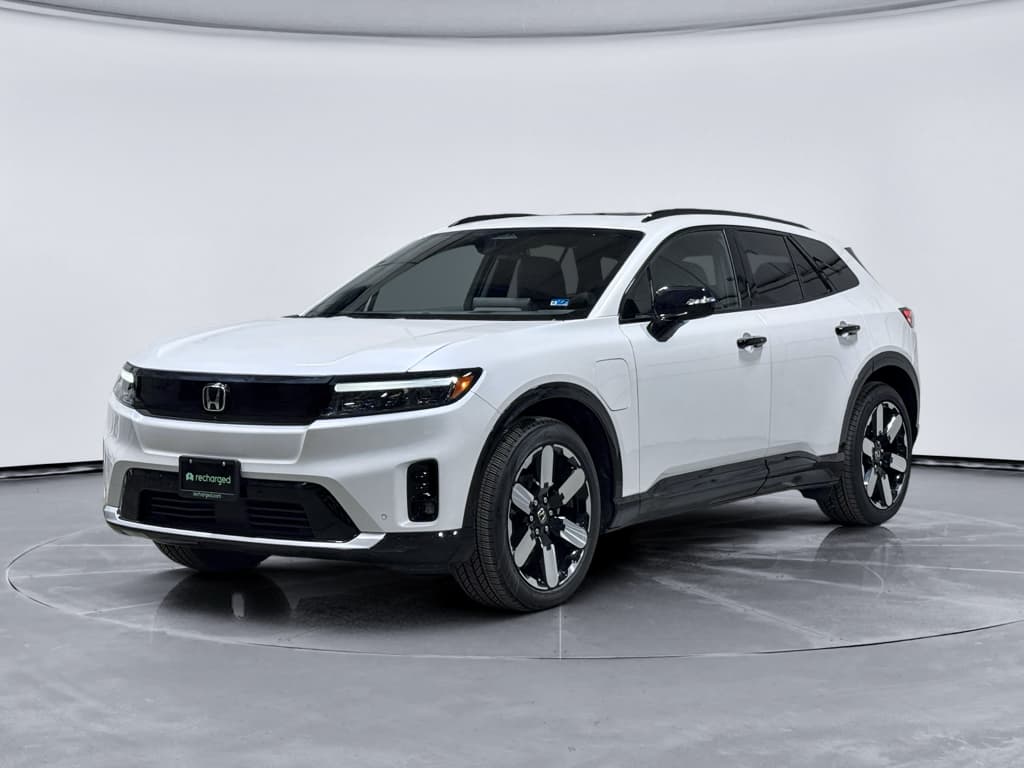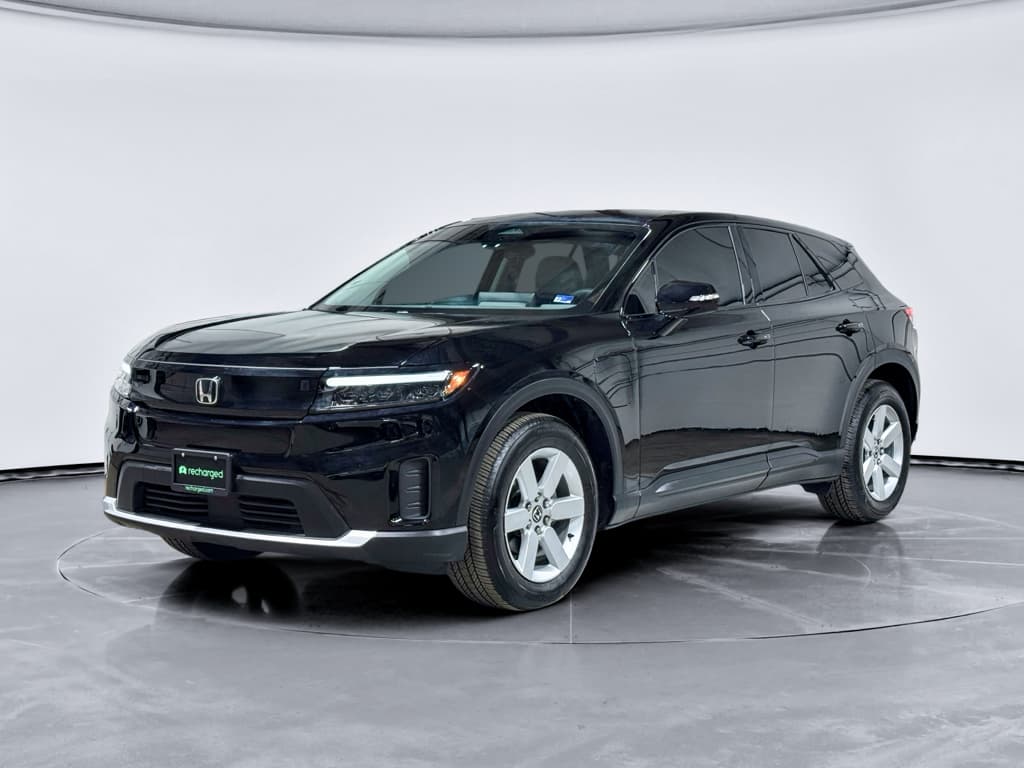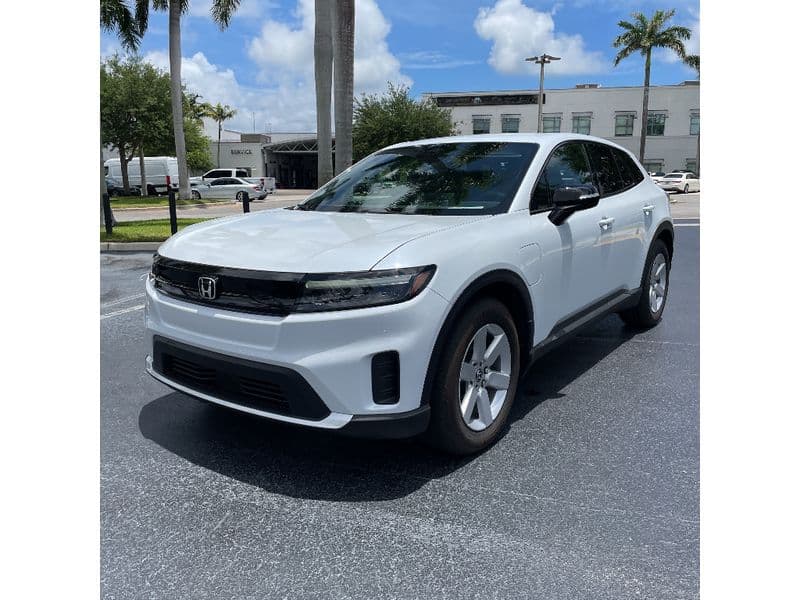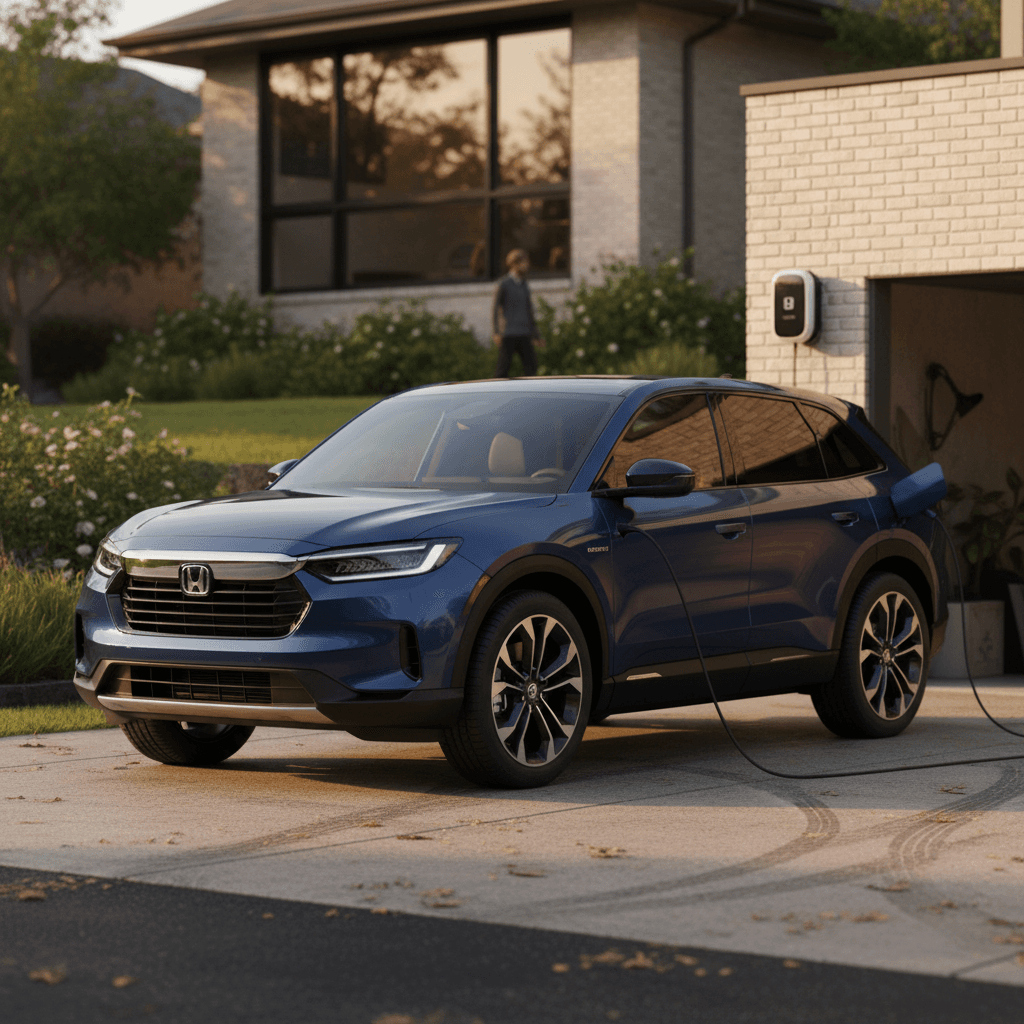
If you’re asking yourself, “Is the 2026 Honda Prologue a good buy?” you’re not alone. Honda’s first mass‑market EV SUV rides on GM’s Ultium platform, promises nearly 300 miles of range, and targets families who want Honda familiarity with modern EV tech. The catch is that you’re buying into a brand‑new EV effort, shared hardware with GM, and a changing tax‑credit landscape. Let’s unpack whether that adds up to a smart move for you in 2026.
Quick Take
Is the 2026 Honda Prologue a Good Buy for You?
Reasons it can be a good buy
- Comfortable, spacious mid‑size SUV footprint that feels like a familiar Honda.
- Competitive range (around 270–295 miles depending on configuration).
- 11.5 kW onboard charger makes home Level 2 charging genuinely convenient.
- Full suite of Honda Sensing safety tech and modern infotainment.
- Early‑generation new‑EV incentives and lease programs are often aggressive.
Reasons to be cautious
- Built on GM’s Ultium platform, which has had some early‑life recalls and software teething issues in siblings like the Blazer EV.
- DC fast‑charging speed (around 155 kW peak) trails some rivals that push 200+ kW.
- Federal tax credit rules change after September 30, 2025; your effective price in 2026 may be higher than 2024 buyers enjoyed.
- Resale values for first‑wave EVs can be volatile, especially when newer tech arrives quickly.
So, is the 2026 Honda Prologue a good buy? For a household that wants a well‑equipped, comfortable family EV with Honda’s user‑friendly feel and doesn’t obsess over fastest‑in‑class charging, it’s a reasonable choice. If you’re value‑driven or sensitive to depreciation, a lightly used Prologue, or a rival with faster charging and more established EV track record, may be smarter.
2026 Honda Prologue: Key Specs and What They Mean
2026 Honda Prologue Key Numbers (Approximate, U.S. Market)
2026 Honda Prologue: Simplified Trim Overview
Exact equipment can vary by market and final Honda packaging, but here’s how the lineup generally breaks down.
| Trim | Drivetrain | Power (hp) | Estimated Range | Highlights |
|---|---|---|---|---|
| EX | Single‑motor FWD | ~220 | Near top of lineup | Most affordable; cloth or basic seating, core safety tech, smaller wheels |
| Touring | Dual‑motor AWD | ~288–300 | Lower than FWD | Added comfort features, upgraded audio, more options |
| Elite | Dual‑motor AWD | ~288–300 | Slightly lower | Top‑spec interior, bigger wheels, more luxury features |
Always confirm final specs and pricing with a Honda dealer; details can shift slightly year to year.
Spec sheet vs. real life
Big Pros and Cons of the 2026 Honda Prologue
2026 Honda Prologue Pros and Cons
A balanced look before you sign anything
Key Advantages
- Comfortable, familiar Honda feel – Layout, seats, and controls will make longtime Honda owners feel at home.
- Competitive range – Around 270–295 miles puts it right in the thick of the class.
- Ultium platform packaging – Flat floor, good rear legroom, and usable cargo space.
- Strong safety and driver‑assist tech via Honda Sensing, plus modern infotainment.
- Available AWD with decent power for snowbelt buyers or those who tow light loads.
Clear Drawbacks
- Charging speeds and network experience that lag Tesla and some Korean rivals in practice.
- Unknown long‑term reliability of Honda’s first Ultium‑based EV over 8–10 years.
- Pricing pushes into premium territory once you add AWD and options.
- Depreciation risk as newer Honda EVs on Honda’s own platform arrive later in the decade.
Pricing, Trims, and Real-World Value
Early Prologue models have started around the high‑$40,000s for well‑equipped front‑wheel‑drive trims, with dual‑motor AWD and top‑tier Elite models pushing into the mid‑$50,000s and beyond depending on options. By 2026, Honda will likely tweak MSRPs, but you should still think of the Prologue as a mid‑to‑upper mainstream EV SUV, not an entry‑level bargain.
- EX and base FWD trims: target shoppers who want a usable EV SUV without luxury pricing.
- Touring and Elite AWD trims: aimed at buyers cross‑shopping premium‑leaning EVs like the Blazer EV and some luxury compact SUVs.
- Lease programs: often the most attractive way to access federal tax incentives and protect yourself from depreciation on a first‑generation EV.
Tax credit timing matters
If you can stack a strong Honda discount with remaining incentives or a competitive lease program, the 2026 Prologue becomes a much stronger value. Without those, its pricing puts pressure on it to compete not just with mainstream rivals, but with certified used luxury EVs that may be thousands cheaper on the used market.
Range, Battery, and Charging Experience
The 2026 Honda Prologue uses an 85 kWh Ultium lithium‑ion battery. Front‑wheel‑drive versions are EPA‑rated close to 296 miles, while dual‑motor AWD versions land in the high‑260s to low‑270s. That’s competitive with many mid‑size EV SUVs, though not a segment‑leader.
- Daily driving: For a typical 30–60‑mile commute, you’ll likely charge every few days at home and rarely think about range.
- Road trips: You’ll need to plan DC fast‑charge stops every 170–220 miles or so, depending on weather, speed, and load.
- Cold weather: Expect a 20–30% hit to range in harsh winter conditions, similar to other EVs.
Charging the 2026 Prologue: What to Know
1. Home Level 2 is almost mandatory
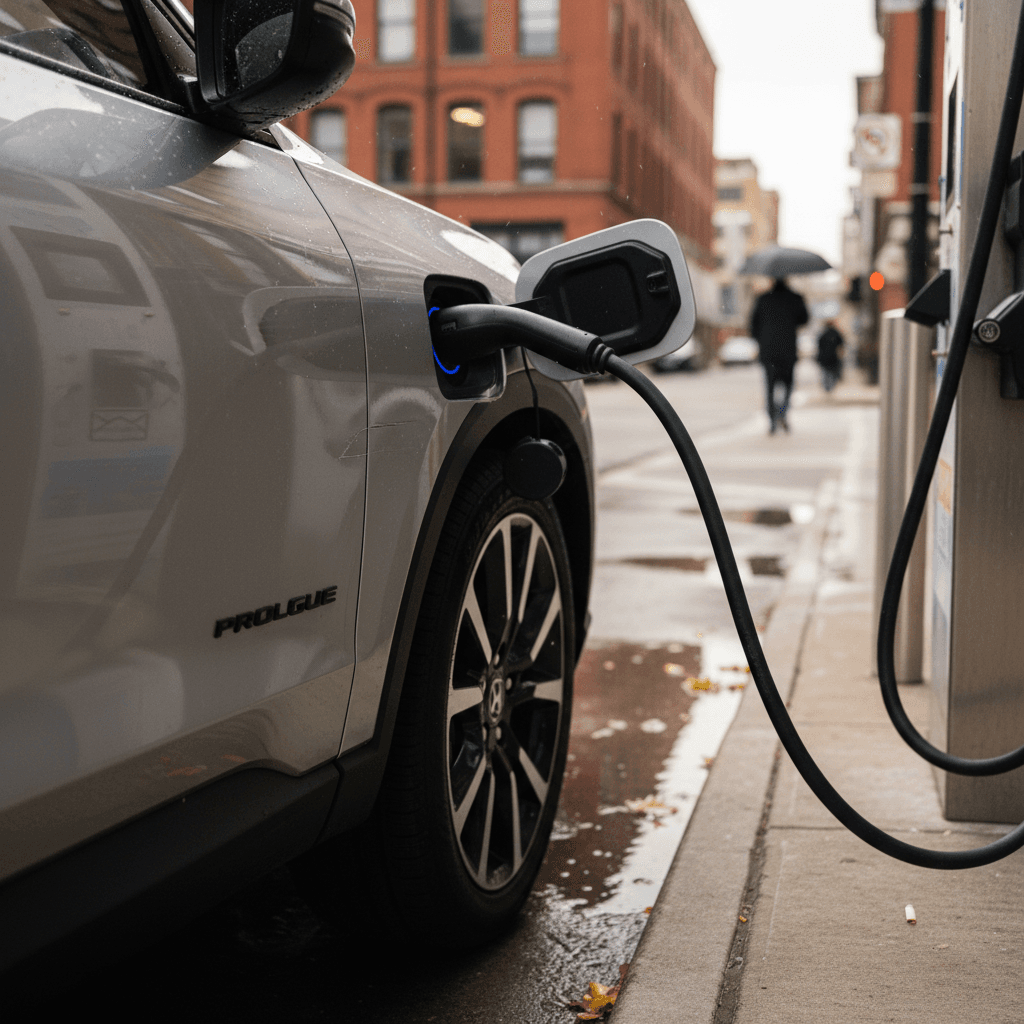
The Prologue’s 11.5 kW onboard charger shines when paired with a 40–48A Level 2 charger at home. That setup can add roughly 30–35 miles of range per hour, easily refilling overnight.
2. DC fast charging is solid, not spectacular
With a peak around 155 kW, the Prologue can typically go from 20% to 80% in about 30–35 minutes. Some rivals on 800‑volt architectures can do materially better, but for most road trips, this is acceptable.
3. Charging networks still matter
You’ll likely rely on CCS‑based public networks (and increasingly NACS‑compatible sites via adapters or native support). As coverage improves, your experience will depend as much on station reliability as on the car itself.
4. Plan for colder‑weather performance
Like all EVs, the Prologue will suffer range and charging‑speed penalties in very cold weather. Preconditioning the battery and cabin while plugged in can help mitigate this.
Pair it with a quality home charger
Ownership Costs, Reliability, and Ultium Concerns
Historically, Honda has built its reputation on long‑term durability and low running costs. The challenge here is that the Prologue is built on GM’s Ultium architecture, assembled in Mexico alongside the Chevrolet Blazer EV. That brings both upsides and unknowns.
Cost of ownership
- Energy costs – Electricity is usually cheaper per mile than gasoline, especially if you can charge overnight on a favorable time‑of‑use rate.
- Maintenance – No oil changes, fewer moving parts, and regenerative braking can extend brake life. Expect fewer routine visits than a gas CR‑V or Passport.
- Tires and brakes – As with most EVs, heavier curb weight and instant torque can mean faster tire wear if you drive aggressively.
Reliability questions
- GM’s early Ultium products have had software and quality hiccups, including stop‑sales and recalls on some Blazer EVs.
- Honda’s tuning and customer‑service approach may be different, but we don’t yet have 8–10 years of real‑world Prologue data.
- Battery warranties typically span 8 years/100,000 miles or more, but resale values can still be influenced by early‑life issues.
Early‑adopter risk
How the Prologue Compares to Key Rivals
2026 Honda Prologue vs. Key EV SUV Rivals
A simplified snapshot against some obvious alternatives.
| Model | Typical Range | DC Fast Charge Peak | Notable Strength | Potential Weak Spot |
|---|---|---|---|---|
| Honda Prologue | ~270–295 mi | ~155 kW | Familiar Honda feel, comfortable interior, usable range | First‑gen EV, Ultium teething issues, only mid‑pack charging |
| Chevrolet Blazer EV | ~250–320 mi (varies widely by trim) | Up to ~195 kW | Stronger performance options, higher DC peak | Early software/quality issues and pricing swings |
| Hyundai Ioniq 5 / Kia EV6 | ~260–310 mi | Up to 230–240 kW | 800‑V charging, very fast road‑trip stops, bold styling | Less traditional interior, availability can vary |
| Tesla Model Y | ~260–330 mi | ~250 kW | Supercharger network, efficient, strong software | Interior design polarizes; quality consistency varies |
Specs are generalized; always verify current numbers for the exact model year and trim you’re considering.
Where Prologue fits in
Buy, Lease, or Wait for a Used Prologue?
Because the Prologue is a new, first‑generation Honda EV built on a still‑maturing platform, your purchase method matters almost as much as the vehicle itself. In 2026, I’d weigh three main paths.
Three Smart Ways to Approach the Prologue
Match your risk tolerance and budget
1. Lease a new Prologue
Best for: Tech‑curious shoppers who want predictable costs.
- Leasing can let you benefit from incentives even after direct tax credits lapse.
- You hand the car back before long‑term battery and resale questions fully play out.
- Look for low‑money‑factor, subvented leases from Honda.
2. Buy a discounted new one
Best for: Drivers planning to keep the car 7–10 years.
- Negotiate aggressively, especially if dealers carry inventory.
- Lock in a good out‑the‑door price to offset depreciation risk.
- Track total cost of ownership, not just the monthly payment.
3. Wait and buy used
Best for: Value‑focused buyers comfortable with some uncertainty.
- Early depreciation on first‑gen EVs can create excellent used deals.
- By 2027–2028, you’ll see off‑lease Prologues with real‑world history.
- Pair a used Prologue with an independent battery‑health report, like a Recharged Score, for added peace of mind.
How Recharged fits in
Who the 2026 Honda Prologue Is (and Isn’t) Right For
The 2026 Honda Prologue Is a Good Buy If…
You’re already a Honda household
If you’ve lived with CR‑Vs, Pilots, or Accords, the Prologue’s cabin and driving manners will feel familiar, just quieter and smoother.
You care more about comfort than 0–60 bragging rights
The Prologue offers adequate power and smooth acceleration, but it’s not an EV drag racer. It focuses on easy drivability and refinement.
You have (or can add) home Level 2 charging
Owning any mid‑size EV without home charging is possible but much less convenient. A dedicated Level 2 setup at home makes the Prologue a pleasure to live with.
You’re okay being an early adopter, with safeguards
If you lease or buy with a strong discount and understand the Ultium platform’s early‑life learning curve, you can enjoy the Prologue without losing sleep.
- You probably should not buy a Prologue if you demand the absolute fastest DC fast‑charging and road‑trip performance.
- It may not be ideal if you’re extremely conservative about new tech and plan to keep the car 15+ years without any appetite for risk.
- If you’re budget‑constrained, a used EV from Recharged, like a Hyundai Ioniq 5, Kia EV6, Tesla Model Y, or future used Prologue, could deliver more value per dollar.
FAQ: 2026 Honda Prologue Buying Questions
Frequently Asked Questions About the 2026 Honda Prologue
Bottom Line: Is the 2026 Honda Prologue a Good Buy?
So, is the 2026 Honda Prologue a good buy? For many mainstream shoppers who like Honda’s DNA and want a comfortable, mid‑size electric SUV for family duty and commuting, the answer is "yes, with conditions." You’ll get competitive range, a pleasant interior, and the familiarity of Honda’s ergonomics, wrapped around GM’s Ultium tech.
But you are also stepping into a first‑generation EV built on a still‑evolving platform, with mid‑pack DC fast‑charging and an uncertain long‑term resale story, especially as tax‑credit rules shift after 2025 and newer Honda‑engineered EVs arrive. If you can protect yourself with a strong lease deal or a sharply negotiated purchase price, the Prologue can be a rational, satisfying choice.
If you’d rather let someone else take the early‑adopter hit, keep an eye on the Recharged marketplace in the coming years. A used Prologue, or one of its increasingly capable competitors, with a Recharged Score battery‑health report and transparent pricing may end up being the better buy for you and your budget.