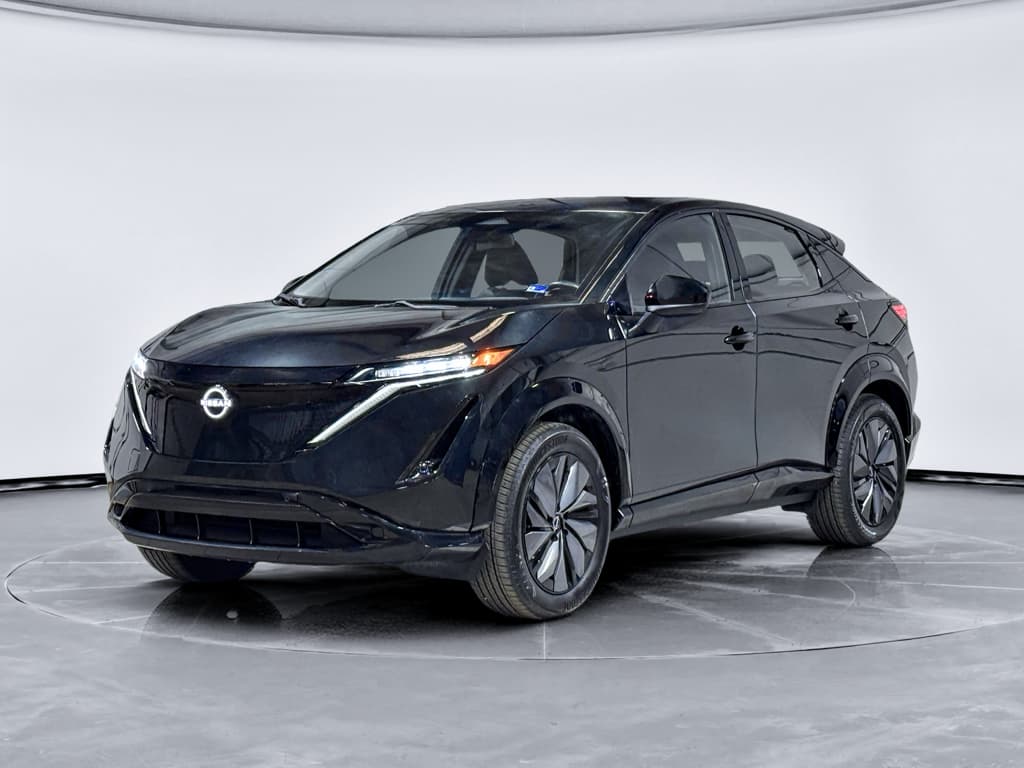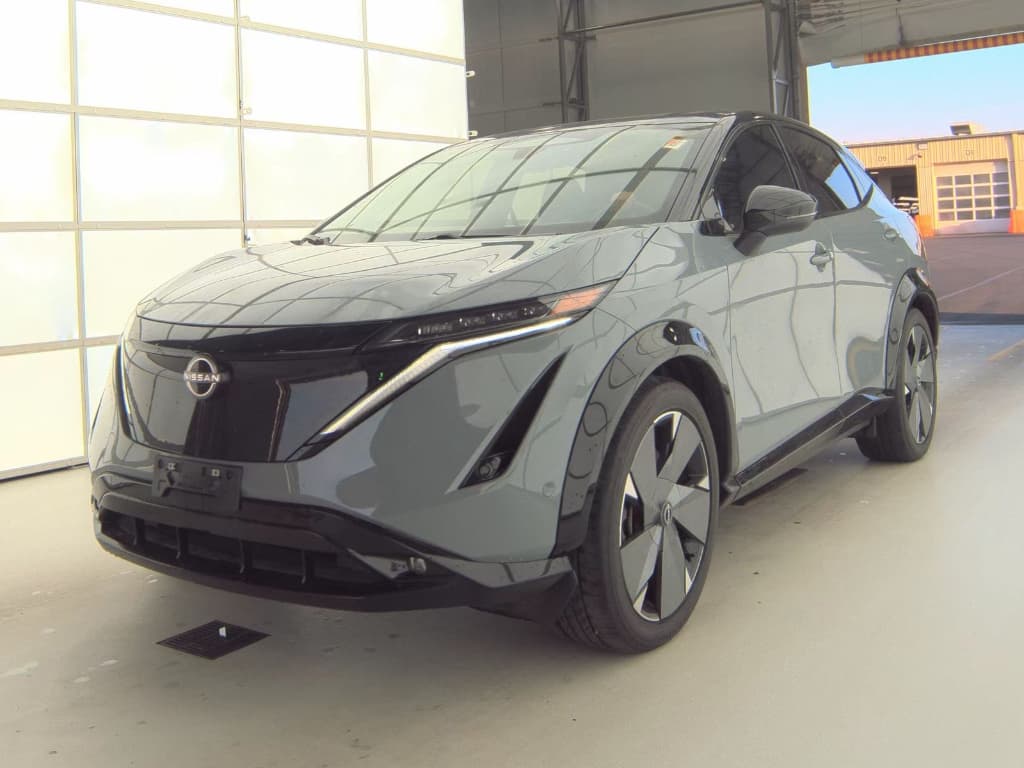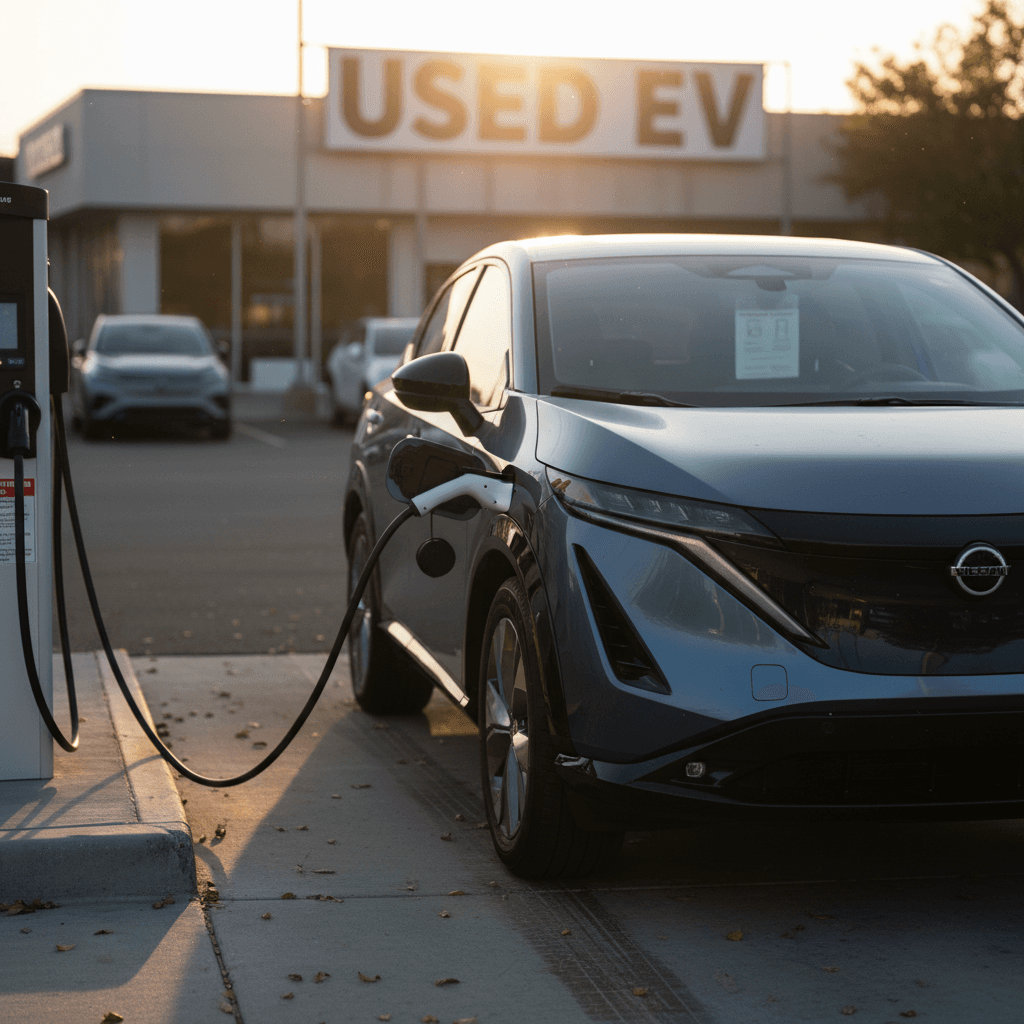
If you’re wondering “is the 2025 Nissan Ariya a good buy?”, you’re not alone. Nissan’s electric SUV flies under the radar, yet it offers a refined cabin, strong acceleration, and aggressive discounts, especially as Nissan winds down Ariya production for the U.S. after the 2025 model year. The catch is slower charging and heavier-than-average depreciation. Let’s unpack when the 2025 Ariya makes sense, and when you’re better off in something like a Hyundai Ioniq 5, Kia EV6, or Tesla Model Y.
Quick answer
Big picture: is the 2025 Ariya a good buy?
2025 Ariya at a glance
Nissan positions the Ariya as a near‑luxury compact electric SUV: more upscale than a mainstream Chevy Equinox EV or VW ID.4, but not priced like a full luxury BMW iX3 alternative. For 2025, the lineup is simplified and pricing nudged up slightly, but real‑world transaction prices often come in several thousand dollars under MSRP, and used values have softened quickly.
Who the Ariya fits best
Pricing and trims: where the 2025 Ariya fits
For the 2025 model year, Nissan streamlines the Ariya lineup and adjusts prices. The exact sticker varies slightly by destination and options, but you can think of the range this way:
Approximate 2025 Nissan Ariya pricing & positioning (U.S.)
Broad view of where each 2025 Ariya trim lands before incentives. Real‑world transaction prices are often lower.
| Trim (2025) | Drivetrain | Battery | Ballpark MSRP | Positioning |
|---|---|---|---|---|
| Engage | FWD | Smaller pack | Low $40Ks | Value entry trim with shorter range but lowest price. |
| Engage e‑4ORCE | AWD | Smaller pack | Mid $40Ks | All‑wheel drive traction with the smaller battery. |
| Evolve+ (FWD) | FWD | Larger pack | Mid–high $40Ks | Longer‑range, better‑equipped sweet spot for many buyers. |
| Evolve+ e‑4ORCE | AWD | Larger pack | High $40Ks–low $50Ks | Strong performance and range with AWD confidence. |
| Platinum+ e‑4ORCE | AWD | Larger pack | Low–mid $50Ks | Top‑trim luxury feel with most features standard. |
Always check current local pricing and incentives; Nissan dealers frequently discount EVs.
How it compares on price
In the used market, early Ariyas have already taken a big hit from their original MSRPs, and even 2025 models are expected to trade well below new‑car pricing after just a year or two. That’s painful for first owners, but it makes the Ariya an intriguing value play if you’re shopping pre‑owned.
Range and efficiency: can the Ariya cover your driving?
The 2025 Ariya’s battery sizes and range vary by trim, but you can think in broad strokes:
- Smaller battery FWD trims: roughly ~205 miles of EPA range, fine for short commutes and city use, but not ideal if you regularly drive long distances between charges.
- Larger battery FWD trims: in the neighborhood of ~289–300+ miles of EPA range, depending on wheel size and equipment, competitive with other compact EV SUVs.
- AWD e‑4ORCE trims: a bit less range than equivalent FWD versions due to extra weight and power, but still solid for most daily needs.
How much range is “enough”?
Efficiency sits in the normal band for this class. Some rivals squeeze a bit more miles per kWh out of similar‑sized batteries, but the Ariya doesn’t lag badly. What matters more for many buyers is how that range feels in real life: the Ariya is quiet and relaxed on the highway, which makes those miles less tiring than in some noisier competitors.
Charging performance: Ariya’s biggest weak spot
Charging is the one area where the 2025 Ariya clearly trails the class leaders. On DC fast charging, you’re looking at roughly a 130 kW peak. In practice, that translates to about 20–80% in the low‑30‑minute range when conditions are good, not terrible, but slower than EVs that can hold 200 kW or more on modern 800‑volt architectures.
What you get with Ariya
- Peak DC fast charge ~130 kW: realistic 20–80% in ~30–35 minutes.
- 7.2 kW onboard AC charger: full overnight charge at home on a 240 V Level 2.
- Access to major public networks via Nissan’s charging partnerships.
- Optional NACS adapter that unlocks Tesla Supercharger access on compatible stalls.
What rivals offer
- Hyundai Ioniq 5 / Kia EV6: up to ~230 kW peak; much shorter highway stops.
- Tesla Model Y: strong Supercharger integration and consistently fast real‑world charging.
- Ford Mustang Mach‑E / VW ID.4: generally similar or slightly better DC speeds than Ariya.
- Some newer EVs: 800‑V architectures and ultra‑fast 250+ kW peaks.
When charging speed is a deal‑breaker
On the flip side, if 90%+ of your charging happens at home, which is true for many EV owners, the Ariya’s slower DC speed fades into the background. Overnight Level 2 charging easily covers daily use, and you’ll only notice the difference on the occasional long‑haul vacation.

Comfort, interior, and tech: where Ariya feels upscale
Where the Ariya shines is in the cabin and driving experience. Nissan clearly aimed for a warm, futuristic vibe rather than a stark, minimalist one. Materials are generally a cut above what you might expect at its price point, especially in Evolve+ and Platinum+ trims, and road and wind noise are well controlled.
Highlights of the 2025 Ariya interior
Why many owners describe it as "near‑luxury" rather than mainstream.
Quiet, refined ride
The Ariya isolates you from bumps and wind better than many compact SUVs, EV or otherwise. It’s tuned more for comfort than razor‑sharp handling, which is exactly what many daily drivers want.
Modern dual‑screen setup
Dual displays and a clean dash layout make the cabin feel modern. The software isn’t class‑leading, but it’s usable, and you still get phone mirroring if you prefer your own apps.
Thoughtful details
Ambient lighting, available power center console, and generous rear‑seat room give the Ariya a genuine upscale feel. Cargo space is competitive for a compact crossover EV.
Where Ariya beats some rivals
Reliability and ownership experience
Long‑term data on the Ariya is still developing, but owner reports through 2025 paint a mixed, mostly positive picture. Many drivers report trouble‑free ownership aside from basic maintenance like tires and cabin air filters. Others have experienced nuisance warning lights, telematics glitches, or the occasional 12‑volt battery replacement, issues that aren’t unique to Nissan but can be frustrating when they happen.
EV vs. gas reliability
Nissan’s track record with EV batteries goes back to the Leaf. The Ariya benefits from a more modern platform and active battery thermal management, which should help long‑term health versus early air‑cooled Leafs. Still, given how quickly Ariyas have depreciated, you’ll want a clear picture of battery condition if you’re buying used.
How Recharged helps here
Depreciation and resale: why used Ariyas are bargains
One of the most important questions in deciding if the 2025 Nissan Ariya is a good buy is how it holds its value. Early data from pricing guides and real‑world listings shows that 2023–2024 Ariyas have lost a large chunk of their original MSRP in just a couple of years, more than many rival EV SUVs. Even 2025 models are forecast to follow a similar pattern, in part because Nissan is ending U.S. Ariya imports after the 2025 model year.
Illustrative 2024–2025 Ariya values vs. original MSRP (U.S.)
Approximate U.S. used pricing bands based on guidebook values and real‑world listings as of 2025–2026. Your local market, mileage, and condition will move these numbers up or down.
| Model year & trim | Approx. original MSRP | Typical used asking (2025–2026) | Resale takeaway |
|---|---|---|---|
| 2024 Ariya Engage FWD | ~$41,000 | ~$18,000–$21,000 | Very heavy early depreciation; strong value for used buyers. |
| 2024 Ariya Evolve+/Empower+ FWD | $45,000–$49,000 | ~$21,000–$24,000 | Still a steep drop; nicer trims hold just slightly better. |
| 2024 Ariya e‑4ORCE AWD trims | $45,000–$55,000 | ~$22,000–$27,000 | AWD and larger battery help but don’t fully rescue resale. |
| 2025 Ariya Engage | ~$40,000 | Mid‑$20Ks (early used) | First‑year used pricing remains soft vs. original sticker. |
| 2025 Ariya Evolve+/Engage+ | $45,000–$50,000 | Mid‑to‑high $20Ks | Well‑equipped trims look especially attractive pre‑owned. |
| 2025 Ariya Platinum+ e‑4ORCE | $52,000–$55,000+ | Low‑to‑mid $30Ks | Top trims keep the most value but still lag some rivals. |
These are directional examples, not locked‑in guarantees, always verify current values before you buy or sell.
Why heavy depreciation can be good news for you
2025 Ariya vs rivals: Ioniq 5, EV6, ID.4, and Mach-E
How the 2025 Ariya stacks up against key rivals
Each of these compact EV SUVs has a different personality. Here’s where Ariya fits.
Hyundai Ioniq 5 / Kia EV6
Pros: Much faster DC fast charging, excellent efficiency, standout styling, strong performance. Modern 800‑V platforms make road‑trip charging noticeably easier.
Cons vs Ariya: Ride can feel firmer; cabins may not feel as quiet or warm. Pricing can be higher, and discounts vary widely by region.
VW ID.4 / Toyota bZ4X
Pros: Mainstream pricing, improving software, familiar brand names for crossover buyers.
Cons vs Ariya: Interiors often feel less premium. Driving experience is competent but not as refined. Charging performance similar or only slightly better.
Tesla Model Y
Pros: Excellent Supercharger integration, strong performance, robust software and app ecosystem, good efficiency.
Cons vs Ariya: Harsher ride, more road noise, minimalist cabin isn’t for everyone. Pricing can climb quickly with options.
Ford Mustang Mach‑E
Pros: Sportier driving feel than Ariya, reasonable charging speeds, distinctive styling.
Cons vs Ariya: Some owners report build‑quality quirks and software hiccups. Cabin ambiance feels less serene than the Ariya’s.
The Ariya’s niche
When a 2025 Nissan Ariya IS a good buy
- You primarily charge at home and only fast‑charge occasionally.
- You want a quiet, refined electric SUV with a more premium feel than its price suggests.
- You’re shopping lightly used and want to take advantage of strong depreciation.
- You value all‑weather traction (on e‑4ORCE trims) but don’t need track‑car handling.
- You care more about comfort and design than maximum charging speed or the latest software tricks.
Ariya sweet‑spot scenarios
When you should skip it, or buy something else
- You regularly drive long highway days and depend heavily on DC fast charging.
- You want the absolute latest, fastest‑charging 800‑V architecture and cutting‑edge software.
- You’re extremely resale‑value sensitive and plan to sell in just a couple of years.
- You prefer a sportier driving feel over comfort and quiet.
- You live far from a Nissan dealer with strong EV service experience.
Red flags for the wrong buyer
Checklist: how to shop a 2025 Ariya (new or used)
Key steps before you sign on a 2025 Ariya
1. Decide on battery size and drivetrain
Map your real daily mileage and climate. If you routinely drive in cold weather or on highways, lean toward the larger‑battery trims and consider e‑4ORCE AWD if you see snow or steep grades.
2. Test a real‑world charging scenario
If possible, do a DC fast‑charge session during your test‑drive period. Time how long it takes to go from roughly 20–80%. Decide whether that cadence works for your road‑trip style.
3. Compare total cost of ownership
Factor in purchase price, expected depreciation, insurance, and electricity instead of gas. A used Ariya with a big initial discount can beat a more expensive rival on total cost even if resale is weaker.
4. Inspect battery health on used examples
Ask for a battery‑health report, not just a dashboard range guess. On Recharged, every Ariya listing includes a <strong>Recharged Score</strong> with independent pack diagnostics so you know what you’re buying.
5. Check for software updates and recalls
Have the seller or dealer prove any open recalls are completed and that the vehicle is on the latest software. This is especially important on early‑build Ariyas.
6. Leverage incentives and financing
Check federal and state EV incentives, plus any Nissan or dealer‑level rebates. If you’re financing, consider getting <strong>pre‑qualified</strong> so you can compare dealer offers to independent lenders.
FAQ: 2025 Nissan Ariya buying questions answered
Frequently asked questions about buying a 2025 Ariya
Bottom line: should you buy a 2025 Ariya?
So, is the 2025 Nissan Ariya a good buy? If your priorities are comfort, quiet refinement, and a handsome, well‑finished interior, and you can live with modest charging speeds and weaker resale, the answer is yes, particularly on the used market. The Ariya is not the spec‑sheet champ of the EV SUV class, but it’s a deeply pleasant daily driver that’s often available at a meaningful discount.
If, however, you live at DC fast chargers or treat your vehicles like short‑term financial instruments, rivals like the Hyundai Ioniq 5, Kia EV6, or Tesla Model Y may serve you better. The smart move is to drive them back‑to‑back, run the total‑cost‑of‑ownership math, and insist on real battery‑health data if you’re buying pre‑owned. And if you want an extra set of expert eyes on a used Ariya, shopping through Recharged means every candidate comes with a Recharged Score, transparent pricing, and EV‑savvy support from first click to delivery.