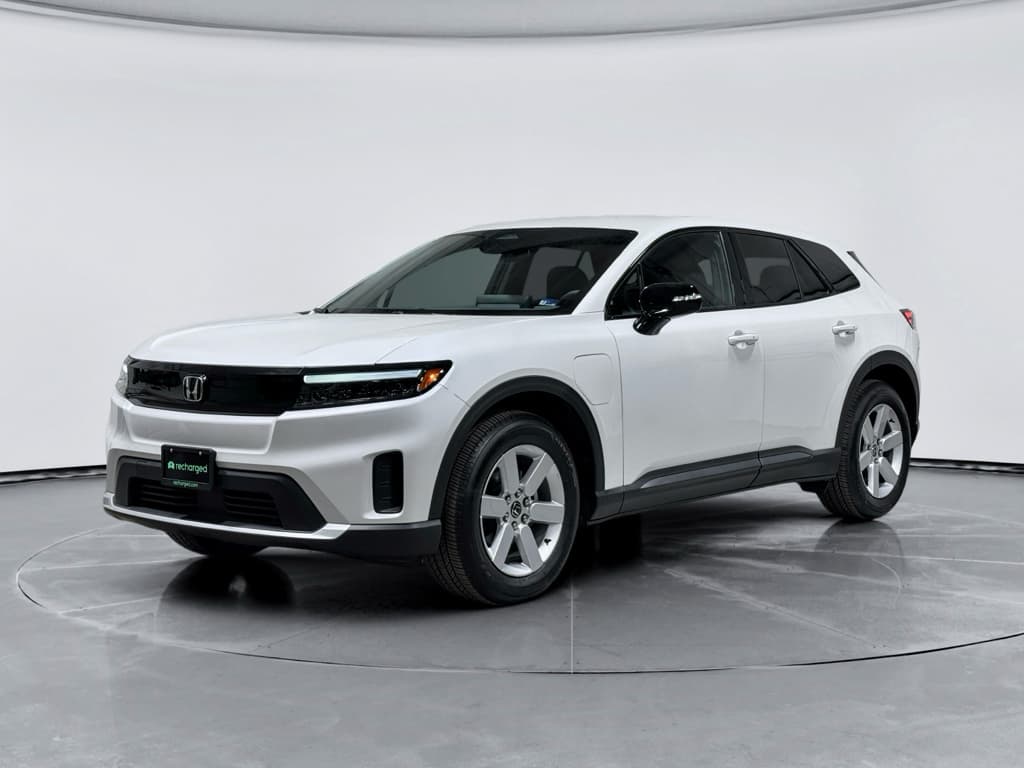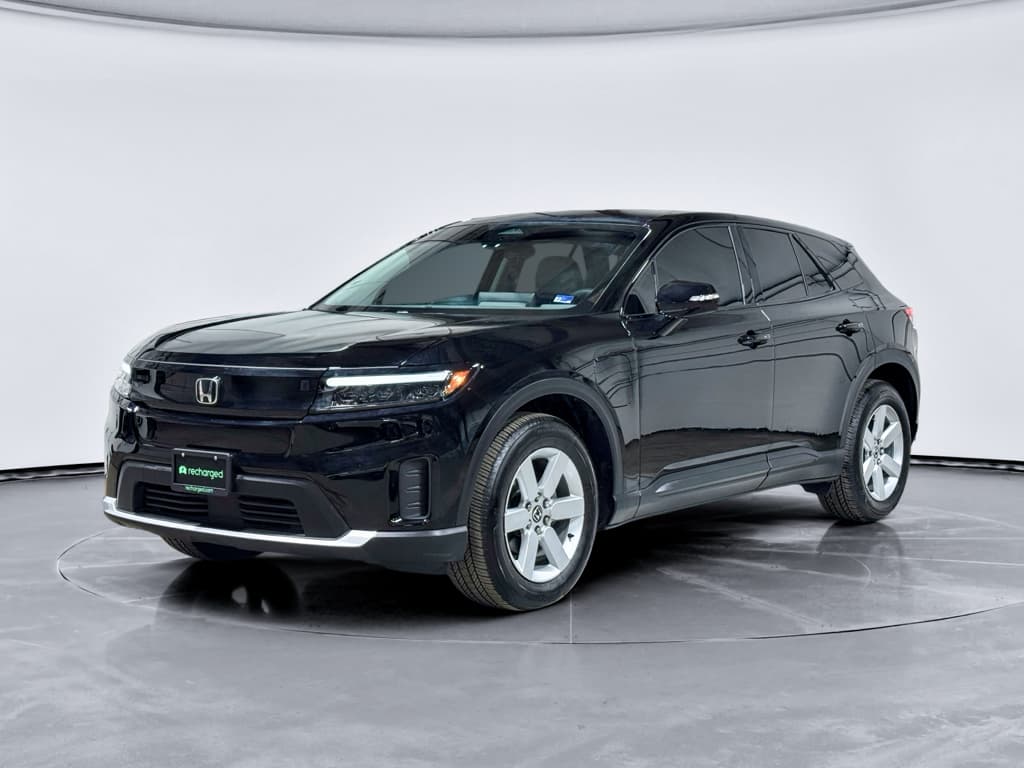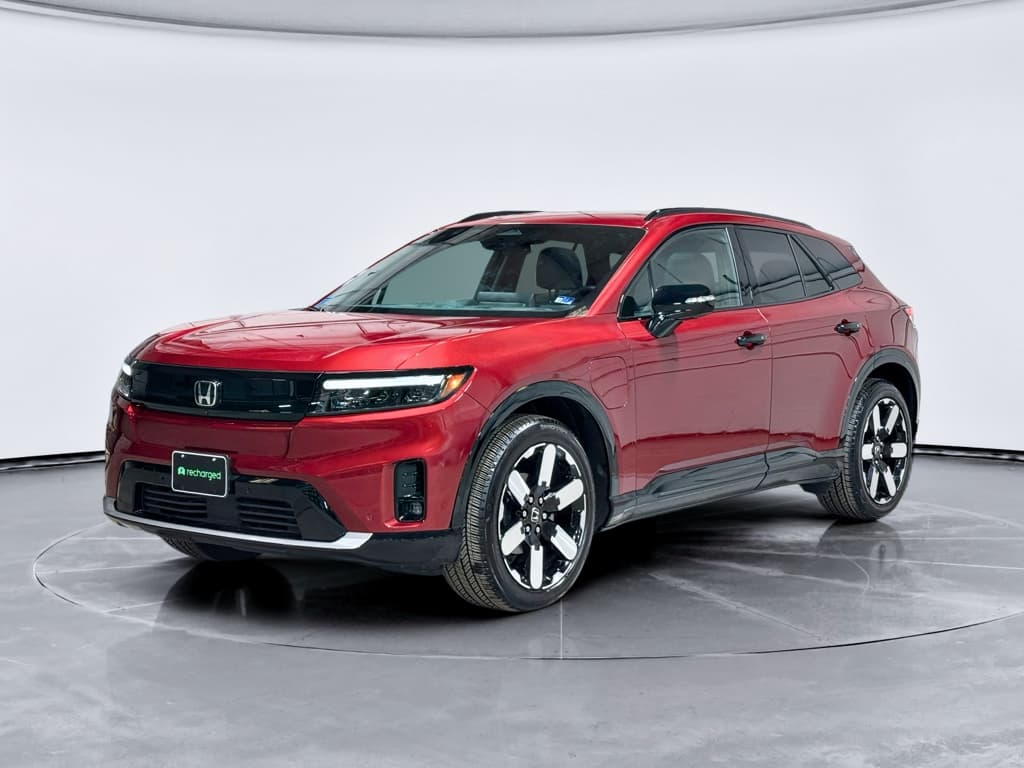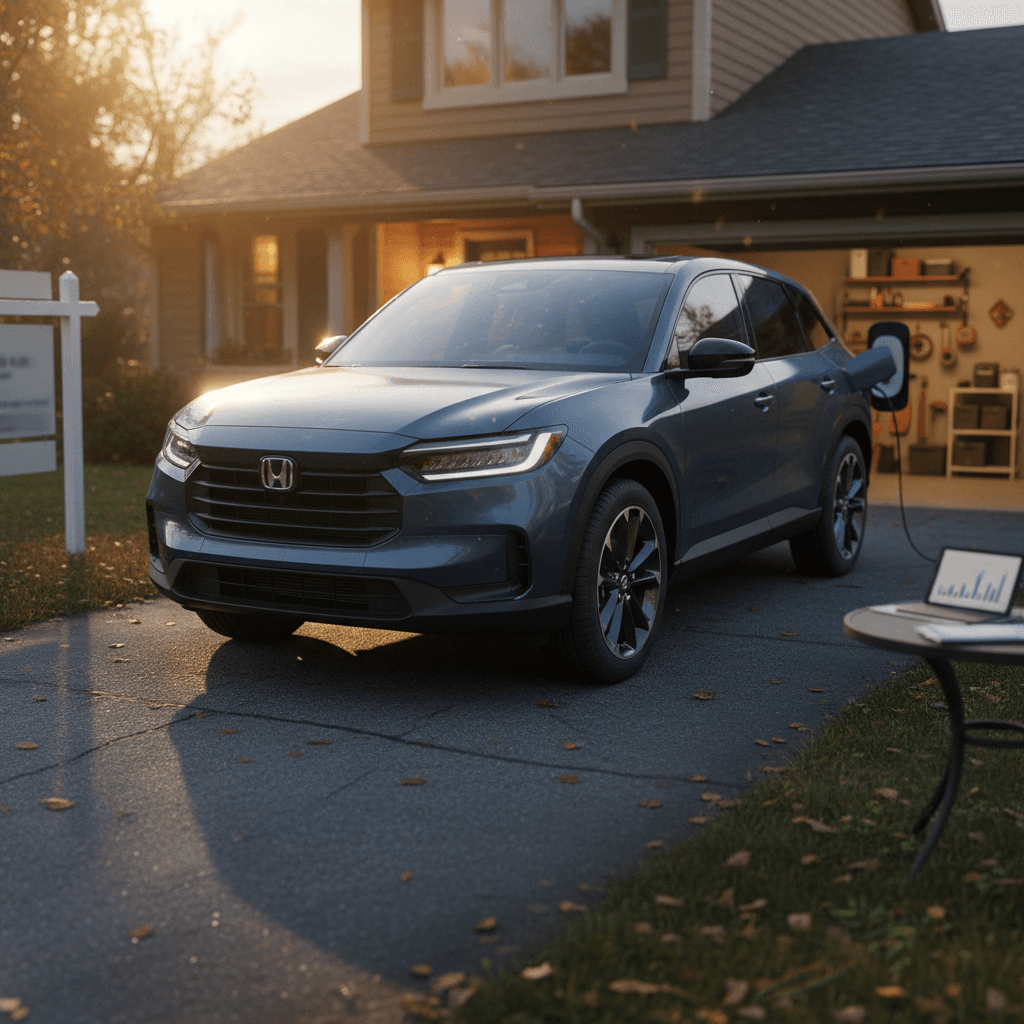
If you’re looking at the new all‑electric Honda SUV and wondering, “Is the 2025 Honda Prologue a good buy?”, you’re not alone. It’s Honda’s first serious modern EV in the U.S., it rides on GM’s Ultium platform, and it now cracks 300 miles of range. That sounds promising, but the story is more complicated once you dig into price, charging, and reliability.
A quick note on timing
Quick answer: is the 2025 Honda Prologue a good buy?
Short version: The 2025 Honda Prologue is a good buy for the right driver, someone who values a comfortable, roomy SUV, likes Honda’s design and user‑friendly cabin, plans to home‑charge, and is okay with a newer EV platform that’s still proving itself.
It’s not the slam‑dunk value that Honda Civics and CR‑Vs used to be. You’re paying close to $50,000 for a crossover whose range and charging are competitive but not class‑leading, and whose underpinnings come from GM’s Ultium platform, which has had some teething pains on related models.
When the 2025 Prologue makes sense:
- You can use the full federal EV tax credit or get it passed through in a lease.
- You mostly charge at home and only road‑trip occasionally.
- You’re cross‑shopping other family EV SUVs like the Ioniq 5, Model Y, and Mustang Mach‑E, not sub‑$40k compacts.
When you should pause:
- You’re highly sensitive to early‑adopter reliability issues.
- You want the fastest charging and longest range in class.
- You care more about low monthly payment than “brand new,” in which case a used EV may simply pencil out better.
2025 Honda Prologue: headline numbers
2025 Honda Prologue at a glance: specs, price, range
For 2025, Honda gives the Prologue a little bump in range and power while keeping pricing roughly in line with the 2024 launch model. All trims use an 85‑kWh battery and an Ultium electric motor or motors shared with GM siblings like the Chevy Blazer EV.
2025 Honda Prologue trims, price, and range (approximate)
High‑level overview of 2025 Prologue lineup in the U.S. Exact figures can vary slightly by wheel/tire and options.
| Trim | Drive | Approx. MSRP (incl. dest.) | Est. EPA Range | Highlights |
|---|---|---|---|---|
| EX | FWD | $48,850 | Up to ~308 mi | Value trim, single‑motor, good range |
| EX | AWD | Low $50Ks | High‑200s mi | More traction, small range penalty |
| Touring | FWD/AWD | Low–mid $50Ks | High‑200s to ~300 mi | More comfort, larger wheels |
| Elite | AWD | Upper $50Ks | Low–mid 280s mi | Top trim, standard AWD, 21‑inch wheels |
Always check the Monroney sticker and EPA label on the specific Prologue you’re buying or leasing, numbers can shift with software updates.
EPA labels vs. real‑world range
What the 2025 Prologue does well
Prologue strengths that genuinely help in daily life
These are the reasons some shoppers walk out of a test drive saying, “Yep, this feels right.”
Comfortable, stable ride
The Prologue feels planted and mature on the road. The suspension tuning leans toward comfort rather than hot‑hatch handling, which is exactly what most families want for commuting and school‑run duty.
Spacious, practical cabin
You get generous rear‑seat room and usable cargo space, making this a genuinely family‑friendly EV. If you’re coming out of a CR‑V or Passport, the Prologue won’t feel like a step down in utility.
Straightforward controls
The infotainment may not be flashy, but it’s easy to live with. You get Google built‑in, familiar smartphone‑style menus, and physical controls where they matter, which makes the learning curve much gentler for first‑time EV drivers.
- Standard Honda Sensing® safety tech on every trim, including adaptive cruise control and lane‑keeping assist.
- Included charging package: Honda typically bundles home‑charging hardware and/or public‑charging credits with a new Prologue, which takes some sting out of setup costs.
- Planned access to Tesla Superchargers via the NACS standard opens up the nation’s best fast‑charging network for road‑trippers.
- Eight‑year/100,000‑mile high‑voltage battery warranty helps manage long‑term risk on the most expensive component in the car.
Where the Prologue quietly nails it
Where the 2025 Prologue falls short
No EV is perfect. With the 2025 Honda Prologue, the weak spots show up when you zoom out and compare it head‑to‑head with rivals at the same price, or when you dig into the ownership experience we’ve seen on Ultium‑based cousins.
Key drawbacks to weigh before you buy
None of these are automatic deal‑breakers, but they matter if you’re spending $50,000‑plus.
Pricing vs. value
Starting around $48,850, the Prologue isn’t a budget EV. Factor in destination and common options and many shoppers will see transaction prices in the low‑ to mid‑$50Ks before incentives. At that money, the competition is fierce and often offers either more range, faster charging, or a richer interior.
Charging speed is just OK
Peak DC fast‑charge rates of around 150–155 kW were strong a few years ago, but rivals like Hyundai’s Ioniq 5 family can charge much faster on an 800‑volt architecture. You can absolutely road‑trip a Prologue, just expect a little more time at the plug.
No bidirectional charging
Unlike some Ultium relatives, the 2025 Prologue can’t power your home or tools via full vehicle‑to‑load or vehicle‑to‑home functionality. If using your EV as a backup battery is important, this is a meaningful miss.
Ultium learning curve
The underlying GM platform has seen its share of high‑profile glitches on other models, from charging faults to software bugs. The Prologue hasn’t been immune to individual problem stories, especially in the first model year, and long‑term reliability data is still thin.
Why this matters for your wallet
Reliability and the GM Ultium question mark
Here’s the part many Honda faithful find hardest to swallow: behind those familiar H badges, the Prologue is largely a GM product underneath, sharing its Ultium battery and drive hardware with the Chevy Blazer EV. That’s not an automatic red flag, but it does change expectations if you’re used to bulletproof Civics and Accords.
- Early Blazer EVs and some other Ultium models have been plagued by charging bugs, check‑engine lights, and in rare cases battery‑pack service visits.
- Owner reports on the 2024 Prologue are mixed: many happy daily drivers, but also stories of cars spending weeks at dealers waiting on parts or software fixes.
- Honda’s dealer network is still gaining experience with EV diagnostics and Ultium hardware; if you’re far from a well‑trained EV dealer, downtime can stretch.
“At the end of the day, the only thing ‘Honda’ about it are the H badges; it’s a GM product through and through,” one early owner observed after cross‑shopping the Prologue with its Chevy twin.
How to protect yourself as a buyer
Charging & daily life with a Prologue
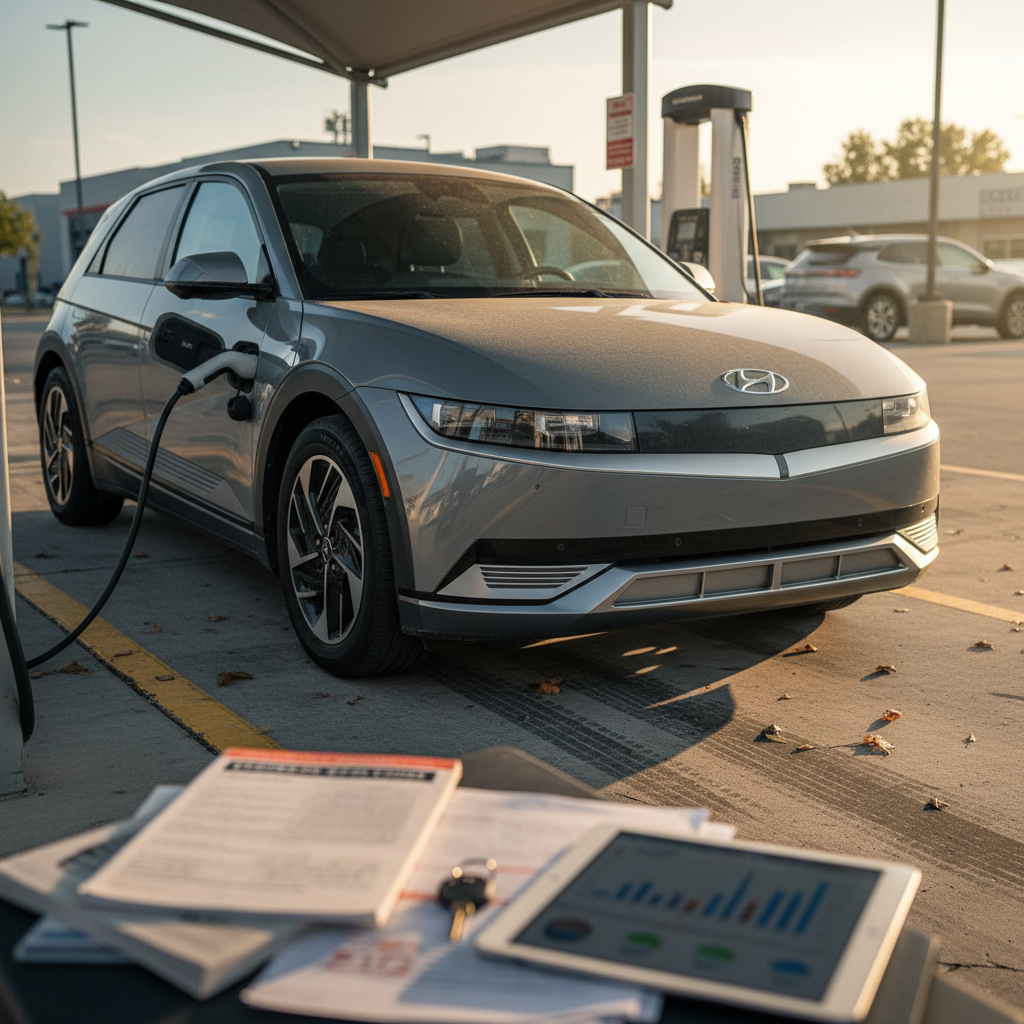
The 2025 Honda Prologue is easy to live with day‑to‑day as long as you have a good charging plan. Honda has done a decent job bundling home‑charging help and public‑charging credits, but you’ll want to understand the basics before you sign.
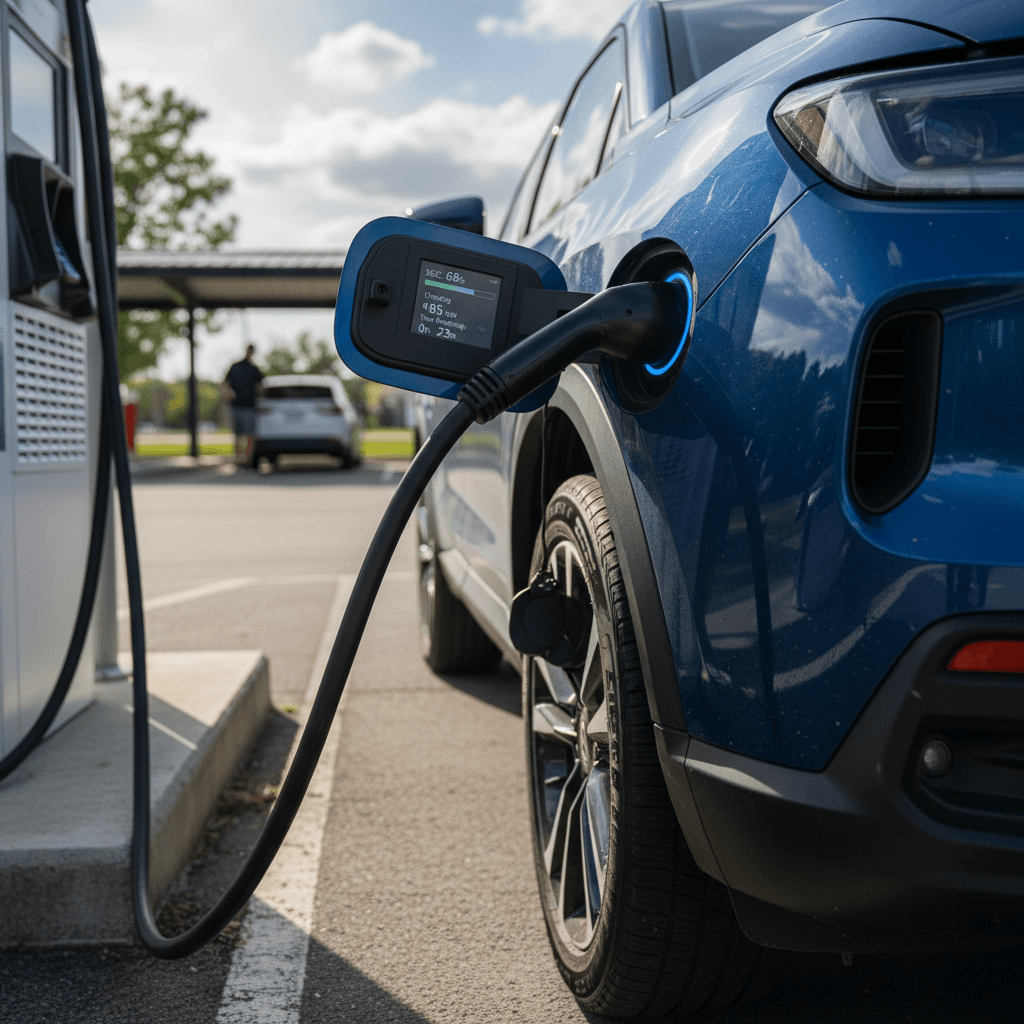
What charging with a Prologue really looks like
1. Home Level 2 charging overnight
With an 11.5‑kW onboard charger, most Prologues will recharge from low state of charge back to full in <strong>8–9 hours</strong> on a 240‑V Level 2 setup. That’s a full battery by breakfast for typical commuters.
2. Level 1 is for emergencies only
Yes, Honda offers a portable Level 1/Level 2 kit in some charging packages, but a 120‑V outlet is painfully slow for an 85‑kWh pack. Use it only when you have no other option.
3. DC fast charging on road trips
At a strong DC fast charger, Honda quotes about <strong>65 miles of range in 10 minutes</strong> and roughly 20–80% in around 30–35 minutes. It’s perfectly workable, but not “coffee‑and‑a-restroom‑break” quick like some 800‑V rivals.
4. Tesla Supercharger access
Honda has announced access to the Tesla Supercharger network via the North American Charging Standard (NACS). As that rolls out, your Prologue’s long‑distance prospects improve dramatically, as long as your car gets the hardware and software updates to use it.
5. Charging network planning
You’ll rely on a mix of networks (EVgo, Electrify America, Tesla, local utilities). Get comfortable with at least two apps and keep a backup option in mind for any long‑distance route.
6. Battery health over time
Ultium packs are designed for longevity, but real‑world data on Prologue‑specific degradation is still limited. Fast‑charging heavily and living in extreme heat will stress any EV battery more quickly.
Curious about real‑world range?
Price, value, and tax credit math
Sticker shock is part of the Prologue story. A nicely equipped 2025 Touring or Elite AWD can easily push into the mid‑$50Ks. The saving grace is incentives, federal tax credits and aggressive leases can pull the effective price down to something that feels more like a loaded CR‑V hybrid payment.
Understanding the federal EV tax credit
Because the Prologue is assembled in North America and Honda has worked to localize key components, many new Prologues qualify for the $7,500 federal EV tax credit in 2025. The easiest way to benefit is via a lease: the credit is applied at the lender level and can be passed through as lower monthly payments, even if your personal tax situation is complicated.
For a purchase, you’ll need enough tax liability to use the full credit come filing time. Your dealer or tax professional can walk you through the latest rules.
What a realistic deal can look like
On the ground, we’ve seen Prologue shoppers negotiate:
- Manufacturer or dealer discounts off MSRP (especially on in‑stock 2024s and early 2025s).
- Combined federal credit and state rebates knocking $7,500–$10,000 off the effective price.
- Strong lease offers that undercut a comparable gas CR‑V once you factor in fuel savings.
If you’re payment‑sensitive, treat the MSRP as a starting point and shop multiple dealers. And remember: a well‑priced used EV can deliver similar range and features for far less upfront cash.
How Recharged can help with the math
2025 Prologue vs key competitors
If you’re asking whether the 2025 Honda Prologue is a good buy, you’re really asking, “Is it a better use of my money than the alternatives?” Here’s how it stacks up against the big names most shoppers cross‑shop.
Prologue vs popular electric SUVs
High‑level comparison of where the 2025 Prologue lands versus major rivals. Specs are approximate and can vary by trim.
| Model | Max EPA Range (approx.) | DC Fast‑Charge Peak | Typical Starting MSRP | Notable Strength |
|---|---|---|---|---|
| Honda Prologue (2025) | Up to ~308 mi | ≈150–155 kW | ≈$48,850 | Comfortable, roomy, Honda familiarity |
| Tesla Model Y | Mid‑310s mi | 200+ kW | Low–mid $40Ks (after frequent price shifts) | Range, Supercharger access, software |
| Hyundai Ioniq 5 | Up to ~305 mi | Up to 230–240 kW | Mid $40Ks | Very fast charging, stylish interior |
| Ford Mustang Mach‑E | Up to ~320 mi | Around 150 kW | Low–mid $40Ks | Fun to drive, strong brand pull |
| Chevy Blazer EV | Up to mid‑330s mi | Up to ~190 kW | Upper $40Ks | More range, same Ultium roots |
Always compare the specific trims you’d actually buy, base vs. base, mid‑trim vs. mid‑trim, rather than just the marketing headline numbers.
Don’t shop the Prologue in a vacuum
Should you buy new, lease, or go used instead?
There’s no one right way to get into a Prologue‑sized EV. What’s smart is matching how you use a car to how quickly EV tech is changing, and to how much risk you want to carry personally.
Three realistic paths for Prologue‑curious shoppers
New Prologue, leased Prologue, or used EV, here’s how to think about each.
Lease a new Prologue
Best for: Early adopters who want the latest Honda, but don’t want to own long‑term battery and software risk.
You benefit from a passed‑through tax credit, drive a new EV during its warranty sweet spot, and hand it back before the resale‑value question gets messy.
Buy a new Prologue
Best for: Honda loyalists planning to keep the car 8–10 years, who trust the brand to stand behind Ultium issues.
Your upside is long‑term gas savings and familiarity. Your downside is betting on a first‑generation EV in a rapidly moving segment.
Buy a used EV instead
Best for: Value hunters who care more about range and battery health than about the badge on the nose.
A used Model Y, Ioniq 5, or even a year‑old Prologue with a verified Recharged Score can deliver similar capability for far less upfront cost, with the bonus of proven real‑world reliability data.
How Recharged fits in if you go used
Who the 2025 Honda Prologue is right (and wrong) for
Great fit if this sounds like you
- You want a comfortable, quiet, family EV that feels familiar, not futuristic.
- You have or can install Level 2 charging at home, so you’re not living at public chargers.
- You like Honda’s understated design and cabin ergonomics more than the flashier look of some competitors.
- You plan to use the Prologue for mostly suburban commuting with a handful of road trips each year.
- You’re open to leasing to hedge against first‑gen EV and Ultium unknowns.
Think twice if this sounds like you
- You want the fastest‑charging, longest‑range EV you can get for the money.
- You live far from a Honda dealer with real EV experience or from robust public charging.
- You’re extremely risk‑averse about new technology and expect Honda‑level reliability from day one.
- You’re stretching financially to reach the Prologue’s price, and a missed tax credit would break your budget.
- You’re flexible on brand and mainly want the best deal on a used EV SUV with proven reliability and range.
Frequently asked questions about the 2025 Honda Prologue
Your top 2025 Honda Prologue questions, answered
Bottom line: is the 2025 Honda Prologue a good buy?
The 2025 Honda Prologue is a good buy for a certain kind of EV shopper. If you want a calm, comfortable, generously sized electric SUV with Honda’s design sensibilities, you mostly charge at home, and you’re willing to trade bleeding‑edge specs for familiarity, the Prologue will quietly do its job and free you from the gas pump.
But it’s not the no‑brainer that a Civic once was. At nearly $50,000 before incentives, the 2025 Prologue lives in a neighborhood with faster‑charging, sometimes longer‑range rivals, plus a thriving used‑EV market that can deliver similar capability for much less. Layer on the open question of long‑term Ultium reliability, and this is a crossover you should approach thoughtfully, not impulsively.
If you’re Prologue‑curious, test‑drive it back‑to‑back with key competitors, run the numbers on leasing vs. buying, and don’t ignore the value of a well‑vetted used EV with a verified Recharged Score. Do that homework, and you’ll know whether the 2025 Honda Prologue is the right electric SUV for you, or whether your money is better spent somewhere else.