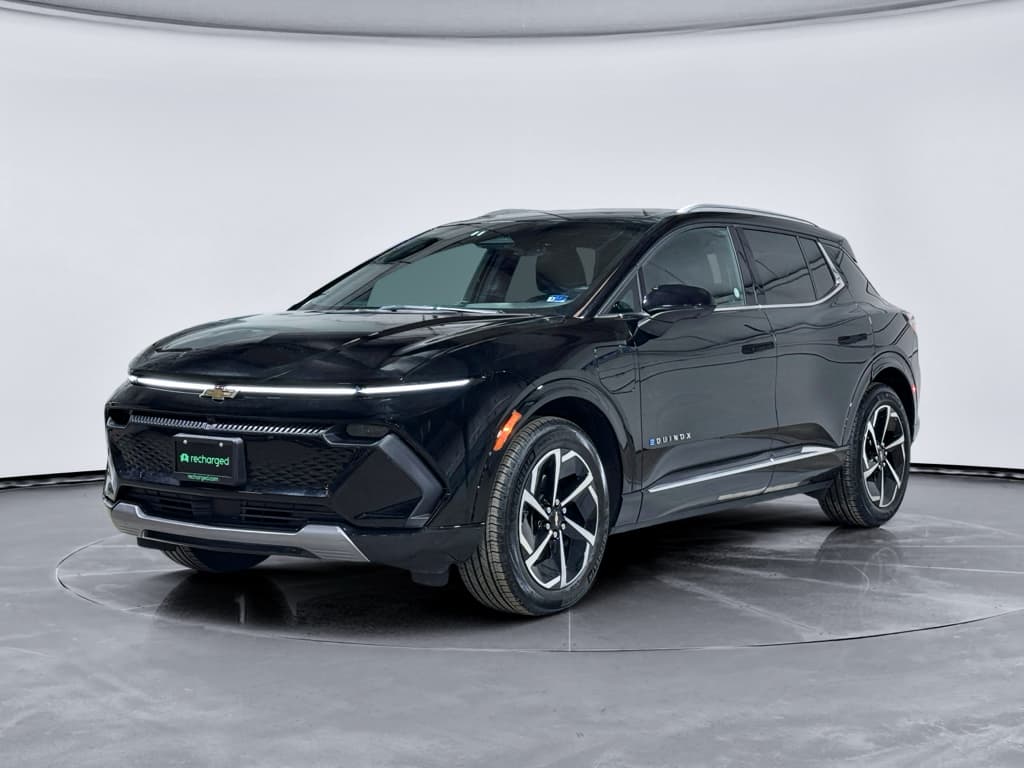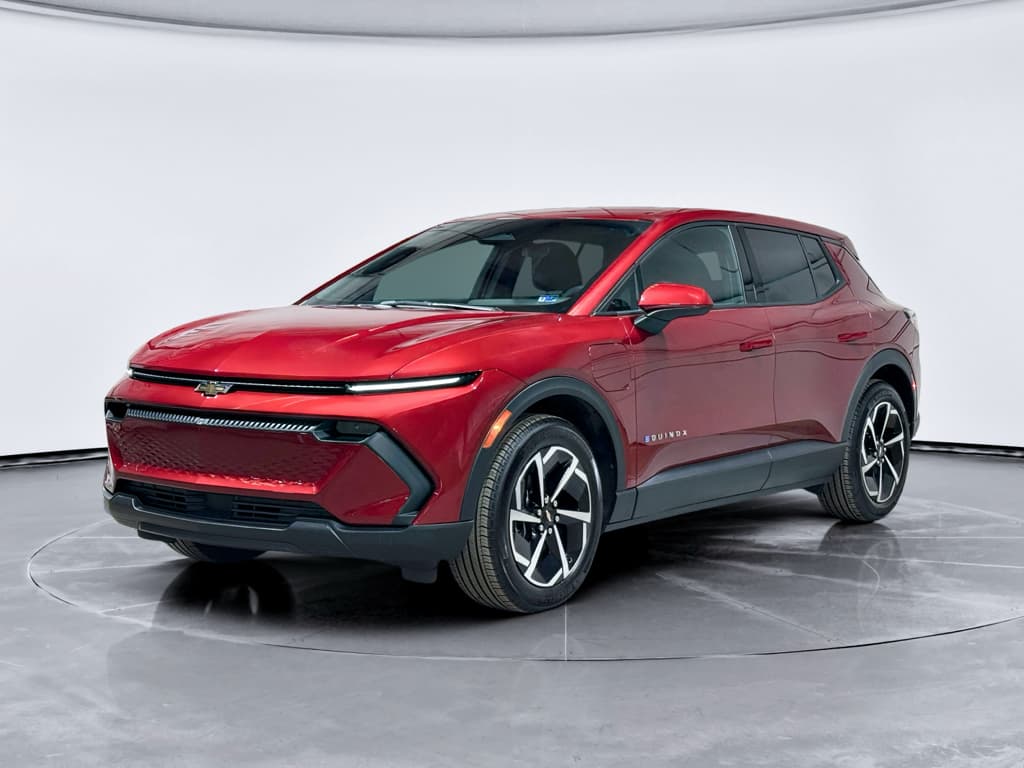
You’re not alone if you’re asking, “Is the 2025 Chevrolet Equinox EV a good buy?” Chevy finally built the electric family SUV people have been waiting for, on paper it offers big range, decent space, and a friendlier price than most rivals. But real life happens in traffic, at public chargers, and on cold mornings, not on a spec sheet. Let’s walk through what the Equinox EV actually feels like to live with, and when it deserves your money.
The short version
Quick answer: is the 2025 Equinox EV a good buy?
When it is a good buy
- You want 300+ miles of rated range in a compact SUV without luxury‑badge pricing.
- You plan to charge mostly at home and treat DC fast charging as road‑trip backup.
- You like a smooth, quiet ride and easy driving manners more than sporty handling.
- You’re comfortable with GM’s growing, but still maturing, Ultium EV ecosystem.
When it’s not your best move
- You live on public fast charging and need super‑robust charging networks above all else.
- You insist on NACS (Tesla‑style) fast charging built into the car, not via adapter.
- You’re deeply risk‑averse about new software and telematics glitches.
- You can get a well‑equipped used Tesla Model Y or Hyundai Ioniq 5 for the same money and prefer those brands.
Overall, the 2025 Equinox EV lands in the sweet spot for many families: enough range for real road trips, a cabin that feels familiar if you’re coming out of a gas Equinox, and pricing that undercuts a lot of rivals. The trade‑off is that GM is still working through some software and connectivity gremlins on its newer vehicles, and you’ll be living in a CCS fast‑charging world that’s slowly tilting toward Tesla’s NACS standard.
Key specs: what you’re really getting
2025 Equinox EV core numbers
Every 2025 Equinox EV rides on GM’s Ultium platform with the larger battery pack, paired with either a single front motor (FWD) or dual motors for eAWD. FWD models offer the longest range, around the low‑320‑mile mark in some trims, while AWD versions trade a bit of range for punchier acceleration. An 11.5 kW onboard charger is standard, so on a 240‑volt Level 2 setup at home you can add roughly 30–36 miles of range per hour.
2025 Equinox EV FWD vs eAWD at a glance
Approximate specs for the main powertrain choices. Exact numbers vary slightly by trim and wheel size.
| Spec | FWD (single motor) | eAWD (dual motor) |
|---|---|---|
| Horsepower | ~213 hp | ~288 hp |
| 0–60 mph (est.) | mid‑7 seconds | ~5.9 seconds |
| Max EPA range | up to ~319–326 mi | ~285–307 mi |
| Onboard AC charging | 11.5 kW | 11.5 kW |
| DC fast‑charge peak | 150 kW | 150 kW |
| Drive feel | Efficient, smooth | Quicker, better traction |
Use this to match powertrain to your driving style and climate.
Charging‑standard reality check
What the 2025 Equinox EV does really well
Equinox EV strengths that matter day‑to‑day
Beyond the brochure, these are the things owners tend to appreciate most.
Range for real life
FWD trims flirt with 320+ miles of rated range, and real‑world highway tests have shown the Equinox EV can meet or even beat its EPA numbers in good conditions. That makes it far easier to stretch between chargers or skip public charging entirely on a busy week.
Comfort over flash
The ride is tuned for comfort, not track days. It’s quiet, composed, and easy to place in traffic. If you’re hauling kids, dogs, and Costco hauls, that counts more than razor‑sharp handling.
Simple learning curve
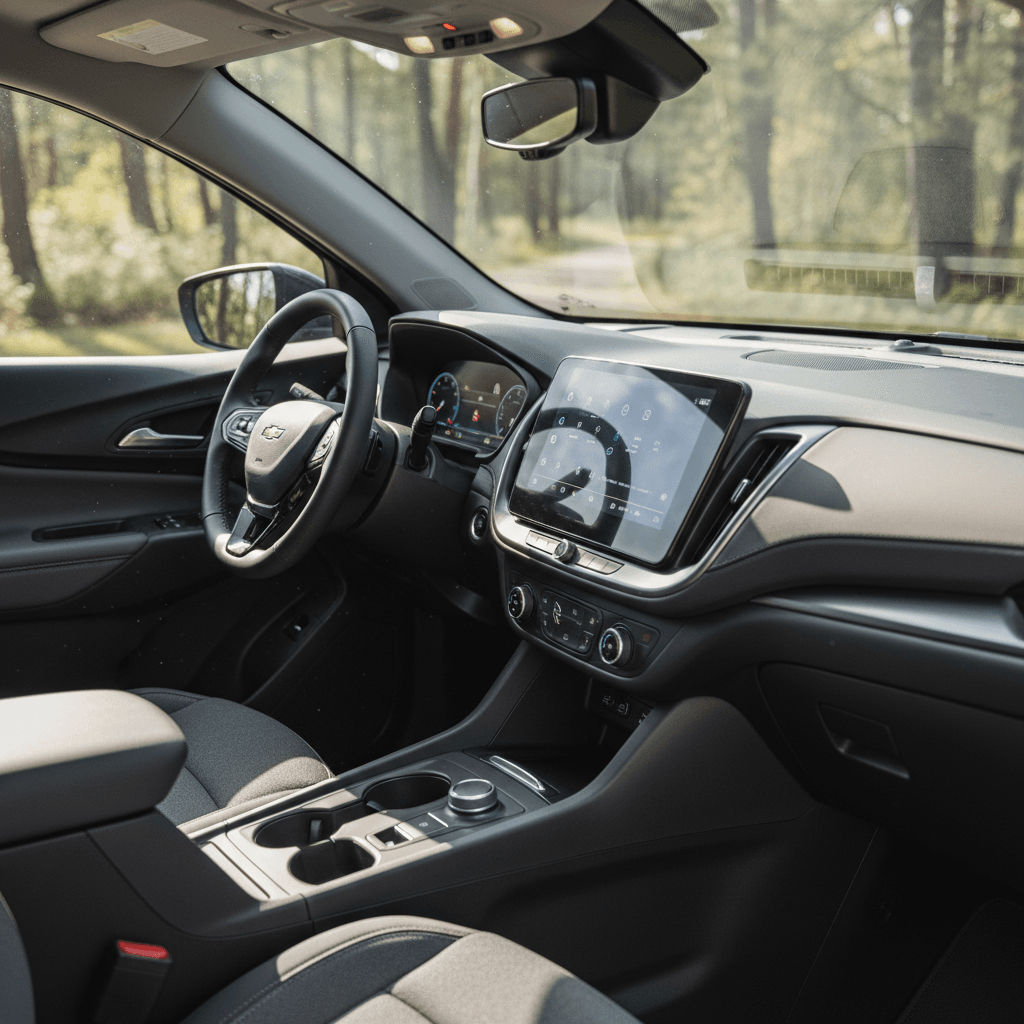
If you’re coming from a gas Equinox or another mainstream SUV, the EV version feels familiar: clear gauges, physical controls for key functions, and normal seating position. You’re not diving into a spaceship UI on day one.
Family‑friendly cabin
Plenty of head‑ and legroom for four adults, and five in a pinch. The flat EV floor helps rear passengers, and the cargo area is shaped for strollers, sports gear, and road‑trip luggage, not just spec‑sheet liters.
Strong range‑per‑dollar
Compared with many rival electric SUVs, the Equinox EV offers long range without luxury‑brand pricing. If you care most about miles per charge and monthly payment, it can be a very rational pick.
Modern safety tech
Expect a full suite of driver‑assist features, automatic emergency braking, lane keeping assist, and more, plus available hands‑free driving on some trims. It’s a serious safety upgrade over many older gas SUVs.
Where value really shows up
Where the 2025 Equinox EV can frustrate you
- Software and telematics bugs: Early owners have reported occasional glitches, infotainment hiccups, telematics/control‑module issues, and the odd warning light that disappears as mysteriously as it arrived. Not every car is a problem child, but if you came to EVs to escape tech drama, this may irk you.
- Charging‑network reality: CCS fast charging in the U.S. is improving but still patchy compared with Tesla’s Supercharger network. Plan to lean on home charging and treat public fast charging as a safety net, not a lifestyle.
- No native NACS port (for now): Depending on how fast GM transitions its lineup, your 2025 Equinox EV may feel a little behind the curve by the time 2027–2028 roll around and NACS becomes the norm.
- Not a sports SUV: AWD versions are satisfyingly quick, but this isn’t a performance EV. If you’re cross‑shopping hot‑rod crossovers, look elsewhere.
- First‑wave Ultium learning curve: GM’s Ultium platform is maturing quickly, but we’re still fairly early in the story. That brings upside in efficiency and packaging, and some uncertainty about long‑term quirks.
Expect at least a little tech drama
Value for money: pricing, incentives, and running costs
Exact MSRP depends on trim and options, but the Equinox EV undercuts many similarly sized electric SUVs while including the big battery standard. That’s rare. The question isn’t just what you pay up front, it’s total cost of ownership over several years.
Where the dollars make sense
- Electricity vs gas: Even with today’s utility rates, home charging usually undercuts gasoline on a cost‑per‑mile basis, especially if you can charge overnight on an EV‑friendly rate.
- Maintenance: No oil changes, fewer moving parts, and less brake wear thanks to regen. You’ll still buy tires and cabin filters, but that’s about it for routine stuff.
- Tax credits and local incentives: Depending on your income and where you live, you may qualify for a federal clean‑vehicle credit or state/local rebates, which can dramatically sharpen the deal on a new Equinox EV.
Where you should be cautious
- Depreciation on new EVs: Many new EVs lose value quickly as tech and incentives evolve. Buying used or nearly new can shield you from the steepest part of that curve.
- Battery replacement risk: Full pack failures are rare, but not cheap. You want warranty coverage on your side and, if buying used, verified battery health rather than guesswork.
- Charging hardware at home: If you don’t already have a 240‑volt outlet, factor in the cost of installing one and a good Level 2 charger.
How Recharged can help on value
How it compares to rivals
2025 Equinox EV vs popular electric SUV rivals
General positioning of the Equinox EV against key competitors families usually shop.
| Model | Typical strength | Where Equinox EV wins | Where it loses |
|---|---|---|---|
| Chevy Equinox EV | Range‑for‑price, familiarity | Often more range per dollar, simple to live with, comfortable ride | CCS fast charging and occasional software quirks |
| Tesla Model Y (used/new) | Supercharger access, tech, performance | Equinox can be cheaper for similar space and feel less tech‑overwhelming to some drivers | Tesla’s charging network, over‑the‑air polish, and resale are tough to beat |
| Hyundai Ioniq 5 / Kia EV6 | Ultra‑fast DC charging, design | Equinox’s range and pricing can be friendlier for budget‑focused families | Hyundai/Kia 800‑V charging is quicker; cabins feel more premium |
| VW ID.4 | Comfort, value | Comparable comfort with stronger range numbers in many trims | VW is switching to NACS faster; interior feel is a toss‑up by taste |
Always confirm current pricing and incentives where you live.
Think in terms of your priorities
Charging and road-trip viability
Day to day, the 2025 Equinox EV is at its best when you plug in at home and let the big Ultium battery quietly top off overnight. Road trips take more planning, but the ingredients are there: solid range, decent DC fast‑charge speed, and growing access to more networks.
Living with the Equinox EV’s charging setup
What to expect at home, around town, and on the highway.
At home
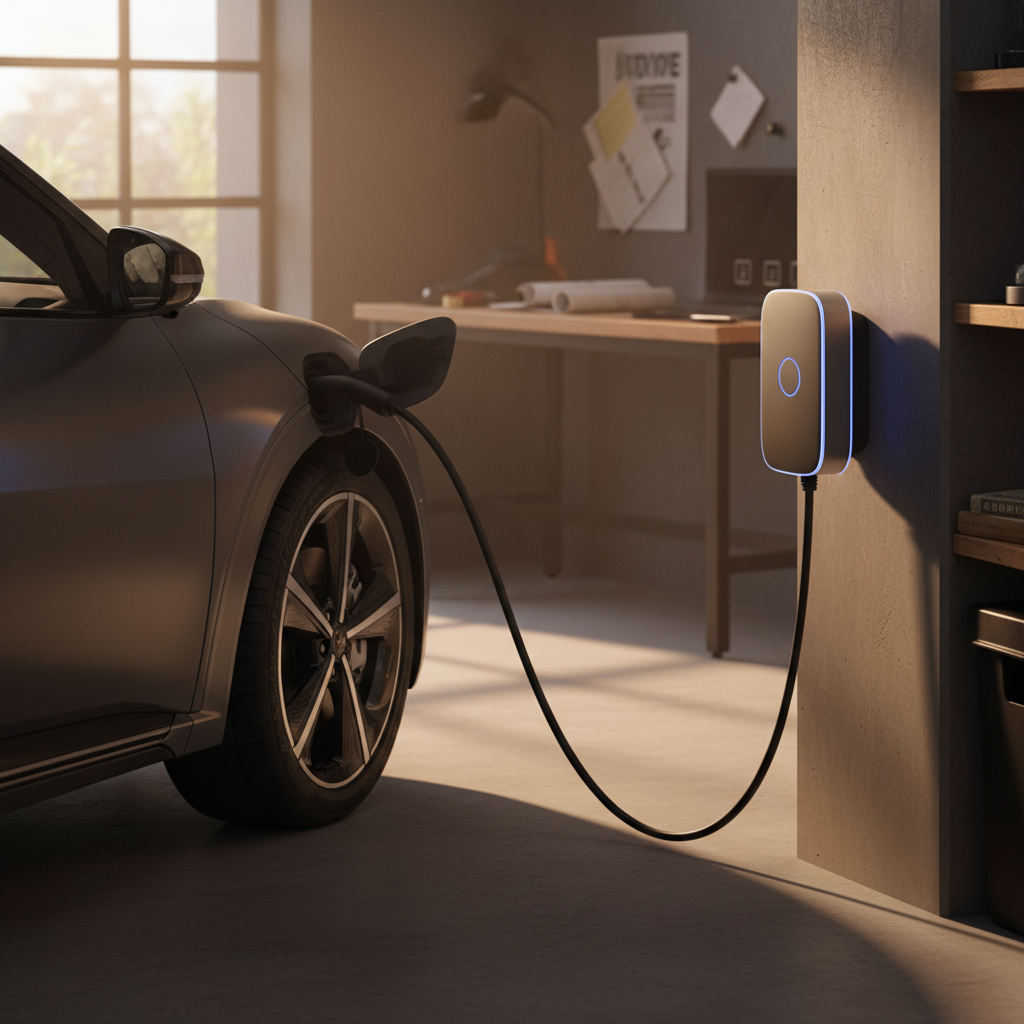
With the standard 11.5 kW onboard charger and a 240‑V Level 2 unit, you can usually add 30–36 miles of range per hour, or go from low to full overnight. That makes the Equinox EV a breeze for commuters and families with predictable routines.
Around town
Public Level 2 stations are easy range top‑ups while you shop or work. Because the Equinox carries a relatively large pack, even a couple of hours on a workplace charger can add meaningful miles.
On the highway
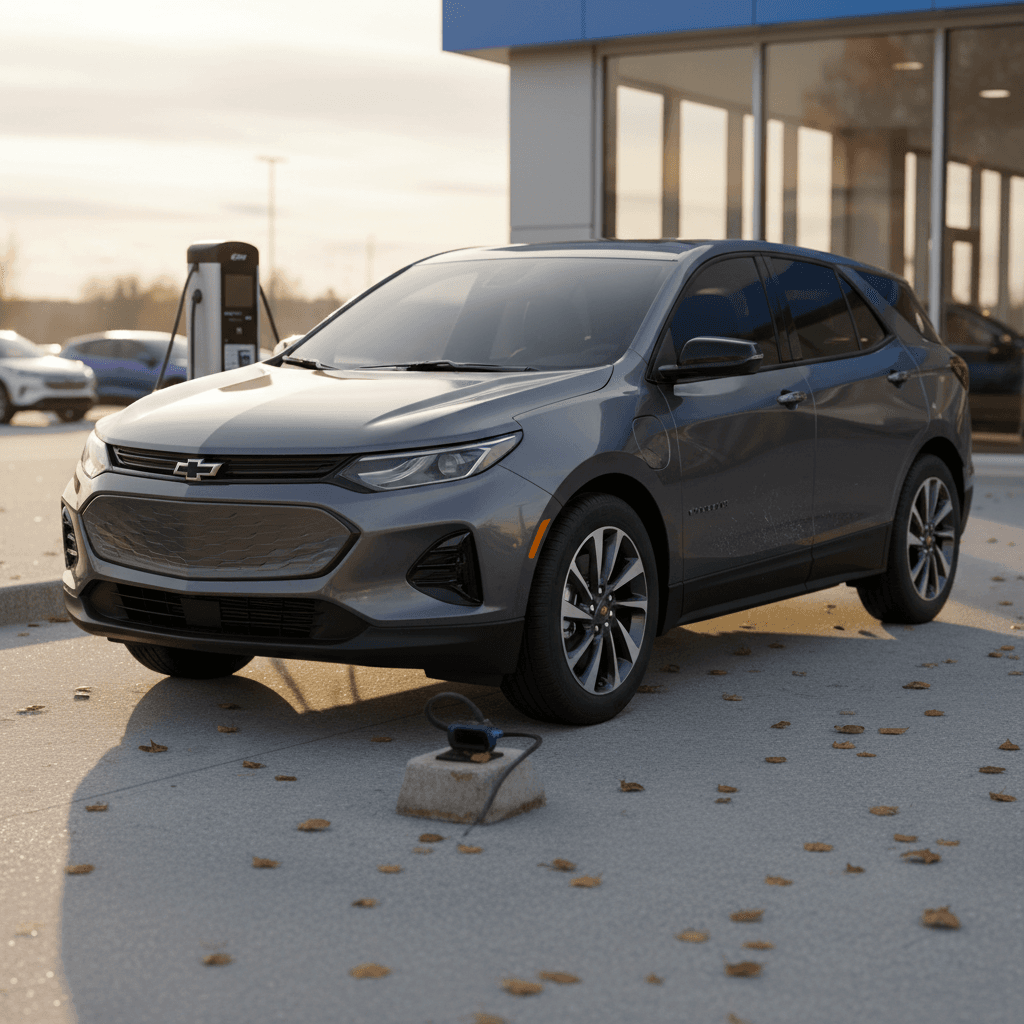
With a 150 kW DC fast‑charge peak, you’re not setting records, but you’re not suffering either. Plan for roughly 20–40 minutes to go from a low state of charge back into your comfort zone on a road trip, depending on conditions and how low you let it run.
CCS vs NACS on long trips
Reliability, battery life, and resale
We’re still early in the Equinox EV’s life, but we’ve learned a few things from owner reports, related Ultium models, and GM’s track record with earlier EVs like the Bolt and Volt.
- Battery durability: Ultium packs are designed with modern thermal management and conservative charging behavior, which generally bodes well for long‑term health. You should still think in terms of battery condition, not just odometer miles, when buying used.
- Software and connectivity: Some owners report rock‑solid experiences; others share tales of buggy telematics modules, infotainment freezes, or warning lights that require dealer visits. Over‑the‑air updates can help, but this isn’t as mature a system as the best in the business yet.
- Mechanical bits: Underneath the EV‑specific hardware, you’re still dealing with a mainstream Chevy crossover. That’s good for parts availability and repair familiarity at many shops.
- Resale value: New EVs in general face steeper early depreciation than comparable gas models. The Equinox EV’s value story improves if you buy used or nearly new, let someone else eat the first‑owner hit, and focus on verified battery health.
Why battery health matters more than miles
Who the 2025 Equinox EV is, and isn’t, for
Match the Equinox EV to your life
Great fit if…
You want a <strong>quiet, comfortable family SUV</strong> that just happens to be electric.
You have a driveway or garage and can install or already have Level 2 home charging.
You put a premium on <strong>range and simplicity</strong> over cutting‑edge performance or the fanciest interior.
You’re okay with being an early adopter in GM’s Ultium era as long as the basics, range, comfort, and cost, are strong.
Probably not your match if…
You live in an apartment with unreliable access to <strong>overnight charging</strong> and must lean heavily on public fast chargers.
You’re deeply anxious about <strong>software or electronics glitches</strong> and don’t want to visit the dealer for updates or fixes.
You absolutely want <strong>native NACS fast charging</strong> and near‑bulletproof charging‑network integration.
You care most about <strong>sporty handling, luxury interiors, or bleeding‑edge tech</strong> and are willing to pay more for that.
Checklist before you buy (new or used)
2025 Equinox EV pre‑purchase checklist
1. Confirm how you’ll charge at home
Do you have a driveway or garage? Already have a 240‑V outlet? If not, get quotes for installing a Level 2 circuit and factor a home charger into your budget.
2. Decide FWD vs AWD based on climate
If you live where winters are serious or you tow occasionally, AWD may be worth the range penalty. In milder climates, FWD’s extra range and efficiency will serve you better.
3. Test the software, not just the seats
During your test drive, spend time with the infotainment system, Bluetooth, navigation, and driver‑assist features. Make sure everything behaves as expected; don’t ignore warning lights or odd behavior.
4. Map your regular routes
Look at CCS and NACS (adapter‑compatible) fast‑charging options on your typical long drives. If there are big gaps, consider whether the Equinox’s range comfortably covers those trips.
5. If buying used, demand battery data
Ask for a <strong>battery health report</strong>, not just a Carfax. On Recharged, the Recharged Score breaks this down for you so you can see how the pack is aging and whether the price is fair.
6. Compare against 2–3 rivals
Before signing, price out a used Tesla Model Y, Hyundai Ioniq 5, or Kia EV6 with similar range. Sometimes a nearly new rival offers better long‑term value; sometimes the Equinox EV undercuts them nicely.
FAQ: 2025 Chevy Equinox EV buying questions
Frequently asked questions about buying a 2025 Equinox EV
Bottom line: should you buy a 2025 Equinox EV?
If you strip away the marketing noise and look at how people actually use their vehicles, the 2025 Chevrolet Equinox EV is a good buy for a lot of American households. It nails the fundamentals that matter, range, comfort, space, and day‑to‑day ease of use, at a price that doesn’t require you to worship at the altar of a luxury badge.
It’s not perfect. CCS fast charging is living on borrowed time, the software still has a few rough edges, and resale on new EVs can be softer than many buyers are used to. But if you mostly charge at home, want a straightforward electric SUV from a familiar brand, and can stomach being on the front half of GM’s Ultium story, the Equinox EV deserves a serious spot on your test‑drive list.
If you’d rather let someone else take the early‑depreciation hit, or you want hard data on battery health before you buy, consider shopping a used Equinox EV or its rivals through Recharged. Every vehicle comes with a Recharged Score Report and EV‑specialist support so you can choose with your head, not just your gut.