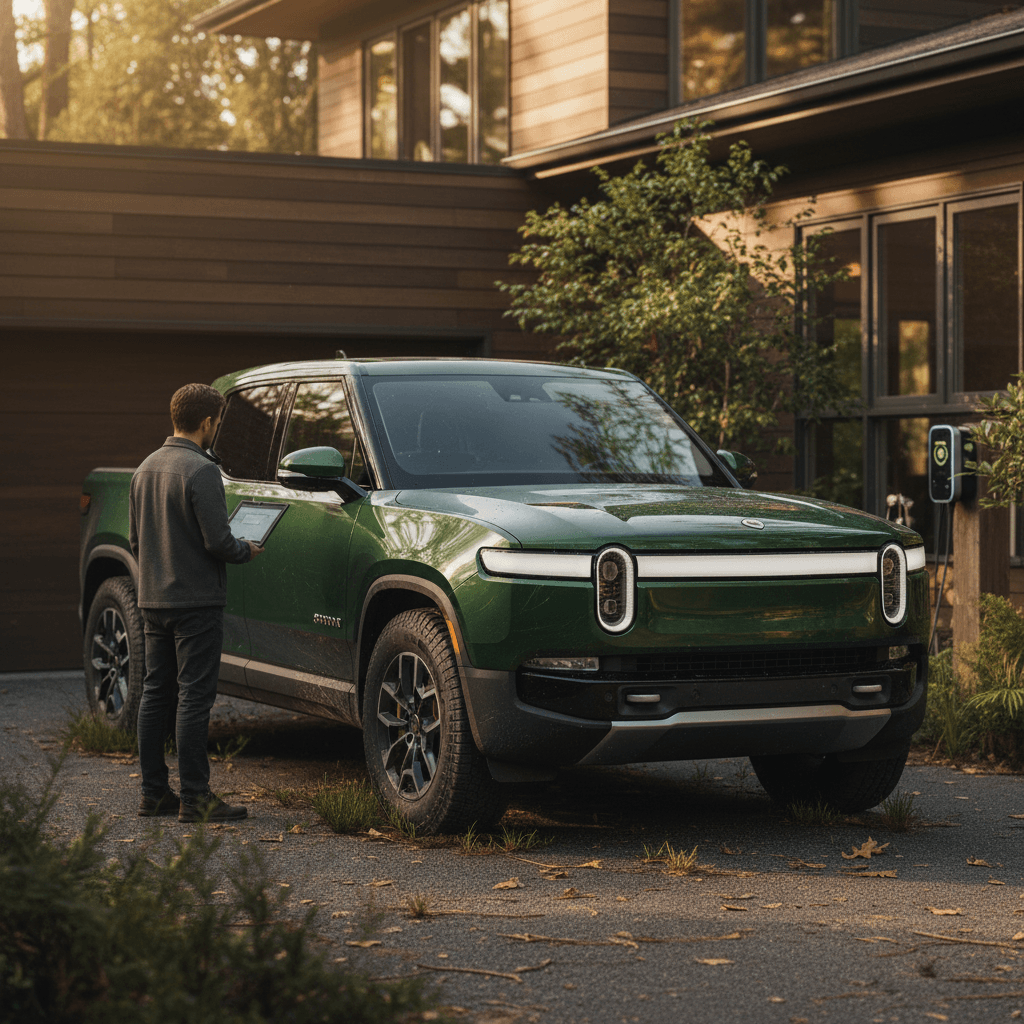
If you’re eyeing a used electric pickup, it’s only a matter of time before you ask yourself: is the 2023 Rivian R1T a good buy in 2026? On paper it’s a dream truck, wild acceleration, off‑road chops, big range, and a beautifully finished cabin. In the real world, you also have to weigh reliability, resale value, and how it fits your life today, not just how it looked in Rivian’s launch videos.
The short version
Quick answer: Is the 2023 Rivian R1T a good buy?
Yes, it’s a good buy if…
- You want an electric adventure truck with serious off‑road ability and fast acceleration.
- You have access to home or dependable public charging.
- You’re comfortable with a brand that’s still maturing on reliability and service.
- You value modern safety tech and a Top Safety Pick+ crash‑test performer.
Think twice or walk away if…
- You live far from a Rivian service center and can’t afford extended downtime.
- You tow long distances frequently and can’t live with major range loss under load.
- You’re extremely risk‑averse about early‑generation EV issues.
- Your budget is tight and a surprise repair or out‑of‑warranty visit would really sting.
Bottom line
How much does a 2023 Rivian R1T cost used in 2026?
Used pricing moves quickly, but by 2026 many 2023 Rivian R1T trucks have taken their initial depreciation hit and settled into more attainable territory. Market data from pricing guides and used listings shows roughly 30–35% depreciation over the first three years for typical 2023–2024 R1T configurations, putting many trucks from sky‑high new MSRPs into the $50,000s on the used market instead of the $70,000s they often listed for new.
2023 Rivian R1T pricing snapshot (typical 2026 used market)
Where within that band a specific truck lands depends heavily on battery pack, motor layout, wheels, and options. Quad‑motor, Max Pack, and highly optioned trucks still command a premium. Well‑used fleet or high‑mileage trucks, or R1Ts with accident history, can slide below the averages.
Used‑price reality check
Key specs: range, battery packs, and towing
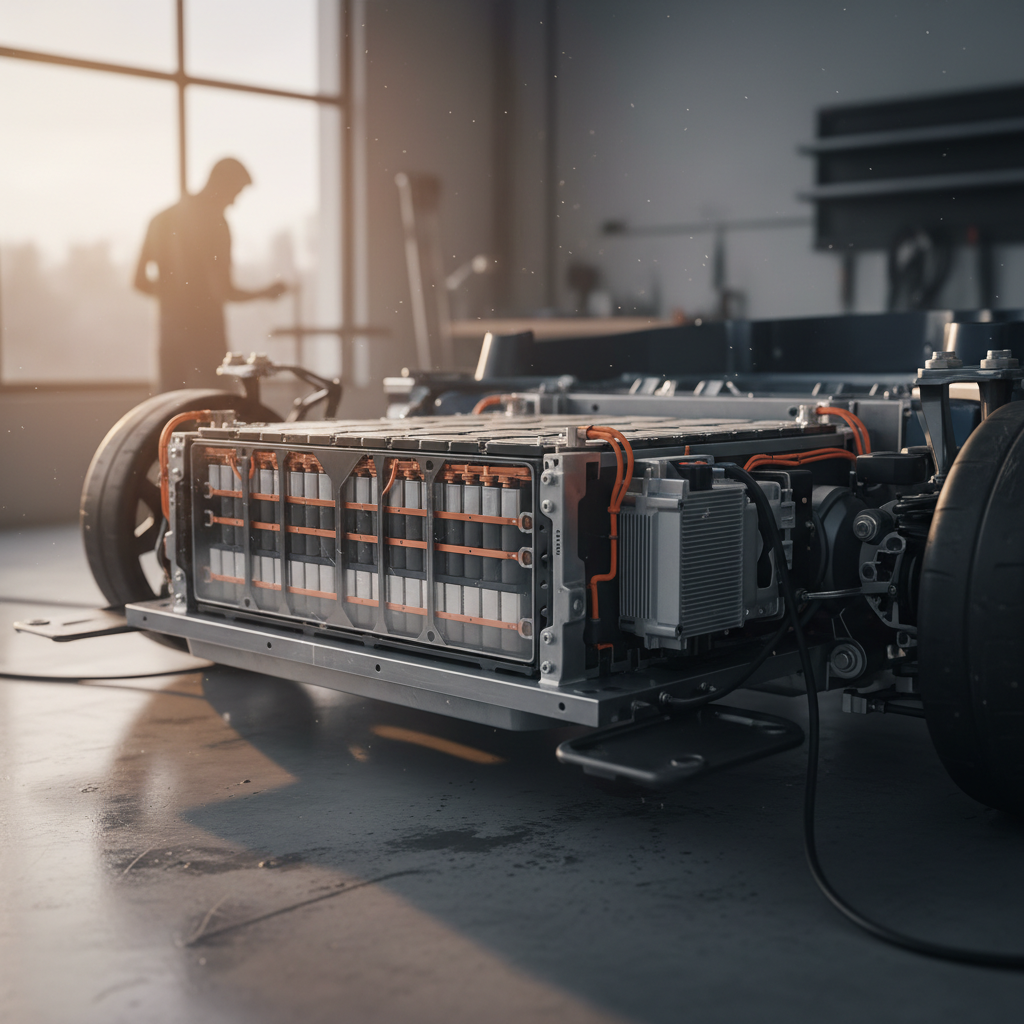
At its core, every 2023 Rivian R1T is built around the same formula: a skateboard battery pack, dual‑ or quad‑motor all‑wheel drive, air suspension with off‑road modes, and an 11,000‑lb towing rating. The variations come from battery size, motor count, and wheels, all of which matter when you’re buying used.
2023 Rivian R1T battery packs and approximate EPA range
Ballpark ranges for common 2023 R1T setups; wheels, tires, and options can nudge these numbers up or down.
| Configuration (2023) | Battery pack | Drive | Approx. EPA range* | Best fit |
|---|---|---|---|---|
| Standard pack | Standard (~105 kWh) | Dual‑motor | Mid‑260s to ~270 mi | Shorter commutes, lighter towing |
| Large pack | Large (~135 kWh) | Dual‑ or quad‑motor | ~314–350+ mi | Most owners, mixed driving and trips |
| Max pack | Max (~149+ kWh) | Dual‑motor | Up to ~390–410 mi | Long‑distance road‑trippers, off‑grid use |
Use these as rough guideposts, condition, climate, and how it was driven all affect real‑world range.
Fast‑charging performance

Towing with a 2023 R1T: what to expect
The numbers look huge, but range drops fast under load.
11,000‑lb tow rating
Big range penalties
More charging stops
If towing is your priority
2023 Rivian R1T reliability and common problems
Here’s where you have to take off the fan‑club hat and look at the 2023 R1T clear‑eyed. This is an early‑production electric truck from a young company. Owner satisfaction is typically very high, most drivers love the way their R1T drives and looks, but reliability scores and recall counts have been below average compared with established brands.
- Multiple recalls affecting 2022–2023 trucks (suspension hardware, airbag and seat‑belt issues, software behaviors).
- Fit‑and‑finish quirks: misaligned trim, weatherstripping and seal concerns, occasional water leaks.
- Electronics and software gremlins: phantom alerts, intermittent screens or audio, driver‑assist features needing recalibration.
- Early suspension or steering noises on some trucks, sometimes requiring component replacement.
- Tonneau cover failures and bed‑related issues on trucks originally equipped with the powered cover.
Pay attention to recalls and software history
The reliability story in one glance
Why you hear both horror stories and glowing reviews.
What happy owners report
- Months or years with no major mechanical issues.
- Minor trim or rattle fixes handled under warranty.
- Outstanding winter grip and off‑road capability.
- They’d buy another Rivian despite a few hiccups.
What frustrated owners report
- Weeks‑long waits to get into a busy service center.
- Repeat visits for the same electrical or trim issues.
- Tow‑ins after software failures or 12‑V battery problems.
- Anxiety about long‑term durability beyond warranty.
Safety is a bright spot
Ownership costs: charging, maintenance, and depreciation
Running a 2023 R1T is a different equation than running a gas half‑ton. You’re trading fuel and oil‑change bills for electricity and a more software‑heavy vehicle. Over several years, that can work strongly in your favor, as long as you buy the right truck at the right price.
2023 R1T ownership cost highlights
On the flip side, out‑of‑warranty repairs can be costly, and tires for a heavy, high‑performance EV truck are not cheap. If you live far from a Rivian service center, factor in travel time or mobile service availability.
Where you can save money
- Charging mostly at home on a reasonable electric rate vs. feeding a thirsty V6 or V8.
- Fewer moving parts than a comparable gas truck, so fewer fluids and engine‑related repairs.
- Regenerative braking can stretch brake life significantly, especially around town.
Where costs can surprise you
- Specialty tires for 20–22 inch wheels, especially aggressive all‑terrain setups.
- Out‑of‑pocket repairs once the factory warranty expires, since independent Rivian specialists are still rare.
- Potential downtime and travel if your nearest Rivian service center is hours away.
Use depreciation to your advantage
Who is a 2023 Rivian R1T a good buy for?
Buy a 2023 R1T if this sounds like you
The R1T fits certain owners beautifully.
Weekend adventurer
Commuter with hobbies
EV‑curious truck owner
If that’s you, and you’re okay with some early‑adopter rough edges, the 2023 R1T offers a driving experience that most conventional pickups simply can’t touch. It’s quick, quiet, playful, and legitimately capable off‑road, with software features like drive modes, Camp Mode, and clever traction management that make it feel like a rolling gear shed for the outdoors.
When you should skip a 2023 R1T
No vehicle is perfect for everyone. There are some shoppers who will likely be happier elsewhere, and that’s okay. Being honest with yourself here can save you a lot of money and frustration.
Red flags: a 2023 R1T may not be for you if…
1. You live far from Rivian service
If your nearest service center is several hours away and mobile service coverage is thin, even minor repairs can turn into logistical headaches.
2. You tow long and heavy, often
Regular 300–500 mile towing days with a big camper may be better suited to a traditional gas or diesel truck until charging and range improve further.
3. You want set‑and‑forget reliability
If you expect your truck to be totally invisible in your life, no software updates, no quirks, an early‑generation EV from a startup may feel too demanding.
4. You’re buying at the edge of your budget
If a surprise out‑of‑warranty repair or a few days of downtime would be a major crisis, you may be more comfortable in a simpler, lower‑priced EV or truck.
Compare to other used EVs and trucks
How to inspect a used 2023 R1T before you buy
Because the 2023 R1T blends cutting‑edge software with heavy‑duty truck hardware, your pre‑purchase checklist needs to go beyond a quick test drive. Whether you’re shopping privately, at a traditional dealer, or through a marketplace like Recharged, take time to dig into battery health, software, and physical condition.
Essential pre‑purchase checks for a 2023 Rivian R1T
1. Battery health and range reality
Ask for a recent <strong>battery health report</strong> or range test. Compare the displayed 100% range estimate with the original EPA number for that configuration. Large gaps can signal hard use or issues that deserve a closer look.
2. DC fast‑charging behavior
If possible, plug into a DC fast charger during the test drive. Watch the charging curve at lower states of charge, healthy trucks should ramp up quickly and hold solid power before tapering.
3. Recall and service history
Run the VIN for open recalls and ask for dealer or factory service records. Confirm that known 2022–2023 campaigns have been addressed and ask specifically about suspension and airbag work.
4. Software and driver‑assist systems
Cycle through <strong>drive modes, adaptive cruise, lane‑keeping, cameras</strong>, and parking sensors. Look for warning lights or features that refuse to engage. Glitches here can point to deeper electronics issues.
5. Suspension, steering, and noises
Drive the truck over rough pavement and at highway speeds. Listen for clunks, squeaks, or steering play. Test height adjustments on the air suspension and make sure they’re smooth and consistent.
6. Water leaks and fit/finish
Inspect door and glass seals, the frunk, and the bed after a wash or in the rain if you can. Early R1Ts had occasional sealing quirks; damp carpet or fogged glass can be a clue.
Why a battery‑health report matters most
How Recharged can help with a used Rivian R1T
Shopping a 2023 Rivian R1T is exciting, but also a little intimidating if it’s your first EV truck. That’s exactly the gap Recharged exists to fill. We focus exclusively on electric vehicles, so we’ve already done the homework on R1T range, towing, reliability trends, and resale value for you.
What you get with a Recharged R1T
Less guesswork, more confidence.
Recharged Score battery diagnostics
Financing and trade‑in made simple
EV‑specialist guidance
Ready to find your next EV?
Browse VehiclesSo, is the 2023 Rivian R1T a good buy? For the right driver, in the right situation, absolutely. It rewards you with a uniquely capable, deeply satisfying electric truck, one that still turns heads in 2026. The key is to buy with your eyes open: understand the reliability story, insist on solid battery‑health data, and choose a seller who’s as transparent about the truck’s past as you need it to be about your future with it. Get that part right, and a used 2023 R1T can be the truck that finally makes your EV experiment feel like an upgrade in every direction.