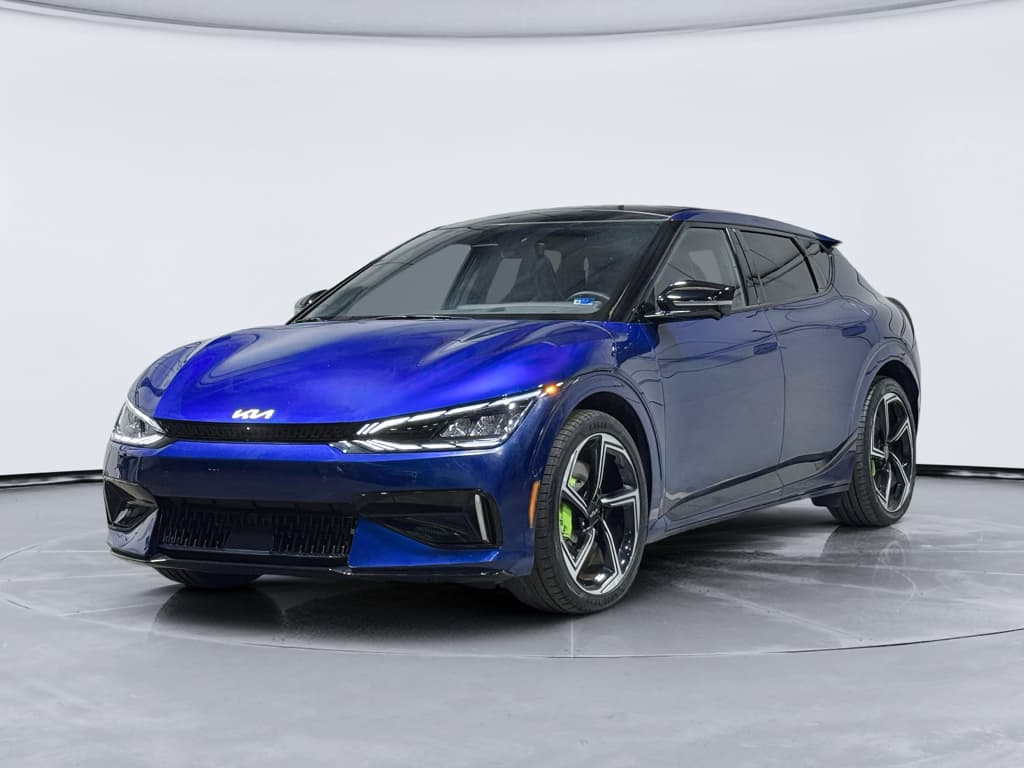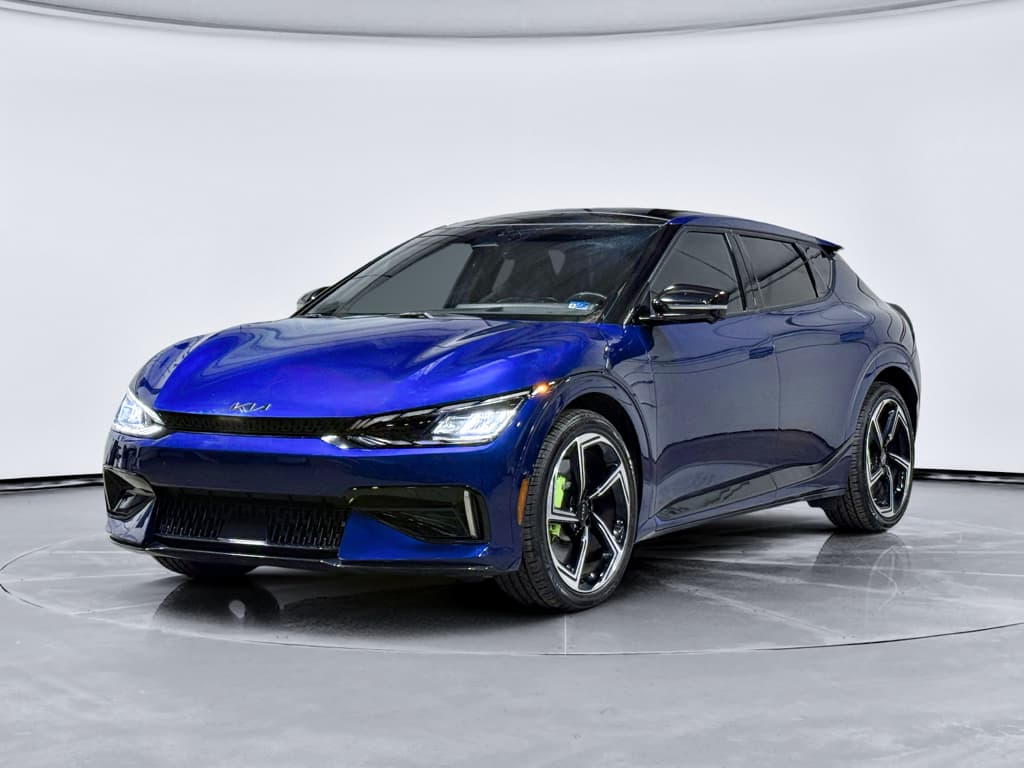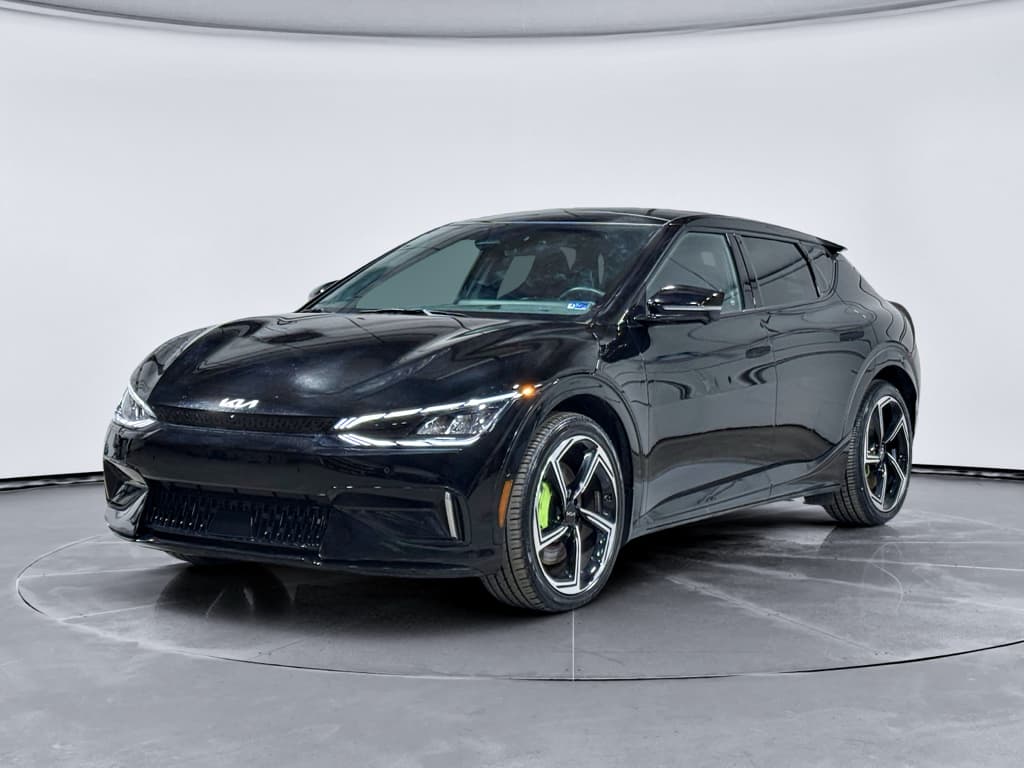
If you’re hunting for a practical, fast‑charging used EV, you’ve probably wondered: is the 2023 Kia EV6 a good buy in 2026, or a risky science experiment with known issues? The answer depends less on the badge and more on which trim you choose, how you’ll use it, and how carefully the specific car has been vetted.
TL;DR on the 2023 EV6
Quick answer: is the 2023 Kia EV6 a good buy?
The strong reasons to buy a 2023 EV6
- Excellent fast‑charging thanks to an 800‑volt architecture and up to ~240 kW DC capability. On a 350 kW charger, you can add roughly 200 miles in under 20 minutes when conditions are right.
- Competitive range, especially on rear‑wheel‑drive Wind and GT‑Line trims with the 77.4 kWh battery (EPA up to the mid‑200‑mile range).
- Fun to drive with instant torque, precise steering, and a genuinely quick GT performance model.
- Top Safety Pick+ crashworthiness from IIHS for 2023, plus a full active‑safety suite.
- Heavy depreciation already baked in compared with buying new, which makes 2023 models attractive on value.
The questions and red flags to consider
- Known reliability pain points, especially around the ICCU (the charging/auxiliary power module) and 12V battery behavior. These can strand the car or disable Level 2 charging until repaired.
- Dealer EV expertise is uneven. Some owners report fantastic support; others report long waits for diagnosis and parts.
- Depreciation isn’t done for many EVs, Kia included, as new models improve and incentives shift.
- Trim choice matters. The GT trades a lot of range for performance; earlier Light/SR cars give up range entirely.
So is a 2023 Kia EV6 a good buy? For many used‑EV shoppers in 2026, yes, if you’re getting the long‑range battery, avoiding abused cars, confirming recall and software updates, and buying with meaningful warranty coverage. If you want “never‑think‑about‑it” reliability or live far from capable Kia service, you’ll want to be more cautious.
Who should probably skip it
2023 Kia EV6 trims, battery, and real-world range
Before you can judge whether a 2023 EV6 is a good buy, you need to understand exactly which EV6 you’re looking at. For 2023, the U.S. lineup centers on a 77.4 kWh battery pack (gross) and three main trims: Wind, GT‑Line, and the high‑performance GT. Earlier base cars used a smaller 58 kWh pack; those are rare and offer significantly less range.
2023 Kia EV6 trims and headline specs (U.S.)
Approximate EPA ranges and power outputs for the key 2023 EV6 configurations. Always verify the exact spec on the specific VIN.
| Trim | Drive | Battery | Approx. EPA range | Power | Character |
|---|---|---|---|---|---|
| Wind RWD | Single motor RWD | 77.4 kWh | Mid‑200s miles | ~225 hp | Best blend of price, range, and comfort |
| Wind AWD | Dual motor AWD | 77.4 kWh | Low‑ to mid‑200s miles | ~320 hp | More traction, modest range hit |
| GT-Line RWD | Single motor RWD | 77.4 kWh | Similar to Wind RWD | ~225 hp | More features & style, similar efficiency |
| GT-Line AWD | Dual motor AWD | 77.4 kWh | Slightly lower than Wind AWD | ~320 hp | Loaded, quick, all‑weather capable |
| GT | Dual motor AWD | 77.4 kWh | Around 200 miles | ~576 hp | Serious performance, notably lower range |
Range figures are approximate EPA combined ratings; real‑world results vary with speed, temperature, and driving style.
Trim shortcuts for shoppers
On independent highway tests around 70–75 mph, AWD long‑range versions typically deliver roughly 200–230 miles of real‑world range from 100% to near‑empty, depending on weather and wheels. The GT’s high performance tune tends to land closer to ~190–210 miles in similar conditions.
Charging performance and road-trip viability
Why the EV6 still punches above its weight on charging
For road‑trippers, the 2023 EV6 is still one of the most future‑proof used EVs you can buy in this price bracket. The 800‑volt system and strong DC curve mean you spend less time parked at public chargers, especially compared with older 400‑volt EVs that top out around 100–150 kW.
- Level 1 (120V) charging at home is very slow, fine for emergencies, not as a long‑term plan.
- Level 2 (240V) home charging at 32–48 amps will comfortably refill the pack overnight from typical daily use.
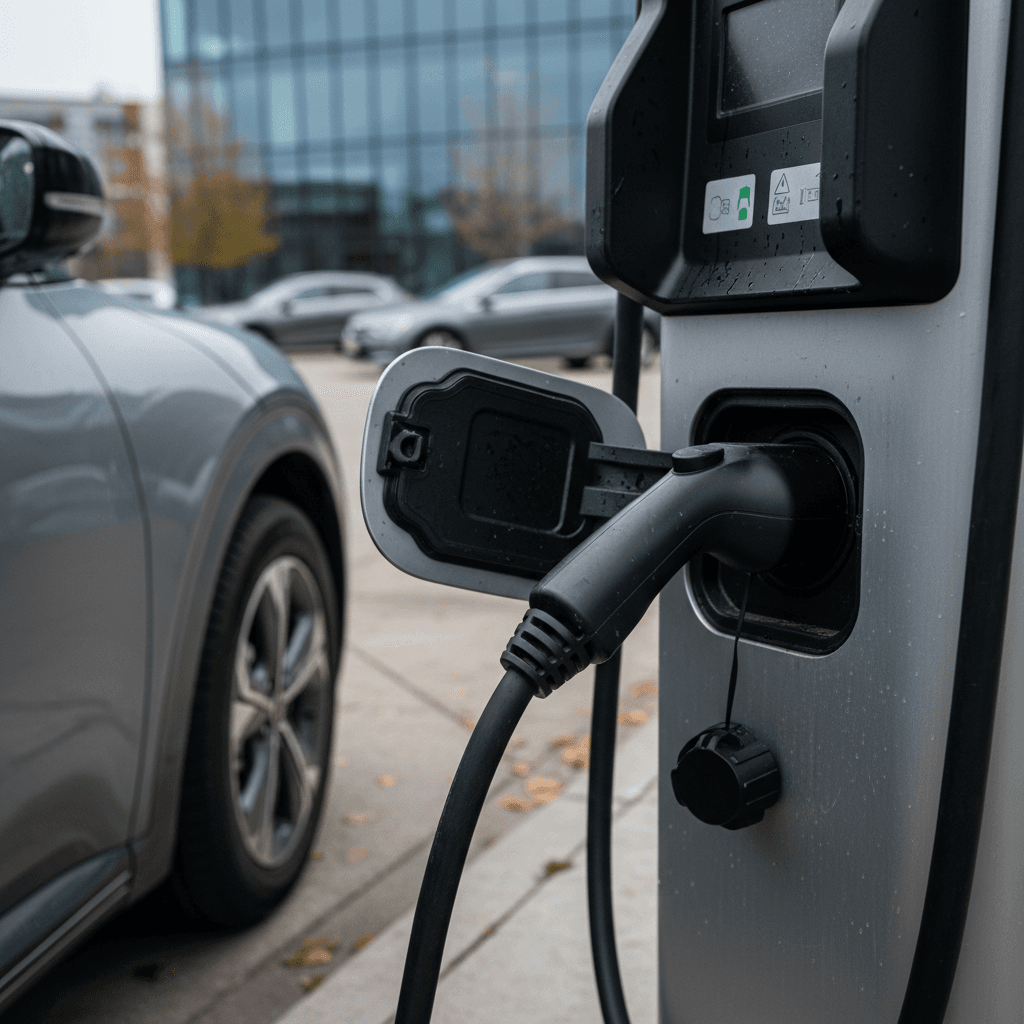
- On DC fast chargers (50–350 kW), the EV6 is happiest when the battery is warm and you arrive at a low state of charge (10–30%).
Road‑trip reality check
Reliability, ICCU & 12V issues, and warranty coverage
The 2023 EV6 rides on Hyundai‑Kia’s E‑GMP platform, which delivers great performance and packaging, but like most first‑generation EV architectures, it hasn’t been completely drama‑free. When people ask whether the 2023 Kia EV6 is a good buy used, they’re usually asking about reliability more than range or features.
The main reliability storylines on 2023 EV6
What we’ve seen across owner reports, service bulletins, and reliability surveys
ICCU & 12V problems
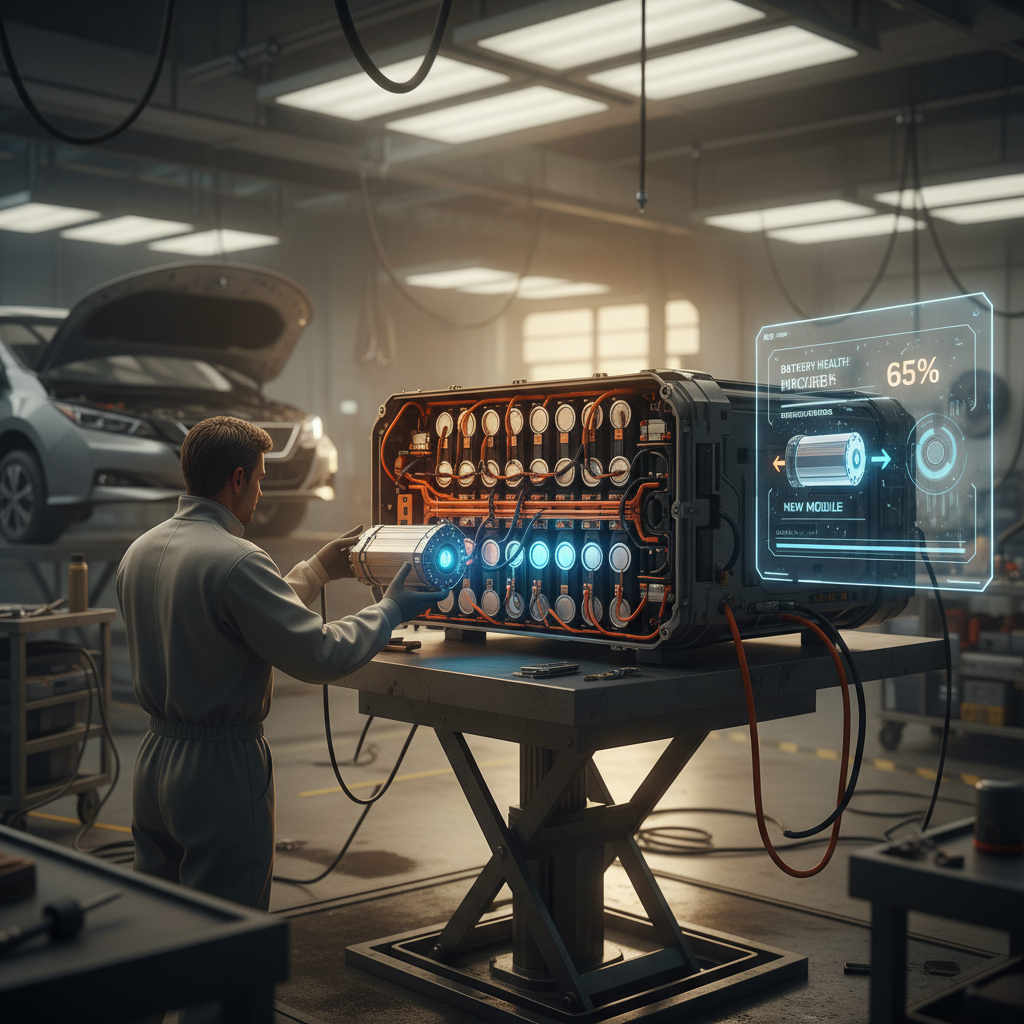
The big theme is the ICCU (Integrated Charging Control Unit) and 12V battery behavior. When the ICCU or related hardware misbehaves, symptoms can include:
- Repeated 12V battery failures
- Loss of Level 2 charging while DC fast charging still works
- Warning lights or the car refusing to shift into Drive
In many cases, repairs are covered under warranty, but diagnosis and parts delays can leave cars sidelined for days or weeks.
Dealer EV competence varies
Some Kia dealers have invested in EV‑trained techs and tooling; others are still catching up. That gap shows up in:
- Misdiagnosis of charging problems
- Long waits for parts like ICCU modules or valves
- Limited loaner fleets while the car is down
Where you live and which dealer you use can massively change your ownership experience.
Battery & powertrain warranty
The upside: Hyundai‑Kia’s EV component and battery warranties are strong in the U.S., typically 10 years/100,000 miles on the high‑voltage battery and related components, and 5 years/60,000 miles bumper‑to‑bumper.
For a 2023 EV6 bought used in 2026, a large chunk of that coverage is still on the clock, especially if you’re buying a low‑mileage, one‑owner car.
Don’t ignore ICCU history
• Has this VIN had ICCU or charging‑system work already?
• Were any recalls or service campaigns done?
• Are there current fault codes stored, even if no warning lights are on?
This is where a generic pre‑purchase inspection often falls short; you want EV‑specific diagnostics, not just “it drove fine.”
The broader reliability picture is mixed but not catastrophic. Large surveys show Hyundai and Kia EVs with a higher‑than‑average rate of charging‑system complaints compared with some rivals, but not chronic battery failures or structural drivetrain issues. In plain English: expect more nuisance issues and occasional downtime than with a boring hybrid, but not a wave of dead packs.
Safety ratings and driver-assistance tech
On safety, the 2023 Kia EV6 is an overachiever. It earned IIHS Top Safety Pick+ status for 2023, with strong crash‑test scores and well‑tuned crash‑avoidance tech. That’s important in a used‑EV context because some bargain EVs compromise either structure or advanced safety features.
- Standard forward‑collision warning with automatic emergency braking and pedestrian detection
- Lane‑keeping assist and lane‑following assist that can actively center the car in its lane
- Adaptive cruise control with stop‑and‑go on most trims
- Blind‑spot monitoring and rear cross‑traffic alert
- Available surround‑view cameras and remote park assist on higher trims
Why safety matters even more with EVs
Depreciation and used pricing in 2026
The good news for you as a buyer is that the 2023 EV6 has already taken a serious depreciation hit by 2026. Market guides and used‑EV analyses show roughly 15–25% value loss in the first year alone for many EVs in this segment, with further softening as new models and discounts arrive.
What that means in practice
- Well‑equipped 2023 EV6 Wind or GT‑Line models that easily crested $50,000 new are often trading for the high‑$20Ks to mid‑$30Ks depending on mileage, condition, and region.
- Higher‑mileage ex‑rental or fleet cars can dip lower, but you’ll want to be extra picky about fast‑charging history and cosmetic damage.
- GT performance models carry a small enthusiast premium but also narrow the buyer pool due to their range penalty.
Why depreciation isn’t all bad
- You’re effectively letting the first owner pay for early‑adopter enthusiasm and price cuts.
- The generous battery/powertrain warranty means you’re not completely exposed even at lower price points.
- For many buyers, a used EV6 offers a lot more car, space, speed, tech, charging speed, than a similarly priced new compact EV.
Watch the tax‑credit dynamics
How the 2023 EV6 compares to alternatives
2023 EV6 vs. common used‑EV alternatives
High‑level comparison for shoppers cross‑shopping other mainstream EVs
Hyundai Ioniq 5
Built on the same E‑GMP platform as the EV6, the Ioniq 5 shares its 800‑V fast‑charging and many mechanical bits.
- More upright, retro‑hatch design
- Similar range and performance options
- Very similar reliability profile, including ICCU themes
Tesla Model Y (2022–2023)
The Model Y is the natural cross‑shop for many EV6 buyers.
- Generally more efficient and slightly longer range per kWh
- Denser Supercharger coverage (increasingly open to others via adapters, too)
- Mixed build quality and its own reliability quirks
- Interior and interface philosophy are very different
Chevrolet Blazer EV / Equinox EV, others
Newer GM and Ford EVs bring competitive range and charging speeds, but as 2026 used buys, they often:
- Have less depreciation baked in
- Use different charging architectures and software stacks
- Don’t fundamentally beat the EV6 on charging performance yet
The EV6’s sweet spot is for buyers who want fast charging and sharp driving dynamics without going all‑in on Tesla’s ecosystem or dealing with the first wave of legacy‑OEM EV teething issues. It’s not uniquely trouble‑free, but it combines strong hardware fundamentals with widely available service and parts.
What to check before buying a used 2023 EV6
Pre‑purchase checklist for a used 2023 EV6
1. Confirm battery & drivetrain configuration
Use the VIN and window sticker (if available) to confirm whether the car is <strong>RWD or AWD</strong> and which battery it has. For most U.S. 2023 cars that means the 77.4 kWh pack, but don’t assume. Range expectations hinge on this.
2. Pull a full EV‑specific diagnostic scan
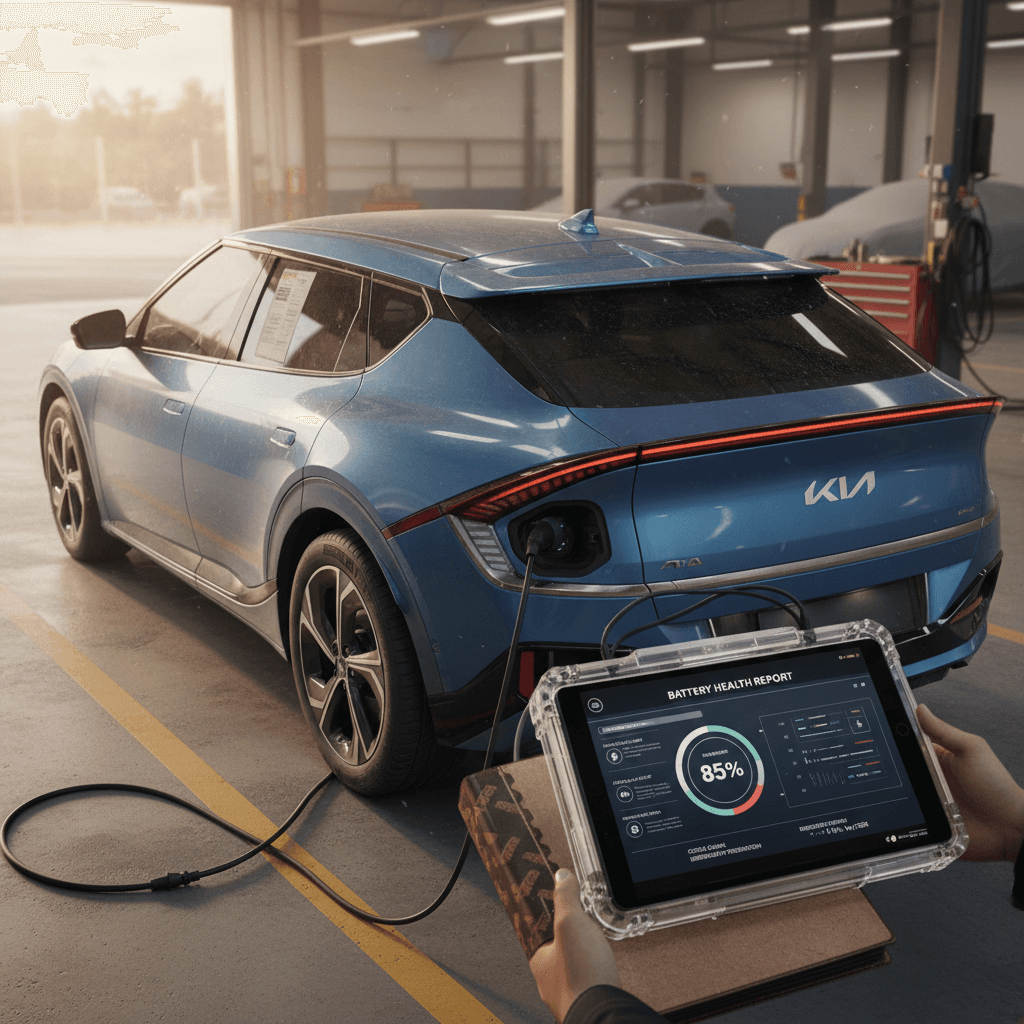
A generic OBD‑II code check isn’t enough. You want a scan that can see <strong>high‑voltage system, ICCU, and charging‑system fault codes</strong>, even historical or pending ones. This is the best early warning for ICCU‑related trouble or thermal‑system issues.
3. Verify recall and service campaign history
Ask for documentation that all open <strong>recalls and service campaigns</strong> have been completed, especially those related to the charging system, ICCU, or thermal management. A Kia dealer can run this by VIN.
4. Inspect tires, brakes, and suspension for EV wear
Like most EVs, the EV6 is heavy and powerful. That can mean <strong>faster wear on tires and suspension bushings</strong>. Uneven tire wear or noisy suspension over bumps may hint at alignment or component issues.
5. Test both AC and DC charging behavior
During your test drive, plug into a <strong>Level 2 charger</strong> and, if possible, a <strong>DC fast charger</strong>. Confirm that both work, that you see sensible charging speeds, and that no warning lights appear. An EV that “only charges on DC” is a red flag.
6. Confirm remaining factory warranty
Have the seller or dealer show you the <strong>in‑service date</strong> and remaining bumper‑to‑bumper and battery/powertrain warranty coverage. A 2023 EV6 sold new in late 2023 could still have most of its coverage intact in 2026.
Bring the right inspection partner
How Recharged helps you shop a used EV6
If you like the idea of a 2023 EV6 but not the idea of flying blind on battery health and charging‑system history, this is exactly the gap Recharged is built to close.
What you get with a used EV6 from Recharged
More than just pretty photos and a Carfax
Recharged Score battery & systems report
Every EV6 on Recharged comes with a Recharged Score that pulls together battery health data, charging behavior, and diagnostic checks. You see how the pack and key systems are doing today, not just what the odometer says.
EV‑savvy inspection and transparency
Our specialists understand ICCU quirks, 12V behavior, and charging‑system failure modes. Vehicles are pre‑screened, and we explain what’s been fixed, what’s still under warranty, and how that affects your long‑term costs.
Simple, digital buying experience
You can shop, finance, trade‑in, and arrange nationwide delivery online, or visit our Experience Center in Richmond, VA. No pressure, no guessing games, just data‑driven used EV shopping built for modern buyers.
Ready to find your next EV?
Browse VehiclesWhy this matters specifically for the EV6
FAQ: 2023 Kia EV6 as a used EV
Frequently asked questions
Bottom line: who should buy a 2023 EV6?
So, is the 2023 Kia EV6 a good buy? If you want a used EV that still feels genuinely modern in 2026, fast charging, sharp design, strong safety performance, the answer is yes, with eyes open. The long‑range 2023 EV6 trims deliver real‑world range that works for most commutes and road trips, while the 800‑volt architecture keeps charging stops short when the infrastructure cooperates.
Where you need to be thoughtful is on reliability and support. ICCU and 12V issues are real, not internet myths, and dealer expertise varies widely. That’s why the smartest buyers in this segment pair aggressive pricing with EV‑specific inspections, clear warranty understanding, and transparent battery‑health data, exactly the kind of diligence Recharged bakes into every car it sells.
If you’re comfortable with that trade‑off, the 2023 Kia EV6 rewards you with a quick, efficient, and future‑proof EV at a used‑car price. If you want a set‑and‑forget appliance above all else, you may be happier with something slower‑charging but more conservative. Either way, the key is the same: treat a used EV purchase as a data exercise, not a leap of faith.