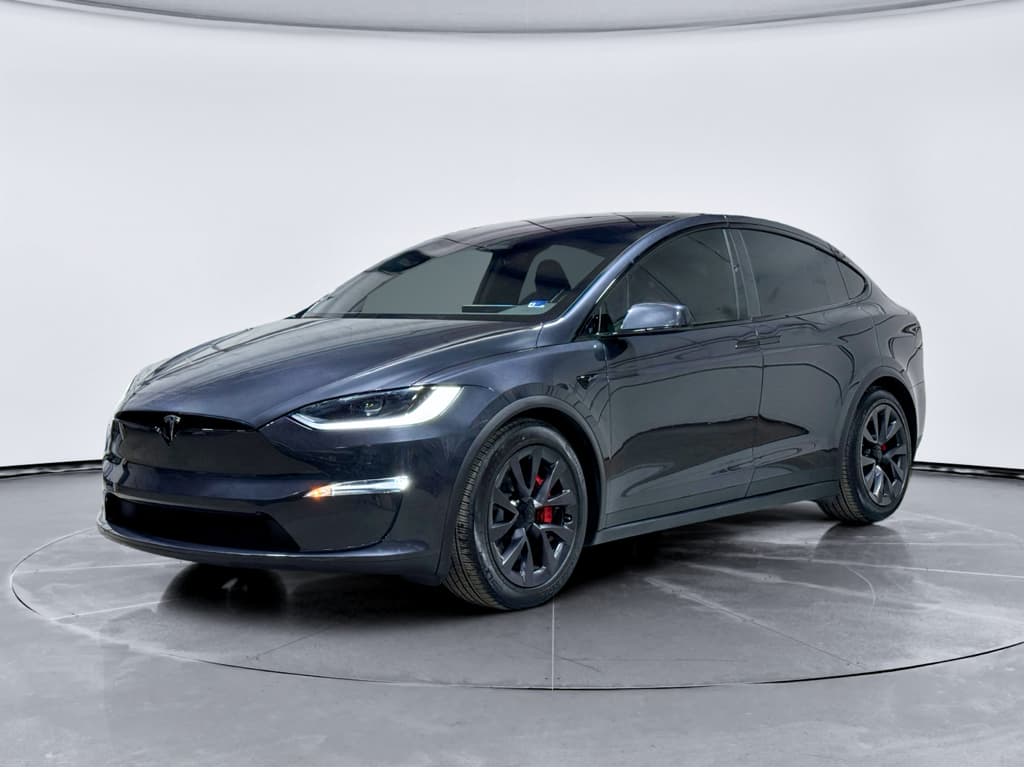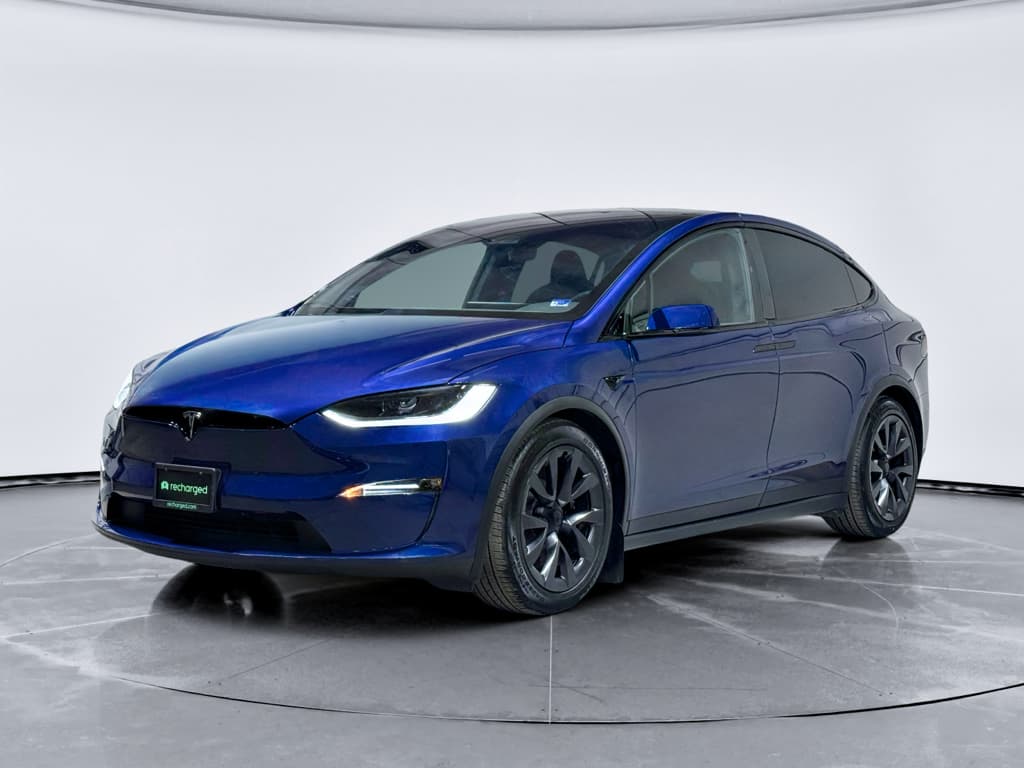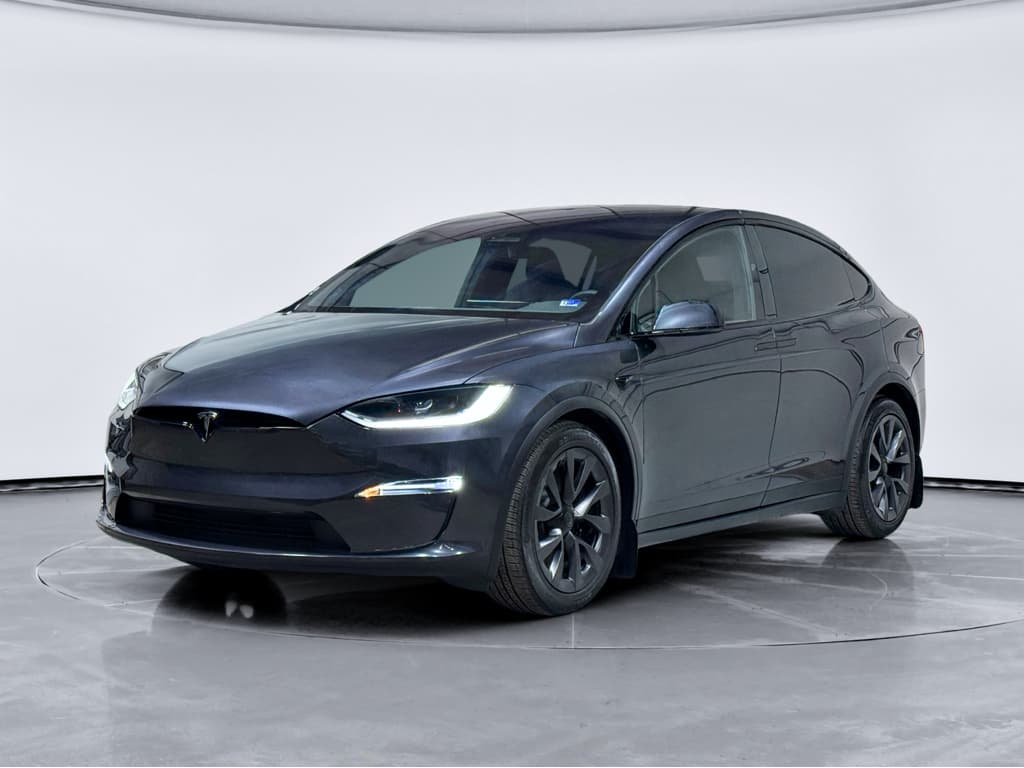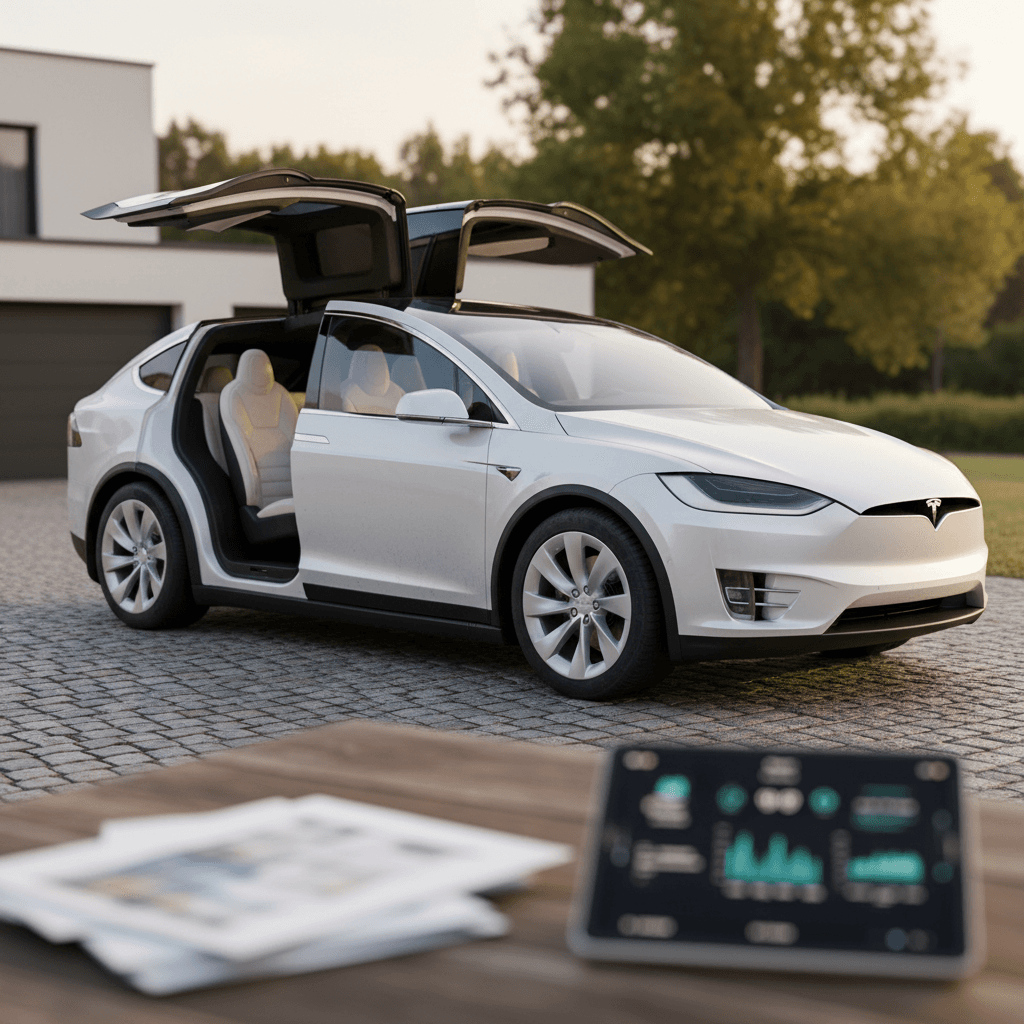
If you’re eyeing a used three-row EV, it’s natural to ask: is the 2022 Tesla Model X a good buy in 2026? On paper, it’s still one of the quickest, highest-range electric SUVs you can buy. In practice, you’re balancing exceptional performance and tech against above‑average prices and a mixed reliability record. Let’s unpack whether it fits your life and your risk tolerance.
2022 Model X at a glance
Quick answer: Is the 2022 Tesla Model X a good buy?
When it is a good buy
- You want a fast, three-row electric SUV with 300+ miles of rated range.
- You value Tesla’s Supercharger access and slick software more than traditional luxury touches.
- You’re shopping well below original MSRP (often tens of thousands less).
- You’re comfortable with above-average recall visits and occasional service quirks.
When it’s not a good buy
- You prioritize bulletproof reliability over performance and tech.
- You don’t live near a Tesla Service Center or mobile service coverage is weak.
- You don’t need three rows and could be just as happy in a Model Y or another two‑row EV SUV.
- You’re stretching your budget so far that a big repair bill would be a crisis.
High-level verdict
2022 Model X: what you’re actually buying
The 2022 Model X sits in an interesting spot. Tesla gave the X a major refresh for 2021, and the 2022 model continues that package with two main trims: the dual‑motor Long Range (often just called “Model X”) and the tri‑motor Plaid, which delivers supercar‑level acceleration while retaining three rows of seating. Compared with pre‑2021 Xs, you get a completely reworked interior, larger center screen, improved range, updated motors, and more advanced driver‑assistance hardware.
Key 2022 Tesla Model X specs (typical U.S. configurations)
Exact numbers vary with wheels and options, but this is the ballpark you’re shopping in.
Model X Long Range
- Range: roughly 330–350 miles EPA depending on wheels
- Drivetrain: dual‑motor AWD
- Seats: up to 7 (2+3+2)
- 0–60 mph: ~3.8 seconds
Model X Plaid
- Range: roughly 300–335 miles EPA depending on wheels
- Drivetrain: tri‑motor AWD
- Seats: up to 6 or 7
- 0–60 mph: ~2.5 seconds (very quick for an SUV)
Charging & platform
- Battery: ~100 kWh usable pack
- DC fast charge: peak ~250 kW at V3 Superchargers
- Onboard AC: up to 11.5 kW on Level 2
- Drive unit: permanent‑magnet and induction mix
Pricing & depreciation: what does a 2022 Model X cost today?
2022 Model X value snapshot (approximate, U.S., early 2026)
The 2022 Model X launched with sticker prices around or above six figures, particularly once you added popular options. By early 2026, you’ll often find clean Long Range examples in the mid‑$50Ks to mid‑$60Ks, with Plaid models and low‑mileage, heavily optioned units pushing into the $70Ks. Compared with new high‑end three‑row EVs, that’s still a lot of vehicle for the money, but it isn’t a bargain in absolute terms.
Price vs risk tip
Range, performance and charging: how capable is it in 2026?
From a capability standpoint, the 2022 Model X remains near the top of the EV SUV heap. Even today, an EPA‑rated ~330–350 miles of range (Long Range trim, depending on wheels) is competitive with new rivals. Real‑world highway range will skew lower, especially on 22‑inch wheels, in cold weather, or at 75+ mph, but you’re still looking at a comfortable 220–260 miles between fast‑charge stops for most road trips when the battery is healthy.
- Performance: Both trims are genuinely quick. The Long Range feels sports‑sedan fast; the Plaid feels supercar fast in a big family shell.
- Charging: Access to Tesla’s Supercharger network is a huge advantage, particularly as more sites open to non‑Tesla EVs but still work best with Teslas.
- Home charging: With an 11.5 kW onboard charger, a 60–80A Level 2 setup can comfortably refill the pack overnight from low state of charge.
Wheel and tire warning
Reliability and recalls: the biggest reason to hesitate
Put bluntly, the 2022 Model X has a complicated reliability story. On the plus side, 2022s benefit from the post‑refresh redesign, which solved some of the worst early‑generation falcon‑door and interior issues. On the downside, the 2022 model year has been subject to more than twenty recalls in the U.S., ranging from relatively minor compliance issues and over‑the‑air software fixes to more serious items that require physical repairs. That’s a lot of trips to the service center over a vehicle’s life if the work hasn’t already been done.
Common 2022 Model X complaint areas to watch for
Not every vehicle has these issues, but they’re patterns that show up in owner reports and complaint databases.
Doors & seals
- Falcon‑wing door alignment or sensor quirks
- Wind noise from frameless doors
- Weatherstrip peeling or squeaks
Electronics & screens
- Center screen or MCU glitches
- Phantom warnings or camera calibration prompts
- Occasional audio or connectivity bugs
Controls & trim
- Yoke or steering wheel wear
- Rattles or buzzes from interior panels
- Fit/finish issues that require adjustment
Recall due diligence is non‑negotiable
Owner experiences vary widely. Some 2022 Model X drivers report virtually no unscheduled service visits; others have had multiple trips for doors, trim, and drivetrain or electronic issues. That spread is exactly why a thorough pre‑purchase inspection and a close look at service history matter much more for a 2022 Model X than for a typical gas SUV.
Battery health and warranty coverage
The battery pack is the single most expensive component in any EV, and on a 2022 Model X it’s still relatively young. Tesla’s U.S. warranty for the Model X battery and drive unit is 8 years or 150,000 miles (whichever comes first), with a minimum 70% capacity retention guarantee. In 2026, that means most 2022s have at least 4 years of battery warranty remaining, often more if mileage is modest.
Typical remaining warranty on a 2022 Model X bought in 2026
Actual coverage depends on in‑service date and mileage. Always verify details with Tesla before you buy.
| Component | Original coverage | What’s typically left in 2026 | What it means for you |
|---|---|---|---|
| Battery & drive unit | 8 years / 150,000 miles | ~4–6 years, depending on in‑service date and miles | Strong protection against major battery or motor failures. |
| Basic (bumper‑to‑bumper) | 4 years / 50,000 miles | Often expired or nearly expired | Most electronics and trim fixes will be on your dime. |
| Corrosion | 12 years, unlimited miles | ~8+ years | Body rust is rarely the limiting factor on a Model X. |
Battery warranty is generous, but bumper‑to‑bumper coverage may be short if you’re buying a high‑mileage example.
How to check real‑world battery health
Because Model X packs are large, even some degradation can still leave you with very usable range. The bigger concern is a defective pack rather than normal wear. That’s why service history (any high‑voltage component replacements?) and a professional battery assessment should be non‑negotiable on a six‑figure EV, even at used‑car prices.
Tech, safety and software: how future-proof is a 2022?
One of the main reasons people gravitate toward a 2022 Model X instead of a competing luxury EV is the tech stack. Tesla’s UI is still among the most responsive and intuitive in the segment, with clean navigation, over‑the‑air updates, and seamless integration between car and app. The 2022 refresh interior also brought a more conventional rear screen for passengers and updated computing hardware compared with early Model X years.
- Safety: The Model X has historically performed very well in crash testing, and Tesla leans heavily on active‑safety systems such as automatic emergency braking, lane‑keeping assistance, and adaptive cruise control.
- Driver assistance: Every 2022 Model X has Autopilot; some also have Enhanced Autopilot or Full Self‑Driving Capability purchased. Treat these as advanced cruise/assist features, not as self‑driving systems, and expect them to evolve via software, sometimes for better and sometimes for worse.
- Software updates: In 2026, a 2022 X is still squarely within Tesla’s active‑update window. That’s good for new features and bug fixes, but it also means behavior can change over time.
FSD and options pricing caution
Ownership costs vs other luxury EV SUVs
Compared with gas‑powered three‑row luxury SUVs, a healthy 2022 Model X can be very affordable to run: no oil changes, fewer moving parts in the drivetrain, and lower “fuel” cost per mile, especially if you can charge at home on off‑peak electricity rates. Where it can get expensive is out‑of‑warranty repairs and consumables.
Where the 2022 Model X saves you money
- Energy cost: Charging at home is usually cheaper than paying for premium gas, even with recent electricity price increases.
- Routine maintenance: No engine oil, spark plugs, or complex transmission to service.
- Brakes: Regenerative braking means pads and rotors can last much longer than on a gas SUV.
Where it can be pricey
- Repairs: Out‑of‑warranty electronics, suspension components, and bodywork can be costly.
- Tires: Heavy curb weight + big wheels = shorter tire life, especially if driven hard.
- Insurance: Premiums can be higher than for comparable gas SUVs due to repair costs and performance.
Compare total cost, not just sticker price
Used 2022 Model X buying checklist
10 things to do before you buy a 2022 Model X
1. Pull the Tesla service and repair history
Ask the seller for a service history printout from Tesla. You’re looking for repeated repairs in the same area (doors, electronics, suspension) and confirmation that recall work has been completed.
2. Run a full recall and title check
Use the VIN to confirm open recalls, accident history, and any branded title status. Walk away from cars with undisclosed crashes or salvage/buyback history unless you fully understand the implications.
3. Inspect the doors thoroughly
Cycle the falcon‑wing and front doors multiple times on level ground and on a slight incline. Listen for grinding or binding, and verify they open fully and close flush without errors on the screen.
4. Evaluate battery health, not just mileage
Charge to 100% and check the displayed rated range. If possible, use a professional battery diagnostic like the <strong>Recharged Score</strong> to quantify capacity and fast‑charging behavior instead of guessing.
5. Test drive on mixed roads
Drive over rough pavement and at highway speed. Listen for rattles, wind noise around the windshield and doors, and pay attention to steering feel and ride quality on whatever wheel size the car has.
6. Check all screens, cameras, and sensors
Verify that the center and rear screens work flawlessly, cameras have clear images, parking sensors behave normally, and there are no persistent error messages after a full drive cycle.
7. Confirm charging behavior
If possible, test both AC Level 2 and DC fast charging. Make sure the car ramps up to reasonable power levels and doesn’t drop off immediately or throw faults during charging.
8. Review tires, wheels, and alignment
Look for uneven tire wear (especially inside shoulders), curb rash on wheels, and any pull under braking or cruising. These can hint at prior impacts or alignment/suspension issues.
9. Verify warranty status with Tesla
Have the seller provide the in‑service date, then confirm exact warranty coverage with Tesla so you know how much basic and battery/drive‑unit coverage remains.
10. Get independent EV‑savvy inspection
Even if the car looks perfect, a third‑party EV specialist or a platform like <strong>Recharged</strong> can spot issues that casual inspections miss, especially around high‑voltage components.
When a 2022 Model X is a great buy vs when to walk away
Signs it’s a great 2022 Model X buy
- Clean, well‑documented service history with recalls completed and no serious accident damage.
- Battery shows modest, expected degradation and charges normally on both Level 2 and DC fast charging.
- Doors operate smoothly, with no worrying noises or frequent sensor misreads.
- Price reflects mileage, options, and condition and undercuts equivalent new or nearly new rivals.
- You live reasonably close to a Tesla Service Center or have strong mobile service coverage.
Red flags worth walking away from
- Multiple unresolved warnings on the dash, especially related to high‑voltage systems or safety features.
- Evidence of poorly repaired accident damage, mismatched paint, or structural concerns.
- Open recalls the seller hasn’t addressed, or a pattern of repeated fixes for the same issue.
- Seller refuses a pre‑purchase inspection or won’t provide Tesla service history.
- Price is barely below a newer Model X or other modern luxury EVs once you factor in taxes and fees.
Where Recharged fits in
Ready to find your next EV?
Browse VehiclesFAQ: 2022 Tesla Model X
Common questions about buying a 2022 Model X
Bottom line: Is the 2022 Model X right for you?
If you want a three‑row EV that still feels cutting‑edge in 2026, the 2022 Tesla Model X remains one of the most compelling options on the road. It delivers long‑distance capability, blazing performance, and a deeply integrated software experience that many rivals are still chasing. At the same time, you’re signing up for a vehicle with a dense recall record, above‑average complexity, and potential for higher repair costs if things go wrong.
That makes the central question less “is the 2022 Tesla Model X a good buy?” and more “is this particular 2022 Model X, at this price, a good buy for me?” With the right example and the right expectations, the answer can absolutely be yes. Just be ruthless about inspection, realistic about risk, and thoughtful about your total cost of ownership. And if you’d like a second set of EV‑specialist eyes on the process, a Recharged Score Report and guided purchase experience can help you enjoy the drama of the Model X’s doors, not the drama of unexpected ownership surprises.