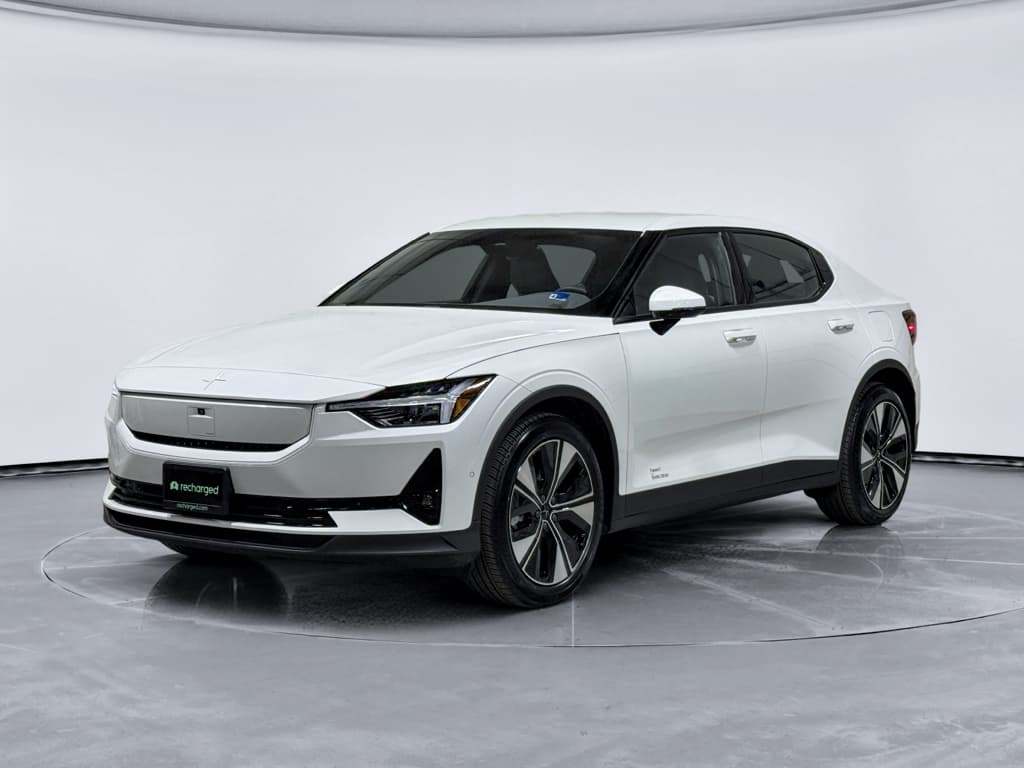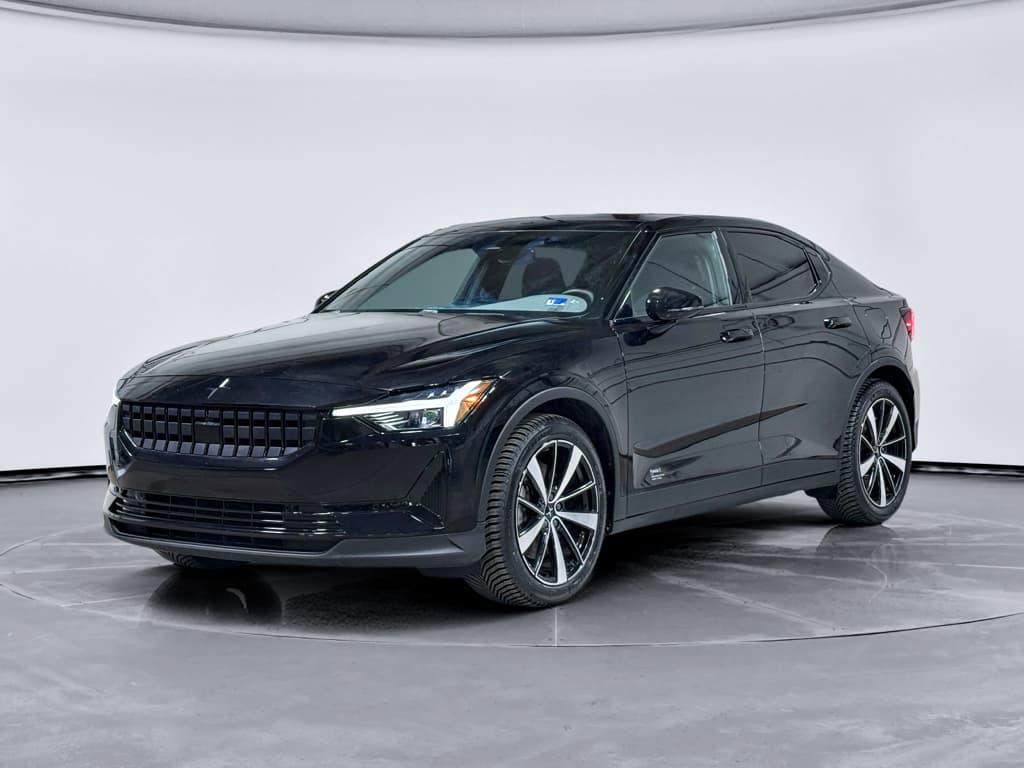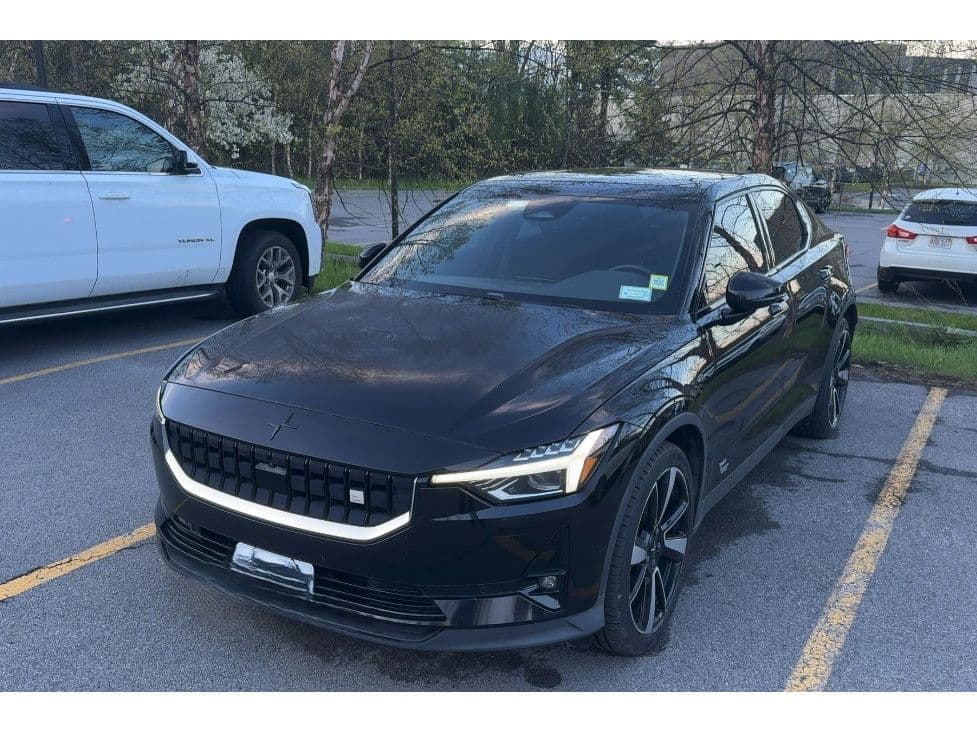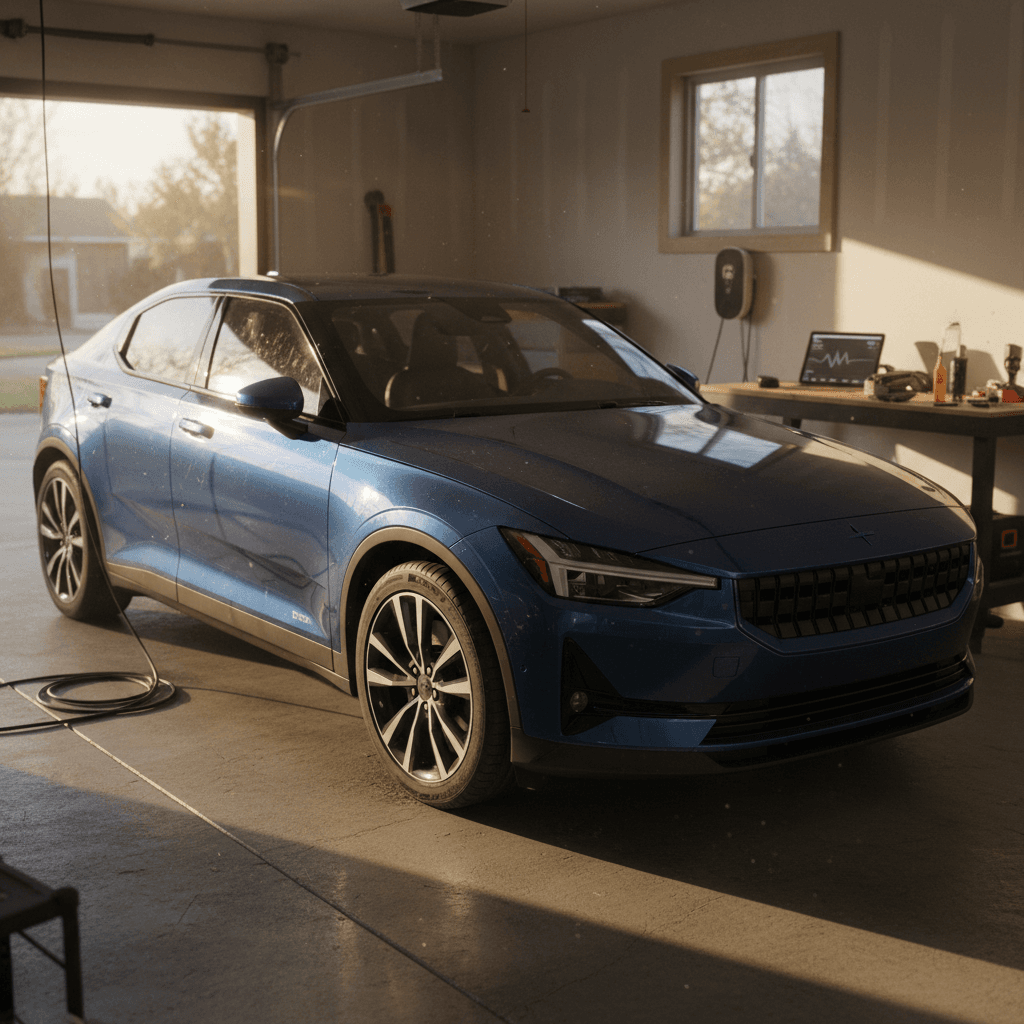
If you’re wondering whether the 2021 Polestar 2 is a good buy in 2026, you’re not alone. Early Polestar 2s have taken a big depreciation hit, which makes them tempting bargains, but there are trade-offs around range, reliability, and warranty that you absolutely need to understand before you sign anything.
At-a-glance verdict
Quick answer: is a 2021 Polestar 2 a good buy?
When it’s a smart buy
- You find a well‑maintained, low‑owner car with documented service history.
- The price lands in the high‑$20k range for typical miles, not far into the $30s.
- Battery health tests strong and the 8‑year/100,000‑mile pack warranty still has several years left.
- You live reasonably close to a Polestar service partner or Volvo dealer that handles warranty work.
When you should be cautious
- The car is out of basic bumper‑to‑bumper warranty and has spotty or unknown history.
- Price is close to a newer 2023–2024 EV with more range and newer hardware.
- You depend on a single car, drive long distances, and can’t tolerate downtime for software or hardware issues.
- There’s no recent battery health report or third‑party inspection you can rely on.
Tip for shoppers
What you actually get with a 2021 Polestar 2
The 2021 model year was the Polestar 2’s first full year in the U.S. It launched as a long‑range dual‑motor AWD fastback using a 78 kWh (about 75 kWh usable) battery. Later in the year, Polestar added single‑motor variants in other markets, but if you’re shopping U.S. cars, you’ll mostly see dual‑motor “Launch Edition” cars with rich standard equipment.
Core 2021 Polestar 2 highlights
Inside, the 2021 Polestar 2 leans into a minimalist, Scandinavian feel with a Google‑built infotainment system, high‑quality materials, and a driving position that feels more like a sport sedan than a crossover. Standard driver‑assist features are solid for the time, though newer EVs have caught up or passed it with more advanced hands‑free systems.
Range and charging: still enough in 2026?
The big question for any early‑generation EV is whether range still holds up against newer options. The 2021 Polestar 2 dual‑motor started with an EPA‑rated 233 miles of range. In real‑world mixed driving, many owners see something in the 200–230 mile window depending on climate and driving style.
- In warm weather at moderate speeds, you can often match or slightly beat the EPA figure.
- At 70–75 mph highway cruising, expect more like 180–200 miles between 10% and 80%.
- In cold climates without a heat pump, winter range can drop 25–35% on harsher days.
Heat pump note
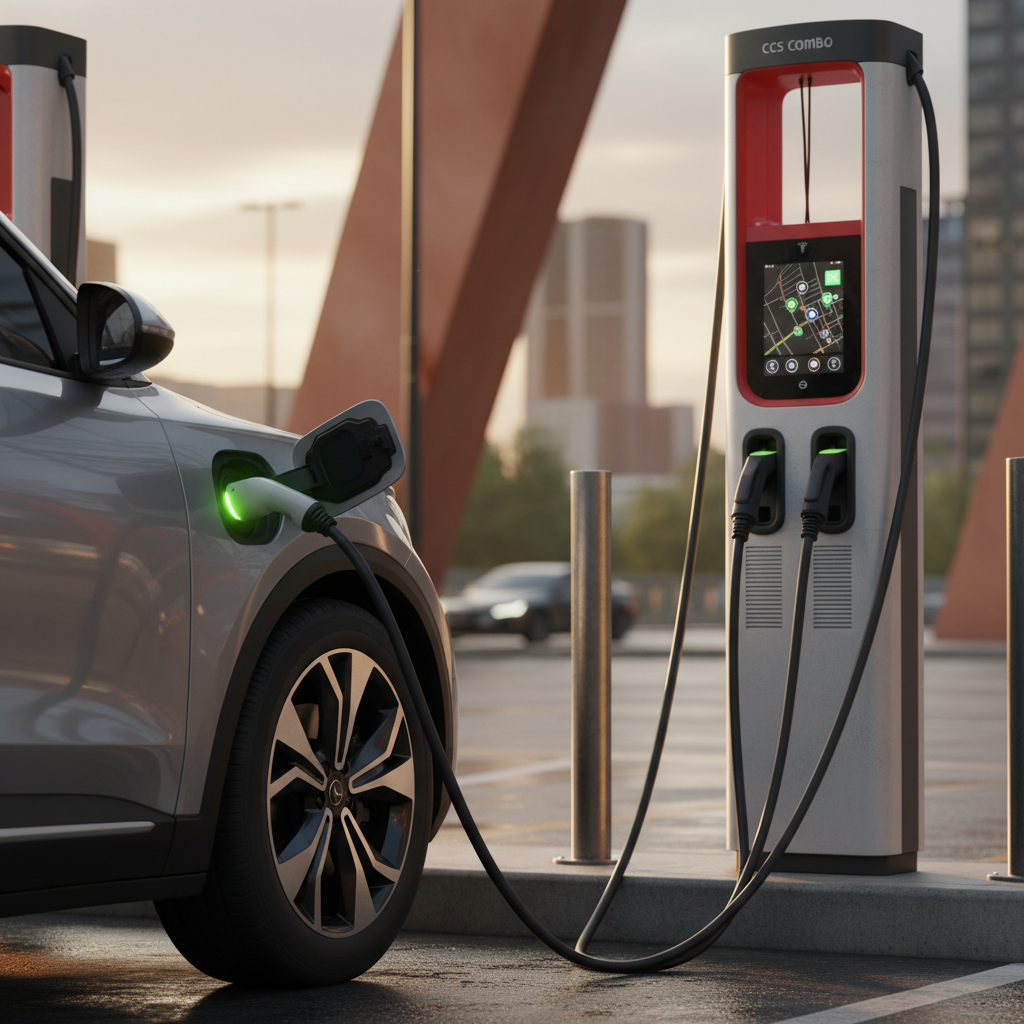
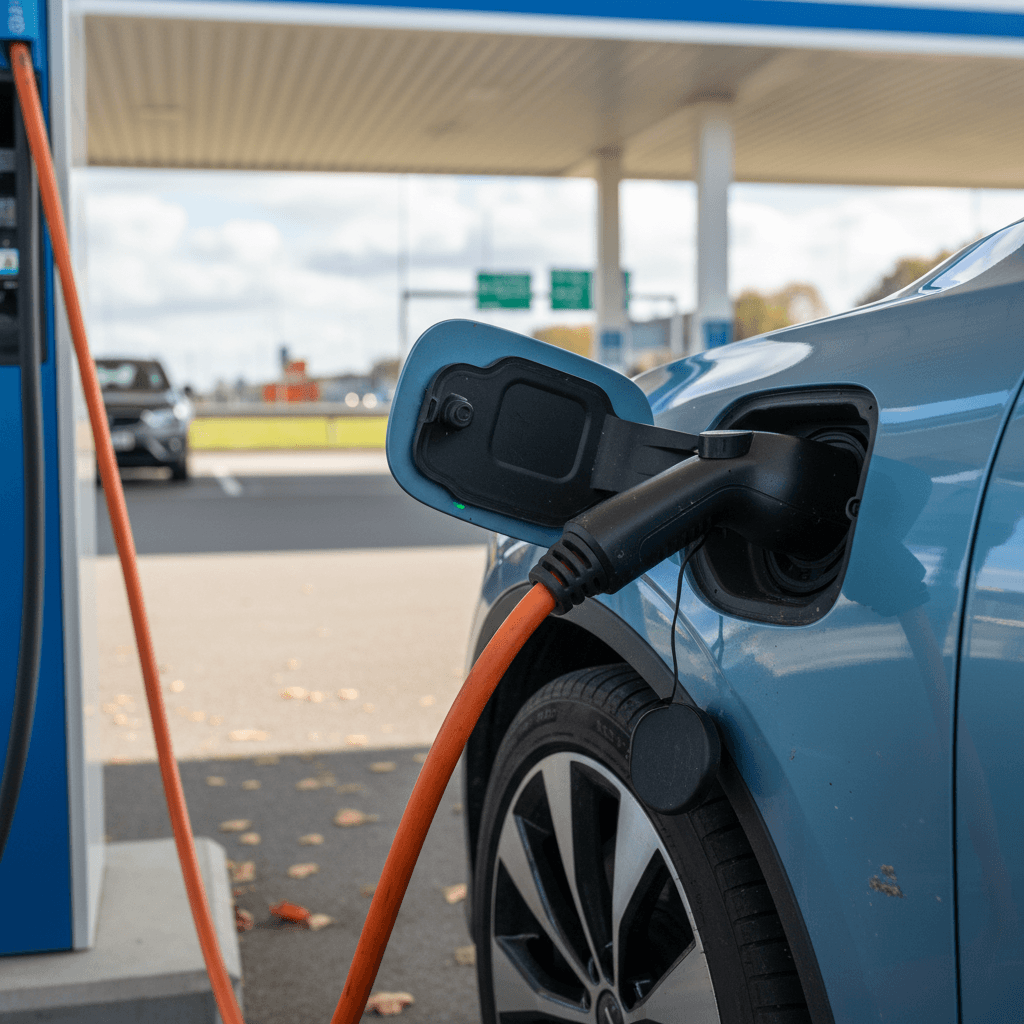
On the charging side, the 2021 Polestar 2 supports roughly 150 kW peak DC fast charging, with many real‑world tests showing 10–80% in about 35–40 minutes on a good station. AC charging maxes at 11 kW on a Level 2 home or workplace charger, which means an empty‑to‑full charge overnight is straightforward if you have a 240V setup.
Where range may feel tight
Depreciation, prices, and value in today’s market
Like many early premium EVs, the 2021 Polestar 2 has taken a sizable resale hit. Launch‑edition cars started in the low‑$60,000s when new. By early 2026, the typical used asking price in the U.S. for a clean, average‑mileage 2021 dual‑motor car often lands in the high‑$20,000s, with some higher‑spec or low‑mile examples creeping into the low‑$30,000s.
2021 Polestar 2 value snapshot
How this depreciation helps you
If you’re comparing to newer Polestar 2s, remember that 2023–2025 cars offer more range and updated hardware, but they usually carry asking prices well into the high‑$30,000s and $40,000s. The 2021 can be a good buy when it’s meaningfully cheaper than newer alternatives, not when the gap is only a few thousand dollars.
Battery health and warranty: how safe is a 2021 pack?
Every 2021 Polestar 2 left the factory with an 8‑year/100,000‑mile high‑voltage battery warranty (from original in‑service date) that covers defects and excessive capacity loss. In 2026, many cars are only 4–5 years old, so they still have several years of battery coverage left, as long as mileage is reasonable.
- Most owners and third‑party tests report modest degradation so far, often still around the low‑200‑mile real‑world range with normal use.
- There have been isolated cases of high‑voltage pack failures that triggered full pack replacements under warranty, which is exactly what the warranty is there for but can mean long waits if you’re unlucky.
- Battery health depends heavily on fast‑charging habits, climate, and how high the previous owner charged it in daily use. Two 2021 cars with the same miles can have very different pack health.
Do NOT skip a battery health check
Battery questions to ask before you buy
1. How much warranty is left?
Ask for the original in‑service date and current mileage. Confirm how many years and miles remain on the 8‑year/100,000‑mile battery warranty so you’re not surprised later.
2. Is there a recent battery health report?
Look for a recent, independent battery health test or a <strong>Recharged Score</strong> style report that quantifies remaining capacity instead of guessing from the dash.
3. How was the car charged?
Frequent DC fast charging or always charging to 100% is tougher on packs than mostly Level 2 charging and 70–80% daily limits. Have the seller walk you through their routine.
4. Any history of HV battery faults?
Ask directly about prior high‑voltage battery or inverter issues, and check service records for warning‑light diagnostics or warranty work that might indicate deeper problems.
Where Recharged fits in
Ready to find your next EV?
Browse VehiclesReliability, recalls, and known issues
The 2021 Polestar 2 doesn’t have the bulletproof reputation of something like a Toyota hybrid, but it’s also not a disaster. Real‑world owner reports paint a mixed but nuanced picture: some cars run for tens of thousands of miles with only minor glitches, while others have a more troubled history of software bugs and component failures.
Common 2021 Polestar 2 issues to understand
Not every car has these problems, but you should screen for them
Infotainment & connectivity quirks
The Google‑based infotainment is powerful but has seen its share of early bugs: laggy responses, random reboots, Bluetooth and Android Auto issues. Many have been improved with over‑the‑air updates, but you still want to test every function during a long test drive.
12V battery and HV faults
Like many EVs, the Polestar 2 depends heavily on its 12V system to wake the high‑voltage battery and run control modules. Weak 12V batteries can trigger warnings, no‑start conditions, or weird behavior. A fresh 12V and clean recall history are reassuring signs.
Suspension & axle noise
Some owners and technicians report rear suspension or axle clicks and clunks, especially on higher‑mileage cars. Catching these issues while the car is under warranty can save you from expensive repairs later.
Always run a recall & software check
Service access is another part of the reliability story. Polestar leverages Volvo dealers and a smaller network of dedicated Polestar service locations, which can mean longer drives for service if you don’t live near a metro area. That’s not automatically a deal‑breaker, but it’s something to factor into your tolerance for warranty visits.
"Overall Polestars seem to be hit or miss with some owners having few to no issues and the rest of us who experience lots of software glitches and reliability issues."
How a 2021 Polestar 2 compares to used rivals
You’re probably cross‑shopping the 2021 Polestar 2 against used versions of the Tesla Model 3/Y, Hyundai Ioniq 5, Kia EV6, or maybe a Volkswagen ID.4. Each has its own strengths; where the Polestar 2 stands out is in design, driving feel, and interior quality more than raw range or charging dominance.
2021 Polestar 2 vs popular used EV rivals
High‑level comparison for a typical U.S. shopper in early 2026.
| Model | Typical used price (2021–2022) | EPA range (approx.) | DC fast‑charge peak | Standout trait |
|---|---|---|---|---|
| Polestar 2 (2021 LR dual motor) | $28k–$32k | 233 mi | ~150 kW | Premium feel, Scandinavian design, strong performance |
| Tesla Model 3 Long Range (2021) | $27k–$34k | ~350 mi | ~250 kW | Best‑in‑class range + Supercharger network |
| Hyundai Ioniq 5 (2022) | $30k–$36k | ~256 mi | ~230 kW | Ultra‑fast charging, roomy interior |
| Kia EV6 (2022) | $30k–$37k | ~274 mi | ~230 kW | Sporty drive, fast charging |
| VW ID.4 (2021) | $24k–$30k | ~250 mi | ~125 kW | Practical crossover shape, comfortable ride |
Exact specs and pricing vary by trim and mileage; use this as a directional guide, not a quote.
How to read this table
When a 2021 Polestar 2 IS a great buy
Scenarios where a 2021 Polestar 2 shines
If these sound like you, the car could be a strong match
Urban or suburban commuter
Your daily driving is well under 150 miles, you can charge at home most nights, and you like the idea of a compact but premium EV. In this use case, the Polestar 2’s range is more than enough and you mostly enjoy its design and performance.
Driver who loves feel & design
You care as much about steering feel, seat comfort, and build quality as you do about raw numbers. The Polestar 2 feels more like a European sport sedan than a tech gadget on wheels.
Value‑seeker in the premium segment
You want something that feels more special than a mainstream crossover but don’t want to pay $40k+ for a newer EV. A carefully chosen 2021 Polestar 2 can deliver that sweet spot.
Home charger, multi‑car household
You have another car available for long‑distance trips, and the Polestar 2 is mostly a daily driver. Occasional road‑trip inefficiencies matter less when this isn’t your only vehicle.
When you should walk away, or buy a newer EV instead
There are also clear situations where a 2021 Polestar 2 is not the right answer, or where you should at least negotiate harder or walk away entirely.
- You live far from any Polestar/Volvo service center and can’t afford downtime if something breaks.
- The car is near the end of its battery warranty or has suspiciously light documentation for its age and mileage.
- The seller wants mid‑$30,000s for a 2021 when newer 2023–2024 EVs with more range are available just a few thousand dollars higher.
- You routinely road‑trip in regions with patchy fast‑charging infrastructure and absolutely need 280–300+ miles between stops.
Red flags that should end the deal
Checklist: how to shop a used 2021 Polestar 2
Step‑by‑step used 2021 Polestar 2 buying checklist
1. Set a realistic target price
For a clean 2021 dual‑motor with average miles, aim for the <strong>high‑$20k to very low‑$30k</strong> range. If the price is close to newer 2023–2024 EVs with more range, keep shopping.
2. Decode the VIN and options
Confirm model year, dual vs single motor, and whether the car has key options like the heat pump or Pilot/Plus packages. More options don’t always justify big price jumps on a 2021.
3. Pull history and recall data
Run a full history report, look for accidents and lemon buybacks, and check for <strong>open recalls</strong> or software updates that haven’t been completed.
4. Get a battery and charging evaluation
Have the car’s pack health professionally assessed and do a test DC fast‑charge session if possible. Watch for abnormal tapering, fault codes, or wildly inconsistent state‑of‑charge behavior.
5. Inspect suspension, brakes, and tires
Listen for clunks or clicks from the rear suspension, check tire wear patterns, and confirm that brakes move freely, EVs can get sticky calipers when driven lightly.
6. Stress‑test the software
On a long test drive, use navigation, Bluetooth, connectivity, and ADAS features. Note any reboots, lag, or camera glitches. Minor bugs are normal; repeatable major issues are not.
7. Plan your service path
Before you buy, find out which <strong>authorized service center</strong> will work on your Polestar 2, how far it is, and typical lead times. If that plan sounds painful, reconsider.
8. Consider buying through an EV specialist
Marketplaces like <strong>Recharged</strong> that focus on used EVs can bundle <strong>battery diagnostics, fair‑market pricing analysis, trade‑in options, and nationwide delivery</strong>, which takes a lot of legwork out of evaluating a 2021 Polestar 2 on your own.
FAQs: 2021 Polestar 2 used-buying questions
Frequently asked questions about buying a 2021 Polestar 2
Bottom line: is the 2021 Polestar 2 worth it?
If you’re asking, “Is the 2021 Polestar 2 a good buy?” the honest answer is: it can be a very good buy, but only if you’re selective. The right car offers distinctive design, strong performance, a premium interior, and now‑affordable pricing thanks to heavy early depreciation. The wrong car, a poorly maintained example with sketchy battery health or limited warranty left, can turn your bargain into an expensive experiment.
Focus on battery health, service access, and realistic pricing. Treat range as “good enough” rather than class‑leading, and decide whether that works for your daily life and trips. And if you’d rather not manage all of that on your own, exploring a 2021 Polestar 2 through a specialist marketplace like Recharged, with built‑in diagnostics, fair‑market pricing, and expert support, can make the difference between rolling the dice and making a confident, data‑driven purchase.