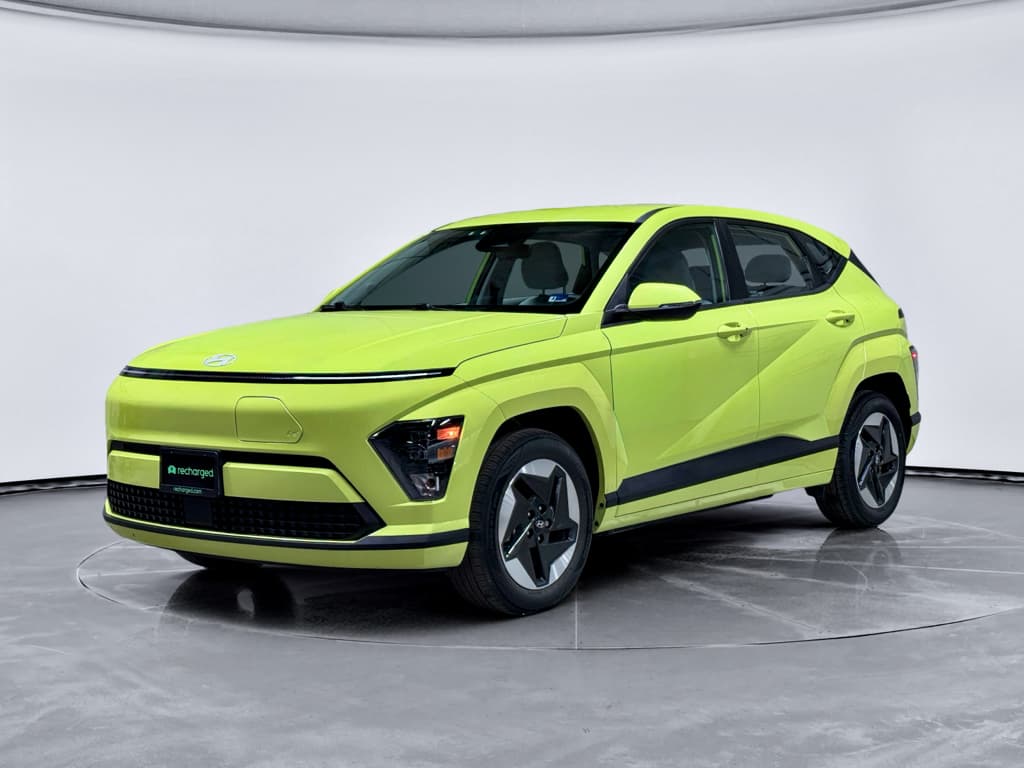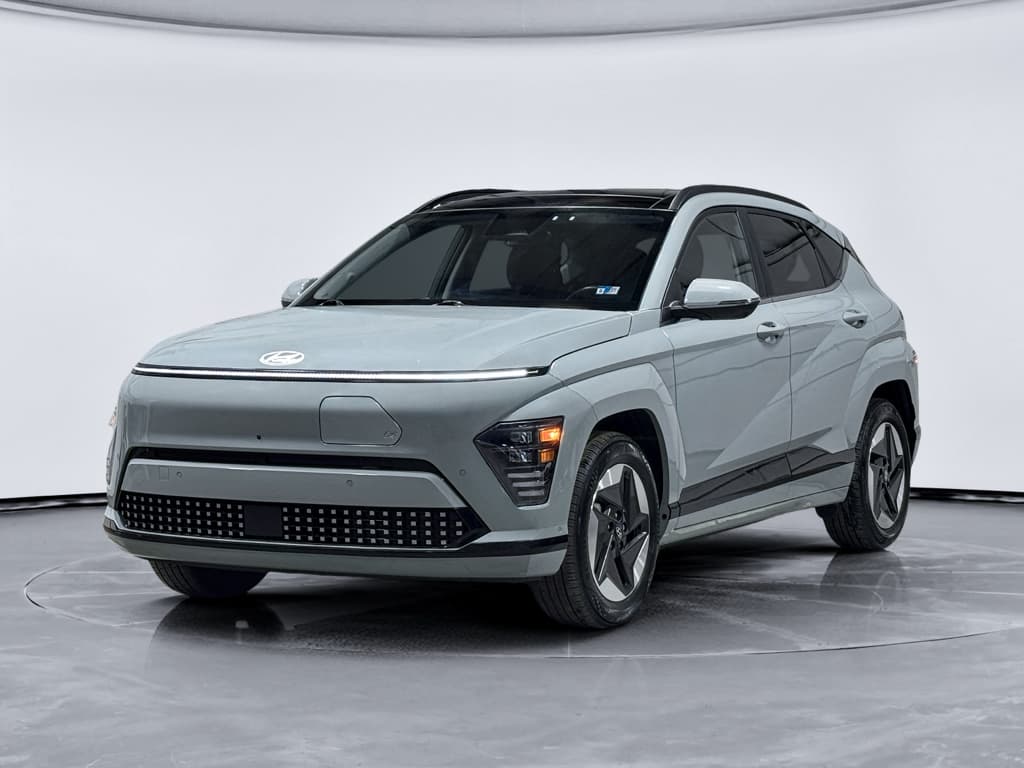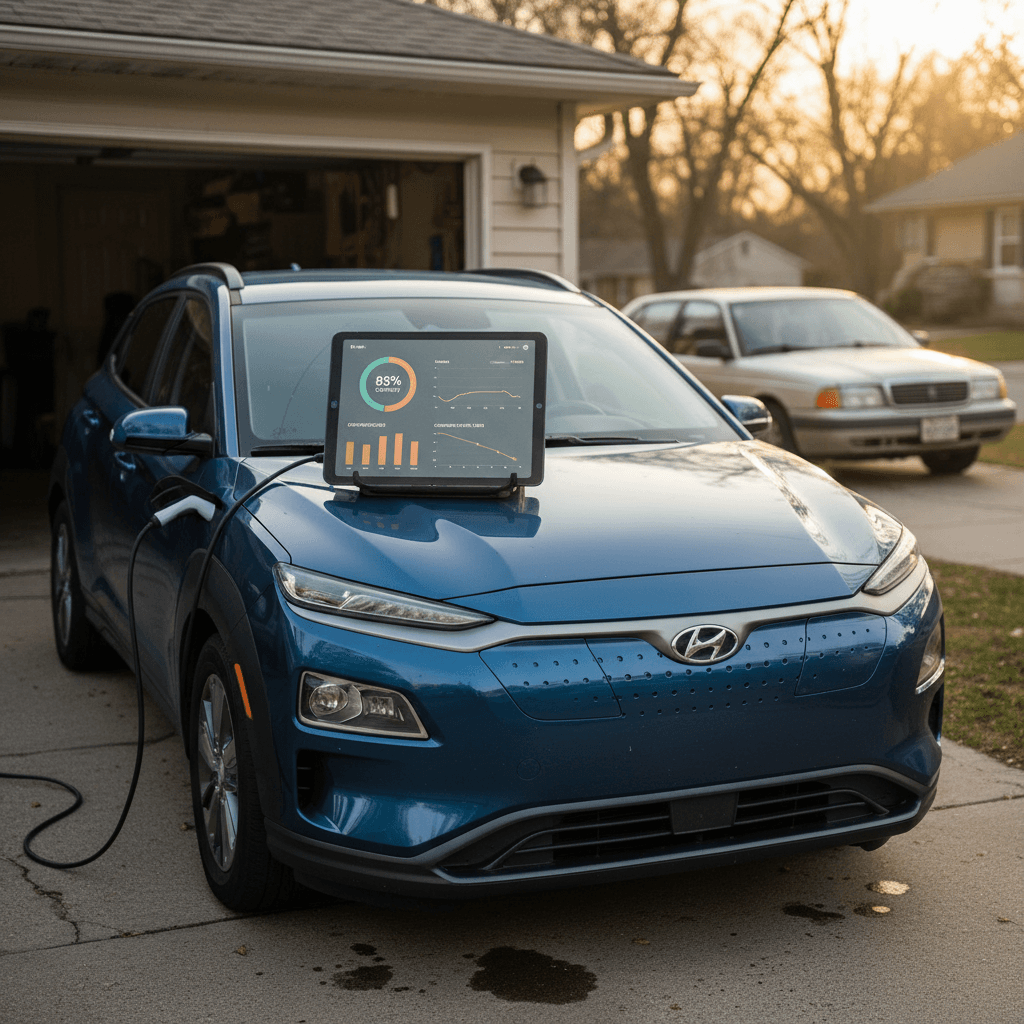
If you’re shopping used EVs in 2026, the question naturally comes up: is a 2020 Hyundai Kona Electric a good buy? On paper, it’s a small crossover with big range, strong efficiency, and a long warranty. In the real world, there’s also a major battery recall in the mix, some quirky reliability stories, and a used market that finally makes this once-pricey little SUV feel attainable.
Short answer
2020 Hyundai Kona Electric at a Glance
2020 Kona Electric: Key Numbers
The 2020 Hyundai Kona Electric uses a 64.0 kWh battery and a front‑drive permanent‑magnet motor rated at about 201 horsepower and 291 lb‑ft of torque. It was EPA‑rated at 258 miles of range, which is still competitive with many newer small EVs. You get a compact crossover footprint, decent cargo space for a subcompact, and the same basic package that made the Kona Electric a darling of efficiency tests for years.
- Body style: subcompact crossover SUV (front‑wheel drive only)
- Powertrain: 64 kWh battery, single front motor (~201 hp)
- EPA range (2020 U.S. rating): 258 miles
- DC fast charging: up to ~100 kW peak in ideal conditions
- On‑board AC charging: 7.2 kW (most U.S. cars)
- Trim walk in the U.S.: SEL, Limited, Ultimate (with more driver‑assist and comfort features as you move up)
Why 2020 is a sweet spot
Strengths: Why the 2020 Kona Electric Can Be a Good Buy
What the 2020 Kona Electric Does Really Well
These are the reasons it still shows up on smart‑shopper shortlists.
Excellent efficiency
The Kona Electric has a reputation for squeezing the most from every kWh. Real‑world testers regularly report 4+ mi/kWh in mixed driving when driven reasonably, which means you’re getting strong range from a modest‑size battery.
Fun, punchy driving feel
With instant torque and a short wheelbase, the 2020 Kona Electric feels eager around town. It’s not a sports car, but it’s quick off the line, easy to park, and has strong one‑pedal driving with multiple regen levels.
Now‑affordable pricing
New, the Kona Electric was priced out of reach for many shoppers. By 2026, a 2020 model often lands in the same price band as a well‑equipped gas crossover, especially after factoring fuel and maintenance savings.
Long factory warranty
Hyundai’s original 10‑year/100,000‑mile battery and powertrain warranty (for many first owners in the U.S.) and solid basic warranty coverage can still apply in part, depending on how ownership transferred. That adds a safety net you won’t get on every used EV.
Usable range for real life
With ~258 miles EPA range, the 2020 Kona Electric covers daily commuting, errands, and weekend trips without constant charging stops. It’s especially appealing if you can charge at home and only fast‑charge occasionally.
Compact footprint, crossover utility
Think of it as a tall hatchback with SUV attitude. You get higher seating, decent rear headroom, and a useful cargo area, but it’s still easy to maneuver in tight city parking and small garages.
When it looks like a home run
Weak Points and Recalls: What to Watch For
Now for the part of the story you absolutely can’t skip: the battery recall. Early Kona Electrics, including many 2019 and 2020 cars, were subject to a global recall related to a manufacturing defect in certain LG Chem battery cells that could, in rare cases, lead to fires. Hyundai’s response was software updates, pack inspections, and in many cases, full battery pack replacements.
Battery recall basics
- Most 2020 Kona Electrics built for North America fall into the recall population.
- Hyundai’s fix ranged from software updates to a complete high‑voltage battery replacement depending on inspection results and VIN.
- Replacement packs are built to updated specs, so you may be effectively getting a much newer battery than the car’s model year suggests.
Other known trouble spots
- 12‑volt battery issues on some cars that sat or were driven infrequently.
- Occasional complaints about gear reduction unit noise or failures (more common early on).
- A few reports of charge port door/lock actuators misbehaving in very cold or very hot climates.
None of these are deal‑breakers on their own, but they’re items you’ll want inspected and documented.
Non‑negotiable: verify recall status
Battery, Range, and Charging on the 2020 Kona Electric
One big reason people hunt for a 2020 Kona Electric is its blend of big‑enough battery and genuinely thrifty energy use. The 64.0 kWh pack and slick aerodynamics give you range that still stacks up well in 2026, especially if you’re mostly commuting and running errands.
2020 Kona Electric Battery & Charging Snapshot
Key numbers you’ll care about as a used‑EV shopper.
| Spec | 2020 Kona Electric (U.S.) | What it means for you |
|---|---|---|
| Battery capacity | 64.0 kWh gross | Competitive pack size for a compact EV; not huge, but very efficient |
| EPA range | 258 miles | Plenty for most daily use and moderate road‑trips with planning |
| Typical mixed driving | ~220–260 miles | Owners commonly see this band depending on climate and speed |
| On‑board AC charger | 7.2 kW | Roughly 0–100% in 9–9.5 hours on a 40‑amp Level 2 home charger |
| DC fast‑charge peak | ~70–100 kW (ideal) | 0–80% in about 45–60 minutes if you find a healthy fast charger |
| Preconditioning | Battery warmer on many trims | Helps protect range and charging performance in cold weather |
Real‑world range will vary with speed, temperature, and driving style, but this table gives a realistic baseline for the 2020 Kona Electric.
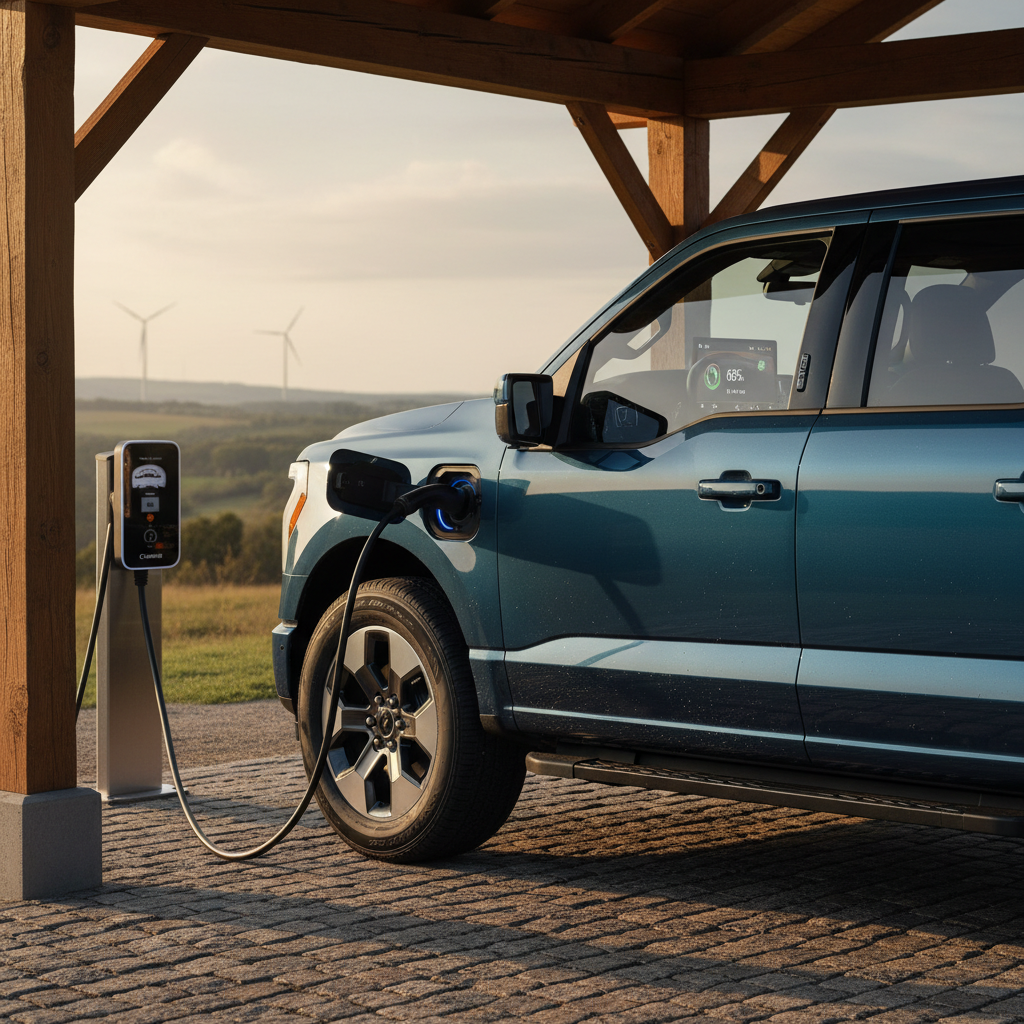
Home charging sweet spot
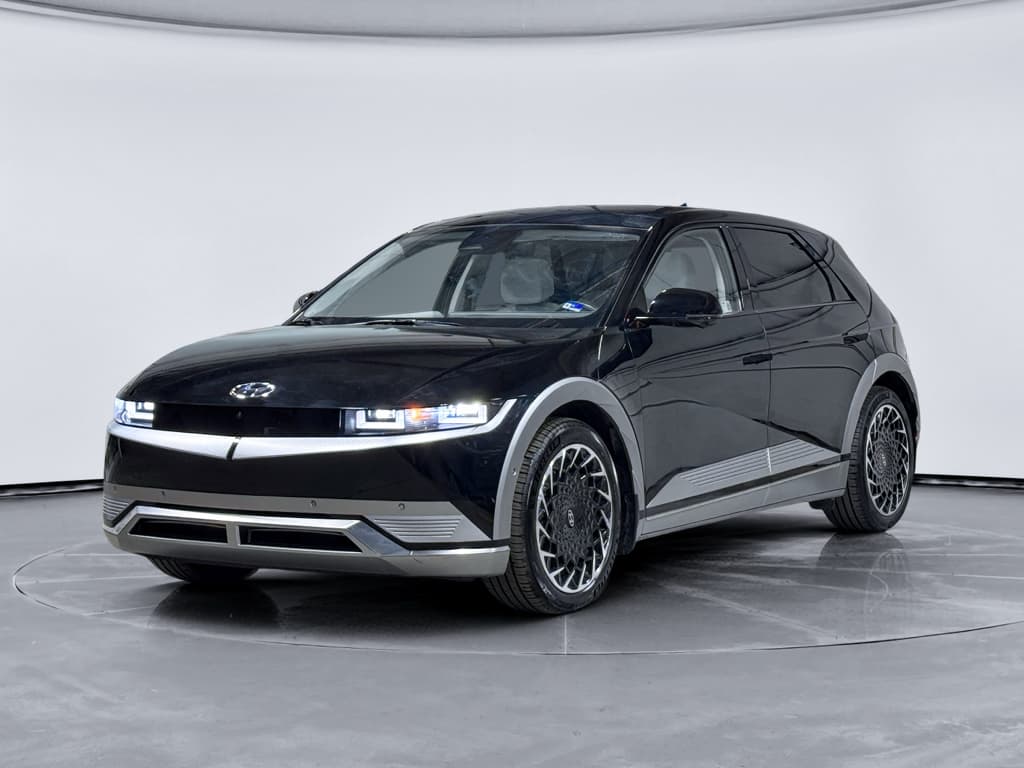
On road trips, the Kona’s DC fast‑charging curve isn’t as aggressive as some newer EVs, so you’ll stop a bit longer than your friend in an 800‑volt Hyundai Ioniq 5. But if you frame this car as a commuter and regional‑trip workhorse rather than a cross‑country cannonballer, the charging story makes a lot more sense.
Real-World Reliability and Owner Experience
Here’s where things get nuanced. On one hand, many 2020 Kona Electric owners report tens of thousands of virtually trouble‑free miles, just tires, cabin filters, and the occasional brake service. On the other hand, the battery recall and a few high‑visibility issues have hammered some reliability ratings from outlets like Consumer Reports and J.D. Power, especially when they lump gas and EV Konas together.
- Post‑recall cars with replacement packs often look very solid in owner forums, with normal battery health after years of use.
- Pre‑recall or neglected cars can be a headache, especially if software was never updated or inspection work was skipped.
- The 12‑volt battery is a known weak point on some cars that sit for long stretches; replacing it with a higher‑quality AGM battery tends to fix the issue.
- Some early gear reduction unit (GRU) noise and occasional drive‑unit replacements were reported, but they’re not universal, and many were handled under warranty.
Don’t read one rating in isolation
"Electric drivetrains themselves are inherently simple. With the Kona Electric, your real reliability story is written by its battery history and how carefully that particular car has been maintained."
Pricing and Value Versus Other Used EVs
Used prices move around quickly, but by early 2026 the 2020 Kona Electric typically lands in the same hunting ground as used Chevy Bolt EVs, Nissan LEAF Plus models, and early Tesla Model 3 Standard Range cars. Where it lands in that pack depends heavily on mileage, trim, and whether it has a documented new recall battery.
How the 2020 Kona Electric Stacks Up
Ballpark comparisons to other common used EV options.
Vs. Chevy Bolt EV
Pros: Kona Electric often feels more refined, with better ride comfort and a longer warranty tail on the battery in some cases. Range is similar, and efficiency is excellent.
Cons: Interior space is a bit tighter, and public‑charging behavior is broadly similar, neither is a road‑trip king.
Vs. Nissan LEAF Plus
Pros: Kona Electric offers liquid‑cooled battery thermal management and stronger DC‑fast‑charge performance than many LEAFs. Range confidence is generally higher.
Cons: LEAFs can be cheaper, especially older ones, but that often comes with more range compromise.
Vs. early Tesla Model 3
Pros: 5‑door hatch practicality, higher driving position, and Hyundai’s warranty. For buyers who don’t care about the Tesla badge, the Kona Electric feels like a hidden gem.
Cons: You won’t have native access to the Supercharger network (at least until broader NACS adoption filters down and depending on adapter availability), and the charging network experience can be less seamless.
Total cost of ownership
Because the Kona Electric is so efficient, electricity costs are low. Maintenance is also simple: no oil changes, fewer moving parts, and mostly routine fluid checks and tire rotations.
What about tax credits?
Who the 2020 Kona Electric Is (and Isn’t) Right For
Great fit for
- Daily commuters doing 20–80 miles a day who can charge at home or work.
- First‑time EV buyers who want a small, easy‑to‑park crossover with genuine 200+ mile range.
- Budget‑conscious shoppers who’d rather get an efficient used EV than a new gas CUV at the same price.
- City and suburban drivers who rarely need to DC fast‑charge but want that option for the occasional trip.
Might not be ideal for
- Drivers who frequently do very long highway trips and need the fastest charging on the market.
- Shoppers who are unwilling to deal with any recall paperwork or history, even if the work is done.
- Large families needing max cargo and rear‑seat space (the Kona is still a subcompact).
- People with no realistic way to install home or workplace charging. Any EV is tougher to live with in that case.
Pre‑Purchase Checklist for a Used 2020 Kona Electric
Essential Checks Before You Say Yes
1. Confirm recall and battery replacement history
Ask for documentation showing exactly what recall work was completed and when. Ideally, you’ll see paperwork for a full high‑voltage battery replacement, not just a software update.
2. Pull full service and accident history
Review dealer and independent shop records for recurring issues like drive‑unit noise, charging problems, or electrical gremlins. A clean accident history and regular maintenance are big pluses.
3. Get a battery health report
Request a recent battery diagnostic or range test. At Recharged, this is built into our <strong>Recharged Score</strong>, which uses objective data from the pack to show remaining capacity, not just a guess based on the dash gauge.
4. Inspect and test charging hardware
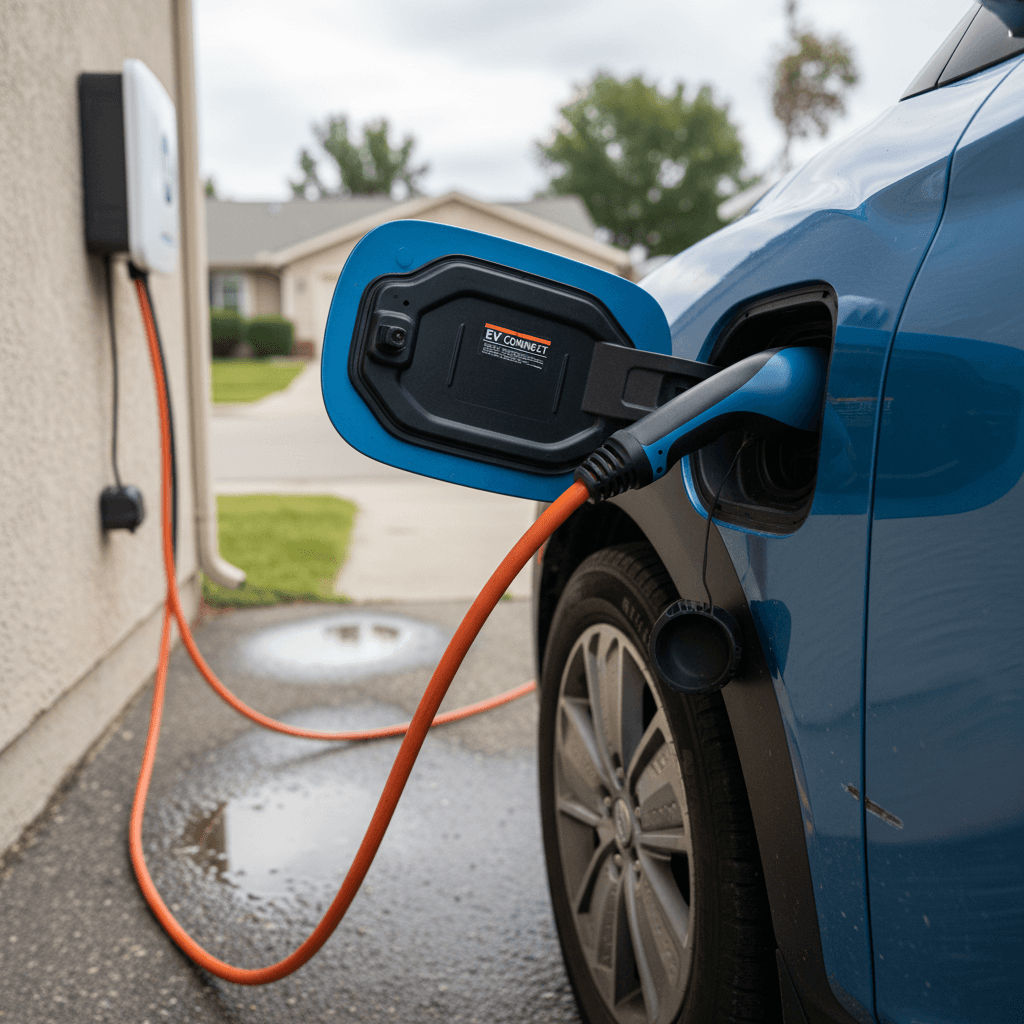
Visually inspect the charge port, door, and latch; plug into both Level 2 and DC fast chargers if possible. Listen for unusual noises from cooling systems or contactors during charging.
5. Check 12‑volt battery and electronics
Have a technician load‑test the 12‑volt battery and scan for stored trouble codes. Confirm that all driver‑assist systems, infotainment, and climate controls operate as expected.
6. Test drive for noises and refinement
On a quiet road, accelerate hard and then cruise at highway speed. Listen for whines, clunks, or vibration from the front end that could suggest gear reduction unit or bearing issues.
7. Verify tires and brakes match EV duty
The Kona Electric’s instant torque and weight can be hard on tires. Make sure replacements are EV‑appropriate and that the brakes show even wear with no pulsing or grinding.
Bring an EV‑savvy inspector
How Recharged Evaluates a 2020 Kona Electric
Used EVs live and die by their batteries, and the 2020 Kona Electric is no exception. That’s why every Kona Electric that goes through Recharged gets a Recharged Score Report with battery health at the center of the story, not buried in the fine print.
What Recharged Looks At on Every 2020 Kona Electric
Beyond a quick test drive and a glance at the state‑of‑charge gauge.
Battery & charging diagnostics
We run dedicated tests on the high‑voltage pack, including capacity estimates, cell‑balance checks, and DC‑fast‑charge behavior where appropriate. The results roll into the Recharged Score so you can compare vehicles at a glance.
Recall & warranty verification
Our team checks VINs against open recalls and confirms documentation for completed work, including the Kona Electric battery recall history. We also confirm what portion of Hyundai’s original warranties still applies.
EV‑focused mechanical inspection
We inspect wear items and EV‑specific components, gear reduction unit, cooling system, charge port components, alongside a comprehensive safety check, then capture it all in a digital report.
Transparent fair‑market pricing
Because we focus on used EVs every day, our pricing models account for battery health, recall status, mileage, and trim, so you’re not guessing whether that “great deal” hides an expensive battery story.
Nationwide delivery & support
Found your ideal 2020 Kona Electric but it’s not around the corner? Recharged can handle the paperwork, financing, and nationwide delivery, with EV‑savvy specialists available the whole way.
Guided ownership help
New to EVs? Our specialists walk you through charging options, home‑charger installation basics, and realistic range expectations so your first weeks with the car are confident, not confusing.
Ready to find your next EV?
Browse VehiclesFAQ: 2020 Hyundai Kona Electric as a Used Buy
Common Questions About the 2020 Kona Electric
Bottom Line: Is the 2020 Kona Electric a Good Buy?
If your main question is “is the 2020 Hyundai Kona Electric a good buy?”, the honest answer is: it can be one of the smartest small‑EV purchases on the market, if you buy the right one. The combination of strong efficiency, useful range, and crossover practicality is still compelling in 2026, and a post‑recall battery can make it feel like a much newer vehicle than the model year suggests.
The flip side is that this isn’t a car you buy casually. You want recall paperwork, battery‑health data, and a careful inspection on your side. If that sounds daunting, working with a used‑EV specialist like Recharged takes most of the guesswork out: every Kona Electric we sell comes with a Recharged Score battery report, fair‑market pricing, financing support, and available nationwide delivery. However you shop, go in with eyes open, pick a well‑cared‑for example, and the 2020 Kona Electric can reward you with years of quiet, low‑cost, torque‑rich driving.