If you’ve seen a Hyundai retro electric car roll by and thought it looked like something straight out of the 1980s, only sharpened and electrified, you’re not imagining things. Hyundai has quietly become one of the boldest brands blending classic shapes with modern EV tech, from the boxy Ioniq 5 crossover you can buy today to the jaw-dropping N Vision 74 sports car coming later this decade.
Retro looks, modern drivetrains
Why Hyundai’s retro electric cars are a big deal
- They give Hyundai a distinct visual identity in a crowded EV market full of smooth, anonymous crossovers.
- They connect modern EVs like the Ioniq 5 to heritage models such as the 1970s Pony and Pony Coupe concept.
- They show where Hyundai wants to go with performance EVs, especially with the N Vision 74 hydrogen–electric sports coupe.
- They tend to age well visually, good news if you’re considering a used retro-inspired Hyundai EV down the road.
If you just want the short version
From Pony to pixels: how Hyundai got to retro EVs
To understand Hyundai’s modern retro EVs, you have to go back to the Hyundai Pony. In the 1970s, Hyundai hired legendary designer Giorgetto Giugiaro to create its first mass-market car and a sleek Pony Coupe concept. That wedge-shaped coupe, with its sharp lines, minimalist surfaces, and distinctive C-pillar, became the design touchstone Hyundai is now revisiting in electric form.
Hyundai’s heritage, recharged for EVs
Hyundai formalized this heritage strategy with projects like the Heritage Series Pony, an EV restomod that dropped an electric drivetrain and pixel-style lighting into a first-generation Pony, and similar work on a classic Grandeur sedan. Those projects directly influenced the 45 concept and the Ioniq 5’s now-signature Parametric Pixel lights, which show up in the headlights, taillights, and even the charge-port surround on modern Ioniq models.citeturn0search6
Ioniq 5: the Hyundai retro electric car you can actually buy
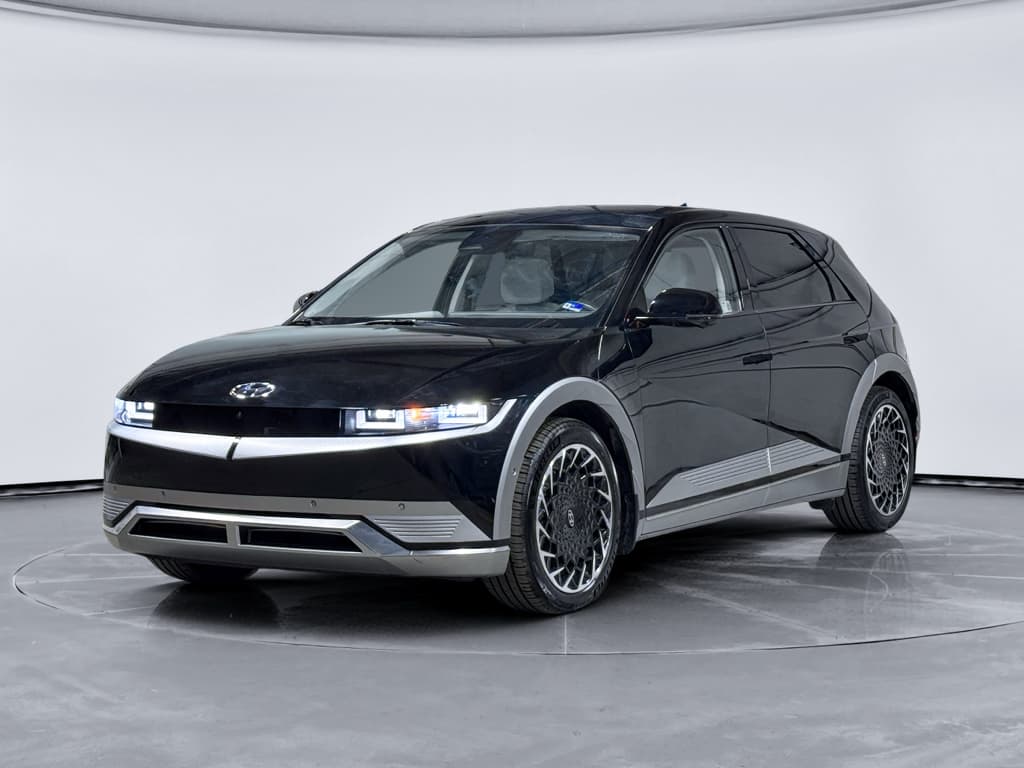
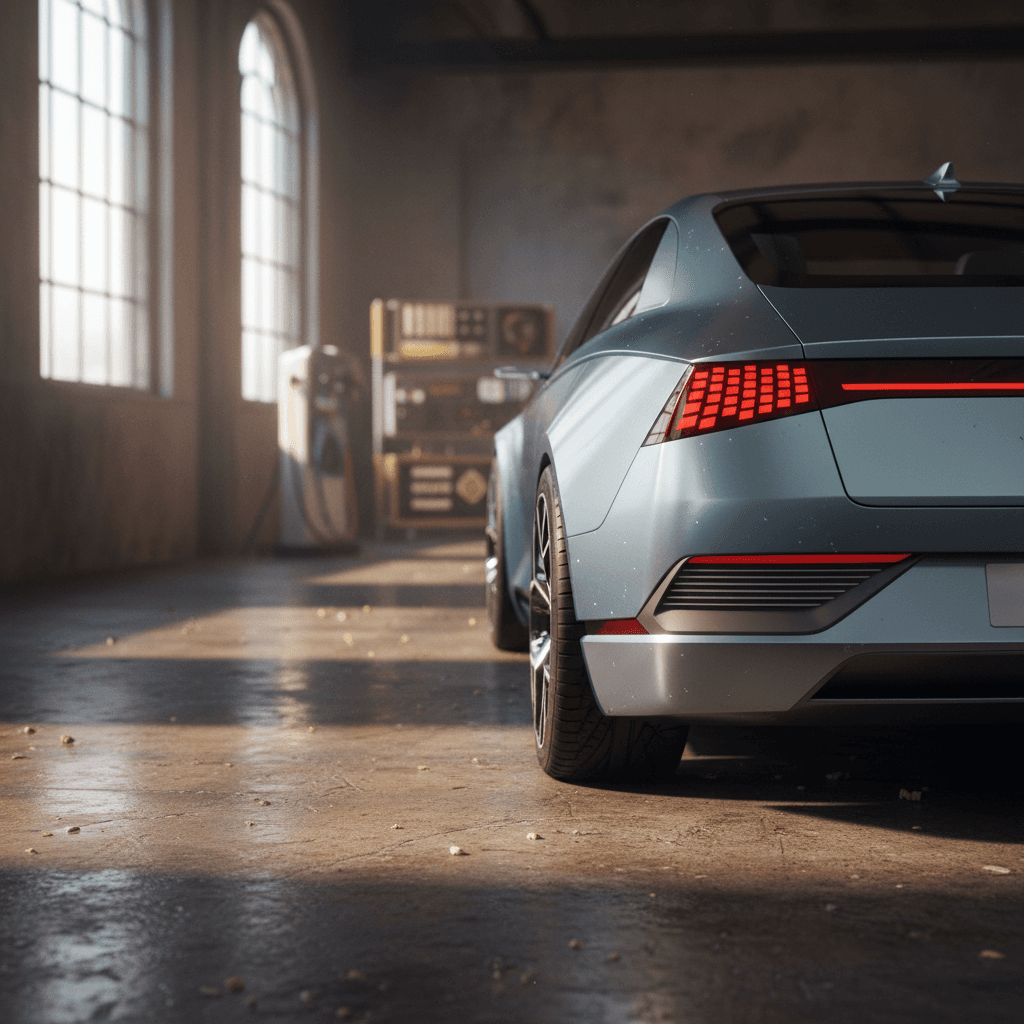
If you’re looking for a Hyundai retro electric car you can put in your driveway right now, the answer is simple: the Ioniq 5. It’s a compact-to-midsize electric crossover riding on Hyundai’s dedicated E-GMP platform with an 800V electrical system, but its design cues, boxy stance, sharp character lines, pixel lights, read like a modern interpretation of the Pony.
Key retro-modern design cues on the Ioniq 5
Classic shapes outside, digital-age tech everywhere else
Clean, geometric body
Parametric Pixel lighting
Cab-forward profile
Underneath the retro shell, the Ioniq 5 is very much a modern EV. Depending on model year and trim, you’ll see battery sizes around the mid‑50 kWh range for standard versions and low‑70 kWh for extended-range models, along with rear-wheel-drive and dual‑motor all‑wheel-drive options. Many trims support ultra-fast DC charging, going from about 10% to 80% in roughly 18–20 minutes on a high-power station when conditions are ideal.
Price cuts make retro more accessible
N Vision 74: Hyundai’s wild retro electric sports car
If the Ioniq 5 is the approachable, everyday retro EV, the Hyundai N Vision 74 is the poster you’d hang on your garage wall. Revealed in 2022 as a “rolling lab,” it’s a low, wide, wedge-shaped coupe that intentionally channels the 1974 Pony Coupe concept, right down to the angular roofline and distinctive B‑pillar, but with a radically modern powertrain.
Instead of a conventional battery‑only setup, N Vision 74 pairs a roughly 62 kWh battery with a hydrogen fuel cell stack feeding dual electric motors at the rear axle. Hyundai quotes more than 500 kW (about 670 hp) and over 900 Nm of torque, a 0–100 km/h sprint in under four seconds, a top speed above 250 km/h (155+ mph), and a driving range over 600 km (around 370 miles), with hydrogen refueling in about five minutes.citeturn0search3turn0search4
Concept today, limited production tomorrow
Other Hyundai retro projects: Pony and Grandeur
Hyundai hasn’t limited its retro experiments to the Ioniq 5 and N Vision 74. The brand has built a small family of Heritage Series one‑offs that remix classic metal with modern EV guts:
- Heritage Series Pony: An original first-gen Pony transformed into an EV with pixel headlights, a minimalist interior and a trunk-mounted last-mile mobility device, essentially a design lab for ideas that landed on the Ioniq 5.citeturn0search6
- Heritage Series Grandeur: A boxy 1980s luxury sedan turned into an electric concept with a lounge-like cabin and dramatic lighting, underscoring how retro sedans could coexist with modern EV platforms.
- Pony Coupe restoration: Hyundai reconstructed the original Pony Coupe concept with Giugiaro and his studio, then showed it alongside N Vision 74 to highlight the direct design lineage.citeturn0search2turn0search4
Don’t wait for a production Pony Coupe EV
What it’s like to live with a retro-inspired Hyundai EV
Daily driving feel
The Ioniq 5 may look like a 1980s hatchback from some angles, but behind the wheel it’s every bit a modern EV. Instant torque, quiet cruising, and strong regenerative braking dominate the experience. The boxy shape gives you excellent outward visibility and a planted feel on the highway.
Practicality and comfort
The long wheelbase creates a surprisingly roomy cabin, especially for rear passengers. Sliding rear seats, a flat floor, and a large cargo area mean the retro styling doesn’t compromise everyday practicality. Tech, big screens, over-the-air updates, advanced driver assistance, reminds you this is a 2020s product, not a throwback.
Why retro can be a smart used-buy
Used Hyundai retro EVs: what shoppers should know
If you’re shopping the used market today, the Ioniq 5 is your primary option for a Hyundai retro electric car. Early U.S. deliveries started in the 2022 model year, which means more examples are now coming off lease or being traded in as owners move to larger batteries or different body styles.
Used Ioniq 5 at a glance
Key details to keep in mind when evaluating a used retro-style Hyundai EV.
| Factor | What to know for used buyers |
|---|---|
| Battery & range | Standard and long-range battery options; real-world range depends on climate, driving style and wheel size. |
| Charging | 800V architecture allows very fast DC charging on compatible stations; check for any software updates that improve charging curves. |
| Drivetrain | RWD models are more efficient; AWD versions add performance but slightly reduce range. |
| Warranty | Hyundai typically offers long battery warranties (often 10 years/100,000 miles on original owners). For used, confirm how much coverage is left and whether it transfers. |
| Design | Retro styling has aged well so far, which can support resale value compared with more anonymous EVs. |
Exact specs vary by model year and trim, always confirm on the individual vehicle listing.
How Recharged can help with a used Ioniq 5
Checklist: is a retro-style EV right for you?
Key questions before you buy a Hyundai retro electric car
1. Do you value design as much as specs?
Hyundai’s retro EVs stand out visually. If you’d rather blend in, a more conventional-looking crossover might suit you better.
2. Is fast charging part of your routine?
One of the Ioniq 5’s biggest real-world advantages is 800V charging capability. If you road-trip regularly, this can be a major perk.
3. How important is cabin space?
The Ioniq 5’s long wheelbase and boxy roofline make it more spacious than many similarly priced EVs. Families and tall passengers tend to notice the difference.
4. Are you comfortable with newer tech features?
Expect a fully digital cockpit, advanced driver aids, and the usual learning curve of any modern EV. If that excites you, Hyundai’s retro look won’t mean retro tech.
5. What’s your budget and time horizon?
If your budget is tight, a used Ioniq 5 may offer the best mix of design and value. If you’re dreaming of an N Vision 74–type halo car, you’ll need patience, and a much larger budget, once production models finally arrive.
6. How will you charge at home?
Before you sign anything, confirm whether you’ll use a standard outlet, install a 240V Level 2 charger, or rely primarily on public fast charging. Recharged can help you think through the total cost of ownership, including home charging.
FAQ: Hyundai retro electric cars
Frequently asked questions about Hyundai’s retro EVs
Bottom line: Hyundai is betting big on retro-future EVs
Hyundai’s retro electric car strategy isn’t about nostalgia for its own sake. By reinterpreting the Pony and Grandeur for the EV era, Hyundai has carved out a design identity that’s both instantly recognizable and surprisingly practical. The Ioniq 5 brings that to the mainstream today, while concepts like the N Vision 74 signal how far the brand is willing to push high-performance electric and hydrogen tech.
If you’re shopping now, your most realistic retro-style Hyundai EV option is a new or used Ioniq 5. As you evaluate listings, pay close attention to charging capability, battery health and remaining warranty, not just exterior styling. And if you want a clearer picture of how a specific car has been used, a Recharged Score Report with verified battery diagnostics and fair-market pricing can help you separate the genuinely well-kept examples from the rest.