If you own a Hyundai Kona Electric or you’re shopping for a used one, you’ve probably heard horror stories about EVs “losing half their range” in the cold. The reality for Hyundai Kona Electric winter range loss is more nuanced, and, for most drivers, a lot less scary, than the headlines.
Quick takeaway
Why Hyundai Kona Electric winter range loss matters
Range numbers on a window sticker are summer-day fantasies: warm battery, dry roads, modest speeds. If you live anywhere that sees real winter, think Midwest, Northeast, Rockies, you need to understand how much usable range your Kona Electric actually delivers when it’s 10–30°F and you want a warm cabin.
- Trip planning changes: that 250+ mile EPA figure might feel more like 190–210 miles in sustained freezing temps.
- Charging stops shift: you may need an extra fast-charging stop on longer winter drives.
- Confidence and safety: knowing your realistic winter range keeps you from white‑knuckling the last 15 miles with the heat turned off.
Don’t confuse winter loss with permanent degradation
How much winter range loss to expect in a Kona Electric
Hyundai Kona Electric winter range, by the numbers
Put simply, the Hyundai Kona Electric is a strong winter performer. In comparative charts of real‑world winter range loss, it sits near the top, better than many popular models like the VW ID.4, Mustang Mach‑E, and Chevy Bolt, which can lose 30% or more in similar conditions.
But averages hide edge cases. The number you see depends on four big levers: temperature, speed, trip length, and how aggressively you use climate control. Drive 75 mph into a headwind at 10°F with the cabin at 75°F, and you’ll see a very different number than a calm 45‑mph commute at 32°F with seat heaters and ECO climate.
Why EVs lose range in winter: the simple science
1. Cold chemistry
EV batteries are happiest around room temperature. In the cold, the chemical reactions inside each cell slow down, internal resistance increases, and it takes more energy to deliver the same power. You can think of it as the electrons swimming through syrup instead of water.
2. Cabin heat is expensive
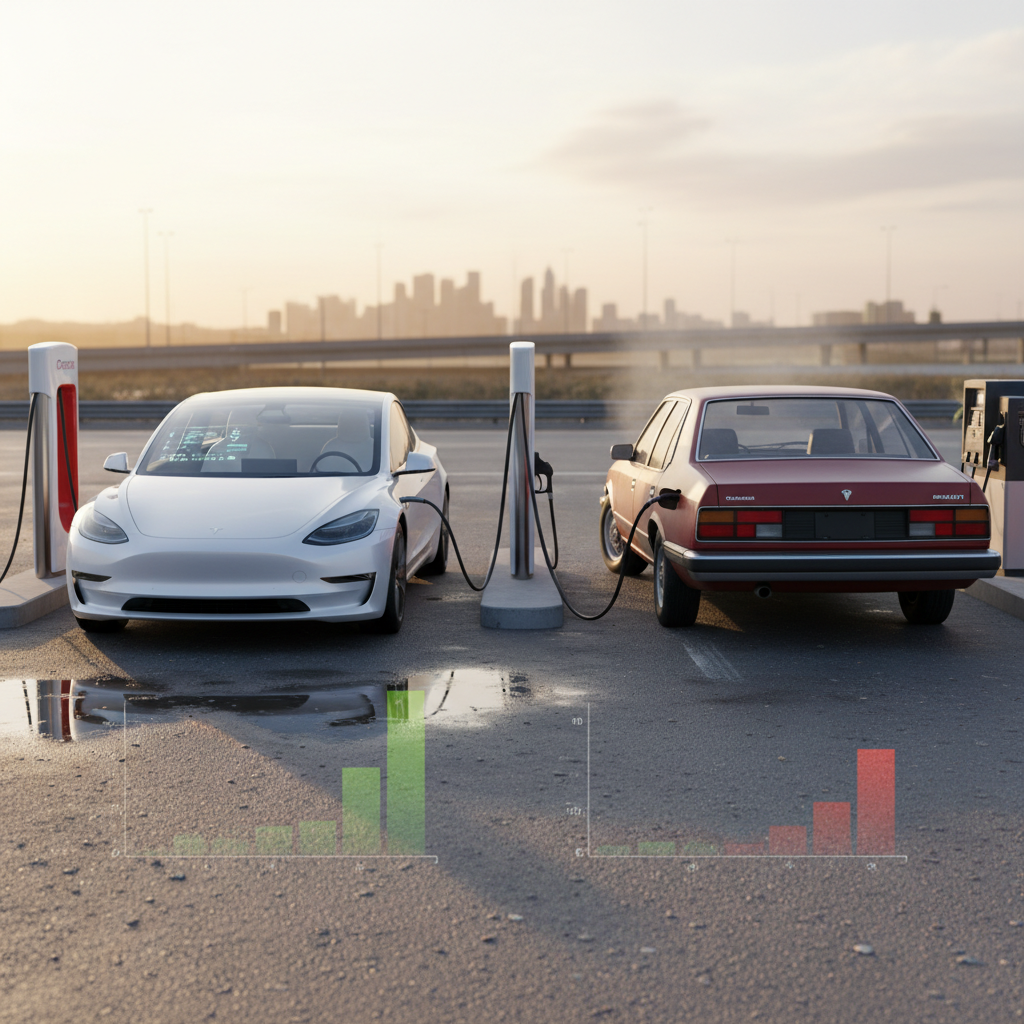
Gas cars throw off a ton of waste heat, which is basically free cabin warmth. Electric motors are efficient and don’t waste much heat, so the car has to burn extra battery energy just to keep you comfortable, especially on short drives when everything starts out cold.
3. Cold air and cold tires
Cold air is denser, which means more aerodynamic drag at highway speeds. Cold tires also have higher rolling resistance. Both of these quietly chip away at your range before you even turn on the heater.
4. Battery and drivetrain warming
Your Kona uses energy to warm the battery and critical components so they operate safely. You don’t see this on the dash, but it’s happening in the background and comes out of the same battery that drives the wheels.
How this compares to gas cars
How the Hyundai Kona Electric handles cold weather
Hyundai didn’t stumble into good winter performance by accident. The Kona Electric has a few design choices that help keep winter range loss under control compared with some rivals.
Kona Electric features that help in winter
Why this small crossover punches above its weight when it’s below freezing
Efficient 64 kWh pack
The Kona Electric’s ~64 kWh battery isn’t huge by modern standards, but it’s efficient. Real‑world drivers routinely match or exceed the EPA figure in mild weather, so losing ~15–20% in winter still leaves a practical range buffer.
Heat pump availability
Many Kona Electric model years offer a heat pump, especially in higher trims or colder markets. Heat pumps use a refrigerant cycle to move heat instead of creating it, cutting the energy cost of cabin warmth compared with a basic resistive heater.
Smart drive modes
Eco and Eco+ modes soften throttle response and tame climate use. Combined with strong adjustable regeneration, they give you fine‑grained control over how you trade comfort for range on a cold day.
Check if your Kona has a heat pump
Real-world examples: planning Kona Electric trips in winter
Sample Kona Electric winter range scenarios
These are illustrative, not promises, but they show how conditions change what your dash will report.
| Scenario | Temperature | Speed & Route | Climate Use | Approx. Usable Range |
|---|---|---|---|---|
| Daily commute | 32°F | Mixed 35–55 mph city/suburb | Seat + wheel heat, ECO climate at 68°F | 205–215 miles |
| Interstate run | 25°F | 70–75 mph highway | Cabin 70°F, steady heat | 180–195 miles |
| Short errand loops | 15°F | Stop‑and‑go, 3–5 mile trips | Full heat + repeated defrost | 150–170 miles |
| Long winter road trip | 20°F | Mostly 65 mph with a few grades | Preconditioned cabin, moderate heat | 190–205 miles |
Assumes a 64 kWh Kona Electric originally rated around 250 miles of range.
The short-trip penalty
Driving habits that amplify or reduce winter range loss
Habits that hurt winter range
- Running the cabin at 74–76°F instead of 66–68°F.
- Lots of short, 2–5 mile trips with a cold battery.
- High speeds (75+ mph) in cold, dense air.
- Not clearing snow/ice from the car, adding drag and weight.
- Hammering the accelerator in Normal or Sport mode.
Habits that help winter range
- Using seat and steering‑wheel heaters first, cabin heat second.
- Pre‑heating while plugged in so the grid pays for comfort.
- Driving in Eco/Eco+ and using strong regen.
- Bundling errands into one longer trip.
- Using a scheduled departure so the battery is warm when you leave.
15 ways to cut Hyundai Kona Electric winter range loss
Practical steps to improve Kona Electric winter range
1. Always start trips with a warm, plugged‑in car
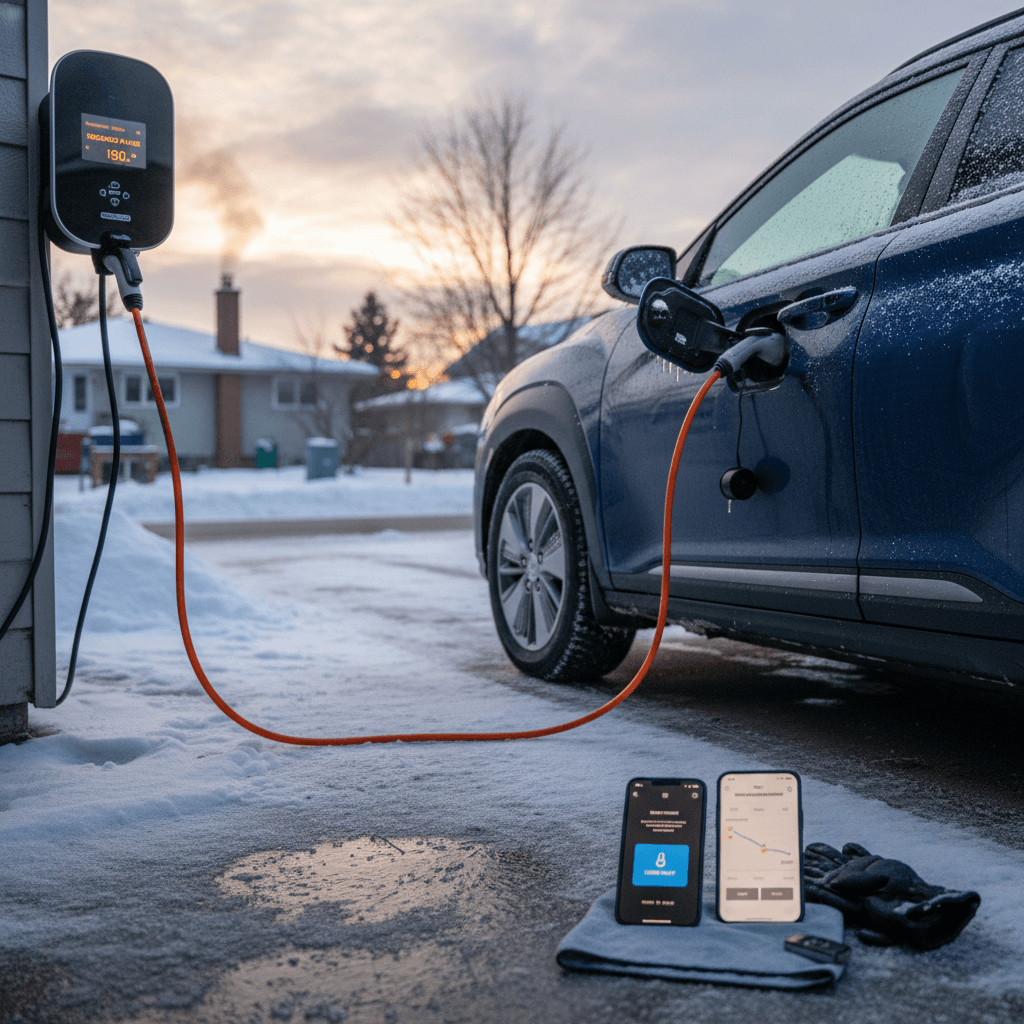
Use the Kona’s scheduling or remote app to pre‑heat the cabin while it’s still charging. This front‑loads a big chunk of the heating energy onto the grid instead of your battery.
2. Prioritize seat and wheel heaters
Seat and steering‑wheel heaters sip energy compared with blasting the cabin fan. Set the climate to a slightly cooler temperature and let the contact heaters do most of the work.
3. Use Eco or Eco+ in deep winter
These modes soften throttle response and can limit energy‑hungry climate settings. You still have enough power for normal driving but burn less kWh per mile.
4. Avoid lots of tiny trips in brutal cold
Whenever possible, combine errands into a single 20–40 minute outing. The battery and cabin stay warm longer, so you don’t repeatedly pay the warm‑up penalty.
5. Clear snow and ice before driving
A roof coated in snow is extra weight and drag. Frozen wheel wells and packed‑in slush increase rolling resistance. A few minutes with a brush can give you several miles back.
6. Watch your speed on the highway
Above about 65 mph, aerodynamic drag climbs fast, especially in dense, cold air. Dropping from 75 to 65 mph can noticeably shrink your winter consumption numbers.
7. Check tire pressure regularly
Tire pressures drop in cold weather. Under‑inflated tires can increase energy use and hurt traction. Keep them at the recommended PSI for winter conditions (often 2–3 PSI higher than your summer habit).
8. Use navigation to precondition (where supported)
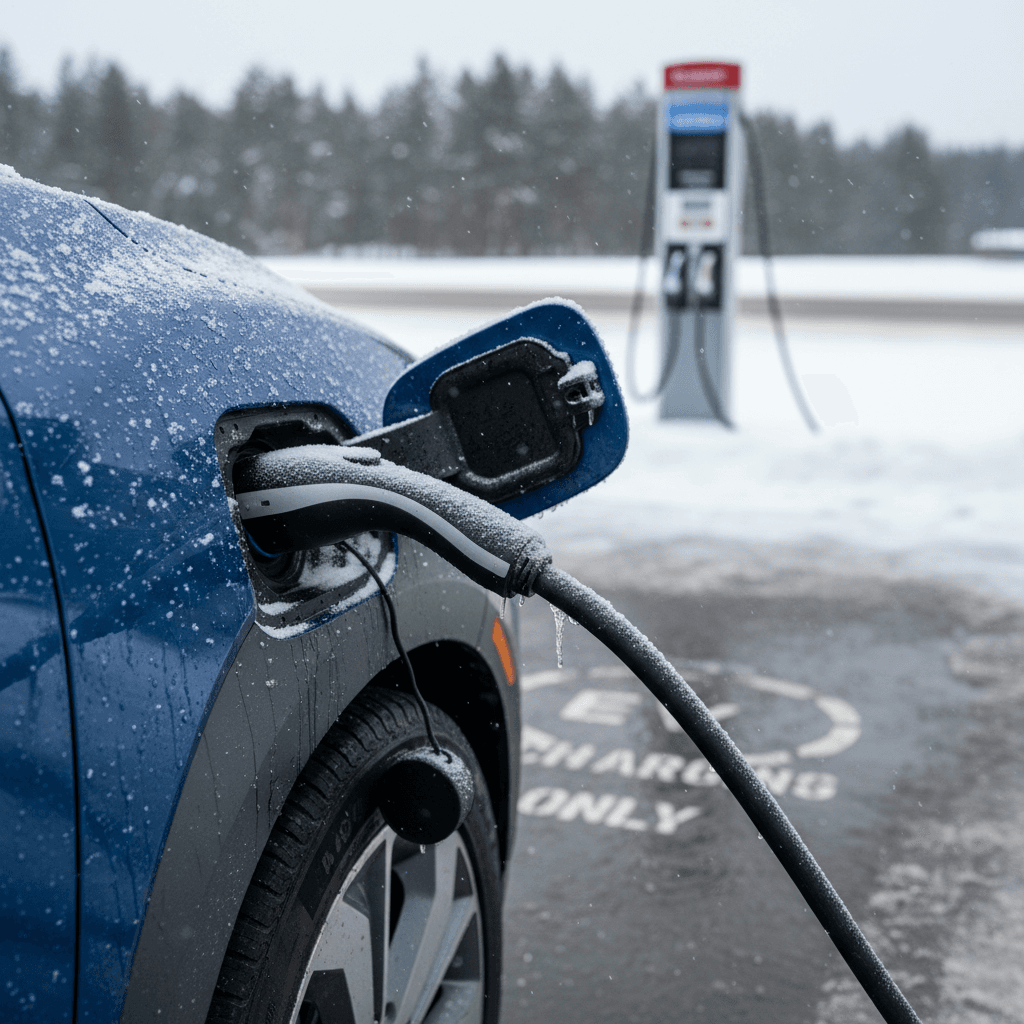
On some years/markets, setting a DC fast charger as your navigation destination lets the car warm the battery on the way. That means a faster, more efficient winter fast‑charge session.
9. Don’t arrive at chargers nearly empty in deep cold
Aim to get to fast chargers with 15–25% remaining rather than 2–5%. The pack has more flexibility to manage temperature and charge at a healthier speed.
10. Avoid charging to 100% daily
For day‑to‑day use, 80–90% is usually enough, even in winter. Save 100% charges for longer trips; it’s kinder to long‑term battery health.
11. Use regen paddles actively
The Kona’s steering‑wheel paddles let you dial in strong regeneration, converting more braking into battery energy. In slick conditions, blend regen with gentle friction braking to maintain control.
12. Keep HVAC in Auto when you can
The automatic climate control is surprisingly good at balancing comfort and efficiency. Constantly cranking it up and down often wastes more energy than letting the system do its thing.
13. Carry a snow brush and extension cord
If you park outside at work or on the street, a simple 120V outlet (Level 1) can at least keep the battery from getting brutally cold and allow slow pre‑conditioning during the day.
14. Use the energy/consumption screen as a coach
Watch your kWh/100 mi or mi/kWh during the first part of winter. Small changes in speed or climate settings show up quickly; use that feedback loop to find your personal sweet spot.
15. Plan winter road trips with one extra stop
In January, give yourself more margin than the car suggests, especially across rural stretches. One extra, shorter charging stop is cheaper than a flatbed tow in zero‑degree wind.
Good news for Kona drivers
Protecting battery health vs temporary winter range loss
It’s easy to conflate two different ideas: temporary winter range loss and permanent battery degradation. The Kona Electric’s cold‑weather range drop is mostly the former. The cells are sluggish and you’re running the heater hard; when spring returns, most of that range “magically” comes back.
- Short‑term: Cold temps reduce available power and usable capacity on that drive.
- Long‑term: High average state of charge, frequent 100% fast‑charges, and sustained high battery temps are bigger drivers of true degradation than winter itself.
- Good practice: In winter, aim for a middle band, roughly 20–80%, for daily use, and reserve 90–100% for trips.
What actually harms EV batteries
Used Hyundai Kona Electric: what to check before you buy
The Kona Electric’s strong efficiency and relatively modest winter range loss make it a fantastic used‑EV candidate, especially if you’re coming out of a thirsty compact SUV. But with any used EV, you want to look past the glossy range number on the sticker.
Winter‑focused checks for a used Kona Electric
How to know if the car will still be happy when it’s 15°F and sleeting
Battery health & history
Look for objective data on remaining battery capacity and past charging behavior. Has the car lived on DC fast‑charging? Was it routinely charged to 100%? A healthy pack will hold winter range better and precondition more effectively.
Cold‑climate equipment
Confirm whether the car has a heat pump, heated seats, heated steering wheel, and, where available, battery preconditioning. These options directly impact both comfort and winter efficiency.
Tires and alignment
Worn, mismatched, or under‑inflated tires can wreck range and winter safety. Check tread depth, age, and whether the car has a dedicated winter wheel/tire set.
Software & recalls
Make sure the Kona has the latest software updates and that any battery‑related recalls or service campaigns are fully addressed. Software can improve thermal management and charging behavior over time.
How Recharged can help with a used Kona Electric
FAQ: Hyundai Kona Electric winter range loss
Frequently asked questions about Kona Electric winter range
Bottom line: is the Kona Electric good in winter?
For all the online drama around EVs in the cold, the Hyundai Kona Electric is quietly one of the better winter bets. Real‑world data suggests you’ll give up roughly 15–20% of your warm‑weather range in typical freezing conditions, not half your battery. Drive thoughtfully, use preconditioning, and lean on the car’s efficient hardware, and the Kona settles into a predictable, confidence‑inspiring winter companion.
If you’re looking at a used Kona Electric, that combination of solid winter performance, manageable battery size, and hatchback practicality makes it especially compelling. With Recharged’s Recharged Score battery‑health diagnostics, transparent pricing, and nationwide delivery, you can shop for the right Kona, from your couch, knowing exactly what kind of winter range to expect from the specific car you’re buying.