If you’re shopping for a Hyundai Kona Electric, you’re probably weighing two big questions: **How safe is it in a crash, really?** And do those well‑publicized battery recalls change the story? This guide pulls together major crash‑test results, safety ratings, and recall history so you can understand the Kona Electric’s safety picture before you sign anything, especially if you’re considering a used one.
Short answer
Hyundai Kona Electric safety overview
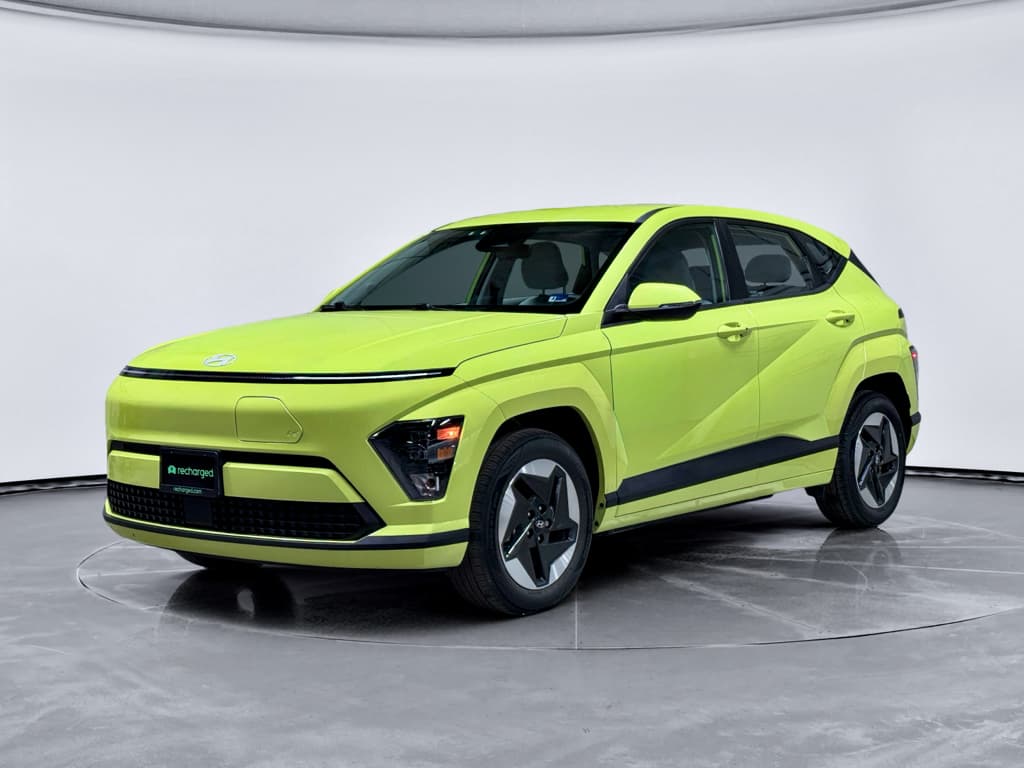
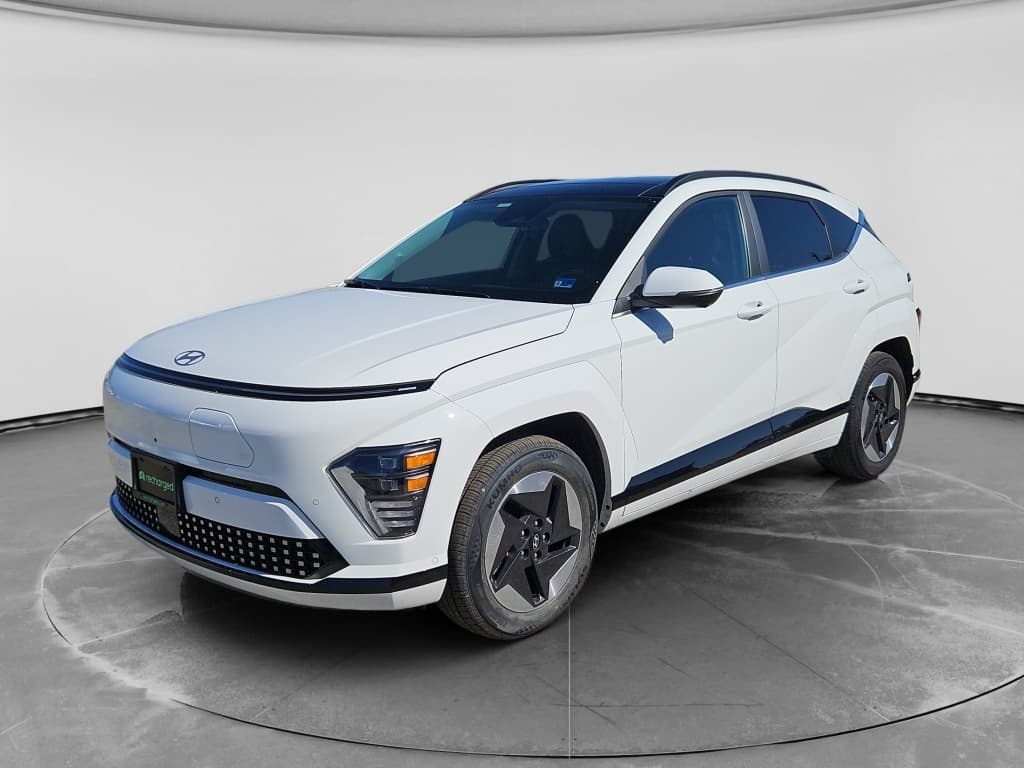
The **Hyundai Kona Electric** rides on the same basic structure as the gasoline Kona, which has been crash‑tested extensively in the U.S. and overseas. Independent agencies consistently rate the Kona platform as safe, with strong occupant protection and robust active‑safety tech. What complicates the picture is a history of **high‑voltage battery recalls** on earlier model years, which are about fire risk rather than crash protection. You have to hold both ideas in your head at once: structurally solid, but with important recall homework for used buyers.
Key Hyundai Kona/Kona Electric safety highlights
Model year matters
Crash test results: IIHS, NHTSA, ANCAP & Euro NCAP
IIHS ratings for the Hyundai Kona (including Electric)
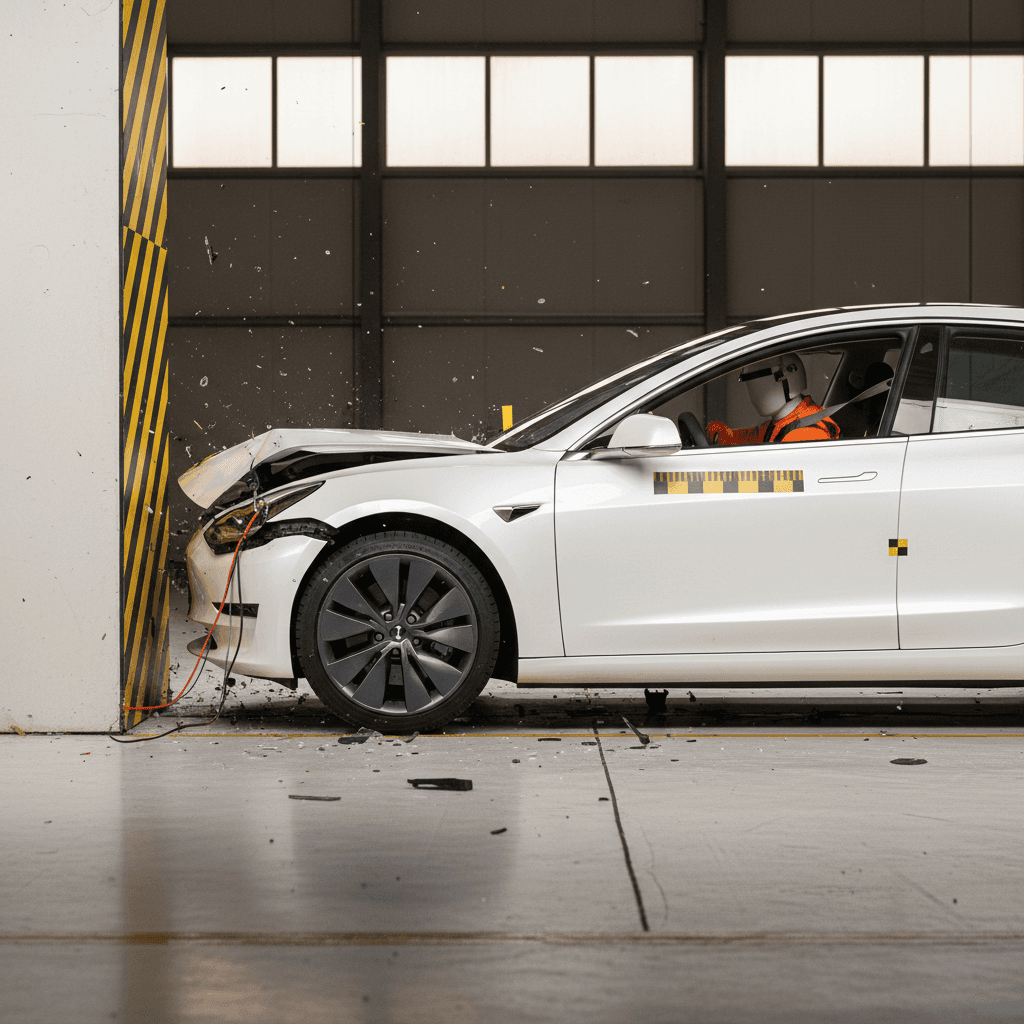
In the U.S., the Insurance Institute for Highway Safety (IIHS) doesn’t always test the EV variant separately from the gasoline model when the structures are effectively identical. That’s the case with the Hyundai Kona family: recent IIHS testing has focused on the redesigned **2024–2025 Kona**, which covers the platform that underpins the Kona Electric.
- The 2024 Hyundai Kona small SUV earns **“Good” (G)** scores in the updated **moderate overlap front** and **side impact** crash tests.
- Head and chest injury measures for both front and rear occupants are generally low, with only minor “Acceptable” marks for some lower‑leg and torso metrics.
- Crash‑avoidance tech, including forward collision‑avoidance with pedestrian detection, also scores **Good** in IIHS evaluations.
- Hyundai Motor Group, including the 2025–2026 Kona, has accumulated a large number of **IIHS Top Safety Pick+** awards, reflecting across‑the‑board strong safety performance.
What about older Kona Electric models?
NHTSA 5-Star Safety Ratings for Kona Electric
The U.S. National Highway Traffic Safety Administration (NHTSA) uses its **5‑Star Safety Ratings** program to evaluate frontal, side, and rollover protection. For the Kona family, gasoline and Electric, test coverage focuses on small SUV variants that account for most U.S. sales.
Typical NHTSA safety ratings for recent Hyundai Kona SUVs
Representative results for recent Kona models. Scores for the Electric mirror the gasoline Kona when structure and restraint systems are shared.
| Test area | Recent Kona rating | What it means |
|---|---|---|
| Frontal crash | 4–5 stars | Strong occupant protection for driver and front passenger in a head‑on collision. |
| Side crash | 5 stars | Excellent protection in near‑side and far‑side impacts; the Kona’s small footprint doesn’t compromise side strength. |
| Rollover | 4 stars | Typical for a small SUV with a higher center of gravity; not unusually tippy compared to rivals. |
Always verify the exact rating for the model year and drivetrain of the specific Kona Electric you’re considering.
Check the exact VIN
ANCAP & Euro NCAP results for Kona Electric
Outside North America, the Hyundai Kona Electric has been tested directly as an EV. In 2019, **ANCAP** (Australasian New Car Assessment Program) audited the Kona Electric and confirmed a **5‑star overall safety rating** under its then‑current protocols. That included a strong performance in the frontal offset crash, essentially a head‑on crash with another vehicle of similar mass at 64 km/h.
- Frontal offset test scores were slightly **better** for the Kona Electric than the earlier petrol Kona, thanks in part to the stiff battery structure.
- The 5‑star ANCAP score applies to Kona variants sold in Australia from March 2019, including the Electric.
- European testing via **Euro NCAP** similarly found strong adult and child occupant protection for the Kona platform, aligning with the ANCAP result.
Global consensus
Battery fire recalls and what they really mean
No discussion of **Hyundai Kona Electric safety** is complete without talking about battery fires. Early‑build Kona Electrics (mainly 2019–2020 model years) were recalled globally after a series of high‑profile fires traced to specific **LG Chem battery cells** and battery‑management issues. In the U.S., that recall originally focused on software updates and ultimately led to full battery replacements for many affected vehicles.
What went wrong
- Manufacturing defects in certain battery cells increased the risk of an internal short and thermal runaway.
- Battery management software couldn’t always detect and prevent the fault conditions.
- A small number of vehicles experienced fires, sometimes while parked and charging.
How Hyundai responded
- Initial software update to better monitor and limit battery operation.
- Subsequent recalls that included **full battery pack replacement** for many 2019–2020 Kona Electrics.
- Revised hardware and pack manufacturing for later‑build vehicles to reduce recurrence risk.
Critical step for used buyers
It’s important to separate two ideas: a recalled battery doesn’t mean the Kona Electric is inherently unsafe in a crash. The recall concerns **fire risk over time**, not structural crash integrity. Once recalls are properly completed, with new packs and updated software, the Kona Electric’s risk profile looks much more like any other modern EV: not perfectly risk‑free, but managed within industry expectations.
Standard and optional safety features on Kona Electric
Hyundai has quietly become one of the overachievers in mainstream safety tech, and the Kona Electric benefits from that philosophy. Even earlier model years came packed with advanced driver‑assistance features that were optional or absent on many rivals at the time.
Key Hyundai SmartSense features on Kona Electric
Exact equipment varies by model year and trim, but this is the typical roster.
Automatic emergency braking
Forward Collision‑Avoidance Assist can automatically brake to avoid or mitigate frontal crashes with vehicles, and on many trims, with pedestrians and cyclists as well.
Lane keeping & centering
Lane Keeping Assist and Lane Following Assist help keep the Kona Electric centered in its lane on highways and well‑marked roads, reducing drift‑out crashes.
Blind‑spot monitoring
Blind‑Spot Collision Warning (and in newer models, Blind‑Spot Collision‑Avoidance Assist) watches your flanks and can intervene if you start to change lanes into another vehicle.
Rear cross‑traffic & rear AEB
Rear Cross‑Traffic Collision Warning can alert you to cars crossing behind when backing out of a space; many trims add rear automatic braking if you don’t react.
Child‑seat provisions
LATCH anchors for child seats are typically rated from Acceptable to Good for ease of use, making correct installation, crucial for real‑world safety, more achievable.
Driver attention & assistance
Driver Attention Warning, automatic high beams, and available adaptive cruise control contribute to lower fatigue and better situational awareness on long drives.
Trim‑level homework pays off
Real-world safety: how the Kona Electric behaves in a crash
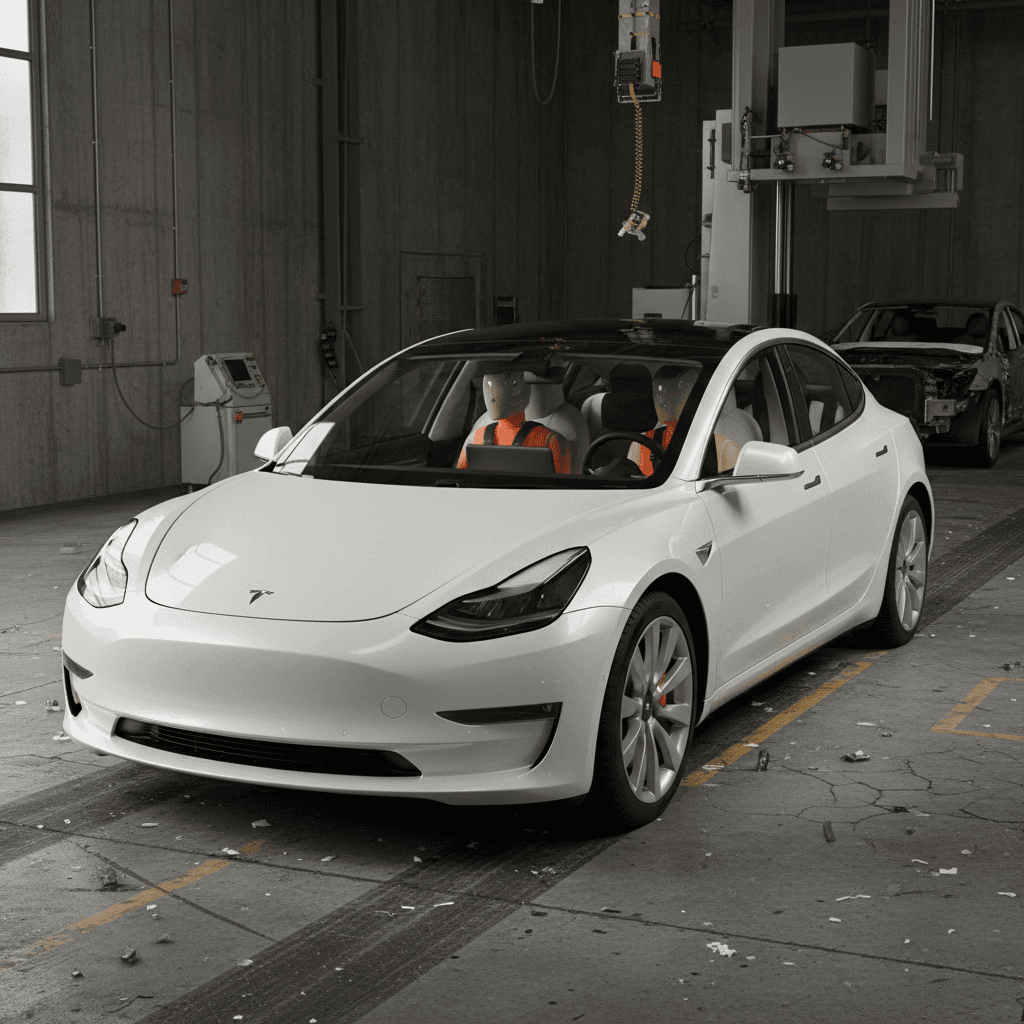
Crash tests are abstractions, but they tell us a lot about how the **Kona Electric’s body, restraints, and battery pack** work together when the worst happens. Subjectively, the Kona feels like a tightly wound little vault: doors close with a solid thunk, and there’s not much flex in the cabin over rough roads. The tests bear that out.
Front impacts
In IIHS moderate and small‑overlap front tests of the Kona platform, the **safety cage holds its shape** well. The steering wheel and pedals move minimally, keeping loads off the driver’s legs and feet. Airbags deploy cleanly, and dummies show a low likelihood of serious head, chest, or thigh injuries.
For real‑world crashes, think intersections or someone crossing the centerline, that translates to a structure that doesn’t collapse into the cabin, even when the front corner takes the hit.
Side & rear protection
The updated side‑impact tests throw a heavier, faster‑moving barrier at the SUV, mimicking modern trucks and crossovers. The Kona still earns **Good overall** ratings, with the side curtain airbags providing solid head protection for both rows.
Where the test data throws a little shade is in some rear‑seat metrics, torso loads and belt positioning that rate merely Acceptable, not stellar. It’s not a deal‑breaker, but if you routinely carry kids or adults in back, proper belt fit and booster use matter.
Seat‑belt realism check
Used Hyundai Kona Electric safety checklist
If you’re eyeing a used Kona Electric, especially a 2019–2020 car, you’re really buying **two things at once**: a crash structure and a high‑voltage battery history. Here’s how to vet both.
Safety checks before you buy a used Kona Electric
1. Run the VIN for recalls and battery history
Use the VIN on the NHTSA site and Hyundai’s owner portal to confirm all **battery‑related recalls** were done. For early cars, ask specifically whether the pack was replaced, and request paperwork.
2. Confirm no structural accident damage
Look for a clean **title history**, consistent panel gaps, and even paint. A poorly repaired front or side hit can compromise the crash structure, erasing all those beautiful lab results.
3. Inspect airbags & warning lights
On startup, airbag and ABS lights should come on briefly and then go out. Any persistent warning lights or signs of removed airbag covers are huge red flags.
4. Check ADAS feature operation
During a test drive, verify that lane‑keeping assist, adaptive cruise (if equipped), blind‑spot monitoring, and automatic emergency braking all show up in the menus and behave as expected.
5. Examine tires and brakes
Good crash performance assumes decent **tires and brakes**. Uneven tire wear, budget tires, or a soft brake pedal all deserve attention before you commit, safety starts well before impact.
6. Get a professional EV inspection
For peace of mind, especially with earlier models, consider a **third‑party EV specialist** or a platform like <strong>Recharged</strong> that provides a detailed battery health report and safety review before you buy.
How Recharged can help
Ready to find your next EV?
Browse VehiclesHyundai Kona Electric vs other small EV SUVs on safety
The small‑EV‑SUV field is richer than it used to be: Chevrolet Bolt EUV, Kia Niro EV, Mazda MX‑30 (in limited numbers), Volkswagen ID.4 in its smaller‑battery trims, and others. Safety isn’t the only buying criterion, but it’s a big one, especially if you’re putting kids or a lot of highway miles in the car.
Hyundai Kona Electric vs. key small EV rivals (safety snapshot)
High‑level comparison based on widely available ratings and equipment; specifics vary by year and trim.
| Model | Overall crash ratings | Active safety tech coverage | Battery recall history |
|---|---|---|---|
| Hyundai Kona Electric | Strong scores across IIHS/Euro NCAP/ANCAP; very solid structure for size. | Generous standard suite: AEB, lane-keeping, blind‑spot, rear cross‑traffic on most trims. | Yes, significant early‑year battery recalls; later builds improved. |
| Kia Niro EV | Similarly strong crash results; slightly larger footprint helps rear‑seat scores. | Comparable tech to Kona (same parent company playbook). | Some battery‑related campaigns, but less headline‑grabbing than Kona. |
| Chevrolet Bolt EUV | Good crash protection; roomy cabin for size. | Standard AEB; lane‑keeping and adaptive cruise on higher trims. | Well‑documented battery recall with pack replacements; now largely addressed. |
| Volkswagen ID.4 (small‑battery trims) | Good crash performance as a heavier, wider SUV. | Robust ADAS suite but feature mix depends heavily on trim/year. | No major pack recall like Kona/Bolt, but some software updates. |
Use this as a directional guide, then drill down on year‑ and trim‑specific ratings for any car you’re serious about.
Where Kona Electric lands
Hyundai Kona Electric safety FAQ
Frequently asked questions about Hyundai Kona Electric safety
Bottom line: Is the Hyundai Kona Electric a safe choice?
If you strip away the headlines and look at the data, the **Hyundai Kona Electric is a fundamentally safe small SUV**. Its crash‑test scores land near the top of the class, its active‑safety tech is generous even on lower trims, and post‑recall battery hardware has brought its fire‑risk story back in line with the broader EV market.
Where it demands more from you is diligence. If you’re buying used, especially a 2019 or 2020 car, you’re not just shopping by color and mileage. You’re verifying **battery recall completion**, checking for solid crash‑repair history, and making sure all the safety electronics still do what they say on the window sticker.
Get those pieces right, and the Kona Electric becomes what it was always meant to be: a quietly competent, properly safe little EV that shrinks the footprint of your driving without shrinking the protection around you. With tools like a **Recharged Score Report**, expert EV inspections, and transparent battery‑health data, you can make that call with your eyes open instead of crossed fingers.