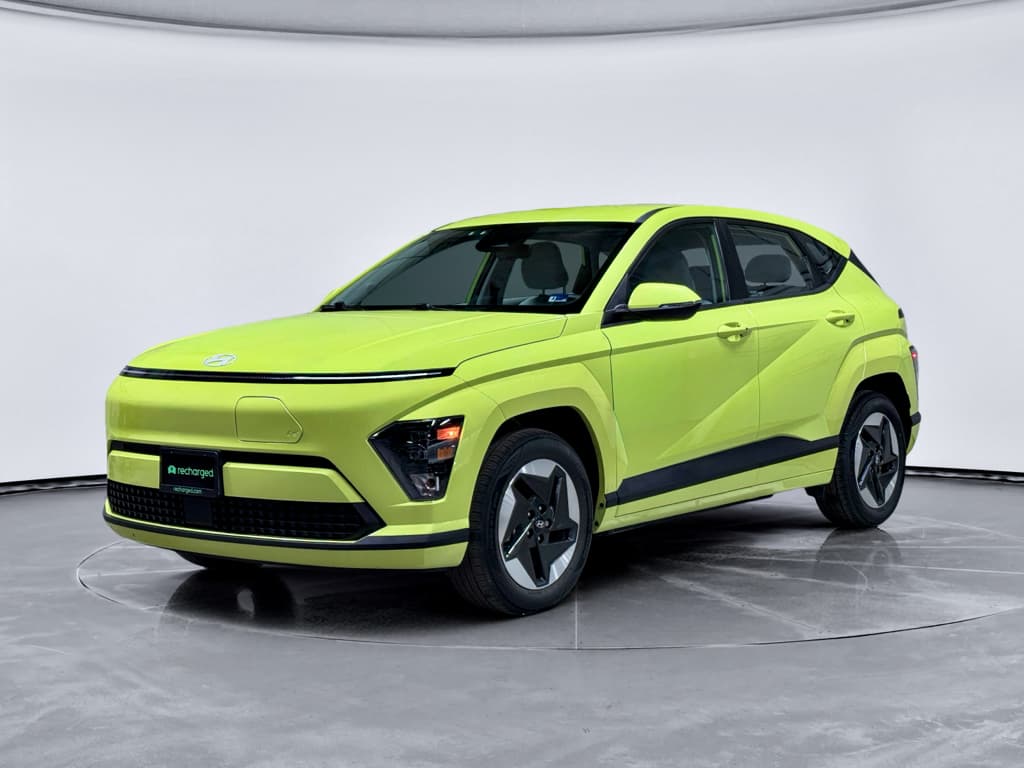
If you’re trying to decode the Hyundai Kona Electric maintenance schedule, you’ve probably seen everything from “EVs need no maintenance” to dealer quotes that read like the menu at a fancy spa. The truth sits comfortably in the middle: your Kona Electric is far simpler to maintain than a gas Kona, but there are still a few services you absolutely should not skip.
Good news for Kona Electric owners
Why the Hyundai Kona Electric maintenance schedule matters
Electric or not, a car’s maintenance history is its biography. On a Hyundai Kona Electric, staying close to the recommended schedule protects your battery warranty, keeps regenerative brakes working properly, and preserves resale value, especially if you ever trade in or sell through a platform like Recharged.
- Preserves your 10-year/100,000‑mile battery and powertrain warranty by documenting proper care.
- Catches suspension and tire issues early, important in a relatively heavy EV with instant torque.
- Keeps safety systems like ABS and stability control happy with healthy brake fluid and sensors.
- Makes a used Kona Electric with full records much more attractive (and easier to price) when you sell.
Don’t ignore the calendar
Kona Electric maintenance basics vs gas cars
What your Kona Electric doesn’t need
- No engine oil or oil filter changes
- No spark plugs, ignition coils, or fuel injectors
- No timing belt/chain or engine air filter
- No transmission fluid for a multi‑gear automatic
- No exhaust components, catalytic converter, or emissions checks
What your Kona Electric still needs
- Regular tire rotations and alignments
- Brake inspections and periodic fluid changes
- Cabin air filter replacement
- Coolant service for the battery/drive unit (long‑interval)
- Suspension, steering, and safety system checks
Think in terms of inspections
Official Hyundai Kona Electric service intervals
Hyundai’s own tools for the Kona Electric (for example, the Welcome Center and owner’s site for recent model years) point you to your specific schedule by VIN and mileage, but the pattern is consistent: first service at 7,500 miles, then regular checks every 7,500–15,000 miles with deeper fluid and coolant services at higher mileages.
Kona Electric maintenance at a glance
Always confirm for your model year
Hyundai Kona Electric maintenance schedule by mileage
Here’s a simplified, U.S.–style Kona Electric maintenance schedule that reflects typical Hyundai guidance for recent model years. Treat this as a roadmap; your manual is the final word.
Simplified Hyundai Kona Electric maintenance schedule (normal driving)
Approximate maintenance items by mileage and time for a typical U.S. Kona Electric. Follow whichever comes first: miles or months.
| Mileage / Time | Key Maintenance Items | Notes |
|---|---|---|
| 7,500 miles / 12 months | Tire rotation; brake inspection; fluid checks; multi‑point inspection | Often your first complimentary service on newer Hyundais. |
| 15,000 miles / 24 months | Repeat 7,500‑mile items; cabin air filter inspection or replacement | Cabin air filter may be replaced here on dusty or urban routes. |
| 22,500 miles / 27–30 months | Tire rotation; brake and suspension inspection; software / recall check | Great time to address any pulls, noises, or vibration. |
| 30,000 miles / 36 months | Repeat prior items; replace cabin air filter; brake fluid change | Three‑year mark is a smart point for fresh brake fluid. |
| 45,000 miles / 4–5 years | Tire rotation; full brake inspection; suspension and steering checks | Pay attention to tire wear, many OEM EV tires are nearing the end here. |
| 60,000 miles / 5–6 years | Repeat 30k services; check battery coolant condition per manual | Some models may call for coolant inspection or service at this point. |
| 75,000 miles / 6–7 years | Tire rotation; comprehensive inspection; brake fluid if due by time | Expect a second set of tires somewhere between 60–80k miles. |
| 90,000–100,000 miles / 8–10 years | Major inspection; brake fluid; potential coolant service; high‑mileage checks | Critical milestone for long‑term battery and power electronics health. |
Always verify details in your specific owner’s manual or Hyundai’s online maintenance tool.
Severe driving conditions change the rules
Critical service items on the Kona Electric
What actually matters on a Kona Electric
Four systems to keep an eye on if you want long, trouble‑free ownership.
Tires & alignment
Your Kona Electric is heavier than the gas version and makes full torque from 0 rpm. That’s hard on tires.
- Rotate every 7,500–10,000 miles.
- Do an alignment check if you see uneven wear or feel pulling.
- Expect many factory tires to last 30,000–40,000 miles with normal driving.
Brakes & brake fluid
Regenerative braking means pads and rotors can last a long time, but the fluid still ages.
- Inspect brakes at every service.
- Plan a brake fluid change around every 3 years.
- Ask for the correct DOT fluid type listed in your manual.
Cabin air filter
This small filter keeps dust, pollen, and road funk out of the cabin and HVAC system.
- Inspect every 15,000 miles; replace around 30,000 miles or sooner in dusty cities.
- Easy DIY job if you’re handy, often behind the glove box.
Battery & coolant system
The high‑voltage battery and power electronics use dedicated coolant circuits.
- Follow the long‑interval coolant inspection or replacement guidance in your manual.
- Never mix coolant types; Hyundai specifies exact formulas for EVs.
Listen for suspension and steering clues
Maintenance costs: what you’ll actually spend
Hyundai sweetens the deal on newer Kona Electrics with 3 years or 36,000 miles of complimentary scheduled maintenance on recent model years. After that, costs depend mostly on tires, brakes, and how closely you follow the inspection schedule.
Typical routine visit (out of warranty)
- Tire rotation and multi‑point inspection
- Brake, suspension, and fluid checks
- Software update / recall check
Ballpark: Many independent shops and dealers charge roughly what you’d pay for an oil‑change service on a gas car, just without the oil.
Bigger but infrequent items
- Brake fluid: every ~3 years
- Cabin filter: every ~30,000 miles
- Battery coolant service: long‑interval, often 100,000+ miles
- Tires: sets typically lasting 30,000–40,000 miles
Spread over 8–10 years, EV maintenance is generally lower than a comparable gas SUV, especially if you avoid upsells you don’t need.
Where EVs quietly save you money
Maintenance checklist for a used Kona Electric
If you’re shopping for a used Hyundai Kona Electric, the maintenance schedule becomes a detective tool. You’re not just asking, “Has it been serviced?”, you’re asking, “Has it been serviced at the right times for an EV?”
Used Kona Electric maintenance checklist
1. Verify regular service every 7,500–15,000 miles
Ask for service records that show recurring tire rotations and inspections. Gaps of 30,000 miles with no visits are a red flag.
2. Look for at least one brake-fluid change
On a 3–6‑year‑old Kona Electric, there should be documentation of a brake fluid flush. If not, budget to do this right away after purchase.
3. Confirm cabin air filter replacement
A neglected filter won’t kill the car, but it hints at an owner who ignored small maintenance items. A fresh filter also keeps the heat pump and A/C more effective.
4. Inspect tire wear and brand
Uneven wear suggests alignment or suspension issues. Mismatched or ultra‑cheap tires on an EV are another clue corners were cut.
5. Check for software and recall updates
Have a Hyundai dealer run the VIN for outstanding recalls or software campaigns, especially on earlier Kona EVs where updates may improve range and safety.
6. Review high‑voltage battery reports
If available, ask for battery health reports or documentation. On Recharged vehicles, the <strong>Recharged Score Report</strong> includes verified battery health data so you’re not guessing.
How Recharged can simplify used Kona ownership
How EV driving habits affect Kona wear items
Unlike a gas car, your right foot has a direct relationship with how long your Kona Electric’s tires and brakes last. The maintenance schedule is a guideline, but your habits write the final draft.
- Hard launches and full‑throttle sprints chew through front tires faster than the calendar suggests.
- One‑pedal driving with strong regenerative braking can make brake pads last 80,000+ miles, but the fluid still needs time‑based service.
- Frequent short trips in extreme cold or heat can mean more frequent cabin filter changes and closer eye on tires.
- High‑speed highway commuting wears tires more evenly but faster overall, expect to replace them earlier than a low‑speed city car.
Use your trip computer as a detective
Dealer vs independent shop for Kona Electric service
You don’t have to marry the dealer for life just because you drive a Hyundai Kona Electric, but you do want technicians who understand EVs and have the right equipment. Think strategically about where each job goes.
When the Hyundai dealer makes sense
- Warranty work, recalls, and software updates
- Complex high‑voltage or coolant service
- Early life of the car when complimentary maintenance applies
- Documenting service in Hyundai’s systems for future warranty questions
When a good independent EV shop is ideal
- Tire rotations, alignments, and replacement
- Brake inspections and fluid flushes
- Cabin filter replacement and basic inspections
- Post‑warranty routine visits, especially if the shop has EV experience
Keep every invoice. Warranty law in the U.S. allows you to service outside the dealer as long as work and parts meet spec.
Beware of gas‑car service habits
Hyundai Kona Electric maintenance FAQ
Frequently asked questions about Kona Electric maintenance
Bottom line: keeping your Kona Electric in top shape
The Hyundai Kona Electric maintenance schedule is refreshingly boring, which is exactly what you want. If you stay on top of tire rotations, brake inspections and fluid changes, cabin filters, and the occasional coolant or software update, you’ll likely spend less on upkeep than a similar gas SUV and enjoy a smoother, quieter commute.
If you’re already in a Kona Electric, think of your service visits as quick check‑ins rather than big events. And if you’re shopping used, especially through a marketplace like Recharged, let the maintenance history and battery health guide your decision as much as color or trim. Do that, and your Kona Electric should deliver exactly what an EV promises: efficient, low‑drama miles for years to come.