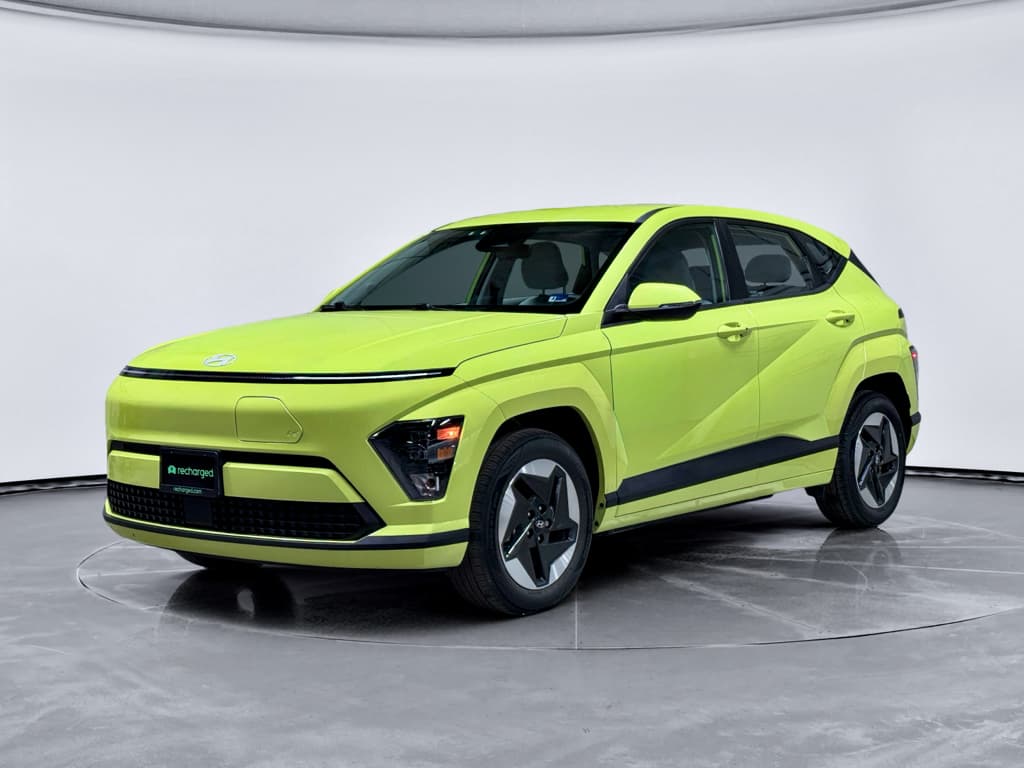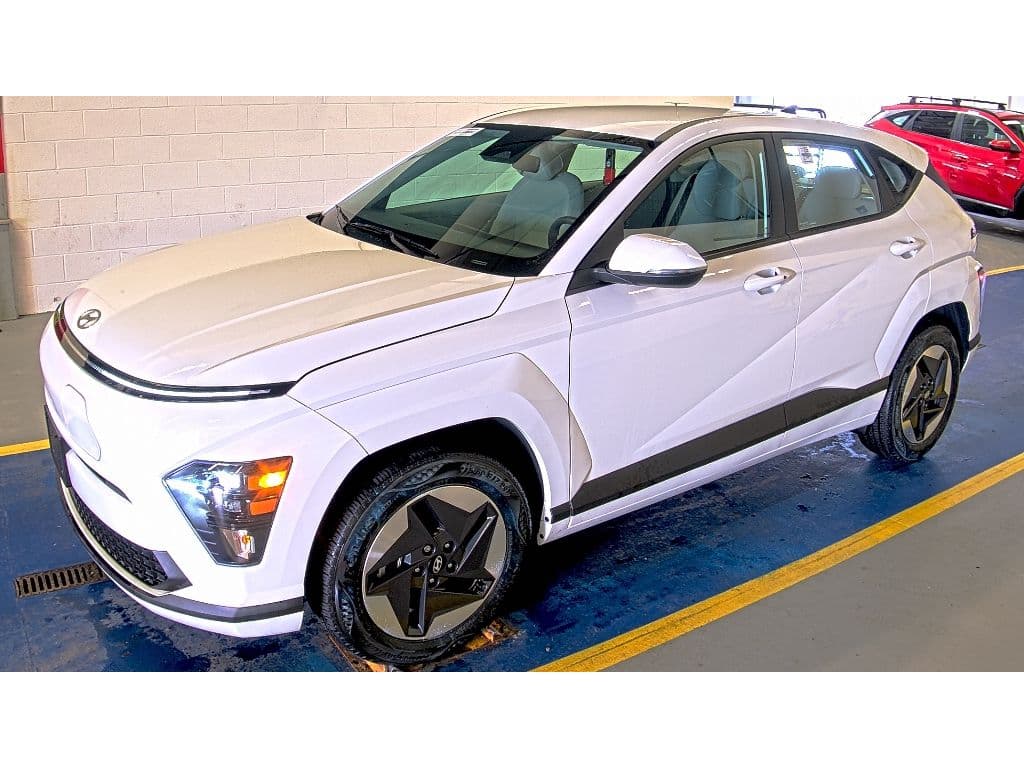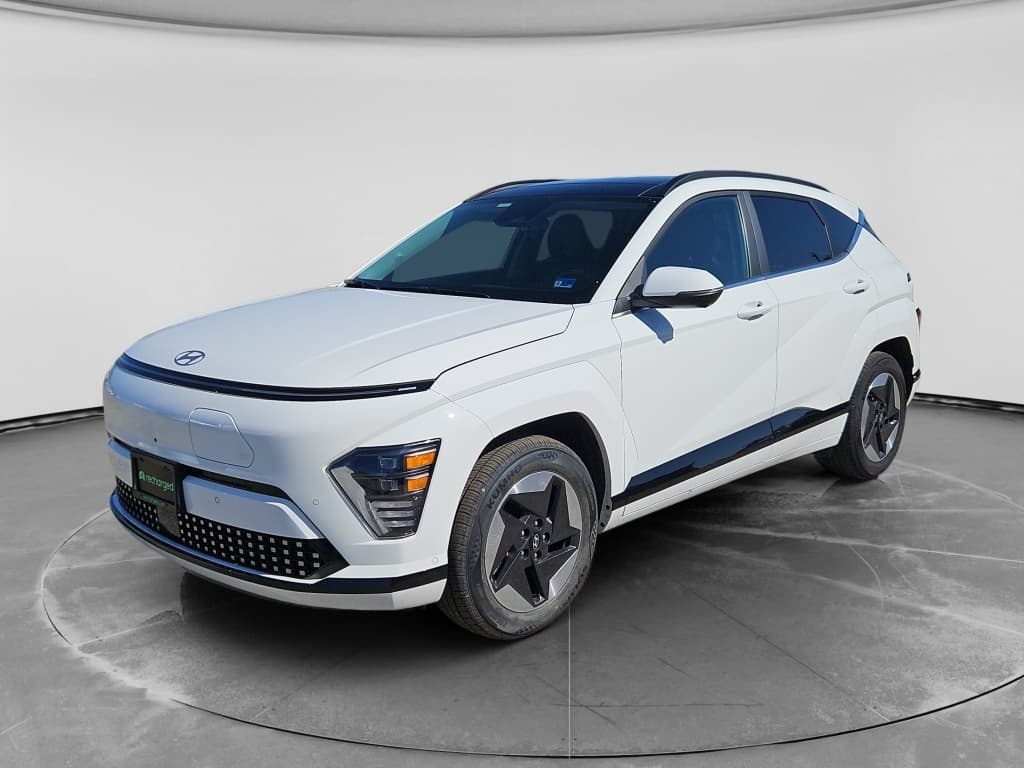
If you’re cross-shopping a **Hyundai Kona Electric** against gas crossovers or other EVs, the real question isn’t just sticker price, it’s the *Hyundai Kona Electric long term ownership cost*. How much will you actually spend over 5 to 10 years on charging, maintenance, insurance, and depreciation, and what happens if you buy one used?
Quick take
Why Hyundai Kona Electric long-term costs matter
The Kona Electric sits in a sweet spot: compact footprint, decent range, and mainstream pricing. But its appeal really comes into focus when you look at **total cost of ownership (TCO)**. That means adding up **energy, maintenance, insurance, taxes/fees, and depreciation** instead of staring at the monthly payment in isolation.
- You want a predictable commuter that won’t clobber you with surprise repairs in year eight.
- You’re comparing Kona Electric to a gas Kona or rival compact SUVs and want a clean apples‑to‑apples cost picture.
- You’re eyeing a **used Kona Electric** and wondering whether battery age or warranty limits should scare you away.
Think in miles, not months
Hyundai Kona Electric at a glance
Kona Electric ownership basics
Energy costs: 5‑year and 10‑year view
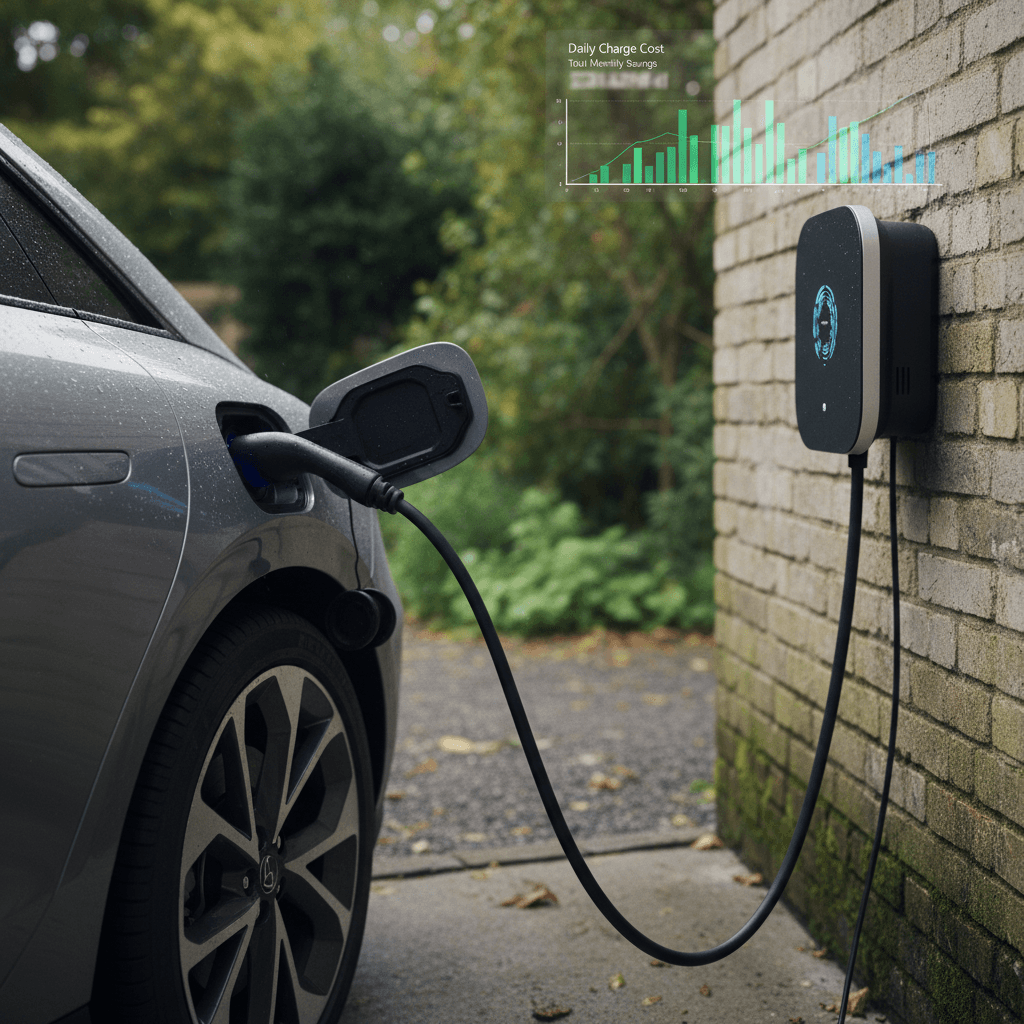
Energy is where the Kona Electric quietly does its best work. Across multiple real‑world tests, owners commonly see **around 3.5–4.2 miles per kWh** in mixed driving. For a cost-of-ownership lens, we’ll use a middle‑of‑the‑road **4.0 mi/kWh** and a conservative **$0.15/kWh** home electricity rate.
Estimated Kona Electric vs gas SUV energy cost
Assumes 15,000 miles per year, 4.0 mi/kWh, $0.15/kWh home charging, and a 30 mpg gas SUV at $3.50/gallon.
| Timeframe | Miles driven | Kona Electric electricity cost | Comparable gas SUV fuel cost | EV savings |
|---|---|---|---|---|
| 1 year | 15,000 | ≈ $560 | ≈ $1,750 | ≈ $1,200 |
| 5 years | 75,000 | ≈ $2,800 | ≈ $8,750 | ≈ $6,000 |
| 10 years | 150,000 | ≈ $5,600 | ≈ $17,500 | ≈ $11,900 |
Real owners’ results will vary with driving style, climate, and public‑charging usage, but the gap is consistently large in favor of the EV.
What if I rely on DC fast charging?
3 ways to keep Kona Electric energy costs low
1. Maximize home Level 2 charging
Installing a **240V Level 2 charger** lets you use lower residential rates and schedule charging for off‑peak hours, where utilities offer time‑of‑use pricing.
2. Use public fast chargers strategically
Lean on DC fast charging for road trips and genuine time crunches, not daily commuting. It’s more expensive and slightly harder on the battery long term.
3. Watch your speed and climate settings
High freeway speeds and constant HVAC use can noticeably cut range. Driving at 65 instead of 80 and using seat/steering‑wheel heaters more than full cabin heat preserves both range and electricity cost.
Maintenance costs over time
On paper the Kona Electric has no oil changes, no timing belts, no exhaust system, and no conventional automatic transmission. Over 60,000 miles, Hyundai’s own EV service examples show **EV maintenance running thousands less** than a comparable gas car once you tally tires, brakes, fluids, and inspections.
Typical 60,000‑mile maintenance costs (illustrative)
Based on Hyundai EV service guidance and dealer menu pricing for a modern Kona‑class vehicle.
Kona Electric
- Tire rotations & alignments
- Brake cleaning + fluid
- Cabin filters, 12V battery
- Battery cooling system checks
Ballpark: ≈ $3,500 over 60k miles
Hybrid Kona‑size SUV
- All EV‑type services
- Engine oil & filters
- Engine air filter & spark plugs
Ballpark: ≈ $3,800 over 60k miles
Gas Kona‑size SUV
- Oil changes & filters
- Brake pad replacements
- Transmission service
Ballpark: ≈ $3,200 over 60k miles (but more fuel spend).
Spread over **10 years or 120,000 miles**, most Kona Electric owners can expect **lower annual maintenance spending** than in a gas crossover. The big ticket items to budget for are **tires**, occasional **brake service**, alignment, and a **12‑volt battery** replacement, not engine work.
Follow the EV maintenance schedule, not the gas template
Battery life, warranty & degradation
Battery fear is the ghost at the EV banquet. Fortunately, long‑running Kona Electric fleets have built a decent track record. Owner data from high‑mileage cars points to **roughly 5–8% capacity loss around 100,000 miles** under normal use, noticeable but not catastrophic for a 250‑mile EV. Many drivers barely register it outside of winter.
- Hyundai backs the high‑voltage pack with a **10‑year/100,000‑mile battery warranty** for original owners in the U.S.
- Subsequent owners typically inherit the **time/mileage balance** of that battery coverage (double‑check terms by year and state).
- Software updates have addressed earlier battery‑management concerns, and the Kona has not seen the same scale of battery recalls as some peers.
What about battery replacements?
Habits that help your Kona Electric battery age gracefully
Daily driver (normal commute)
Charge to around 80–90% for daily use if your range allows.
Avoid leaving the car parked at 0% or 100% for days at a time.
Use Level 2 home charging as your default; save DC fast charging for trips.
Road‑trip and heavy‑use owners
Plan fast‑charge stops so you arrive around 10–20% and leave at 60–80% rather than chasing 100%.
Keep an eye on temperature; repeated back‑to‑back fast charges in extreme heat are harder on the pack.
If range suddenly drops, have a dealer run a **battery health check** while you’re under warranty.
Insurance, taxes & fees
Insurance for the Kona Electric is generally in line with other small crossovers, perhaps a hair higher than a base gas Kona because of **higher vehicle value** and **expensive electronics** in a total‑loss scenario. Sample U.S. quotes for recent model years show **starting premiums in the $30–$70/month range** depending on state, driving history, and coverage level.
Insurance cost drivers
- Vehicle value: Higher‑trim Limited models and brand‑new Kona Electrics cost more to replace.
- Where you live: Dense urban ZIP codes and states with high medical or litigation costs drive premiums up.
- Battery & electronics: Insurers price in the cost of repairing or replacing high‑voltage systems after a crash.
Taxes & registration
- Some U.S. states charge **annual EV fees** to replace gas‑tax revenue, often $100–$250 per year.
- Other states still offer **rebates or tax credits** that can offset those fees, especially on the original purchase.
- Registration costs otherwise look similar to a gas Kona or comparable compact SUV.
Offsetting higher insurance
Depreciation and resale value
Depreciation is where EVs have historically taken their lumps, and the Kona Electric is no exception. The first owner often eats a meaningful chunk of value in the first 3–4 years, bad news if you buy new and bail early, very good news if you’re shopping used.
How the Kona Electric tends to lose value
Exact numbers vary by market and model year, but the pattern is consistent.
Years 0–3
Heaviest drop. As new Kona Electrics hit dealer lots and incentives shift, early cars see their largest percentage loss, often 35–45% from original MSRP.
Years 4–7
Depreciation slows but continues. Range and warranty status matter: cars with plenty of battery warranty remaining and clean history hold value better.
Years 8–10+
Value stabilizes as the car becomes a known quantity. At this stage, battery health is the difference between a screaming deal and a money pit.
“With EVs like the Kona, the smartest move might be letting the first owner take that big depreciation hit, then buying the car once its real-world strengths and weaknesses are well documented.”
5‑year total cost of ownership estimates
Let’s stitch it together. Below is a **simplified 5‑year cost snapshot** for a typical U.S. driver putting **15,000 miles per year** on a Kona Electric versus a comparable gas compact SUV. These are directional, not exact, but they show why the Kona Electric’s long‑term ownership story is compelling.
Illustrative 5‑year cost of ownership: Kona Electric vs gas SUV
Assumes 75,000 miles driven, moderate insurance, and typical U.S. energy prices; excludes tax credits and financing interest.
| Cost category (5 years) | Kona Electric (estimate) | Gas compact SUV (estimate) | What it means for you |
|---|---|---|---|
| Energy (fuel/electricity) | ≈ $2,800 | ≈ $8,750 | EV driver pockets roughly $6,000 in fuel savings. |
| Maintenance & repairs | ≈ $4,000 | ≈ $5,000 | Fewer moving parts and no oil changes help the EV. |
| Insurance | ≈ $6,000–$7,000 | ≈ $5,500–$6,500 | Kona Electric may run slightly higher, depending on state and coverage. |
| Taxes & EV fees | ≈ $600–$1,250 | ≈ $250–$750 | Some states add EV‑specific fees but also offer purchase incentives. |
| Depreciation | Heavier in first 3 years, then moderates | Similar pattern, but gas SUVs are a known quantity | Buying used can sidestep the steepest drop on both. |
| Total running costs (ex‑depreciation) | ≈ $13,400–$15,000 | ≈ $19,500–$21,000 | The Kona Electric typically wins by **$5,000+** over 5 years. |
Kona Electric numbers assume mostly home charging; heavy use of pricey public fast charging would raise the EV energy line.
Where the Kona Electric really wins
Buying a used Hyundai Kona Electric
On the used market, the Kona Electric can be a quiet bargain: plenty of range for daily use, a still‑modern cabin, and most of that costly early depreciation in the rearview mirror. But to lock in low long‑term ownership costs, you need to be choosy.
Used Kona Electric checklist for low ownership cost
1. Verify battery warranty status
Check the **in‑service date** and mileage so you know exactly how much of the 10‑year/100,000‑mile battery warranty is left. This can be the difference between peace of mind and a big future risk.
2. Get objective battery health data
Don’t settle for “it feels fine.” A **professional battery health diagnostic**, like the Recharged Score that every Recharged EV comes with, gives you a quantified picture of capacity and degradation.
3. Review charging history and usage
Ask how the car was charged: mostly home Level 2, or hammered on DC fast chargers? Normal fast‑charging use is fine, but constant high‑power fast charging in hot climates can accelerate battery wear.
4. Inspect tires and brakes carefully
The Kona Electric’s weight and instant torque can be hard on tires. Uneven wear or early brake replacement may signal alignment issues or aggressive driving that could impact long‑term costs.
5. Check for software updates and recalls
Confirm that the car has had **all relevant software updates and recalls**, particularly those related to battery management or charging behavior, before you sign anything.
6. Compare total cost, not just price
When comparing used Konas to gas SUVs or other EVs, look at **expected fuel, maintenance, and insurance costs** over the miles you plan to drive, not just the purchase price.
How Recharged helps Kona Electric buyers
If you’re considering a used Hyundai Kona Electric, this is where a little structure and transparency can save you thousands over the life of the car. That’s the whole point of **Recharged**: we’re built around making **used EV ownership simple and predictable**, especially when it comes to long‑term cost.
Why shop for a Kona Electric with Recharged?
Designed specifically for used EV shoppers, not generic used‑car lots.
Recharged Score battery health report
Every vehicle on Recharged includes a **Recharged Score Report** with verified battery health. You see how the Kona Electric’s pack is aging, how it compares to similar cars, and what that implies for future range and resale value.
Fair pricing, financing & trade‑in
We benchmark every Kona Electric against **fair market pricing**, offer **financing options** tailored to EVs, and support **trade‑ins, instant offers, or consignment** so you can move out of your current car smoothly.
Nationwide delivery & digital buying
Browse, finance, and buy your Kona Electric entirely online, with **nationwide delivery** and an EV‑specialist support team to walk you through range, charging, and long‑term cost questions.
Experience Center in Richmond, VA
If you’d rather touch and feel, visit our **Experience Center in Richmond, VA** to compare EVs in person, talk through ownership costs, and get hands‑on charging demos.
Ready to find your next EV?
Browse VehiclesFAQ: Hyundai Kona Electric long‑term ownership costs
Frequently asked questions
Bottom line: Is the Kona Electric cheap to own?
If you zoom out to the full picture, energy, maintenance, insurance, and depreciation, the **Hyundai Kona Electric long term ownership cost** stacks up very well against gas crossovers and many rival EVs. The car’s modest size and efficiency keep electricity bills low, its simplified drivetrain keeps routine service predictable, and a solid battery warranty helps de‑risk the biggest component.
Where you really win is by buying smart: choosing a Kona Electric with **verified battery health**, plenty of warranty left, and a fair market price. That’s exactly the gap Recharged is built to fill. If you’re ready to make the running‑cost math work in your favor, a well‑chosen Kona Electric, especially a used one with a strong **Recharged Score Report**, can be one of the most financially rational ways to go electric over the next decade.