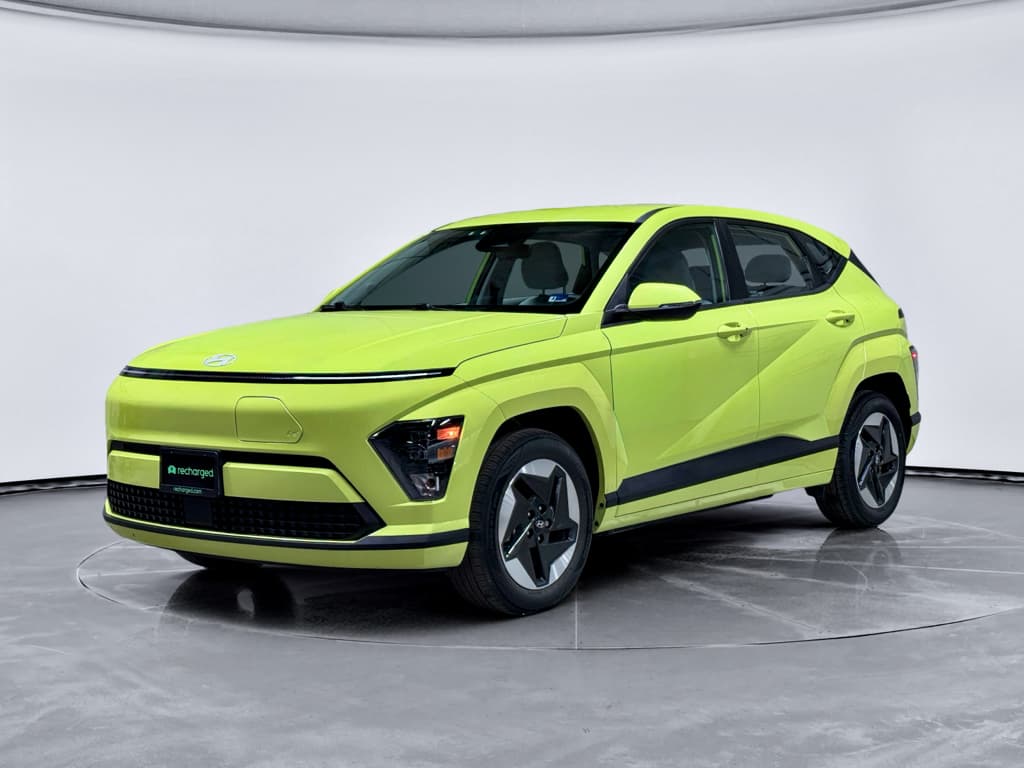
If you’re looking at a Hyundai Kona Electric, you’re probably trying to keep your monthly costs under control. Insurance is a big part of that picture, and age is one of the strongest levers insurers use to price your Kona Electric policy. The good news: this subcompact EV tends to be one of the more affordable electric crossovers to insure, especially once you’re past your teen and early‑20s years.
What this guide covers
Why age matters for Hyundai Kona Electric insurance
Age is a shorthand for driving experience and risk. Teen drivers crash more often, middle‑aged drivers crash less, and older drivers see risk creep up again after about 70. Insurers price your Kona Electric accordingly. The same 2024 Kona Electric Limited that costs a 40‑year‑old around the national EV average for full coverage can cost a teenager two to three times as much, even with identical coverage and limits.
- Teens and early‑20s: Least experience, highest crash and claim frequency, highest Kona Electric premiums.
- Mid‑20s to late‑30s: Big drop in rates as you build a clean record and credit history.
- 40s to early‑60s: Lowest, most stable insurance costs for most Kona Electric owners.
- Mid‑60s and up: Rates level off, then slowly climb as accident severity and injury costs rise.
Don’t compare against national averages blindly
Quick look: estimated Hyundai Kona Electric insurance by age
Exact insurance quotes vary by state, coverage, and company, but we can outline realistic ballpark full‑coverage costs for a Hyundai Kona Electric in 2026. These estimates assume a clean record, average credit where allowed, 12,000 miles per year, and typical 250/500/100 liability with comprehensive and collision.
Estimated Hyundai Kona Electric full‑coverage insurance by age (2026, US)
Approximate annual and monthly premiums for a Hyundai Kona Electric driver with a clean record. Use this as a directional guide, not a quote.
| Driver age | Relative cost vs. 35‑year‑old | Estimated annual premium | Estimated monthly premium |
|---|---|---|---|
| 16–19 | ~2.5× higher | $4,500–$5,500 | $375–$460 |
| 20–24 | ~1.7× higher | $3,000–$3,600 | $250–$300 |
| 25–34 | Baseline to slightly higher | $2,000–$2,300 | $165–$190 |
| 35–44 | Baseline (reference group) | $1,900–$2,200 | $160–$185 |
| 45–54 | Slightly lower than baseline | $1,800–$2,050 | $150–$170 |
| 55–64 | Lowest typical range | $1,750–$2,000 | $145–$165 |
| 65–74 | Stable to slightly higher | $1,900–$2,200 | $160–$185 |
| 75+ | Rising again | $2,200–$2,600 | $185–$215 |
Younger drivers can easily pay 2–3x what experienced drivers pay to insure the same Kona Electric with the same coverages.
How this compares to other EVs

Teens and students: the most expensive Kona Electric insurance
Put a 17‑year‑old behind the wheel of a Hyundai Kona Electric and you’ll see some of the highest premiums you can pay on this vehicle. Industry data for full coverage routinely shows teen drivers paying over $5,000 per year to insure mainstream cars; even though the Kona Electric is relatively affordable and well‑rated for safety, it still sits in that ballpark once you factor in EV repair costs.
What teen drivers can expect on a Kona Electric
Ways to keep Kona Electric insurance manageable for teens and students
List your teen on a parent’s policy
Insuring a teen driver on a parent’s multi‑vehicle policy with the Kona Electric as a secondary car is almost always cheaper than a separate teen policy.
Pick higher deductibles carefully
Raising comprehensive and collision deductibles from $500 to $1,000 can cut the premium, but make sure you could afford that out‑of‑pocket cost after a claim.
Leverage good‑student and telematics discounts
Many carriers offer discounts when a teen keeps a B average or better and uses a driving‑behavior app that rewards smooth, distraction‑free driving.
Limit annual miles and commute distance
If a teen only uses the Kona Electric for short local trips and not a long daily commute, make sure your quote reflects lower mileage.
Consider liability‑only for older, lower‑value cars
If you’re putting a teen in an older gas car and keeping the Kona Electric for yourself, liability‑only on the beater and full‑coverage on the Kona can be smarter than full‑coverage on both.
Don’t skimp on liability for young drivers
Drivers 25–40: best balance of cost and coverage
Once you hit your mid‑20s, the Kona Electric becomes far more affordable to insure. For a 28‑ or 32‑year‑old driver with a clean record, full coverage on a recent‑model Kona Electric often lands in the $2,000–$2,300 per year range, right in line with or slightly below average EV premiums for the segment.
Typical 25–30‑year‑old Kona Electric driver profile
- 3–7 years licensed with no at‑fault accidents.
- One or two prior vehicles insured continuously.
- Improving credit history (which matters in most states).
- Moderate commute mileage and occasional road trips.
How that affects your premium
- Large drop from teen/early‑20s pricing as risk normalizes.
- Access to multi‑car, homeowner, or renter bundling discounts.
- More flexibility to choose higher liability limits and lower deductibles.
- Opportunity to shop quotes aggressively, insurers want you in this band.
Use this window to lock in a strong insurance history
Drivers 40–64: stable, low Kona Electric insurance rates
From your early‑40s into your early‑60s, you’re in the sweet spot. Statistically, drivers here file fewer claims, and many own homes, bundle policies, and maintain excellent credit. For a Hyundai Kona Electric, this is often where you’ll see some of your lowest lifetime premiums.
Why Kona Electric fits well for 40–64‑year‑old drivers
Three advantages that work in your favor at this age
Strong safety story
Predictable usage patterns
Room to self‑insure small losses
Drivers 65+: how rates change for seniors
After about 65, rates for a Kona Electric generally stay favorable for several years, especially if you drive fewer miles and maintain a clean record. At some point, often in the 70s, insurers start to nudge premiums upward again to reflect higher injury severity and slower reaction times, even for cautious drivers.
- Expect your best rates to continue into your early‑70s if you stay accident‑free.
- Low annual mileage and gentle driving can offset some age‑based increases.
- Some carriers tighten underwriting for drivers over 75, especially after at‑fault crashes.
Senior‑focused discounts are real
Other factors beyond age that shape your Kona Electric rate
Age matters, but insurers never look at it in isolation. Two 40‑year‑old Kona Electric drivers can see wildly different quotes if one lives in a dense urban area with frequent hailstorms and the other in a low‑traffic suburb with mild weather and a spotless record.
Key non‑age factors that affect Kona Electric insurance
These can move your rate more than the car itself
Where you live and park
Driving record and claims
Model year, trim, and value
Credit and insurance score
EV‑specific repair costs still matter
How buying a used Hyundai Kona Electric changes insurance
If you’re shopping the used market, insurance is one of the quiet advantages of a Hyundai Kona Electric. You’re starting with a relatively low‑priced EV, and its depreciation plus strong safety tech can keep both purchase price and premiums in check, especially once the car is more than three years old.
New Kona Electric
- Higher MSRP means higher replacement‑cost exposure.
- Full coverage is usually required if you finance or lease.
- Advanced driver‑assistance tech can lower liability risk but raise repair bills after a crash.
- Best fit for drivers who want the latest safety features and are comfortable with higher comprehensive and collision costs.
Used Kona Electric
- Lower vehicle value reduces comprehensive and collision premiums.
- More flexibility to adjust deductibles or even consider liability‑only on older, lower‑value examples.
- Insurance costs can be especially attractive for 5+‑year‑old Konas with clean histories.
- Ideal for budget‑minded buyers who still want a modern safety and efficiency package.
How Recharged helps you see the full cost picture
Ways to lower Kona Electric insurance at any age
You can’t change your age, but you can control a surprising number of other levers. Here are practical, age‑agnostic strategies that tend to work well for Hyundai Kona Electric owners.
Practical steps to reduce Kona Electric insurance costs
1. Shop multiple quotes before you buy
Before you sign for a Kona Electric, new or used, get real quotes using the exact VIN, mileage, and garaging ZIP code. Different insurers price EVs and age brackets very differently.
2. Right‑size your coverage and deductibles
Aim for strong liability limits and adjust comprehensive/collision deductibles to fit your emergency‑fund comfort level. Don’t over‑insure a high‑mileage 6‑year‑old Kona Electric the same way you would a brand‑new one.
3. Use telematics if you’re a smooth driver
Usage‑based programs that track braking, cornering, and mileage can favor EV owners, who often drive more smoothly and log predictable commutes. The cleaner your data, the better your discount.
4. Keep your record and credit clean
Avoiding at‑fault crashes, serious tickets, and policy lapses does more for your premium than any trick. In states where it’s allowed, improving your credit profile can further bring your Kona Electric rate down.
5. Ask about EV, safety, and bundling discounts
Kona Electric models often qualify for advanced safety, anti‑theft, and EV‑specific discounts. Bundling home or renter’s coverage with the same carrier can stack additional savings.
6. Re‑shop when life changes
New job, new address, paid‑off loan, or switching from commuting to remote work? Those can all justify a fresh round of quotes on your Kona Electric policy.
Is the Hyundai Kona Electric cheap to insure vs other EVs?
Compared with other electric crossovers, the Kona Electric punches above its weight on insurance. Its modest purchase price, smaller battery, and strong safety record generally keep premiums lower than high‑dollar EVs with complex body structures and ultra‑fast performance.
How Kona Electric insurance stacks up against other popular EVs
Broad ranges for experienced drivers with clean records and full coverage; actual quotes vary by state and insurer.
| EV model | Segment | Typical experienced‑driver premium | Insurance takeaways |
|---|---|---|---|
| Hyundai Kona Electric | Subcompact crossover | $1,600–$2,000/yr | Lower purchase price and straightforward packaging help keep insurance costs approachable. |
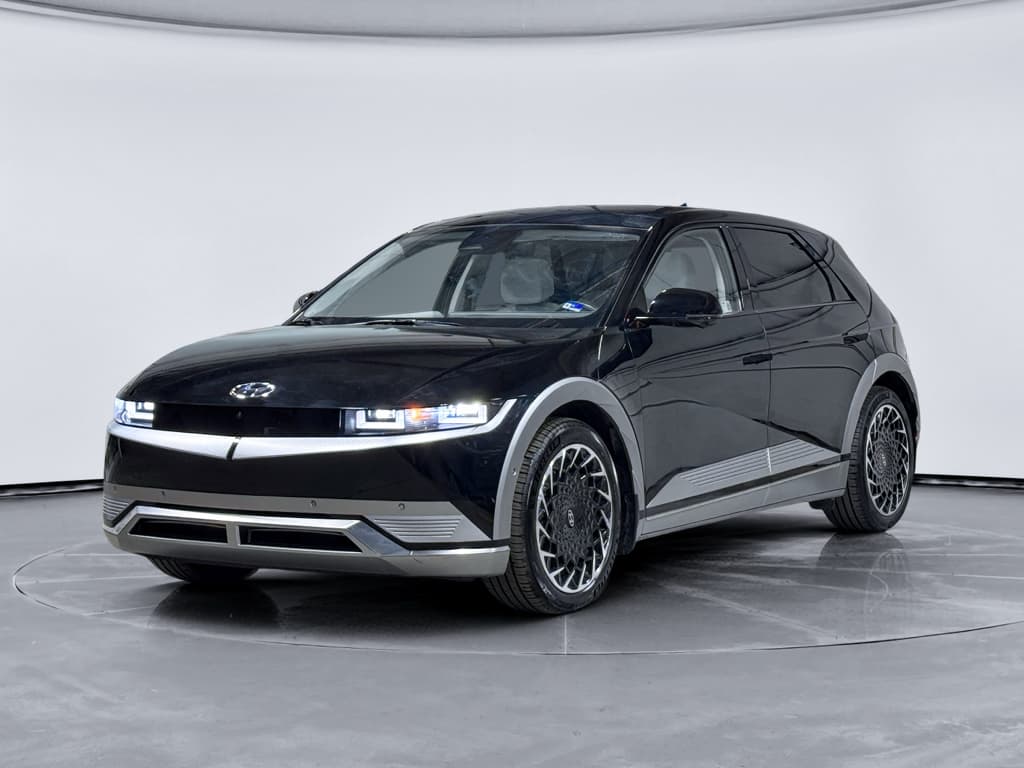
| Hyundai Ioniq 5 | Compact crossover | $2,100–$2,700/yr | Larger, more expensive EV with higher repair costs and more high‑end tech. |
| Tesla Model Y | Compact SUV | $2,500–$3,500/yr | Very popular but more expensive to repair; high claim volume pushes premiums up. |
| Nissan Leaf | Compact hatchback | $1,500–$2,000/yr | Older design, lower values; can be cheap to insure but lacks SUV practicality. |
The Hyundai Kona Electric typically sits toward the lower end of the EV insurance spectrum for compact crossovers.
Why insurers generally like the Kona Electric
FAQ: Hyundai Kona Electric insurance rates by age
Frequently asked questions about Kona Electric insurance and age
Bottom line: what Kona Electric insurance means for your next EV
Age will always play a big role in what you pay to insure a Hyundai Kona Electric. Teens and students face stiff premiums, while most drivers in their 30s through early‑60s benefit from some of the most affordable EV insurance numbers on the market. As the Kona Electric ages, its modest value and strong safety story can make it a particularly smart choice on the used side, especially if you’re graduating from a first car or stepping into your first EV.
If you’re considering a used Kona Electric, it pays to look beyond the sticker and think in terms of total cost of ownership: purchase price, battery health, likely insurance costs, and everyday running expenses. At Recharged, every vehicle comes with a Recharged Score Report that pulls those pieces together so you can compare options confidently, pre‑qualify for financing with no impact to your credit, and choose the EV, and the insurance strategy, that fits your age, budget, and driving life today and five years from now.