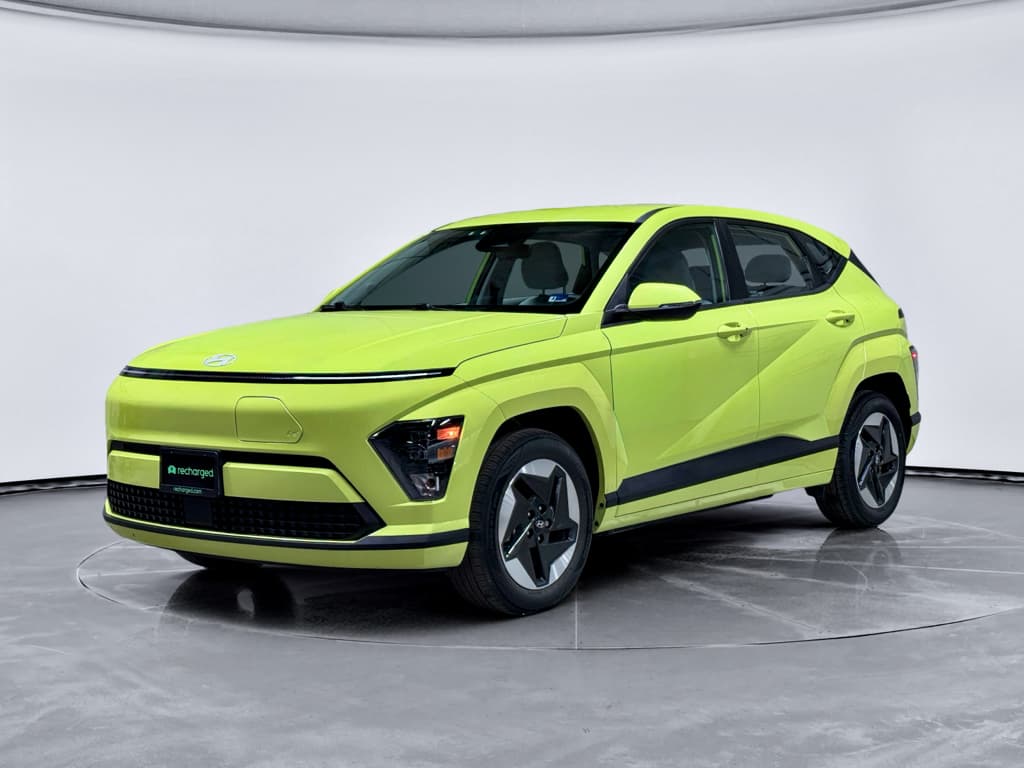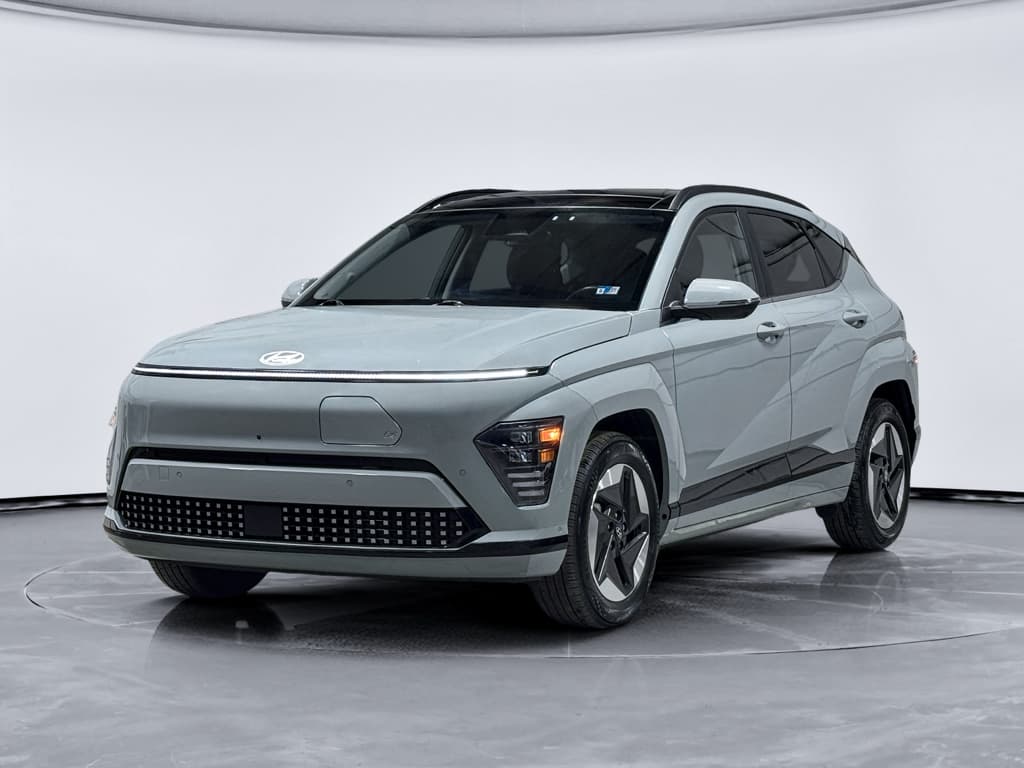
If you’re looking at a Hyundai Kona Electric, you’re probably not dreaming about zero tailpipe emissions. You’re wondering, very reasonably: what does it actually cost per mile to drive this thing? The Kona Electric has a reputation for being one of the most efficient EVs on sale, and when you put real electricity prices against its frugality, the math gets almost indecently lopsided in your favor.
Quick answer
Hyundai Kona Electric efficiency: the numbers that matter
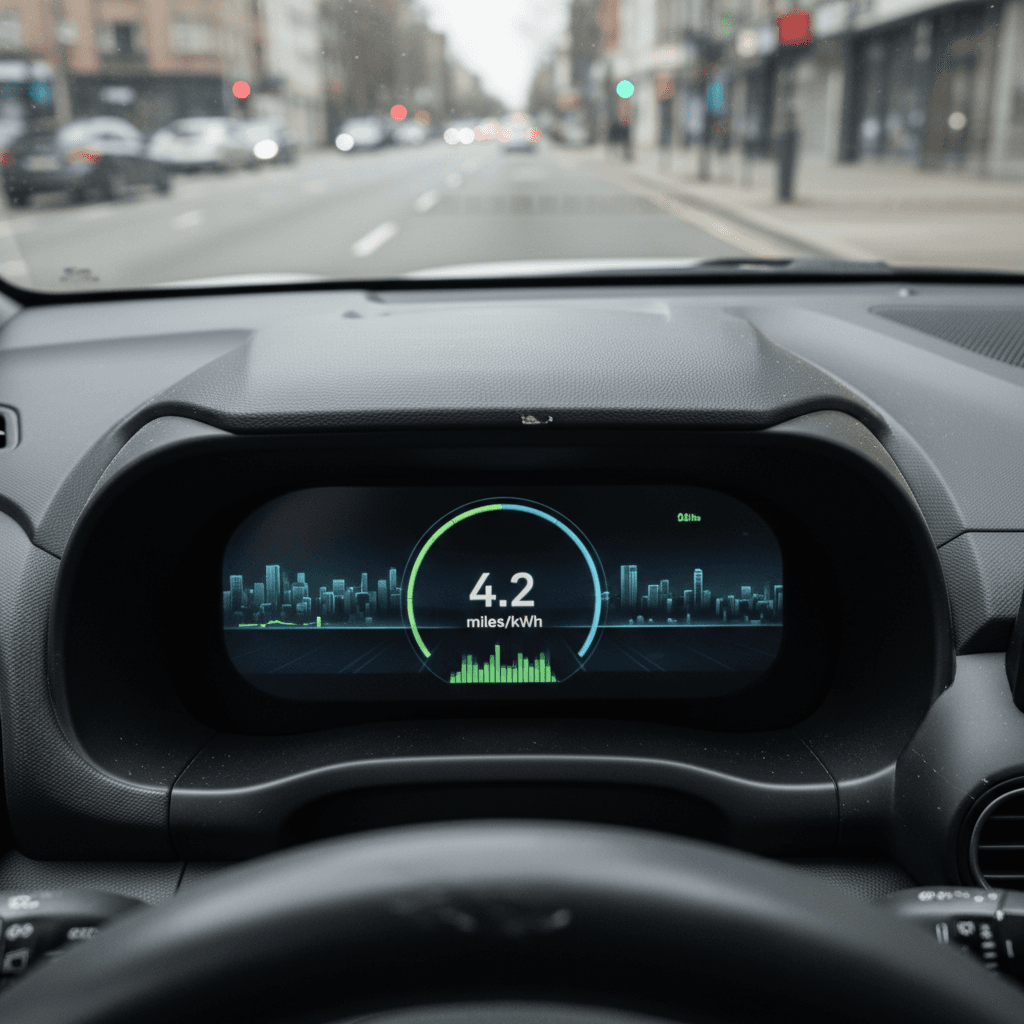
To understand Hyundai Kona Electric cost per mile to drive, you first need the efficiency number. For the first‑generation Kona Electric sold in the U.S., the EPA pegs efficiency around 28 kWh per 100 miles, or about 3.6 miles per kWh in mixed driving. Many careful drivers report closer to 4.0–4.3 mi/kWh in real life, especially around town.
Kona Electric efficiency at a glance
Let’s lock in one realistic baseline for the calculations in this guide: we’ll assume a Kona Electric getting 3.6 mi/kWh in mixed driving, roughly matching the EPA tested efficiency. Later, we’ll show how your cost per mile changes if you drive more efficiently, or less so.
How electricity price turns into Kona Electric cost per mile
The second half of the formula is the price of electricity. Nationwide, residential electricity in the U.S. is now hovering around $0.17–$0.18 per kWh, but individual states range from about $0.10 to over $0.40 per kWh. Public fast charging is usually more expensive than home charging, often billed per kWh at a marked‑up rate or per minute.
Baseline Kona Electric cost per mile at different electricity prices
Assuming 3.6 miles per kWh in mixed driving.
| Electricity price (per kWh) | Cost per kWh-mile | Approx. cost per mile | Cost per 100 miles |
|---|---|---|---|
| $0.12 (cheap power states/off‑peak) | $0.033 | $0.033 | $3.30 |
| $0.17 (current U.S. average) | $0.047 | $0.047 | $4.70 |
| $0.22 (expensive grids/coastal) | $0.061 | $0.061 | $6.10 |
| $0.30 (very high cost states) | $0.083 | $0.083 | $8.30 |
Use your own local rate (from a utility bill or app) to plug into this table mentally.
How to estimate your own cost per mile
Home charging: where the magic happens
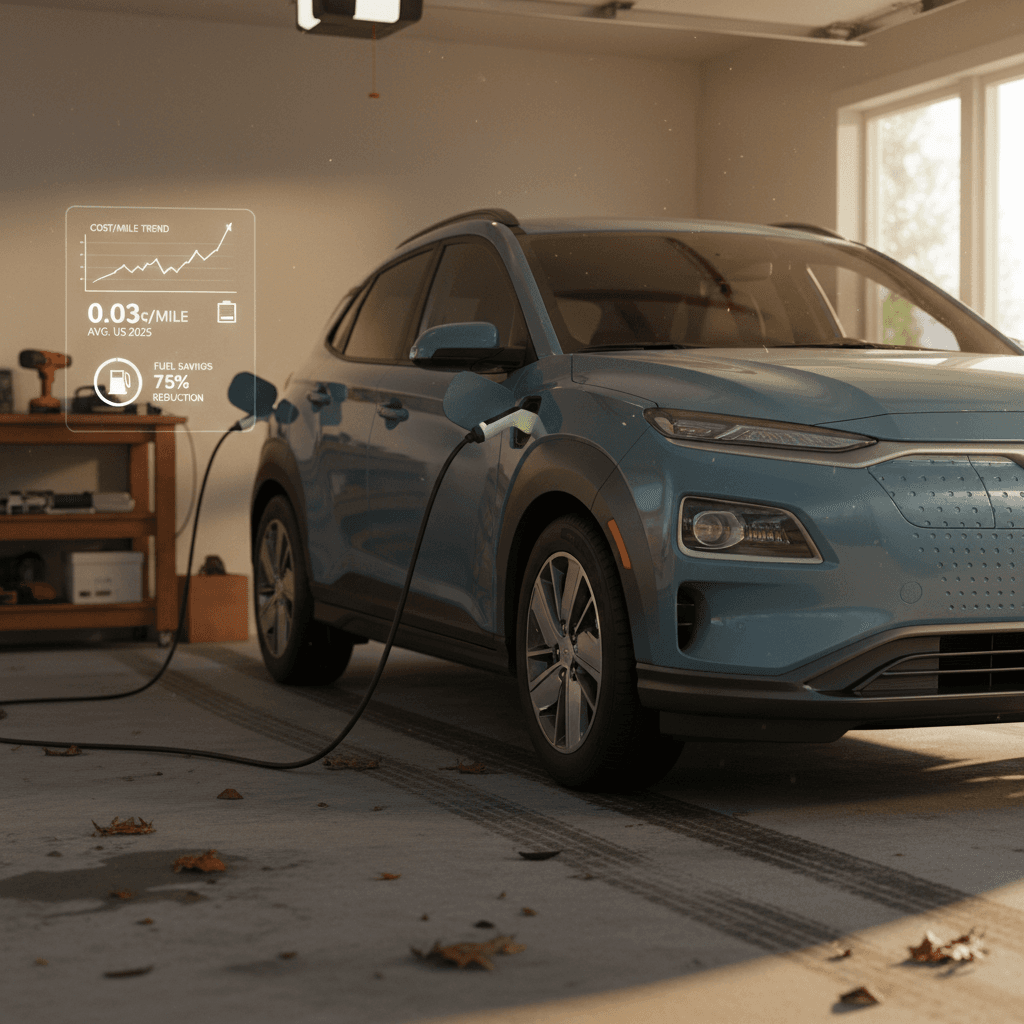
If you can charge mainly at home, you’ll almost always see the lowest Hyundai Kona Electric cost per mile to drive. At an average 17–18¢/kWh and 3.6 mi/kWh, you’re in the 4.5–5.0¢/mile range. Drop onto an off‑peak rate plan and you can live closer to 3–4¢/mile without doing anything heroic.
Public fast charging: the convenience tax
DC fast charging networks often bill at $0.35–$0.50 per kWh equivalent, depending on membership and region. At 3.6 mi/kWh, that’s more like 10–14¢ per mile. Still comparable to a gas car, but nowhere near the bargain of home charging. Occasional use on road trips is fine; living on fast chargers will double or triple your per‑mile energy cost.
Real-world cost per mile in common driving scenarios
Nobody drives an EPA cycle. You drive in the real world, with winter, traffic, Spotify, and a firm right foot. Here’s how that affects your Hyundai Kona Electric cost per mile to drive.
Kona Electric cost per mile in 4 real‑world scenarios
All examples assume 18¢/kWh residential power; adjust for your rate.
1. Urban commuting
Efficiency: ~4.0–4.3 mi/kWh (stop‑and‑go actually helps EVs)
Electricity cost: $0.18/kWh
Estimated cost per mile: ~4.2–4.5¢/mile
Short trips plus regen braking make the Kona Electric almost absurdly efficient in town.
2. Highway at 70–75 mph
Efficiency: ~3.0–3.3 mi/kWh
Electricity cost: $0.18/kWh
Estimated cost per mile: ~5.5–6.0¢/mile
High speeds and aero drag eat into range. Cruise at 65 instead of 80 and you’ll feel it in your wallet.
3. Cold winter mix
Efficiency: ~2.5–3.0 mi/kWh (cabin heat + cold battery)
Electricity cost: $0.18/kWh
Estimated cost per mile: ~6.0–7.2¢/mile
Preconditioning while plugged in and using seat heaters instead of blast‑furnace HVAC can claw some of this back.
4. Mild‑weather road trip
Efficiency: ~3.3–3.8 mi/kWh
Electricity cost: $0.40/kWh fast charger
Estimated cost per mile: ~10–12¢/mile
You pay extra for speed and convenience on DC fast chargers. On a pure energy‑cost basis, that lands you back in gas‑SUV territory.
Hyundai Kona Electric vs. gas SUV: cost per mile smackdown
Numbers are boring until you put them up against something. So let’s line the Kona Electric up against a typical compact gas SUV, the kind of vehicle many Kona drivers cross‑shop.
Kona Electric vs. typical gas compact SUV: fuel cost per mile
Assuming 18¢/kWh electricity and $3.50–$4.00 per gallon gasoline.
| Vehicle type | Energy use | Energy price | Approx. cost per mile | Cost per 100 miles |
|---|---|---|---|---|
| Hyundai Kona Electric (home charging) | 28 kWh / 100 mi | $0.18 / kWh | $0.05 / mi | $5 |
| Hyundai Kona Electric (mostly DC fast charge) | 28 kWh / 100 mi | $0.40 / kWh | $0.11 / mi | $11 |
| Gas compact SUV @ 30 mpg | 3.33 gal / 100 mi | $3.50 / gal | $0.12 / mi | $11.70 |
| Gas compact SUV @ 25 mpg | 4.0 gal / 100 mi | $4.00 / gal | $0.16 / mi | $16.00 |
These are ballpark averages; your specific model and prices will shift the numbers, but the ratio stays similar.
The spread in plain English
Beyond electricity: other ownership costs per mile
Electricity is the headliner, but it’s not the whole show. EVs quietly claw back more money in places gas cars love to nickel‑and‑dime you.
Other ownership costs where the Kona Electric shines
These don’t show up at the charging screen, but they matter over 5–10 years.
Maintenance
No oil changes, fewer filters, no spark plugs, no exhaust. You’ll still do tires, cabin filter, brake fluid, but the service schedule is thinner than most gas crossovers.
Brakes & regen
Regenerative braking does much of the slowing, so brake pads and rotors last longer if you’re not driving like you’re late to your own wedding every day.
Reliability & wear
Fewer moving parts in the powertrain typically means less to break. When you smooth out surprise repairs, your effective cost per mile drops over time.
If you rolled all of this into a total‑cost‑of‑ownership spreadsheet, fuel, maintenance, and repairs, the Kona Electric’s advantage widens. The exact pennies per mile will depend on how long you keep the car and how disciplined you are about service, but the direction of travel is clear: the EV is cheap to keep.
Insurance and registration caveat
Buying a used Kona Electric: battery health and cost per mile
On the used market, the Hyundai Kona Electric is a bit of a hidden gem: compact, efficient, and usually owned by people who know where the tire‑pressure settings live in the menu. But when you shop used, your future cost per mile is welded directly to the health of the battery.
Used Kona Electric checklist to protect your cost per mile
1. Verify usable range on a full charge
Ask the seller, or better, test yourself, what range the car reports at 100% charge in the modes you’ll actually use. If a car that was new with ~250 miles of range is now showing 200 on a full charge, that’s roughly 20% loss of usable capacity and a hit to your cost per mile on road trips.
2. Review charging history
Frequent DC fast‑charging, especially in hot climates, can accelerate battery wear. A healthy mix of Level 2 home charging with occasional fast‑charge sessions is ideal for long‑term efficiency and range.
3. Look for battery warranty coverage
Hyundai typically backs the Kona Electric’s high‑voltage battery with a long warranty window. A used Kona that’s still under battery warranty gives you a safety net if degradation becomes excessive.
4. Get a professional battery health report
A proper diagnostic can surface degradation that a simple dash‑reading won’t. A detailed report quantifies remaining capacity so you know what you’re buying.
5. Factor degradation into your cost per mile
A battery that has lost 10–15% of its original capacity still delivers excellent cost per mile in town but shortens legs on highway trips. Budget a bit more for public charging if your commute stretches its range.
Where Recharged fits in
7 ways to lower your Hyundai Kona Electric cost per mile
If the Kona Electric is already efficient, think of these as the cheat codes. None require hypermiling or saintly patience, just a bit of intention.
Practical tips to drive your cost per mile down
1. Charge off‑peak when possible
Many utilities offer cheaper night rates. Plug in after the rate drop and schedule charging in your Kona’s settings. Moving from 20¢ to 12¢ per kWh is the difference between ~5.5¢ and ~3.3¢ per mile.
2. Use Level 2 at home as your default
Treat DC fast chargers as road‑trip tools, not everyday feeders. Home Level 2 keeps your energy cost per mile low and is easier on the battery long‑term.
3. Watch your speed
Aerodynamic drag climbs sharply over 65 mph. The Kona Electric that does 3.0 mi/kWh at 80 mph might do 3.8 mi/kWh at 65 mph, effectively chopping your cost per mile by about 20%.
4. Precondition while plugged in
On cold or hot days, pre‑heat or pre‑cool the cabin while you’re still connected to the charger. That shifts the heavy HVAC load to the grid instead of your battery, preserving range and efficiency once you start driving.
5. Keep tires properly inflated
Under‑inflated tires quietly sap efficiency. Check pressures monthly; a few PSI below spec spreads over tens of thousands of miles as wasted energy and money.
6. Plan routes around charging sweet spots
If you do rely on public charging, look for cheaper Level 2 or discounted fast‑charging networks along your routes. Apps that compare prices can shave a couple of cents per kWh, which matters over time.
7. Choose the right Kona for your driving
If you’re mostly a city commuter, a lower‑mileage used Kona Electric with excellent battery health can deliver sensational cost per mile without paying a new‑car premium up front. That’s exactly the kind of car that shows up on <strong>Recharged</strong> with full battery diagnostics included.
FAQ: Hyundai Kona Electric cost per mile to drive
Frequently asked questions
Bottom line: what you should expect to pay per mile
When you run the numbers with real‑world assumptions, the Hyundai Kona Electric is one of the cheapest ways to move yourself around that doesn’t involve a bicycle and a strong moral compass. For the typical U.S. owner charging at home, you’re looking at roughly four to six cents per mile in electricity, rising toward ten to twelve cents only when you lean heavily on public fast chargers.
Stack that against a comparable gas SUV at twelve to sixteen cents per mile in fuel, add thinner maintenance and fewer surprise repairs, and the Kona Electric’s quiet, efficient little powertrain starts to look less like a compromise and more like a financial strategy.
If you’re shopping used, the real art is matching the right Kona Electric, battery health, mileage, and price, to your driving pattern. That’s where a transparent battery report and expert guidance make all the difference. At Recharged, every Kona Electric comes with a Recharged Score battery health diagnostic and fair‑market pricing baked in, so your future cost per mile isn’t a mystery. You know what you’re paying now, and you have a clear view of what it will cost to drive every mile that comes after.