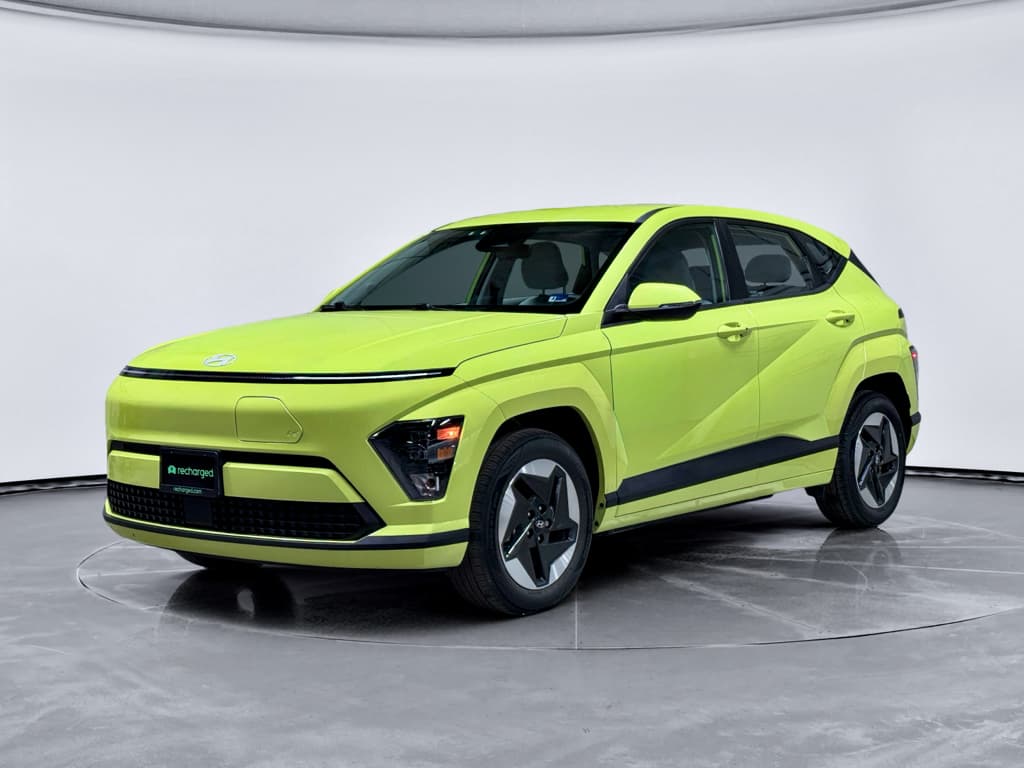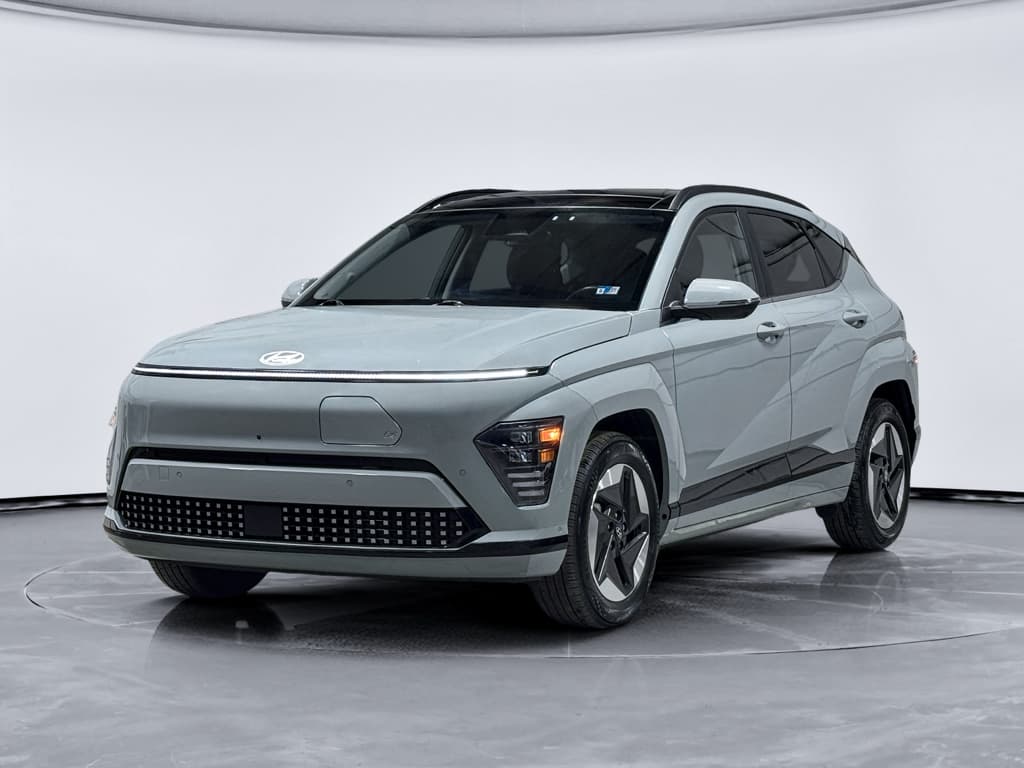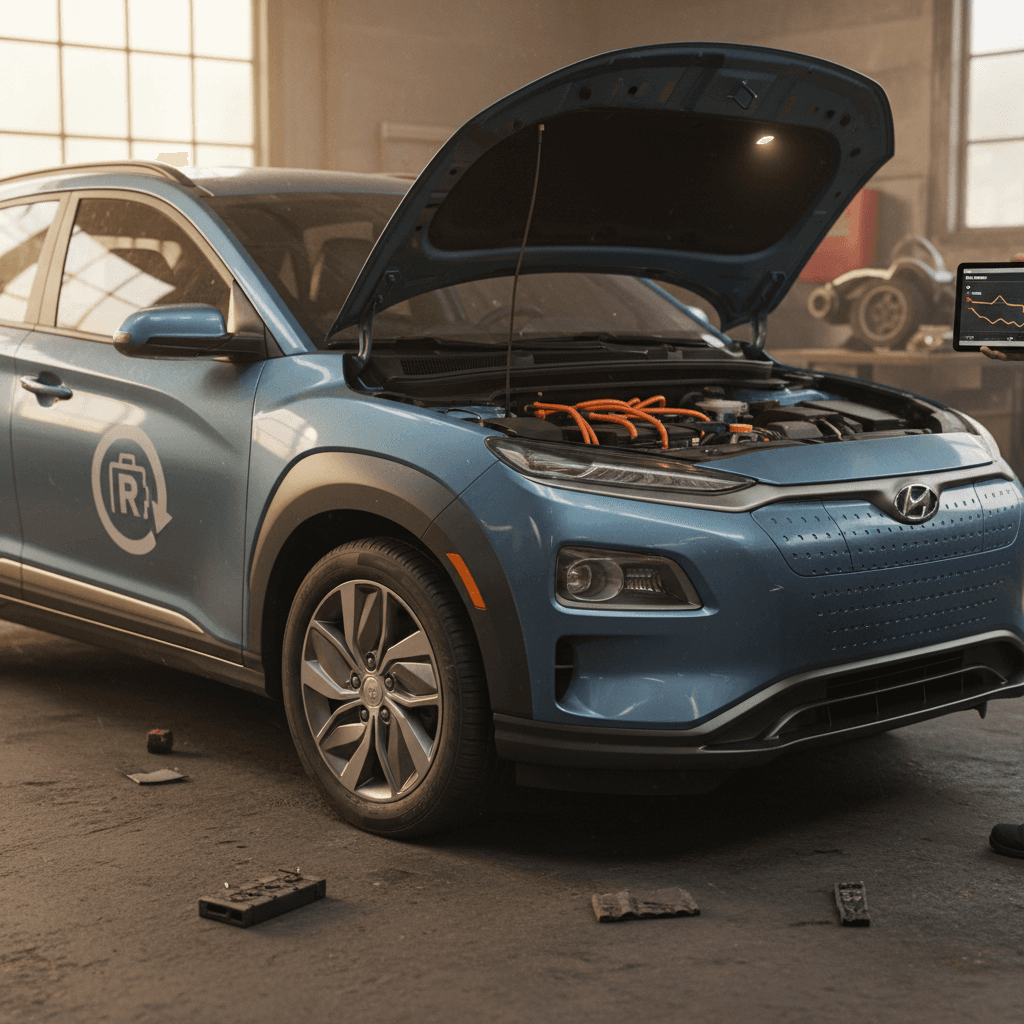
If you’re shopping for a used Hyundai Kona Electric in 2026, you’ve probably heard two very different stories. On one hand, it’s efficient, compact, and great value on the used market. On the other, early cars were hit by a major battery recall and later models still pick up their share of complaints. This guide walks you through the most common Hyundai Kona Electric problems in 2026, what’s been fixed, and what you should check before you buy.
Quick take for 2026 shoppers
Hyundai Kona Electric in 2026: Why problems matter
By April 2026, the Kona Electric has been on the U.S. market long enough to show clear patterns. The original 2019–2023 cars established the model and also produced the headline-grabbing high-voltage battery fire recall. The redesigned 2024–2025 cars aim to improve refinement and tech, but they still inherit some family traits like finicky HVAC and occasional electronics hiccups. Hyundai has already confirmed the Kona Electric will skip the 2026 model year, leaning on existing 2025 inventory, which only pushes more buyers toward the used market.
Kona Electric at a glance (2026 used-market view)
About the numbers
Model years & generations: which Kona Electric are we talking about?
Gen 1: 2019–2023 Kona Electric
- Introduced in the U.S. for model year 2019.
- 64 kWh pack, EPA range generally 258 miles when new.
- Subject to the well-known high-voltage battery recall on many 2019–2020 cars.
- Most common on the used market, often with attractive pricing.
Gen 2: 2024–2025 Kona Electric
- Redesigned body, interior, and electronics.
- Improved packaging and driver-assistance tech.
- Early owner data still limited; some HVAC and electronics complaints persist.
- Hyundai is skipping a 2026 model year but continuing to sell 2025s.
Shopping tip
High-voltage battery: recalls, replacements & long-term health
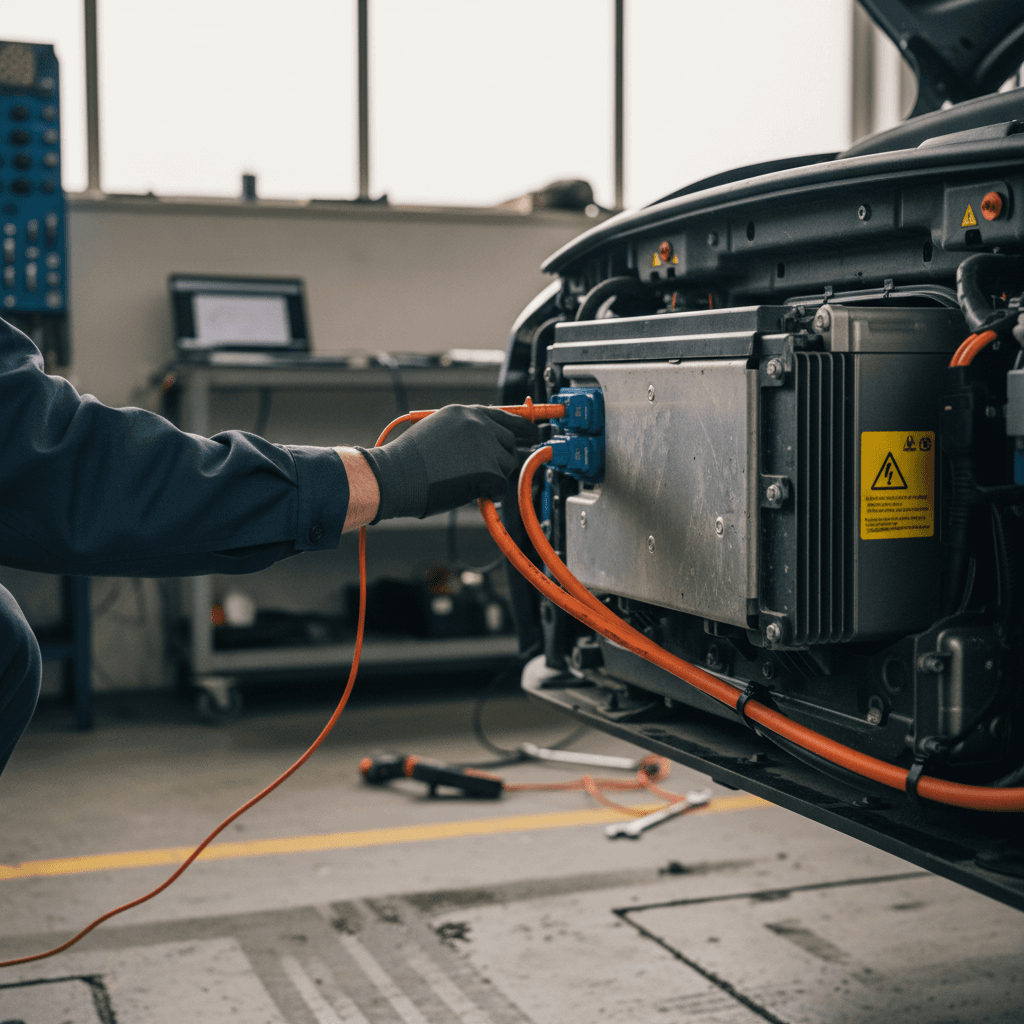
The Kona Electric’s battery story is the headline. For 2019–2020 cars, Hyundai issued a global recall to address an internal-cell defect that could cause shorts and, in rare cases, fire. Many affected U.S. owners received full pack replacements and updated software. That’s a big deal when you’re buying used in 2026: a properly replaced pack can effectively reset the clock on the car’s most expensive component.
- Battery recall (2019–2020): Risk of internal short circuits leading to fire; many packs replaced under warranty.
- Battery software updates: Later software improves monitoring and can limit charging behavior if faults are detected.
- Real-world degradation: Most well-cared-for packs show modest range loss over 5–6 years, though abused or high-mileage cars can be outliers.
- Range estimates: Cold climates and sustained high-speed driving can make the Kona feel like it “lost” more range than the cells have actually degraded.
When a recalled pack is actually good news
Battery & high-voltage system: what to check
1. Verify recall completion
Ask for documentation showing the high-voltage battery recall was completed (or not applicable). A Hyundai dealer can also pull this by VIN.
2. Review battery warranty status
Confirm remaining coverage under Hyundai’s EV battery warranty and note the in-service date, not just the model year.
3. Evaluate real-world range
On a thorough test drive, watch estimated range against actual miles driven. Significant mismatch or abrupt drops after DC fast charging are red flags.
4. Scan for warning messages
Look for "Check electric vehicle system" or persistent battery/charging warnings in the instrument cluster and infotainment history if available.
5. Inspect underbody and charge port area
Have a technician look for impact damage, corrosion, or moisture signs around the battery case and charge port, especially in rust-belt states.
Charging problems: DC fast charging, onboard charger & ports
Most Kona Electrics charge reliably, but a noticeable slice of owners report DC fast-charging problems and occasional onboard-charger faults. Stories on owner forums range from the car refusing to start a DC session at some stations, to repeated charge interruptions, to onboard charger modules being replaced under warranty after Level 2 failures.
Common Kona Electric charging issues
What they feel like from behind the wheel, and what usually causes them
DC fast charge won’t start
On some 2019–2023 cars, owners report the car refusing to start a DC fast charge or stopping after a few minutes.
Possible causes: station-side issues, Kona’s charging module faults, or temperature limits. Some cases required replacement of the DC charge module under warranty.
Slow or inconsistent Level 2
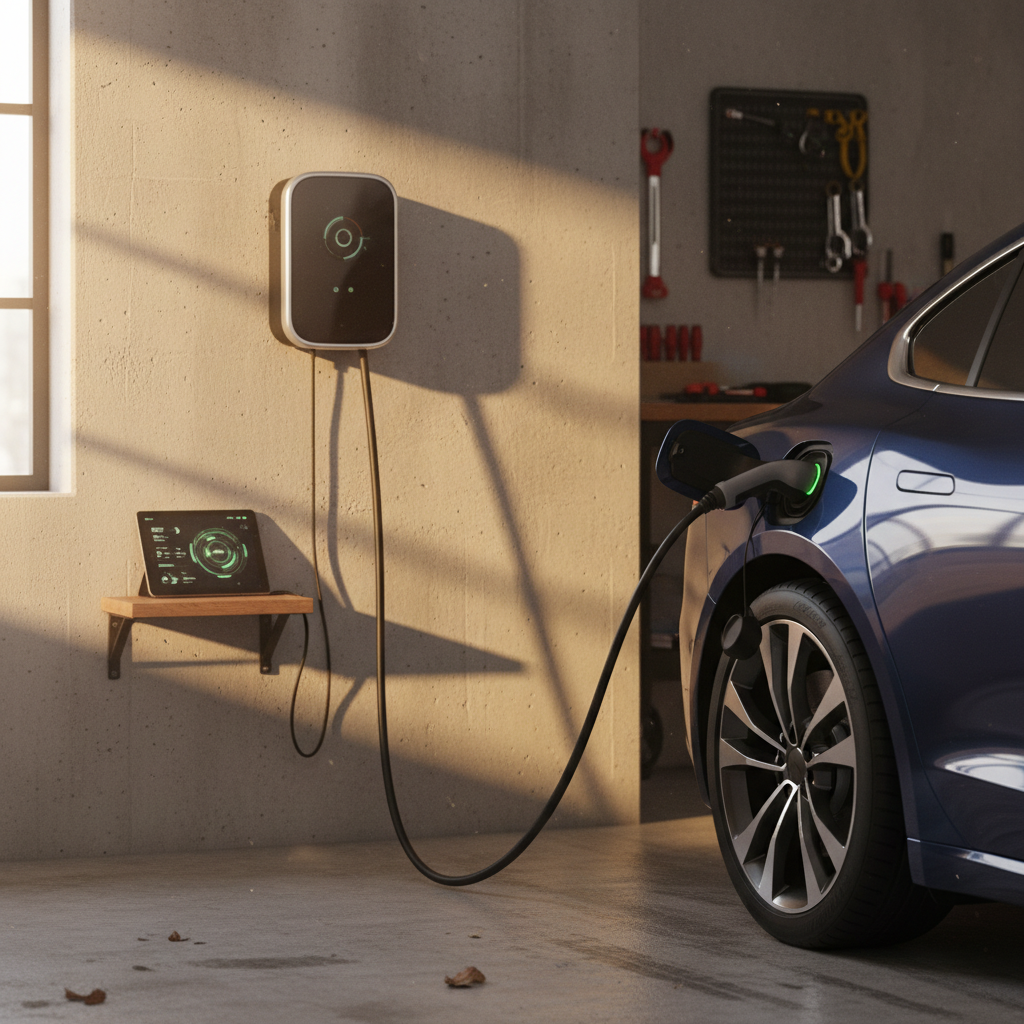
If a known-good Level 2 station or home EVSE only charges at a trickle, the onboard charger may be unhappy.
Rule out the EVSE first. If other EVs charge normally, have the Kona checked for fault codes and software updates.
Charge port & connector wear
Daily use in harsh climates can leave the CCS port gummed up or corroded, leading to latch issues or intermittent connections.
Regular cleaning and prompt replacement of damaged dust caps go a long way here.
Don’t blame the car too quickly
HVAC and heat pump issues
If you hang out in Kona Electric owner groups long enough, one theme pops up again and again: HVAC systems that don’t behave. Complaints include cars that won’t produce heat in winter, A/C that cuts out or ignores controls, or warning messages tied to coolant circulation in the high-voltage loop. Some of these issues showed up in the original Kona Electric; others have been reported on 2024–2025 cars as well.
- No cabin heat or very weak heat on cold mornings, even with the temperature cranked up.
- Heat pump or PTC heater faults triggering “check electric vehicle system” messages.
- A/C that intermittently stops cooling or refuses to respond to fan-speed or temperature changes until the car is restarted.
- Coolant-level and coolant-circulation warnings related to the battery and power electronics loop.
Why HVAC problems matter more on EVs
HVAC & heat pump: test before you buy
1. Cold start test
If possible, start the car cold and ask for full heat, then full A/C. You want strong airflow and clear temperature changes within a minute or two.
2. Drive with climate running
On your test drive, leave climate control on AUTO and vary the cabin temperature. Watch for strange behavior: fogging, temperature swings, sudden loss of heat or A/C.
3. Listen for unusual noises
Buzzing, gurgling or repeated clicking from behind the dash or under the hood when HVAC is on can point to a weak pump or expansion valve issues.
4. Check coolant levels & history
Have a technician confirm proper high-voltage coolant levels and ask whether any coolant-related service or campaigns have been performed.
Electronics, screens & driver-assistance glitches
Across both generations, the Kona Electric has more than its share of small but annoying electronics quirks. These don’t usually strand you, but they can wear on your patience if you drive a lot or share the car with less tech-happy drivers.
Typical Kona Electric electronics complaints
Most are fixable, but worth checking on your test drive
Infotainment & camera glitches
- Touchscreen freezes requiring a restart.
- Backup camera cutting out or showing a blank screen.
- Wireless phone projection dropping connections.
Many issues improve with software updates; some head units or cameras have been replaced under warranty.
Driver-assistance oddities
- Lane-keeping assist that "ping-pongs" between lane lines.
- Forward-collision warnings that feel overly sensitive.
- Occasional sensor or radar block warnings in bad weather.
Most systems can be fine-tuned or partially disabled in settings if you find them intrusive.
Don’t skip software updates
Drivetrain, suspension and noise complaints
One perk of an electric crossover is how quiet it is, until something isn’t right. A number of Kona Electric owners report suspension clunks, tire roar, or drivetrain noises as the miles pile on. These aren’t as universal as the battery recall story, but they’re patterns worth knowing about.
- Front suspension knocks over sharp bumps, often tied to worn bushings or strut components, especially in rough-road or cold-climate cars.
- Excessive tire and road noise on coarse pavement, sometimes made worse by budget replacement tires.
- Occasional reports of reduction-gearbox or motor whine at certain speeds; in rare cases, full gearbox (GDU) failures outside warranty have been reported in older, higher-mileage cars.
- Door lock actuator failures and other minor hardware issues that show up as the car ages.
Why a pre-purchase inspection matters
Checklist: how to check a Kona Electric for common problems
Let’s pull this together. Whether you’re buying from a private seller, a Hyundai dealer, or an EV specialist like Recharged, you want a structure for your test drive and inspection. Here’s a streamlined checklist focused on 2026’s most common Kona Electric problem areas.
Used Kona Electric 2026 buyer checklist
Confirm recall & campaign history
Run the VIN through a Hyundai dealer and ask for a printed list of completed and outstanding recalls, especially for the high-voltage battery and any charging- or coolant-related campaigns.
Scan for diagnostic trouble codes
Have a shop or EV retailer connect a scan tool to check for stored or pending codes in the powertrain, battery, HVAC and charging systems, even if no dash lights are on.
Test fast charging (if possible)
If the seller agrees, do a short DC fast charge session. Watch how quickly the session starts, whether charging speed stabilizes, and if there are any warnings or early cutoffs.
Exercise every climate mode
Test heat, A/C, defrost, and the AUTO setting on your drive. HVAC issues are common enough that they deserve special attention.
Check electronics & safety tech
Try the backup camera, parking sensors, lane-keeping, adaptive cruise (if equipped), and all steering-wheel and console buttons to catch intermittent glitches.
Listen and feel on varied roads
Drive the car over smooth and rough pavement at city and highway speeds. Note any clunks, whines, or vibrations that suggest suspension or drivetrain wear.
Evaluate range vs. your needs
Compare the displayed full-charge range and your observed consumption to your actual commute or trip patterns. Make sure a realistic range buffer remains, even in winter.
Review documentation
Prefer cars with clear service history, recall paperwork, and (ideally) a recent EV-focused inspection or a battery health report such as a <strong>Recharged Score</strong>.
Kona Electric reliability by model year: what we know so far
Hyundai Kona Electric common-problem snapshot by model year
This table focuses on patterns visible by early 2026. Individual cars can be better, or worse, than their model-year reputation.
| Model years | Generation | Headline issues | Shopping notes |
|---|---|---|---|
| 2019–2020 | Gen 1 | Battery fire recall; some charging & HVAC complaints | Best if recall battery replacement is documented; strong value if pack and charging system check out. |
| 2021–2022 | Gen 1 | Far fewer battery recalls; ongoing HVAC and electronics quirks | Often a sweet spot: newer hardware, many bugs worked out, still under major warranty. |
| 2023 | Gen 1 (late) | Below-average predicted reliability scores; electronics and HVAC mentioned in surveys | Inspect carefully; can be fine but don’t skip a scan for codes and a long test drive. |
| 2024–2025 | Gen 2 (redesign) | Early reports of HVAC and in-car electronics issues; limited long-term data | More refined cabin and tech, but still maturing. Prioritize software updates and warranty coverage. |
Use this as a starting point, not a substitute for a VIN-specific history check and inspection.
Why data is still evolving
When a Kona Electric is still a smart buy in 2026
Put the horror stories aside for a moment. When you find a good one, the Hyundai Kona Electric is a quiet, efficient, and genuinely enjoyable urban and suburban EV. The compact footprint makes parking easy, the instant torque suits city traffic, and the range is plenty for most daily use. On the used market, especially with Hyundai pausing new 2026 production, prices can be compelling compared with newer, larger EVs.
Signs you found a keeper
- Battery recall work documented (or not applicable) and no current high-voltage warnings.
- Clean scan for trouble codes and up-to-date software.
- Smooth, quiet operation with no drivetrain or suspension noises.
- HVAC produces strong heat and A/C in normal driving.
- Remaining factory warranty or a credible extended-coverage plan.
When to walk away
- Unresolved high-voltage fault messages or charging issues the seller can’t explain.
- Missing recall documentation on a 2019–2020 car supposedly “already fixed.”
- Multiple coolant, HVAC, or charging-module repairs in the history with recurring symptoms.
- Rough ride, steering vagueness, or gearbox noises that suggest expensive mechanical work ahead.
How Recharged can help
Ready to find your next EV?
Browse VehiclesFAQ: Hyundai Kona Electric common problems in 2026
Frequently asked questions
Every used EV carries a story in its battery pack, software history, and service records, and the Hyundai Kona Electric is no exception. In 2026, the car’s reputation is shaped as much by that early battery recall and scattered HVAC and charging issues as by its everyday strengths: easy efficiency, compact size, and approachable pricing. If you pair a clear understanding of common Kona Electric problems with a smart inspection strategy, you can separate the nightmares from the quiet, capable commuters, and end up with an EV that simply fades into the background of your life, in the best possible way.