If you’re shopping for a Hyundai Kona Electric, you’ve probably heard that **EV insurance can be pricey**. The good news: the Kona Electric tends to sit on the *lower* end of EV insurance costs, and with a few smart moves you can often lock in the **cheapest insurance** in its class. This guide walks through real‑world cost ranges, what drives your premium up or down, and specific steps to get the best deal in 2026.
Quick takeaway
Hyundai Kona Electric insurance at a glance
Where the Kona Electric lands on insurance costs
How much does Hyundai Kona Electric insurance cost?
Exact premiums depend heavily on your **state, driving record, age, credit, annual mileage, and coverage limits**, so any number you see is a benchmark, not a promise. Still, looking at recent data and EV pricing trends gives a useful range for Kona Electric drivers in 2026.
Typical Hyundai Kona Electric insurance ranges in 2026
Approximate annual premiums for a Hyundai Kona Electric with a clean record and average credit, by coverage level.
| Coverage type | What it usually includes | Typical annual range | Who it fits best |
|---|---|---|---|
| State minimum liability | Meets your state’s legal minimums only | $700–$1,200 | Drivers in lower‑cost states with paid‑off vehicles willing to accept more financial risk |
| Basic full coverage | Higher liability limits + collision & comprehensive with a higher deductible | $1,600–$2,200 | Most everyday drivers who want solid protection without over‑insuring |
| Robust full coverage | High liability limits, low deductibles, lots of add‑ons (rental, glass, etc.) | $2,300–$3,200+ | Newer‑vehicle owners, urban drivers, or those who want maximum peace of mind |
These are directional ranges; always quote your own profile to know where you truly land.
Rates for EVs can swing widely
If you’re cross‑shopping, a gas Hyundai Kona often insures for a bit less than the electric version, but the gap isn’t massive for many drivers. And when you factor in **fuel and maintenance savings**, the Kona Electric’s **overall cost of ownership** can still come out ahead, especially if you buy used at a discount and pair it with a competitive insurance quote.
Why EV insurance can be higher, and where the Kona Electric fits
Insurers price EVs higher not because they’re more dangerous to drive, but because **they’re more expensive to fix when something goes wrong**. Batteries, high‑voltage components, advanced driver‑assistance sensors and specialized repair labor all push claim costs up. Nationally, several recent reports put **average EV insurance 10–20% above comparable gas cars**, with some high‑end models skewing the average upward.
- **Repair severity:** A minor rear‑end hit that would be a $2,000 job on a gas SUV can become a $5,000+ repair on an EV once battery inspections, sensors and calibration are factored in.
- **Parts availability:** EV‑specific parts and body components may take longer to source, increasing costs for rental cars and storage.
- **Labor skill:** Not every shop is certified or trained to work on high‑voltage systems, and those that are may charge more.
The Hyundai Kona Electric sits in a **sweet spot**: it’s a relatively affordable compact EV, not a 500‑hp performance car. That tends to keep claim severity below what insurers see on larger, more complex EVs. At the same time, it still carries the usual EV repair realities, so you shouldn’t expect it to price like a 10‑year‑old economy hatchback.
Safety is a quiet helper
Factors that make Kona Electric insurance cheaper or more expensive
Key rating factors for Hyundai Kona Electric insurance
Some you can’t change, others you absolutely can influence.
1. Where you live
2. Driver profile
3. Annual mileage & usage
4. Coverage & deductibles
5. How and where it’s garaged
6. Policy structure
Consider the EV brand effect
9 strategies to get the cheapest insurance for your Kona Electric
Action plan: drive your Kona Electric insurance cost down
1. Shop broadly, especially with EV‑friendly carriers
Don’t rely on the one or two big‑name brands you see on TV. Get quotes from at least **4–6 insurers**, including companies known for competitive EV pricing and any regional mutuals in your state. Use the same coverage limits and deductibles on every quote so you’re comparing apples to apples.
2. Adjust deductibles thoughtfully
Moving from a $500 to a $1,000 deductible on collision and comprehensive coverage can trim your premium. Run the math: if it saves you, say, $200 a year, you’re effectively paid back in 2.5 claim‑free years. Only increase deductibles to levels you can genuinely afford after a bad day.
3. Right‑size your liability limits
State minimums are often too low to protect your assets after a serious crash, but some drivers over‑insure far beyond what they own. A common sweet spot is **100/300/50 or 250/500/100** liability limits. Ask your agent to show quotes at two or three levels so you can see cost vs. protection.
4. Drop extras you don’t value
Roadside assistance, rental reimbursement, glass coverage and accident forgiveness can be useful, but they also stack costs. If you rarely rent cars, or if your Kona Electric is not your only vehicle, you may be able to scale some of these add‑ons back without sacrificing peace of mind.
5. Take full advantage of EV and telematics discounts
Many carriers now offer **EV‑specific discounts** or programs that treat low‑mileage, careful EV driving favorably. Usage‑based plans that track driving habits via app or plug‑in device can cut premiums for smooth, low‑mileage drivers, especially if you mainly use your Kona Electric for commuting.
6. Improve the non‑car factors
Your credit profile, prior insurance history (continuous coverage), and claims record all matter. Keeping **clean payment history**, avoiding small at‑fault claims, and maintaining coverage between vehicles can quietly save hundreds per year over time, even if nothing about your Kona Electric changes.
7. Ask about advanced‑safety discounts
Show your agent which **driver‑assist features** your Kona Electric has, automatic emergency braking, lane‑keeping assist, blind‑spot monitoring and more. Some insurers require these boxes to be checked explicitly to apply related discounts.
8. Re‑shop at renewal, not just at purchase
Kona Electric premiums can drift upward as the market changes. Get fresh quotes at least **once every 12–18 months**, or any time you move, change jobs, remove tickets from your record, or meaningfully change your mileage or usage.
9. Consider how model year and purchase price play in
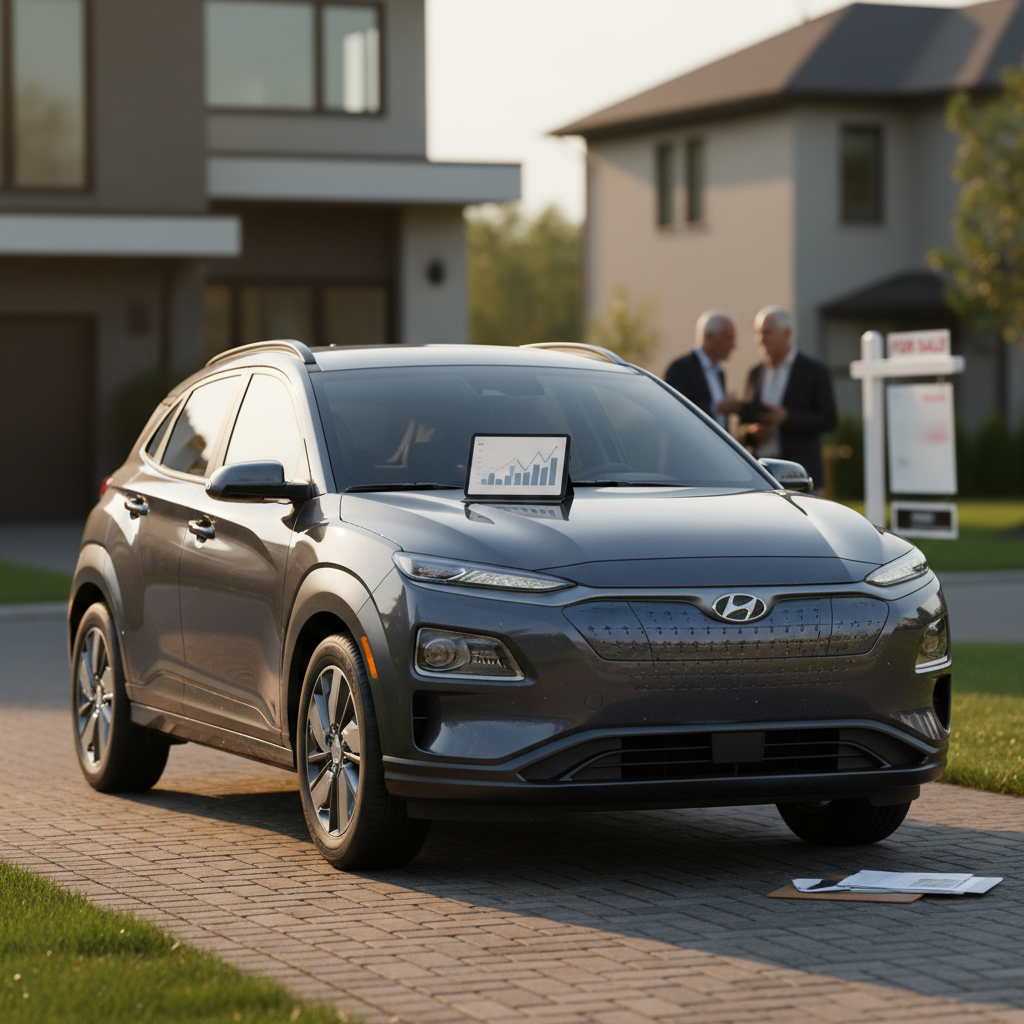
Insuring a **lightly used Kona Electric** that cost you thousands less than new typically means lower collision and comprehensive portions of your premium. When you buy used through a transparent marketplace like <strong>Recharged</strong>, you can combine a lower purchase price with smart insurance shopping for real long‑term savings.
Stacking savings
Choosing the right coverage level for a Kona Electric
When full coverage usually makes sense
- New or newer Kona Electric: If your EV is financed or leased, your lender will require comprehensive and collision coverage.
- High repair costs: EV repairs can be costly; full coverage limits the chance you’re writing a massive check after a single‑vehicle loss.
- Urban exposure: Dense traffic, high theft risk or frequent street parking all argue for comprehensive protection.
- Limited savings: If a total loss would be financially devastating, dropping coverage is too risky.
When liability‑only can be reasonable
- Older, low‑value Kona Electric: If the vehicle’s market value is modest and you could replace it without major hardship, paying for full coverage may not pencil out.
- Short remaining ownership window: If you plan to sell within a year and have strong emergency savings, you might reduce physical damage coverage cautiously.
- Very low annual mileage: Occasional‑use vehicles stored in a secure garage may justify leaner coverage for some owners.
Before you strip coverage, get a quote both ways and compare the annual savings to what you’d personally be willing to risk.
Don’t under‑insure liability
Used Hyundai Kona Electric: how insurance changes
If you’re considering a **used Hyundai Kona Electric**, you’re already ahead of the game on insurance in a couple of ways. The purchase price is lower, and so is the vehicle’s actual cash value, that’s what insurers look at when deciding how much they might have to pay out on a claim.
- Collision and comprehensive rates typically **decline as the vehicle ages**, because there’s less to lose in a total loss.
- Liability pricing doesn’t change much with model year, it’s mostly about **you** and where/how you drive.
- Later‑generation Konas with better crash scores and driver aids may get **slight pricing advantages** versus much older models.
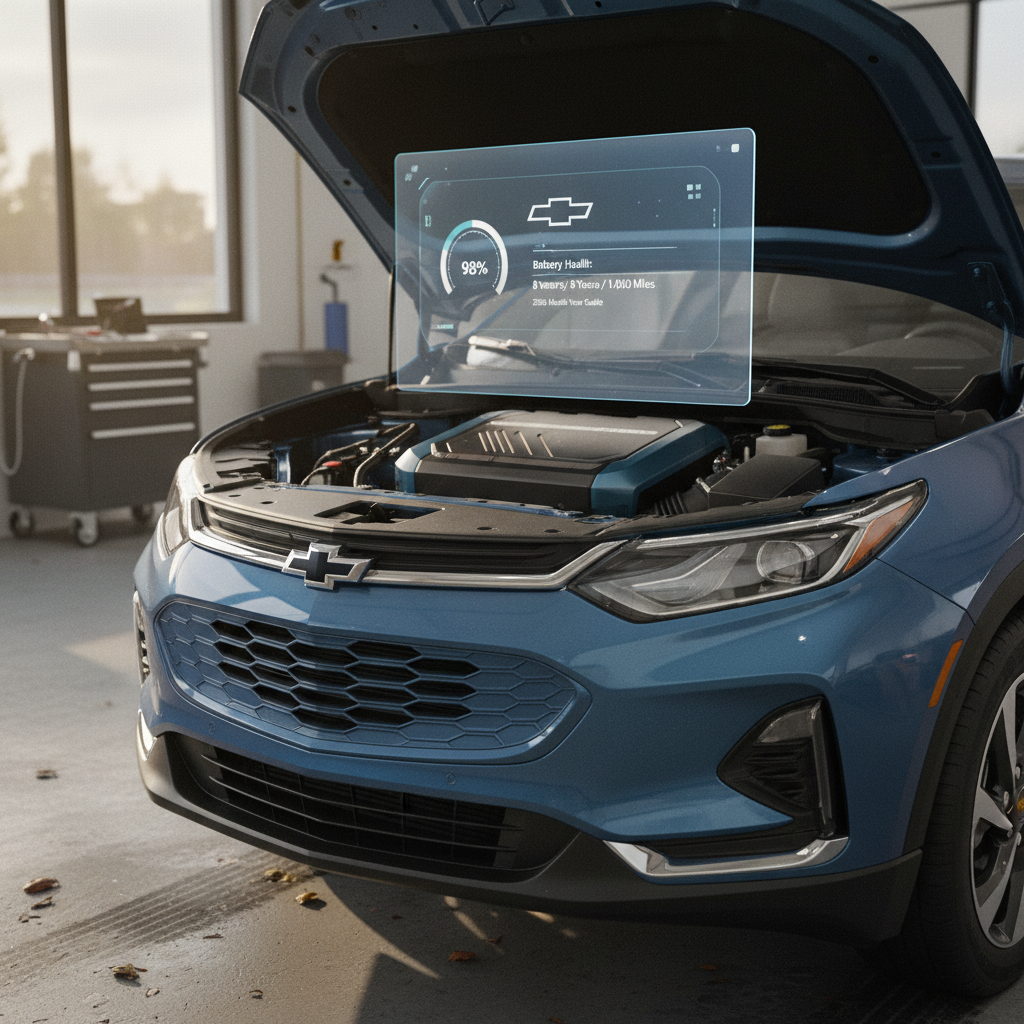
The catch with used EVs is **battery health**. If an accident damages, or even potentially damages, the high‑voltage pack, an otherwise repairable car can sometimes be totaled. Insurers know this, which is one reason they price EVs carefully.
Why a battery health report matters
How Recharged helps you lower total cost of ownership
Insurance is just one piece of **total cost of ownership**. Where you buy, how much you finance, and the condition of the EV underneath all matter just as much over a 3‑ to 5‑year window.
What Recharged brings to Kona Electric shoppers
Reduce surprise costs, then go get your best insurance quote with confidence.
Transparent pricing & history
Verified battery health
Financing & trade‑in options
Ready to find your next EV?
Browse VehiclesOne more way to save
FAQ: Hyundai Kona Electric & cheapest insurance
Common questions about cheap Hyundai Kona Electric insurance
Bottom line on cheap Hyundai Kona Electric insurance
You probably won’t turn your Hyundai Kona Electric into the **absolute cheapest‑to‑insure vehicle** on the road, but you can almost always avoid overpaying. Understand how insurers see EVs, quote multiple carriers, adjust deductibles with clear eyes, and prioritize strong liability plus the level of physical damage coverage that fits your risk tolerance.
If you’re still in the shopping phase, pairing a **fair‑priced used Kona Electric** and verified battery health from Recharged with a well‑structured insurance policy can bring your total cost of ownership down even further. Do that, and your Kona Electric becomes what it was meant to be: an efficient, practical EV that’s affordable to own and insure over the long haul.