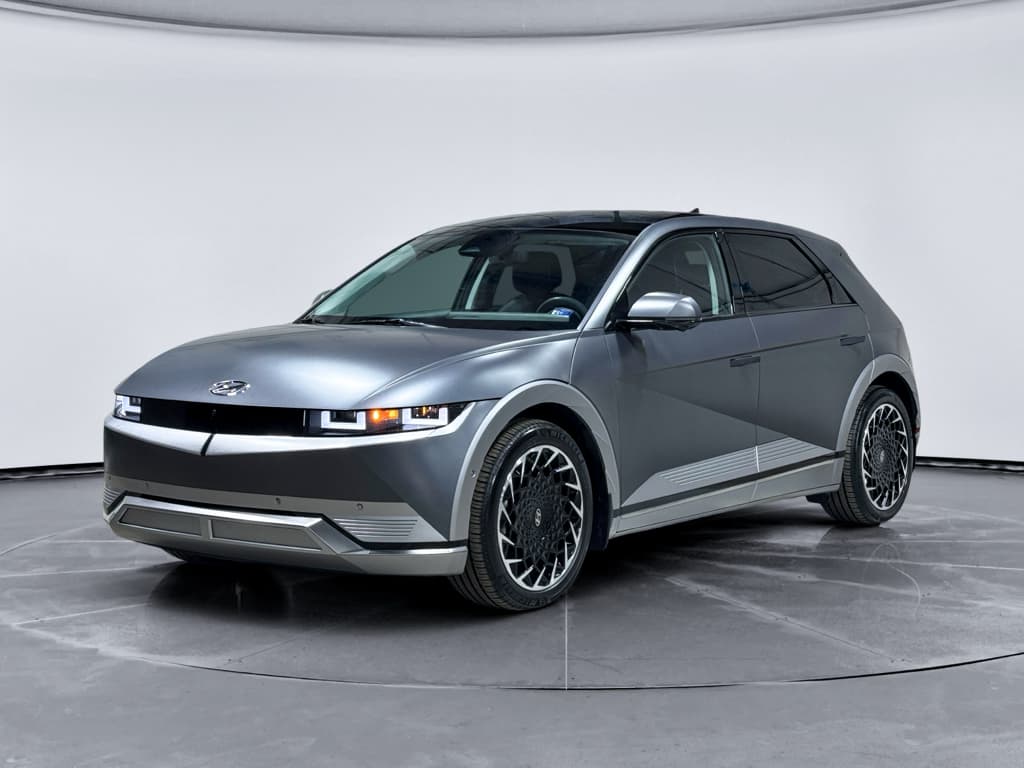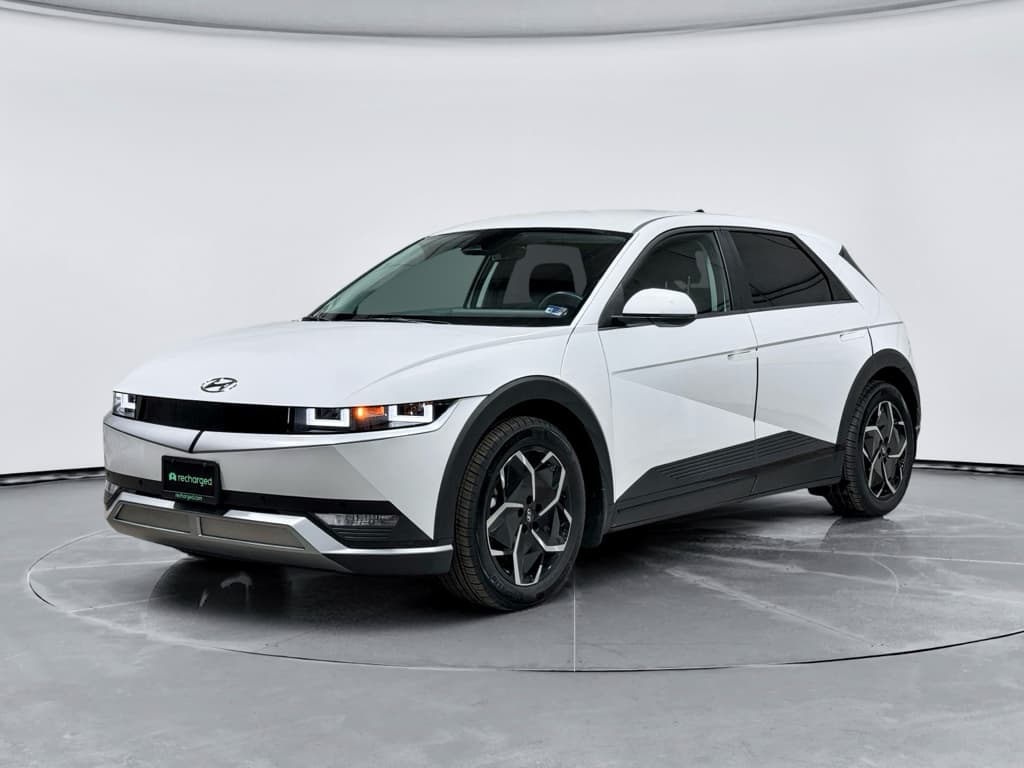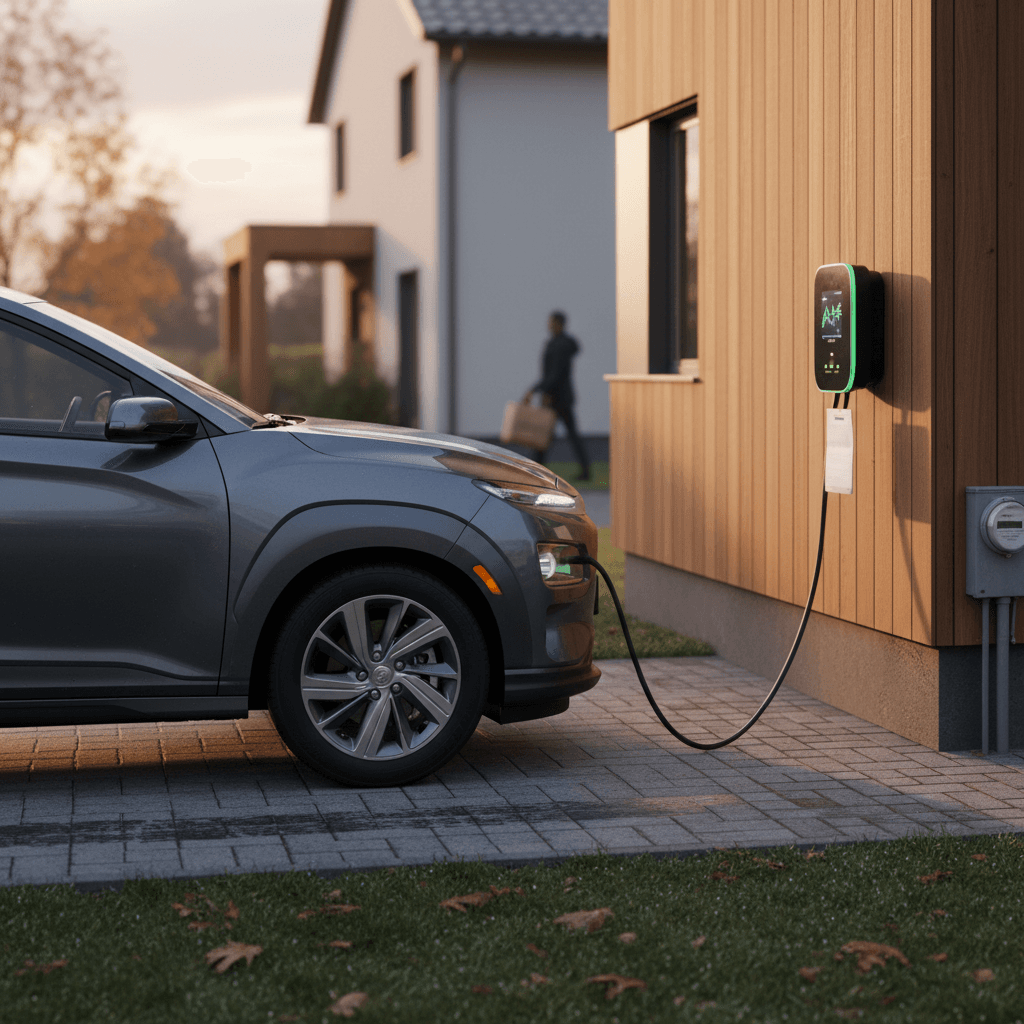
If you’re looking at a Hyundai Kona Electric, you probably care less about 0–60 times and more about what it will cost you to drive every day. The key number is simple: charging cost per mile. Once you know what a Kona Electric costs to run per mile at home and on public chargers, it becomes very easy to compare it to your current gas car and to other EVs.
At-a-glance answer
How much does it cost per mile to charge a Hyundai Kona Electric?
Typical Hyundai Kona Electric charging cost per mile
Those ranges are broad on purpose, because your local electricity rate, driving style, climate, and how often you use DC fast charging all change your true cost per mile. The good news is that the Kona Electric is one of the most efficient small SUVs on the road, so even in less‑than‑ideal conditions it tends to be inexpensive to run compared with gas vehicles.
Quick rule of thumb
Kona Electric battery size and efficiency basics
To understand Hyundai Kona Electric charging cost per mile, you need two building blocks: battery size (how much energy you can store) and efficiency (how many miles you go per unit of energy).
Common Hyundai Kona Electric battery and efficiency figures
Typical specs for U.S.‑market Kona Electric models. Exact figures vary slightly by model year and EPA cycle.
| Model / trim | Battery (usable kWh) | EPA MPG‑e (combined) | Approx. miles per kWh |
|---|---|---|---|
| 2019–2023 Kona Electric | ~64 kWh | 120 MPG‑e | ~4.0 mi/kWh |
| 2024+ Kona Electric SE | ~48 kWh | ~116 MPG‑e | ~3.8–4.0 mi/kWh |
| 2024+ Kona Electric Limited | ~64 kWh | ~116 MPG‑e | ~3.8–4.0 mi/kWh |
Use these as starting points; your real‑world results will vary with speed, temperature, and driving style.
The key number for cost calculations is that last column: miles per kWh. In mixed real‑world driving, most Kona Electric owners see somewhere around 3.5–4.2 miles per kWh. In winter highway driving, you might dip closer to 3 mi/kWh; in mild‑weather city driving, you can sometimes beat 4.5 mi/kWh.
Cold weather caveat
Formula: how to calculate your own cost per mile
You don’t need to guess at your Kona Electric charging cost per mile. With two numbers, your electricity price and your miles per kWh, you can calculate it in seconds.
- Find your electricity rate on your bill. It will usually be listed in cents per kWh (for example, $0.20/kWh).
- Estimate your Kona Electric’s efficiency in miles per kWh. Use your trip computer over a full week, or start with 3.8–4.0 mi/kWh as a reasonable average.
- Use this formula: Cost per mile = electricity price per kWh ÷ miles per kWh.
Example using the formula
Home charging cost per mile
If your electricity rate is $0.15/kWh and you get 4.0 mi/kWh in mixed driving:
$0.15 ÷ 4.0 = $0.0375 per mile, about 3.8¢/mi.
DC fast‑charging cost per mile
On a DC fast charger at $0.40/kWh with highway efficiency of 3.2 mi/kWh:
$0.40 ÷ 3.2 = $0.125 per mile, about 12.5¢/mi.
Use your car’s data
Home charging cost per mile (real‑world examples)
Most Kona Electric owners do the bulk of their charging at home. That’s where you’ll see the lowest Hyundai Kona Electric charging cost per mile, especially if you have off‑peak rates.
Kona Electric cost per mile at common U.S. home rates
Assumes 3.8 miles per kWh in mixed driving
Low‑cost electricity
$0.13/kWh (some Midwest/Southern utilities)
Cost per mile: $0.13 ÷ 3.8 ≈ $0.034/mi (3.4¢)
Average U.S. rate
$0.17/kWh (around current national residential average)
Cost per mile: $0.17 ÷ 3.8 ≈ $0.045/mi (4.5¢)
High‑cost coastal city
$0.30/kWh (some parts of CA/Northeast)
Cost per mile: $0.30 ÷ 3.8 ≈ $0.079/mi (7.9¢)
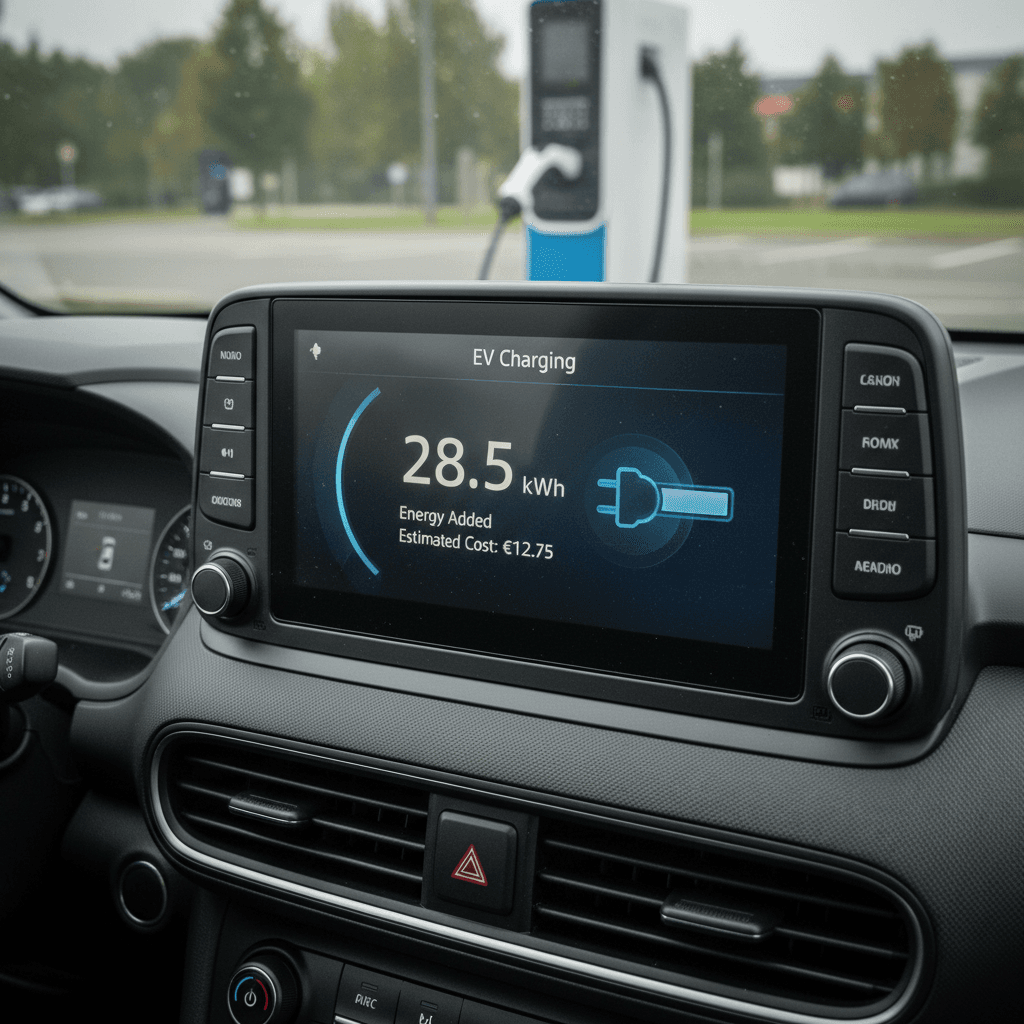
What that means per full charge
Public and DC fast‑charging cost per mile
Public Level 2 stations are sometimes free (especially at workplaces), but more often they’re priced similarly to or slightly higher than residential power. DC fast charging is a different story: it’s much more expensive per kWh, but you’re paying for speed and convenience.
Typical Kona Electric cost per mile on public chargers
Approximate cost per mile using common U.S. pricing models.
| Charger type | Example price | Assumed efficiency | Approx. cost per mile |
|---|---|---|---|
| Free workplace Level 2 | $0.00/kWh | 3.8 mi/kWh | $0.00/mi |
| Paid Level 2 in town | $0.25/kWh | 3.8 mi/kWh | $0.25 ÷ 3.8 ≈ $0.07/mi |
| DC fast charger (member rate) | $0.35/kWh | 3.2 mi/kWh | $0.35 ÷ 3.2 ≈ $0.11/mi |
| DC fast charger (walk‑up) | $0.45/kWh | 3.2 mi/kWh | $0.45 ÷ 3.2 ≈ $0.14/mi |
Exact pricing varies by network, membership, and time of day. Always check the app before starting a session.
Don’t road‑trip like you fuel a gas car
Hyundai Kona Electric vs gasoline car: cost per mile
To put these numbers in context, compare a Kona Electric to a similar gasoline crossover SUV. Let’s assume the gas vehicle averages 30 mpg and gas is $3.50 per gallon.
Kona Electric at home
Home rate: $0.17/kWh
Efficiency: 3.8 mi/kWh
Cost per mile: $0.17 ÷ 3.8 ≈ $0.045/mi
Gas crossover
Fuel price: $3.50/gal
Efficiency: 30 mpg
Cost per mile: $3.50 ÷ 30 ≈ $0.117/mi
Monthly fuel bill comparison
6 factors that change your Kona Electric cost per mile
Key variables that move your cost per mile up or down
Understanding these helps you predict what you’ll really pay
Electricity rate
Your kWh price is the single biggest driver. Time‑of‑use plans, off‑peak rates, and solar can all tilt the math in your favor.
Driving style & speed
Sustained 75–80 mph driving and aggressive acceleration lower your miles per kWh, which increases cost per mile.
Climate & seasons
Extreme heat or cold forces the battery and cabin to work harder, raising energy use and cost per mile.
City vs highway mix
City and suburban stop‑and‑go often use less energy than high‑speed freeway driving in an EV, lowering cost per mile.
DC fast‑charging share
The more you depend on fast charging, the more your average kWh price, and thus cost per mile, will rise.
Tire pressure & accessories
Under‑inflated tires, roof racks, and heavy loads can noticeably reduce efficiency, especially at highway speeds.
8 ways to lower your Hyundai Kona Electric charging costs
Practical steps to drive your cost per mile down
1. Charge off‑peak when possible
If your utility offers time‑of‑use rates, schedule your Kona Electric to charge overnight when electricity is cheapest. A few cents per kWh difference adds up quickly over thousands of miles.
2. Prioritize home and workplace charging
Treat DC fast chargers as a road‑trip tool, not your daily energy source. The more of your miles that come from home or workplace Level 2, the lower your average cost per mile.
3. Keep speeds reasonable on the highway
Driving 65–70 mph instead of 80+ can noticeably improve your miles per kWh, especially on longer trips, directly cutting your cost per mile.
4. Use ECO mode in heavy traffic
ECO settings soften throttle response and optimize climate control. In stop‑and‑go driving, this can improve efficiency without a big comfort penalty.
5. Precondition while plugged in
In hot or cold weather, pre‑heat or pre‑cool the cabin while the Kona Electric is still plugged in. That energy comes from the grid instead of the battery, preserving range.
6. Maintain proper tire pressure
Check and set tire pressures to the recommended levels. Under‑inflated tires hurt efficiency and tire life, quietly raising your operating cost per mile.
7. Plan charging stops smartly on road trips
Instead of charging to 100% at every stop, use a trip planner app to hit chargers where the price is better and the car can charge in its sweet‑spot state of charge (often ~10–60%).
8. Consider rooftop solar
If you own your home, pairing a Kona Electric with solar can dramatically lower your effective cost per kWh over the life of the system, especially in high‑electricity‑cost states.
EV ownership advantage
Used Kona Electric ownership costs and how Recharged can help
If you’re looking at a used Hyundai Kona Electric, the same cost‑per‑mile math applies, but you also want confidence in the vehicle’s battery health and overall condition. That’s where a specialized used‑EV retailer can make a big difference.
Why battery health matters for cost per mile
While moderate battery degradation doesn’t usually change your efficiency very much, it does affect total range and how often you need to charge. A Kona Electric with a healthy pack will give you more usable miles for each charging session, making it easier to stick with low‑cost home charging instead of leaning on pricier fast chargers.
How Recharged supports Kona Electric buyers
Every EV sold through Recharged comes with a detailed Recharged Score Report that includes verified battery health, fair‑market pricing, and expert guidance. You can browse and buy completely online, arrange financing, get an instant trade‑in or consignment offer for your current vehicle, and even schedule nationwide delivery or visit our Experience Center in Richmond, VA.
That transparency makes it much easier to project your total cost of ownership, including your Kona Electric charging cost per mile, before you commit.
Hyundai Kona Electric charging cost per mile: FAQ
Frequently asked questions about Kona Electric charging costs
Bottom line: what you’ll really pay per mile
When you boil down all the math, most Hyundai Kona Electric owners who charge primarily at home will see a charging cost per mile in the neighborhood of 3–6 cents. Lean heavily on DC fast charging and you might edge closer to gasoline‑car territory on road trips, but day in and day out the Kona Electric remains one of the most affordable small SUVs to operate.
If you’re cross‑shopping new and used Kona Electrics, take a minute to run the simple cost‑per‑mile formula using your own local electricity rates, then compare it to what you’re spending on gas now. Pair that with a transparent battery‑health report, like the Recharged Score that comes with every EV sold through Recharged, and you’ll have a clear view of what your next few years of driving will truly cost, mile by electric mile.