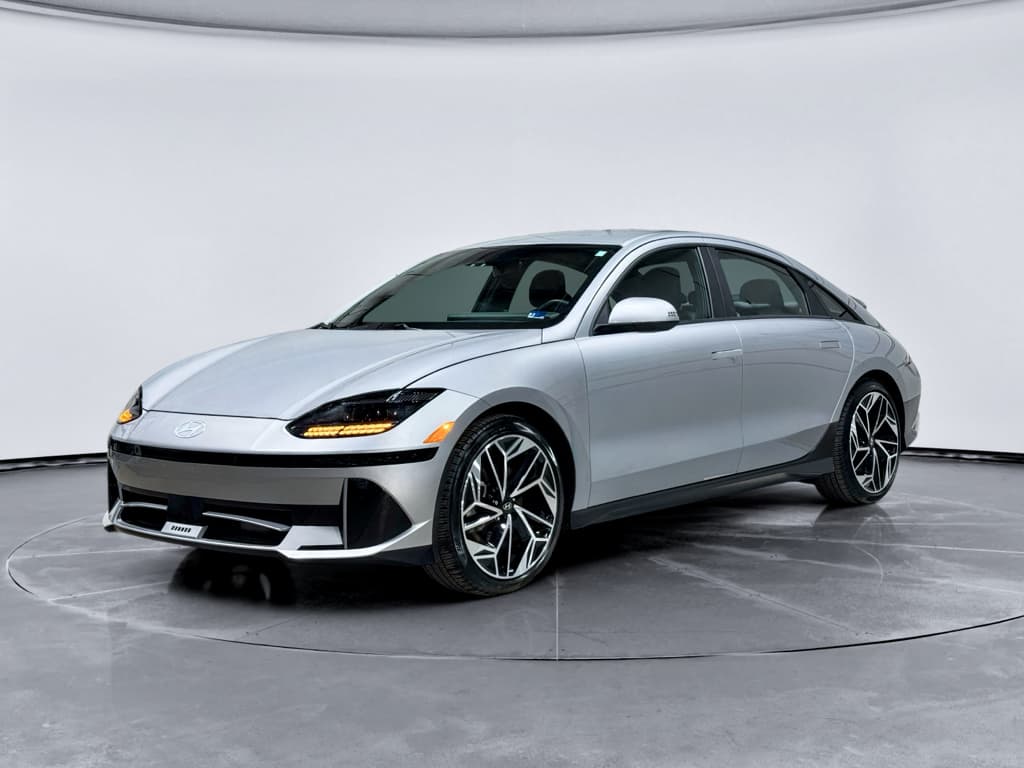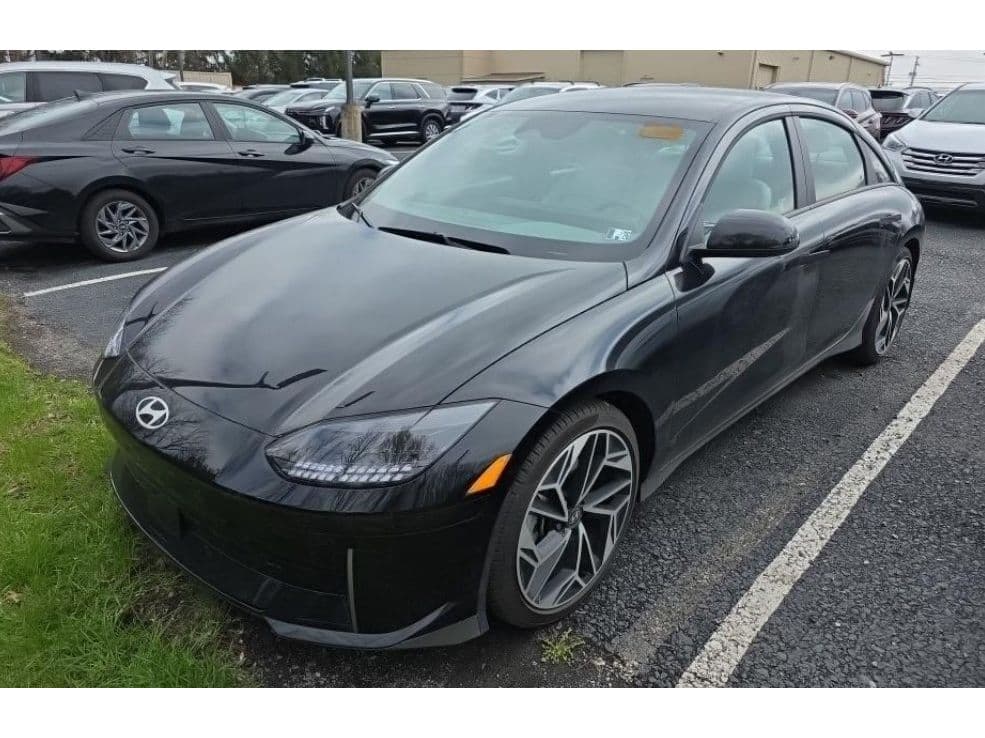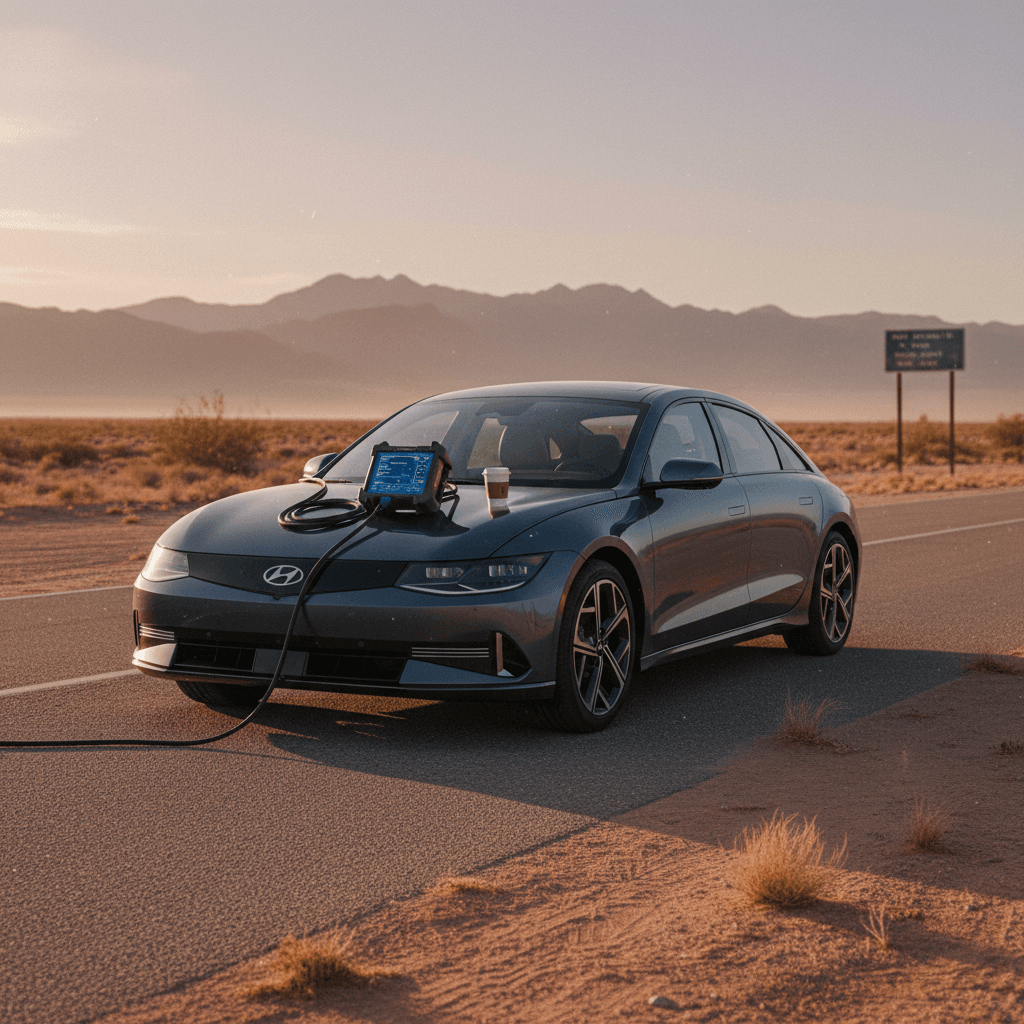
If your idea of a good weekend is knocking out 400–600 miles of highway in one shot, the Hyundai IONIQ 6 probably caught your eye. Sleek aero body, big battery, ultra‑fast 800‑volt charging, on paper it looks like one of the best EVs you can buy for long-distance driving. This Hyundai IONIQ 6 road trip review focuses on what actually happens once you leave your driveway: real‑world range, how often you’ll stop, comfort after six hours in the seat, and how easy it is to live with on America’s charging networks.
The short version
Should you road trip a Hyundai IONIQ 6?
Let’s start with the big question: yes, the IONIQ 6 is absolutely road‑trip capable. Owners routinely report 3000‑mile journeys with minimal drama, and independent tests show strong efficiency and charging performance even at typical American highway speeds. Thanks to its E‑GMP 800‑volt platform, the IONIQ 6 can add a huge chunk of range in a short DC‑fast‑charging stop, which is exactly what you want on a long drive.
Where it really shines is the mix of range per dollar and time spent at chargers. It won’t quite match a Tesla for Supercharger convenience yet, but in many parts of the U.S., a combination of Electrify America, other CCS networks, and PlugShare‑assisted planning makes long trips very workable.
Know your trim before you go
IONIQ 6 quick specs that matter on a road trip
Hyundai IONIQ 6 at a glance for travelers
Those numbers put the IONIQ 6 near the top of the EV pack for long‑distance usability. It’s not just about a big battery; it’s how efficiently the car uses it, and how quickly it can slurp electrons when you stop.
Which IONIQ 6 trims work best for road trips?
Approximate EPA ranges for recent U.S. model years; always check the exact year and wheel size of the car you’re shopping.
| Trim | Drivetrain | Battery | EPA range (approx.) | Best use case |
|---|---|---|---|---|
| SE Standard Range | RWD | 53 kWh | ~240 mi | Daily commuting, light weekend trips |
| SE Long Range | RWD | 77.4 kWh | ~340–361 mi | Best all‑around road trip choice |
| SE Long Range | AWD | 77.4 kWh | ~316 mi | Snow‑belt drivers who still want range |
| SEL / Limited Long Range | RWD | 77.4 kWh | ~300–305 mi | More features, slightly less range |
| SEL / Limited Long Range | AWD | 77.4 kWh | ~270 mi | Performance/traction prioritized over range |
Long‑range, rear‑drive trims are the sweet spot for road trippers.
Pick your wheels wisely
Real-world highway range: what you can actually expect
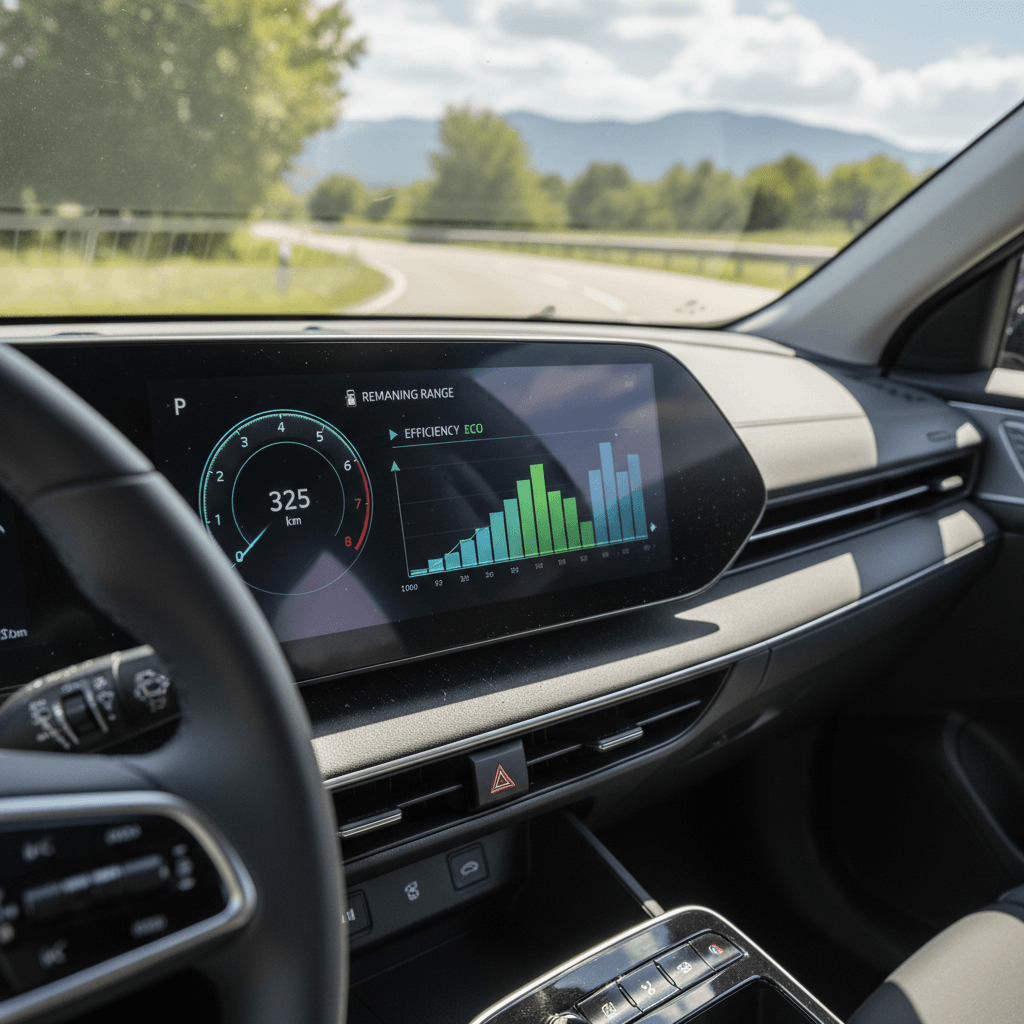
Laboratory numbers are nice, but what you care about is this: at 70–80 mph with luggage and maybe a couple of passengers, how far will an IONIQ 6 really go? Owners who have documented long runs report around 2.7–3.1 mi/kWh at U.S. highway speeds in moderate weather. On a Long Range car with the 77.4 kWh pack, that puts practical highway range in the 230–270 mile ballpark between 10% and 80% charge.
Mild weather, 65–70 mph
- SE Long Range RWD can realistically cover roughly 260–300 miles on a full battery.
- Plan your DC fast‑charge stops 170–210 miles apart to keep sessions short and stress‑free.
- Expect better efficiency if you’re solo with light luggage.
Fast traffic, 75–80 mph
- Efficiency drops, especially with headwinds or big elevation changes.
- Many drivers see 2.5–2.8 mi/kWh, which means shorter legs between charges.
- On a mountain‑heavy 3000‑plus‑mile loop, owners report averaging about 2.8 mi/kWh overall with typical highway speeds.
Weather and elevation matter
If you’re coming from a gasoline car, think of the IONIQ 6 as a sedan with a smaller “usable tank,” but one that fills very quickly at the right stations. Once you get in the rhythm of stopping every 2–3 hours for 15–25 minutes, long days behind the wheel feel surprisingly relaxed.
Charging on the road: speed, networks, and planning
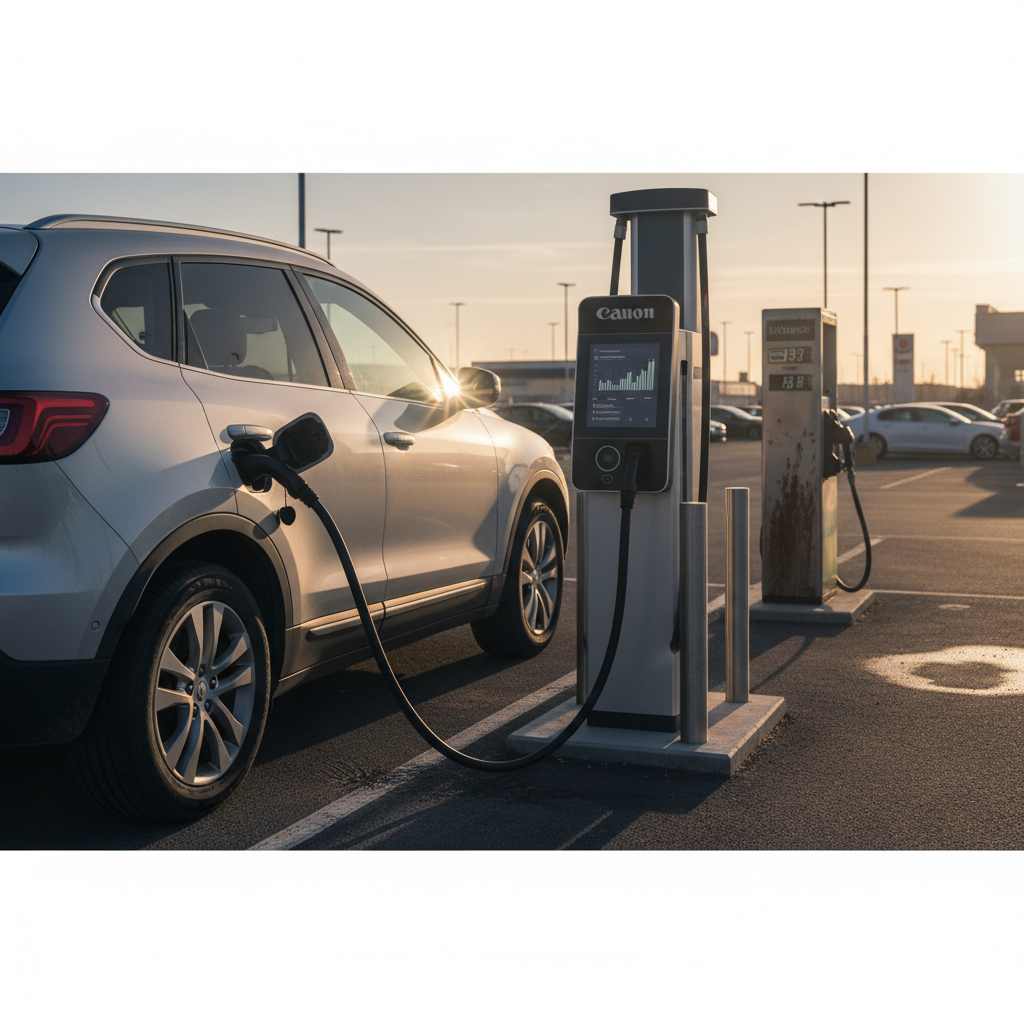
Charging is where the Hyundai IONIQ 6 really earns its long‑distance reputation. Thanks to the 800‑volt E‑GMP platform it shares with the IONIQ 5, Kia EV6, and Genesis GV60, it can pull well over 200 kW from a healthy 350 kW DC fast charger. In the real world, that translates to about 10–12 miles of range per minute plugged in at peak.
What Hyundai IONIQ 6 drivers experience at fast chargers
Based on owner reports and instrumented tests on 350 kW hardware.
Serious peak power
Drivers often see 220–230 kW on good 350 kW stations. Even if the peak is brief, the car holds high power through much of the session, especially from 10–60% state of charge.
Short, efficient stops
Many road‑trippers add roughly 180–220 miles of range in about 20 minutes when starting around 10–20% and stopping near 70–80%.
Electrify America & friends
New U.S. IONIQ 6s typically come with a period of free 30‑minute DC fast‑charging sessions at Electrify America, making highway travel cheaper, sometimes effectively free, during the benefit period.
Plan with PlugShare or A Better Routeplanner
A simple Hyundai IONIQ 6 charging plan for long trips
1. Start leg around 80–90%
Leave home or hotel with the battery mostly full, but don’t stress about squeezing in that last few percent. The fastest charging happens below 60–70% anyway.
2. Target 10–20% arrival
Plan each stop so you roll in with 10–20% remaining. That gives you a cushion for detours or wind while still priming the battery for maximum charge power.
3. Charge to 60–80%
On multi‑stop days, it’s usually quicker overall to charge in the sweet spot (10–80%) instead of sitting on a charger to reach 95 or 100%.
4. Skip crowded stations when you can
If a hub location is slammed, especially in California, check your apps for a less busy site a few miles up the road. With the IONIQ 6’s range, you often have options.
5. Watch for derated chargers
If you’re stuck at a station holding under ~80–90 kW with a low state of charge, consider moving to another stall; sometimes cable cooling or power‑sharing is the culprit.
Have a backup if a station is down
Comfort and driving experience over long distances
The Hyundai IONIQ 6 doesn’t just sip electricity; it’s also a pleasant place to burn up a day’s worth of interstate. Reviewers consistently praise its quiet cabin, solid body control, and relaxed highway manners. It’s not a soft couch, on broken pavement, the suspension and low‑profile tires on higher trims can let some impacts through, but overall it strikes a confident, controlled balance.
What makes it easy to live with
- Quiet at speed: The slippery aero shape and tight build quality mean low wind noise, even near 80 mph.
- Supportive seats: Front seats offer enough bolstering without feeling confining on long hauls.
- Spacious rear legroom: Adults can genuinely stretch out in back, which matters if you’re rotating drivers.
- Good stability: The battery in the floor keeps the center of gravity low and the car planted in crosswinds.
Where you may notice compromises
- Firmness over sharp bumps: Some trims on large wheels can feel a bit busy on rough concrete.
- Road noise on coarse surfaces: Tire roar on certain pavements is more noticeable than in some luxury sedans.
- Low seating position: If you’re used to SUVs, the sedan stance takes a day or two to feel natural again.
Driver fatigue is more about planning than padding
Space, luggage, and family duty
Here’s where you need to be honest about your packing style. The IONIQ 6 is a slippery sedan, not a hatchback or SUV, and the low, coupe‑like roofline shapes the cargo experience.
How much can you actually bring?
Thinking through a family‑trip packing list in an IONIQ 6.
Trunk & rear seat
- Trunk volume is modest for a midsize sedan, and the opening is low and long.
- Figure on a couple of large checked bags plus a few soft duffels.
- 60/40‑split rear seats fold down to handle skis or long items.
Cabin storage
- Open space under the floating center console is great for purses and small bags.
- Decent door pockets and center bin, plus useful cupholders.
- Small front trunk (frunk) on most U.S. cars is best for charging cables or an emergency kit.
Think soft bags, not hard cases
Road trip tech and driver assistance
The IONIQ 6 is loaded with highway‑friendly tech. Dual 12.3‑inch screens handle your gauges and infotainment, while Hyundai’s Highway Driving Assist system combines adaptive cruise control with lane centering. On long slogs, it does a convincing impression of a co‑driver, easing the workload in heavy traffic or through construction zones.
- Highway Driving Assist 2 can manage stop‑and‑go traffic and gentle lane changes when properly configured.
- Smart Cruise Control lets you adjust following distance and reacts naturally to cut‑ins.
- Blind‑Spot View Monitor (on higher trims) projects a live camera view in the cluster when you signal, which is especially handy in dense freeway traffic.
- A thorough safety suite, forward‑collision avoidance, rear cross‑traffic alerts, safe‑exit assist, helps reduce the mental load when you’re tired at the end of the day.
Infotainment quirks to know
Cost of a road trip in an IONIQ 6
EVs can dramatically cut long‑distance fuel costs, and the IONIQ 6 is especially efficient. On a big western‑U.S. loop with mixed terrain, one owner burned through roughly 1170 kWh over about 3300 miles, averaging ~2.8 mi/kWh. Depending on what you pay for DC fast charging, that trip could cost anywhere from roughly the price of a couple of full gas tanks to less than half the fuel cost of a comparable gas sedan.
If you have free or discounted charging
Many new IONIQ 6 buyers receive a period of free 30‑minute Electrify America sessions. On a properly planned trip, you can cover most or all of your fast‑charging needs inside those windows:
- Each stop can add 180–220 miles of range within 30 minutes.
- Hotel Level 2 charging often costs less than public DC, or is free.
- Overall trip energy cost can drop close to zero during the promo period.
After the free‑charging period ends
Assume you average around 3 mi/kWh on a mostly highway route:
- At $0.35/kWh (a common DC fast‑charge rate), that’s about $0.12 per mile.
- A 1000‑mile trip would cost roughly $120 in public charging.
- Mix in cheaper home or destination charging, and the per‑mile cost drops further.
Compared with many gas sedans getting 30 mpg at $3.50/gallon (~$0.12 per mile), the IONIQ 6 can be cheaper or similar in energy costs, with much less price volatility.
Road trip tips for Hyundai IONIQ 6 owners
Dial in your Hyundai IONIQ 6 for long‑distance travel
Check your software and charging accounts
Before you leave, update the car’s software if needed and set up accounts and payment methods with Electrify America and at least one backup network. Test the apps at a local station so you’re not debugging on the side of the interstate.
Precondition the battery when possible
Use the built‑in navigation to a DC fast charger so the car can warm or cool the battery en route. A conditioned pack hits higher charge speeds sooner, trimming minutes off every stop.
Mind your departure and arrival SOC
Leave home full, then aim your first DC stop when the battery drops near 20%. After that, settle into a 10–80% rhythm and resist the urge to "top off" to 100% unless you’re heading into a charging desert.
Use driver aids, but stay engaged
Highway Driving Assist is excellent, but it’s still an assistant, not an autopilot. On long days, it’s tempting to mentally check out, don’t. Rotate drivers when you can and use breaks to reset.
Pack a portable Level 2 cable
A portable Level 2 EVSE turns any compatible 240 V outlet at a rental home or friend’s place into an overnight charger. That can save you from detours to public stations.
Leverage Vehicle‑to‑Load (V2L) for camping
If your IONIQ 6 is equipped with V2L, you can power camp lights, e‑bikes, or a small coffee maker right from the car, handy for national‑park trips or tailgating.
Buying a used Hyundai IONIQ 6 for road trips
If you’re shopping the used market, the IONIQ 6 can be a fantastic highway companion, provided you know exactly which trim you’re getting and how the battery is doing. This is where a data‑driven inspection matters more than a shiny detail job.
Used IONIQ 6 road‑trip checklist
What to prioritize if you want effortless long‑distance travel.
Battery health & DC history
Ask for a battery‑health report and look for signs of excessive degradation. Frequent high‑power DC charging isn’t a deal‑breaker, but it’s useful context for long‑term ownership.
Trim, wheels & tires
Confirm whether it’s Standard Range or Long Range, RWD or AWD, and what wheel size it has. An SE Long Range RWD on 18s remains the road‑trip sweet spot.
Warranty & service history
Hyundai’s high‑voltage battery warranty is generous in both years and miles. Make sure any recalls or software updates have been handled by a franchised dealer.
How Recharged can help
You can handle the entire purchase process online, arrange financing, add a trade‑in, and have the car delivered to your driveway. If you’d rather see and feel an EV in person first, Recharged also operates an Experience Center in Richmond, Virginia, where you can sit in an IONIQ 6, play with the tech, and talk through real‑world road‑trip scenarios with EV specialists.
Hyundai IONIQ 6 road trip FAQ
Frequently asked questions about road‑tripping in an IONIQ 6
Final thoughts: is the IONIQ 6 a good road trip EV?
The Hyundai IONIQ 6 isn’t trying to be a do‑everything crossover. It’s a striking, aero‑slippery sedan that happens to be exceptionally well suited to highway miles. If your priorities are range, quick charging, and a relaxed long‑distance driving experience, it belongs on your short list, especially in SE Long Range RWD form.
As with any EV road trip, your success comes down to preparation and honesty about your needs. Know your trim, learn the charging networks on your route, and give yourself a little buffer in winter or over mountain passes. Do that, and the IONIQ 6 delivers what matters most on a long day behind the wheel: easy miles, predictable stops, and a feeling that the car is quietly working with you, not against you.
If you’re considering a used Hyundai IONIQ 6 specifically as a road‑trip partner, buying through Recharged means every car comes with a Recharged Score battery‑health report, pricing transparency, financing help, trade‑in options, and doorstep delivery. That way, when you finally hit the highway, the car you’re driving has already passed a tougher test than any single road trip can throw at it.