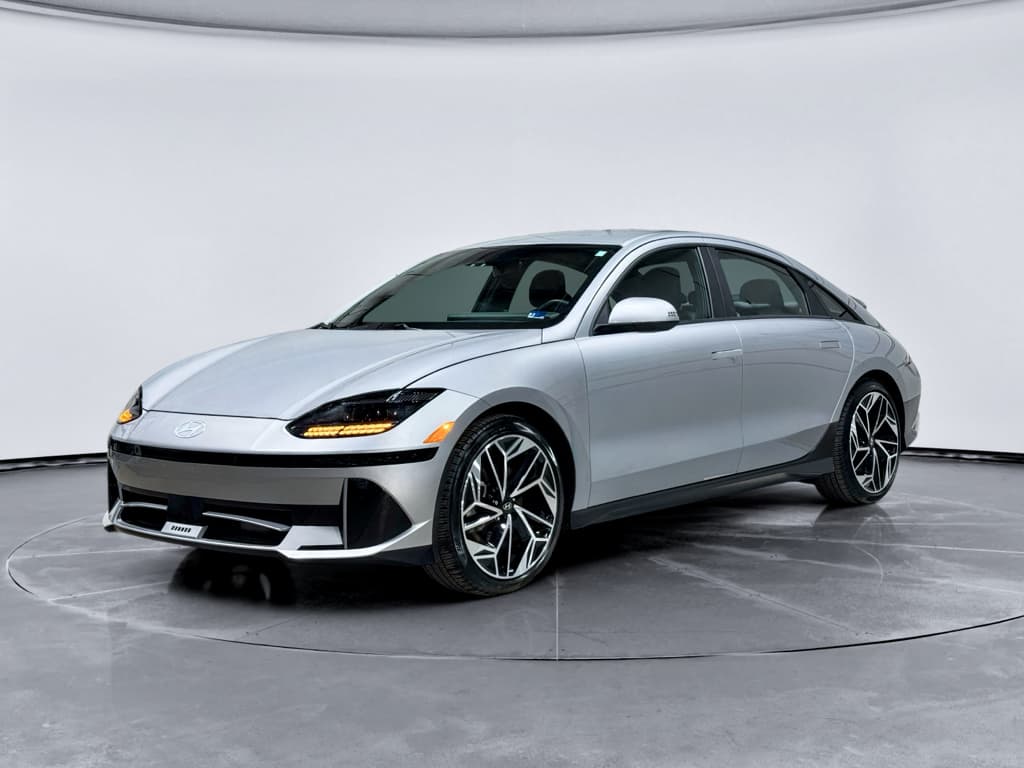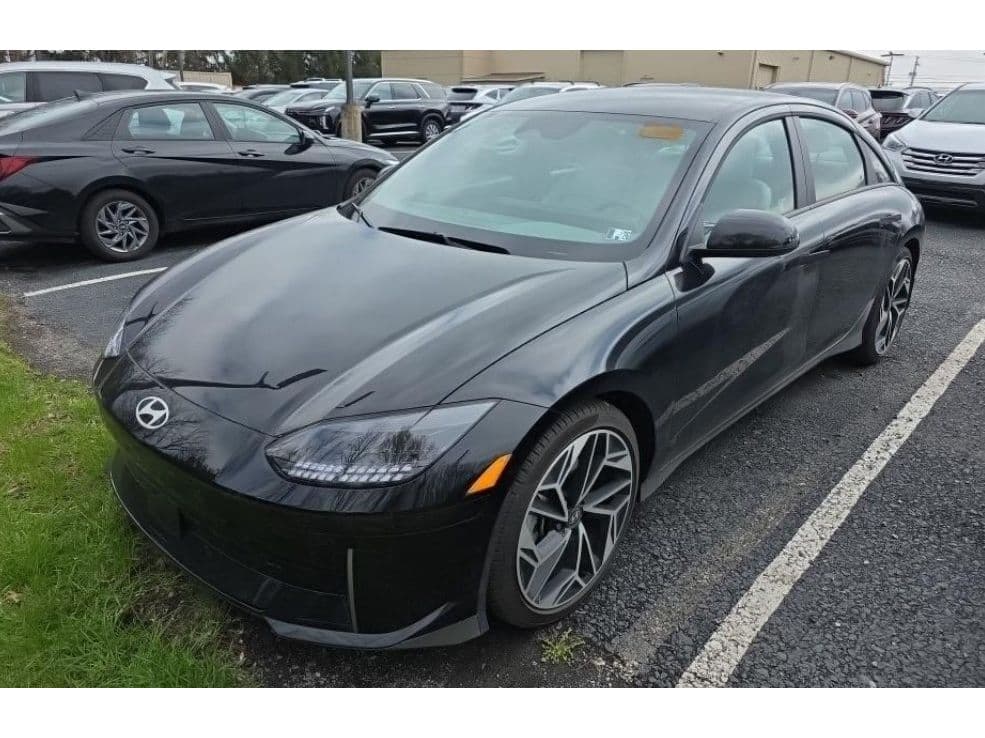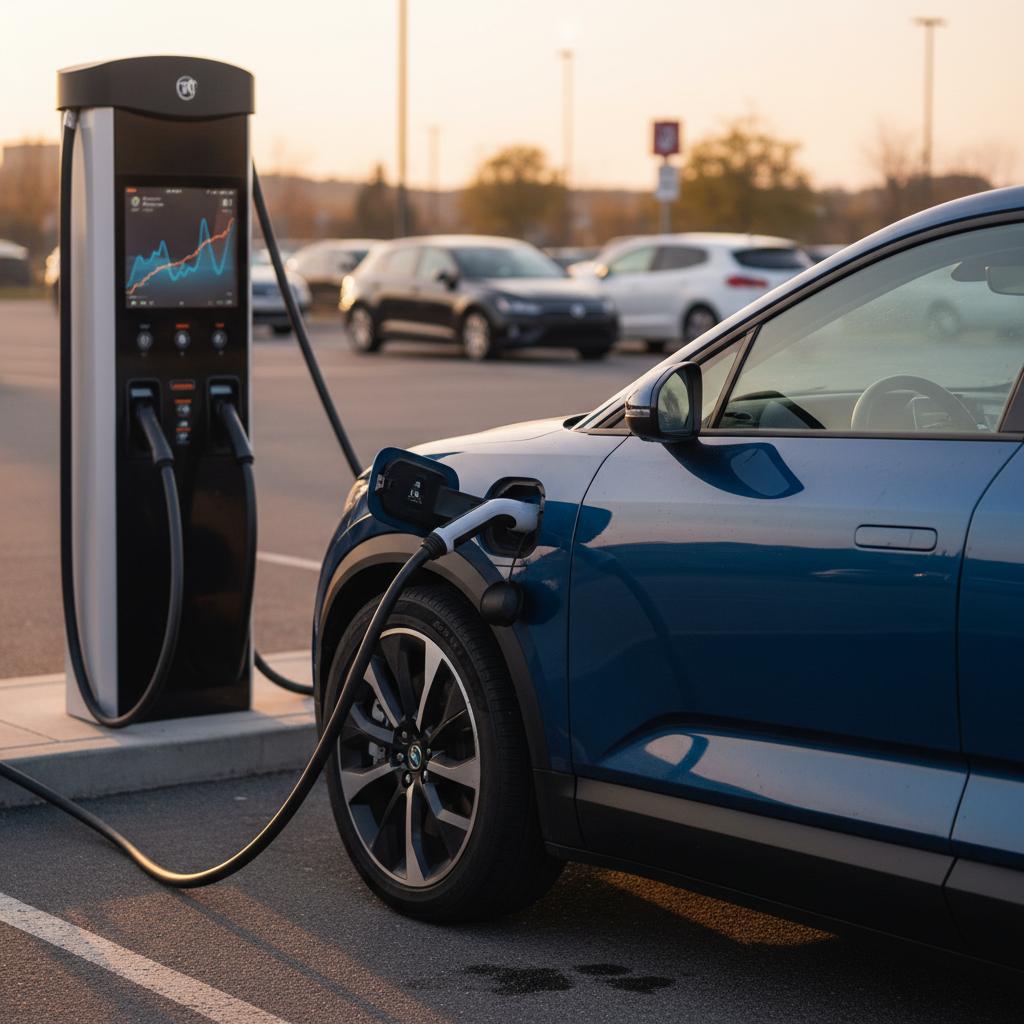
If you own or are eyeing a used Hyundai IONIQ 6, 2025 is a confusing time to think about resale value. EV incentives have changed, new-car prices are in flux, and many early IONIQ 6s are just hitting the used market. This guide walks you through Hyundai IONIQ 6 resale value in 2025 with real market numbers, depreciation forecasts, and practical steps to protect your investment.
Quick context
IONIQ 6 resale value in 2025 at a glance
Hyundai IONIQ 6 value snapshot (2025)
If you bought a new 2024 or 2025 IONIQ 6 and are looking at your resale value now, the headline is simple: on paper it depreciates quickly, but that also makes it a strong value on the used market. For shoppers, that’s good news. For recent buyers, it just means you need to be strategic about when and how you sell.
Current used prices and what they tell you
By early 2025, the first wave of IONIQ 6 sedans has hit U.S. used lots in meaningful volume. Pricing data from national listing sites shows that most 2024 IONIQ 6s land between the low $20,000s and just under $30,000 depending on trim, mileage, and options.
Typical 2024 Hyundai IONIQ 6 used pricing (early 2025)
Illustrative ranges based on national listing data; your local market may be higher or lower.
| Model year & trim | Typical asking range | Average selling price* | Original MSRP (approx.) |
|---|---|---|---|
| 2024 IONIQ 6 SE | $19,000–$25,000 | ≈$22,000 | ≈$43,600 |
| 2024 IONIQ 6 SEL | $22,000–$28,000 | ≈$25,000 | ≈$49,900 |
| 2024 IONIQ 6 Limited | $27,000–$32,000 | ≈$29,000 | ≈$51,000–$53,000 |
| 2025 IONIQ 6 SEL (early used) | High‑$20,000s–low‑$30,000s | ≈$31,000–$32,000 | ≈$45,000+ |
Price bands here assume average mileage and clean history; one‑owner, low‑mile cars will often sit at the top of the range.
Why ranges, not exact numbers
Compared with the original sticker prices in the low‑to‑mid $40,000s (and over $50,000 for a loaded Limited), these used numbers highlight how much of the "new car premium" disappears in just a year or two. That’s painful if you bought at MSRP, but it also means a lightly used IONIQ 6 can be a compelling alternative to a new compact sedan or small crossover.
How fast does the IONIQ 6 depreciate?
Two complementary data points tell the story in 2025: short‑term real‑world value drops, and longer‑term cost‑to‑own forecasts.
- Independent value guides show that a 2024 IONIQ 6 can lose well over $15,000 of paper value between new and its second year on the road, depending on trim and incentives applied at purchase.
- Ownership‑cost models for a 2025 IONIQ 6 estimate around $24,000–$25,000 in depreciation over five years on a mainstream trim, roughly half of the original price.
- One forecasting model pegs 5‑year depreciation at about 54–56%, ranking the IONIQ 6 around the middle of the non‑luxury EV pack for value retention.
Steep upfront, then it flattens
Why IONIQ 6 resale value looks soft right now
On paper, some depreciation charts make the IONIQ 6 look like a "poor" value holder. But that’s less about the car itself and more about what’s happening around it. Three big forces are pushing values down in 2025:
3 forces shaping IONIQ 6 resale value in 2025
Most of them have little to do with whether the car is actually good.
1. Incentive whiplash
2. Price moves on siblings
3. EV demand cooling
What this means for you
Hyundai IONIQ 6 vs other EVs for resale value
IONIQ 6 vs IONIQ 5 & Kia EV6
Hyundai’s own crossover sibling, the IONIQ 5, and Kia’s EV6 make an obvious comparison. They share platforms, batteries, and powertrains.
- Early resale data for the IONIQ 5 suggests one‑year‑old examples retain around two‑thirds of MSRP in normal market conditions.
- The IONIQ 6 is tracking in a similar band once you adjust for trim and incentives, though sedans usually lag crossovers slightly.
- EV6 values have moved in lockstep with the Hyundai twins, reflecting shared hardware and the same macro headwinds.
IONIQ 6 vs other non‑luxury EVs
Against rivals like the VW ID.4, Ford Mustang Mach‑E, and Chevy Equinox EV, the IONIQ 6 sits mid‑pack for value retention.
- Some crossovers hold value slightly better because the market simply prefers that body style.
- Hyundai’s strong warranty and solid owner reviews help offset that sedan penalty.
- Luxury EVs (think Mercedes EQS) often do far worse on resale, so the IONIQ 6’s depreciation isn’t unusual for its price class.
Residual value on mainstream EVs is increasingly about product fundamentals, range, efficiency, and charging experience, once the incentive dust settles.
How trim, mileage, and battery health change your value
Two IONIQ 6s that look identical in photos can be thousands of dollars apart in resale value. In 2025, buyers and lenders are especially sensitive to three levers: trim, mileage, and battery health.
Key factors that move IONIQ 6 value up or down
These are exactly what buyers, and smart lenders, scrutinize.
Trim & options
- Limited and SEL trims typically command the highest resale because of features like surround‑view cameras and premium audio.
- Base SE cars are cheaper to buy used but can be harder to sell later without desirable options.
Mileage & usage
- Under ~20,000 miles for a 2024–2025 car is a strong resale signal.
- High‑mileage rides used for long‑distance commuting or rideshare will see steeper discounts.
Battery health
- Documented range and a clean fast‑charging history reassure buyers.
- A professional battery health report can be worth real money when it’s time to sell.
Where Recharged fits in
Ready to find your next EV?
Browse VehiclesTax credits, leasing, and residual values in 2025
You can’t talk about IONIQ 6 resale value in 2025 without talking about incentives. The way federal and state EV credits are applied, especially on leases, has a huge downstream impact on what these cars are worth three years out.
How incentives influence resale and residuals
Why two identical IONIQ 6s can have very different financial stories by year three.
| Scenario | At purchase/lease | 3‑year impact | Resale reality in 2025 |
|---|---|---|---|
| Bought new in 2024 with full $7,500 credit | Effective price is thousands below MSRP | Big paper depreciation when you look at MSRP vs. current value | Owner may feel "underwater," but their real cash loss is smaller than it looks. |
| Leased in 2025 with pass‑through credit | Bank claims EV credit and may subsidize payment with high residual | Lessee’s buyout price after 3 years can be attractive if market values hold up better than forecast. | |
| Bought after major price cuts on new IONIQ 5/other EVs | New‑car deals reset shopper expectations for the whole segment. | Used prices get pulled down to stay compelling vs. new. | IONIQ 6 values may soften even if the car itself hasn’t changed. |
Lease residuals are set by banks based on expected auction values; aggressive tax credits or cash on the hood today push those expected values down.
Don’t judge your deal by MSRP alone
How to protect your IONIQ 6’s resale value
You can’t control federal policy or Hyundai’s future price cuts, but you can absolutely influence how your individual IONIQ 6 is valued when it’s time to sell or trade. Think of it as managing three overlapping stories: the battery story, the maintenance story, and the cosmetic story.
7 practical ways to keep your IONIQ 6’s value stronger
1. Treat the battery kindly
Avoid fast‑charging from near‑empty to 100% every single day. When possible, keep the pack in the 20–80% range for daily use and use DC fast charging strategically on road trips.
2. Log your charging and range
Buyers worry about hidden degradation. Keep screenshots or app logs showing typical range at common state‑of‑charge levels, especially as the car ages.
3. Stick to maintenance schedules
EVs have fewer moving parts, but not zero. Keep up with tire rotations, brake service, cabin filters, and software updates, and keep the receipts.
4. Fix minor damage quickly
Curb‑rashed wheels, cracked glass, and scraped bumpers are red flags for buyers. Small cosmetic repairs often pay for themselves in a higher sale price.
5. Keep original equipment
Hang onto the factory <strong>EVSE (mobile charger)</strong>, floor mats, and both key fobs. Missing items give buyers excuses to negotiate down.
6. Document one‑owner history
A clean, single‑owner CARFAX or equivalent report is a big trust signal. If you move states or change plates, keep paperwork tidy so your history is easy to prove.
7. Get a third‑party battery health report
Before you list or trade in, a professional battery diagnostic, like the Recharged Score battery health report, can demonstrate your IONIQ 6 still delivers its promised range.
Timing your exit
Buying or selling a Hyundai IONIQ 6 with Recharged
Because the IONIQ 6 has taken a meaningful early hit on paper value, 2025 is a quietly excellent time to be a used buyer, especially if you want a long‑range, aero‑efficient EV with a modern interior and strong warranty coverage. The challenge is sorting the good cars from the questionable ones and knowing what a fair price looks like in a choppy market.
If you’re buying an IONIQ 6
- Browse used IONIQ 6 listings on Recharged with a Recharged Score Report on every vehicle so you can see battery health, ownership history, and pricing in one place.
- Use our EV‑specialist advisors to compare trims (SE vs SEL vs Limited), real‑world range, and charging behavior for your driving pattern.
- Leverage financing options tailored to used EVs, including terms that recognize their lower running costs.
If you’re selling or trading an IONIQ 6
- Get an instant offer or explore consignment to capture more of your car’s true market value.
- Use our nationwide audience of EV‑focused shoppers instead of hoping a local dealer understands IONIQ 6 demand.
- Optionally schedule battery diagnostics so your listing stands out with verified range and pack health.
Whether you’re on the buy side or the sell side, the key with the Hyundai IONIQ 6 in 2025 is to treat depreciation as data, not destiny. Understand how incentives and market swings shaped today’s prices, lean on verified battery health rather than guesswork, and use platforms like Recharged that are built specifically around used EV transparency. Do that, and the IONIQ 6 can be either an outstanding value purchase or a fair, predictable sale, rather than an unpleasant surprise.