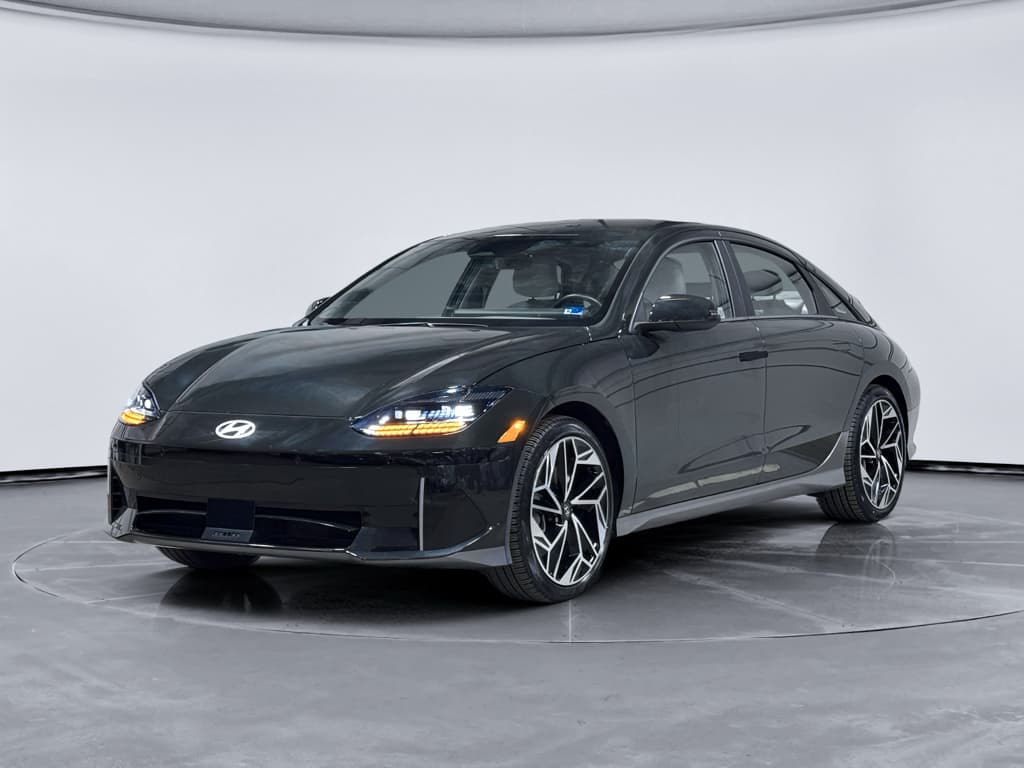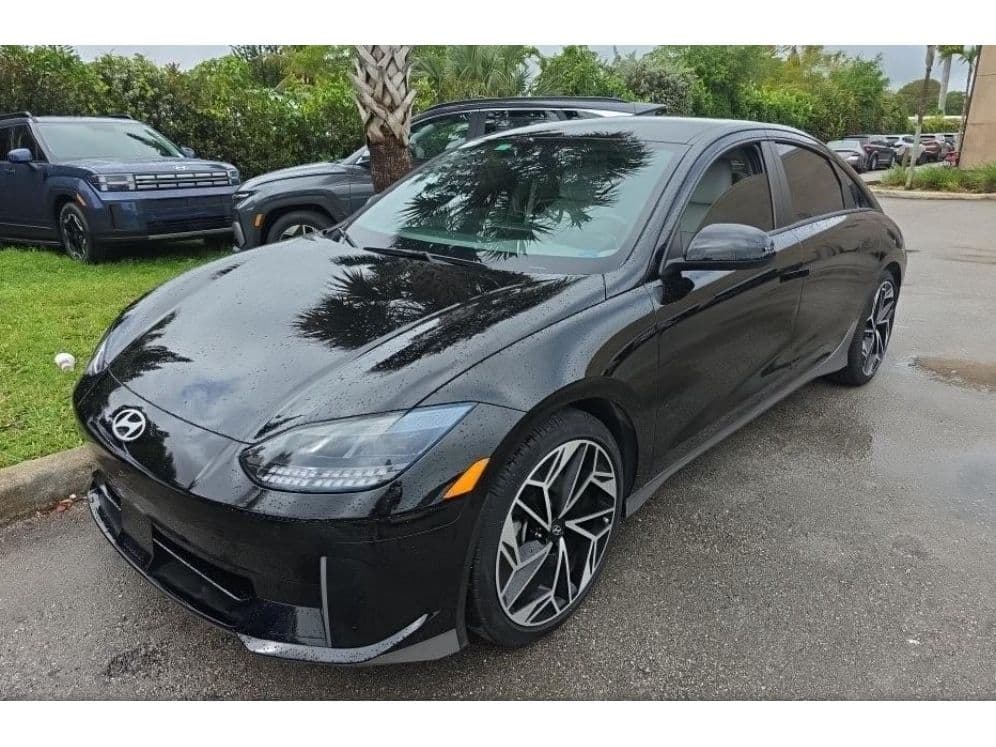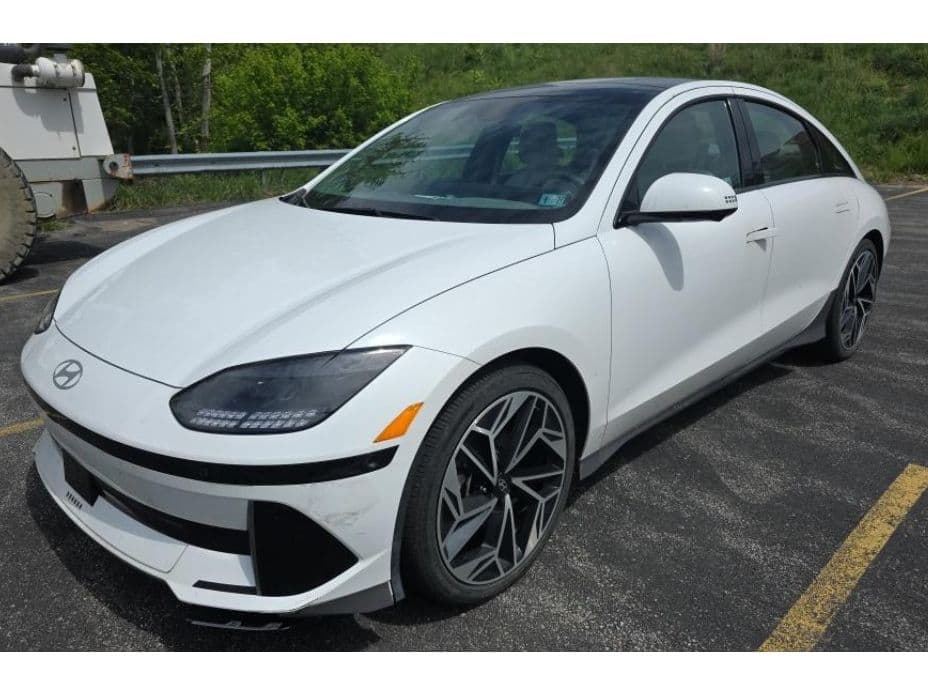
If you’re hunting for a sleek used EV, the Hyundai Ioniq 6 is probably on your shortlist, and you’re smart to ask about Hyundai Ioniq 6 common problems in 2026 before you sign anything. The good news: plenty of owners rack up tens of thousands of miles with nothing worse than a few software quirks. The bad news: a small but real slice of cars have charging‑system failures and other headaches that can ruin a road trip or strand you in a parking lot.
Big picture
Ioniq 6 reliability at a glance in 2026
Hyundai Ioniq 6 reliability snapshot (early years)
In real‑world terms, you see two very different Ioniq 6 storylines. One camp: owners with 20,000–40,000 miles who report rock‑solid reliability aside from a couple of software updates. The other: drivers whose cars suffered an ICCU failure (the charging control unit), a sudden 12‑volt battery death, or repeated warning lights and derated fast‑charging speeds. When you shop used, your job is to sort out which camp a particular car belongs to, and whether it’s been fixed properly.
Don’t panic over every horror story
Major known issues: ICCU, 12‑volt battery and charging
Most of the serious Hyundai Ioniq 6 problems reported through early 2026 trace back to its charging and power electronics, especially the ICCU (Integrated Charging Control Unit) and the humble 12‑volt battery that still runs accessories and control modules.
The big three charging‑related complaints
Not every Ioniq 6 has them, but they’re the issues to ask about first.
1. ICCU failure or derated charging
The ICCU manages AC and DC charging. On a minority of Ioniq 6s, owners report:
- Sudden error messages and loss of DC fast charging
- Car refusing to charge above a low kW rate
- Complete shutdown that requires a tow
Hyundai has issued software‑based recalls to reduce ICCU stress and cool it more aggressively. In some cases, the unit is replaced under warranty.
2. 12‑volt battery dying early
Despite the big traction battery, the car still relies on a conventional 12‑volt battery. Common complaints include:
- 12‑volt failure well under 10,000 miles
- Random no‑start situations after parking
- Warning messages about low 12‑volt charge
Dealers typically replace the battery under warranty, but repeat failures can indicate underlying ICCU or charging‑logic issues.
3. Level 2 and DC fast-charging quirks
Some owners of early Ioniq 6s (and E‑GMP siblings) report:
- AC charging over ~32 amps being unreliable with certain home EVSEs
- Fast‑charging speeds that drop sharply after software updates meant to protect hardware
- Occasional failures to handshake with specific public chargers
These are often resolved, or at least improved, with software updates and, in problem cars, ICCU replacement.
Smart move for test drives
If an Ioniq 6 has had its ICCU replaced and all related recalls performed, that’s not automatically a red flag. In some ways, you’re getting a car that’s already had its big weak spot addressed on Hyundai’s dime. What you don’t want to see is ongoing charging complaints in the service history, or an owner story that sounds like a merry‑go‑round of tows and “no trouble found” dealer visits.
Software glitches and driver‑assist quirks
Like most modern EVs, the Ioniq 6 leans heavily on software, for its giant screens, connected features, and its driver‑assist systems. Most issues here are annoyances, not safety defects, but they matter if you’ll live with the car every day.
- Occasional frozen or blank center screen that clears after a reboot or power cycle
- Random warning chimes or messages for parking sensors, blind‑spot systems or lane keeping that don’t repeat
- Adaptive cruise and lane‑centering behavior that feels twitchy or overly conservative in some traffic situations
- Over‑eager driver‑monitoring alerts that nag about attentiveness, even when you’re clearly paying attention
- Glitches in the Hyundai app, delayed status updates, failed remote commands, or lost connection after an update
The upside of software problems
When you evaluate a used Ioniq 6, pay attention to the infotainment system’s responsiveness, and take the time to test the main driver‑assist features you care about, adaptive cruise, lane‑centering, blind‑spot monitoring. If the car behaves strangely or throws warnings on your first drive, assume it’ll do the same once you own it.
Hardware and build-quality complaints
Hyundai’s recent EVs feel solid overall, but owners still report a few recurring fit‑and‑finish and everyday‑use complaints with the Ioniq 6. None of these are deal‑breakers by themselves, but they’re worth knowing about before you fall in love with those pixel lights.
Everyday complaints owners mention most
Annoyances, not necessarily defects, but you should walk into a test drive looking for them.
Wind noise & door seals
Some owners report more wind noise than expected at highway speeds, sometimes tied to:
- Door or window seals not seating perfectly after minor adjustments or repairs
- Damage after a door is caught by strong wind
On a test drive, do a long stretch at 65–75 mph on smooth pavement. Listen for whistling or roaring around the mirrors and door frames.
Low roof & tricky ingress
The Ioniq 6’s sleek roofline looks fantastic but:
- Taller passengers may brush their heads getting into the back seat
- Headroom can be tight if you’re over ~5'10" in the rear
- The trunk opening is shallow; bulky items don’t fit as easily as in a hatchback
Not a defect, but a usability compromise you should experience before buying.
Constant beeps and nanny alerts
Hyundai loads the car with safety chimes by default:
- Speed‑limit and speed‑camera alerts in some markets
- Lane‑departure beeps on every drift
- Parking sensors and rear cross‑traffic alerts
You can turn much of it down or off in the settings, but many shoppers are surprised by just how chatty the car is out of the box.
The quick driveway test
Recalls affecting the Ioniq 6 (2023–2025 builds)
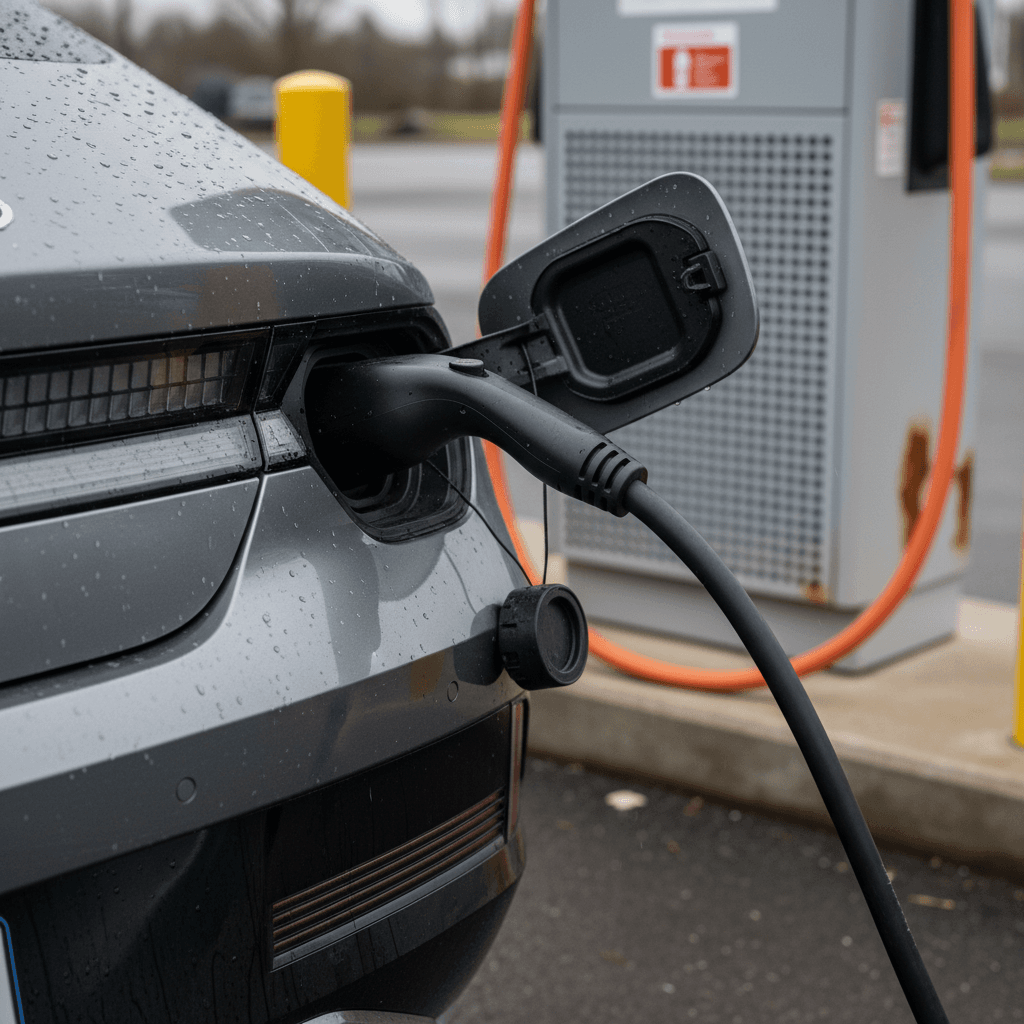
By April 2026, several important recalls touch 2023–2025 Hyundai Ioniq 6 models in the U.S. The exact campaigns and build dates change as NHTSA investigations evolve, so always check a specific VIN, but the patterns are clear enough to guide a used‑car search.
Key Ioniq 6 recall themes to know
This table doesn’t replace an official VIN check, but it gives you a sense of what’s out there for early Ioniq 6 builds.
| Issue | Model years typically involved | What can happen | What the fix usually is |
|---|---|---|---|
| ICCU / charging control recall | 2023–2025 (varies by build date) | Reduced or failed DC fast charging, warning lights, in rare cases vehicle may not drive | Software update to reduce ICCU stress and manage cooling; in some cases ICCU replacement |
| Charge‑port door hardware | 2023–2025 | Charge‑port door may not latch properly or can detach | Inspection and replacement of charge‑port door hardware |
| High‑voltage system safety checks | 2023–2024 mostly | Warning lights or limited‑performance mode related to power electronics | Inspection plus software updates or module replacement as needed |
| Various software / control‑module updates | 2023–2025 | Glitches in driver assistance, warning behavior, charging logic | Dealer‑installed software updates as part of recall or service campaigns |
Always verify recall status on NHTSA’s site or Hyundai’s owner portal before you buy.
Non‑negotiable step: run a VIN check
Battery health and long-term durability
For all the Internet drama about ICCUs, the high‑voltage traction battery in the Ioniq 6 has not emerged as a widespread weak point through early 2026. Hyundai backs it with a 10‑year/100,000‑mile warranty on U.S. models, and real‑world degradation reports so far are modest, especially compared to early EVs.
- Hyundai’s 800‑volt E‑GMP platform is designed for repeat fast charging, though software updates have slightly slowed peak charge rates to protect hardware.
- Most owner reports show small, gradual range loss rather than sudden big drops, provided the car isn’t fast‑charged hard every single day.
- Cold‑weather range loss is noticeable, as with any EV, but that’s about physics more than a Hyundai defect.
- A small subset of cars may see battery‑pack or module replacements under warranty, but this is still rare compared with ICCU or 12‑volt issues.
How to sanity‑check battery health
What this means if you’re shopping used
Put it all together and the picture is nuanced. The Hyundai Ioniq 6 is one of the more interesting used EVs you can buy in 2026: distinctive design, efficient aerodynamics, fast charging, and a generous warranty safety net. But you do need to shop with your eyes open, especially around early‑build 2023–2024 cars that lived a hard fast‑charging life or never got their recall work done.
Why a used Ioniq 6 is still appealing
- Excellent efficiency and long real‑world range for the battery size
- 10‑year/100,000‑mile battery warranty on U.S. cars
- Rapid DC fast charging on a compatible station when everything is healthy
- Comfortable ride, quiet cabin (when build quality is good), and a distinctive look
- Used prices that undercut some rival EV sedans with similar specs
Where you need to be picky
- Cars with unclear or missing recall and software‑update history
- Repeated charging complaints (especially ICCU and 12‑volt issues) in the service file
- Signs of wind noise or poor door sealing on the highway
- Rough dealer experiences in the past, notes about long waits or incomplete fixes
- High‑mileage cars that fast‑charged heavily without much home Level 2 use
Checklist: questions to ask before you buy
Used Hyundai Ioniq 6 pre‑purchase checklist
1. Has every recall been completed?
Ask the seller for documentation that all open recalls and service campaigns are done. Cross‑check the VIN on NHTSA’s site and Hyundai’s owner portal. If anything’s open, negotiate to have it completed before purchase.
2. Any history of ICCU or charging problems?
Specifically ask whether the car has ever refused to charge, charged very slowly, or needed an ICCU replacement. A one‑time, properly repaired issue isn’t a deal‑breaker; recurring complaints are.
3. When was the 12‑volt battery last replaced?
If the 12‑volt is original on a 3‑year‑old car, budget for a replacement. If it’s already been replaced once very early, push for details, was it a dud battery, or a symptom of deeper charging‑system quirks?
4. Is the software current?
From the infotainment screen or service records, verify that major control‑module updates were installed in 2024–2025. Staying current can reduce false warnings and improve charging behavior.
5. How does it behave on a long test drive?
Drive at highway speeds, over rough pavement, and through parking maneuvers. Watch for wind noise, rattles, odd brake feel, sudden alerts, or inconsistent driver‑assist behavior.
6. Where and how was it charged?
A car that mostly lived on home Level 2 charging with occasional road‑trip DC fast charging is ideal. Heavy fast‑charging use isn’t disqualifying, but it makes battery and ICCU health even more important to verify.
How Recharged evaluates used Ioniq 6 models
If you’d rather not decode all of this alone, this is exactly the kind of homework Recharged was built to handle. Every Ioniq 6 we list comes with a Recharged Score Report that digs into battery health, charging behavior, and recall status, so you’re not guessing about the invisible parts that make, or break, an EV.
What we look for on every used Ioniq 6
Under the paint, it’s all about the battery, charging system, and history.
Deep battery & charging diagnostics
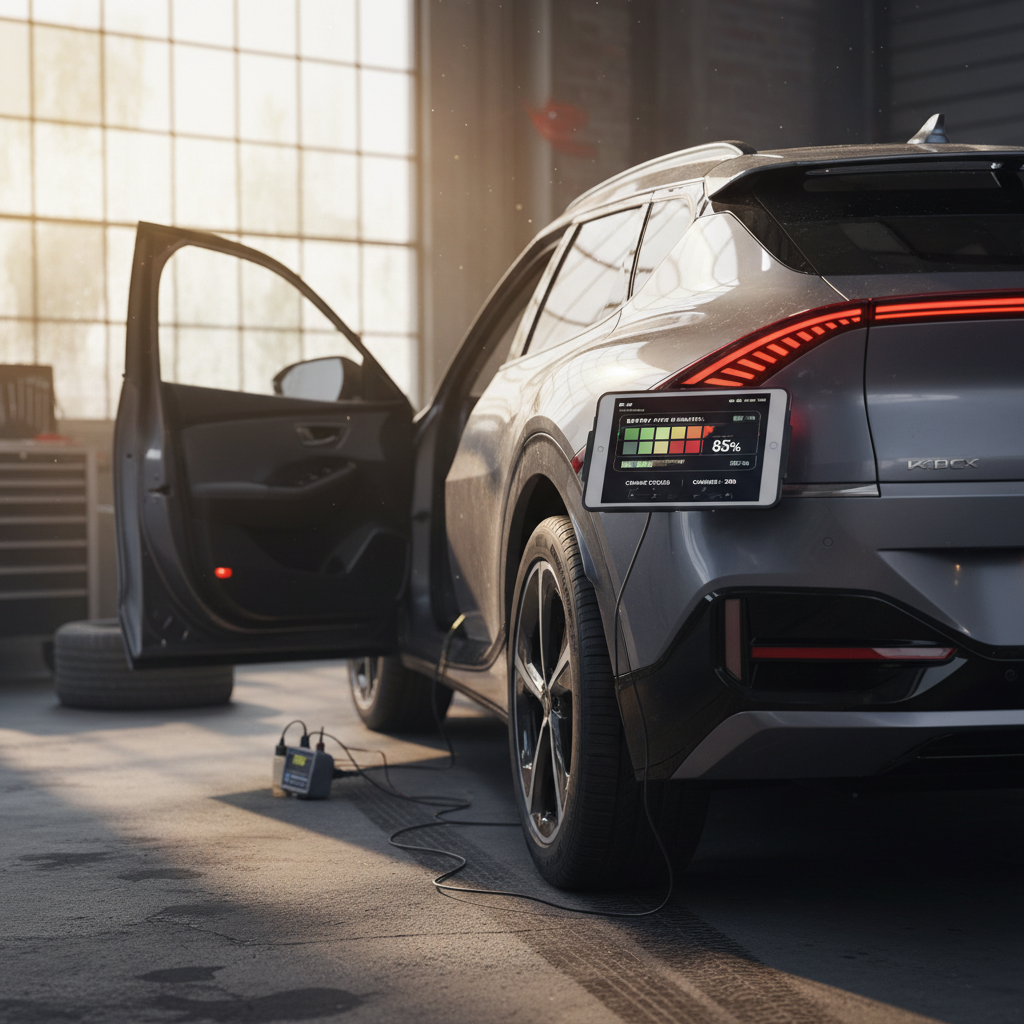
We use our Recharged Score battery‑health diagnostics to look beyond the dash range estimate. That includes:
- Estimated pack health vs. similar Ioniq 6s
- Charging curves on Level 2 and DC fast charging
- Checks for warning codes tied to ICCU or high‑voltage components
Recall & service‑history review
Our team verifies that major Ioniq 6 recalls, ICCU/charging, charge‑port door hardware, and key software campaigns, have been completed, and we flag any repeat visits for no‑start or charging complaints.
EV‑specialist support & delivery
From financing and trade‑in to nationwide delivery, Recharged pairs you with EV‑savvy specialists who can talk you through whether a specific Ioniq 6 fits your commute, your charging setup, and your budget.
You can shop entirely online, or visit our Experience Center in Richmond, VA to see vehicles in person and talk through options. Either way, you get transparent pricing, clear battery‑health data, and support from people who live and breathe EVs.
Hyundai Ioniq 6 common problems FAQ (2026)
Frequently asked questions about Hyundai Ioniq 6 problems in 2026
So, is the Ioniq 6 a bad bet in 2026?
The Hyundai Ioniq 6 is not a lemon hiding in plain sight. It’s a cutting‑edge EV with a few very real weak spots, especially in its charging electronics, and a whole lot going for it if you land on a good example. In 2026, the difference between a nightmare Ioniq 6 and a dream daily driver usually comes down to smart shopping: checking recalls, reading the service history, testing its charging behavior, and getting an honest look at battery health.
If that sounds like a lot to juggle, you don’t have to do it alone. Recharged was built around exactly these questions: Is this EV healthy? Is the price fair? Will it fit my life? With expert EV support, transparent pricing, financing and trade‑in options, nationwide delivery, and a detailed Recharged Score Report on every vehicle, you can shop for an Ioniq 6 with far more confidence, and a lot less guesswork.