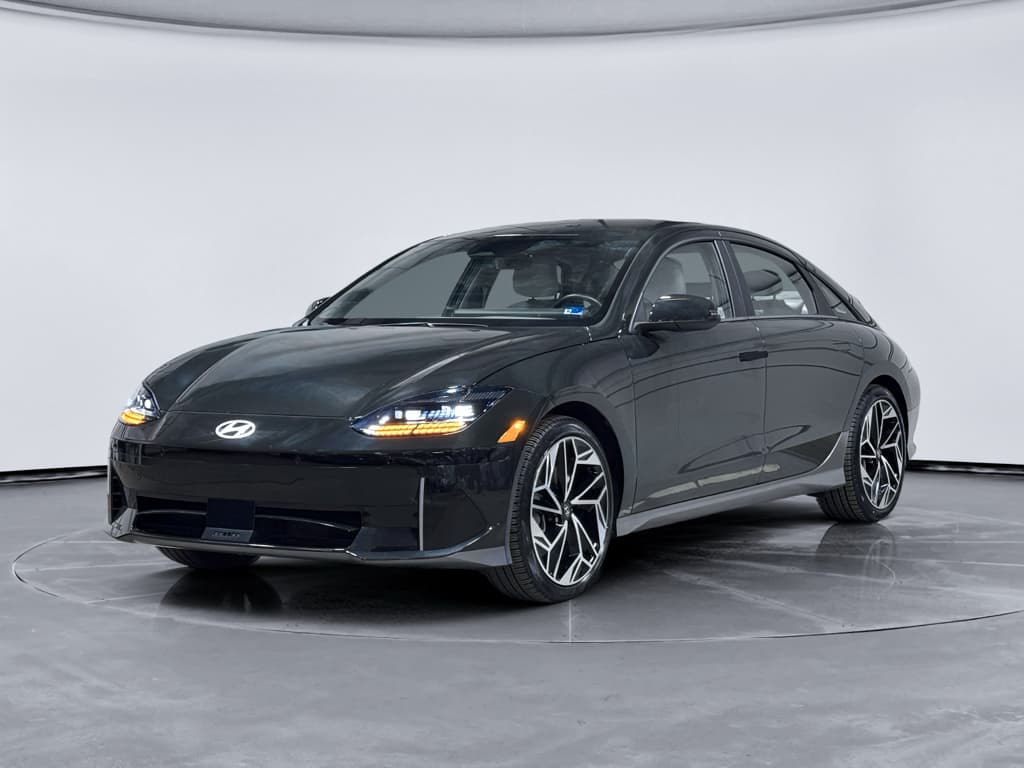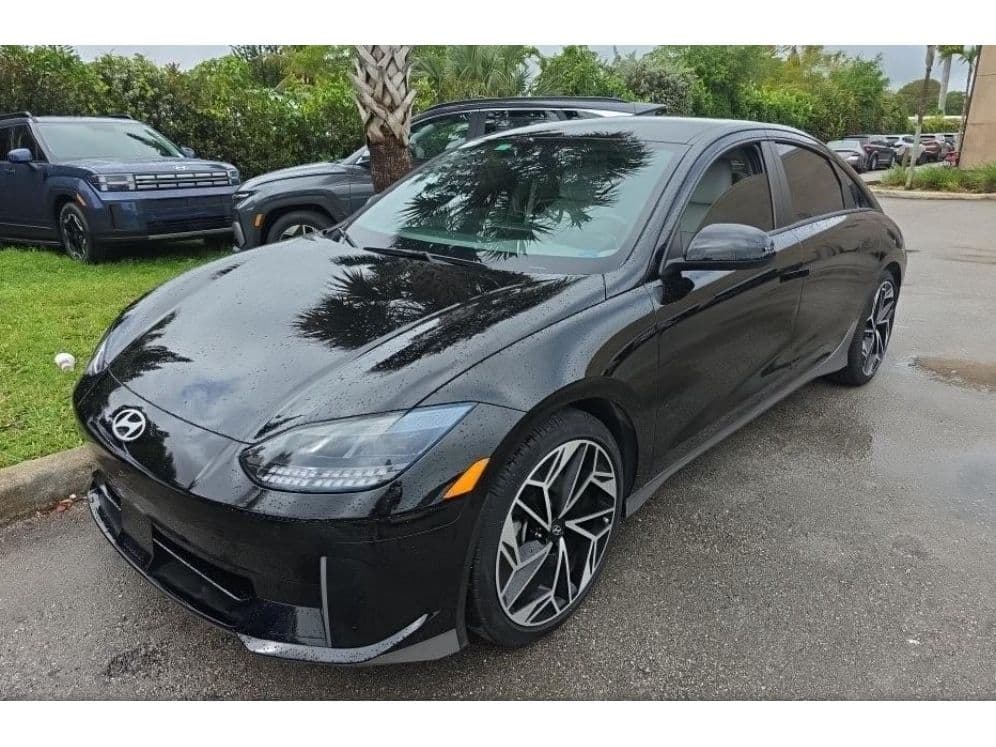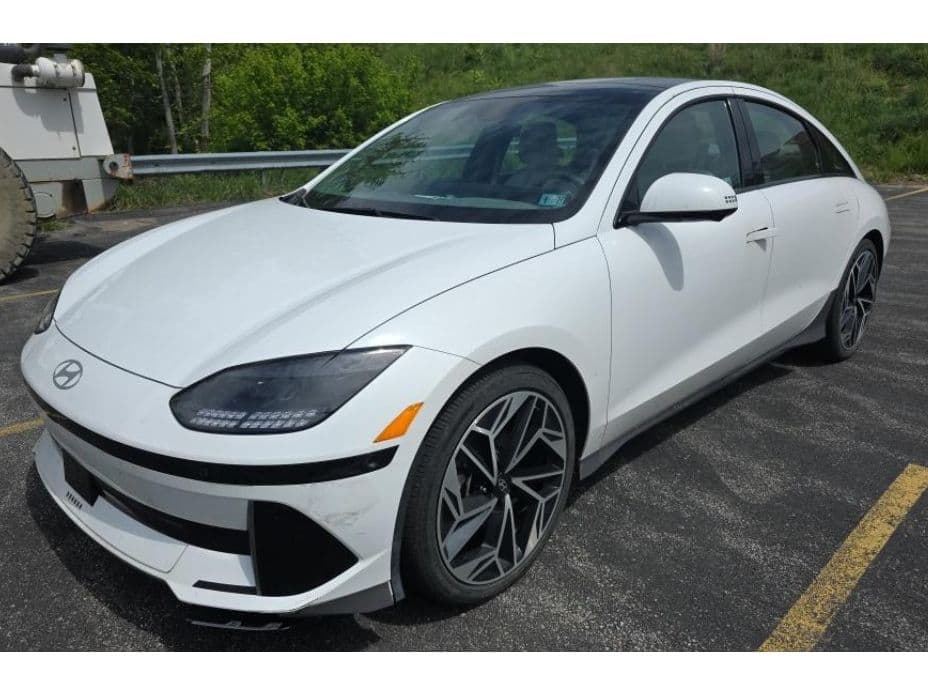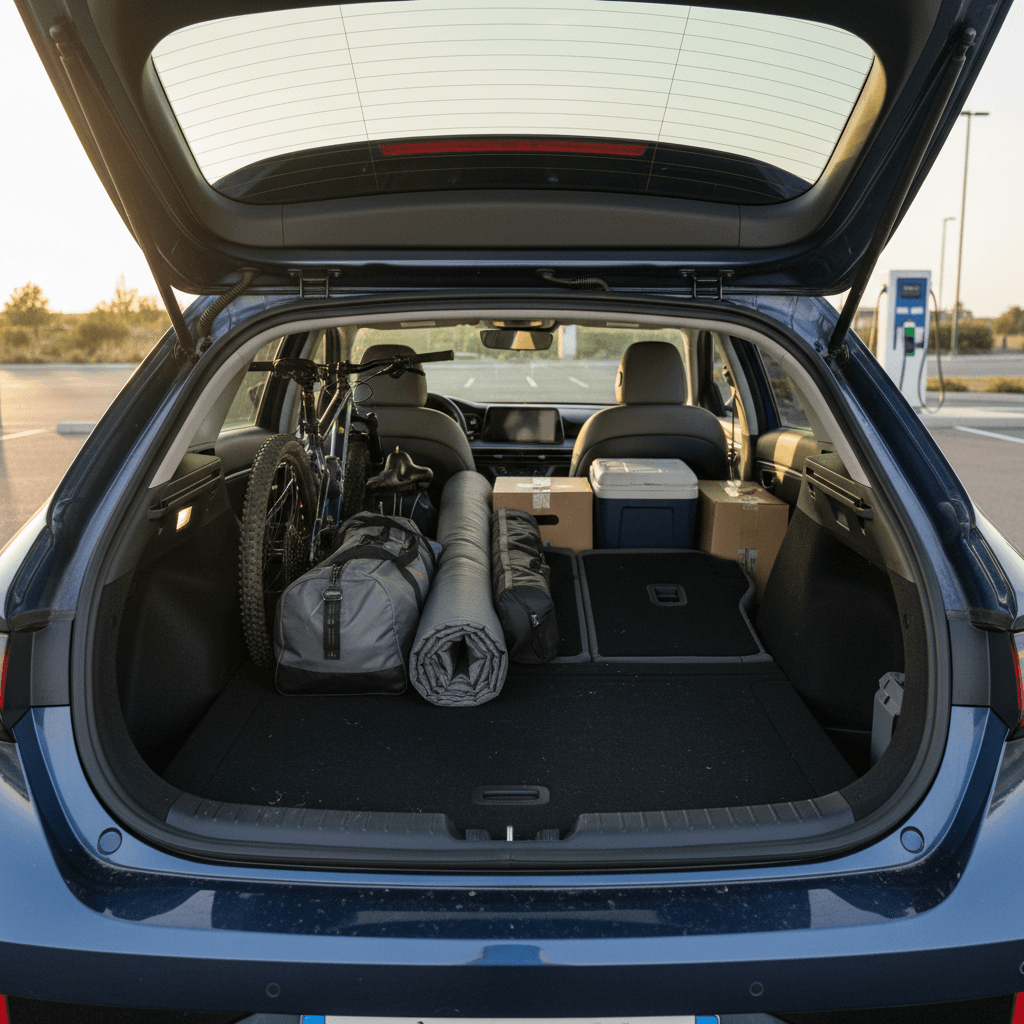
If you’re eyeing a Hyundai Ioniq 6, you’ve probably already heard the complaints: the trunk is small. That’s true with the seats up. But what about Hyundai Ioniq 6 cargo space with the seats down? Once you fold the rear seatbacks, the story changes, and whether it works for you comes down to how you pack and what you haul.
Key takeaway up front
Hyundai Ioniq 6 cargo space: the basics
First, it helps to separate **spec-sheet numbers** from **real-world usability**. On paper, the Ioniq 6’s cargo specs look underwhelming compared with other EVs, but the shape of the space and folding rear seats make it more useful than the raw figures suggest.
Hyundai Ioniq 6 cargo specs at a glance*
About the numbers
How much cargo space does the Ioniq 6 have with seats down?
Because Hyundai doesn’t quote a clear U.S. volume for the Ioniq 6 with the rear seats folded, you won’t find one universally agreed‑upon cubic‑foot number. What you can count on is that folding the **60/40 split rear bench** dramatically expands the usable space compared with the modest 11–12 cu ft trunk.
- Folding both sections of the rear seatback creates a continuous, nearly flat load floor from trunk lip to the back of the front seats.
- The resulting space runs the full length of the cabin, which is where the Ioniq 6 shines: long items fit far more easily than tall, boxy ones.
- Because this is a sedan, vertical space is limited by the sloping rear glass and fixed rear deck; it’s less friendly to tall boxes than a hatchback or SUV, even with seats folded.
- There is a small step between trunk floor and the folded seatbacks, but it’s minor enough that luggage, boxes and gear slide over it with a little shove.
What improves when you fold the seats?
- Load length: suddenly you can carry skis, snowboards and long flat-pack boxes.
- Flexibility: fold just the 40% section to keep a rear passenger, or the 60% for more cargo.
- Usable floor: the floor is low and fairly flat, which makes sliding heavy things easier.
What doesn’t change?
- Opening size: the trunk opening is still sedan‑narrow, which limits very wide items.
- Roof height: the sleek roofline still caps how tall your cargo can be.
- Frunk volume: the small front trunk remains best for cables and emergency gear, not luggage.
Quick rule of thumb
Real-world examples: what fits with seats folded?
Specs are one thing. What most shoppers want to know is whether the Ioniq 6 will swallow their real‑life cargo: strollers, skis, bikes, Costco runs and college‑dorm gear. Here are realistic scenarios based on the car’s dimensions and how owners are actually using the space.
Common packing scenarios in an Ioniq 6
What you can expect to fit with the rear seats down
Airport & road‑trip luggage
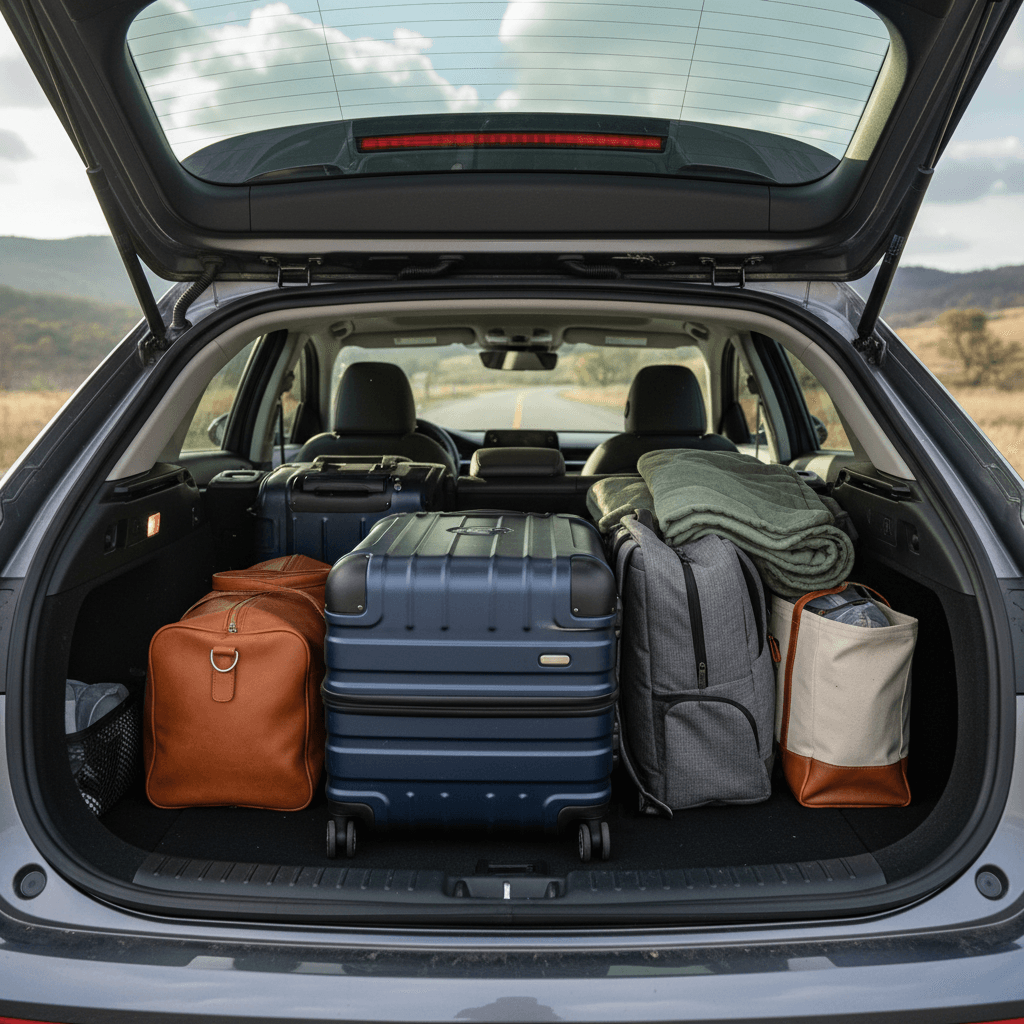
- 2–3 large checked‑size suitcases laid flat
- Plus 2–3 carry‑on rollers and soft duffels stacked on top
- Best use: fold both seatbacks to maximize floor space
Family gear & strollers
- Most full‑size strollers fit diagonally with seats down
- Compact travel strollers fit even with one section folded
- Room left over for diaper bags, groceries and a pack‑and‑play
Skis, snowboards & outdoor gear
- Skis and snowboards up to adult lengths slide straight through
- Boot bags and helmets fit alongside or stacked on top
- Consider a roof box if you carry four people plus gear regularly
Bikes & sports equipment
- 1–2 adult bikes with front wheels removed fit with both seats folded
- Kid bikes or folding bikes fit more easily
- Protect interior with a blanket; use the low floor to your advantage
Flat‑pack furniture & boxes
- Long IKEA‑style flat boxes can slide in from the trunk
- Limit is box height: keep them low enough for the sloping glass
- Narrow opening means dressers and big bookcases still favor SUVs
Pets & crates
- Medium dog crates fit with seats folded; large crates are a squeeze
- Many owners use a harness and barrier instead of a hard crate
- Watch the low rear glass if you have an enthusiastic jumper
What generally won’t fit well
Ioniq 6 cargo space vs. Model 3, Ioniq 5 and others
Cargo is one of the few areas where the sleek Ioniq 6 clearly plays defense. If you’re cross‑shopping Tesla’s Model 3 or Hyundai’s own Ioniq 5, it’s worth putting the numbers, and the body styles, side by side.
Cargo space comparison: Ioniq 6 vs key rivals (seats up)
Trunk or rear cargo volume with the rear seats in place. Folded volumes for sedans aren’t consistently published, but hatchbacks and SUVs tend to gain far more usable space when you drop their seats.
| Model | Body style | Rear cargo (seats up) | Front trunk | Notes on seats‑down space |
|---|---|---|---|---|
| Hyundai Ioniq 6 | Sedan | ≈11–12 cu ft | Small (~1 cu ft) | Long but relatively low and narrow when folded |
| Hyundai Ioniq 5 | Hatchback | Mid‑20s cu ft | Small | Boxier opening; much more practical when seats folded |
| Tesla Model 3 | Sedan | ≈19–21 cu ft (combined) | Useful 3+ cu ft | Larger trunk plus frunk; stronger overall cargo story |
| Kia EV6 | Hatchback | Mid‑20s cu ft | Small | Similar practicality to Ioniq 5; better for bulky items |
| Polestar 2 | Liftback | Low‑20s cu ft | None/small | Liftback opening makes better use of folded seats |
Volumes are approximate U.S. figures, useful for broad comparison rather than lab‑grade precision.
Where the Ioniq 6 still works well
Everyday usability: opening size, loading height and frunk
Specs tell you how much you *might* be able to fit. Design details decide how often you’ll actually use that capacity. The Ioniq 6 has a few strengths, and a few frustrations, here.
Everyday usability checks for Ioniq 6 cargo
1. Trunk opening and width
The trunk aperture is on the narrow side for the segment, and the rear glass slopes aggressively. That makes it harder to angle in wide, square items, even when the rear seats are folded.
2. Load floor height
The load floor is pleasantly low, so lifting heavier items like water cases or a stroller isn’t back‑breaking. With the rear seats down, you can slide heavy boxes forward rather than hoisting them high.
3. Seat‑fold mechanism
The 60/40 rear seatbacks fold from simple levers. It’s quick, but you’ll sometimes need to nudge front seats forward slightly to get the flattest possible floor if they’re pushed all the way back.
4. Small‑item storage
Side pockets and under‑floor nooks help keep smaller items from rolling around. Most owners stash the portable charging cable in the small frunk or one of these hidden compartments.
5. Front trunk reality check
The Ioniq 6’s frunk is shallow. It’s perfect for a charging cable, tire inflator or emergency kit, but not for groceries or anything tall. If you’re coming from a Model 3, expect this to feel like a downgrade.
“The design of the trunk of the Ioniq 6 is abysmal. Cargo capacity is much greater on the Model 3, the frunk is actually useful whereas it’s a funny joke with the Ioniq 6.”
Packing tip for everyday runs
Is the Hyundai Ioniq 6 big enough for your lifestyle?
The answer depends less on the cubic‑foot figure and more on how often you’re running fully loaded, and what else is in your driveway. The Ioniq 6 is a standout commuter and road‑trip sedan first, and a cargo hauler second.
Who the Ioniq 6’s cargo space works best for
Match your lifestyle to what the car can realistically carry
Good fit
- Singles or couples who mostly haul luggage, groceries and the occasional big box.
- Households that already have a larger SUV, wagon or minivan for heavy cargo duty.
- Road‑trippers who value efficiency, charging speed and comfort more than maximum cargo volume.
Probably not ideal
- Families relying on one vehicle for kids, gear, strollers and home‑improvement runs.
- Dog owners using large hard crates, especially for big breeds.
- Anyone frequently moving furniture, bikes and bulky sports gear without a roof rack or trailer.
Think in terms of the whole garage
Shopping a used Ioniq 6: cargo checks to do in person
On the used market, the Ioniq 6’s relatively modest cargo reputation can actually work in your favor: pricing often trails better‑known EVs, and many cars have been commuter duty only. When you’re evaluating one, whether through a private seller or a platform like Recharged, take a few minutes to test the cargo flexibility yourself.
In‑person cargo checklist for a used Ioniq 6
1. Fold both rear seatbacks
Confirm the seatbacks fold and latch smoothly, without binding. Check that the resulting load floor is as flat as you expect and that there’s no excessive gap between trunk floor and seats.
2. Test your actual gear
If possible, bring a stroller, suitcase, golf bag or ski bag you use regularly and see how it fits with the seats down. That five‑minute test is worth more than any spec sheet.
3. Inspect trunk trim and latches
Look for scratched plastic, torn carpeting or bent latches around the trunk opening; these can reveal whether the previous owner forced oversized items in or slammed the lid onto cargo.
4. Check for water or odor issues
Lift the trunk floor and inspect the well beneath for moisture, stains or smells. A clean, dry under‑floor area is a good sign the car hasn’t had leaks or flood exposure.
5. Evaluate the frunk
Open the front trunk and make sure it’s intact, with a working latch and seal. Decide what you’ll realistically store there, your portable EVSE, emergency kit, or both.
6. Review the battery and range story
Cargo isn’t everything. Ask for documentation on charging habits and range. At Recharged, this is where the <strong>Recharged Score</strong> and battery health diagnostics step in so you’re not guessing about the pack that actually powers every trip.
How Recharged can help
Ready to find your next EV?
Browse VehiclesHyundai Ioniq 6 cargo space FAQ
Frequently asked questions about Ioniq 6 cargo space
The Hyundai Ioniq 6 doesn’t pretend to be an SUV. Its sleek, low‑drag body trades some cubic feet for range, refinement and style. But if you understand the limits, and use the fold‑flat rear seats to unlock that long load floor, it can still cover an impressive range of everyday cargo jobs. As you weigh EV options, think honestly about what you haul most often, then let a real‑world test pack and a solid battery‑health report guide your decision more than any single number on a spec sheet.