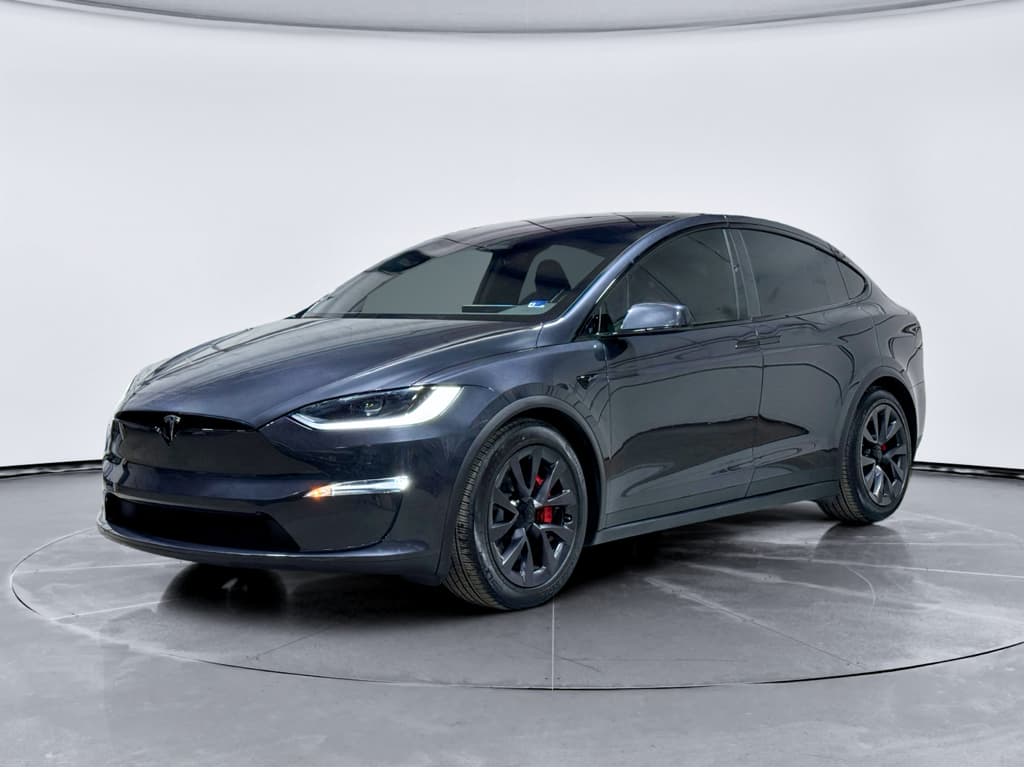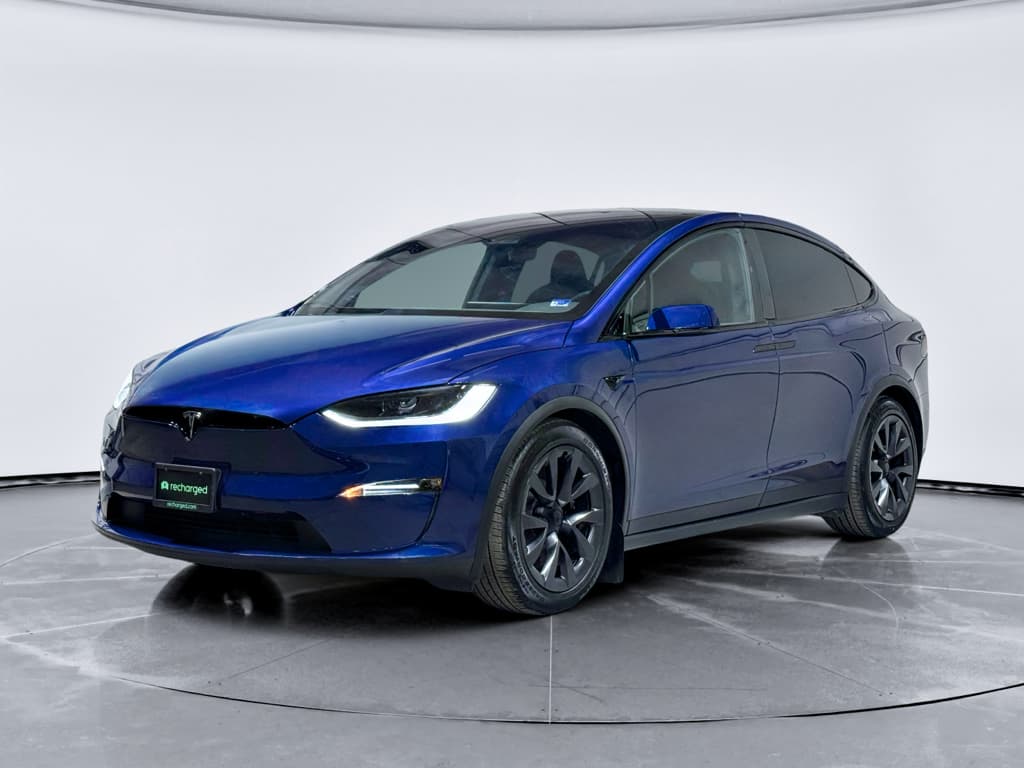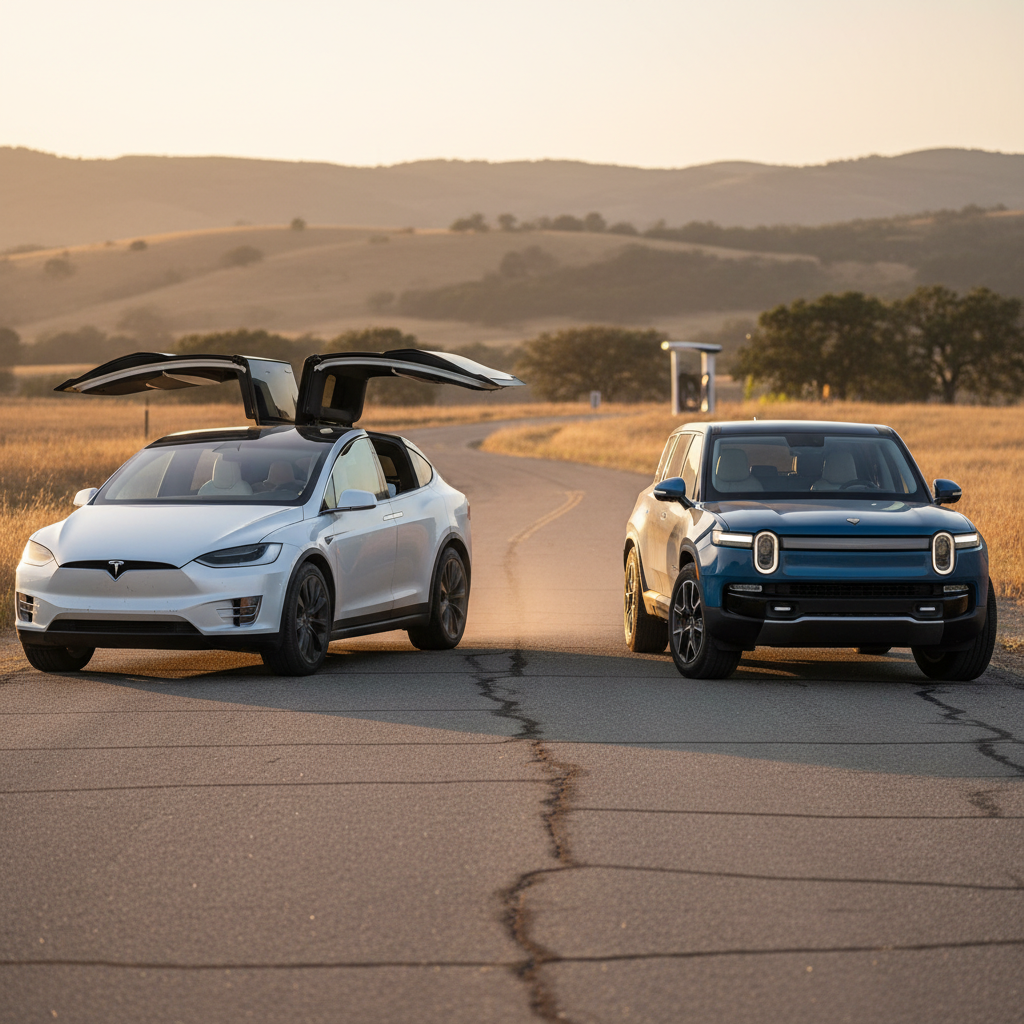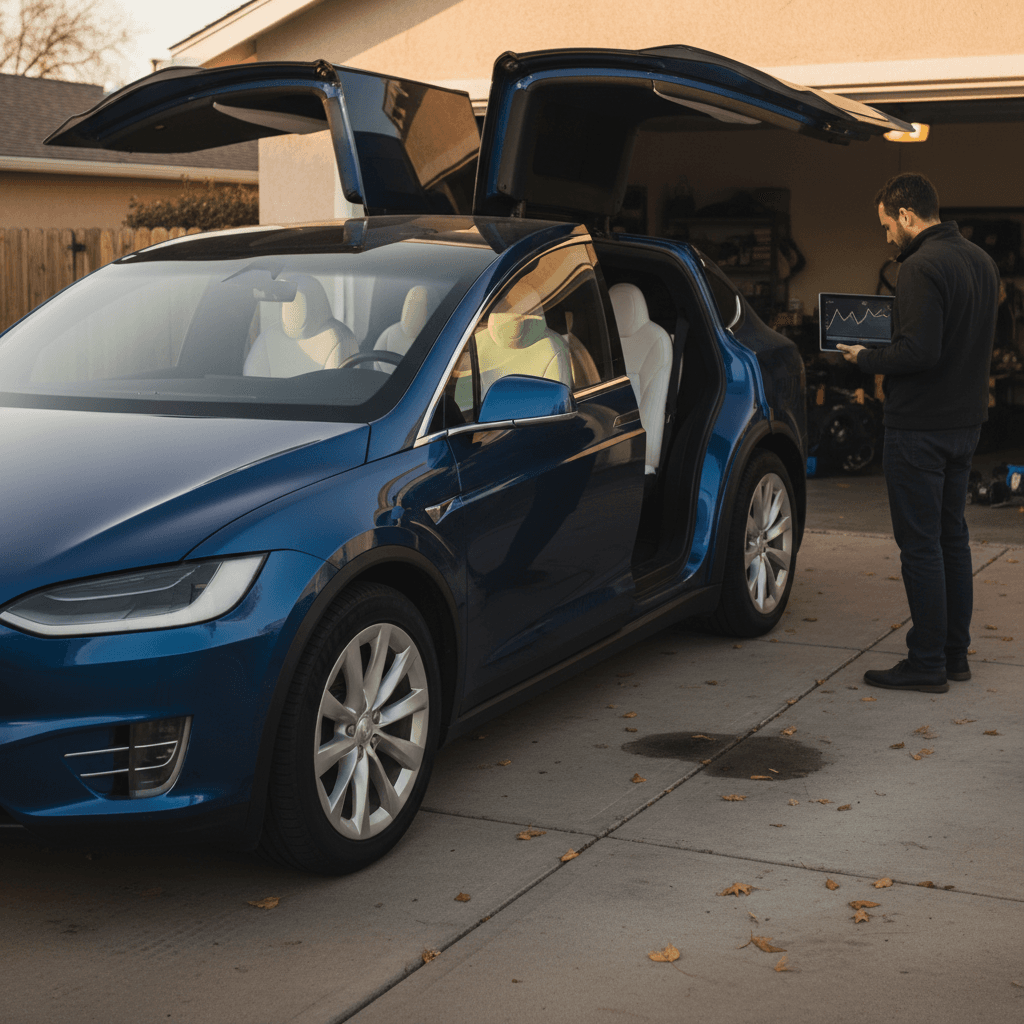
If you’re cross-shopping luxury electric SUVs, there’s a good chance the 2024 Tesla Model X is on your radar, and so are questions about its reliability. The Model X delivers eye-catching performance, dramatic falcon-wing doors, and access to Tesla’s charging ecosystem, but it also carries a reputation for being more trouble-prone than many rivals. This guide breaks down 2024 Tesla Model X reliability in plain language so you can decide whether it’s worth the risk, especially if you’re considering a used Model X.
Key Takeaway Up Front
Overview: How Reliable is the 2024 Tesla Model X?
2024 Model X Reliability at a Glance
On paper, the 2024 Model X remains one of the quickest and most capable three-row EVs you can buy. However, major testing organizations still rate the Model X’s overall reliability below the new-car average, primarily due to recurring issues with body hardware (doors, trim, seals), in-car electronics, and occasional suspension problems. By contrast, battery and motor reliability are generally strong, and many owners report years of trouble-free powertrain operation.
Luxury EV, Luxury Complexity
How the 2024 Model X Compares to Earlier Years
Since its launch in 2015, the Model X has earned a reputation for being less reliable than Tesla’s smaller models, especially early years with first-generation falcon doors and early Autopilot hardware. Over time, Tesla has improved some pain points through hardware revisions and frequent software updates, but many of the same categories, doors, electronics, interior rattles, still show up in owner surveys for 2022–2024 vehicles.
Model X Reliability: Earlier Years vs. 2024
A high-level view of how later Model X years stack up against earlier builds from a reliability standpoint.
| Model Year Range | General Reliability Trend | Typical Issues | Why It Matters if You’re Buying Used |
|---|---|---|---|
| 2016–2018 | Well below average | Falcon-wing door failures, air suspension leaks, misaligned panels, MCU (screen) failures | Cheapest used prices, but highest risk. Only worth considering with excellent service history and a thorough inspection. |
| 2019–2021 | Improving but still below average | Door sensors, trim and paint defects, squeaks/rattles, infotainment bugs | Later hardware is better, but build-quality complaints remain common, especially on high-mileage examples. |
| 2022–2023 (refresh era) | Mixed but trending better | Door alignment, interior noises, intermittent electronic glitches, some suspension vibrations | Newer interior and tech, but still not on par with the most reliable luxury SUVs. |
| 2024 | Below average but more mature | Body hardware, electronics, occasional climate and suspension complaints | Latest iteration with fewer first-year bugs, but you still need to budget for non-drivetrain fixes. |
Later Model X years tend to be better than the earliest builds, but they still sit below average for the luxury-SUV class.
Model X vs. Other Teslas
Common 2024 Tesla Model X Problems to Watch For
When owners and independent testers talk about 2024 Tesla Model X reliability, the conversation usually centers on a few recurring trouble spots. Many of these issues mirror complaints on earlier Model X years but in milder form.
Top Problem Areas on Recent Model X SUVs
What we see most often in owner reports and survey data.
Body Hardware & Doors
Falcon-wing doors remain the Model X’s signature feature and one of its main reliability headaches.
- Door sensors misreading obstacles and refusing to open fully
- Wind noise from seals and misaligned frameless doors
- Occasional latch or soft-close malfunctions
In-Car Electronics
The large center screen powers everything from climate to drive settings, so glitches stand out:
- Infotainment reboots or frozen screens
- Bluetooth and phone key pairing issues after updates
- Random error messages that require resets
Climate & Interior
Complaints are less common than in early years but still appear:
- Inconsistent HVAC performance
- Rattles from the dash and rear hatch area
- Minor trim, squeaks, and panel-fit issues
When to Walk Away
Battery and Range Longevity on the Model X
The bright spot in the 2024 Tesla Model X reliability picture is the high-voltage battery and dual-motor powertrain. Across 2016–2024 Model X vehicles, large owner data sets suggest that packs typically lose about 10–12% of usable capacity by around 100,000 miles, assuming normal charging habits and climate. That’s better than many shoppers fear and helps preserve useful range well into a vehicle’s second or third owner.
- Most owners can expect usable range to remain more than adequate for daily driving well past 150,000 miles if the car is cared for properly.
- Fast-charging (DC) sessions and frequent 0–100% charges can accelerate degradation, but real-world data still shows Model X packs holding up reasonably well.
- Tesla’s battery warranty typically covers 8 years and a set mileage (varies by configuration) against excessive degradation or failure.
Battery Health Tip for Used Buyers
Software, Over-the-Air Updates, and Electronics
Software is a double-edged sword for Tesla. Over-the-air (OTA) updates can fix bugs, add features, and even address some recall campaigns without a service visit. At the same time, new software pushes occasionally introduce fresh glitches, especially around the phone key system, Bluetooth connectivity, and driver-assistance alerts.
Software Pros
- Many fixes and recall remedies arrive over the air, with no dealer visit required.
- Feature updates (UI tweaks, driver-assistance refinements, app improvements) can make the car feel newer over time.
- Navigation and charging planning tend to be best-in-class among EVs.
Software Cons
- Some updates temporarily break features that previously worked fine, for example, phone-as-key or certain camera views.
- Not all owners have a choice about when updates install, which can be tricky if a change coincides with a long trip.
- Intermittent bugs can be hard for service centers to reproduce, leading to multiple visits.
Plan for the Occasional Reboot
Build Quality, Falcon Doors, and Suspension Issues
The Model X’s design has always pushed the envelope, and that shows up in reliability data. Owners still report more body hardware and trim issues than you’ll typically see on a comparably priced Mercedes, BMW, or Audi SUV.
Build-Quality Checks Before You Buy a Model X
1. Falcon-Wing Door Operation
Open and close both rear doors multiple times in different locations (garage, open lot, near obstacles). Watch for beeping and partial openings that point to over-sensitive sensors or misalignment.
2. Wind Noise & Seals
On a highway test drive, listen carefully around the A-pillars and the top of the windshield. Excessive wind noise can indicate poor seal alignment or prior collision damage.
3. Front Suspension Feel
During acceleration and over uneven roads, feel for vibrations or clunks from the front end. Some owners report front suspension noises or shudder that require hardware updates.
4. Interior Rattles
Drive over rough pavement with audio off. Rattles from the dash, third row, or hatch can be annoying and sometimes tricky to chase down.
5. Panel Gaps & Paint
Walk the car and inspect panel alignment around doors, hatch, and hood. Look for uneven gaps, chips on leading edges, or thin paint on edges and corners.
Complex Doors = Complex Repairs
Recalls, Warranty Coverage, and Repair Experience
Like most modern vehicles packed with electronics, the Model X has seen its share of recalls, including recent campaigns addressing software-related warning lights and airbag concerns on 2021–2024 S and X vehicles. Many of these are handled via OTA updates, which is convenient, but you still want to verify that any open recalls are completed before you buy.
- Ask a seller or store to provide a current recall status printout based on the VIN.
- Confirm that critical hardware recalls (like airbags or seat belts) were completed at a Tesla Service Center.
- Keep in mind that software-only recalls may not show visible evidence; check the service history or Tesla account if possible.
Understanding Tesla’s Warranty
What Reliability Means for Cost of Ownership
Even with its quirks, the Model X can still be less expensive to run than a comparable gas-powered luxury SUV because there’s no engine, transmission, or oil changes to worry about. But below-average reliability in non-drivetrain areas does affect your budget.
Where the Model X Saves You Money
- No gasoline, and home charging can be much cheaper per mile than fueling a V6 or V8 SUV.
- Regenerative braking means brake pads and rotors often last much longer than on conventional vehicles.
- Fewer moving parts in the powertrain typically mean fewer catastrophic mechanical failures.
Where Reliability Can Hurt Your Wallet
- Out-of-warranty repairs on doors, suspension, or electronics can be expensive at Tesla Service Centers.
- Extended downtime if a repair requires parts that must be ordered from Tesla.
- Potential for repeat visits if intermittent software or sensor issues are hard to reproduce.
Smart Way to Budget
Buying a Used 2024 (or Earlier) Tesla Model X
Because Tesla is discontinuing the Model X program, used inventory is where most shoppers will be looking. A used 2024 or late-2023 Model X can offer massive savings versus new MSRP, but reliability differences between individual vehicles are huge. The way the previous owner drove, charged, and serviced the vehicle matters as much as the model year.
Used Model X: Safer Bets vs. Riskier Picks
How to quickly triage your options before you dive deeper.
Better Candidates
- Single-owner vehicles with documented Tesla service history
- Moderate mileage (for example, 25,000–70,000 miles on a 2022–2024)
- No major accident history; clean body and paint
- Battery health verified through diagnostics, not just dash range
Higher-Risk Candidates
- Multiple prior owners with sparse service records
- Persistent warnings about doors, air suspension, or drive systems
- Evidence of heavy Supercharger use and minimal home charging
- Obvious water leaks, interior smells, or malfunctioning electronics
Always Ask for Documentation
How Recharged Reduces Model X Reliability Risk
If you love the idea of a Model X but are wary of 2024 Tesla Model X reliability headlines, buying through a specialist can meaningfully lower your risk. That’s where Recharged comes in.
- Every vehicle sold through Recharged includes a Recharged Score Report with verified battery health, so you’re not guessing about real-world range.
- Our EV technicians perform model-specific inspections that cover falcon-wing doors, suspension components, seals, and electronics, common Model X failure points.
- We offer financing, trade-in options, and nationwide delivery, so you can shop the right Model X, not just the closest one.
- If you’d like in-person help, you can visit our Experience Center in Richmond, VA to talk through Model X pros, cons, and alternatives with an EV specialist.
- Prefer a lighter commitment? You can also explore consignment and instant-offer options if you’re thinking about selling your current EV before stepping into a Model X.
Why That Matters for Reliability
FAQ: 2024 Tesla Model X Reliability
Frequently Asked Questions
The 2024 Tesla Model X is a unique proposition: a blisteringly quick, high-tech family EV that’s also more complex, and typically less reliable, than many traditional luxury SUVs. If you’re comfortable with that trade-off, and you buy a well-vetted example with a clean service story and strong battery health, the Model X can still be a rewarding long-term companion. If you’d like help sorting the solid candidates from the risky ones, a Recharged specialist can walk you through inspection results, Recharged Scores, financing, and nationwide delivery so you can enjoy the upside of Model X ownership with fewer surprises.