If you’re considering a Genesis Electrified GV70, depreciation rate is one of the biggest line items in your total cost of ownership. This all‑electric compact luxury SUV has won praise for design and performance, but like many luxury EVs, it can lose a lot of value in the first few years. Understanding how the Genesis Electrified GV70 depreciates, backed by real data and current used‑market pricing, can help you decide whether to buy new, shop used, or look at alternatives.
Depreciation = your single biggest cost
Why depreciation matters for the Electrified GV70
Depreciation is simply how much value your Electrified GV70 loses over time. For EVs, that number is influenced by battery health, incentives, rapid tech changes, and shifting demand as new models arrive. The Electrified GV70 launched into a crowded field of luxury EV SUVs, and Genesis has used aggressive pricing and leasing to grow market share, both of which affect how fast used values move.
From a buyer’s perspective, steep early depreciation can actually be great news if you’re shopping used. It means you may be able to buy a low‑mileage Genesis Electrified GV70 for a fraction of its original MSRP, while still enjoying modern tech and strong performance. The key is knowing what a realistic depreciation curve looks like so you don’t overpay, or panic when you see paper losses on a new purchase.
Quick look: Genesis Electrified GV70 depreciation rate
Genesis Electrified GV70 depreciation at a glance
Headline: strong forecast, but fast early drop
Year‑by‑year Genesis Electrified GV70 depreciation
Let’s translate the raw depreciation numbers into something practical. Multiple data sources give us a picture of how the Electrified GV70’s value changes over time:
- Year 0–1: A 2023 Electrified GV70 has seen about $8,900 of depreciation, roughly 22% off its original value after its first few years in service.
- Year 0–5: For a 2025 model, Kelley Blue Book projects about $38,115 in depreciation over five years, leaving an estimated residual of roughly $30,285 on a typical build.
- Used 1‑year‑old pricing: 2024 Electrified GV70 models that listed new around $67,800 are already showing fair used purchase prices close to $32,700 at U.S. dealers, roughly a 50% paper drop from MSRP.
If you smooth those numbers, you get an approximate pattern:
Illustrative Electrified GV70 depreciation curve
Approximate value retention for a typical U.S.‑spec Electrified GV70 based on current pricing and cost‑to‑own data. Real‑world numbers vary by mileage, options, and region.
| Age of vehicle | Approx. % of original MSRP | Typical scenario |
|---|---|---|
| New (MSRP) | 100% | Sticker price at the Genesis retailer |
| 1 year | ≈75–80% | Early drop once incentives, discounts, and initial demand settle |
| 3 years | ≈60–70% | Most of the big depreciation is behind you |
| 5 years | ≈45–50% | KBB 5‑year residual forecast for recent models |
This table is a simplified illustration based on recent pricing snapshots, not a guarantee of future values.
Percent vs. dollars
Real market prices vs. theoretical depreciation
Cost‑to‑own models and residual forecasts are helpful, but what matters when you buy or sell is what real vehicles are actually transacting for. On the ground, Electrified GV70 pricing often looks like this:
Retail used pricing
Recent pricing snapshots show 2024 Electrified GV70s, MSRP around $67k–$68k, being advertised and sold in the low‑to‑mid $30k range at franchise dealers. That reinforces just how quickly early depreciation hits the first owner and how aggressively dealers price to move EV inventory.
Trade‑in & wholesale reality
Trade‑in values on the same vehicles tend to be lower than retail asks, often by several thousand dollars, to cover reconditioning, certification, and margin. That spread is why it’s common to see an Electrified GV70 that cost nearly $70,000 new appraise in the low‑$40,000s or even high‑$30,000s on a trade‑in, depending on condition and miles.
Data from enthusiast and owner communities also lines up with this picture, shoppers are seeing gently used Electrified GV70s pop up around $40,000, sometimes lower, especially when they served as dealer demos or shuttle cars with low miles.
How the Electrified GV70 compares to other luxury EVs
Electrified GV70 vs. other luxury EV SUVs
Where Genesis sits in the depreciation pecking order
Versus Tesla Model Y
The Model Y benefits from sheer volume and very strong brand recognition, but has faced sharp price cuts and fluctuating demand. In some years that’s pushed used prices down quickly. The Electrified GV70 generally isn’t as price‑volatile, but its lower name recognition means it may not hold quite as firmly as a Tesla in every market.
Versus Mercedes‑Benz EQE SUV
Mercedes has slashed EQ pricing and even paused some U.S. EV models, signaling tougher demand. Those moves often hurt used values. With the Electrified GV70 winning independent residual‑value awards in Canada, there’s a strong case that Genesis’s EV SUV will age better than some EQ models in residual terms.
Versus Lexus & other gas SUVs
Traditional luxury SUVs like the Lexus RX tend to hold value very well. Compared with those benchmarks, the Electrified GV70 will likely depreciate faster in percentage terms, but its lower energy and maintenance costs can help even out total cost of ownership.
Residual‑value recognition matters
Factors that shape Electrified GV70 resale value
Not every Electrified GV70 will follow the same curve. Here are the main levers that pull values up or down:
Key drivers of Electrified GV70 depreciation
Battery health & fast‑charge history
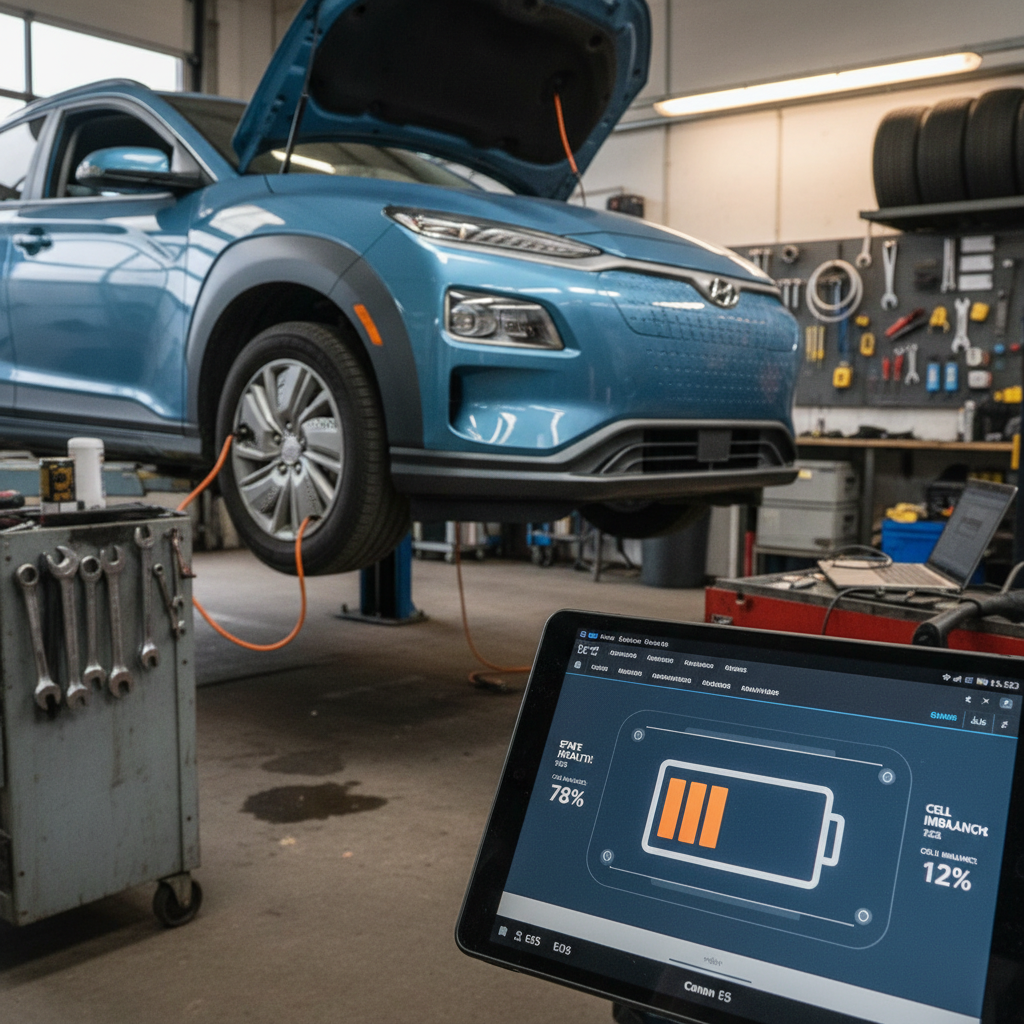
EV shoppers are increasingly savvy about <strong>battery degradation</strong>. A GV70 that’s been DC fast‑charged hard and often, or shows reduced range, will command less money than one with a strong, documented battery and mostly Level 2 home charging.
Miles, accidents, and service history
Traditional used‑car rules still apply. Clean Carfax (or equivalent), consistent dealer or specialist maintenance, and lower miles will always support a stronger resale price, especially on a relatively new model like the Electrified GV70.
Software updates & recalls
Genesis has already issued software‑related recalls for digital displays in several models, including the Electrified GV70. Shoppers will look favorably on vehicles that have recall work and over‑the‑air updates clearly documented.
Equipment & trim level
Higher‑spec trims with desirable features, panoramic roof, advanced driver assistance, upgraded audio, tend to be easier to sell and suffer less depreciation, provided you don’t overpay up front for rarely used options.
Macro EV trends & incentives
Shifting federal and state incentives, tariffs on imported EVs, and rapid new‑model launches can all shove used EV values up or down quickly. These broad forces are outside your control, but they’re a big reason why depreciation on early‑adopter EVs can look lumpy.
Charging ecosystem & brand perception
As the charging landscape standardizes and more brands tap into NACS and high‑speed networks, buyers become more confident keeping an EV long term. That helps support residuals for well‑engineered vehicles like the Electrified GV70.
Lease residuals vs. real‑world depreciation
One place Genesis has been especially aggressive is on lease residuals, the percentage of MSRP the captive finance arm assumes a vehicle will be worth at the end of the lease. For the gas GV70, for example, recent 24‑month residuals have been set above 80% on some trims, which is far higher than the market would support on its own.
That strategy lowers monthly lease payments by artificially shrinking the amount of depreciation the customer pays. But it also means the bank, not the lessee, is the one taking the risk if resale values fall short. Electrified GV70 lease programs may not mirror the gas GV70 exactly, but the pattern is similar: lease offers often assume stronger future values than the real used‑car market ultimately delivers.
How to use this as a shopper
How to shop a used Electrified GV70 around depreciation
If you’re value‑driven, the sweet spot for a Genesis Electrified GV70 is usually as a second or third owner, after the initial depreciation hit. Here’s how to use depreciation to your advantage when you shop:
Used Electrified GV70 buying playbook
1. Target the 2–4‑year‑old window
By years two to four, most of the scary early depreciation is baked in. You’re more likely to find an Electrified GV70 at 40–60% of its original MSRP, with plenty of useful life left in the battery and modern tech.
2. Look for low‑mile, single‑owner history
Single‑owner vehicles with clean histories and service records typically depreciate more slowly going forward. They’re also easier to finance and insure, which matters if you’re stacking total cost of ownership against rivals.
3. Prioritize verified battery health
Battery condition can make or break an EV deal. With Recharged, every used EV comes with a <strong>Recharged Score Report</strong> that includes independent battery‑health diagnostics, so you aren’t guessing about range or degradation.
4. Compare asking price to original MSRP
When you know what a specific VIN stickered for new, it’s easier to see whether you’re actually getting a deal. A well‑equipped Electrified GV70 that was $70,000 new at $38,000 today is a very different proposition than a base vehicle at the same price.
5. Consider total cost, not just sticker
Electricity, maintenance, insurance, and financing all fold into your real monthly cost. A slightly higher‑priced GV70 with lower miles, better battery health, and competitive financing from a partner like Recharged can be cheaper to own than a bargain‑basement outlier.
Recharged is built around this exact problem. Our marketplace focuses on used electric vehicles, including models like the Electrified GV70, and every vehicle includes fair‑market pricing analysis, verified battery health, and expert guidance so you can estimate future depreciation with eyes wide open.
Protecting your Electrified GV70’s future resale value
Once you own an Electrified GV70, there’s a lot you can do to sit on the right side of the depreciation curve. You can’t control the entire EV market, but you can control how desirable your particular vehicle looks in three to five years.
- Be kind to the battery. Avoid living at 100% charge or routinely running down to nearly 0%. When possible, use Level 2 charging instead of frequent DC fast charging, and keep the car in temperature‑controlled parking in extreme climates.
- Document everything. Maintain a neat folder (digital or paper) with service invoices, recall letters, OTA update confirmations, and tire/maintenance receipts. Buyers and appraisers will pay more for a well‑documented EV.
- Stay current on recalls and software. For issues like the recent Genesis display‑screen software recall, get the update done promptly and keep proof on file. A fully updated software stack makes a used EV much more attractive.
- Keep cosmetic wear under control. Curb‑rashed wheels, stained interiors, and cracked glass can push a vehicle into a lower condition category, shaving thousands off trade‑in or resale value.
- Time your exit. If you bought new, consider selling or trading right before major tech shifts, such as a major range bump or facelift, reach showrooms in volume. That’s often when older examples take their next big step down in value.
Don’t chase tech fads blindly
FAQ: Genesis Electrified GV70 depreciation and value
Common questions about Electrified GV70 depreciation
Bottom line: Is the Electrified GV70’s depreciation a dealbreaker?
The Genesis Electrified GV70 depreciation rate looks steep on paper if you focus only on MSRP versus five‑year forecasts, but that’s true of nearly every premium EV SUV right now. The real story is that Genesis has engineered a stylish, well‑reviewed electric SUV that’s already earning strong residual‑value awards in its class, even as early owners absorb the typical EV price swings.
If you’re willing to buy used, or you lease with eyes wide open, the Electrified GV70 can be a very smart play. As a shopper, your job is to line up the numbers: what the car cost new, what it’s actually worth today, what the battery health looks like, and how long you plan to keep it. Recharged is designed to help with exactly that, pairing transparent pricing with a Recharged Score Report on every EV so you can step into electrified luxury without being surprised by depreciation later.