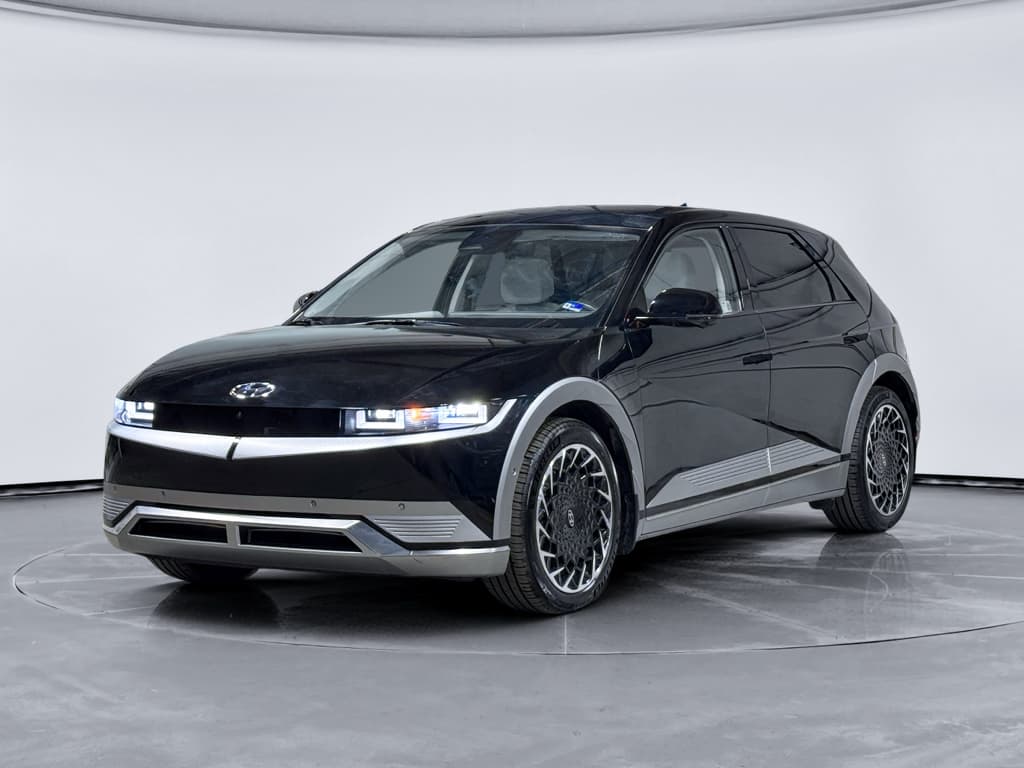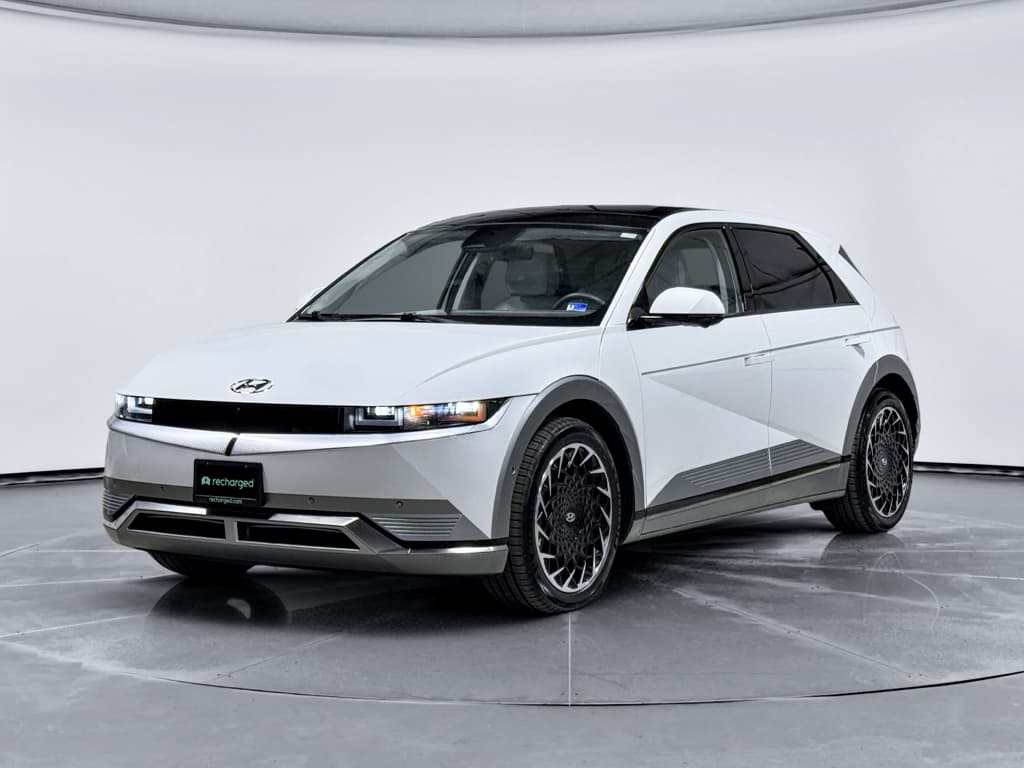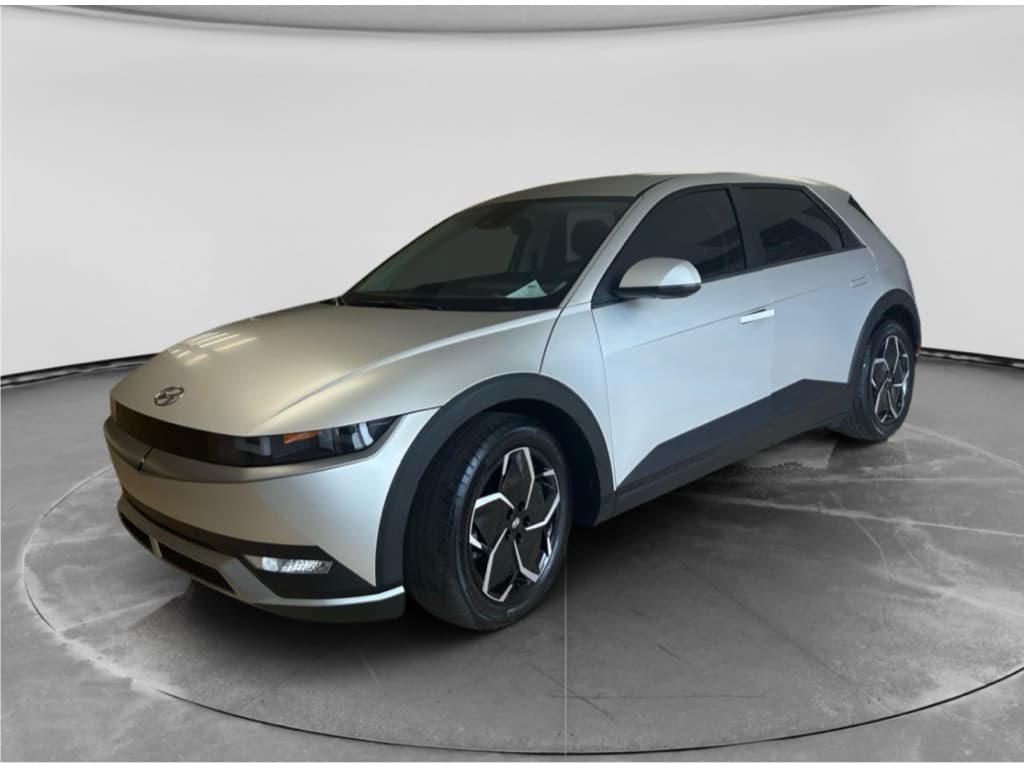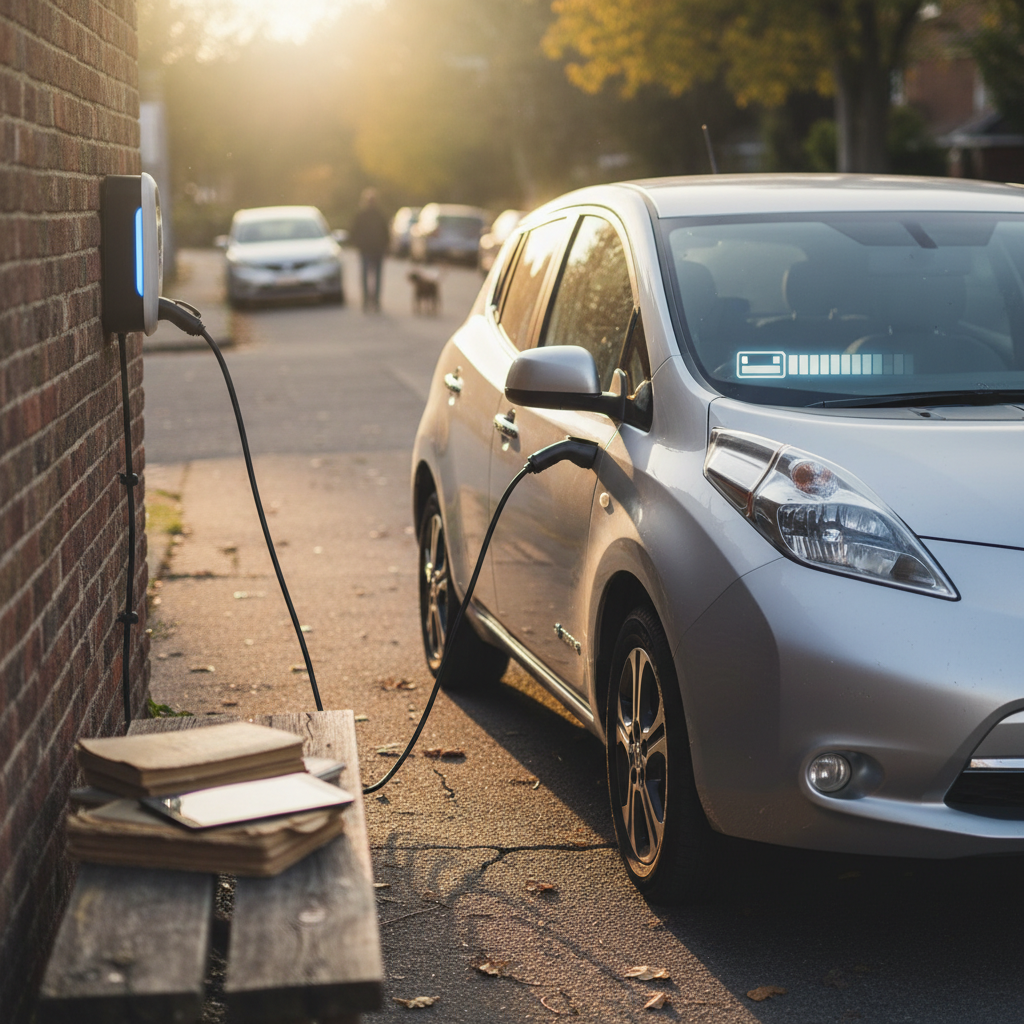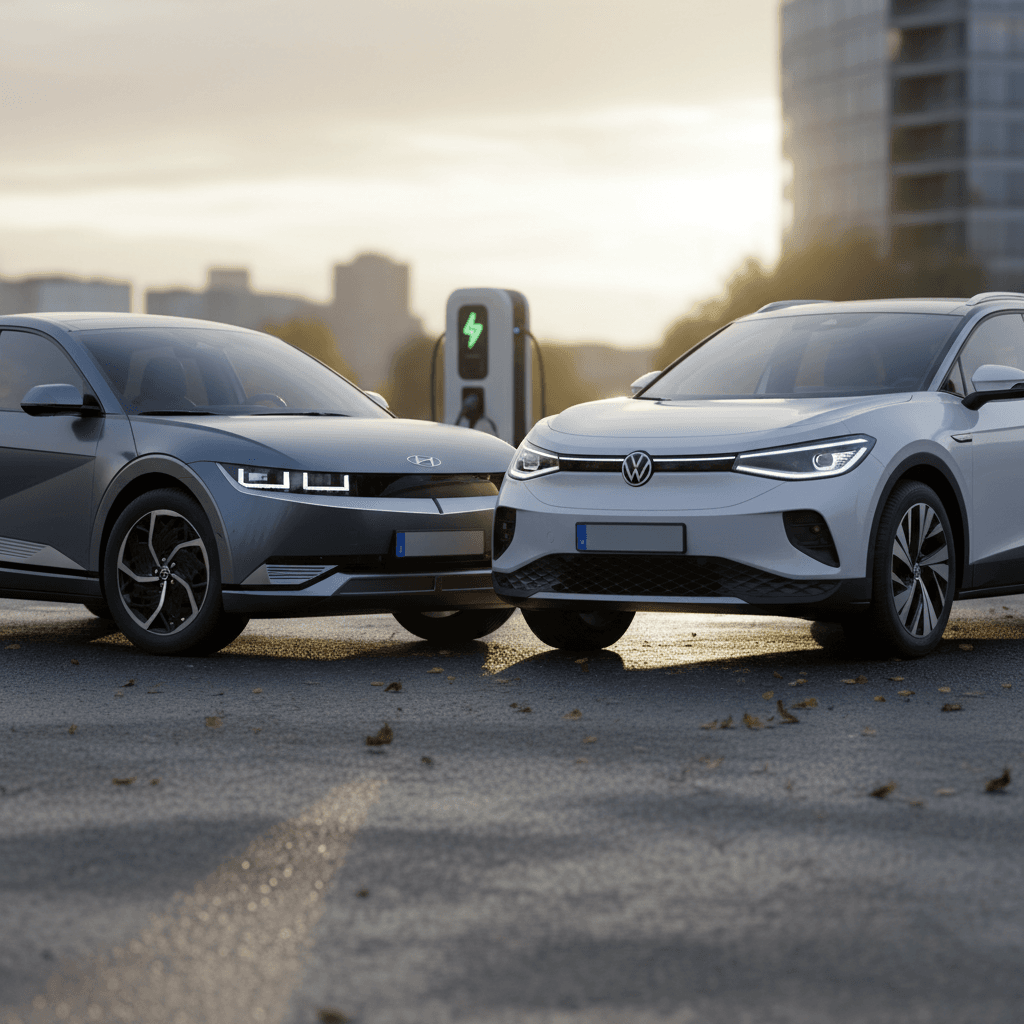
If you’re shopping for a practical electric SUV, the **Hyundai IONIQ 5 vs VW ID.4** comparison is probably near the top of your list. Both are roomy family crossovers with real-world range, DC fast charging, and mainstream pricing, especially in the used market. But they take very different approaches, and the right choice depends on how you actually plan to use your EV.
Big picture
Hyundai IONIQ 5 vs VW ID.4 at a glance
Key specs: IONIQ 5 vs ID.4 (recent U.S. models)
Approximate U.S.-spec figures for 2024–2026 model years. Always verify exact specs for the specific vehicle you’re considering, especially in the used market.
| Spec | Hyundai IONIQ 5 | Volkswagen ID.4 |
|---|---|---|
| Battery sizes (usable, approx.) | 58 kWh, 77–84 kWh (trim-dependent) | 58 kWh, 77–79 kWh (trim-dependent) |
| EPA-estimated max range | Up to ~318 miles (RWD, large pack, latest MY) | Roughly 275–294 miles on Pro/Pro S RWD trims |
| Typical AWD range | ~260–270 miles | ~255–280 miles depending on year/trim |
| Max DC fast-charge rate (peak) | Up to 230–250 kW on 800V hardware | Roughly 125–175 kW depending on battery/trim |
| 10–80% DC fast-charge time (best case) | ~18–20 minutes on a 350 kW charger | ~30–40 minutes; as quick as ~20 minutes on newer 79 kWh GTX-type trims |
| Onboard AC charger | Up to 10.9 kW | About 11 kW |
| Drivetrain options | RWD or AWD | RWD or AWD |
| Max horsepower (non-performance trims) | Up to ~320 hp (AWD) | Roughly 282–295 hp (AWD on newer models) |
| Cargo space (behind 2nd row, approx.) | About 27–30 cu ft, very usable | About 30–33 cu ft, slightly more boxy |
| Distinctive strength | Ultra-fast charging, bold design, strong range | Conventional crossover feel, comfort, straightforward controls |
Hyundai IONIQ 5 generally wins on range and DC fast-charging speed, while the ID.4 emphasizes comfort and value.
Charging and range highlights
Range and efficiency: which goes farther?
Real-world range is where many EV shoppers start, and it’s an area where the Hyundai IONIQ 5 generally holds a small but meaningful edge over the VW ID.4 in U.S. trims.
- Recent U.S. IONIQ 5 models offer an EPA-estimated **220 miles** with the standard battery and up to about **303–318 miles** with long-range rear-wheel-drive configurations, depending on model year and exact pack size.
- Volkswagen ID.4 models typically deliver around **200–206 miles** on base batteries and about **255–294 miles** on Pro/Pro S RWD trims, again depending on year and configuration.
- Both SUVs lose range with all-wheel drive, but the IONIQ 5 often retains a stronger number, around the **mid-250s to mid-260s**, versus the ID.4’s **mid-260s to high-270s** in its best AWD forms.
How much range do you really need?
On pure numbers, the **IONIQ 5 is the safer bet if maximum range matters**, especially in rear‑wheel‑drive long-range trims. That said, for most daily driving, both offer more than enough real-world capability, and your tire choice, weather, and driving style will matter just as much as the spec sheet.
Charging speed and road-trip ability
Here’s where the Hyundai IONIQ 5 really separates itself. It rides on an 800‑volt electrical architecture, which is still rare at this price point and enables ultra-fast DC charging when you can plug into a powerful station.
IONIQ 5 vs ID.4 charging comparison
Approximate manufacturer and real-world figures for late-model trims on capable chargers.
| Charging aspect | Hyundai IONIQ 5 | Volkswagen ID.4 |
|---|---|---|
| Max DC fast-charge rate | Up to ~230–250 kW on 800V hardware | Generally ~125–175 kW depending on battery/trim |
| 10–80% DC fast charge (ideal) | Around 18–20 minutes on a 350 kW charger | Commonly 30–40 minutes; top trims can approach ~20 minutes |
| 240V Level 2 home charging | Roughly 5.5–7.5 hours from low to full, depending on pack size | Roughly 8–12 hours, depending on pack size and charger amperage |
| Included charging gear (recent years) | Hyundai increasingly bundles a dual‑amperage Level 1/2 portable charger on newer model years | VW typically includes a Level 1 cord; Level 2 wallbox or portable units are usually extra |
Both charge comfortably overnight at home, but the IONIQ 5 is noticeably quicker on road‑trip DC fast chargers.
NACS vs CCS: connector changes to know
If your life includes a lot of highway miles, the IONIQ 5’s ability to add well over 150 miles of range in roughly 15–20 minutes on a high‑power DC charger is a major advantage. The ID.4 can absolutely road‑trip, but you’ll typically sit plugged in for **10–20 more minutes per stop** to get a similar energy boost.
Performance and driving feel
Both SUVs are quick compared with gas crossovers, but they feel different from behind the wheel.
Hyundai IONIQ 5
- Power: Around 168 hp in base RWD trims up to about 320 hp in dual‑motor AWD models.
- 0–60 mph: Mid‑5‑second range in the stronger AWD variants, genuinely quick for a family SUV.
- Feel: Smooth, refined, and a bit sportier than you might expect. The long wheelbase and low center of gravity make it stable and composed.
- Quirks: Steering feedback is on the lighter side, but the overall experience is polished and confident.
Volkswagen ID.4
- Power: Earlier RWD models hover around 201 hp; newer AWD and larger‑battery trims step up into the ~282–295 hp neighborhood.
- 0–60 mph: Comfortable rather than thrilling in base trims; upper AWD versions feel brisk but rarely "wow" performance shoppers.
- Feel: Tuned more like a traditional VW crossover, soft, quiet, and biased toward comfort instead of sportiness.
- Quirks: Body motions are well‑controlled but the ID.4 isn’t eager to be hustled; it’s happiest as a relaxed cruiser.
Driving feel verdict
Interior space, comfort, and utility
On paper, cargo numbers are close. In practice, the cabins have different personalities that might matter more than a cubic‑foot here or there.
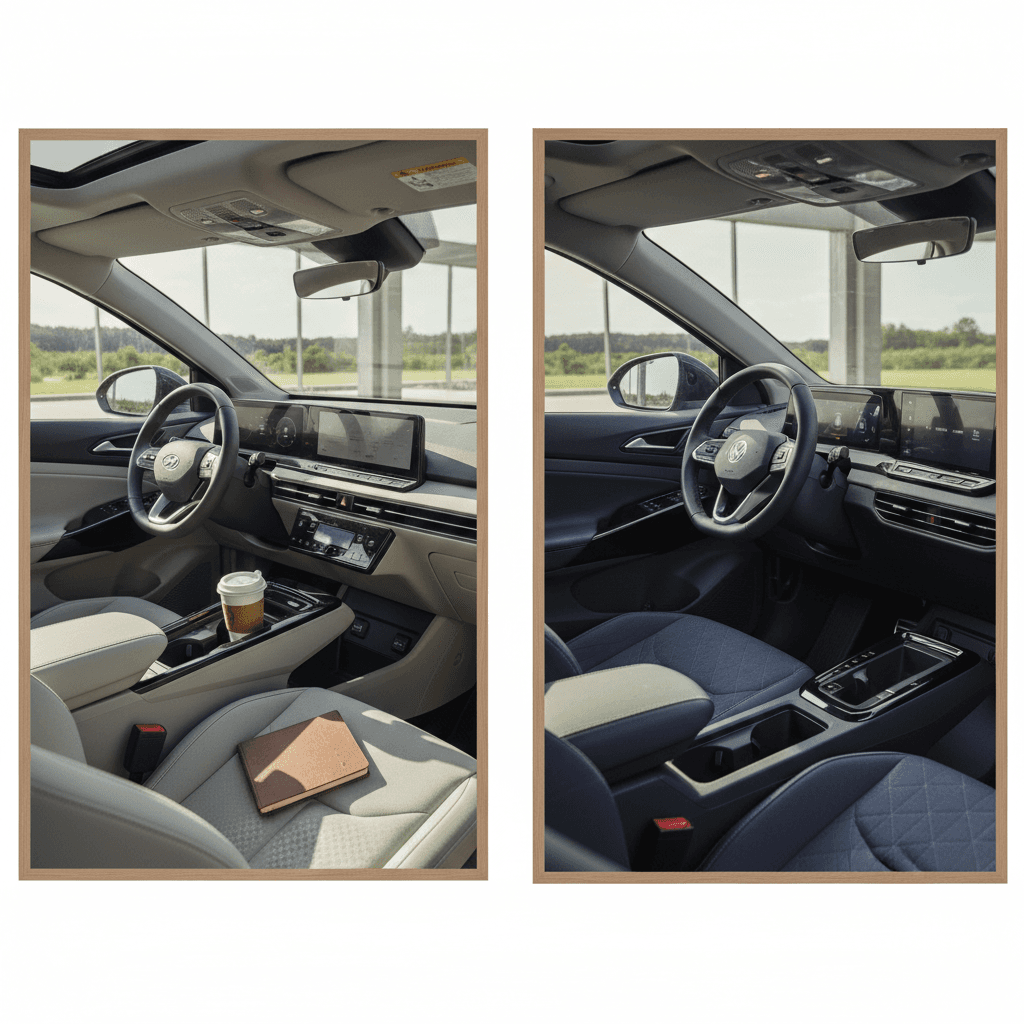
Cabin character: minimalist vs traditional
Both are family‑friendly, but they’ll appeal to different tastes.
Hyundai IONIQ 5 interior
- Design-forward, lounge-like cabin with flat floor, long wheelbase, and sliding center console in many trims.
- Dual 12.3‑inch screens and a minimalist dashboard make it feel closer to a concept car brought to life.
- Rear seat space is excellent; adults can genuinely stretch out.
- A bit less traditional storage than some SUVs, but clever under‑console and under‑floor solutions help.
Volkswagen ID.4 interior
- Conventional crossover layout with upright seating and a more enclosed feel.
- Materials vary by trim; upper trims feel solid and comfortable without being flashy.
- Cargo area is boxy and practical, easy to load strollers, luggage, and bulkier items.
- Controls and infotainment have evolved over model years, newer software is more polished than early versions.
Family-practical tip
Technology and driver-assistance features
Both the IONIQ 5 and ID.4 come loaded with the tech you’d expect in a modern EV: big screens, smartphone integration, and a full suite of active safety features. The difference is largely in how intuitive they feel and how much you like the design language.
- **Infotainment & UX:** The IONIQ 5’s dual widescreens and clean interface look sharp and are generally easy to navigate once you’re familiar. VW’s ID.4 has improved over early software versions but still uses touch‑sensitive controls in spots that some drivers find fussy.
- **Driver-assistance:** Both offer adaptive cruise control, lane keeping, automatic emergency braking, and available highway assist features. Hyundai’s systems are polished and confidence‑inspiring; VW’s are competent if sometimes conservative in lane‑keeping behavior.
- **Over-the-air updates:** Both brands continue to push software updates to fix bugs and add features, so a 2021 example may behave differently from a 2024 or 2025 model. When buying used, it’s worth checking that all recall work and major updates have been completed.
Don’t ignore software updates
Reliability, safety, and recent recalls
Safety ratings for both the IONIQ 5 and ID.4 are strong, with multiple agencies praising their crash performance and standard active‑safety tech. The bigger story lately has been **battery‑related recalls**, particularly on some ID.4 model years.
- **Hyundai IONIQ 5:** Thus far, the IONIQ 5’s track record has been solid. Like any modern EV, there have been software updates and smaller campaigns, but no widespread high‑voltage battery fire recalls in the U.S. as of early 2026.
- **Volkswagen ID.4:** VW has issued several recalls, including recent actions involving high‑voltage battery cell defects that can increase fire risk on specific 2023–2025 model‑year ID.4s. Some owners are advised to park outdoors, limit charge levels, and avoid DC fast charging until repairs are complete.
- **What this means for shoppers:** A recall isn’t an automatic deal‑breaker, repairs are performed at no cost, but it does mean you should be extra careful to verify that any open campaigns have been addressed on the exact VIN you’re considering.
For ID.4 shoppers: check recall status
Pricing, used-EV value, and total cost
New‑car pricing has been moving quickly as automakers respond to EV incentives and market pressure. The Hyundai IONIQ 5, in particular, has seen **significant price cuts for the 2026 model year**, with drops of several thousand dollars across most trims. That ripples into the used market and makes late‑model examples especially appealing from a value standpoint.
Typical pricing patterns (U.S. market)
Exact pricing varies by region, incentives, and model year. These are directional observations from recent trends.
| Aspect | Hyundai IONIQ 5 | Volkswagen ID.4 |
|---|---|---|
| New MSRP trend | Recent model years have seen sizable price reductions to offset expiring federal credits, especially on mainstream trims. | MSRP has remained competitive but hasn’t been slashed as aggressively as some rivals; VW often leans on lease and finance incentives. |
| Used price behavior | Holds value reasonably well thanks to strong reviews, fast charging, and high demand; deals are best on higher‑mileage early years. | Often priced a bit lower than comparable IONIQ 5s, making it attractive if you prioritize cost over outright charging speed. |
| Total cost of ownership | Excellent efficiency, strong range, and robust warranty support (including battery) help control long‑term costs. | Slightly lower purchase prices can offset somewhat slower charging; just factor in recall status and dealer proximity for service. |
In the used market, you’ll often find ID.4s as the budget play and IONIQ 5s commanding a modest premium for faster charging and range.
Leaning used? Focus on battery health, not just price
Who should buy the IONIQ 5 vs the ID.4?
Which EV SUV fits your life better?
Use these quick profiles to match the Hyundai IONIQ 5 or VW ID.4 to your priorities.
Choose the Hyundai IONIQ 5 if…
- You road‑trip regularly and care about **shorter DC fast‑charging stops**.
- You want **stronger range numbers**, especially in long‑range RWD trims.
- You like bold, concept‑car styling and a **futuristic interior**.
- Quick acceleration and a slightly sportier feel matter to you.
- You value access to both CCS and emerging **NACS (Tesla) fast‑charging options** on newer models.
Choose the Volkswagen ID.4 if…
- You prefer a **traditional, familiar crossover feel** inside and out.
- Your driving is mostly local, and you’re okay with **longer DC fast‑charge stops** a few times a year.
- Comfort and a quiet ride are bigger priorities than outright performance.
- You’re hunting for the **lowest purchase price** in the segment, especially on used examples.
- You live near a strong VW dealer or service network and are comfortable keeping up with recall campaigns.
How Recharged can help you shop smarter
Whether you end up in a Hyundai IONIQ 5 or a Volkswagen ID.4, picking the right **specific vehicle** matters just as much as picking the right model. Battery health, previous fast‑charging habits, software update history, and even tire choice can change how a used EV feels and performs.
Why consider buying your IONIQ 5 or ID.4 through Recharged?
Verified battery health with every EV
Every vehicle on Recharged comes with a **Recharged Score Report** that measures real battery condition and fast‑charging performance, so you’re not guessing about range or longevity.
Fair, transparent pricing
Our pricing reflects current market data for used EVs, including the latest shifts in new‑car MSRPs and incentives, so you see **fair market value up front**, no haggling required.
EV‑specialist guidance
Not sure whether the IONIQ 5 or ID.4 is right for your commute, climate, or charging situation? Our EV specialists can walk you through **charging options, range expectations, and ownership costs** before you buy.
Flexible ways to buy and sell
Trade in your current vehicle, get an instant offer, or consign your EV through our marketplace. We also offer **financing options** tailored to used EVs and **nationwide delivery** from our digital retail platform.
Try both, then let the data decide
Ready to find your next EV?
Browse VehiclesFAQ: Hyundai IONIQ 5 vs VW ID.4
Frequently asked questions
The bottom line: the Hyundai IONIQ 5 is the right choice if you value **fast charging, class‑leading range, and bold design**, while the Volkswagen ID.4 makes sense if you prefer a **conventional, comfort‑focused crossover at an aggressive price**. Whichever direction you lean, going used through a transparent marketplace like Recharged, with verified battery health, EV‑savvy support, and fair pricing, can turn a complicated decision into a confident one.