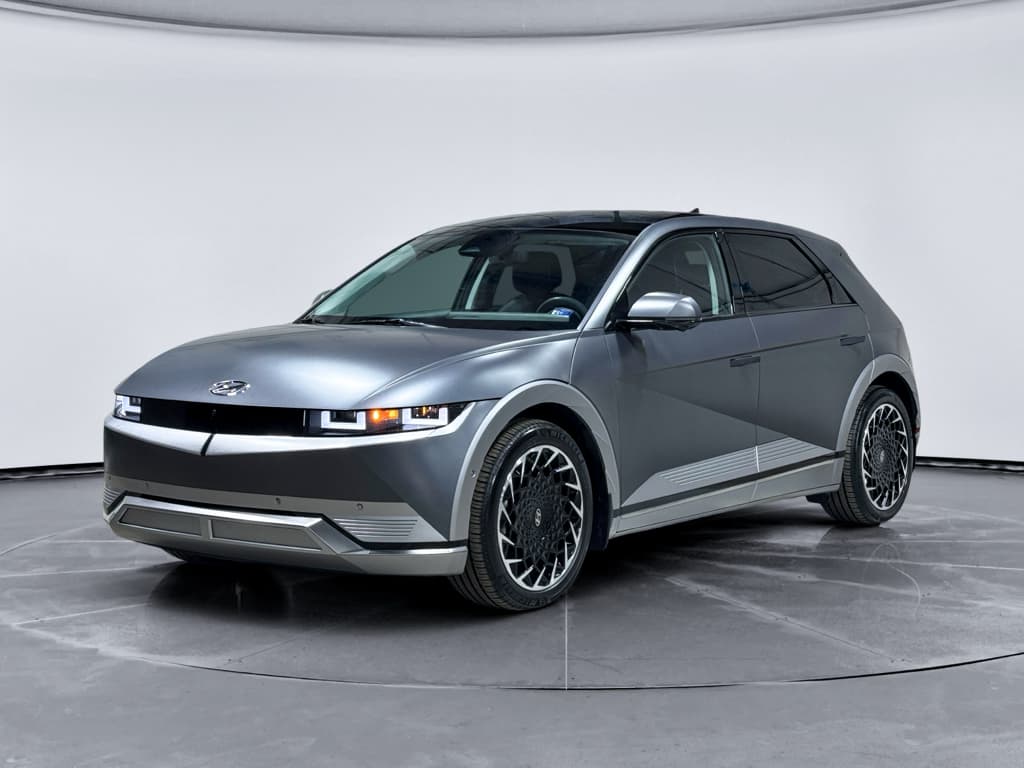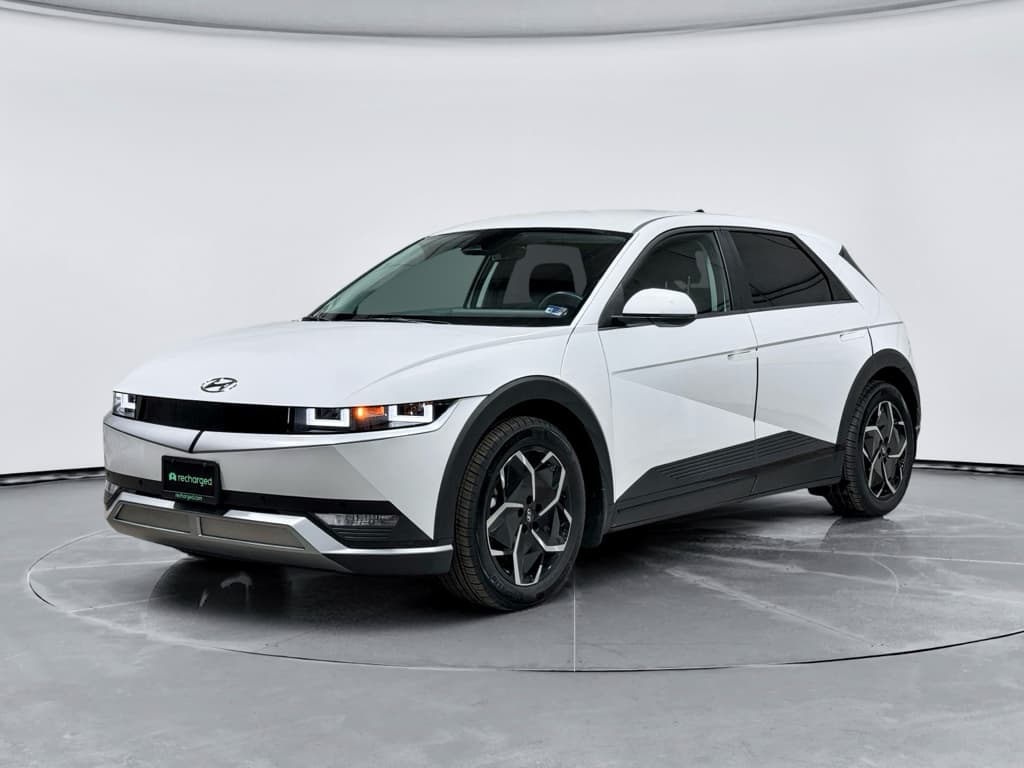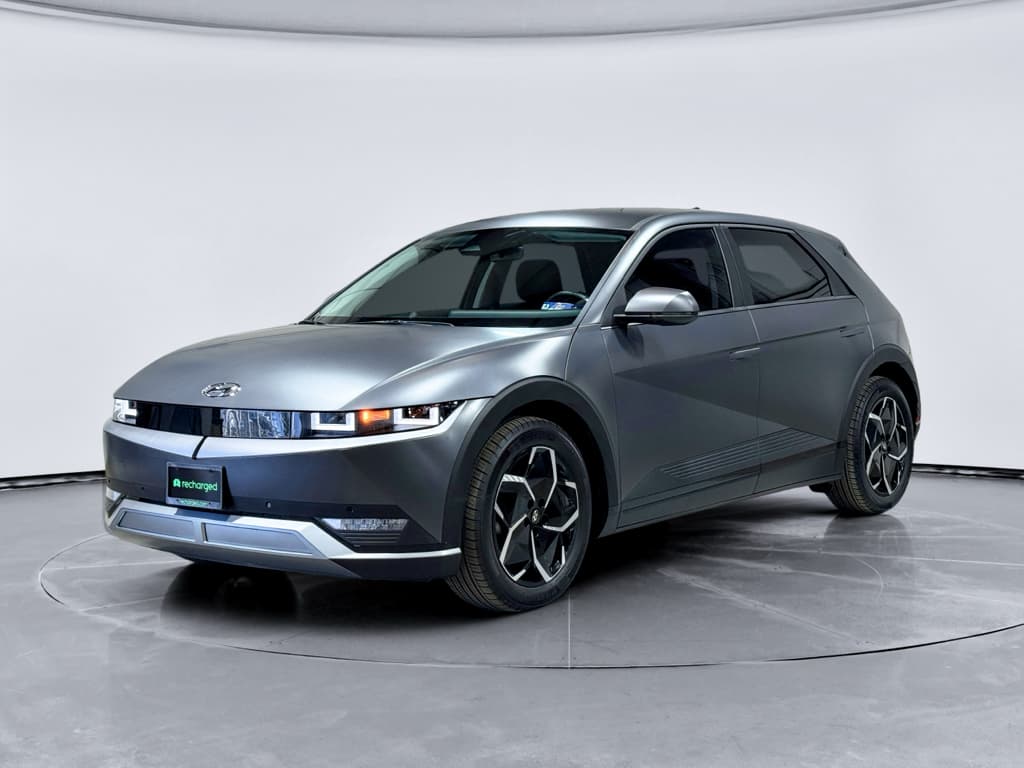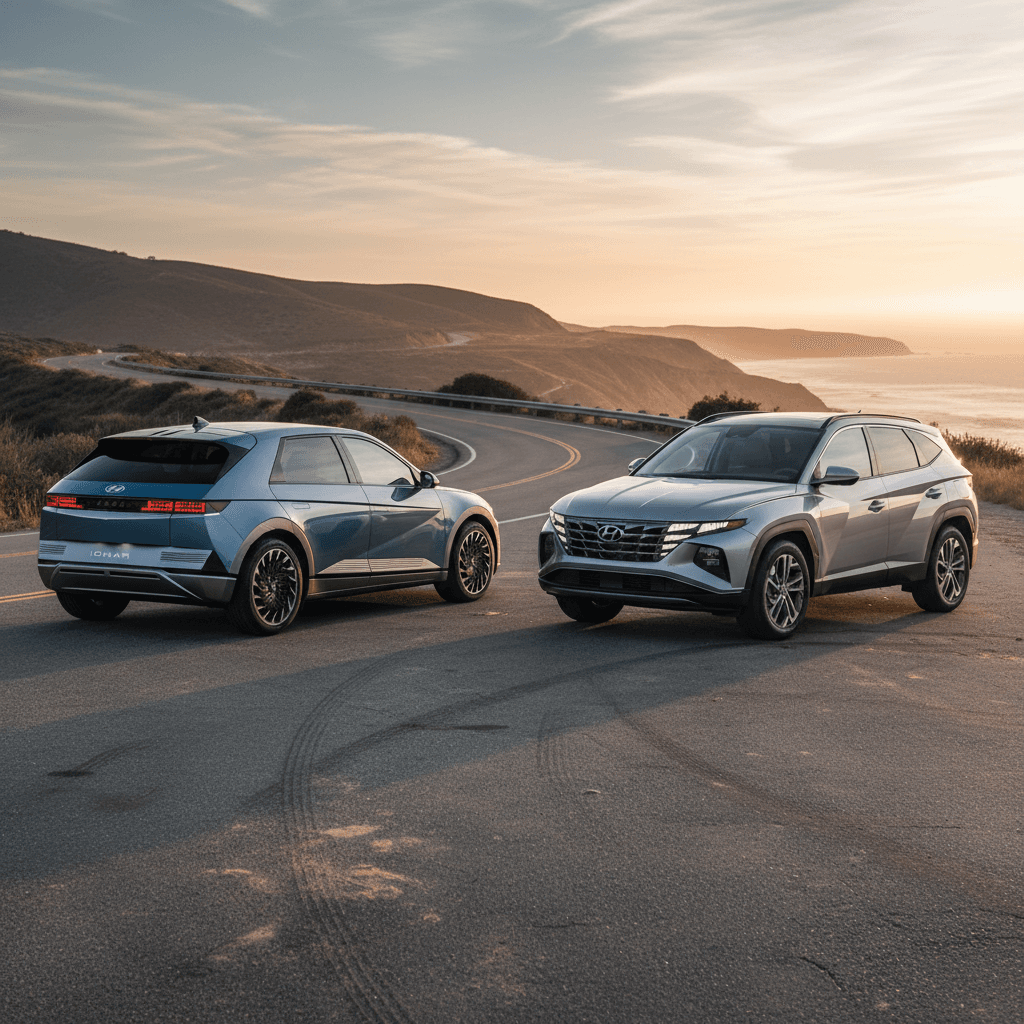
Trying to choose between the Hyundai Ioniq 5 and the Hyundai Tucson puts you right in the middle of today’s biggest car‑buying question: EV or gas/hybrid SUV? Both are excellent compact crossovers and both are award‑winners, but they fit very different ownership styles. This guide walks through price, range, fuel economy, space, and long‑term costs so you can confidently answer: Hyundai Ioniq 5 vs Hyundai Tucson, which should you buy?
Same badge, very different vehicles
Hyundai Ioniq 5 vs Tucson: Quick Overview
At-a-glance: Ioniq 5 vs Tucson
Core differences in one quick snapshot
Hyundai Ioniq 5 (EV)
- Powertrain: Fully electric, 58–77.4 kWh battery (2024–2025 models)
- Range: roughly 220–320 miles depending on trim and year
- Charging: Ultra-fast DC charging; 10–80% in under 20 minutes on a 350 kW charger
- Best for: Drivers with home charging and predictable daily mileage who want low running costs and modern tech
Hyundai Tucson (Gas/Hybrid/PHEV)
- Powertrains: 2.5L gas, hybrid (HEV), or plug‑in hybrid (PHEV)
- Efficiency: up to around mid‑30s mpg combined for the hybrid, with 30+ miles of EV‑only range on the PHEV
- Refueling: Conventional gas stations or Level 2 charging for the PHEV
- Best for: Apartment dwellers, frequent road‑trippers, or shoppers not ready to commit to full EV life
How to use this comparison
Pricing, Incentives, and Used-Market Reality
On paper, new MSRPs for the Ioniq 5 and Tucson can look similar, especially once you factor in federal and state EV incentives. In the real world, though, especially on the used market, their pricing stories have started to diverge.
Approximate 2024–2025 U.S. Price & Value Snapshot*
Important note on incentives
Hyundai Ioniq 5 vs Tucson: Typical Price Positioning (U.S.)
High‑level view for shoppers cross‑shopping new or nearly new examples.
| Model | Typical New Price Range | Typical Nearly-New Used Price (2–3 years) | Key Price Drivers |
|---|---|---|---|
| Hyundai Ioniq 5 | ~$38,000–$50,000+ depending on trim and options | Often mid‑$20,000s to mid‑$30,000s for 2022–2023 models, depending on mileage and battery size | EV incentives, dealer discounts, and battery size (Standard Range vs Long Range). |
| Hyundai Tucson Gas | ~$30,000–$38,000 for well‑equipped trims | Low‑ to mid‑$20,000s for clean late‑model examples | Trim level, AWD vs FWD, and optional packages. |
| Hyundai Tucson Hybrid | Typically a few thousand more than equivalent gas trims | Upper‑$20,000s to low‑$30,000s | Hybrid powertrain demand and fuel savings potential. |
| Hyundai Tucson Plug‑In Hybrid | Usually the priciest Tucson variant when new | Limited used supply; values vary by market | Eligibility for incentives and local demand for plug‑ins. |
*Figures are broad ranges to illustrate relative positioning, not exact transaction prices.
If you’re shopping used, the Ioniq 5 can actually undercut comparable new Tucson hybrids once you factor in fuel and maintenance savings. That’s why platforms like Recharged focus on transparent battery health and fair‑market pricing, so you can see whether a used Ioniq 5 really pencils out against a brand‑new Tucson.
Range vs MPG: How Far You Go on a “Fill”
Ioniq 5: Electric Range
- Standard‑range versions: approximately 220 miles of EPA‑rated range.
- Long‑range RWD models: around 300+ miles of EPA range depending on model year.
- AWD versions trade some range for extra traction and performance.
- Real‑world range drops in cold weather and at high highway speeds, just as with any EV.
Tucson: Fuel Economy
- 2.5L gas models: typically high‑20s mpg combined, depending on FWD vs AWD.
- Hybrid (HEV): low‑ to mid‑30s mpg combined under EPA ratings.
- Plug‑in Hybrid (PHEV): roughly 30+ miles of all‑electric range, then hybrid operation.
- On long highway drives, the hybrid and gas Tucsons shine because refueling is fast and easy.
Think in weekly miles, not just daily commute
Space, Comfort, and Everyday Practicality
Both the Ioniq 5 and Tucson are compact on the outside and roomy on the inside, but they package that space differently. The Tucson feels like a traditional SUV. The Ioniq 5, with its long wheelbase and flat floor, feels more like a roomy, modern lounge on wheels.
Interior and Cargo: Ioniq 5 vs Tucson
Both are family‑friendly, but they excel in different ways
Passenger Space
Ioniq 5: Long wheelbase and flat floor give excellent rear legroom and an airy, open feel.
Tucson: More traditional seating position, but still generous space for adults in both rows.
Cargo Flexibility
Tucson: Generally offers a bit more conventional cargo volume and easier loading height, especially with rear seats folded.
Ioniq 5: Plenty for daily use, plus a small front trunk, but ultimate max cargo favors Tucson.
Family Friendliness
Both offer LATCH anchors, wide‑opening rear doors, and available safety suites. If you’re juggling strollers, sports gear, and road‑trip luggage, the Tucson’s extra cargo depth can be a real advantage.
Driving Experience: EV Smoothness vs Gas Familiarity
Behind the wheel, the Ioniq 5 and Tucson feel surprisingly different, even when their spec sheets look similar. The Ioniq 5 emphasizes smooth, instant torque and quiet cruising. The Tucson aims for a familiar, confident feel that won’t surprise a first‑time SUV buyer.
- Ioniq 5: Instant torque, strong mid‑range pull, and very quiet operation. One‑pedal driving and regenerative braking become second nature after a short learning curve.
- Tucson Gas: Smooth enough for daily use, but you’ll notice more engine noise and downshifts, especially on grades and during passing.
- Tucson Hybrid: Quicker and more responsive than the base gas engine in many situations, with better city mileage and fewer trips to the pump.
- Tucson PHEV: EV‑like smoothness for short commutes when charged, plus traditional hybrid behavior when the battery is depleted.
Performance sweet spot
Charging vs Fueling: Lifestyle Fit
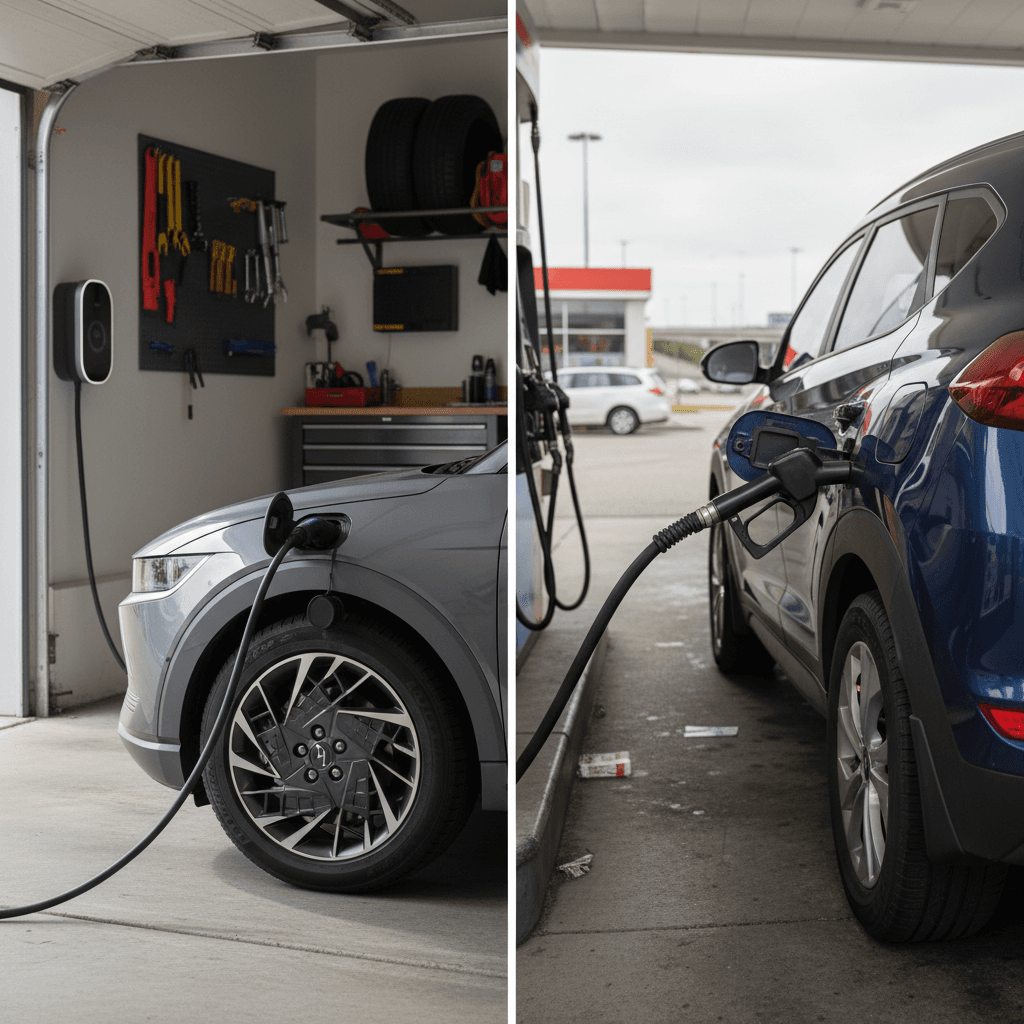
The biggest day‑to‑day difference between the Ioniq 5 and Tucson isn’t acceleration or options, it’s how you “refill” them. Your access to home charging is often the single most important factor in this decision.
Ask yourself these questions before choosing
1. Do you have reliable home charging?
A driveway or garage where you can install a Level 2 charger (or at least use a 120V outlet) makes living with an Ioniq 5 dramatically easier and cheaper. Without it, you’ll lean heavily on public chargers.
2. How often do you road‑trip?
If you regularly drive several hundred miles in a day, the Tucson’s fast gas refueling and dense station network simplify life. The Ioniq 5’s excellent fast‑charging capability helps, but you’ll plan trips around charging stops.
3. What does fuel cost where you live?
In many U.S. regions, home electricity rates make EV miles significantly cheaper than gas miles. In others, especially with very high electricity prices, the Tucson hybrid or PHEV may be financially competitive.
4. Are you okay with a small learning curve?
Charging apps, planning for charging stops, and understanding range in different weather are part of EV ownership. If you want a no‑change experience, the Tucson feels more familiar.
Fast-charging advantage for the Ioniq 5
Long-Term Costs and Reliability
Sticker price is only part of the story. Over several years of ownership, what you spend on energy, maintenance, and repairs can dwarf the difference between an Ioniq 5 and a Tucson.
Typical Long-Term Cost Differences
High‑level comparison of factors that influence 5–8 year cost of ownership.
| Category | Hyundai Ioniq 5 (EV) | Hyundai Tucson (Gas/Hybrid/PHEV) |
|---|---|---|
| Energy cost per mile | Often significantly lower when charging mostly at home, especially off‑peak rates | Higher for pure gas; hybrid improves this; PHEV best when frequently plugged in |
| Maintenance | No oil changes, fewer moving parts, reduced brake wear thanks to regen | Regular oil changes, more complex powertrains for hybrids/PHEVs |
| Battery / High‑Voltage System | Large traction battery is the most expensive component but covered by long EV warranties; degradation matters on used EVs | Hybrid and PHEV batteries are smaller but still important; gas models avoid this but have more engine wear over time |
| Reliability Trends | Early data shows solid reliability but EVs are still relatively new; software and charging quirks are more common than major mechanical failures | Tucson has a long track record; gas models are well‑understood, hybrids add complexity but have generally good reputations |
Exact numbers will depend on your driving, energy prices, and local incentives.
Used EV battery health matters
Who Should Buy the Ioniq 5 vs the Tucson?
Choose the Hyundai Ioniq 5 if…
- You have reliable home or workplace charging.
- Most of your driving is local commuting, school runs, and errands under 50–70 miles a day.
- You want quiet, quick, modern-feeling performance with advanced tech.
- Lower long‑term running costs matter more than occasional road‑trip convenience.
- You’re open to learning the basics of EV charging, apps, and route planning.
Choose the Hyundai Tucson if…
- You can’t easily install home charging or you’re renting with limited options.
- You routinely drive long highway distances and value five‑minute fueling.
- You want familiar ownership habits and easy service at almost any shop.
- You favor maximum cargo flexibility and traditional SUV traits.
- You like the idea of electrification but aren’t ready to go all‑in, then the Tucson hybrid or PHEV can be a smart middle ground.
A quick rule of thumb
Buying Used: What to Watch For
Cross‑shopping a used Hyundai Ioniq 5 with a used Hyundai Tucson adds a new dimension: condition and history. EVs age differently than gas SUVs, so your inspection checklist should be different too.
Used Ioniq 5 vs Tucson: Key Inspection Points
Battery health (Ioniq 5)
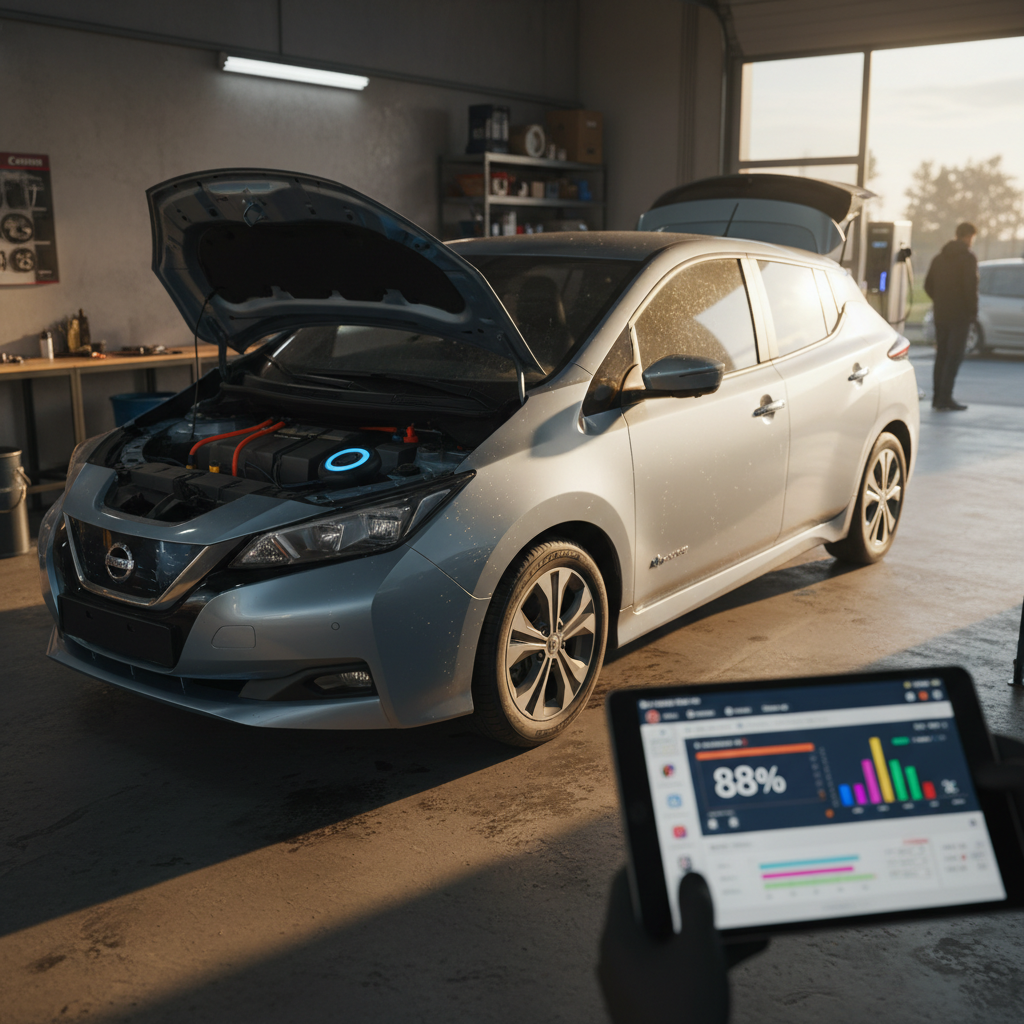
Ask for a recent battery health report, not just the dash‑displayed range. A platform like Recharged provides a detailed <strong>Recharged Score</strong> with verified state‑of‑health, so you know whether the car will still meet your range needs in several years.
Charging history and hardware (Ioniq 5)
Inspect the charge port and cable for damage. Ask how often the car was DC‑fast‑charged vs Level 2 at home; heavy fast‑charging isn’t a deal‑breaker but is useful context.
Service records and fluids (Tucson)
For gas and hybrid Tucsons, verify regular oil changes, coolant service, and any transmission or hybrid‑system maintenance performed on schedule.
Tires and brakes (both)
EVs are heavy and can wear tires faster; hybrids and PHEVs can be hard on rear brake components if driven mostly in EV mode. Uneven wear can also hint at alignment or suspension issues.
Software updates and recalls (both)
Check that important software updates and recalls have been completed, especially for driver‑assist systems and charging or hybrid control modules.
How Recharged can help
Hyundai Ioniq 5 vs Tucson: FAQ
Frequently Asked Questions
Bottom Line: How to Decide Between Ioniq 5 and Tucson
When you boil it down, choosing between the Hyundai Ioniq 5 and Hyundai Tucson isn’t about which is “better” in the abstract; it’s about which fits your life. The Ioniq 5 is the right call if you can charge at home, most of your driving is local, and you want modern tech with very low running costs. The Tucson, especially in hybrid or plug‑in form, suits drivers without easy charging or those who live on the highway and value five‑minute fuel stops.
If you’re curious about going electric but want hard numbers instead of guesses, start by browsing used Hyundai Ioniq 5 listings on Recharged. Every vehicle comes with a Recharged Score Report that spells out battery health, pricing, and ownership insights. With that kind of transparency, you can compare an Ioniq 5 and a Tucson on facts, not just first impressions, and choose the SUV that’ll serve you best for years to come.