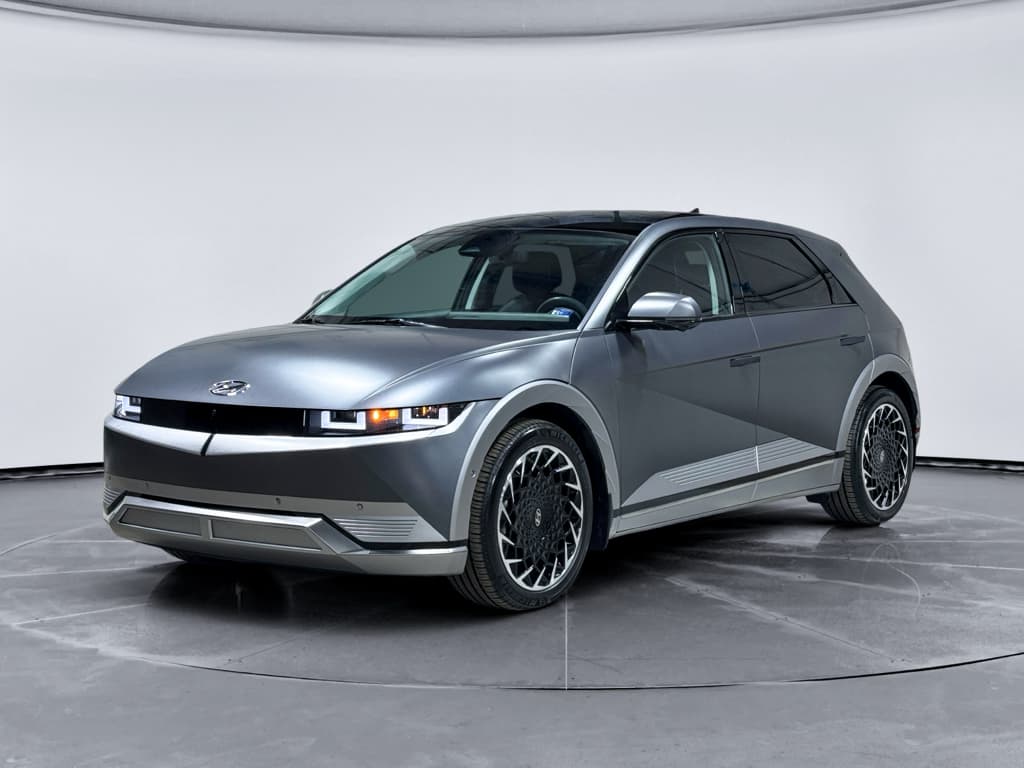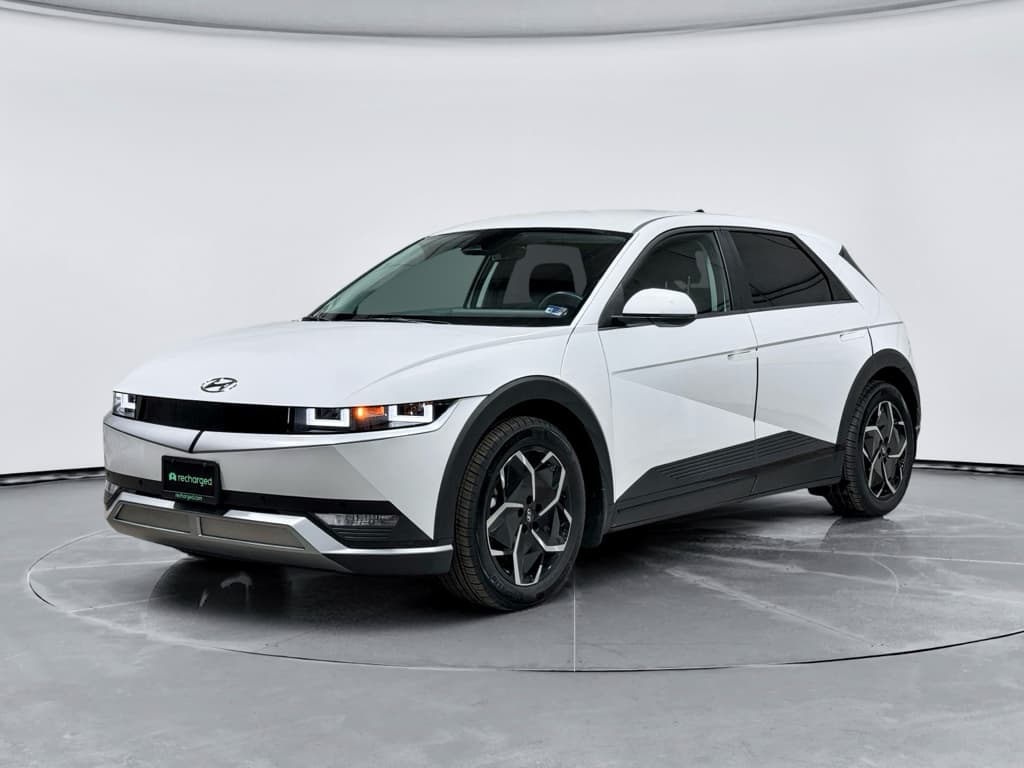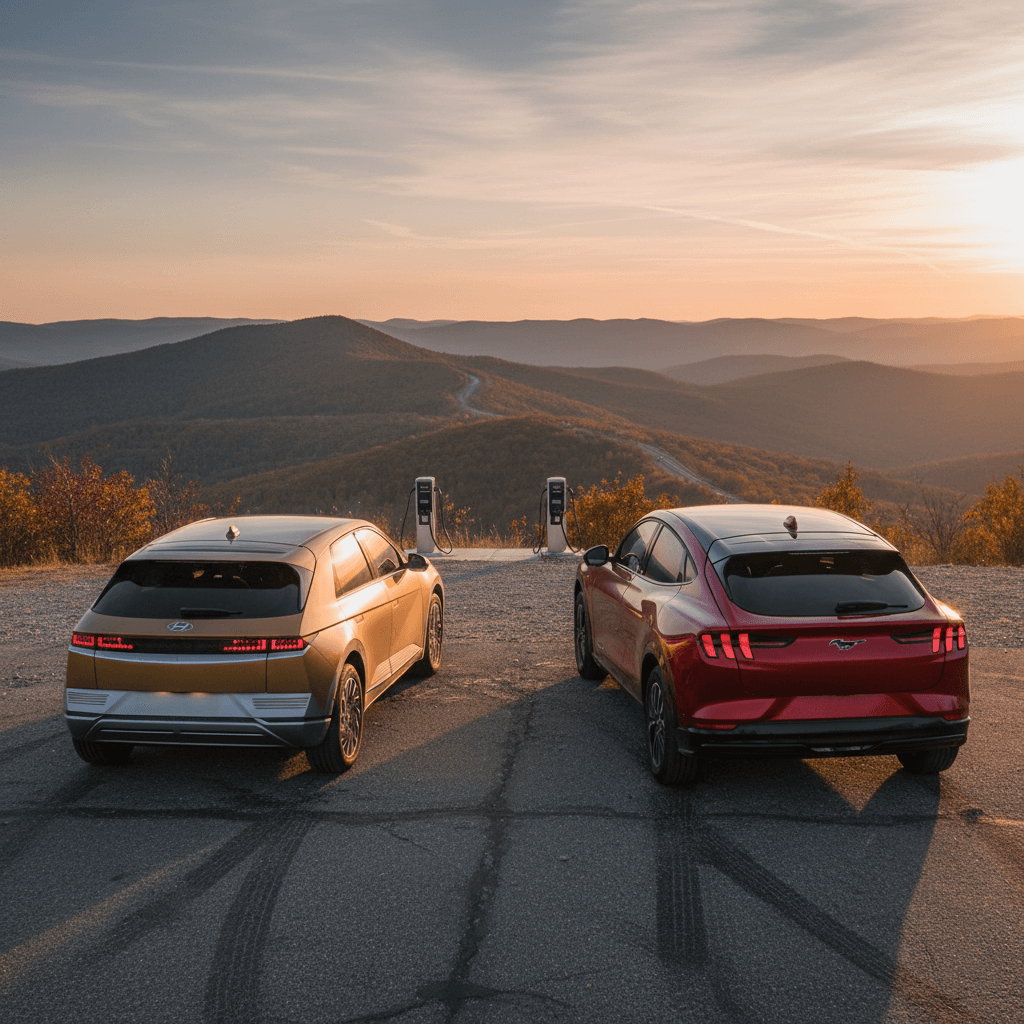
If you’re cross‑shopping the Hyundai Ioniq 5 vs Ford Mustang Mach‑E and wondering which is better, you’re not alone. These two electric SUVs are the heart of the mainstream EV market: stylish, quick, family‑friendly, and now widely available as used vehicles at much more approachable prices. The catch is that they do the EV thing with very different personalities.
The short answer
Hyundai Ioniq 5 vs Mustang Mach‑E: quick take
Who each EV is best for
Both are excellent. They just solve different problems.
Hyundai Ioniq 5: best for most families
- Superb DC fast‑charging with 800V architecture on earlier models and very rapid charge times.
- Roomier back seat and cargo area; feels like a midsize SUV inside.
- Laid‑back, refined ride that makes commuting and long trips easy.
- Generally more efficient, so you use less electricity per mile.
Ford Mustang Mach‑E: best for enthusiasts
- Sportier steering and handling; feels more like a tall hatchback than an SUV.
- Available GT and Rally performance trims with serious acceleration.
- More expressive styling and Mustang heritage appeal.
- BlueCruise hands‑free driving on many highway stretches in newer models.
Used‑buyer tip
Key specs at a glance
Hyundai Ioniq 5 vs Ford Mustang Mach‑E: core numbers
Approximate specs for popular U.S. trims (2024–2025 model years). Exact figures vary by model year and configuration.
| Spec | Hyundai Ioniq 5 (popular trims) | Ford Mustang Mach‑E (popular trims) |
|---|---|---|
| Battery options | ~58 kWh, ~77–84 kWh usable | ~73 kWh, ~88–91 kWh usable |
| EPA range (max, RWD) | Up to ~303–320 miles | Up to ~300–320 miles |
| 0–60 mph (mainline trims) | ~7–5 seconds (RWD/AWD) | ~6–4.5 seconds (RWD/AWD) |
| 0–60 mph (performance) | ~3.2 sec (Ioniq 5 N) | ~3.4 sec (GT / Rally) |
| Max DC fast‑charge rate | Up to 230–350 kW (800V early models; very high peak rates) | Up to ~150–170 kW depending on battery and year |
| Charging port (US, newer) | NACS (Tesla‑style) plus CCS via adapter on 2025+ models | CCS on earlier models; NACS access via adapter and later native NACS |
| Drive layouts | RWD or AWD | RWD or AWD |
| Body style | Boxy, hatchback‑style crossover | Sleeker coupe‑inspired crossover |
| Interior vibe | Open, lounge‑like, airy | Sporty, cockpit‑like, darker |
Use this as a directional guide; always confirm the exact specs for the specific VIN you’re considering.
Specs vary more than you think
Range and efficiency: who goes farther?
On paper, the Hyundai Ioniq 5 and Ford Mustang Mach‑E trade punches on range. Well‑specced, rear‑wheel‑drive versions of each can crest the 300‑mile mark in U.S. EPA testing in recent model years. In the real world, your driving style, weather, wheel size, and highway speeds matter more than the brochure, but there are clear tendencies.
Hyundai Ioniq 5: quietly efficient
- Standard‑range battery around the high‑50s kWh usable, long‑range packs in the high‑70s to low‑80s.
- RWD long‑range trims commonly rated around 295–320 miles, depending on year and wheels.
- AWD trims drop into the mid‑200s but still return solid real‑world numbers.
- Hyundai’s tuning prioritizes smoothness and efficiency over drama; you tend to get more miles per kWh than in the Mach‑E at similar speeds.
Ford Mustang Mach‑E: range with a muscle‑car foot
- Standard‑range pack around 70+ kWh usable; extended‑range packs in the high‑80s to low‑90s.
- Newer extended‑range RWD trims reach roughly 300–320 miles of EPA range.
- AWD and performance trims can slide under 260 miles if you drive them like, well, a Mustang.
- More aggressive acceleration and stickier tires on GT/Rally models mean you pay a range tax for fun.
Range verdict
Charging and road‑trip ability
Range is only half the story; how quickly you can put miles back into the pack matters even more on road trips. This is where the Ioniq 5 built its reputation early, and where the Mach‑E has been steadily improving, especially with access to Tesla’s Supercharger network.
Charging character, in three numbers
- Hyundai Ioniq 5 was one of the first mainstream EVs with true 800‑volt‑class charging, allowing very high peak charge rates and quick 10–80% sessions on 250–350 kW DC fast chargers.
- Ford Mustang Mach‑E started more conservatively but has gained faster DC rates and better charge curves in later model years via hardware updates and software tuning.
- Both brands are now embracing the North American Charging Standard (NACS), letting many newer Ioniq 5 and Mach‑E owners use a large portion of Tesla’s Supercharger network, often with an adapter on earlier vehicles.
- For home charging, each SUV is well‑suited to a 40‑amp Level 2 charger, roughly adding 25–35 miles of range per hour depending on trim.
Real‑world charging tip
Charging verdict
Performance and driving feel
Both of these are quick by gas‑SUV standards; even the humblest versions will out‑drag the average compact crossover. Where they differ is in character. One is the polite, fast elevator; the other is the escalator that dares you to run up the steps.
How they feel from behind the wheel
Same segment, very different personalities.
Hyundai Ioniq 5: calm and composed
- Base RWD feels brisk rather than brutal; AWD adds satisfying shove without being wild.
- Softly sprung, quiet, and relaxed at highway speed, more like a luxury appliance than a performance SUV.
- Steering is light and accurate but not especially talkative; perfect for city errands and family duty.
- Range‑topping Ioniq 5 N is a genuine rocket, but most used shoppers will see the regular trims.
Mustang Mach‑E: the driver’s crossover
- Sharpened steering and firmer suspension, especially in sport modes.
- AWD models leap off the line with genuine gusto; GT and Rally trims get sports‑car acceleration.
- The chassis feels more buttoned‑down in corners, at the expense of some ride plushness.
- Regen tuning leans sporty; one‑pedal driving is well executed on later software.
Performance verdict
Space, comfort and practicality
Ioniq 5: a living room on wheels
- Boxy roofline and long wheelbase create exceptional rear legroom and headroom.
- Flat floor and sliding rear bench (on many trims) make cargo vs. legroom a choose‑your‑adventure game.
- Cargo space is generous and usefully square; the hatch opening is wide and low.
- Interior design is bright and calming, with light colors and a lounge‑like feel.
Mach‑E: form meets function
- Swoopier roof and fastback rear glass trade some headroom and cargo height for style.
- Still perfectly usable for a small family, but the back row feels tighter than the Hyundai’s.
- Front trunk (“frunk”) is handy for messy items, beach gear, or charging cables.
- Cabin is sportier and darker, with a more traditional driver‑focused cockpit.
Car seats and kid duty
Tech, safety and driver‑assistance
Both of these EVs arrived in the era when touchscreens replaced buttons and driver‑assist suites became table stakes. Neither is bare‑bones, but they take very different approaches to how you interact with the car.
Infotainment & driver‑assist compared
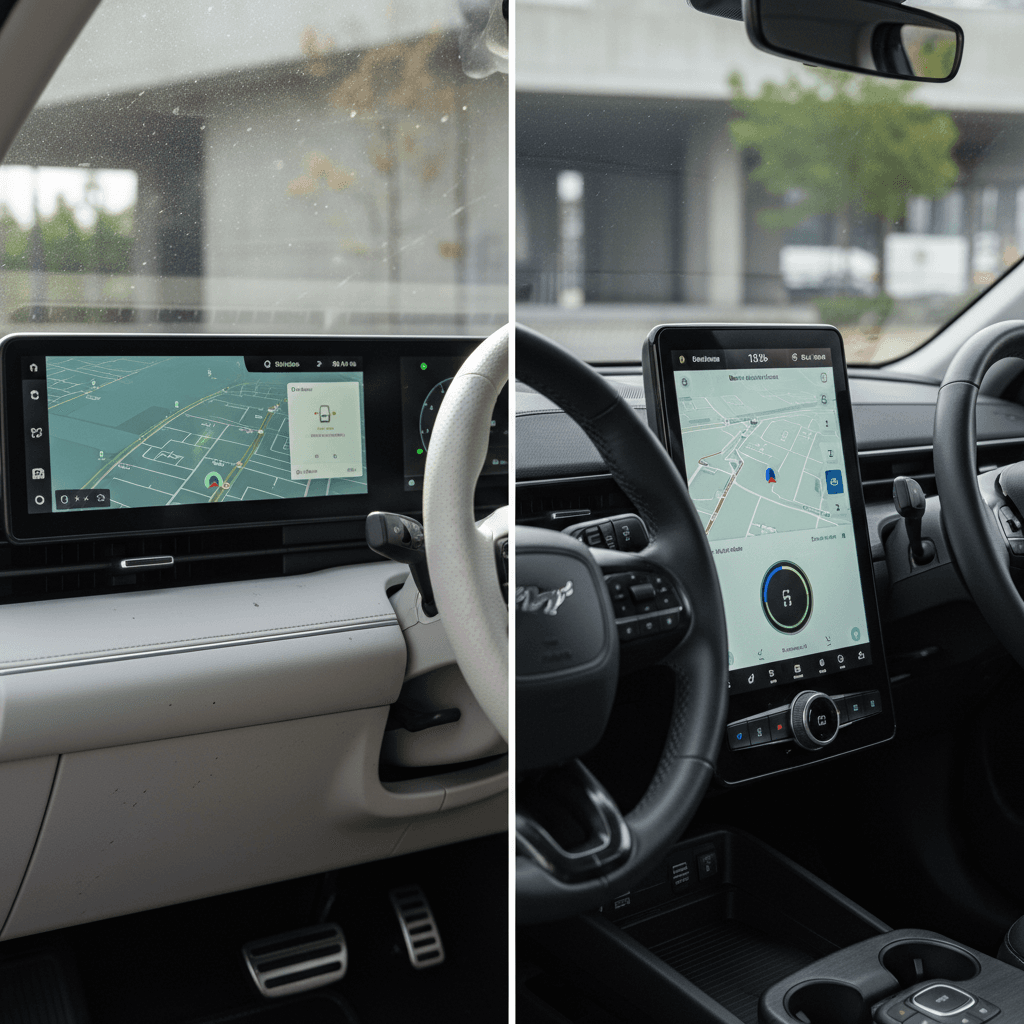
Buttons vs sliders, screens vs steering feel.
Screens & UX
Ioniq 5 uses a wide dual‑screen setup with a more traditional menu layout. It feels like a modern Hyundai, intuitive, if not flashy.
Mach‑E centers almost everything on a tall vertical touchscreen with a physical volume knob embedded. It’s bold and very software‑forward.
Safety suites
Both pack a full set of modern aids: automatic emergency braking, lane‑keeping, blind‑spot monitoring, adaptive cruise, and more on most trims.
Later model years add refinements to lane‑centering and smoother adaptive cruise behavior.
Hands‑free & OTA
Ford BlueCruise on equipped Mach‑Es enables hands‑free driving on mapped highways, a big comfort perk on road trips.
Hyundai offers advanced highway assist and frequent over‑the‑air updates, but the Ford’s hands‑free system remains a marquee feature.
Tech verdict
Ownership costs, reliability and recalls
EVs simplify ownership by deleting oil changes and a lot of moving parts, but batteries, software, and recalls still matter. On cost, the two are closer than you might think, especially in the used market.
Key ownership considerations
1. Purchase price & depreciation
New‑for‑new, pricing has bounced around with incentives and trim reshuffles. On the used market, you’ll often find <strong>similar‑year Ioniq 5s and Mach‑Es listing in the same ballpark</strong>, with bigger gaps driven by trim and mileage than by badge.
2. Charging access and electricity costs
If you have home Level 2 charging, your per‑mile energy cost will be far below gas for either model. In a Supercharger‑heavy area, newer Ioniq 5s and Mach‑Es with NACS support gain a big convenience edge over many rivals.
3. Battery health & degradation
Both use liquid‑cooled lithium‑ion packs and have generally shown <strong>modest degradation</strong> under normal use. Climate, fast‑charge habits, and storage matter more than brand loyalty here, which is why a verified battery report is gold when buying used.
4. Recalls and service campaigns
Like most modern EVs, both have seen software updates and recalls. The Mach‑E, in particular, has had some high‑profile recalls, including door‑latch issues on certain 2021–2025 builds. None of this is a deal‑breaker, but it does mean you should verify recall completion.
5. Insurance and tires
Performance‑oriented trims (Mach‑E GT/Rally, Ioniq 5 N) can carry higher insurance premiums and chew through sticky tires faster. Mainline trims for both are more reasonable and closer to typical compact SUVs.
Used‑buyer warning
Used market insights: how they age (and how Recharged helps)
By 2026, both the Hyundai Ioniq 5 and Ford Mustang Mach‑E have a healthy presence in the used market. Early‑build 2021–2022 examples rub shoulders with fresher, updated 2024–2025 models. That’s good news for budget‑conscious shoppers, but it also means more complexity.
How the Ioniq 5 ages
- Owners often report solid real‑world range retention when the car is charged sensibly.
- Interior materials are holding up well; the minimalist cabin hides wear better than busy designs.
- Early software quirks have been ironed out via updates on many cars; it’s worth confirming a vehicle is on current firmware.
- As a relatively new nameplate, Hyundai dealers are still building deep EV service experience, but support is improving quickly.
How the Mach‑E ages
- Chassis and suspension feel robust; even higher‑mileage cars often still drive tight.
- Interior wear depends heavily on trim; Premium and GT cabins usually feel more upscale than entry models.
- Software and charging improvements have arrived over‑the‑air, so two cars from the same year may behave differently if one is fully updated.
- Ford’s dealer network is vast, but EV expertise can vary by location, another reason to buy from a specialist.
Where Recharged fits in
Ready to find your next EV?
Browse VehiclesChoosing the right EV SUV for you
Which one should you buy?
Choose the Hyundai Ioniq 5 if…
You prioritize <strong>fast charging and efficiency</strong> over outright performance.
You regularly road‑trip and want quick 10–60% DC sessions to stack miles fast.
You have kids, tall passengers, or cargo‑heavy hobbies and need a <strong>roomy, flexible cabin</strong>.
You prefer a calmer, more minimalist interior where the tech doesn’t shout.
You want an EV that feels like a modern family car first, design object second.
Choose the Ford Mustang Mach‑E if…
You care deeply about how a car <strong>feels to drive</strong> and enjoy a sporty edge.
You’re eyeing <strong>GT or Rally trims</strong> or just want something more expressive than a vanilla crossover.
You do a lot of highway miles and can benefit from <strong>BlueCruise hands‑free driving</strong> on supported roads.
You like the idea of a big, central touchscreen and regular software updates that noticeably change the car over time.
You’re willing to trade some rear‑seat and cargo room for style and steering feel.
There isn’t a wrong choice between the Hyundai Ioniq 5 and Ford Mustang Mach‑E so much as there is a wrong choice for the wrong life. One is a brilliantly efficient living room with wheels; the other is an honest‑to‑God electric Mustang that happens to have five doors. If you’re still on the fence, take both for back‑to‑back test drives and pay attention not just to the spec sheet, but to how you feel climbing in, setting off, and parking at home. And if you’d rather have an expert walk you through real vehicles, battery reports in hand, Recharged can help you compare used Ioniq 5s and Mach‑Es side by side and deliver the right one to your driveway.