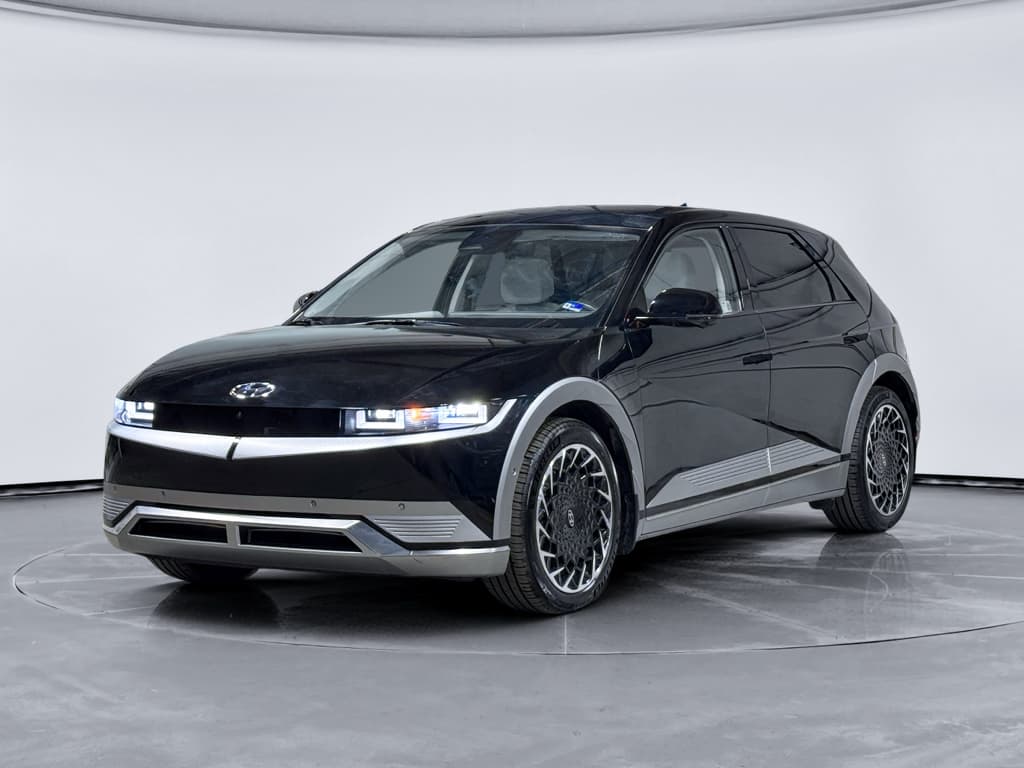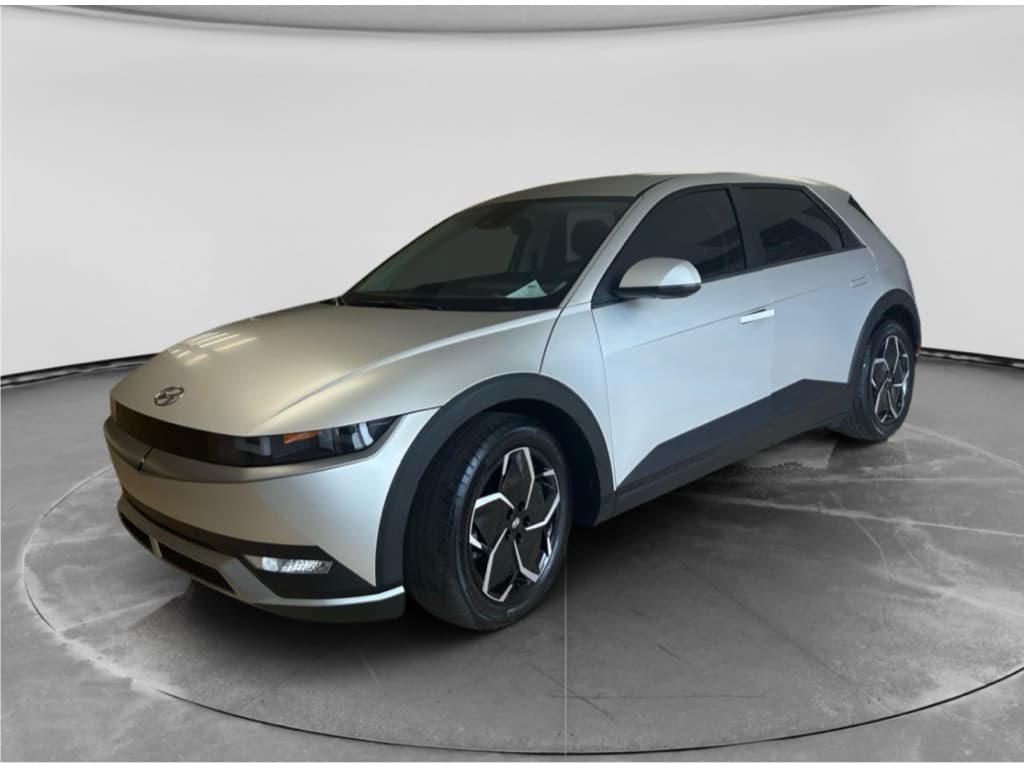
If you’re considering a Hyundai Ioniq 5, you’re probably not just asking, “What’s the sticker price?” You want to know the **true cost of ownership over 5 years**, depreciation, charging, maintenance, insurance, taxes and financing, so you can compare it fairly to a gas SUV or to a used EV alternative.
At-a-glance answer
Hyundai Ioniq 5 5‑year cost overview
Typical 5‑year Ioniq 5 cost breakdown (new purchase)
Those are directional ranges, not promises. Your actual number will tilt higher or lower based on what you pay up front, how you drive, whether your state adds extra EV fees, and whether you charge mostly at home or on public fast chargers. Let’s unpack each cost bucket so you can plug in your own inputs.
Key assumptions and what actually drives costs
- U.S. driver, 12,000 miles per year (60,000 miles over 5 years).
- Electricity at home: $0.16–$0.18/kWh (close to current U.S. residential averages).
- Public DC fast charging used for 15–25% of miles at a higher per‑kWh cost.
- Gas comparison: similar compact 2‑row SUV getting ~30 mpg on $3.50–$3.90/gal fuel.
- Mix of SE/SEL/Limited trims; AWD models cost slightly more to insure and depreciate.
- Full‑coverage insurance with typical deductibles and good, but not perfect, driving record.
Why your number may differ
Purchase price and 5‑year depreciation
Depreciation is quietly the **single biggest cost** in most 5‑year ownership calculations, and the Hyundai Ioniq 5 is no exception. New 2025 Ioniq 5s generally transact in the **mid‑$40,000s to low‑$50,000s** depending on trim, options and local incentives. Used 2022–2023 Ioniq 5s have already taken their steepest early depreciation hit, which is where Recharged’s marketplace can materially change your cost curve.
Estimated 5‑year depreciation: new vs used Hyundai Ioniq 5
Illustrative numbers assuming normal market conditions and 12,000 miles per year. Use as a directional guide, not a quote.
| Scenario | Purchase price | Estimated value after 5 years of your ownership | 5‑year depreciation (your cost) |
|---|---|---|---|
| New Ioniq 5 (~$48,000 out‑the‑door) | $48,000 | $22,000–$25,000 | $23,000–$26,000 |
| 2‑year‑old used (~$34,000) | $34,000 | $16,000–$19,000 | $15,000–$18,000 |
| 3‑year‑old used (~$30,000) | $30,000 | $13,000–$16,000 | $14,000–$17,000 |
Buying a 2‑ to 3‑year‑old Ioniq 5 shifts thousands of dollars of depreciation to the previous owner.
How Recharged helps on depreciation
Charging costs vs gasoline over 5 years
Fuel is where the Ioniq 5 earns back a big chunk of its higher upfront cost compared with a similar gas SUV. The Ioniq 5’s efficiency typically lands around **3.0–3.5 miles per kWh** in mixed driving. At about $0.17/kWh at home, your cost per mile is roughly **5–6 cents**, versus **12–15 cents** per mile for a 30‑mpg gas SUV on $3.50–$4.00 gasoline.
5‑year energy cost: Ioniq 5 vs similar gas SUV
Assumes 60,000 miles over 5 years, 75–85% home charging for Ioniq 5, and national‑average fuel and electricity prices.
| Vehicle & scenario | Assumed cost per mile | 5‑year energy cost (60,000 miles) |
|---|---|---|
| Ioniq 5 – mostly home charging | $0.06–$0.07 | $3,600–$4,200 |
| Ioniq 5 – heavy DC fast charging (road‑trip heavy) | $0.08–$0.10 | $4,800–$6,000 |
| Gas compact SUV (~30 mpg on $3.50–$3.90/gal) | $0.12–$0.15 | $7,200–$9,000 |
Even with some pricier DC fast charging, the Ioniq 5 typically spends about half as much on energy as a comparable gas SUV.
Don’t forget state EV road‑use fees
Maintenance and repairs
On the maintenance side, the Ioniq 5 benefits from the core EV formula: no oil changes, no spark plugs, no timing belts, no exhaust. Across the market, most studies still show EVs running **30–40% cheaper** on routine maintenance than comparable gasoline vehicles, even as EV repair costs have risen alongside collision repair inflation.
What you will – and won’t – maintain on an Ioniq 5
Most owners spend more time rotating tires than visiting the service bay.
No engine upkeep
- No oil changes or engine tune‑ups
- No exhaust, fuel injectors, or timing chains
- Fewer moving parts to wear out
Still need routine service
- Tire rotations and eventual replacement
- Cabin air filter, brake fluid checks
- Coolant for battery/thermal system on schedule
Warranty backstop
- High‑voltage battery limited warranty (commonly 10yr/100k mi in the U.S.)
- Basic bumper‑to‑bumper coverage in early years
Realistic 5‑year maintenance estimates
The wild card is collision or out‑of‑warranty repairs, EV body and electronics work can be pricey everywhere, not just on Teslas. The upside for Ioniq 5 shoppers is that you’re buying into a relatively mainstream brand with growing parts availability, not a startup with thin service coverage.
Insurance, taxes, registration and fees
The Ioniq 5 is not a cheap economy car, and insurers price it accordingly. Across multiple analyses and quote aggregators, **full‑coverage insurance typically lands around $1,800–$2,400 per year** for a mainstream driver, with big swings based on age, credit, location and driving history.
5‑year “paperwork” costs: insurance, taxes, registration
Rough national‑average ranges. Plug in your own quotes for a more precise estimate.
| Category | Typical annual range | 5‑year estimate |
|---|---|---|
| Full‑coverage insurance | $1,800–$2,400 | $9,000–$12,000 |
| Registration + standard fees | $150–$300 | $750–$1,500 |
| Extra state EV fees (where applicable) | $100–$250 | $500–$1,250 |
| Sales tax (one‑time, at purchase) | Varies by state, often 4–9% | Effect baked into purchase/depreciation line |
Insurance is often the second‑largest annual line item after depreciation for an Ioniq 5.
How to keep Ioniq 5 insurance in check
Financing costs over 5 years
If you’re financing, interest is another (often overlooked) contributor to 5‑year cost. With higher rates in 2025–2026, a typical auto loan at **5–7% APR** on a $40,000–$45,000 amount financed can easily add **$4,000–$6,000** in interest over 72 months, a bit less if you pay the car off in 60 months.
Example: New Ioniq 5 loan
- Price after taxes/fees: $48,000
- Down payment: $6,000
- Amount financed: $42,000
- Term: 72 months @ 6% APR
- Total interest over first 5 years: roughly $4,500–$5,000
Example: Used Ioniq 5 loan
- Price after taxes/fees: $34,000
- Down payment: $5,000
- Amount financed: $29,000
- Term: 72 months @ 6% APR
- Total interest over first 5 years: roughly $3,000–$3,400
Because used EV prices are lower, you’re paying interest on a smaller principal, another quiet advantage of buying used.
Where Recharged fits in
Ready to find your next EV?
Browse Vehicles5‑year cost table: Ioniq 5 vs comparable gas SUV
To see the whole picture, it helps to put the Ioniq 5 next to a mainstream gas SUV of similar size and performance. The table below uses mid‑range, illustrative numbers based on the assumptions we’ve discussed.
Illustrative 5‑year cost comparison (new vehicles)
Mid‑range estimates for a new Hyundai Ioniq 5 vs a similar compact gas SUV over 5 years at 12,000 miles per year.
| Cost category (5 years) | Hyundai Ioniq 5 (new) | Comparable gas compact SUV (new) |
|---|---|---|
| Depreciation | $24,000 | $19,000 |
| Energy (charging vs gas) | $4,200 | $8,000 |
| Maintenance & routine repairs | $2,400 | $3,800 |
| Insurance | $10,500 | $9,000 |
| Taxes, registration & EV fees | $2,000 | $1,600 |
| Financing interest | $4,700 | $4,000 |
| Total 5‑year cost (approx.) | $47,800 | $45,400 |
Even when insurance and purchase price run higher, the Ioniq 5’s energy and maintenance savings narrow the gap, and buying used can flip the script entirely.
What this comparison really says

How buying a used Ioniq 5 changes the math
If you’re reading this on Recharged, you’re probably more interested in **used** Ioniq 5s than ordering one new. That’s smart from a cost‑of‑ownership perspective: you let the first owner absorb the steepest depreciation while you still benefit from a long battery warranty and modern tech.
Key 5‑year advantages of going used
1. Lower depreciation hit
Instead of losing $24,000 over 5 years on a brand‑new purchase, a 2‑ to 3‑year‑old Ioniq 5 might cost you $15,000–$18,000 in additional depreciation over your 5‑year window.
2. Smaller loan, less interest
Financing $25,000–$30,000 rather than $40,000+ cuts thousands in interest over the life of the loan, especially at today’s rates.
3. Battery still under warranty
A 3‑year‑old Ioniq 5 with 30,000–40,000 miles is still well inside Hyundai’s high‑voltage battery coverage, limiting your risk of a big‑ticket failure during your 5‑year horizon.
4. You can see real degradation data
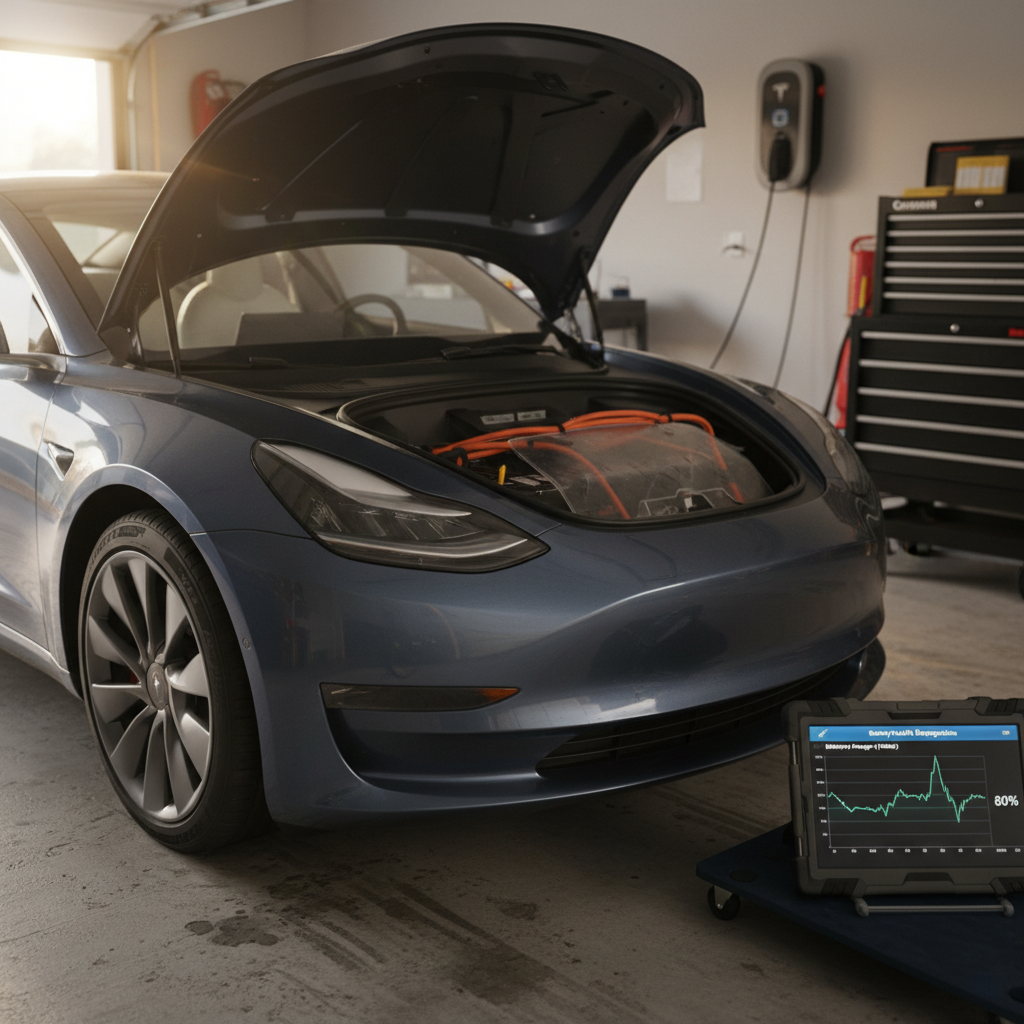
With the Recharged Score battery health report, you’re not guessing about how the pack was treated; you see objective diagnostics before you buy.
Used EV buyer trap: ignoring battery health
7 ways to lower your Ioniq 5 ownership costs
Practical strategies to keep 5‑year costs in check
Most of these are simple habits or one‑time decisions you make before signing.
Prioritize home charging
Use off‑peak rates
Right‑size your trim
Drive efficiently
Shop insurance yearly
Stay on top of simple maintenance
Is the Hyundai Ioniq 5 “worth it” over 5 years?
When you zoom out to 5‑year total cost, a Hyundai Ioniq 5 isn’t a free lunch. Insurance can be higher than you’re used to, depreciation is real, and public fast charging isn’t dirt‑cheap. But against a similarly equipped gas SUV, the Ioniq 5 is rarely a money pit, and once you factor in quieter operation, instant torque, and insulation from gasoline price spikes, many owners decide it’s worth paying roughly the same (or slightly more) to drive something that feels a full generation newer.
If your goal is to **optimize the financial side**, the sweet spot is often a 2‑ to 3‑year‑old Ioniq 5 with verified battery health, bought at a fair market price and charged mostly at home. That’s exactly the niche Recharged is built around: used EVs with transparent battery data, honest pricing, and EV‑savvy support from first click to delivery. Run your own numbers with the ranges in this guide, plug in your local electricity and insurance quotes, and you’ll have a far clearer view of what 5 years in an Ioniq 5 will actually cost you.