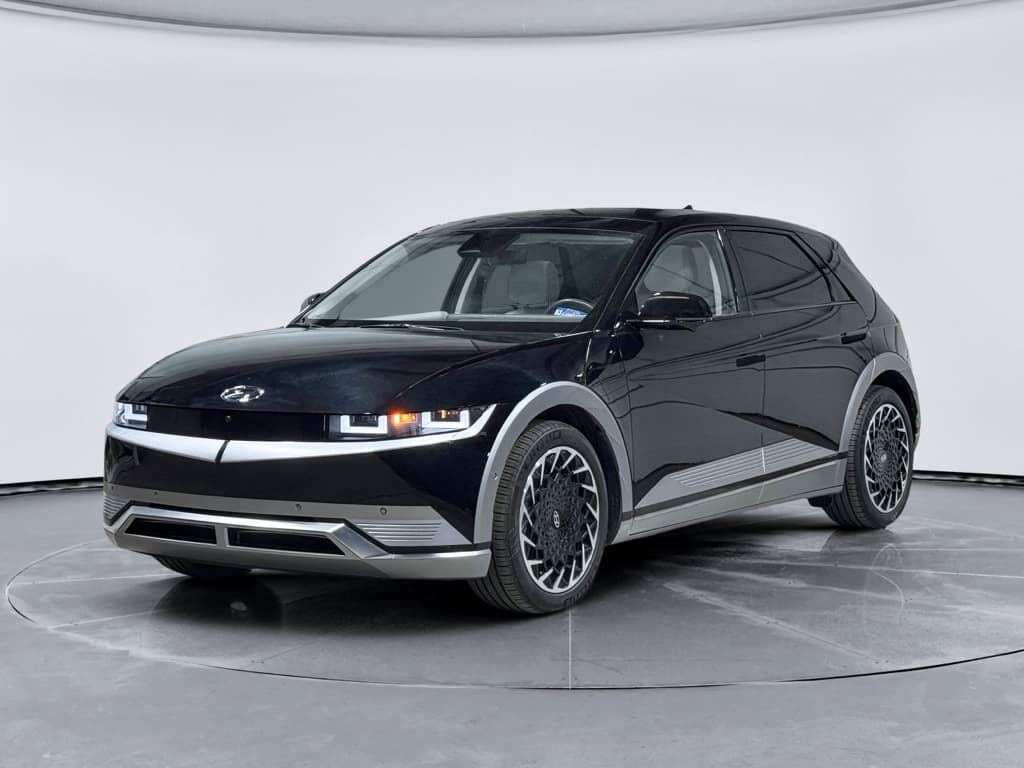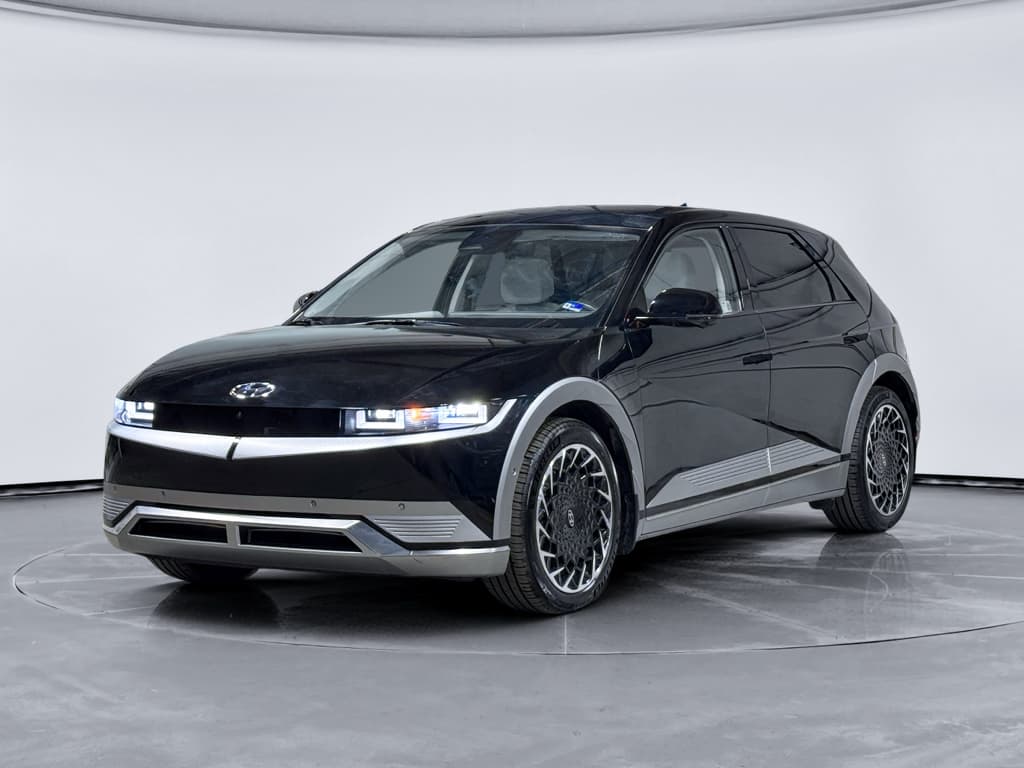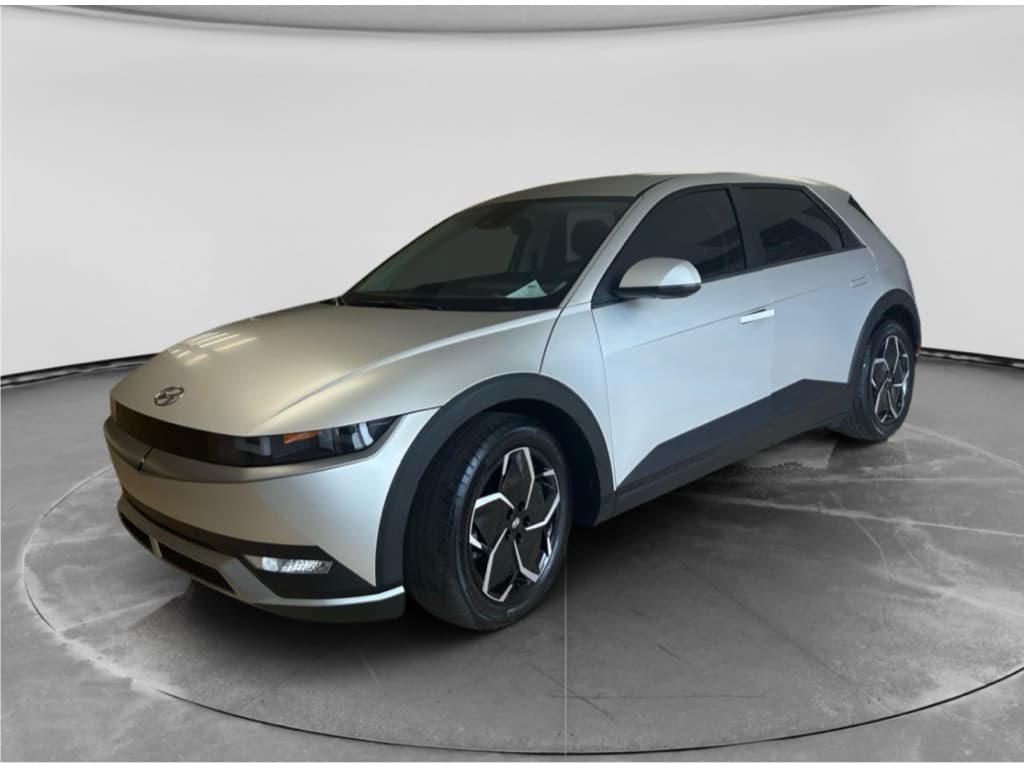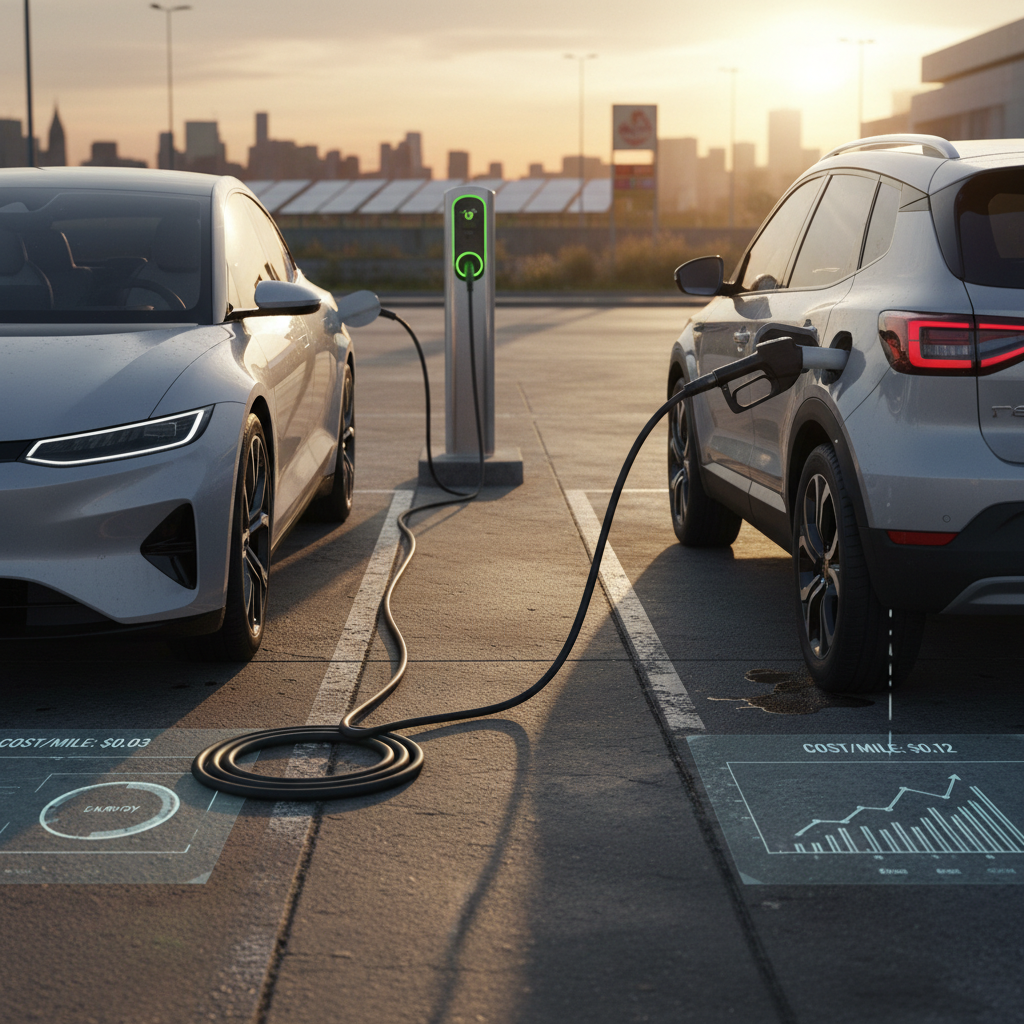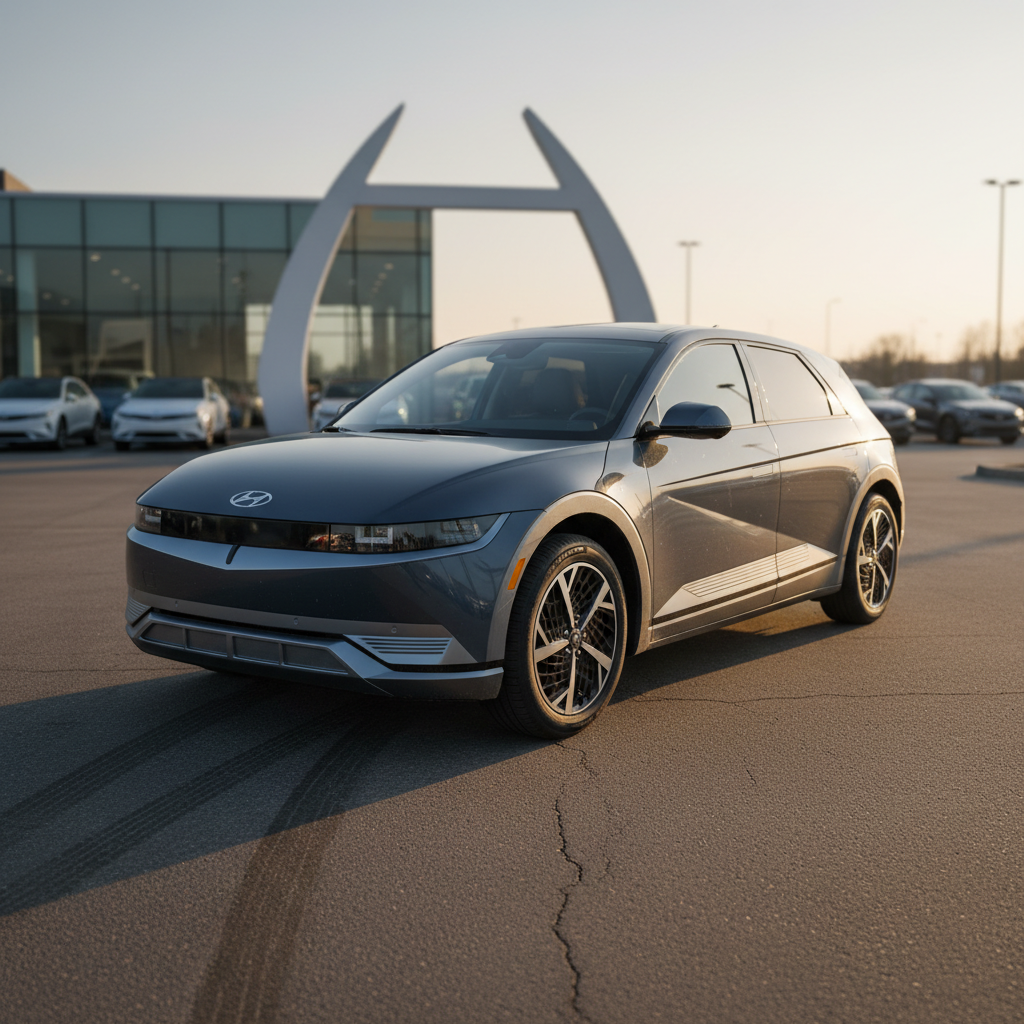
If you’re eyeing a Hyundai IONIQ 5 as a family hauler or weekend escape pod, you’ve probably wondered about its towing chops. The good news: when properly equipped, the Hyundai IONIQ 5 towing capacity is enough for small campers, utility trailers, and toy haulers. The catch is that not every IONIQ 5 is rated to tow, and the real limit is often payload and range, not the headline number on a spec sheet.
Snapshot: IONIQ 5 tow ratings
Hyundai IONIQ 5 towing capacity at a glance
Key Hyundai IONIQ 5 towing numbers
Hyundai has gradually increased and refined the IONIQ 5’s tow ratings as the model has evolved. Early U.S. guidance for 2022 models quoted 2,000 lbs with brakes and 1,650 lbs without for tow‑approved trims. Later global technical data and many independent spec sources list up to 1,600 kg (3,527 lbs) braked for certain Long Range variants, but U.S. market documentation and sites like Edmunds typically quote about 2,300 lbs as the working maximum for 2024–2025 models.
Always trust your specific car, not the internet
Official towing capacity by model year and trim
Here’s how Hyundai IONIQ 5 towing capacity generally breaks down for U.S. models. Treat these as typical ranges; the final word is your owner’s manual and door‑sill labels.
Typical Hyundai IONIQ 5 tow ratings (U.S., recent model years)
Approximate factory ratings for U.S.-spec IONIQ 5 models. Always verify for your exact VIN.
| Model year / battery | Drivetrain / trim examples | Tow rating with trailer brakes | Tow rating without trailer brakes | Towing recommended? |
|---|---|---|---|---|
| 2022 – Standard Range (smaller battery) | SE RWD Std Range | 0 lbs (towing not recommended) | 0 lbs (towing not recommended) | No |
| 2022 – Long Range | SE/SEL/Limited RWD or AWD | 2,000 lbs | 1,650 lbs | Yes, with tow prep |
| 2023 – Long Range | SEL/Limited RWD or AWD | ≈2,000–2,300 lbs | ≈1,650–1,700 lbs | Yes, with tow prep |
| 2024 – Long Range | SE/SEL/Limited/XRT RWD or AWD | 2,300 lbs | Not always listed, typically ≈1,650 lbs | Yes, with tow prep |
| 2025 – Long Range (incl. XRT, N where rated) | Most trims with 84‑kWh pack | 2,300 lbs (typical published max) | Not always listed, typically ≈1,650 lbs | Yes, with tow prep |
Standard Range rear‑drive models are usually not tow‑approved. Long Range models with the proper prep are the ones to shop if towing matters.
Look for the towing note in the SUV guide
Outside the U.S., you’ll sometimes see higher figures like 1,600 kg (about 3,500 lbs) braked for Long Range models. That’s based on different homologation standards and sometimes different hitch hardware. If you live in the U.S. and are registering the car here, you should follow the U.S. rating on your specific vehicle, not the number from a European spec sheet or YouTube video.
Payload, tongue weight and how much you can really carry
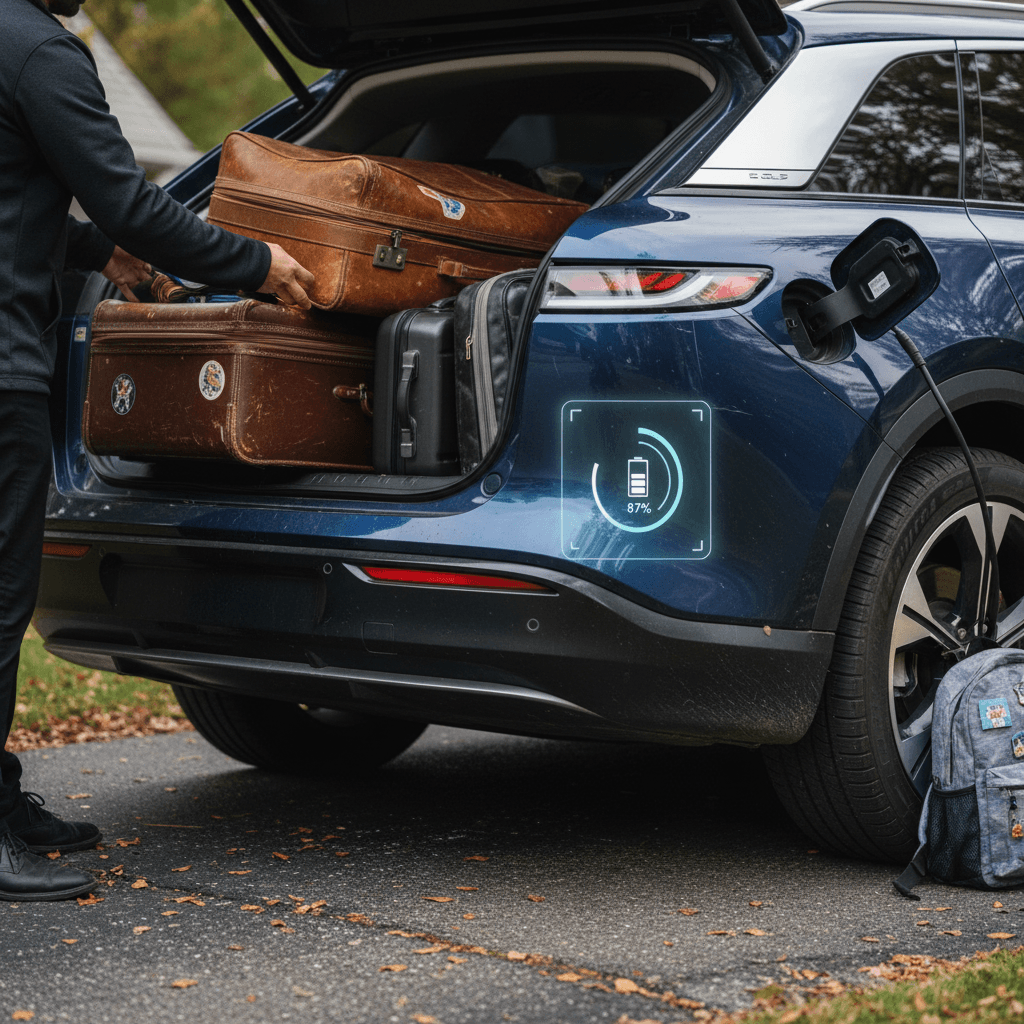
Tow rating is only half the story. The other half is payload, how much weight the vehicle itself can safely carry, including people, cargo, and trailer tongue weight. Many IONIQ 5 trims have a payload figure a little over 1,000–1,100 lbs, but you should check the exact number on the loading label on the driver’s door sill.
Understanding tongue weight
For a stable trailer, you typically want 10–15% of the trailer’s weight on the hitch as tongue load. Hyundai’s towing guidance aligns with this rule of thumb.
So if you’re pulling a 2,000‑lb trailer, you’re probably putting 200–300 lbs on the back of the IONIQ 5, weight that comes straight out of your payload budget.
A real-world payload example
Imagine an IONIQ 5 with a payload rating of 1,120 lbs:
- Two adults at 180 lbs each = 360 lbs
- Two kids at 80 lbs each = 160 lbs
- Cargo in the car (coolers, bags, etc.) = 150 lbs
- Tongue weight from a 1,800‑lb trailer (≈12%) = 215 lbs
Total = 885 lbs. You still have about 235 lbs of payload left before hitting the limit. That’s comfortable, but a heavier trailer or more gear can use that up fast.
Don’t exceed GVWR or axle limits
What the IONIQ 5 can actually tow in the real world
So what fits inside the IONIQ 5’s towing envelope? Think small, tidy and aerodynamic. The car has stout electric torque, but like most EV crossovers it’s relatively heavy and not very tall, so long, boxy trailers become a sail in the wind and hammer both range and stability.
Common trailers an IONIQ 5 can handle
Assuming a properly equipped Long Range model within U.S. tow ratings
Teardrop & micro‑campers
Many teardrop and compact campers weigh 1,000–1,800 lbs dry. Add gear and water and you’re still comfortably within a 2,000–2,300‑lb tow rating.
Look for models with low frontal area and good aerodynamics to preserve range.
Utility & cargo trailers
4x8 or 5x8 utility trailers, lightly loaded with mulch, bikes or home‑project supplies, are easy work for the IONIQ 5, as long as you respect the weight limits and secure the load.
Small boats & toys
A jon boat, pair of kayaks, a dirt bike or two, these loads typically fall well under 2,000 lbs including the trailer. The limiting factor is often tongue weight and how you load the trailer.
- Pop‑up campers under about 2,000 lbs loaded can be a good match, especially low‑profile models.
- Full‑height travel trailers, boxy enclosed cargo trailers, and large boats can be technically towable on weight alone but may be frustrating from a stability and range standpoint.
- Roof boxes and rear hitch racks are often a better answer than towing if you just need a little extra cargo space.
Think in “loaded weight,” not brochure weight
How towing affects IONIQ 5 range
Every EV owner’s first towing question is really, “What will this do to my range?” The short answer is: expect a big hit. Adding 2,000 lbs behind an IONIQ 5 typically cuts usable highway range by about 40–60%, depending on speed, weather, terrain and trailer shape.
A simple range example
Take a 2024 Long Range IONIQ 5 with an EPA range around 290 miles. Running solo at 70 mph, you might see 230–250 real‑world miles in good conditions.
Add a 1,800‑lb, low‑profile camper and that can drop into the 120–150 mile ballpark at the same speed. A tall, boxy trailer can dig even deeper into your range.
How to plan around it
- Plan charging stops every 80–120 miles instead of every 200+.
- Favor DC fast chargers close to highway exits and easy to maneuver with a trailer.
- Consider un‑hitching in the lot if chargers are nose‑in and blocked by curbs.
- Use the IONIQ 5’s trip computer to watch energy use per mile and adjust speed.
Speed is your secret range weapon
Tow packages, hitches and wiring: what you need
Unlike a body‑on‑frame pickup, the IONIQ 5 wasn’t born with a massive receiver welded into its spine. Its tow capability depends heavily on the correct hitch hardware, wiring and cooling being in place.
Essential towing equipment for the Hyundai IONIQ 5
Whether you’re ordering new or setting up a used EV, don’t skip these pieces
Properly rated hitch
You need a hitch that’s specifically designed and rated for the IONIQ 5, usually a Class II or light Class III in the U.S., with capacity equal to or above your intended trailer weight and tongue load.
Trailer wiring harness
Hyundai’s tow prep and most dealer kits include a 4‑pin flat connector for basic trailer lighting. If your trailer has electric brakes, you’ll need a suitable brake controller and wiring as well.
Cooling & software considerations
Factory‑equipped tow packages may include additional cooling logic and software limits. If you’re adding an aftermarket hitch to a used IONIQ 5, stay conservative with weight and avoid long, steep grades in hot weather.
No improvising on attachment points
If you’re buying used through a retailer like Recharged and you care about towing, ask specifically whether the car has a professionally installed hitch and wiring, and whether it has seen regular towing use. Light, occasional towing is one thing; repeated max‑load use in hot climates is another.
Driving tips for towing with an IONIQ 5
Smart towing habits in a Hyundai IONIQ 5
1. Start with a conservative load
Especially on your first trip, stay well below the maximum tow rating. Learn how the car feels and how much range you actually get with a modest trailer before pushing closer to the limits.
2. Use the right drive mode and regen
Hyundai’s drive modes change throttle response and sometimes traction behavior. Many drivers prefer a <strong>normal or eco mode</strong> with moderate regeneration so the car feels predictable when you lift off the pedal with a trailer attached.
3. Extend your following distance
Even with strong EV regeneration, you’re moving more mass. Leave extra room to brake, and anticipate traffic so you’re not relying on last‑second stops to save you.
4. Watch temps and warnings
If the car displays any <strong>overheating or power‑limit warnings</strong>, back off the throttle, reduce speed and, if possible, pull off to let components cool. Long climbs and hot weather are where you’ll see limits first.
5. Crosswinds and passing trucks
Slab‑sided trailers and crosswinds don’t mix. If the trailer starts to sway, <strong>ease off the accelerator and hold the wheel steady</strong>. Don’t try to steer out of the wiggle with big inputs.
6. Practice reversing and maneuvering
Find an empty lot and get comfortable backing and turning with the trailer before your big camping trip. EVs are quiet, roll the windows down so you can hear spotters and bystanders.
IONIQ 5 towing sweet spot
Buying a used IONIQ 5 for towing
If you’re shopping the used market, the question isn’t just "What can the IONIQ 5 tow?" but "What has this particular IONIQ 5 already towed, and how hard?" Towing itself doesn’t doom an EV, but repeated high‑load use can add extra heat cycles for the battery, motor and brakes.
Checklist for a used IONIQ 5 that will tow
What to ask and what to inspect before you buy
Ask the seller the right questions
- Was the car ever used for towing? How often?
- What kind of trailer and about how heavy?
- Was the hitch dealer‑installed or aftermarket?
- Any cooling or power‑limit warnings on trips?
Honest answers here are more useful than any ad copy.
Use objective battery & vehicle health data
A service like the Recharged Score can give you a quantified view of battery health, fast‑charging history and wear items. That’s invaluable if you’re planning to tow, because you’ll lean harder on the pack and brakes than a typical commuter.
At Recharged, every used EV comes with a detailed report plus expert guidance, so you know whether an IONIQ 5 is a good match for your towing plans.
Match the car to the lifestyle
Hyundai IONIQ 5 towing capacity FAQ
Frequently asked questions about Hyundai IONIQ 5 towing
The Hyundai IONIQ 5 isn’t a full‑size pickup in disguise, and that’s fine. Within its roughly 2,000–2,300‑lb tow window, it’s a quiet, torquey and family‑friendly way to haul a teardrop camper, a utility trailer or a couple of toys to the lake, especially if you plan your charging stops and respect the weight math. If you’re shopping used, the right IONIQ 5 can unlock a surprisingly capable electric adventure rig, and partners like Recharged can help you match tow ratings, battery health and budget so you spend more time camping and less time doing calculator gymnastics.