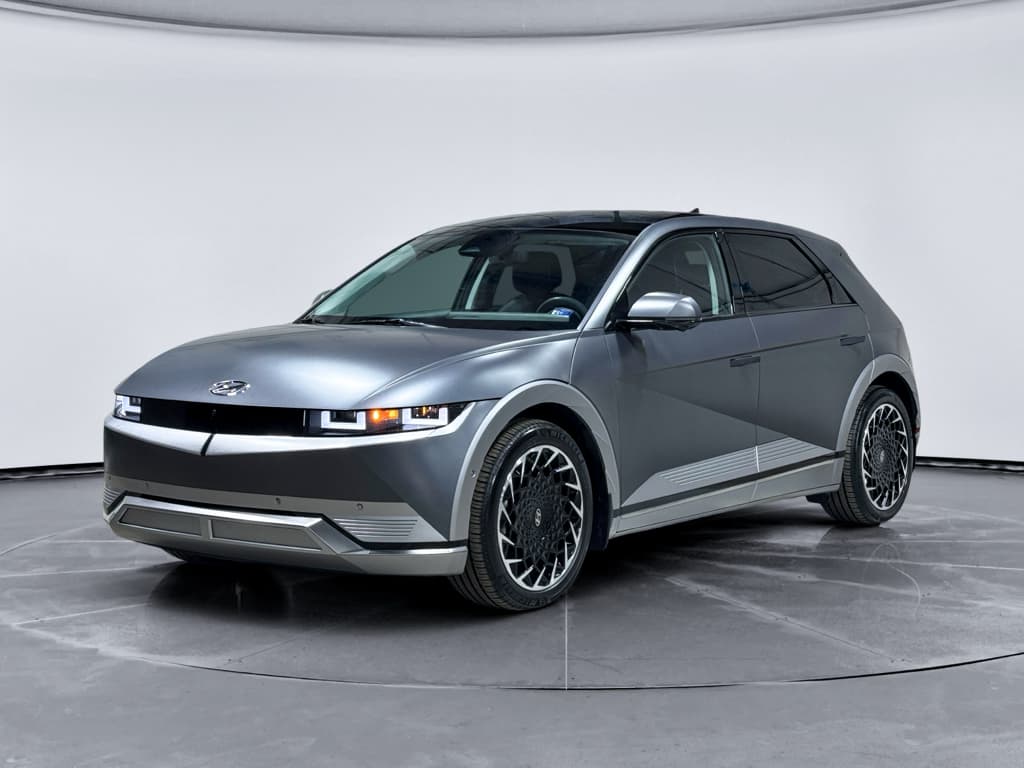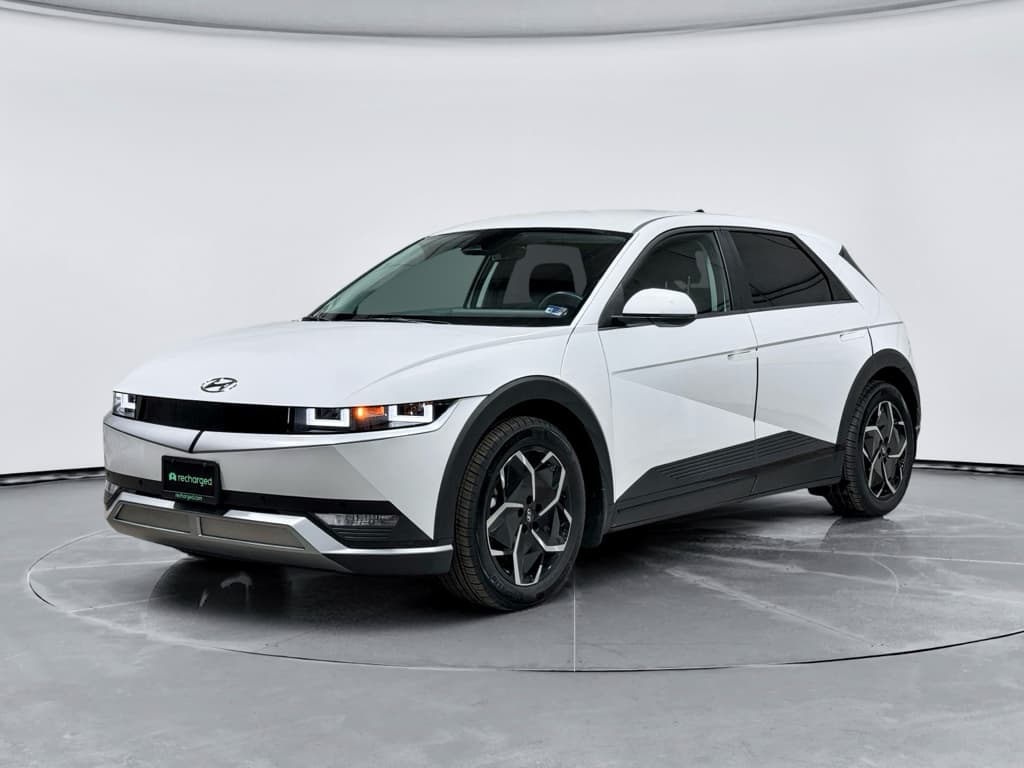
If you’re looking at a Hyundai IONIQ 5, you’ve probably seen the impressive EPA numbers, up to around 320 miles of rated range. But on the interstate, especially at 70–80 mph, the story changes. This guide breaks down the Hyundai IONIQ 5 real‑world highway range, how it differs by trim, and what you can realistically expect on a road trip in the U.S.
Why highway range matters more than the window sticker
Hyundai IONIQ 5 highway range at a glance
IONIQ 5 real‑world highway range snapshot
Those numbers are ballpark, not promises. The IONIQ 5 is one of the more efficient and fastest‑charging EVs in its class, but like any EV, speed, weather, and trim choice make a big difference. To understand what you’ll get on the highway, you first need to know which battery and drivetrain you’re dealing with.
Batteries, trims, and EPA range ratings
Over the past few model years, Hyundai has offered the IONIQ 5 with two main battery sizes and both rear‑wheel drive (RWD) and all‑wheel drive (AWD). Exact specs vary slightly by year, but the patterns are consistent:
- Standard‑range battery (around 58–63 kWh usable) RWD: roughly 220–245 miles EPA combined, depending on year and trim.
- Long‑range battery (around 77–84 kWh usable) RWD: roughly 300–318 miles EPA combined; these are the highway champs.
- Long‑range battery AWD: generally in the 259–290 mile EPA range, trading some efficiency for performance and traction.
- XRT and performance‑oriented versions (with all‑terrain tires or more power) often have slightly lower EPA range than equivalent street‑tire trims.
Quick trim rules of thumb
EPA numbers are useful for comparing trims, but they’re optimistic for pure highway driving. At steady interstate speeds, especially above 70 mph, most IONIQ 5 drivers see efficiency drop into the high‑2s to low‑3s mi/kWh, not the 3.5+ mi/kWh you might see in slower mixed driving.
Real‑world highway range at 65–80 mph
Let’s translate all of this into what you’re likely to see in the real world on American highways. These are generalized numbers based on owner reports, physics, and typical EV test data. Your exact results will vary, but this will get you much closer to reality than any window sticker.
How speed changes IONIQ 5 highway range
Same car, same day, different right‑foot decisions.
Around 65 mph
Best case highway scenario. At a steady 65 mph in mild weather, a long‑range RWD IONIQ 5 can often deliver around 3.1–3.4 mi/kWh.
In practice, that means many drivers see 220–250 miles of comfortable highway range from 100% to about 5–10% state of charge.
70–75 mph
This is where most real‑world U.S. driving lives, and where efficiency really starts to dip. Expect roughly 2.6–3.0 mi/kWh on a long‑range battery.
That works out to about 190–230 usable miles between full and low state of charge on RWD; shave another 10–20 miles off for AWD.
75–80+ mph
Above 75 mph, aero drag is brutal on any EV. Many IONIQ 5 owners report high‑speed efficiency in the 2.3–2.7 mi/kWh range if they’re running 78–80 mph with traffic.
Now you’re looking at more like 160–200 real‑world miles, and you’ll be stopping more often, even with the big battery.
Don’t chase the last 10 miles
6 big factors that shrink IONIQ 5 highway range
Two IONIQ 5s with the same battery can show very different highway range depending on how and where they’re driven. These are the heavy hitters you should pay attention to:
Key range killers on the highway
1. Speed above 70 mph
Every EV hates speed, and the IONIQ 5 is no exception. Jumping from 65 to 80 mph can easily cut <strong>20–30% of your range</strong>, even in perfect weather.
2. Temperature (especially below 40°F)
Cold batteries and cabin heat are a double hit. In winter highway driving, it’s common to see <strong>15–30% less range</strong>, and more for short hops where the car never fully warms up.
3. Headwinds and elevation
A strong headwind or long climbs behave just like higher speed, they increase aerodynamic drag and power demand. Plan extra margin if your route crosses mountains or open plains.
4. AWD and aggressive tires
AWD IONIQ 5s are quick and grippy but less efficient than RWD. Off‑road‑style or all‑terrain tires, like on some XRT‑type trims, can eat another chunk of range at highway speeds.
5. Roof boxes and racks
Roof boxes, bike racks, and anything hanging in the wind can cost you <strong>10–20% of your highway range</strong>. If you’re road‑tripping often, consider a rear‑hitch rack instead of a roof box.
6. Climate control habits
Full‑blast heat, open windows at 75 mph, and constantly changing cabin temps all add up. Use seat and steering‑wheel heaters and <strong>precondition while plugged in</strong> to save range.
Estimated real‑world highway range by trim
Below is a simplified look at what you might expect from common IONIQ 5 configurations on a steady 70–75 mph U.S. highway in mild weather, on relatively flat ground, with no roof box. These are estimates, not guarantees, but they line up reasonably well with what many owners report.
Hyundai IONIQ 5: EPA vs. estimated highway range
Approximate real‑world 70–75 mph highway range, assuming you’re using about 90% of the battery between charges.
| Configuration | Battery | EPA Rated Range (approx.) | Estimated 70–75 mph Highway Range (usable) |
|---|---|---|---|
| Standard‑range RWD | ~58–63 kWh | 220–245 miles | 150–180 miles |
| Long‑range RWD | ~77–84 kWh | 300–318 miles | 190–230 miles |
| Long‑range AWD (street tires) | ~77–84 kWh | 259–290 miles | 175–210 miles |
| Off‑road/XRT‑style AWD (all‑terrain tires) | ~84 kWh | ~250–260 miles | 160–195 miles |
Use this as a planning tool, not a promise, always leave buffer for weather, detours, and traffic.
Don’t blindly trust any single number, ours included
Planning road trips: charging strategy that works
The IONIQ 5’s secret weapon isn’t just range, it’s ridiculously fast DC charging when you can access a 250–350 kW charger. If you plan your stops around that strength, road trips become surprisingly painless.
Charge from ~10–70%, not 0–100%
The IONIQ 5 charges fastest when the battery is low. Going from 10% to ~70% at a high‑power fast charger can be as quick as 15–20 minutes in good conditions.
Trying to stuff the battery to 95–100% can double your stop time while gaining only a small chunk of extra range. On most routes, two short, fast sessions beat one long slow top‑off.
Use the right networks and connectors
Depending on model year, your IONIQ 5 may use CCS, NACS (Tesla‑style) or both via an adapter. The more networks you can tap into, the easier it is to keep stops short and convenient.
Apps like PlugShare, ChargePoint, and network‑specific apps make it easy to filter for 150+ kW chargers, which let the IONIQ 5 really shine.
Pro tip: think in time, not miles
If you’d rather not sweat this on your own, buying through Recharged gives you access to EV specialists who can help you plan realistic road‑trip routes for any used IONIQ 5 on our platform, complete with suggested charging stops.
Buying a used IONIQ 5? Highway range and battery health
Highway range isn’t just about the spec sheet. On a used IONIQ 5, it’s also about how the battery has aged. The good news: modern Hyundai packs have generally held up well. Still, two similar‑looking IONIQ 5s can behave differently on the highway if one has seen a lot of frequent fast‑charging or high‑mileage use in extreme climates.
Highway‑range questions to ask about a used IONIQ 5
These go deeper than just “What’s the odometer?”
How much capacity has the pack lost?
You want more than a guess. A good seller should provide objective battery health data, ideally from a proper diagnostic tool rather than only in‑car estimates.
Every IONIQ 5 sold through Recharged includes a Recharged Score battery health report so you can see how much usable capacity remains before you commit.
How was the car charged and driven?
Lots of DC fast‑charging in very hot or very cold climates can accelerate degradation. So can constant high‑speed driving with a fully‑loaded vehicle.
Ask for a charging history overview if possible, and take extended highway test drives when you can.
How Recharged lowers your highway‑range risk
Ready to find your next EV?
Browse Vehicles10 practical ways to improve your IONIQ 5 highway range
You can’t change physics, but you can stack the deck in your favor. These tips apply whether you’ve just bought a brand‑new IONIQ 5 or you’re shopping used and planning your first long drive home.
High‑impact habits for better highway range
1. Aim for 65–70 mph when possible
You’ll often see a bigger time gain from one fewer charging stop than from running 80 mph and needing to stop sooner.
2. Precondition the cabin while plugged in
Warm or cool the car fully before you unplug. The first 10–15 minutes of climate control are the most energy‑intensive, get that done on shore power instead of the battery.
3. Use Eco mode and smooth inputs
Eco mode softens throttle response and tames HVAC behavior. Gentle acceleration and steady cruising help keep consumption in the 2.8–3.2 mi/kWh range instead of the low‑2s.
4. Lean on seat heaters, not just cabin heat
Seat and wheel heaters use far less energy than blasting hot air. In cold weather, set the cabin a bit cooler and let the heaters keep you comfortable.
5. Check tire pressures regularly
Underinflated tires cost range and can wear faster. Set pressures to the door‑jamb spec before big trips, and consider slightly higher pressures within the recommended window for long highway drives.
6. Remove roof racks and boxes when not needed
They’re range killers at speed. If you only need a box occasionally, store it off the car between trips.
7. Favor RWD if you don’t truly need AWD
If you’re still shopping, remember that <strong>RWD IONIQ 5s typically deliver better highway range</strong>, especially in warmer states where traction demands are lower.
8. Use built‑in navigation with charging suggestions
The IONIQ 5’s nav (and many third‑party apps) can suggest charging stops based on real‑time consumption. That keeps you from over‑ or under‑estimating range on new routes.
9. Avoid repeated 0–100% fast‑charges
Living at very high state of charge and always fast‑charging to 100% can be harder on the battery over time. For road trips, aim for 10–70% or 15–80% sessions when you can.
10. Learn your personal mi/kWh number
Reset a trip meter, drive a few highway legs at your normal speed, and note the mi/kWh. Multiply that by your usable kWh to get <strong>your</strong> realistic highway range, not someone else’s.
Hyundai IONIQ 5 highway range FAQ
Frequently asked questions about IONIQ 5 real‑world highway range
Bottom line: how far will an IONIQ 5 really go?
On paper, the Hyundai IONIQ 5 is a 250–320‑mile EV depending on trim. On the highway at typical American speeds, it’s smarter to think of it as a roughly 175–230‑mile car per leg, with the exact number depending on battery size, drivetrain, speed, weather, and how much buffer you leave.
The tradeoff is worth it: few rivals can match the IONIQ 5’s combination of comfort, efficiency, and blisteringly fast charging. If you understand its real‑world highway range and plan your charging stops around its strengths, it’s an easy vehicle to live with, whether you’re commuting or crossing state lines.
If you’re considering a used IONIQ 5, shopping with Recharged adds another layer of confidence. Our Recharged Score Report verifies battery health, ties pricing to real condition, and our EV specialists can help you model what your actual highway range and charging routine will look like before you sign anything.