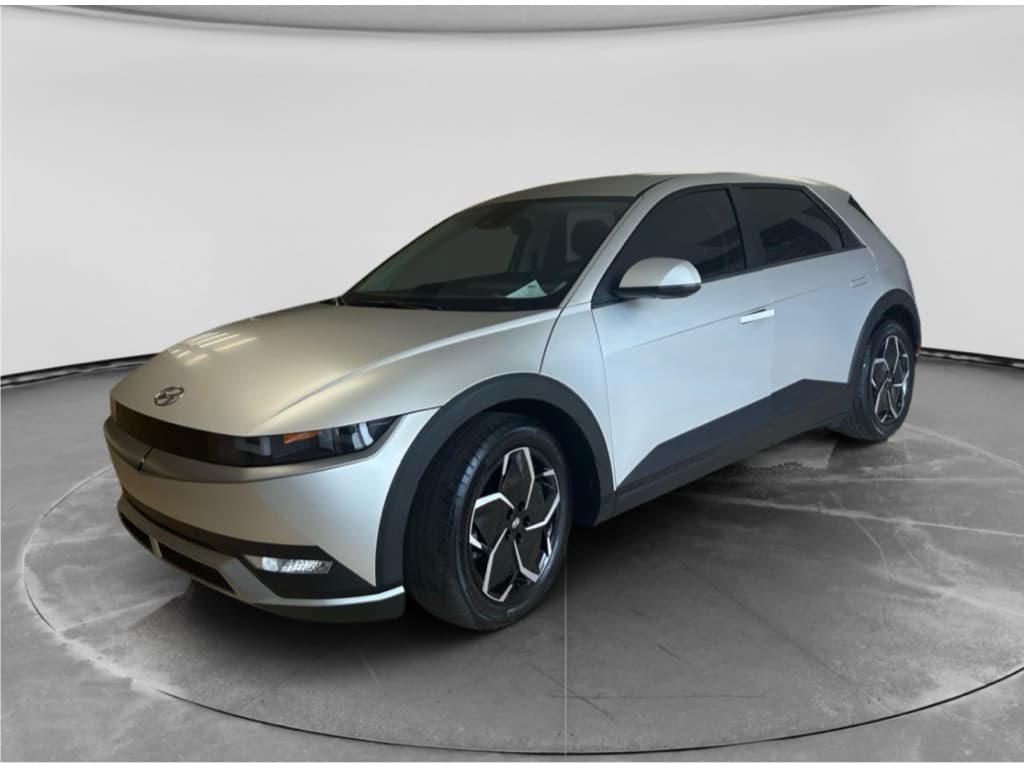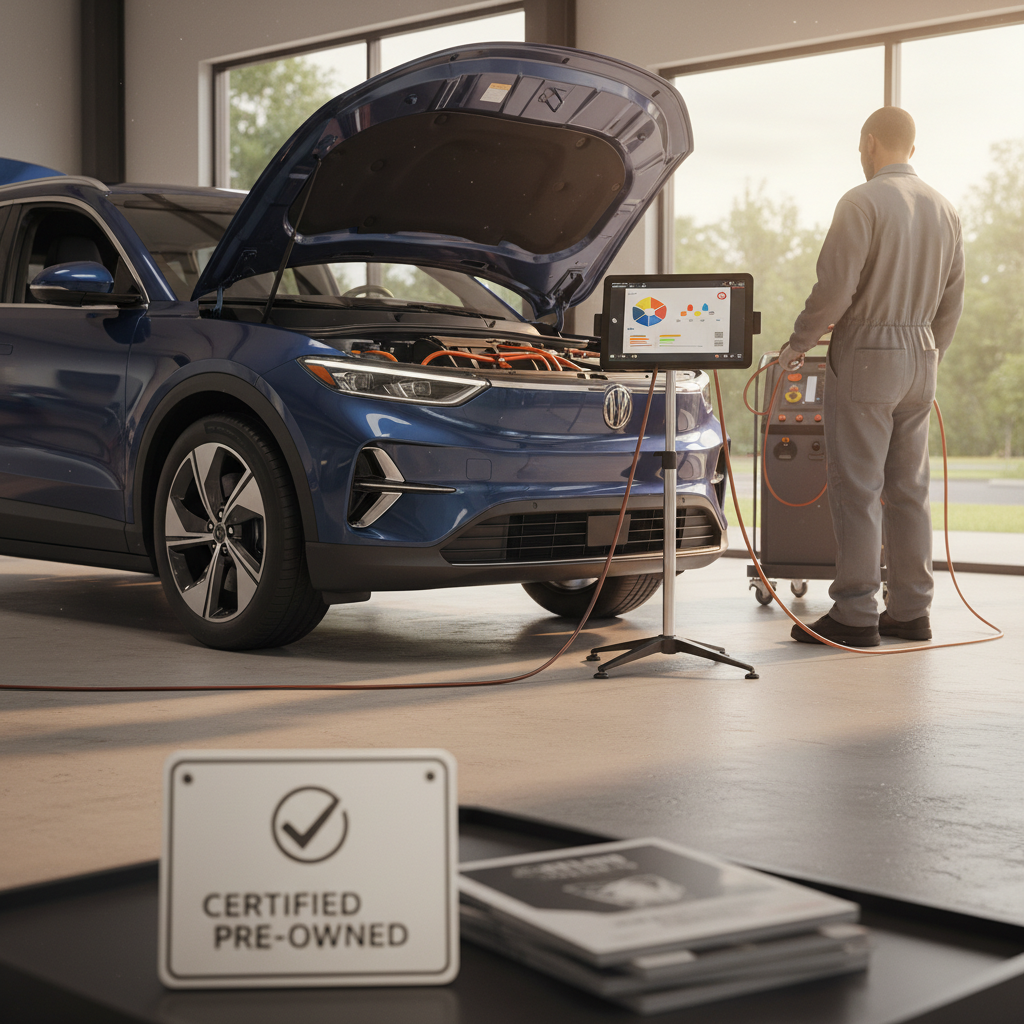
The Hyundai IONIQ 5 doesn’t have oil changes or spark plugs to worry about, but that doesn’t mean you can skip the shop forever. Following the recommended Hyundai IONIQ 5 maintenance schedule is the difference between a quiet, drama-free EV and an expensive surprise, especially if you plan to keep the car past its warranty or buy one used.
Good news for your calendar
Why the IONIQ 5 Maintenance Schedule Matters
Electric vehicles are mechanically simpler than gas cars, but they’re also heavier, quicker off the line, and packed with high-voltage hardware. That combination means tires, brakes, and cooling systems work hard behind the scenes. Sticking to Hyundai’s IONIQ 5 maintenance schedule keeps those parts in shape, preserves your battery warranty, and protects resale value if you decide to trade in or sell later.
- Catch small problems (like uneven tire wear) before they eat range and money.
- Protect the high-voltage battery and drivetrain by keeping cooling systems healthy.
- Provide proof of proper care when you sell or trade your IONIQ 5.
- Avoid warranty headaches if you ever need a major repair.
Don’t ignore inspections
Hyundai IONIQ 5 Maintenance Schedule at a Glance
Hyundai publishes a detailed service schedule in the IONIQ 5 owner’s manual. In practice, it boils down to predictable checkups every 7,500 miles (or 12 months), with a few bigger-ticket items arriving later in the car’s life. Below is a simplified overview for typical U.S. driving conditions.
Core Hyundai IONIQ 5 Service Intervals (U.S.)
Approximate intervals for common IONIQ 5 maintenance items. Always confirm against your owner’s manual and local conditions.
| Mileage / Time | Key Maintenance Items |
|---|---|
| Every 7,500 miles / 12 months | Tire rotation; brake system inspection; suspension & steering check; fluid level checks; cabin air filter inspection |
| Every 15,000 miles / 24 months | All 7,500-mile items plus more detailed inspections; replace cabin air filter if needed |
| Every 30,000 miles / 36 months | All 15,000-mile items; more comprehensive inspections; potential alignment check if tire wear is uneven |
| Every 45,000 miles / 36 months | Brake fluid replacement (often 3 years, then at regular intervals); tire rotation; full brake inspection |
| Every 60,000–75,000 miles | Coolant inspection; drive components inspection; possible coolant change depending on conditions and model year |
| 8 years / 100,000 miles | High-voltage battery warranty benchmark, strongly recommended comprehensive inspection before this point, especially on a used IONIQ 5. |
Intervals are general guidelines; follow whichever comes first, time or mileage.
Set reminders the smart way
Detailed Hyundai IONIQ 5 Service Intervals
Let’s walk through the most important IONIQ 5 maintenance milestones so you know what to expect at each visit and how to talk to the service advisor without feeling upsold.
Every 7,500 miles / 12 months: The basic checkup
- Tire rotation: EVs are heavy and torquey; regular rotations prevent the front or rear tires from wearing out early.
- Brake inspection: Even with strong regenerative braking, pads, rotors, and calipers need a periodic once-over to prevent corrosion and uneven wear.
- Suspension & steering inspection: A quick look at ball joints, bushings, and tie rods keeps the ride tight and quiet.
- Fluids & coolant level check: Includes brake fluid, washer fluid, and coolant for the high-voltage battery and electronics.
- Cabin air filter inspection: Especially important if you drive in dusty or polluted areas.
Every 15,000–30,000 miles: Deeper inspections
At these intervals, the visit looks similar to a 7,500-mile service, but technicians dig a bit deeper. They’ll usually:
- Replace the cabin air filter (if not already done).
- Take a harder look at tires for signs of cupping or inner-edge wear that suggest an alignment issue.
- Inspect underbody components, including the high-voltage battery case, for damage or corrosion.
- Verify operation of key safety systems like ABS, ESC, and driver-assistance sensors.
Around 45,000 miles / 3 years: Brake fluid change
The IONIQ 5 still uses conventional hydraulic brakes, and brake fluid is hygroscopic, it absorbs moisture over time. Even if your pads and rotors look great, fresh brake fluid every few years helps keep pedal feel firm and prevents internal corrosion in the system.
Never skip brake fluid
60,000–75,000+ miles: Coolant and long-term checks
The IONIQ 5’s battery, power electronics, and motor are all liquid‑cooled. Hyundai’s intervals can vary slightly by model year and conditions, but by this stage you should expect at least a coolant inspection and, in many cases, a coolant replacement for the EV system. It’s also a smart time to thoroughly inspect suspension components, driveshafts, and seals, especially if you drive on rough roads or in harsh climates.
EV-Specific Maintenance Items on the IONIQ 5
Where the Hyundai IONIQ 5 really differs from a Tucson or Santa Fe is in the hardware you can’t see: the high-voltage battery, the motor, and the electronics that feed them. The good news is that, under normal use, these parts don’t have traditional “service” items like belts or spark plugs. Your job is to keep the systems around them healthy.
Key EV Components the IONIQ 5 Relies On
They rarely need parts replaced, but they do need the right conditions to last.
High-voltage battery pack
The IONIQ 5’s large lithium-ion battery is sealed and liquid-cooled. There’s no scheduled internal service, but keeping coolant fresh, avoiding frequent 100% fast-charges, and parking in shade when possible all help long-term health.
Power electronics
Inverters, onboard chargers, and DC/DC converters quietly manage power flow. They’re cooled just like the battery and rely on the same coolant circuits and software updates to stay happy.
Onboard charger & DC fast charging
The onboard charger handles AC charging at home; high-power DC fast chargers bypass it and feed the pack directly. Using a mix of home Level 2 and sensible fast-charging habits keeps stress lower on the system.
Battery care is “maintenance,” too
Fluids and Filters: What Still Needs Changing
With no engine oil or transmission fluid to change, the IONIQ 5’s fluid list is blessedly short. Still, the remaining fluids and filters do important work, and keeping up with them is cheap insurance.
Hyundai IONIQ 5 Fluids & Filters to Watch
Brake fluid: every ~3 years
Have the brake fluid tested and replaced according to Hyundai’s schedule, typically around the 3‑year mark and then at regular intervals. Even if you don’t drive much, time alone can break it down.
Coolant: follow EV system interval
High-voltage battery and electronics coolant lasts far longer than engine coolant in many gas cars, but it’s still a wear item. Expect inspection around 60,000 miles and replacement per the manual or if tests show degradation.
Cabin air filter: 15,000–30,000 miles
This filter keeps dust, pollen, and debris out of the HVAC system. If you notice weak airflow or funky smells, it may be due sooner, this is an easy DIY job for many owners.
Washer fluid: as needed
Simple but important. EVs are whisper-quiet; a smeared windshield is one more distraction you don’t need. Top it off as part of your own monthly walk‑around.
Tires, Brakes, and Suspension Care
If the high-voltage battery is the heart of your IONIQ 5, the tires and suspension are its legs. This is where most of your real‑world maintenance dollars will go, especially if you drive spiritedly or live where roads are more patchwork than pavement.
Why Tires and Brakes Matter More on EVs
Tire maintenance
- Rotate every 7,500 miles to even out wear front-to-rear.
- Check pressures monthly; underinflation hurts range and accelerates wear.
- Ask about EV-rated tires when it’s time to replace, many are designed for extra weight and low rolling resistance.
Brake and suspension checks
- Have brakes inspected at each scheduled service, even if pads last much longer than in a gas car.
- Listen for clunks or squeaks over bumps, these can signal worn bushings or links.
- Unusual tire wear patterns are often a sign of alignment or suspension issues.
A quiet EV is a healthy EV
Warranty, Service Records, and Used IONIQ 5s
In the U.S., the Hyundai IONIQ 5’s high-voltage battery is typically covered for up to 10 years or 100,000 miles (check the fine print for your state and model year). Keeping documented maintenance isn’t just about staying organized, it’s your proof that you’ve played by the rules if a warranty claim ever comes up.
What to Check Before Buying a Used IONIQ 5
Maintenance history tells you how the previous owner treated the car.
Service records
Look for regular visits roughly every 12 months, with tire rotations and brake checks recorded. A missing receipt or two isn’t a crisis; a total blackout is a red flag.
Battery health
Range should line up with the original EPA estimate once you account for temperature and driving style. Ask the seller for recent range figures and charging habits.
Physical inspection
Check tires for uneven wear, listen for suspension noises on a test drive, and look under the car for signs of impact or corrosion around the battery case.
How Recharged helps on used IONIQ 5s
DIY vs Dealer Service for the IONIQ 5
You don’t need to be an electrical engineer to take good care of an IONIQ 5, but you do need to know where the line is between a Saturday‑morning project and something best left to a certified EV technician.
Great DIY jobs
- Tire pressure checks and visual inspections for nails or sidewall damage.
- Wiper blade replacement and washer fluid top‑offs.
- Cabin air filter replacement if you’re comfortable with basic interior trim.
- Simple software and navigation updates if offered over‑the‑air.
Leave these to the pros
- Brake fluid changes and any brake hydraulic work.
- Coolant service for the high-voltage battery and electronics.
- Diagnosis of warning lights, HV battery issues, or charging faults.
- Repairs involving high-voltage orange‑cabled components.
Respect the orange cables
Typical Hyundai IONIQ 5 Maintenance Costs
Exact prices vary by region and dealer, but you can sketch out a basic cost picture by looking at common jobs. Overall, the IONIQ 5 tends to cost less to maintain than a comparable gas SUV because there are fewer wear items and no engine service.
Approximate Hyundai IONIQ 5 Maintenance Costs (U.S.)
Ballpark ranges for common IONIQ 5 services at many dealerships or EV-capable shops.
| Service | Typical Interval | Approx. Cost (Parts & Labor) |
|---|---|---|
| Tire rotation & inspection | Every 7,500 miles | $40–$80 (sometimes included with tire purchase) |
| Cabin air filter replacement | 15,000–30,000 miles | $40–$120 (less if DIY) |
| Brake fluid change | Around 3 years / 45,000 miles | $120–$200 |
| EV system coolant service | 60,000–75,000+ miles | $250–$500, depending on scope |
| Wheel alignment (as needed) | When uneven wear or pull is noticed | $120–$200 |
| Tire replacement (set of 4) | 30,000–50,000+ miles, driving dependent | $700–$1,200 for quality EV-rated tires |
These are estimates only, always request a quote from your local service provider.
How used IONIQ 5 buyers can plan ahead
Hyundai IONIQ 5 Maintenance FAQ
Frequently Asked Questions About IONIQ 5 Maintenance
Key Takeaways for IONIQ 5 Owners
The Hyundai IONIQ 5 doesn’t demand much from you, but it does ask for a few regular checkups: tire rotations and inspections every 7,500 miles or so, a brake fluid change around three years, and coolant attention further down the road. Respect those intervals, listen for new noises, and treat your charging habits as part of the maintenance plan, and this EV will repay you with quiet, low‑drama miles for years.
If you’re shopping for a used IONIQ 5, a clear maintenance story is as important as the right color and options. At Recharged, every vehicle comes with a Recharged Score Report that lays out battery health, tire and brake condition, and fair pricing, so you know exactly where you stand on the maintenance curve before you ever click “buy.”