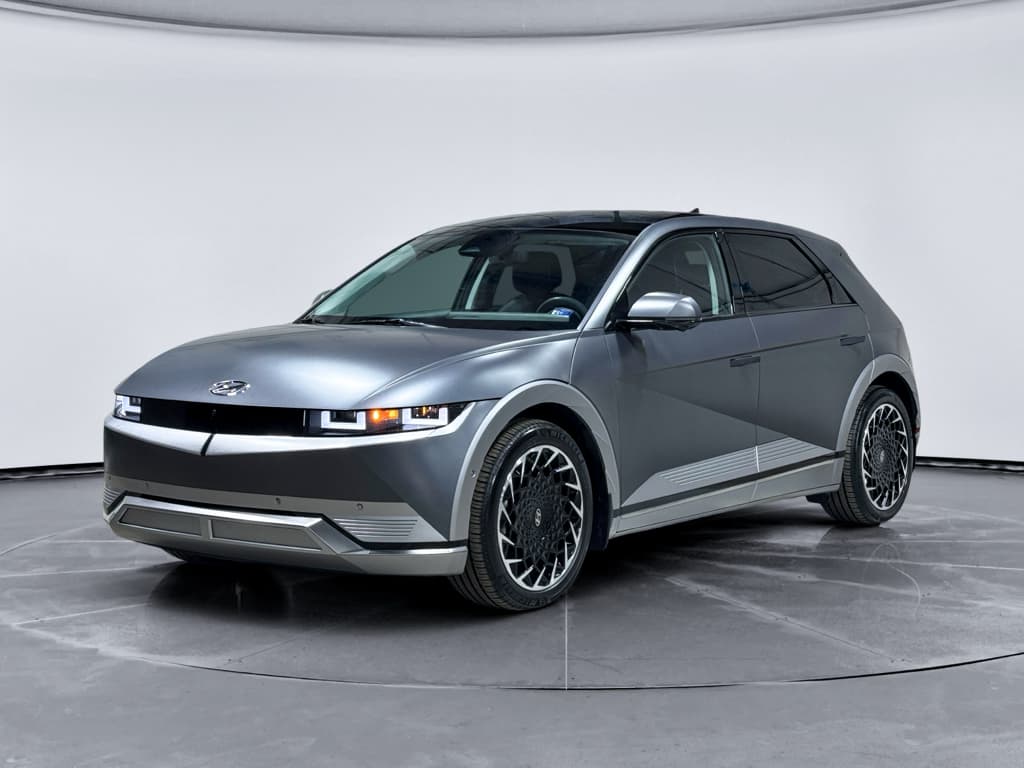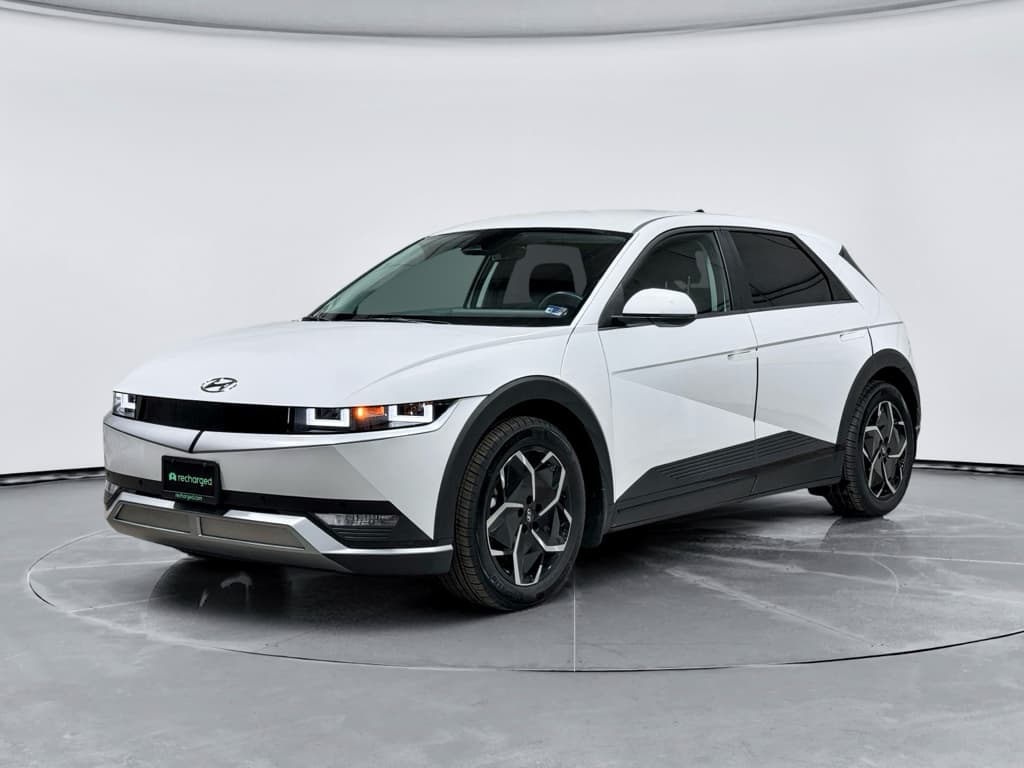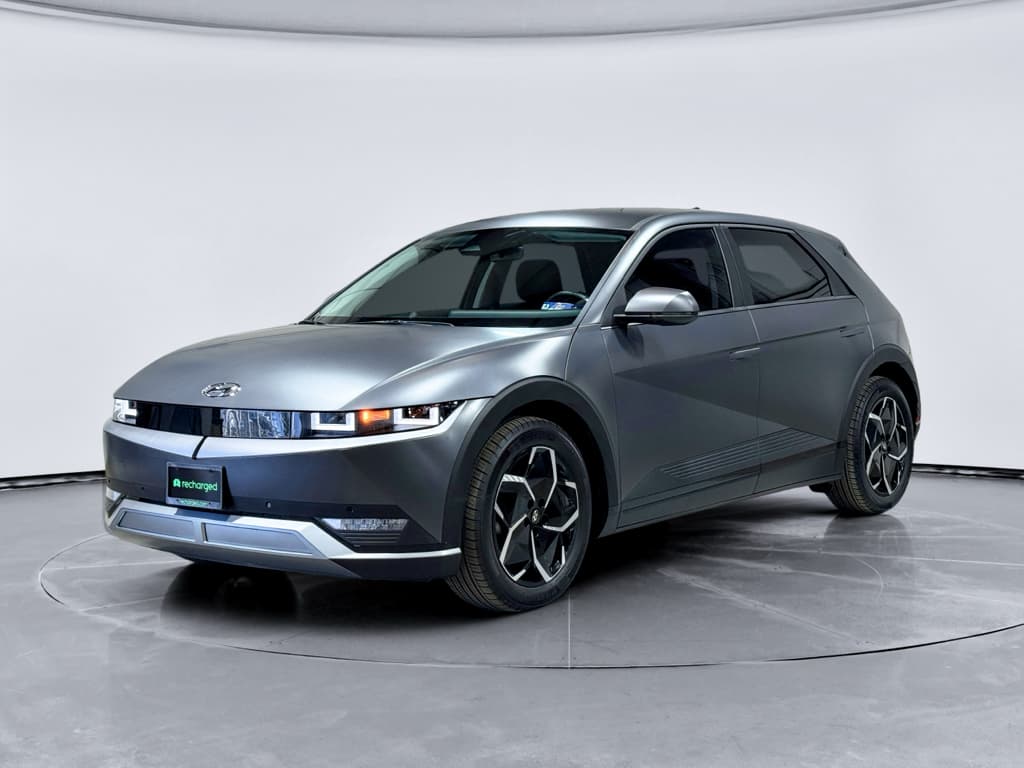
If you’re shopping for a used EV in 2026, the Hyundai IONIQ 5 is going to show up in your search like a recurring dream. It’s the early breakout hit of Hyundai’s E‑GMP platform: crisp design, lounge‑like cabin, genuinely fast DC charging. But a long‑term review has to ask less glamorous questions: how’s the battery holding up, what’s the real range three or four winters in, and will the electronics leave you stranded at the worst possible moment?
Who this long-term IONIQ 5 review is for
IONIQ 5 in 2026: what’s changed and what hasn’t
IONIQ 5 at a glance (2026 used market)
The basic recipe hasn’t changed since launch: a skateboard‑style EV platform, 58 kWh Standard Range or 77.4 kWh Long Range battery, rear‑ or all‑wheel drive, and some of the fastest DC charging you can buy outside a Porsche or Tesla. By the 2026 model year, Hyundai has stretched range to as much as 318 miles EPA on SE/SEL/Limited RWD, with most AWD trims still sitting in the 245–290‑mile band. Under the skin, software revisions and recall work have been slowly tightening up the rough edges from the early years.
Model year shorthand
Battery life and degradation over time
Let’s start with the heart of the thing: the high‑voltage battery. The IONIQ 5’s Long Range pack offers about 74 kWh usable out of a nominal 77.4 kWh, and Hyundai backs it with a 10‑year/100,000‑mile battery warranty for defects and excessive capacity loss on U.S. cars. That warranty alone tells you Hyundai expects the pack to age reasonably well in normal use.
What we’re seeing on IONIQ 5 battery health so far
Early long-term data, owner reports, and fleet use paint a fairly reassuring picture.
Modest degradation
For owners who mostly charge at home on AC and avoid habitual 100% DC fast charges, reported capacity loss after 40,000–70,000 miles often lives in the low‑single‑digit to low‑teens percent range.
Heavy‑use outliers
There are high‑mileage IONIQ 5s, rideshare and taxi duty, reporting strong pack health even past the six‑figure‑mileage mark, suggesting the chemistry is robust when thermal management isn’t abused.
Climate & habits matter
Cars that live in very hot climates, sit at 100% charge for days, or fast‑charge multiple times a day will see more degradation. That’s not an IONIQ 5 problem; it’s EV physics.
Don’t confuse ICCU failures with bad batteries
When Recharged evaluates a used IONIQ 5, our Recharged Score battery health diagnostics look at pack balance, usable capacity versus new, and charging behavior. The punchline so far: we’re not seeing systemic high‑voltage pack failures the way some early EVs suffered. The anxiety with this car lives more in the supporting cast of electronics, which we’ll get to.
Real-world range vs EPA numbers
On paper, the IONIQ 5’s range looks great. In the real world, it’s a bit more complicated, and a bit more honest than the worst offenders. Long‑range rear‑drive trims can genuinely flirt with their EPA numbers in mild weather at suburban speeds. Dual‑motor AWD models pay the usual penalty: more traction, more power, less distance per kilowatt‑hour.
Typical real-world range vs EPA (long-term owners)
Approximate mixed-driving range many long-term IONIQ 5 owners report once the novelty wears off and daily life sets in.
| Configuration | EPA rated range | Typical mixed real-world | Cold-climate winter highway |
|---|---|---|---|
| Standard Range RWD (58 kWh) | 220–240 mi (varies by year) | 180–200 mi | 140–160 mi |
| Long Range RWD (77.4 kWh) | 300–318 mi | 240–280 mi | 190–220 mi |
| Long Range AWD (77.4 kWh) | 245–290 mi | 210–260 mi | 170–200 mi |
Numbers assume healthy tires, mild temperatures, and mostly 65–70 mph highway plus city mix.
A simple rule of thumb
One long‑term upside vs some rivals: the IONIQ 5 is efficient enough that even when age and winter close in, you’re rarely in true range‑anxiety territory unless you habitually drive 230–250 miles in a single shot. For most suburban commuters, you’ll be recharging because you’re home, not because you’re empty.
Charging experience: home and DC fast
At home: easy‑mode EV ownership
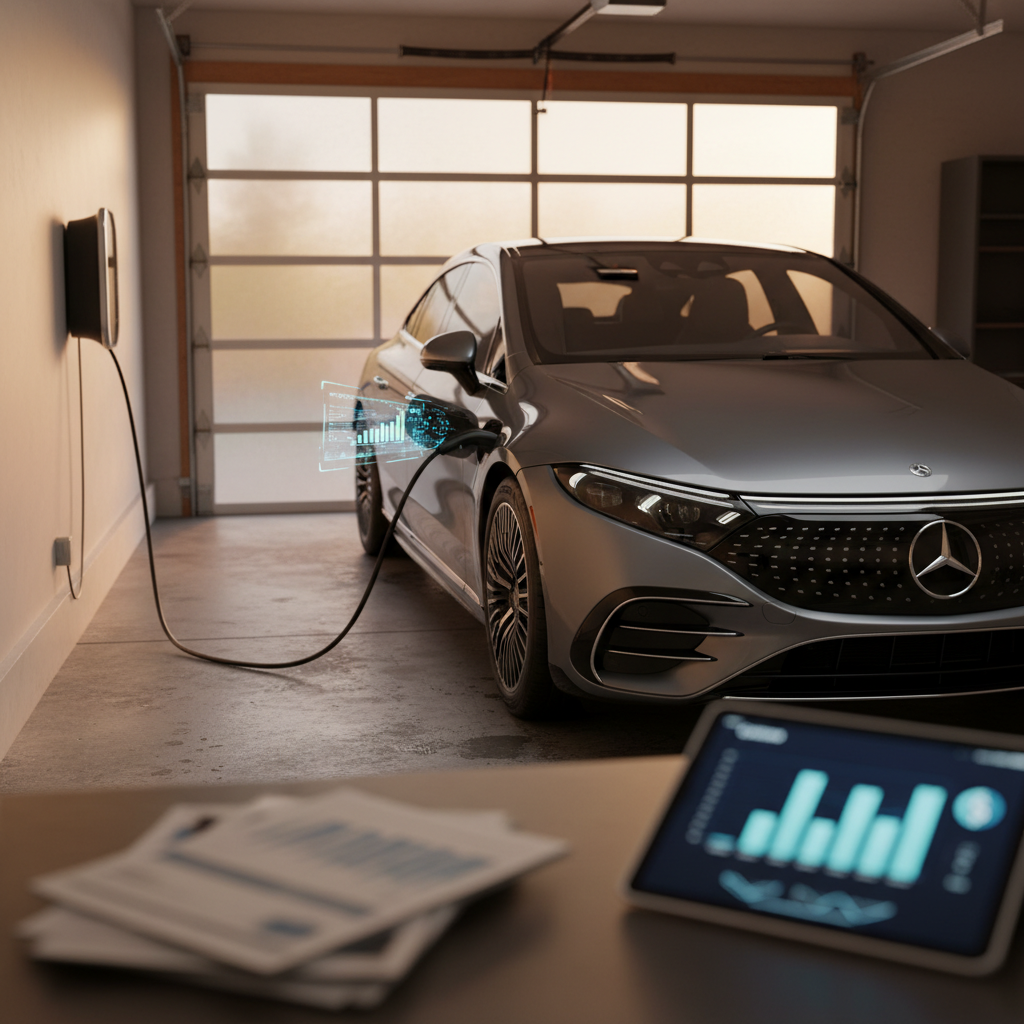
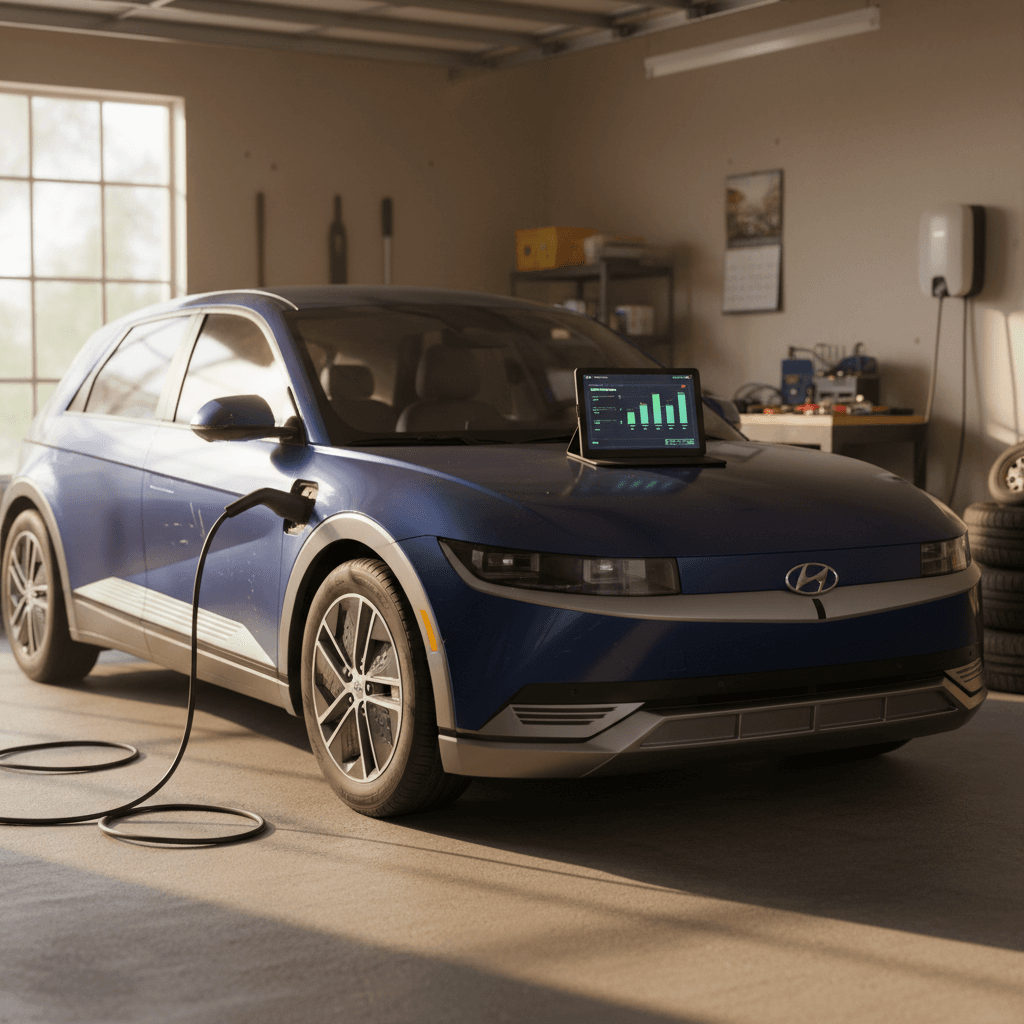
The IONIQ 5 carries an onboard AC charger of up to 10.9 kW, which means that on a typical 48‑amp Level 2 home setup you can go from low state of charge to full overnight without drama. For most owners, plugging in every second or third night is enough.
If you’re considering a used IONIQ 5, budget for a quality home charger and a proper 240V circuit. At Recharged we often see that once people install home charging, their entire perception of “EV hassle” evaporates.
On the road: the 800‑volt advantage
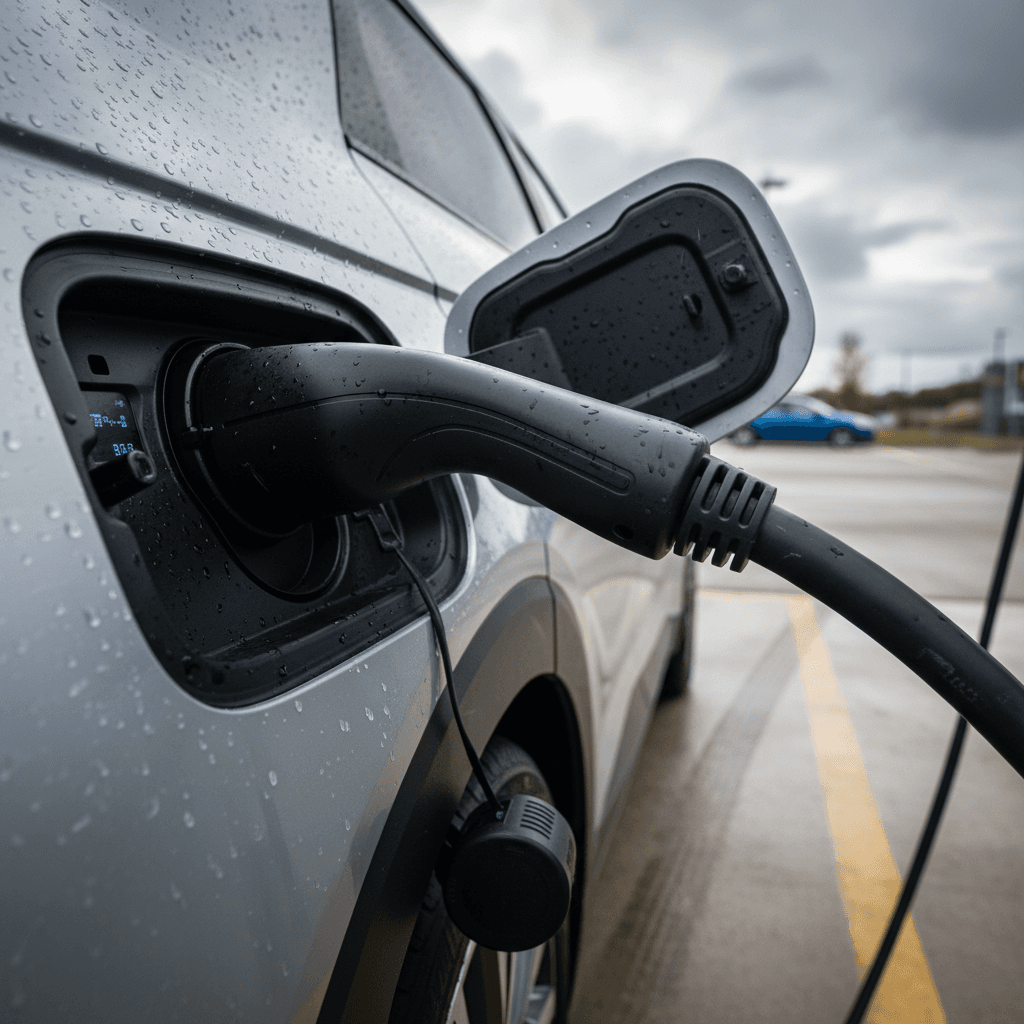
Where the IONIQ 5 still feels bleeding‑edge is DC fast charging. Thanks to its 800‑volt architecture, peak charge rates of up to 230–235 kW are possible on a healthy battery at a good station. In practice, many drivers see roughly 10–80% in 18–25 minutes on a capable 150–350 kW DC fast charger.
The catch is infrastructure quality, not the car. A weak or misconfigured station will make a rocket ship feel like a garden hose.
Known AC charging quirks
Reliability: ICCU, 12V batteries, and recalls
This is where the long‑term Hyundai IONIQ 5 story gets complicated. The mechanical bits, the motors, reduction gearboxes, suspension hardware, have largely behaved themselves. The headaches live in the Integrated Charging Control Unit (ICCU), the low‑voltage (12V) system, and some charging‑related software.
The three big reliability storylines so far
Most IONIQ 5 owners sail through; a smaller group has a much rougher time.
ICCU failures
The ICCU manages AC charging and converts high‑voltage power down to 12V. When it fails, owners may see warnings like “Check EV system”, sudden loss of power, or an inability to charge. Hyundai has launched recalls and software campaigns, but replacement ICCUs can take time to source.
12V battery drama
Plenty of owners report early 12V battery deaths that leave the car completely inert, even though the main pack is fine. Hyundai has pushed software updates to improve 12V charging logic and often replaces the battery under warranty, but a minority of cars see repeat issues.
Charging glitches & software
Interrupted Level 2 sessions, flickering warning lights after updates, and temperamental charge ports have all appeared in owner stories. These are fixable problems, but they can mean days or weeks in the shop if your dealer is backed up.
Why this matters for long-term buyers
The flip side is that the majority of IONIQ 5 owners report relatively drama‑free experiences: routine recalls handled at scheduled services, one early 12V replacement at most, then thousands of miles of quiet, quick, low‑maintenance driving. That’s why reliability surveys on this car can look almost schizophrenic, most respondents are happy, but the minority with bad experiences are understandably loud.
Ownership costs: maintenance and depreciation
On paper, the IONIQ 5 is a cheap date to maintain. No oil changes, no timing belts, no exhaust system, no multi‑gear automatic transmission. Hyundai’s official maintenance schedule starts at 7,500 miles and mostly calls for inspections, tire rotations, and the occasional coolant or brake fluid service.
What you’ll actually spend money on
Tires, and lots of them
The IONIQ 5 is quick, heavy, and often wears wide, low‑rolling‑resistance rubber. Expect to replace tires more often than on a compact sedan, especially on AWD trims driven enthusiastically.
Brake fluid & coolant services
Even though regenerative braking takes strain off the pads and rotors, time‑based services like brake fluid and battery coolant still matter. On a used IONIQ 5, check if big‑ticket intervals like 45,000 or 60,000 miles are coming up.
Out‑of‑warranty electronics
If you’re shopping a 2022 model that’s aging out of the basic warranty, budget mentally for a rainy‑day fund in case an ICCU or DC‑DC converter decides to throw a tantrum.
Insurance and taxes
The IONIQ 5 sits in a similar insurance bracket to other compact crossovers, with local factors (repair costs, parts availability, crash statistics) playing a big role in your actual premium.
The upside of EV simplicity
Ready to find your next EV?
Browse VehiclesDaily livability: space, comfort, and tech
If reliability is the worry column, daily livability is where the IONIQ 5 pays you back with interest. One of the delights of living with this car long‑term is discovering just how much interior space Hyundai liberated when it threw out the engine bay. It’s a compact on the outside, midsize on the inside, with a flat floor and rear legroom that embarrasses some luxury sedans.
What owners still love after years of driving
The honeymoon phase ends, but these traits keep showing up in long-term reviews.
Lounge‑like cabin
Sliding second row, optional reclining front seats, and a minimalist dash make the cabin feel like a rolling living room. Long‑term, people rave about how easy it is to haul kids, friends, dogs, or IKEA runs.
Clean tech integration
Dual 12.3‑inch screens, head‑up display on higher trims, and solid driver‑assist features mean the IONIQ 5 still feels current in 2026. Over‑the‑air updates have kept some features fresher than you’d expect.
Quiet, refined ride
In everyday driving the IONIQ 5 is calm and composed. There’s tire noise on coarse pavement, but overall refinement compares well to similarly priced German crossovers, without the maintenance bills.
Ride & noise caveats
Which IONIQ 5 years and trims to target used
Not all IONIQ 5s are created equal for long‑term ownership. Model‑year tweaks, battery sizes, and drivetrain choices change the story. If you’re browsing listings in 2026, here’s how to narrow the field.
Long-term shopper’s guide: IONIQ 5 years & trims
Where value, range, and reliability intersect for used buyers in 2026.
| Model year | What to like | What to watch | Best for |
|---|---|---|---|
| 2022 | Often the cheapest way into an IONIQ 5; same core powertrain as later years. | More early ICCU/12V stories; check recall history and charging behavior carefully. | Budget‑focused buyers with a backup vehicle. |
| 2023 | Software and recall learning starts filtering in; plenty of inventory off lease. | Mix of early‑build quirks and later refinements; condition varies widely. | Value hunters who want more options and colors. |
| 2024 | More mature build, improved feature mix; plenty of long‑range trims. | Still not immune to ICCU or low‑voltage issues; verify updates done. | Families planning to keep the car 5–8 years. |
| 2025–2026 | Highest ranges, latest software, and more bugfixes baked in from the factory. | Purchase price still relatively high on the used market. | Buyers who want "almost new" with some depreciation baked in. |
Exact features and range vary by build; always confirm equipment on the specific car you’re considering.
The sweet spot for most shoppers
How Recharged evaluates a used IONIQ 5
Because the IONIQ 5’s long‑term story is dominated by electronics and battery health, a quick test‑drive isn’t enough. At Recharged, every IONIQ 5 we list goes through EV‑specific diagnostics and gets a Recharged Score Report that you can read before you ever click “Buy.”
What’s in a Recharged IONIQ 5 evaluation
Battery health & fast‑charge behavior
We measure usable capacity, look for imbalance across cells, and observe how the pack takes a DC fast charge. That data feeds directly into the Recharged Score so you’re not guessing about degradation.
ICCU & 12V system checks
Our technicians look for recall completion, error histories, and any signs of ongoing charging or 12V issues. A car that’s already had a clean ICCU replacement and stable 12V behavior is a very different prospect from one with repeat visits.
Charging‑port and onboard charger testing
We plug into Level 2 and DC fast chargers to confirm that sessions start cleanly, hold steady, and don’t fall into the start‑stop loop some owners have reported.
Range and efficiency sanity check
Using real‑world road tests, we compare observed efficiency and projected range against what we expect for that trim, mileage, and climate.
From browsing to driveway, fully digital
FAQ: Hyundai IONIQ 5 long-term ownership
Frequently asked questions about long-term IONIQ 5 ownership
Bottom line: is the IONIQ 5 a smart buy in 2026?
Viewed from 2026, the Hyundai IONIQ 5 looks less like a science experiment and more like the first truly modern family EV from a legacy brand. Its long‑term record is two stories at once: a fundamentally strong battery‑and‑motor package wrapped in one of the most interesting designs on the road, and a supporting cast of charging electronics that hasn’t always behaved itself.
If you can live with that duality, and you shop carefully, a used IONIQ 5 can be a brilliant daily companion: fast to charge, cheap to run, easy to live with, and still futuristic enough to make your neighbor’s crossover look like a rental. The key is to buy the car in front of you, not the brochure version: verify recall work, insist on real battery‑health data, and pay attention to how it charges on both Level 2 and DC fast.
That’s exactly the gap Recharged is built to close. With Recharged Score diagnostics, EV‑savvy inspections, financing, trade‑in options, and nationwide delivery, you can shop IONIQ 5s with your eyes open, and end up with the version of this excellent EV that fits your life, not just your Pinterest board.