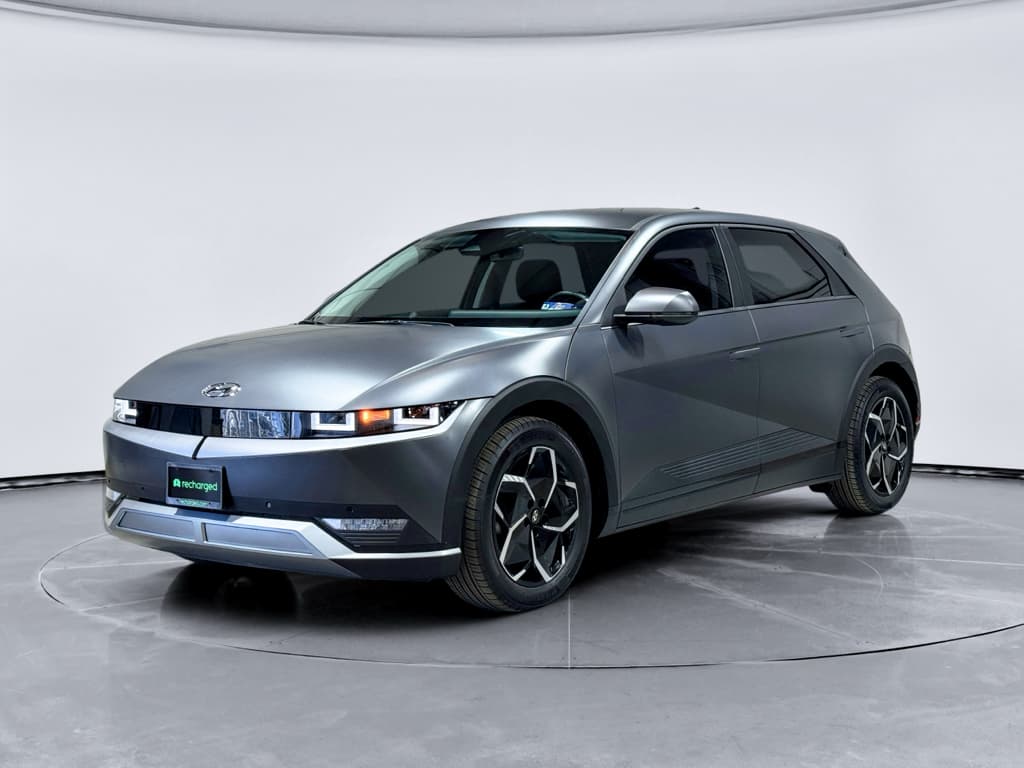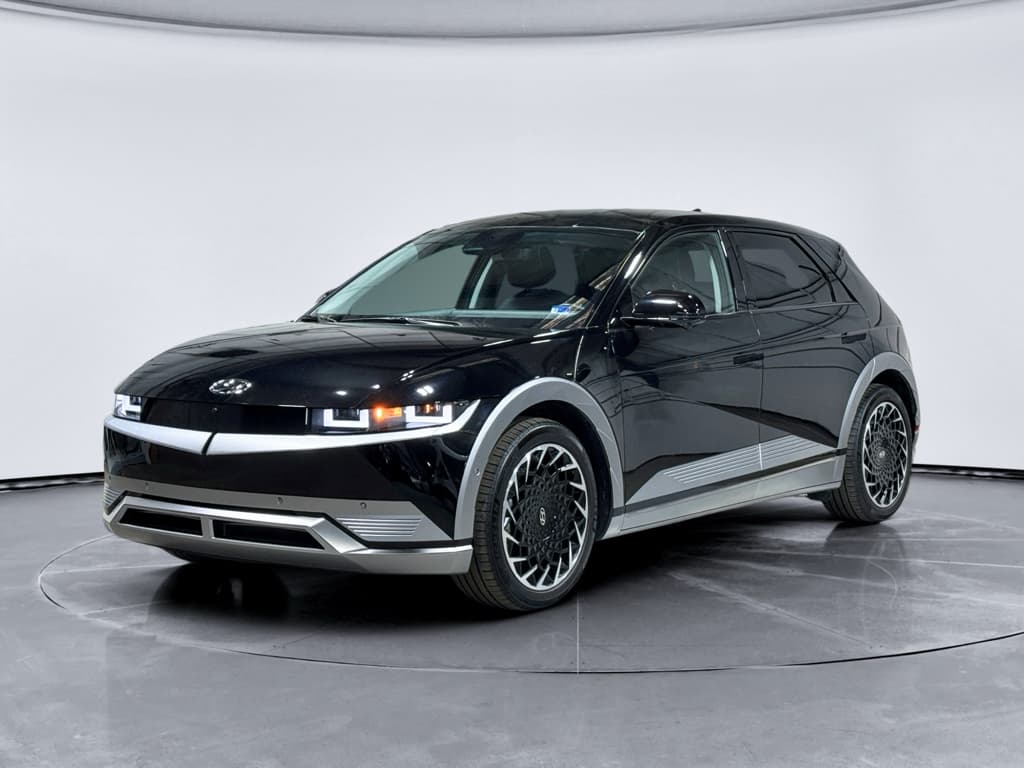
If you own, or are shopping for, a Hyundai Ioniq 5, maximizing battery life is the key to keeping your range strong and your running costs low. The good news: with a few smart habits, you can dramatically slow degradation and make your Ioniq 5’s battery feel healthy for years, whether it’s brand-new or a used EV you found through a marketplace like Recharged.
Good news for Ioniq 5 owners
Why Hyundai Ioniq 5 battery care matters
Your Hyundai Ioniq 5’s battery is its single most valuable component. It determines how far you can drive, how fast you can charge, and eventually, what the vehicle is worth on the used market. Replacing a high-voltage pack is possible, but it’s expensive enough that most owners would rather never get to that point.
- Battery health directly impacts resale value if you decide to sell or trade in your Ioniq 5.
- Real-world range can drop noticeably if the pack is abused with constant 100% fast charging and high heat.
- Hyundai’s battery warranty is strong, but it doesn’t cover normal, gradual degradation from poor habits.
For shoppers looking at a used Ioniq 5, battery condition is just as critical. Platforms like Recharged add transparency here by including a Recharged Score Report with verified battery health diagnostics, so you aren’t guessing about the most important part of the car.
Hyundai Ioniq 5 battery basics in plain English
You don’t need an engineering degree to take care of an Ioniq 5 battery, but a quick foundation helps. The Ioniq 5 uses a large lithium‑ion pack (around 72–77 kWh usable on most long-range trims) to store energy. Like any lithium pack, it prefers a comfortable middle state of charge and moderate temperatures.
What affects Ioniq 5 battery life the most?
Four big levers you control every day
State of charge
Charge speed
Temperature
Driving style
Think like a phone, just bigger
Daily charging habits that maximize Ioniq 5 battery life
Your everyday charging routine is where you’ll make the biggest difference. The Hyundai Ioniq 5 gives you built‑in tools, charge limits, scheduling, and battery conditioning, to help protect the pack if you use them deliberately.
Daily Ioniq 5 charging checklist
1. Set a daily charge limit (60–80%)
For normal commuting, keep your charge limit in the 60–80% range in the vehicle’s charging menu. This keeps the battery in its comfort zone most of the time, which slows long‑term degradation.
2. Save 100% charges for trips
Charging to 100% is fine when you actually need the range, like road trips. Try to time it so the car reaches 100% shortly before departure instead of sitting full for hours.
3. Avoid regularly running below 10%
Occasionally dipping low is OK, but treating 0–5% as your everyday buffer adds stress. Plug in when you get home if you’re under about 20%, especially in very hot or cold weather.
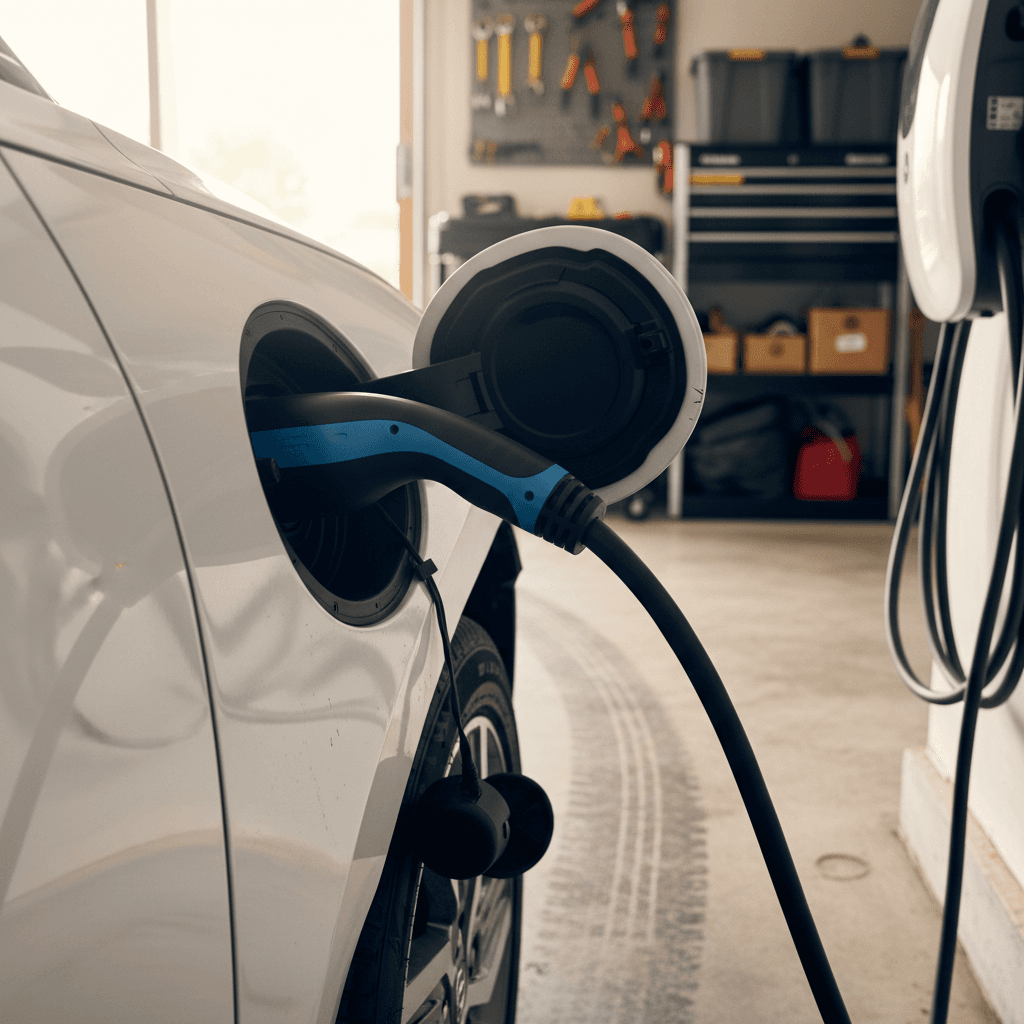
4. Prefer Level 2 at home
A home Level 2 charger (240V) is ideal: it’s fast enough, but gentler than repeated DC fast charging. If you’re considering home charging, read up on <a href="/articles/ev-charging-basics">EV charging levels</a> or talk to an EV specialist.
5. Use scheduled charging for off‑peak hours
Use the Ioniq 5’s scheduling tools or your utility’s time‑of‑use program to charge overnight. It’s usually cheaper, and slower ambient temperature changes at night are easier on the pack.
6. Don’t obsess over occasional “bad” charges
Real life happens. A rare 100% fast charge or running to 1% in a pinch won’t ruin your battery. You’re aiming for good <strong>patterns</strong>, not perfection.
Beware of always-fast-charging
How to use DC fast charging without abusing the battery
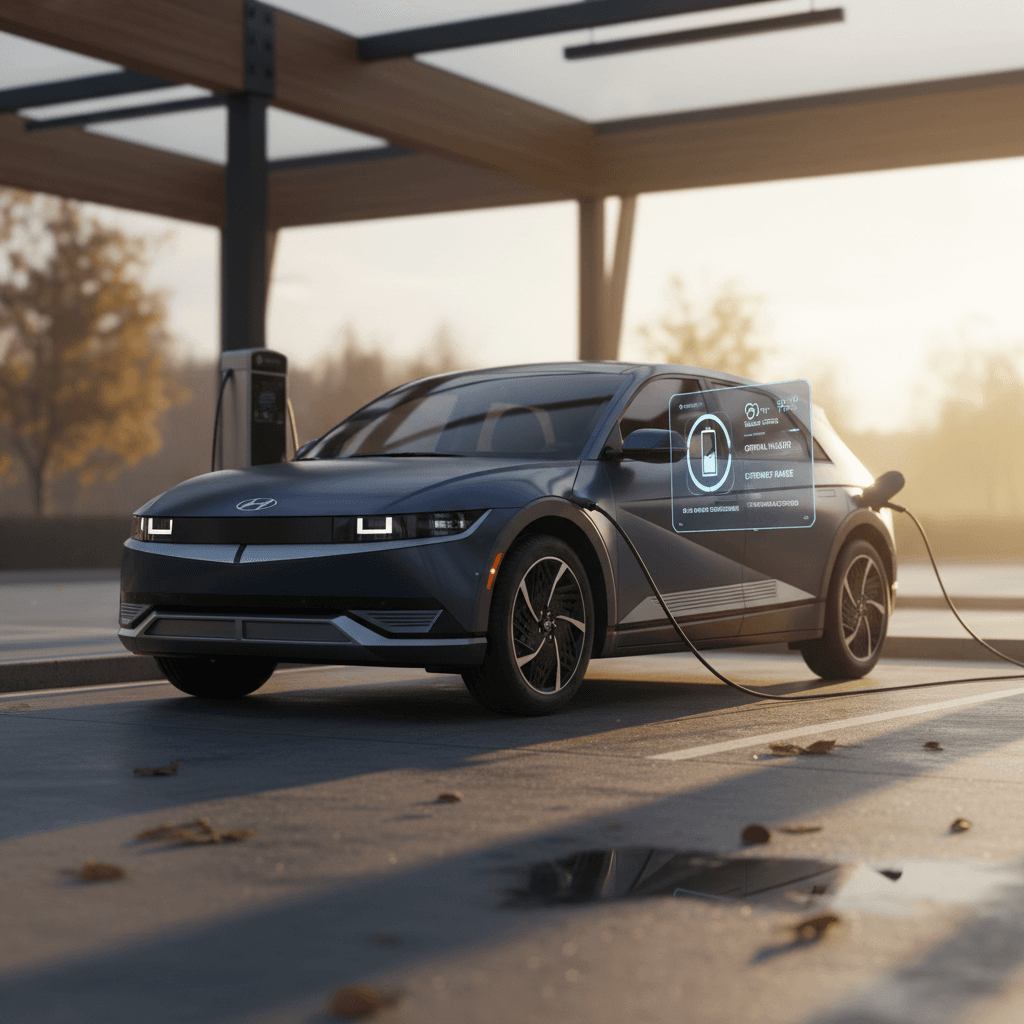
One of the Hyundai Ioniq 5’s headline features is ultra‑fast 800‑volt DC charging, which can add a lot of range in a short stop. Used thoughtfully, it’s a huge advantage. Used carelessly, it can accelerate battery wear.
Fast‑charging best practices
- Start low, stop around 70–80%. DC charging is most efficient from about 10–60%. After 80%, the charge curve slows dramatically, so you’re stressing the battery more for relatively little added range.
- Warm the battery in winter. If available in your market, use battery preconditioning on the way to a fast charger in cold weather. A properly warmed pack charges faster and more safely.
- Stick to reputable networks. Well‑maintained hardware is less likely to deliver inconsistent power that can cause erratic charging behavior.
When fast charging is a red flag
- Daily DC sessions for commuting. If you’re relying on fast chargers every day because you lack home charging, expect higher long‑term degradation.
- Multiple 0–100% fast charges in a single day. That kind of abuse is rare, but it’s rough on any pack. Plan more frequent, shorter stops instead.
- Ignoring heat. In very hot weather, stacking long DC fast‑charge sessions back‑to‑back will drive temperatures higher. Build breaks into your route when possible.
Plan your stops around 10–60%
Driving habits that protect range and reduce degradation
You can’t change your commute or the weather, but you can adjust how you drive your Ioniq 5. Smoother driving doesn’t just boost range, it also lowers the peak currents flowing in and out of the battery, which is healthier over thousands of cycles.
Four driving habits that help your Ioniq 5 battery
Simple changes that add up over time
Drive smoothly and anticipate traffic
Watch your highway speed
Use Eco and Smart modes
Use climate controls strategically
Seasonal and storage tips for your Ioniq 5 battery
Temperature swings are a fact of life, and the Ioniq 5’s thermal management does a lot of heavy lifting. But where you park and how you store the car for longer periods still make a difference, especially in hot climates.
Seasonal battery care for Hyundai Ioniq 5 owners
Quick reference for hot summers, cold winters, and long parking periods
| Scenario | Ideal State of Charge | Where to Park | Extra Tips |
|---|---|---|---|
| Hot summer daily use | 40–70% | Garage or shaded spot | Avoid leaving the car at 100% in full sun. Use cabin pre‑cooling while plugged in. |
| Cold winter daily use | 50–80% | Garage if available | Precondition while plugged in. Use seat and steering‑wheel heaters, they use less energy than blasting cabin heat. |
| Parking 1–4 weeks | 40–60% | Cool, covered if possible | Disable always‑on features you don’t need, and avoid leaving the car at 0–10% or 90–100% for long stretches. |
| Parking 1–3 months | 40–50% | Dry, temperate location | If safe and possible, have someone check the car once a month and top up back to around 50% if it drops significantly. |
Aim for moderate state of charge and temperature whenever you can.
Long-term high heat is the enemy
Buying a used Hyundai Ioniq 5: judging battery health
If you’re in the market for a used Ioniq 5, battery health should be on the same footing as mileage and accident history. Two identical‑looking vehicles can have very different packs beneath the floor, depending on how the previous owner charged and drove.
What to look for in battery health
- Displayed range at 100%. A significantly lower estimate than other similar Ioniq 5s can be a clue, though software estimates aren’t perfect.
- Charging behavior. If possible, watch a Level 2 or DC fast‑charge session. Extremely slow or inconsistent charging may warrant deeper inspection.
- Service records. Look for any history of high‑voltage battery work, warranty replacement, or repeated charging‑system faults.
Why third‑party diagnostics matter
A seller rarely knows their exact state of health in percentage terms, and the on‑screen gauge doesn’t tell the whole story. That’s why marketplaces like Recharged invest in independent battery diagnostics. Every EV we list includes a Recharged Score Report with verified battery health and pricing calibrated to that condition, so you aren’t buying blind.
How Recharged de-risks used EV batteries
Ready to find your next EV?
Browse VehiclesKey Hyundai Ioniq 5 settings to check today
A few minutes in the Ioniq 5’s menus can lock in most of the battery‑friendly habits we’ve discussed so far. Whether you own the car already or you’re test‑driving a used one, it’s worth running through this quick settings pass.
Ioniq 5 battery‑friendly settings walkthrough
1. Set your normal charge limit
In the EV or charging settings, set your everyday target to around 70–80%. Add a higher limit profile you can switch to before road trips.
2. Turn on scheduled charging
Align charging with your utility’s off‑peak hours if you have time‑of‑use rates. This can cut operating costs and smooth grid demand.
3. Explore battery conditioning options
If your market has battery preconditioning for DC fast charging, learn how to enable it when you navigate to a fast charger. It helps protect the pack in winter and refines charge times.
4. Tailor drive modes
Try Eco and Smart around town to soften throttle response and encourage smoother driving. You can still switch to Sport when you want the extra punch.
5. Fine‑tune climate preferences
Use seat and wheel heat, plus moderate cabin targets, instead of max heat/AC swings. Precondition while plugged in so the pack doesn’t shoulder all of the initial climate load.
6. Review always‑connected features
If the car will sit for long stretches, consider disabling high‑drain convenience features you don’t need. Reducing constant background load keeps the pack in its preferred band longer.
Hyundai Ioniq 5 battery life: FAQs
Frequently asked questions about Ioniq 5 battery life
Bottom line: Treat the battery well and it will treat you well
The Hyundai Ioniq 5 is one of the more advanced EVs on the road today, and its battery pack is built for the long haul. The real differentiator isn’t secret chemistry, it’s your daily habits: keeping the pack in a comfortable state‑of‑charge band, leaning on Level 2 charging at home, reserving DC fast charging for trips, and being mindful of extreme heat and long‑term storage.
If you already own an Ioniq 5, a few setting tweaks and charging changes can start protecting your battery today. If you’re shopping, especially in the used market, seek out vehicles with transparent battery health reports and pricing that reflects real condition, something Recharged bakes into every listing via the Recharged Score. Either way, a little attention to battery care now can pay off in stronger range, lower costs, and better resale value years down the road.