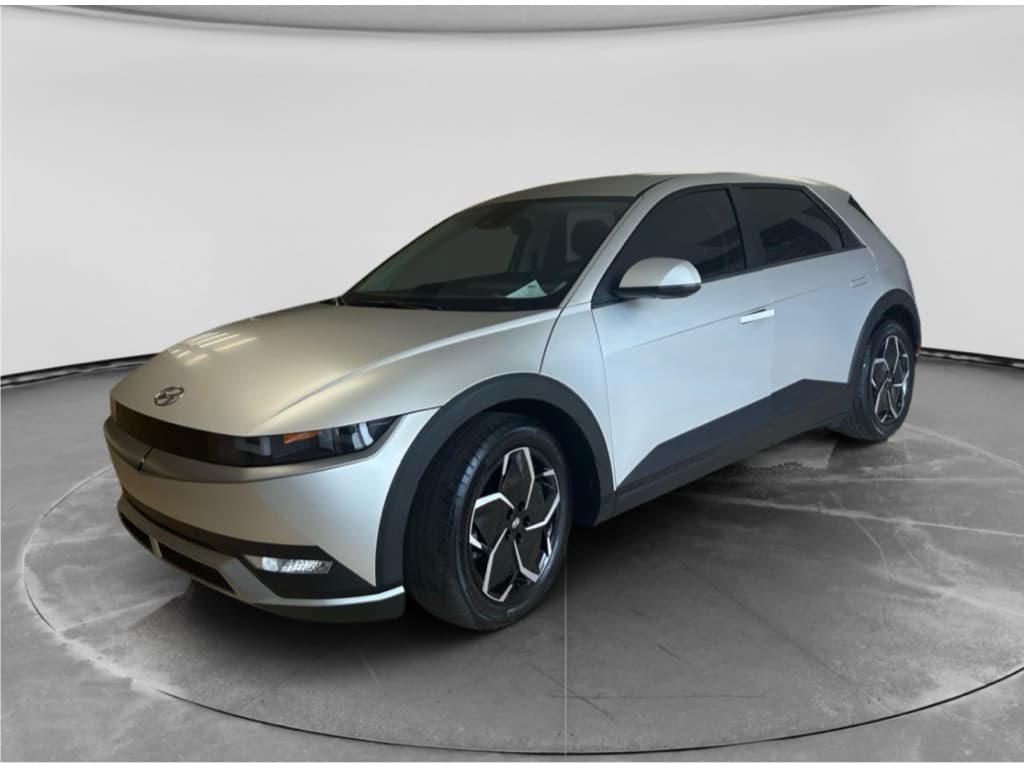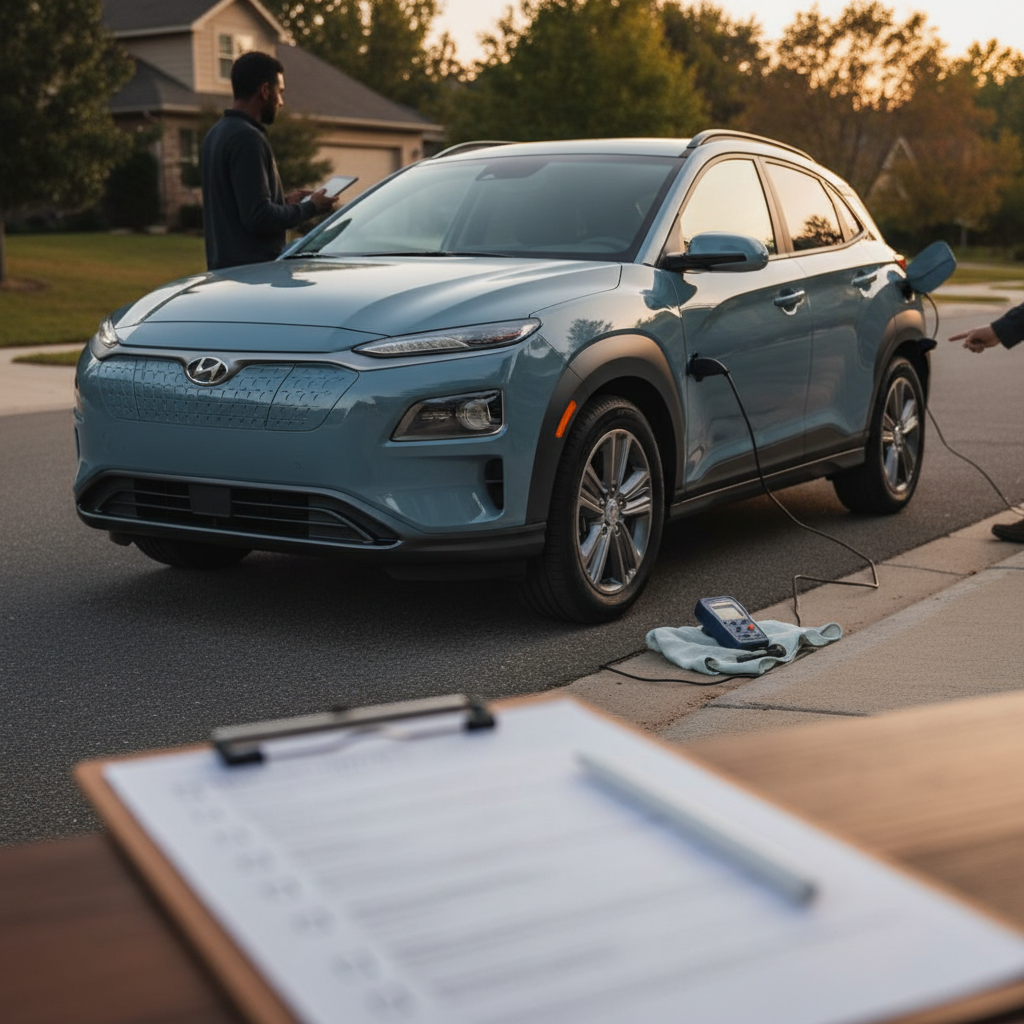
If you own a Hyundai IONIQ 5, or you’re shopping for one used, battery health is the story behind every mile of range. A simple Hyundai IONIQ 5 battery health check can tell you how much capacity the pack still has, how it’s been treated, and what you should expect years down the road.
Battery health vs. battery charge
Why battery health matters on the Hyundai IONIQ 5
The IONIQ 5’s big battery is its most expensive component and the heart of its appeal: quick charging, strong performance, and real‑world range. Over time, all lithium‑ion packs lose some capacity, which means fewer miles per charge. Knowing your Hyundai IONIQ 5 battery health helps you decide how far you can comfortably drive, whether a used IONIQ 5 is priced fairly, and when it might be time to lean on Hyundai’s warranty.
Hyundai IONIQ 5 battery health at a glance
Don’t panic over a few percent
Quick ways to check Hyundai IONIQ 5 battery health
Hyundai doesn’t put a big “Battery Health: 94%” gauge on the IONIQ 5’s dash, so you have to be a bit more creative. Here are the most practical options, from least to most technical.
Three practical IONIQ 5 battery health checks
From “seat‑of‑the‑pants” to data‑driven diagnostics
1. Range vs. original rating
Charge the car to 100% and reset a trip meter. Drive in mixed, normal conditions down to around 10–20% and note:
- How many miles you drove
- How much battery percentage you used
If your real‑world range is still close to the original EPA rating, your pack is likely in good health.
2. Telematics & in‑car data
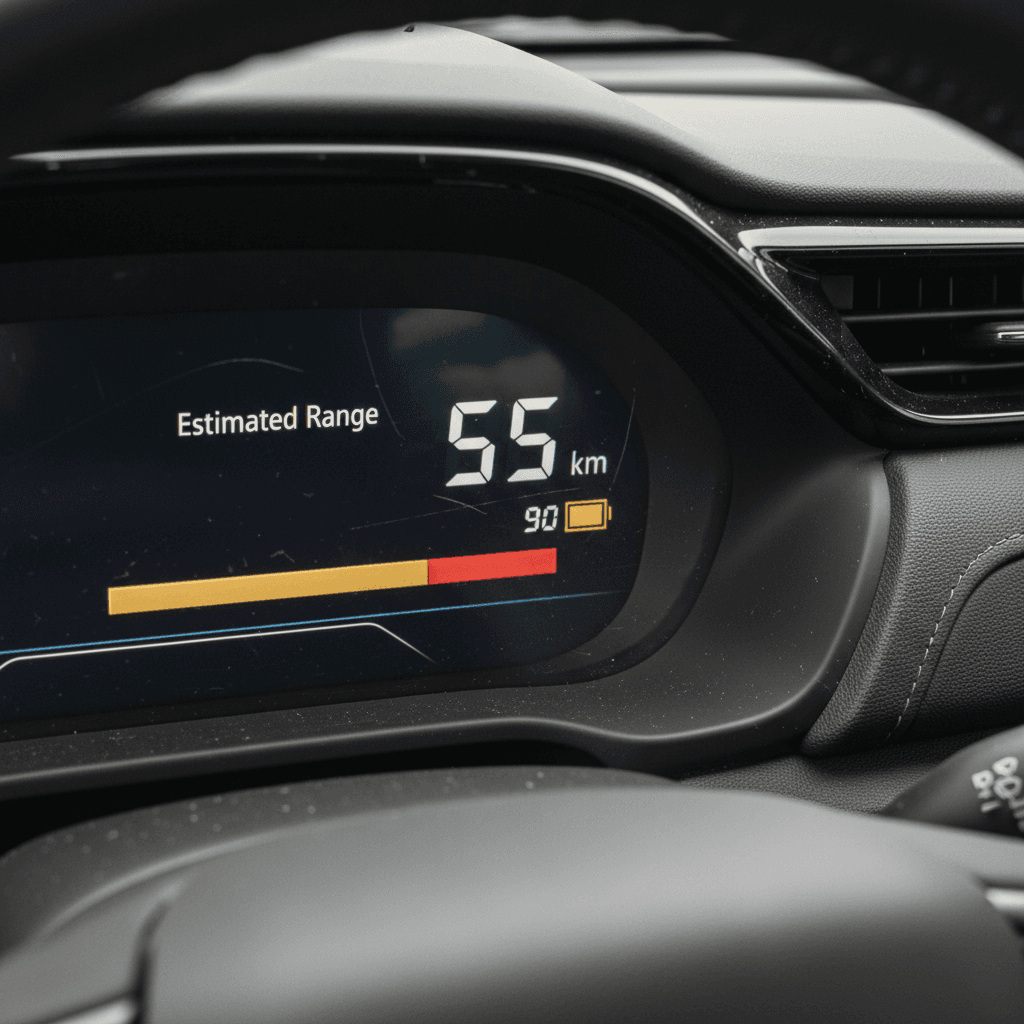
The IONIQ 5 won’t show SOH directly, but it will show:
- Projected range at 100%
- Energy use in kWh/100 mi or mi/kWh
Comparing these numbers to what owners saw when new gives you a rough sense of degradation.
3. Scan tools & dealer tests
For a real Hyundai IONIQ 5 battery health check, you can:
- Ask a Hyundai dealer to run a high‑voltage battery report
- Use an OBD2 dongle with a compatible app to read SOH
That’s the closest you’ll get to an official health number without opening the pack.
Use the car you already have
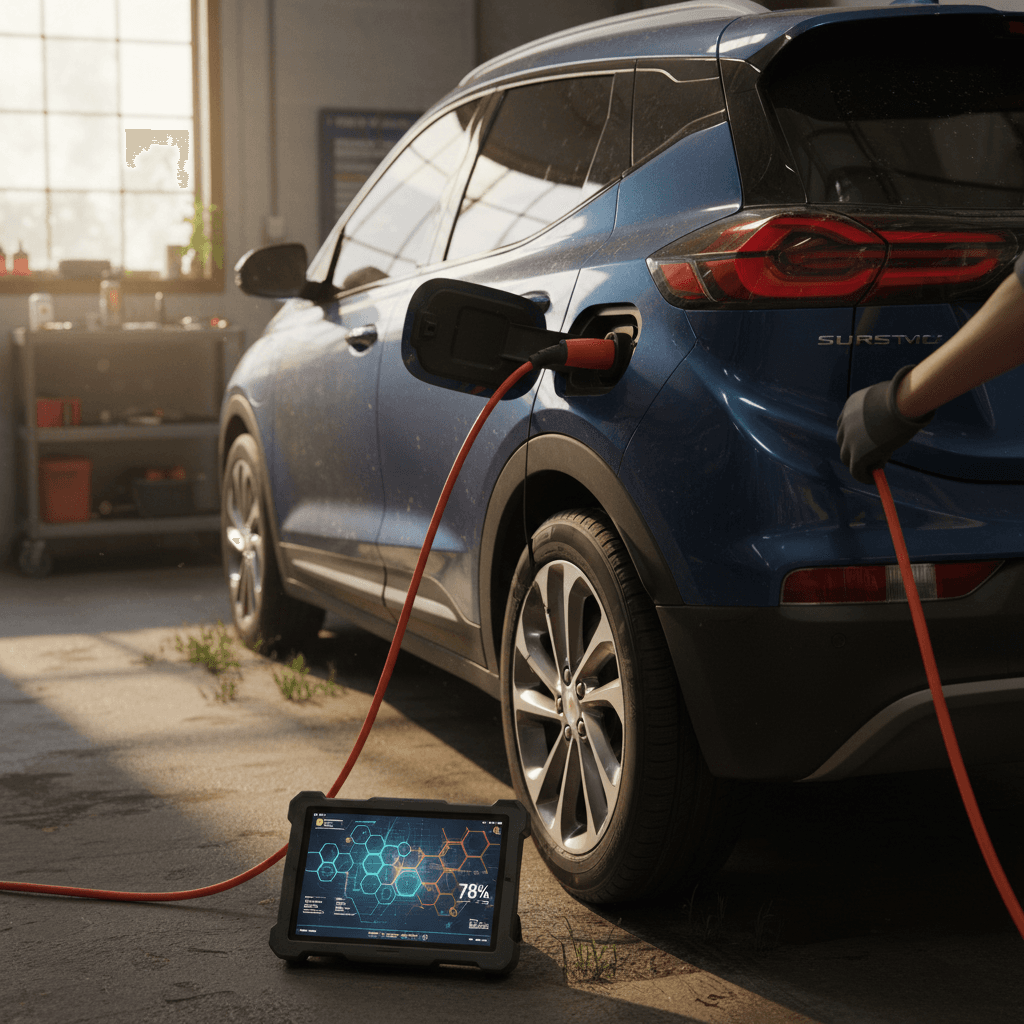
Reading IONIQ 5 battery SOH with OBD and apps
If you want a number, not just a feeling, the next step is to read the battery’s State of Health (SOH) from the car’s control units. Hyundai doesn’t surface this in the infotainment screen, but it’s available behind the scenes.
- Buy a compatible OBD2 Bluetooth or Wi‑Fi adapter (many owners use ELM327‑based or similar devices).
- Install an EV‑aware app such as Car Scanner, a dedicated Hyundai/Kia app, or a Home Assistant integration that supports Hyundai Bluelink data.
- Connect to the car with ignition on or in Ready mode, and load the Hyundai IONIQ 5 profile in your app (if available).
- Look for data channels labeled SOH, Battery SOH, Remaining capacity, or similar.
- Compare the SOH percentage with the car’s age, mileage, and your driving/charging habits.
Accuracy caveat
Dealer battery health checks
Hyundai dealers have factory software that can pull detailed data from your IONIQ 5’s high‑voltage system. If you’re under warranty and worried about range, this is where you start.
- Ask specifically for a high‑voltage battery capacity report.
- If capacity has fallen near or below Hyundai’s warranty threshold, they may repair or replace modules or the pack.
- Keep records, these reports matter for resale.
DIY scan tool checks
A good scan app plus an OBD2 dongle can show:
- Pack voltage and temperature
- Cell imbalance
- Approximate SOH
It’s not as authoritative as dealer software, but it’s excellent for tracking trends: take a reading every few months and watch how SOH changes, if at all.
What’s “normal” battery degradation on an IONIQ 5?
The IONIQ 5 is still a relatively young model, so we don’t have 10‑year case studies yet. But owner data and early fleet analysis give us a decent picture of how these batteries are aging.
Typical IONIQ 5 battery health over time (ballpark)
Real‑world numbers vary, but this table shows what many owners report under normal use.
| Vehicle age / mileage | Typical SOH range | Notes |
|---|---|---|
| 0–2 years / up to ~20,000 mi | 95–100% | Initial drop is usually the steepest; some owners see ~5% loss early, others almost none. |
| 2–4 years / 20,000–50,000 mi | 92–98% | Many report only a few percent more loss if charging and temperature are reasonable. |
| 4–8 years / 50,000–100,000 mi | 85–95% | Data is still emerging; lots depends on climate, storage, and fast‑charging habits. |
| Up to 10 years / 100,000 mi (warranty) | ≥70% target | Hyundai’s U.S. warranty is structured around keeping capacity above roughly 70%. |
These are not guarantees; they’re patterns from early‑life IONIQ 5s. Warranty decisions always come down to Hyundai’s own measurements.
When you might see faster degradation
IONIQ 5 battery warranty, and when Hyundai steps in
In the U.S., Hyundai backs the IONIQ 5’s high‑voltage battery with a strong warranty, which is your safety net if degradation becomes truly abnormal.
Hyundai IONIQ 5 battery warranty basics
What most U.S. owners can count on
10‑year / 100,000‑mile coverage
Hyundai’s hybrid/EV battery warranty is generally 10 years or 100,000 miles, whichever comes first, for the high‑voltage battery.
Always confirm exact terms for your model year and state in your warranty booklet.
Capacity threshold around 70%
Hyundai’s warranty materials indicate the battery shouldn’t fall below roughly 70% of its original capacity during the warranty window.
If it does, based on Hyundai’s own tests, they may repair or replace the pack.
Keep service records
Habits that protect your IONIQ 5’s battery health
You can’t stop degradation, but you can slow it. The IONIQ 5 already manages a lot of battery care in the background. Layer your habits on top and you’ll make the most of that big pack for years.
Everyday habits that keep your IONIQ 5’s battery happy
Avoid living at 100%
Charge to 100% for road trips, but for daily use many owners aim for 70–90%. The IONIQ 5 lets you set charge limits, use them. High voltage for long periods ages cells faster.
Don’t routinely run it to 0%
Dropping to single‑digit SOC occasionally is fine. Making it a habit isn’t. Try to arrive at chargers with 10–20% remaining when you can.
Baby the battery in extreme heat
When it’s scorching outside, avoid parking at 100% in direct sun all day. If possible, use a garage or shaded parking, and pre‑condition while still plugged in.
Use DC fast charging strategically
The IONIQ 5 is built to charge fast, but constant DC fast‑charging from low SOC to 100% will speed up wear. For everyday life, Level 2 home charging is kinder to the pack.
Watch your average efficiency
Keep an eye on mi/kWh or kWh/100 mi. If your driving style and conditions haven’t changed but range keeps dropping, that’s a reason to dig into battery health.
Update software and follow recalls
Hyundai issues software updates and, occasionally, recalls affecting charging systems or battery management. Staying current keeps protections and algorithms working in your favor.
Good news for IONIQ 5 owners
Checking battery health when buying a used IONIQ 5
Battery health is the single biggest unknown when you’re eyeing a used IONIQ 5. Two crossovers that look identical in photos can have very different pack histories, and that can mean thousands of dollars of value either way.
If you’re buying privately or from a non‑EV specialist
- Ask for service records and any prior battery or charging‑system work.
- Request a recent dealer high‑voltage battery report if possible.
- Bring your own OBD2 dongle and app to check SOH and cell balance.
- Do a full‑to‑low range test if the seller agrees and you have the time.
If the seller resists any form of battery check, assume you’re taking on more risk, and negotiate price accordingly.
If you’re buying a used IONIQ 5 from Recharged
Every EV on Recharged includes a Recharged Score Report with verified battery diagnostics. For an IONIQ 5, that means:
- Independent battery health testing rather than just guessing from range.
- Fair‑market pricing that accounts for real‑world SOH, not just odometer miles.
- Expert EV‑specialist support that can walk you through the numbers.
If you’d rather not juggle scan tools in a stranger’s driveway, buying from Recharged removes that homework, and the anxiety that goes with it.
The costly surprise you want to avoid
Hyundai IONIQ 5 battery health checklist
Quick Hyundai IONIQ 5 battery health checklist
1. Confirm model year, trim, and pack size
Know whether you’re looking at the standard‑range or long‑range pack and what the original EPA range should be. That’s your benchmark.
2. Review ownership, mileage, and climate
A low‑mileage car that lived in Phoenix and fast‑charged daily may be worse off than a higher‑mileage car that lived in a temperate climate and lived on Level 2.
3. Compare full‑charge range to original
Charge to 100%, drive normally, and estimate range. Being within shouting distance of the original rating is usually a good sign.
4. Pull an SOH reading if you can
Use an OBD2 dongle and app or a dealer visit to get an SOH number. Anything in the mid‑90s on a young car is usually fine; what matters most is whether it’s trending down quickly.
5. Ask about charging habits
How often did they DC fast‑charge? Did they routinely sit at 100%? Calm, boring answers are exactly what you want to hear.
6. On a marketplace, insist on documentation
Whether it’s a Hyundai dealer report or a third‑party diagnostic like the Recharged Score, don’t buy a used IONIQ 5 blind on battery health.
Hyundai IONIQ 5 battery health FAQ
Frequently asked questions about Hyundai IONIQ 5 battery health
Bottom line: Keeping your IONIQ 5’s battery strong
Your Hyundai IONIQ 5’s battery doesn’t have to be a mystery. With a simple health check, a mix of range testing, smart charging habits, and, when needed, proper diagnostics, you can understand exactly what you’re driving or about to buy. For current owners, that means more confident road trips and realistic expectations as the car ages. For used‑EV shoppers, it can be the difference between a great deal and an expensive mistake.
If you’d rather skip the guesswork, every IONIQ 5 on Recharged comes with a Recharged Score Report that puts battery health front and center, alongside fair‑market pricing, financing options, and nationwide delivery. However you check your Hyundai IONIQ 5 battery health, make sure you get the full story before you commit, your future range (and wallet) will thank you.