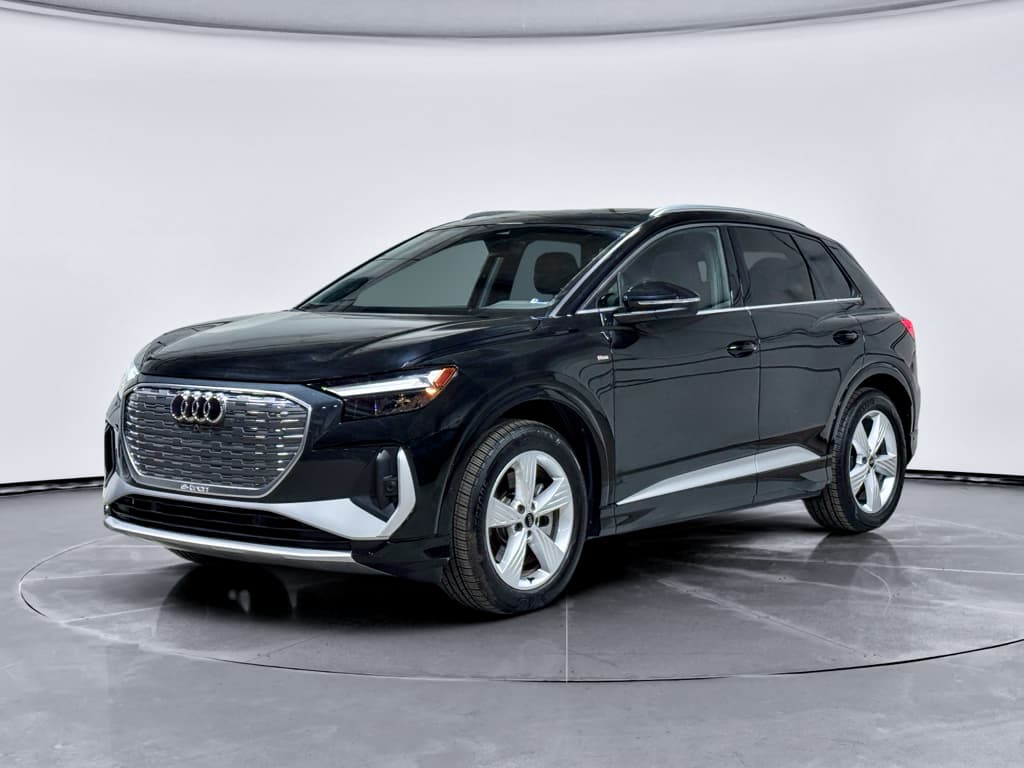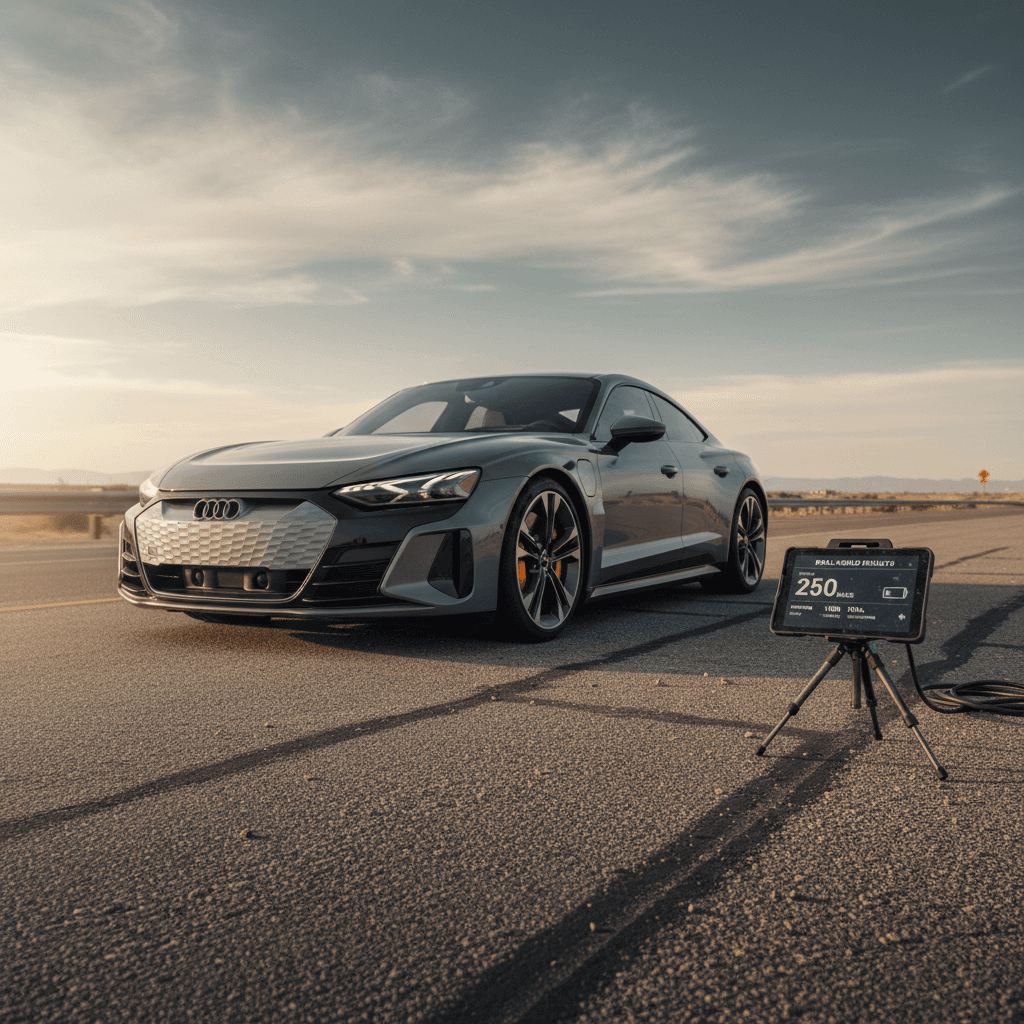
If you’re looking at a 2022 Audi e-tron GT, you’re probably wondering whether its range really matches the "grand tourer" image. Official numbers only tell part of the story. In this 2022 Audi e-tron GT range test deep dive, we’ll pull together EPA ratings, independent road tests, and some real-world modeling to show you what you can actually expect day to day and on road trips, especially if you’re considering a used e-tron GT.
Quick range snapshot
Overview & specs: what the 2022 e-tron GT promises on paper
Before you can make sense of any 2022 Audi e-tron GT range test, you need to know what the car is working with. The e-tron GT shares its **J1 platform** and 800‑volt architecture with the Porsche Taycan. Under the floor is a **93.4 kWh gross lithium‑ion battery**, of which roughly **83–84 kWh is usable** for driving. Dual motors provide all‑wheel drive and serious performance, but they also add weight and power consumption compared with a single‑motor EV.
2022 Audi e-tron GT key range-related specs
Headline specs that affect real‑world range and charging performance for the 2022 model year.
| Item | Value |
|---|---|
| EPA combined range | 238 miles |
| Battery capacity (gross / usable) | ~93.4 kWh / ~84 kWh |
| EPA efficiency (combined) | Approx. 43–44 kWh/100 mi (76–79 MPGe) |
| Official DC fast-charge peak | Up to ~270 kW (800 V architecture) |
| AC charging | Up to 11 kW (48A Level 2) |
| Drive layout | Dual‑motor AWD |
| Curb weight | ~5,000+ lb (over 2,200 kg) |
All figures are for the standard e-tron GT quattro sold in the U.S. for 2022.
GT performance cuts both ways
Independent range tests: how far does it really go?
Independent testing is where the 2022 Audi e-tron GT gets interesting. On paper, the EPA says **238 miles**, but independent testers have shown that’s a conservative number under the right conditions.
2022 Audi e-tron GT real‑world range highlights
In a well‑documented independent test loop, a 2022 e-tron GT covered **about 273 miles on a full charge**, outperforming its EPA estimate by roughly **35 miles**. That’s a strong result for a heavy, high‑performance EV, and it reflects what you’ll see if you drive mostly at moderate speeds in mild weather and avoid constant hard acceleration.
How test loops differ from your life
City vs highway range: where the e-tron GT shines
Like most modern EVs, the 2022 Audi e-tron GT is more efficient at **urban and suburban speeds** than at 75–80 mph on the interstate. Regenerative braking works in your favor in stop‑and‑go traffic, while high aerodynamic drag and steady high power draw work against you on the highway.
City & suburban driving
- Frequent slowing and stopping lets regenerative braking recapture energy.
- Average speeds under 45 mph keep aerodynamic drag in check.
- In mild weather, careful drivers can see **240–260 miles** from a full charge without hypermiling.
- Shorter trips mean the cabin doesn’t need constant heavy heating or cooling.
Highway driving (70–80 mph)
- Aerodynamic drag rises sharply with speed, pushing consumption up.
- At 70–75 mph in mild weather, many owners report **200–220 miles** from full to very low state of charge.
- At 80 mph or into a headwind, expect **~180–200 miles** instead.
- Roof boxes, bikes, or large wheels/tires can trim range even further.
A simple planning rule of thumb
Winter, weather, and climate control: impact on range
Cold weather and HVAC use are the silent killers of range tests, and the 2022 Audi e-tron GT is no exception. Heating a large, luxurious cabin and keeping a big battery at its preferred temperature can easily add **15–30% consumption** compared with mild conditions.
- In **freeway‑speed winter driving** (say 20–35°F / –7 to 2°C), a realistic planning range is often **160–190 miles** per full charge.
- Short, cold city trips can be even harsher on efficiency because the cabin and battery never fully warm up.
- Rain and standing water add rolling resistance, trimming range even in moderate temperatures.
- Headwinds on long highway runs can quietly add another **5–10%** energy usage.
Don’t plan to zero in winter
DC fast charging performance and road-trip pace
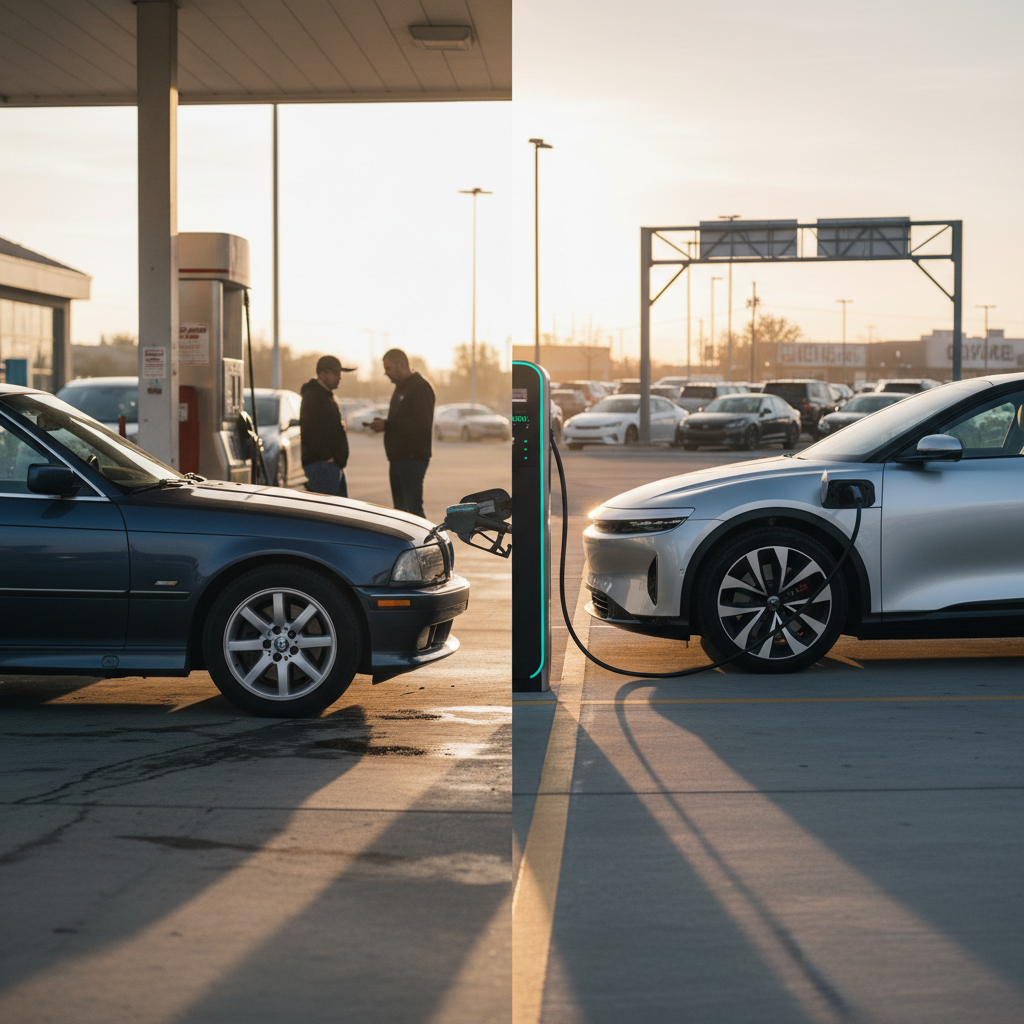
Range is only half the long‑distance story. The 2022 e-tron GT backs up its decent real‑world range with very strong **DC fast‑charging performance**. Thanks to its 800‑volt architecture, it can hold high power over a wide state of charge window, which is exactly what you want on a road trip.
2022 Audi e-tron GT DC fast charging at a glance
On a high‑power DC fast charger (think Electrify America or similar with 350 kW hardware), you can routinely go from roughly **10% to 70–80% in about 18–22 minutes**. In that window you’ll add **around 150–180 miles** of real‑world highway range in decent conditions. That’s not class‑leading anymore in 2026, but it’s still a **very usable road‑trip profile**.
What this means for your road‑trip rhythm
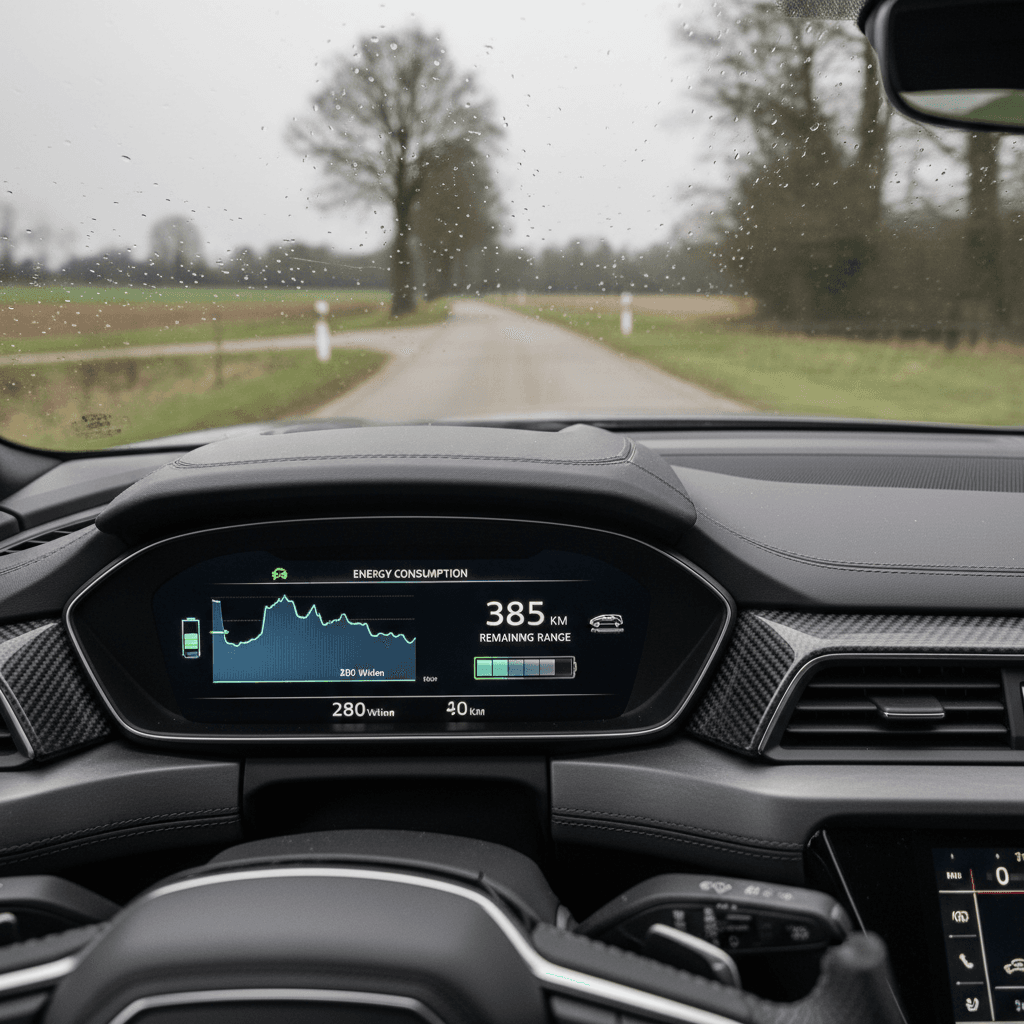
Range vs rivals: Porsche Taycan and other luxury EVs
Because the 2022 Audi e-tron GT shares its bones with the Porsche Taycan, it’s natural to compare them directly. In many independent tests, the Taycan 4S manages **longer real‑world range** than the e-tron GT despite similar batteries, thanks to different tuning and efficiency choices. But in use, their **road‑trip pace** can be surprisingly close because they charge at similar speeds.
How the 2022 e-tron GT stacks up
Approximate figures, focusing on real‑world behavior rather than brochure numbers.
Audi e-tron GT (2022)
- EPA: 238 miles
- Real‑world mixed: ~230–260 mi in good conditions
- Highway winter: ~170–190 mi
- Strength: Comfort, charging speed, design
Porsche Taycan 4S
- EPA: lower than Audi in some trims, but
- Real‑world: can exceed Audi’s range by a noticeable margin in tests
- Strength: Even sharper dynamics and efficiency tuning
Luxury EV crossovers
- Think EQE SUV, BMW iX, Model X/Y
- EPA: often 270–330+ miles
- Strength: More range, but not as low‑slung or engaging
Don’t chase the spec sheet alone
Real-world road-trip scenario in a 2022 e-tron GT
Let’s put all of this into a concrete example. Say you’re driving a 2022 e-tron GT from **Washington, D.C., to Boston**, about **440 miles**, mostly interstate, in mild spring weather. You start at 100% and drive at a GPS‑verified 72–75 mph.
Sample DC–Boston trip in a 2022 e-tron GT
1. First leg: ~190 miles
You leave D.C. at 100% and cruise to roughly the New York City area. Arriving with around **20–25%** state of charge is reasonable if traffic isn’t brutal and weather is moderate.
2. First fast charge: 20% → 75%
You plug into a 350 kW DC fast charger. In about **18–20 minutes**, you go from 20% to ~75%, adding roughly **120–140 miles** of usable highway range.
3. Second leg: ~170 miles
You continue toward Boston. Depending on congestion and temperature, you’re likely to arrive near your destination with **10–15%** remaining.
4. Optional insurance stop
If you hit bad weather or heavy traffic, you might add a **10–15 minute splash charge** on the second leg. Think of it as insurance, not a necessity.
5. Total travel and charging time
In this scenario, you’ll spend roughly **7–7.5 hours driving** and **20–30 minutes charging**, which is quite competitive with an ICE car once you factor in normal rest breaks.
6. Overnight recharge
At your hotel or at home, a **Level 2 charger** will easily take you back to 100% by morning so you start fresh for the return trip.
Planning tools help a lot
Used 2022 e-tron GT: what range to expect today
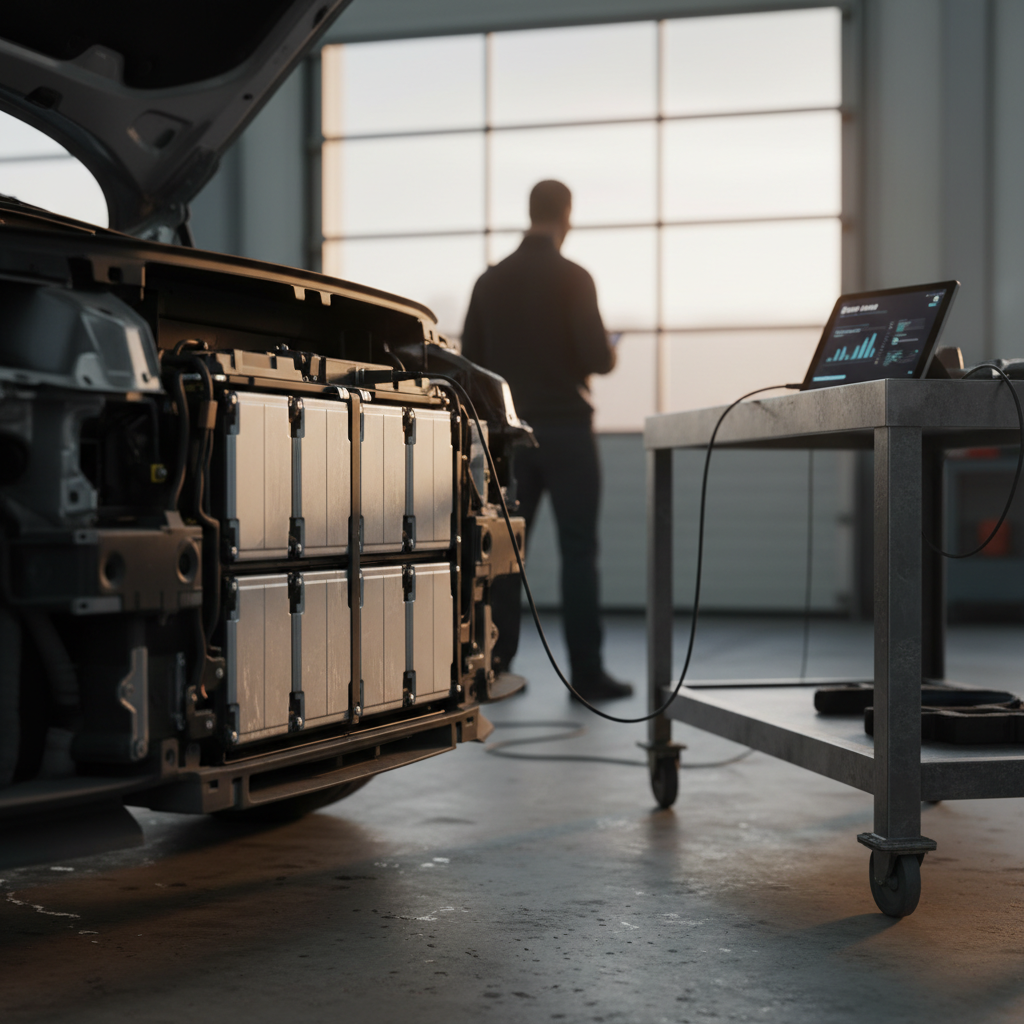
By 2026, a 2022 Audi e-tron GT is a **four‑year‑old EV**. The good news is that these large, liquid‑cooled packs tend to hold up well if they’ve been charged sensibly. Most owners are seeing **modest degradation** rather than dramatic drops in range.
Typical degradation picture
- After ~4 years and normal mileage, many premium EVs lose **5–10%** of usable capacity.
- Translated to range, that turns a fresh **238‑mile EPA** car into something more like **215–225 miles** on the same drive cycle.
- That’s small enough that driving style, tires, and weather often matter more than the battery’s age.
Why individual cars vary
- Lots of DC fast charging from 0–100% can accelerate wear.
- Parking fully charged in very hot climates isn’t ideal.
- Careful owners who mostly charge to 70–80% at home often see **very little** degradation.
How Recharged quantifies battery health
Ready to find your next EV?
Browse VehiclesMaximizing range: practical driving and charging tips
You can’t change physics, but you can stack the deck in your favor. Whether you’re squeezing the most out of a used 2022 e-tron GT or simply minimizing charging stops, small habits add up.
Six simple ways to stretch your 2022 e-tron GT’s range
None of these require hypermiling or crawling in the right lane.
1. Tame your top speed
2. Use seat & wheel heaters
3. Precondition while plugged in
4. Watch the aero add‑ons
5. Smooth, anticipatory driving
6. Target the right SOC window
Don’t obsess over 100% charges
FAQ: 2022 Audi e-tron GT range test
Frequently asked questions about 2022 e-tron GT range
Bottom line: is the 2022 e-tron GT’s range good enough?
Viewed strictly through the lens of EPA labels, the 2022 Audi e-tron GT doesn’t chase the 300‑mile club. But that misses the point. In independent testing it comfortably outperforms its EPA rating, and in the real world it delivers **usable 180–220‑mile highway legs** backed by **fast, repeatable DC charging**, exactly what you want from an electric grand tourer.
If your priority is **a sleek, engaging, long‑distance EV** rather than a tall crossover that squeezes out an extra 50 miles of theoretical range, the 2022 e-tron GT still makes a compelling case, especially as a used buy. And if you’re shopping the used market, working with a specialist like Recharged means you get **verified battery health data, fair pricing, and expert guidance** so your next road‑trip EV performs exactly the way you expect.