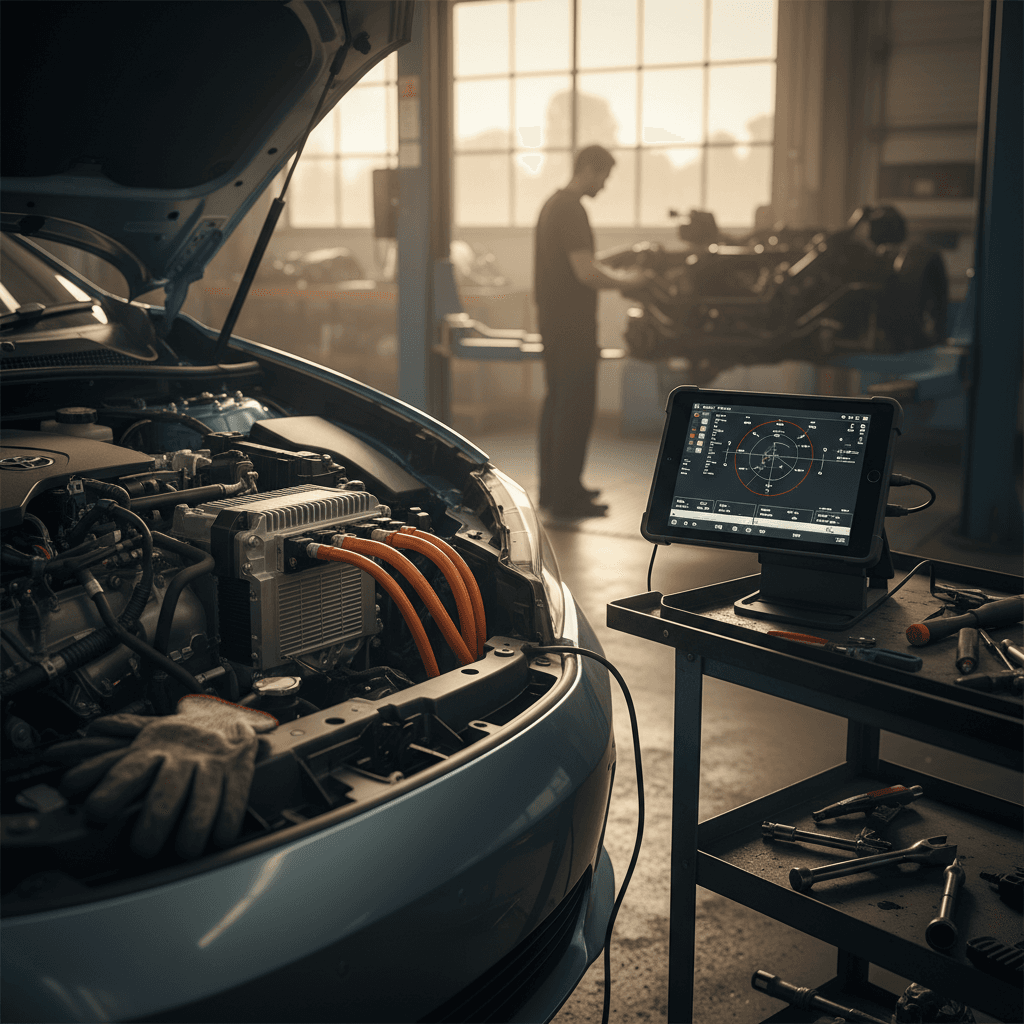
If you own a hybrid, or you’re thinking about buying a used hybrid or plug‑in, finding the right hybrid mechanic is just as important as choosing the right car. Hybrids are reliable, but their mix of gasoline and electric systems means you don’t want just any general repair shop guessing their way through diagnostics or battery work.
Why hybrid mechanics matter now
What does a hybrid mechanic actually do?
A hybrid mechanic is a technician trained to work safely and efficiently on vehicles that combine an internal combustion engine (ICE) with one or more electric motors and a high‑voltage battery pack. In practice, that means they do everything a traditional mechanic does, plus diagnostics and repairs on the hybrid system itself.
Core jobs a hybrid mechanic handles
From basic maintenance to high‑voltage troubleshooting
Conventional maintenance
- Engine oil and filter (for full hybrids)
- Engine air filters & spark plugs
- Coolant, belts, tires, suspension
Hybrid system care
- High‑voltage battery health checks
- Inverter and DC‑DC converter issues
- Cooling system for battery & power electronics
Efficiency & drivability
- Regenerative braking performance
- Hesitation or surging under electric assist
- Software updates & calibration
High voltage is not DIY
How hybrid maintenance differs from gas and EVs
Hybrids sit in the middle ground between traditional gas cars and full battery electric vehicles. You still have an engine, oil, and exhaust system, but you also have high‑voltage electronics, a battery pack, and regen braking. That changes what your hybrid mechanic focuses on, and when.
Compared with gas cars
- Fewer brake jobs: Regenerative braking means pads and rotors often last 60,000–80,000 miles instead of 30,000.
- Less engine stress: The engine often shuts off at low speeds, which can reduce wear and some fluid changes.
- Similar wear items: Tires, suspension, steering, and most underbody components still need the same attention as a gas car.
Compared with full EVs
- More moving parts: You still have oil, filters, ignition components, and exhaust aftertreatment.
- Smaller battery: Hybrids usually have lower‑capacity packs than full EVs, which reduces replacement cost but adds complexity.
- Two systems to understand: Your mechanic must be fluent in both traditional powertrain repair and high‑voltage safety procedures.
How hybrids stack up on maintenance costs
Common hybrid repairs and what they cost
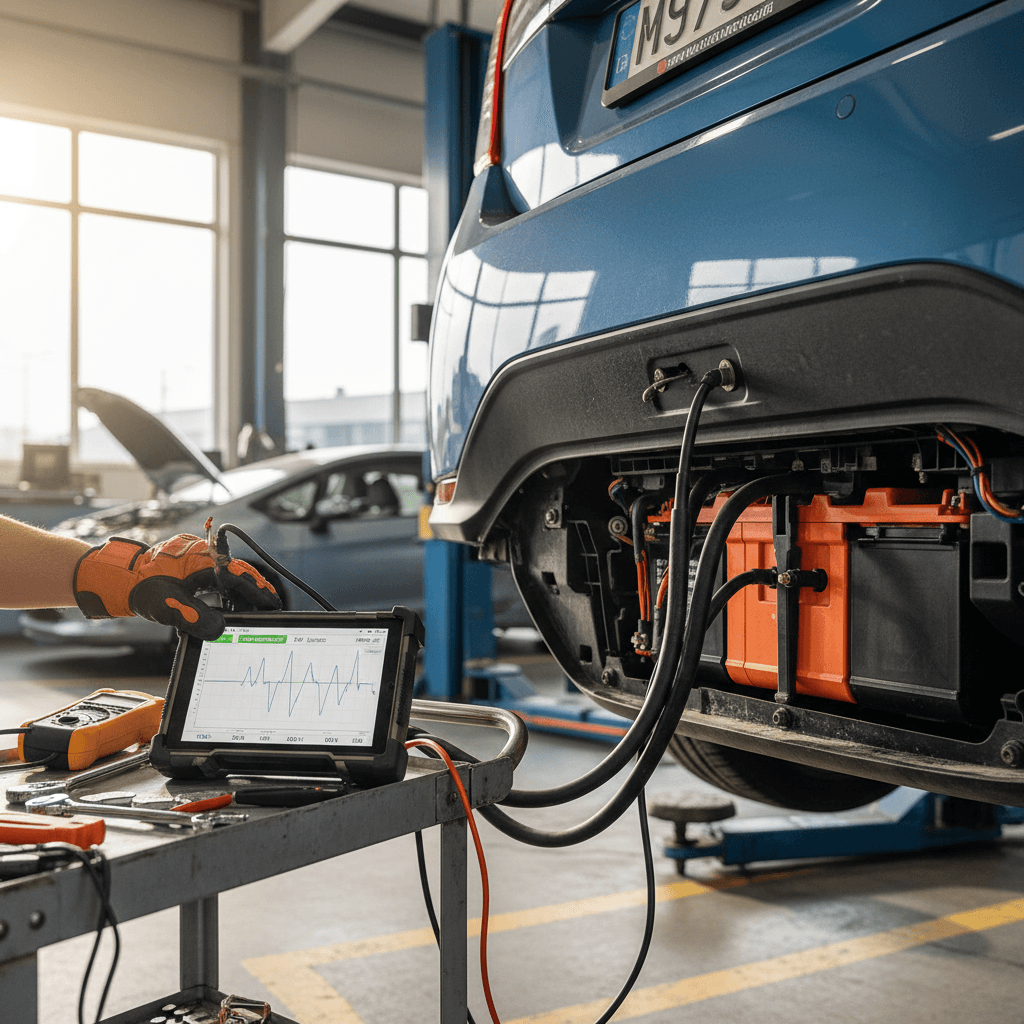
Day to day, most of what a hybrid mechanic does will look familiar: oil changes, tire rotations, brake service, coolant flushes. But some repairs are unique to hybrids, or show up in different patterns than they do on conventional cars.
Typical hybrid services and repair cost ranges (U.S., 2025)
Actual pricing varies by brand, region, and whether you use a dealer or independent hybrid shop, but these ballparks will help you plan.
| Service/repair | When it usually shows up | Typical cost at a hybrid‑savvy shop |
|---|---|---|
| Oil & filter change (full hybrid) | Every 6,000–10,000 miles | $70–$140 |
| Brake pads & rotors (thanks to regen) | 60,000–90,000 miles on many hybrids | $350–$700 per axle |
| Engine air & cabin filters | Every 20,000–30,000 miles | $80–$220 for both |
| Coolant service for engine & hybrid system | 100,000 miles or as specified | $250–$500 |
| Inverter or DC‑DC cooling pump | Often 80,000–150,000 miles | $400–$900 |
| Wheel bearing or suspension components | As needed with age & mileage | $350–$1,000 per corner |
| High‑voltage battery fan cleaning | Often overlooked; every 50,000–75,000 miles | $150–$350 |
| 12‑volt auxiliary battery | 4–6 years | $200–$400 installed |
Use these ranges as guidance, not quotes, ask your mechanic for a written estimate before authorizing work.
Ask about hybrid‑specific maintenance items
Hybrid battery replacement: realities in 2025
Hybrid batteries used to be the boogeyman of ownership: scary, mysterious, and supposedly guaranteed to bankrupt you. In 2025, that reputation is outdated. Prices have dropped, more shops can service these packs, and most hybrids come with 8–10‑year/100,000‑mile or longer battery warranties from the factory.
Your options when a hybrid battery fails
A good hybrid mechanic will walk you through these, not just quote the most expensive path.
New OEM pack
Pros: Best reliability and warranty, often 3+ years on the replacement.
Cons: Typically the most expensive choice.
Typical range: Around $2,000–$4,000 installed for many popular hybrids.
Remanufactured pack
Pros: Costs less than new; modules tested and balanced.
Cons: Shorter warranty; quality depends on rebuilder.
Typical range: Roughly $1,400–$2,500 installed.
Module‑level repair
Pros: Lowest upfront price if only a few modules are weak.
Cons: Can be a short‑term fix if the rest of the pack is aged.
Typical range: $700–$1,800, depending on labor time and module count.
Be wary of too‑cheap batteries
How to find a qualified hybrid mechanic
Not every shop that changes oil is ready for high‑voltage work. The goal is to find a hybrid mechanic who has the training, tools, and volume of hybrid work to be trustworthy, and who can explain repairs in plain English.
Checklist: picking the right hybrid mechanic or shop
1. Look for hybrid/EV training & ASE credentials
Ask whether the shop has technicians with advanced certifications related to hybrids or EVs (for example, ASE L3 or OEM hybrid courses). Certificates on the wall are good; recent training dates are even better.
2. Confirm they own proper high‑voltage safety gear
At minimum, a hybrid shop should have high‑voltage gloves, insulated tools, lock‑out/tag‑out procedures, and battery lifting or support equipment. If they can’t describe how they make the car safe to work on, move on.
3. Ask what scan tools they use
Factory or factory‑level scan tools are a must for hybrid diagnostics. Generic code readers often miss hybrid‑specific trouble codes and battery metrics.
4. Gauge their hybrid volume
A shop that sees one hybrid a month is still learning on someone’s car. One that sees hybrids daily will have pattern failures, technical service bulletins, and best practices at their fingertips.
5. Read reviews that mention hybrids specifically
Online ratings matter, but you’re looking for feedback from customers with <strong>your type of vehicle</strong>, Prius, RAV4 Hybrid, Accord Hybrid, plug‑in SUV, and so on.
6. Get written estimates and clear warranties
A professional hybrid mechanic gives you a detailed estimate before work begins and explains parts and labor warranties in writing, especially on battery or inverter repairs.
Dealer vs independent hybrid shop
Key questions to ask any hybrid shop
A short conversation up front can tell you a lot about whether a shop really understands hybrids or is just willing to “take a look.” Here are questions worth asking before you hand over the keys.
- How many hybrids or plug‑in hybrids do you service in a typical week?
- Do you have technicians with hybrid/EV‑specific training or ASE L3 certification?
- What scan tools do you use for my brand, and can you show me hybrid‑specific data on screen?
- Have you done high‑voltage battery or inverter work on my model before?
- If my hybrid battery fails, what replacement options (new, reman, module repair) do you offer, and what are the warranties?
- How do you keep customers informed during longer or high‑dollar repairs?
- Do you perform a pre‑purchase inspection on used hybrids, and what’s included?
The most expensive hybrid repair I see, over and over, is the one that started with ‘my buddy’s shop said they’d try it.’ Hybrids reward expertise, not experiments.
Do hybrids really save on maintenance?
From a purely mechanical standpoint, hybrids often do save you money, especially if you drive enough miles each year to take advantage of their efficiency and regenerative braking. But the picture is more nuanced than “hybrids are always cheaper” or “batteries always eat the savings.”
Where hybrids tend to save you money
- Fuel economy: Many hybrids deliver 40–50+ mpg, so fuel bills drop sharply compared with a similar gas car.
- Brake life: Regenerative braking can stretch pad life 2–3×, meaning fewer big brake jobs.
- Demand & resale value: Strong demand for hybrids helps them hold value, which can offset higher upfront prices.
Where costs can rise
- Specialized labor: Hybrid work often commands higher hourly rates because of training and safety requirements.
- Battery & electronics: When something high‑voltage fails outside warranty, you’re paying for both parts and expertise.
- Complexity: You’re driving a gas car and an electric powertrain in the same package; more systems means more potential failure points over very long ownership periods.
Total cost of ownership perspective
Hybrid mechanics, inspections, and used EV shopping
If you’re considering a used hybrid or plug‑in, a good hybrid mechanic is more than a repair resource, they’re your insurance policy before you buy. A pre‑purchase inspection that includes the hybrid system can be the difference between a smart deal and inheriting someone else’s problem child.
What a smart hybrid pre‑purchase inspection should include
Whether you’re buying from a private seller, franchise dealer, or online marketplace.
Standard mechanical checks
- Engine compression or misfire history
- Fluid leaks, worn suspension, steering play
- Brake thickness and tire condition
Hybrid & battery‑focused checks
- Battery state of charge & temperature data
- Hybrid trouble codes and freeze‑frame data
- Cooling fan operation and inverter temps
How Recharged helps with battery confidence
Ready to find your next EV?
Browse VehiclesIf you’re shopping locally, you can combine a Recharged‑style battery report from a specialist with a trusted local hybrid mechanic’s inspection. That one‑two punch gives you a much clearer picture of what you’re buying than a quick test drive and a glance at the dash lights.
Hybrid mechanic FAQ
Frequently asked questions about hybrid mechanics
Bottom line: How much mechanic do hybrids really need?
Most hybrids don’t need a mechanic more often than a comparable gas car, and in some ways, they need one less. But when they do need attention, it pays to have a qualified hybrid mechanic who understands how the gasoline and electric sides of the drivetrain work together.
If you’re already a hybrid owner, invest in preventive maintenance and choose a shop that speaks your car’s language, not just its brand. If you’re shopping for a used hybrid or EV, pair a solid pre‑purchase inspection with data‑driven tools like the Recharged Score Report so you know exactly what you’re getting into before you sign. That’s how you enjoy the low running costs hybrids are famous for, without getting surprised by the repair bill.