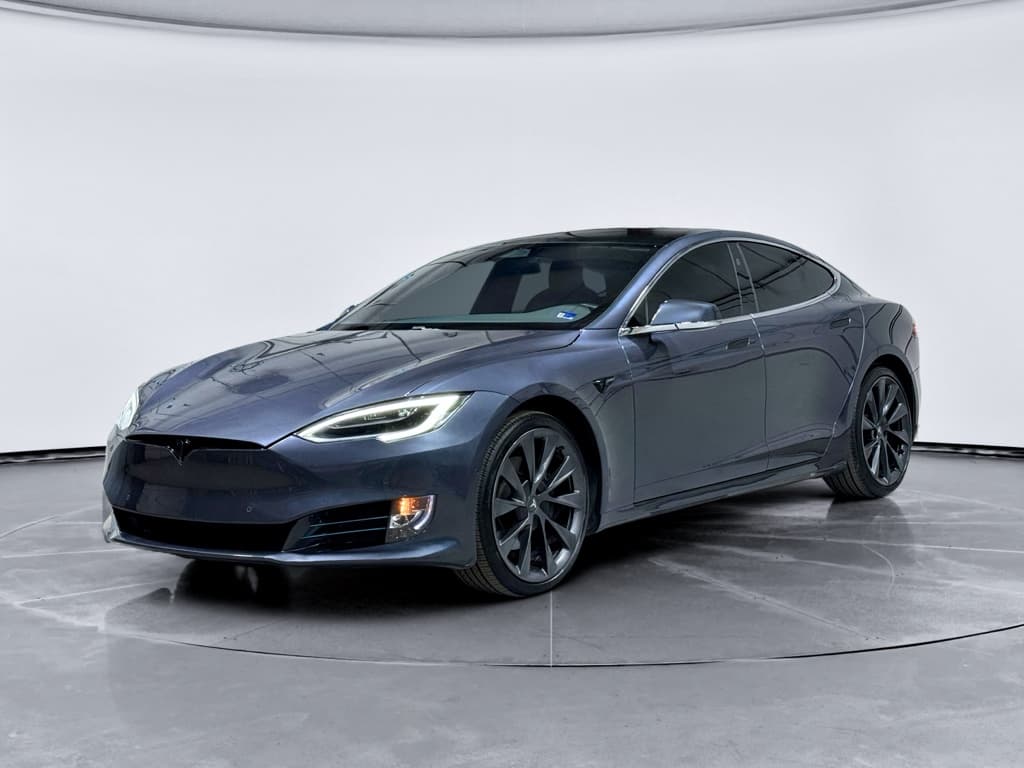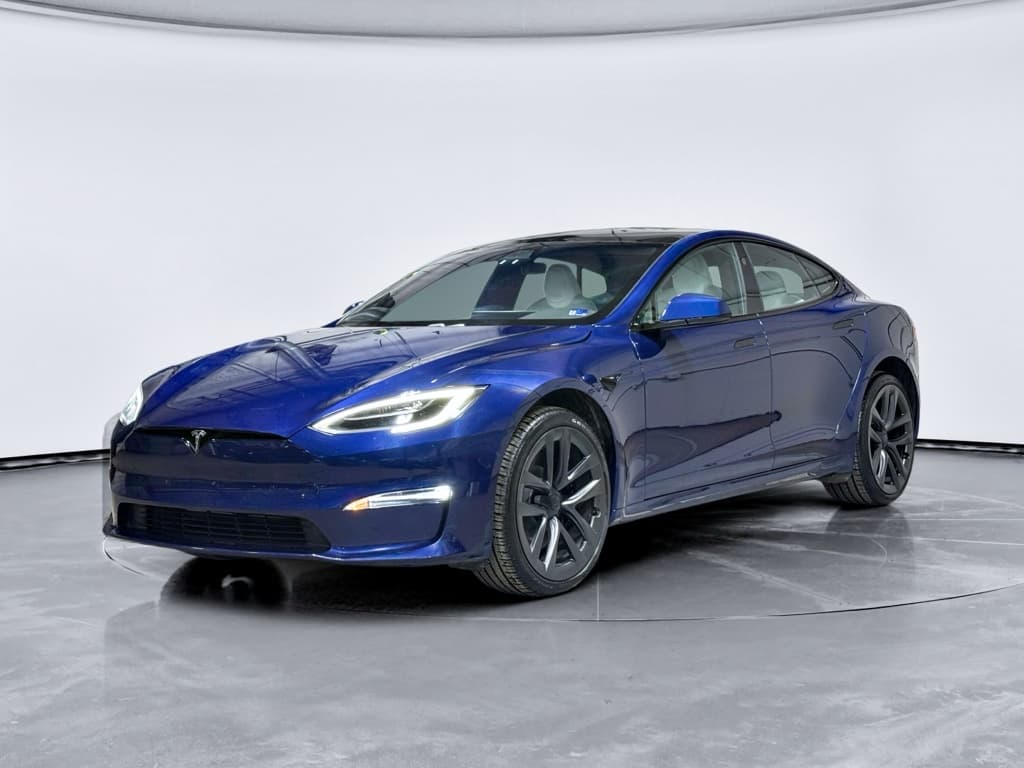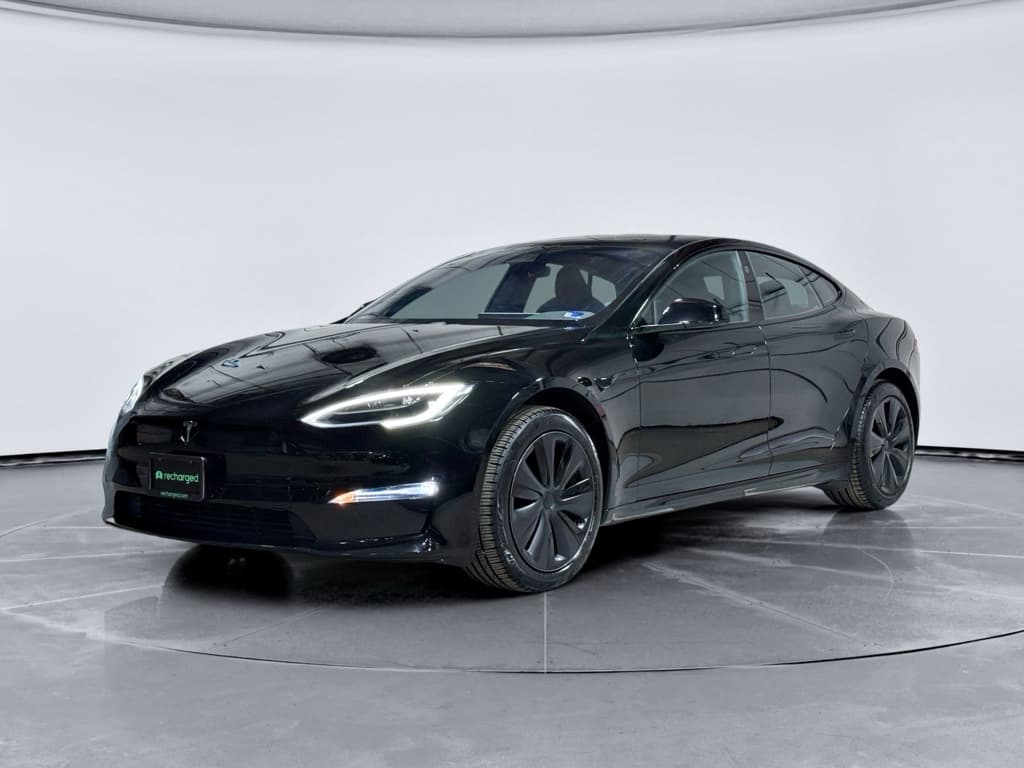
If you’re wondering how to sell a Tesla Model S in a private sale, you’re probably trying to squeeze every last dollar out of a car that wasn’t cheap to begin with. The good news: a clean Model S with solid battery health is still desirable in 2025–2026. The challenge is navigating pricing, paperwork, battery questions, and scams without a dealer holding your hand. This guide walks you through the process step by step, with a specific focus on what’s unique about selling a Tesla.
Key takeaway
Why Sell Your Tesla Model S Privately?
You have three broad options when you’re ready to move on from your Model S: trade it in, take an instant or cash offer, or do a private-party sale. Private party is usually the most work but also where you can capture the most value, especially on higher‑priced EVs like the Model S.
Model S Selling Options at a Glance
How private sale compares to instant offers and trade‑ins
Private sale
Pros: Highest potential price, you control the process, room to negotiate.
Cons: More time, you handle screening, payment, and paperwork.
Dealer trade‑in
Pros: Fast, rolled into your next purchase, less hassle.
Cons: Usually thousands less than private sale, especially on EVs.
Online offer / marketplace
Pros: Balance of speed and price; EV‑focused platforms understand battery health.
Cons: Some fees, and you may still earn slightly less than a best‑case private sale.
When private sale makes the most sense
Check What Your Model S Is Worth Today
Before you write a listing or take photos, get a realistic view of what your Model S is worth in today’s market. Used Tesla prices swung wildly in 2023–2024; by early 2025, depreciation had stabilized but remained steep for premium models. Recent pricing data shows average used Model S listing prices in the high‑20s to mid‑50s range depending on year, trim, and mileage, with newer Long Range and Plaid models still commanding more.
Tesla Model S Resale Snapshot (Early 2025–2026)
- Use pricing tools like KBB, Edmunds, or CarGurus to check trade‑in vs. private‑party values for your year, trim, mileage, and ZIP code.
- Search listings for similar Model S configurations on EV‑focused sites and major marketplaces to see real asking prices, not just book values.
- Adjust for options: Full Self‑Driving, Free Unlimited Supercharging on older cars, upgraded wheels, and rare colors can justify a premium, if you can prove they’re active on the car.
- Price slightly below top‑of‑market if you want a faster sale, or at the higher end if you’re willing to wait and your car is exceptional.
Watch out for unrealistic anchor prices
Prepare Your Tesla Model S for a Private Sale
Buyers shopping a private‑party Tesla expect the car to look and feel close to dealer‑ready, especially at Model S price points. A few hours of prep can translate directly into thousands more on the sale price or a quicker, smoother deal.
Model S Pre‑Sale Prep Checklist
1. Fix obvious, low‑cost issues
Repair cheap but noticeable flaws: curb‑rashed wheels, burned‑out bulbs, minor interior damage, and heavily worn wiper blades. Consider paintless dent repair for visible door dings if cost‑effective.
2. Deep‑clean inside and out
Get a professional detail or spend a weekend doing it yourself. Clean the glass roof, de‑clutter the frunk and trunk, scrub seat bolsters, and clean the touchscreen and steering wheel where fingerprints accumulate.
3. Update software and clear alerts
Make sure the car is on current stable software and free of service alerts. A Model S that boots up with warnings about tires, sensors, or Autopilot calibration will spook buyers immediately.
4. Gather service and charging records
Print or save PDFs of service history (Tesla app, independent shops), tire receipts, and any major repairs. If you’ve kept charging mostly below 100% and avoided frequent DC fast charging, note that history.
5. Reset personalization, but not ownership yet
Unlink third‑party apps, remove saved HomeLink locations you don’t want to share, and clear personal navigation favorites. Don’t factory‑reset or remove the car from your Tesla account until the deal is final.
Small investments, outsized returns
Battery Health: Your Biggest Selling Point
For any used EV, but especially an expensive one like the Model S, battery health is the make‑or‑break factor. Savvy buyers know this and will ask specific questions about range, degradation, and fast‑charging history.
Show current range and usage patterns
- Charge to 100% once and take a clear photo of the rated range shown on the screen.
- Share your typical daily charging pattern (e.g., 20–80% at home on Level 2) and approximate DC fast‑charging frequency.
- If your rated 100% range still looks healthy for the car’s age, highlight that in your listing.
Get independent battery health documentation
- Consider a third‑party EV inspection that includes a battery health report.
- Use an EV‑specialist marketplace like Recharged that provides a Recharged Score with verified battery diagnostics on every vehicle.
- Buyers are far more comfortable paying top‑of‑market pricing when they can see objective data, not just your word.
How Recharged helps with battery transparency
Photos, Listing Copy, and Where to Advertise
Your listing is your digital showroom. Shaky phone photos and vague descriptions are a fast route to lowball offers and tire‑kickers. A sharp, transparent listing signals that you’re serious, you know the car, and you’re pricing it logically.
Essentials of a High‑Converting Model S Listing
What separates strong listings from forgettable ones
Professional‑quality photos
- Front 3/4, rear 3/4, both sides
- Interior, seats, dash, touchscreen
- Close‑ups of wheels, tires, any flaws
- Charging port and cables included in sale
Full, honest description
- Year, trim, color, options (FSD, wheels, interior)
- Mileage, number of owners, accident history
- Recent maintenance and repairs
- Battery/range info and typical charging habits
Right platforms
- EV‑specific marketplaces
- Local classifieds and Facebook Marketplace
- Online buyers focused on Teslas
- Consider Recharged if you’d like expert support
Use transparency as a selling tool
Screening Buyers, Test Drives, and Safety
Selling a high‑value EV means you’ll get a mix of genuinely interested buyers, casual browsers, and people you shouldn’t hand the keys to. A structured process protects your time, your car, and your safety.
How to Handle Inquiries and Test Drives Safely
1. Pre‑qualify via messages first
Ask a few straightforward questions: how they plan to pay (cash, bank check, financing), whether they’ve driven a Model S before, and when they’re hoping to buy. Vague or evasive answers are a red flag.
2. Meet in a safe, neutral location
Arrange daylight meetings in public places, an EV‑friendly shopping center, bank parking lot, or police‑department safe‑exchange zone if available. Avoid test drives starting at your home when possible.
3. Verify license and insurance
Ask to see and photograph the buyer’s driver’s license, and confirm they have current insurance before they drive your car. Decline test drives for anyone who pushes back on basic verification.
4. Control the first part of the drive
Start by driving the car yourself to demonstrate Autopilot behavior, regenerative braking, and performance. Then switch seats in a safe area, keeping the route short and avoiding risky roads.
5. Limit access to personal data
Before the test drive, log out of streaming accounts, clear home and work addresses from navigation, and temporarily disable Garage/HomeLink access to your house.
Be alert for curbstoners and fake buyers
Secure Payment and Avoiding Scams
Because the stakes are high, often $30,000 or more, you need a concrete plan for payment. Many Tesla sellers get burned not on the car, but on rushed or poorly verified payment arrangements.
Common Payment Methods for Private Tesla Sales
How different options balance speed, safety, and convenience
| Method | Safety | Speed | Notes |
|---|---|---|---|
| Cashier’s check at buyer’s bank | High | Medium | Meet at the issuing bank; have a teller verify the check before you hand over keys or sign title. |
| Wire transfer | High | Medium | Best done at your bank branch; wait until funds are fully cleared, not just "pending". |
| Cash | Medium | Fast | Avoid large cash deals when possible; if you accept, meet at your bank and deposit immediately. |
| Person‑to‑person payment app | Low | Fast | Limits and fraud are concerns; rarely appropriate for a full Model S purchase. |
| Escrow service | High | Slow | Useful for long‑distance deals, but only use reputable automotive escrow providers. |
Whenever possible, finalize payment at the buyer’s bank or your own, so staff can verify funds on the spot.
Classic payment red flags
Paperwork, Title, and Tesla Account Transfer
Once you’ve agreed on price and payment, the last step is making the sale legal, and making sure the car, its data, and its Supercharging access no longer point back to you. Because Tesla relies heavily on its app and connected services, there are a few extra steps beyond a normal car sale.
Step‑by‑Step: Closing a Private Model S Sale
1. Follow your state’s title rules
Every state handles private‑party titles a bit differently. Typically, you’ll sign the title over to the buyer, record the odometer reading, and provide a bill of sale. Some states require notarization, check before meeting.
2. Complete any release‑of‑liability forms
Many DMVs let you file a seller’s notice of transfer or release of liability online. File it as soon as the sale closes so tolls, tickets, and accidents after that point aren’t tied to you.
3. Clear personal data in the car
Perform a factory reset from the car’s Service menu to erase navigation history, saved locations, driver profiles, and paired devices. Do this only once you’re confident payment is secure.
4. Transfer or remove vehicle in Tesla app
In the Tesla app, go to your account, select your Model S under <strong>My Products</strong>, and choose the option to <strong>Remove or Transfer Ownership</strong>. The buyer will then claim the car in their own Tesla account using the VIN and proof of purchase.
5. Confirm the buyer sees the car in their Tesla app
Ideally, complete the transfer together. Once Tesla processes the transfer, both of you should receive confirmation, and the buyer will gain access to the car’s digital keys, Supercharging billing, and subscriptions under their account.
Timing Tesla ownership transfer
Private Sale vs. Using a Marketplace Like Recharged
Listing your Model S on Facebook Marketplace and a few classifieds is the purest form of private sale, but it’s also where you carry the most risk and workload. An EV‑first retailer or marketplace can sit between you and the buyer, handling the painful parts while still aiming for close‑to‑private‑party pricing.
Going fully private on your own
- Pros: Maximum theoretical sale price, no fees, direct communication with buyers.
- Cons: You manage listings, calls, test drives, payment, paperwork, and scams yourself.
- Best if you’re comfortable with used‑car transactions and have time to wait for the right buyer.
Using Recharged to sell your Model S
- Pros: EV‑specialist team, Recharged Score battery diagnostics, transparent pricing, and help with financing, trade‑ins, and paperwork.
- Online, nationwide reach plus an Experience Center in Richmond, VA, where buyers can see vehicles in person.
- Cons: As with any marketplace, you may net slightly less than a perfect private sale, but often more than a typical dealer trade‑in, with far less hassle.
When Recharged is a smart alternative
Ready to find your next EV?
Browse VehiclesFAQ: Selling a Tesla Model S in a Private Sale
Frequently Asked Questions
Bottom Line: Getting the Best Outcome for Your Model S
Successfully selling a Tesla Model S in a private sale comes down to three things: realistic pricing, radical transparency about condition and battery health, and a disciplined process for payment and paperwork. If you’re willing to invest the time, you can beat typical dealer offers by thousands of dollars while handing your car off to an informed, confident buyer.
If you decide you’d rather not manage listings, test drives, and title work yourself, you don’t have to settle for a rock‑bottom trade‑in. Recharged was built to make used EV transactions, including selling a Model S, as simple and transparent as possible, with expert EV support, the Recharged Score battery‑health report, and nationwide reach. However you choose to sell, the steps in this guide will put you in a strong position to get fair value for the car that helped you go electric in the first place.