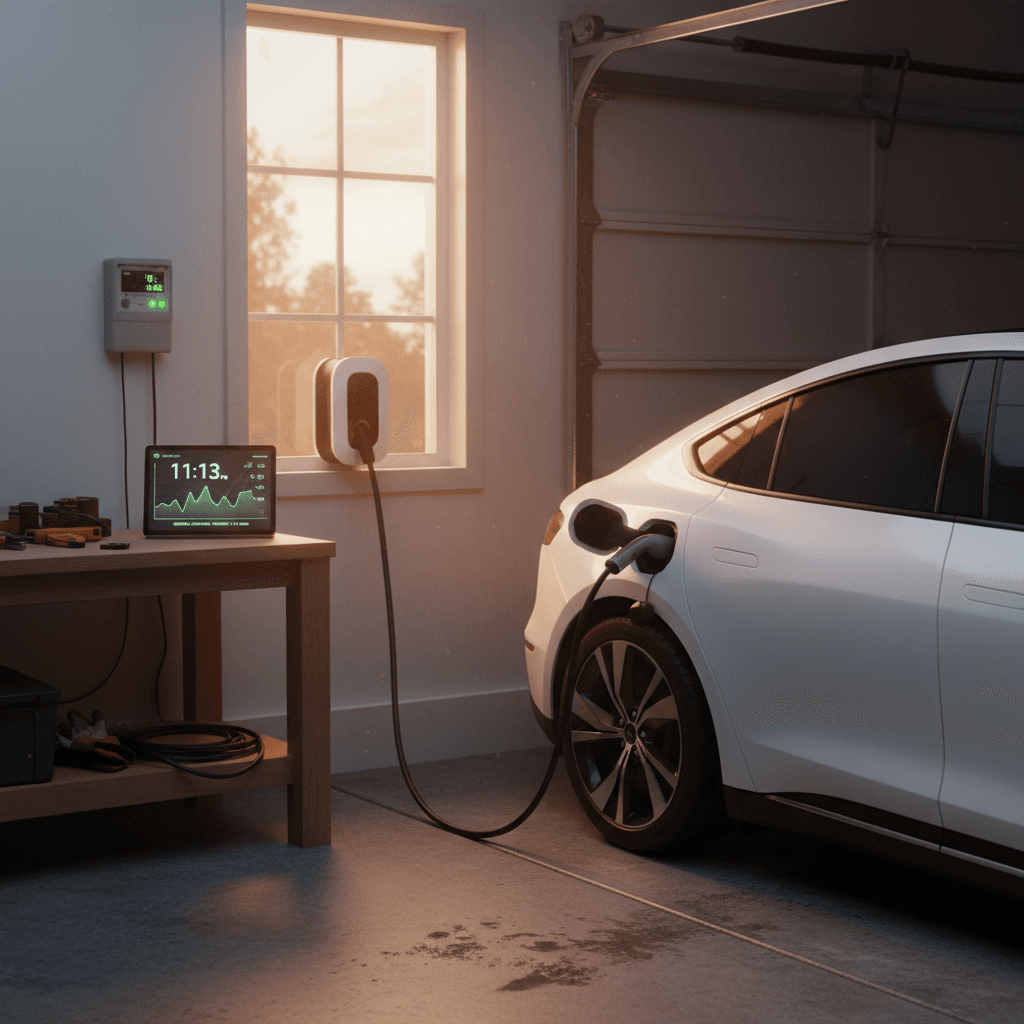
If you feel like your EV charging bill is creeping up, you’re not imagining it. Public rates in parts of the U.S. commonly run **$0.40–$0.60 per kWh**, while the average home rate is closer to **$0.17–$0.18 per kWh**. Used the wrong way, fast chargers can make your EV cost per mile look a lot like a gas car. Used the right way, you can cut your EV charging cost by **50–70%** without driving less.
Quick takeaway
Why EV charging costs vary so much
Before you can reduce EV charging cost, it helps to understand why the same 40 kWh top‑up can cost **$6 at home** or **$18–$24 at a fast charger**. Three big levers drive what you pay:
- Where you charge – Home electricity is typically billed at your utility’s residential rate (often $0.13–$0.20/kWh). Public Level 2 can run $0.20–$0.35/kWh, while DC fast charging is more like $0.40–$0.60/kWh in many areas.
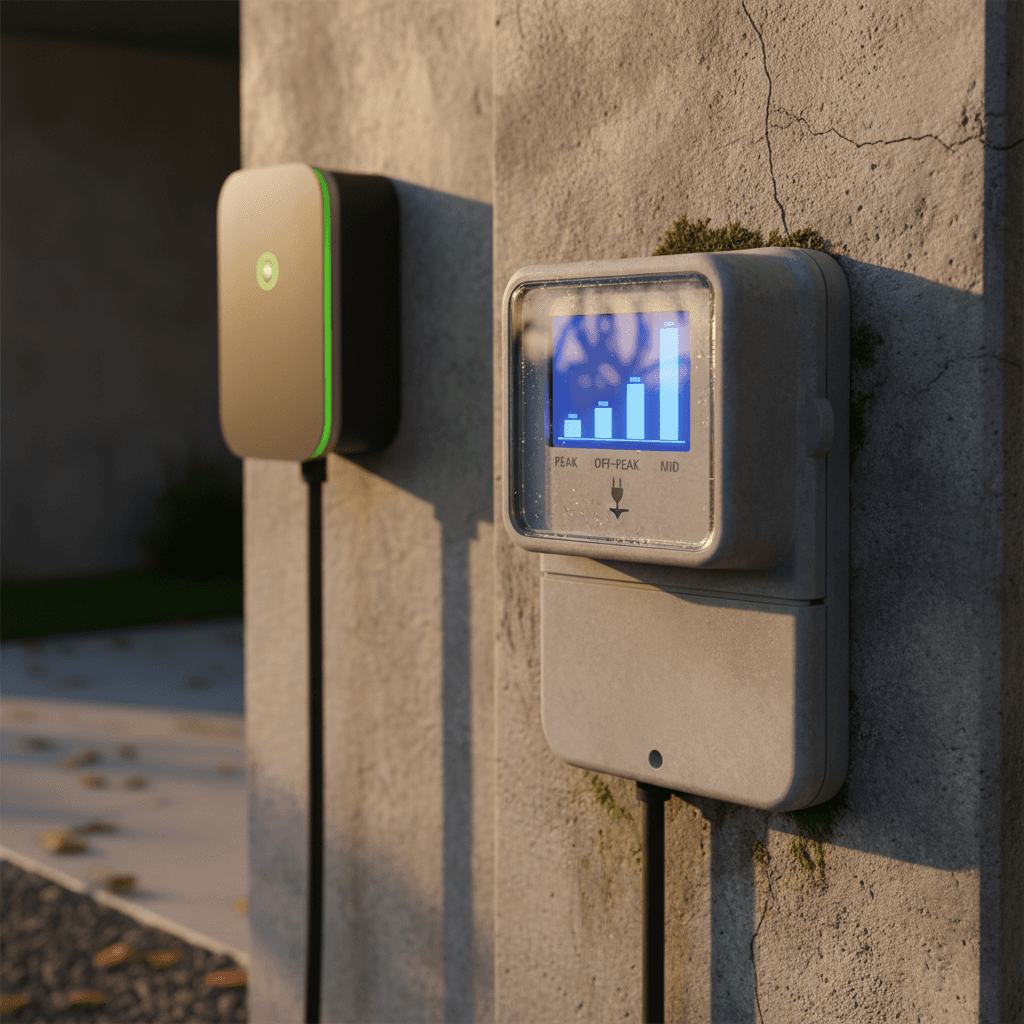
- When you charge – Many utilities use time‑of‑use (TOU) plans with very cheap overnight power (sometimes under $0.05–$0.10/kWh) and higher late‑afternoon/early‑evening rates.
- How you charge – DC fast chargers bill you for speed and infrastructure. You pay a premium per kWh, and may see session fees, per‑minute charges, or idle fees if you stay plugged in after your charge completes.
The good news is that you control all three levers more than you might think. Let’s put some numbers on “normal” EV charging costs so you can see where you stand.
Baseline: how much should EV charging cost?
Typical U.S. EV charging costs in 2025–2026
If you’re paying far more than these ranges, there’s room for improvement. The rest of this guide walks through **15 practical ways** to cut your EV charging bill without turning every drive into an accounting exercise.
7 ways to cut EV charging costs at home
Most EV miles should be fueled at home. That’s where you have the lowest rates and the most control. Here’s how to squeeze the most value from every kilowatt‑hour.
Home charging cost‑cutters
1. Switch to a time‑of‑use (TOU) rate
Many utilities now offer EV‑friendly or general time‑of‑use plans that make power far cheaper overnight than in late afternoon and early evening. In some territories, off‑peak rates run a fraction of peak pricing. If you can shift most charging to after about 9 p.m. or midnight, your effective cost per mile can drop by 30–60%.
2. Schedule charging for off‑peak hours
Even if you stay on a standard plan, it’s smart to avoid the absolute peak window when rates or demand charges are highest. Use your car’s built‑in charge scheduling or a smart home charger to start charging late at night instead of right when you get home and the grid is busiest.
3. Install (or fully use) Level 2 at home
Level 1 (a standard 120V outlet) is cheap but slow. A 240V Level 2 charger lets you comfortably top up overnight, so you avoid expensive fast chargers. After incentives, many U.S. homeowners pay roughly $800–$3,000 for a Level 2 charger and installation. Spread over years of driving, that hardware cost is often dwarfed by fuel savings versus public DC fast charging.
4. Right‑size your charging speed
More power isn’t always better. If your EV only accepts 32 amps on AC, paying extra for a 48‑amp home charger doesn’t shorten sessions. Match your charger’s output to your vehicle’s onboard charger and your panel capacity so you’re not over‑buying hardware or triggering unnecessary electrical upgrades.
5. Use solar if you have it, or plan for it
If your home already has rooftop solar, shift daytime charging to align with sunny hours when possible. If you’re considering solar, factor in your EV’s annual kWh use. Many owners find that adding a few extra panels to cover EV charging delivers excellent payback because those miles effectively become "prepaid" energy.
6. Keep an eye on vampire drain
Connected features, over‑aggressive cabin conditioning, and always‑on apps can quietly consume energy while your car sits. Review your vehicle’s energy reports, disable unnecessary background features, and avoid leaving climate control running in a parked car that isn’t plugged in.
7. Shop your electricity supplier where allowed
In deregulated markets, you may have options beyond your default utility supply. Compare EV‑focused or off‑peak‑heavy plans and be sure to factor in any fixed monthly fees before switching. Just like with cell phone plans, the cheapest headline rate isn’t always the best deal for your real‑world usage.
Pro tip: use your bill as a starting point
7 ways to save on public and DC fast charging
You can’t avoid public charging entirely, especially on road trips or if you don’t have home charging. But you can treat it like a tool instead of a budget leak.
Public charging strategies that actually move the needle
Think like a fleet manager: plan, compare, and avoid idle time.
1. Compare prices in apps
Most charging networks publish real‑time pricing in their apps and in third‑party tools. Before you plug in, check:
- Per‑kWh vs per‑minute pricing
- Any session or parking fees
- Idle fees after your charge completes
Two stations across the street from each other can differ by 20–30% in price.
2. Use memberships wisely
Many networks offer discounted rates or subscription plans. A typical pattern:
- Pay no monthly fee but a higher per‑kWh rate, or
- Pay a small fee for lower pricing.
If you know roughly how many kWh you’ll use each month on that network, you can do the math in minutes and pick the cheaper option.
3. Add just enough on road trips
On long drives, your instinct might be to charge to 100% "just in case." That often means slower charging above ~80% and more paid time plugged in.
Instead, plan hops with a buffer and charge in the faster middle of the battery’s range when practical.
4. Favor Level 2 for routine public charging
For errands, workdays, and local outings, a well‑priced public Level 2 station can be far cheaper than a highway‑rate DC fast charger, especially if you’ll be parked for several hours anyway.
Look for workplace, hotel, and municipal chargers with reasonable rates or free parking while you charge.
5. Watch for idle fees and parking restrictions
Many networks now charge a per‑minute idle fee if your car stays plugged in after reaching a high state of charge. Municipal lots may also ticket cars left in EV spots while not actively charging.
Set a phone alarm or use your car’s app notifications so you can move promptly and avoid surprise fees.
Two more public‑charging habits that save money
6. Avoid making DC fast charging your default
If you regularly use DC fast chargers for local driving when home or workplace charging is available, you’re probably doubling or tripling your cost per mile. Reserve DC fast for trips, occasional emergencies, or times when you truly need a quick top‑up.
7. Combine stops and pick efficient locations
Fast chargers at some premium highway locations or city centers can be substantially more expensive than sites a few miles away. When trip planning, look for plazas or travel centers with competitive pricing and amenities so you can eat or shop while the car charges instead of paying for extra time purely to wait.
Don’t chase “free” charging at any cost
Drive and charge more efficiently
The cheapest kilowatt‑hour is the one you never have to buy. A few changes in how you drive and manage your battery can noticeably reduce how often, and how much, you need to charge.
Small efficiency tweaks, big cost impact
Every mile you squeeze from each kWh lowers your fuel bill.
Drive smoother, not slower
EVs are very efficient, but high‑speed driving, jackrabbit starts, and hard braking still eat into your range. Using eco modes, coasting more, and looking further down the road can easily add 5–15% to your real‑world efficiency.
Be smart with climate control
Cabin heating and cooling draw serious power, especially in very hot or cold weather. Pre‑condition the cabin while you’re still plugged in, use seat and wheel heaters when possible, and avoid leaving climate set to full blast while parked unplugged.
Stay in the 20–80% sweet spot when you can
Keeping daily charging mostly between about 20% and 80% state of charge is easier on the battery in many EVs. That helps preserve long‑term capacity, so you don’t have to buy as many kWh to cover the same trips years down the road.
Think in cost‑per‑mile, not “percentage”
Used EV buyers: factor charging cost into the deal
If you’re shopping for a used EV, your future charging costs should be part of the purchase decision, just like range, features, and price. That’s exactly where a platform like Recharged can tilt the odds in your favor.
Battery health = charging cost over time
A car with a tired battery doesn’t just go fewer miles per charge; it can also cost more to run if you’re forced to charge more often or rely on DC fast charging to make up lost range.
Every vehicle sold through Recharged includes a Recharged Score Report with verified battery health and real‑world range. That makes it much easier to estimate your long‑term cost per mile instead of guessing based on the original window sticker range.
Match the car to your charging reality
If you’ll mostly charge at home, you might prioritize efficiency and moderate battery size over maximum DC fast‑charge speed. If you rely heavily on public chargers, fast‑charge performance and charge‑curve behavior matter more.
Recharged’s EV specialists can walk you through how a particular model’s charging behavior and efficiency will play with your local rates, typical commute, and road‑trip habits so you’re not surprised by the first month’s electricity bill.
Financing can help free up budget for home charging
FAQ: Reducing EV charging costs
Frequently asked questions about reducing EV charging cost
Bottom line: reducing EV charging costs
Electric vehicles are fundamentally efficient machines, but the **way you charge** determines whether you enjoy that efficiency or give it back in unnecessary fees. Make home, or workplace, Level 2 your default, grab an EV‑friendly or time‑of‑use rate if you can, and treat DC fast chargers like the convenience option they are. Those three moves alone can cut your EV charging cost by half or more for many drivers.
If you’re in the market for a used EV, take the long view. A car with strong battery health, reasonable fast‑charge performance, and the right range for your life will be cheaper to fuel over the years than a bargain‑priced car that forces you to live at public fast chargers. Recharged’s transparent battery diagnostics, fair pricing, and EV‑savvy guidance are designed to help you land on the right side of that equation, and keep more of your charging budget in your pocket instead of in the plug.