If you’ve gotten an insurance quote on an electric vehicle recently, you may have felt some sticker shock. EVs can be cheaper to **own and operate**, but premiums often start higher than similar gas cars. The good news: with a bit of strategy, you can meaningfully **lower your EV insurance cost** without gutting the protection you actually need.
Big picture
Why EV insurance can be higher in the first place
Before you start cutting coverage, it helps to understand **why EV insurance sometimes costs more**. Once you see the levers insurers care about, repair cost, claim severity, and driver behavior, you can start pulling those levers in your favor.
What drives EV insurance pricing
Three risk factors most insurers focus on
Battery & repair cost
EV batteries and some body parts can be expensive to replace. A low-speed collision that’s simple on a gas car can mean a bigger bill on certain EVs if it damages sensors or the battery case.
Sensor-heavy tech
Modern EVs pack cameras, radar, and lidar into bumpers and windshields. That’s great for safety, but it can raise the cost of minor repairs, and insurers price that in.
Limited historical data
Insurers have decades of data on traditional cars and far less on EVs. When they’re uncertain, they often pad premiums until the risk is clearer.
Don’t solve a pricing problem with a risk problem
Start with the right EV if you haven’t bought yet
If you’re still shopping, the single biggest factor in your future premium is **which EV you choose**. Trim, battery size, safety tech, and even brand reputation all change how much insurers think it will cost to cover you.
1. Favor models with strong safety records
Insurers reward vehicles that avoid and mitigate crashes. Look for EVs with:
- Top crash-test ratings from major safety agencies
- Standard advanced driver-assistance (AEB, lane-keeping, blind-spot monitoring)
- Clear visibility and good braking performance
These features can qualify you for safety discounts and help prevent claims at all.
2. Be realistic about performance
Ultra-quick EVs are fun, but 0–60 in under 4 seconds can look like risk to an underwriter. Higher-performance trims often come with:
- Higher purchase price (and thus higher collision/comprehensive costs)
- Bigger wheels and performance tires that cost more to replace
- A higher likelihood of severe claims in the event of a loss
If insurance cost matters more than bragging rights, choose the more modest motor or trim.
Ask for quotes before you sign for the car
Use a used EV to cut both price and premium
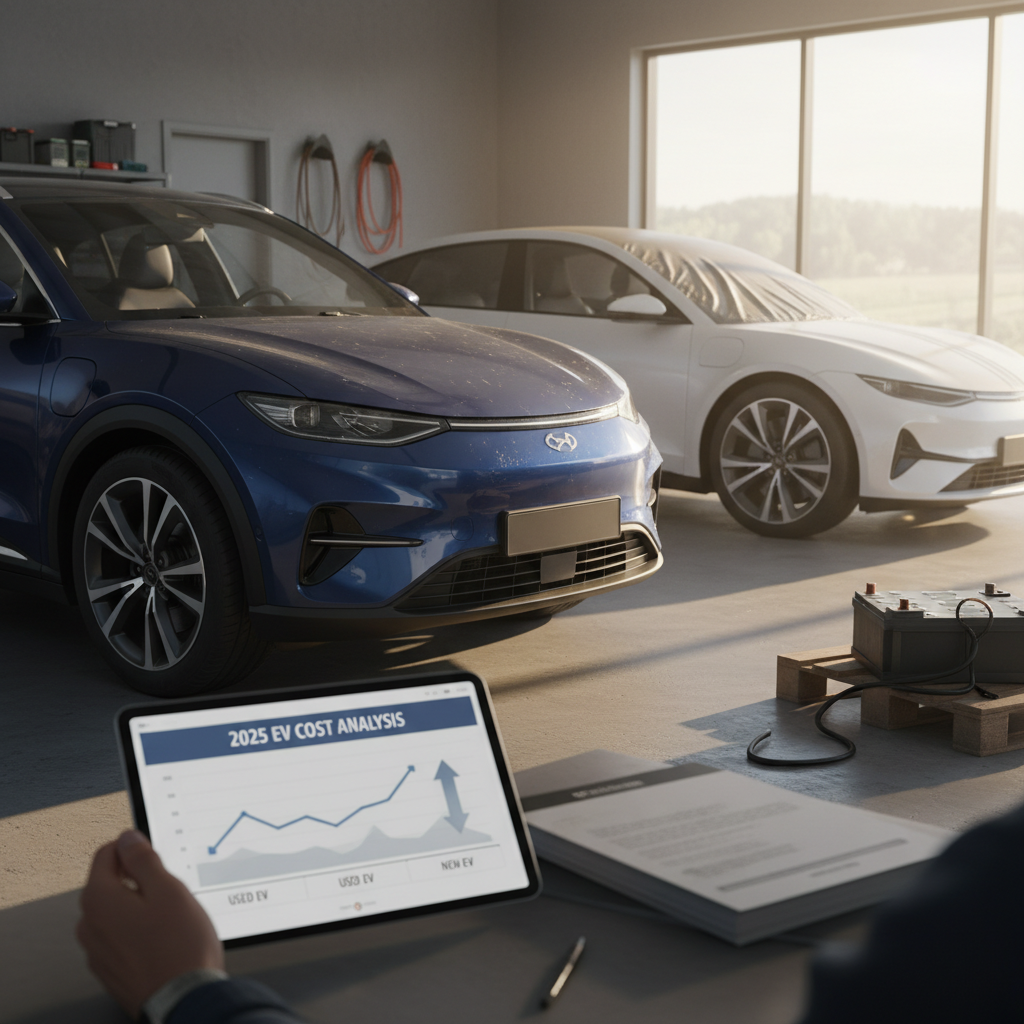
Insurers care a lot about **replacement cost**. A $60,000 new EV is simply more expensive to insure than a $28,000 used one, all else equal. That’s where a well-vetted **used EV** can be a powerful insurance savings tool.
- Lower vehicle value usually means lower collision and comprehensive premiums.
- Used EVs have more real-world loss data, which can reduce the insurer’s uncertainty padding.
- If you avoid models known for very high repair costs, you can sidestep some of the EV insurance premium penalty altogether.
Where Recharged fits in
Optimize your coverage without cutting safety
Once you’ve picked the right car, the next lever is your **coverage structure**. The goal is to reduce waste, not to leave yourself exposed to catastrophic loss.
Coverage levers that actually move your premium
Right-size your deductibles
Raising your collision and comprehensive deductibles from, say, $500 to $1,000 can shave meaningful money off your premium. Only do this if you have the cash on hand to pay that deductible tomorrow without going into debt.
Don’t skimp on liability limits
Liability covers injuries and property damage you cause others. In today’s medical and legal environment, state minimums are rarely enough. Bumping liability up while saving elsewhere is often a smarter trade than cutting it to the bone.
Reconsider extras you don’t use
Rental reimbursement, roadside assistance, or gap coverage can be valuable, but only if they’re relevant to your situation. If your EV is paid off and you have another car, you might not need every add-on.
Protect against uninsured drivers
Uninsured/underinsured motorist coverage is more important than ever, especially in states with high uninsured rates. It’s usually inexpensive relative to the protection it provides, don’t cut here just to save a few dollars.
Where people go too far
Leverage discounts that quietly favor EV drivers
Most insurers don’t advertise an “EV discount” as a single line item. Instead, they offer **bundles of discounts** that EV owners are well-positioned to earn if you know to ask for them.
Typical impact of stacking smart discounts
- Multi-car or multi-policy discounts if you insure more than one vehicle or bundle home/renters.
- Discounts for advanced safety or anti-theft features that many EVs include as standard.
- Low-mileage discounts if you drive fewer miles per year (common for urban EV owners).
- Paperless billing, automatic payments, or full-pay discounts that trim administrative cost for the insurer.
Be explicit when you quote
Use data to your advantage with telematics programs
EVs are connected devices, and many EV owners are already comfortable with apps and data. That makes you a natural fit for **telematics or usage-based insurance (UBI)** programs, where your real driving behavior sets your rate.
How telematics can lower EV insurance cost
- Rewarding smooth acceleration and braking, something EV torque can make tricky but manageable.
- Recognizing that you mostly drive in daylight or on lower-risk roads.
- Accurately reflecting lower annual mileage if you primarily charge at home and commute locally.
For many careful drivers, these programs can deliver double-digit percentage savings after the initial trial period.
What to watch out for
- Some programs include a possible surcharge if the data shows risky behavior.
- Your driving is monitored, which some people are simply not comfortable with.
- Hard EV launches, frequent late-night driving, or heavy city traffic may blunt the savings.
Ask how the program works and whether your premium can go up, not just down, before you enroll.
OEM insurance integrations
Location, charging, and how you store the car
Where you live and where your EV sleeps at night matter a lot to insurers. The same car, driver, and coverage can have very different premiums in a dense city versus a quiet suburb.
Risk signals insurers see behind the scenes
Small changes in how and where you park can move the needle
Garage vs. street
Parking in a locked garage instead of on the street usually reduces the risk of theft, vandalism, and weather damage. If you have secure off-street parking, make sure your insurer knows.
Weather and climate risk
Floods, hail, and severe storms can total a car (and an EV battery) quickly. If you’re in a high-risk area, investing in covered or elevated parking can reduce real risk, even if it doesn’t show up as a line item discount.
Where you charge
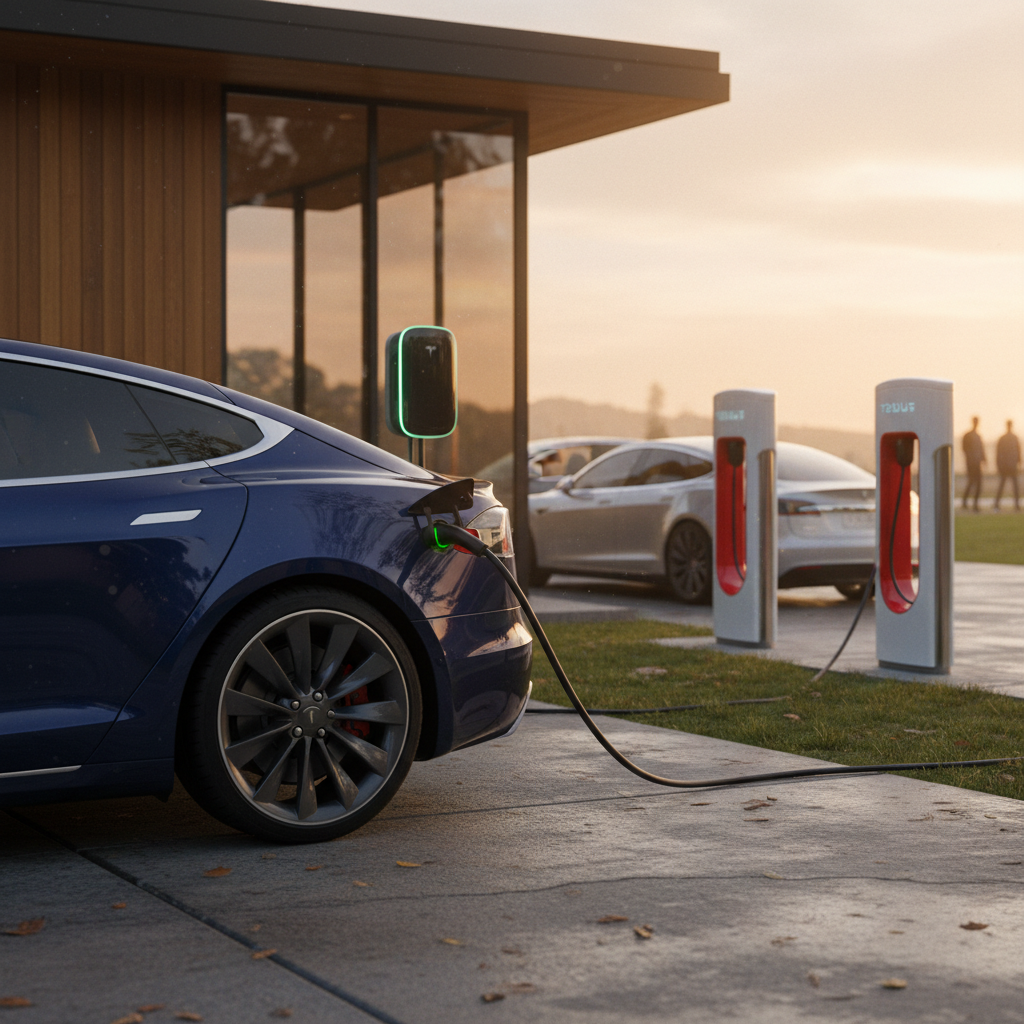
Home charging in a garage with up-to-code wiring is a different risk profile from leaving the car at public chargers overnight. Document any professional installation of home charging equipment.
Home charging and insurance
Battery health, repair costs, and total premiums
Insurers increasingly recognize that an EV’s **battery health** and repairability affect how likely it is to be totaled. If moderate damage always turns into a total loss because the battery is compromised or can’t be economically repaired, premiums rise to reflect that.
Why battery health matters for insurance
- A degraded battery can reduce the vehicle’s actual cash value, changing how a claim is settled.
- In some cases, minor structural or underbody damage can force an expensive battery replacement.
- Insurers watch which models are routinely totaled vs. repaired; that data feeds future pricing.
How a verified battery helps you
If you’re buying used, documentation is your friend:
- A battery health report (like the Recharged Score) helps support an accurate valuation.
- Clean histories, no flood damage, no high-voltage repairs, tend to make underwriters more comfortable.
- Choosing models with established repair procedures and parts availability helps avoid unnecessary totals.
Recharged’s role in de-risking used EVs
Ready to find your next EV?
Browse VehiclesWhen to shop around and switch insurers
The EV market moves fast, and so do insurers’ views of risk. What was “new and scary” pricing for a model two years ago may be much more competitive today. That’s why **staying with the same carrier by default** is often expensive.
Moments when it pays to re-quote your EV
You don’t need to wait for renewal to explore better options.
| Trigger event | Why it matters | What to do |
|---|---|---|
| Buying or selling an EV | Your vehicle mix, value, and mileage pattern change. | Get quotes on the new lineup before finalizing a purchase. |
| Loan payoff or lease buyout | You may no longer need gap coverage or certain extras. | Ask how removing extras changes your premium. |
| Moving to a new ZIP code | Different risk profile, theft rates, and traffic patterns. | Shop at least 3 insurers based on your new address. |
| Mileage or commute change | Work-from-home or job change can reduce risk. | Update annual mileage; explore low-use or telematics plans. |
| Clean driving record for 3+ years | Tickets or accidents may roll off your rating. | Re-quote with multiple carriers to capture improved risk. |
Use life and vehicle changes as prompts to compare EV insurance quotes.
Use used EV shopping as a reset moment
Quick checklist to lower your EV insurance cost
If you just want the playbook you can run through in an evening, use this checklist as your roadmap.
Action steps you can take this week
1. Confirm your coverage and discounts
Pull your current policy. Note deductibles, liability limits, and every discount listed. Fix obvious errors like outdated mileage or missing safety features.
2. Get quotes on two alternative EVs
If you’re still shopping, run quotes on your top two or three candidates. Let insurance cost be a tiebreaker between similar vehicles.
3. Explore a well-documented used EV
Compare quotes for a new EV vs. a used one with verified battery health, like vehicles listed on Recharged. Often the used car wins on both monthly payment and premium.
4. Ask your insurer about telematics
If you’re a smooth, low-mileage driver, a telematics program may lower your rate. Ask specifically about potential surcharges and how your rate is calculated.
5. Re-evaluate parking and charging
If street parking is your default, see if there’s a practical way to move to secure off-street or garage parking. Document any professional charger installation.
6. Schedule an annual insurance review
Put a reminder on your calendar to re-quote at renewal, after major life changes, or when you swap vehicles. Don’t let inertia cost you hundreds per year.
EV insurance FAQs
Common questions about lowering EV insurance cost
Key takeaways for lowering EV insurance costs
Electric vehicles don’t have to mean permanently higher insurance bills. If you’re deliberate about **which EV you drive**, how you structure your coverage, and when you shop the market, you can often bring premiums back in line with, sometimes even below, comparable gas cars.
Start with the fundamentals: pick a safe, reasonably priced EV; consider a well-documented used model from a marketplace like Recharged; right-size your deductibles and extras; and stack every discount you reasonably qualify for. From there, telematics, better parking, and periodic re-shopping help you keep the cost trend moving in the right direction as the EV market matures.
If you’re comparing used EVs now, let the **Recharged Score Report** and battery health diagnostics guide you toward vehicles that are easier to insure and cheaper to own over the long run. Insurance is just one piece of total EV ownership cost, but with the right strategy, it’s one you can control.