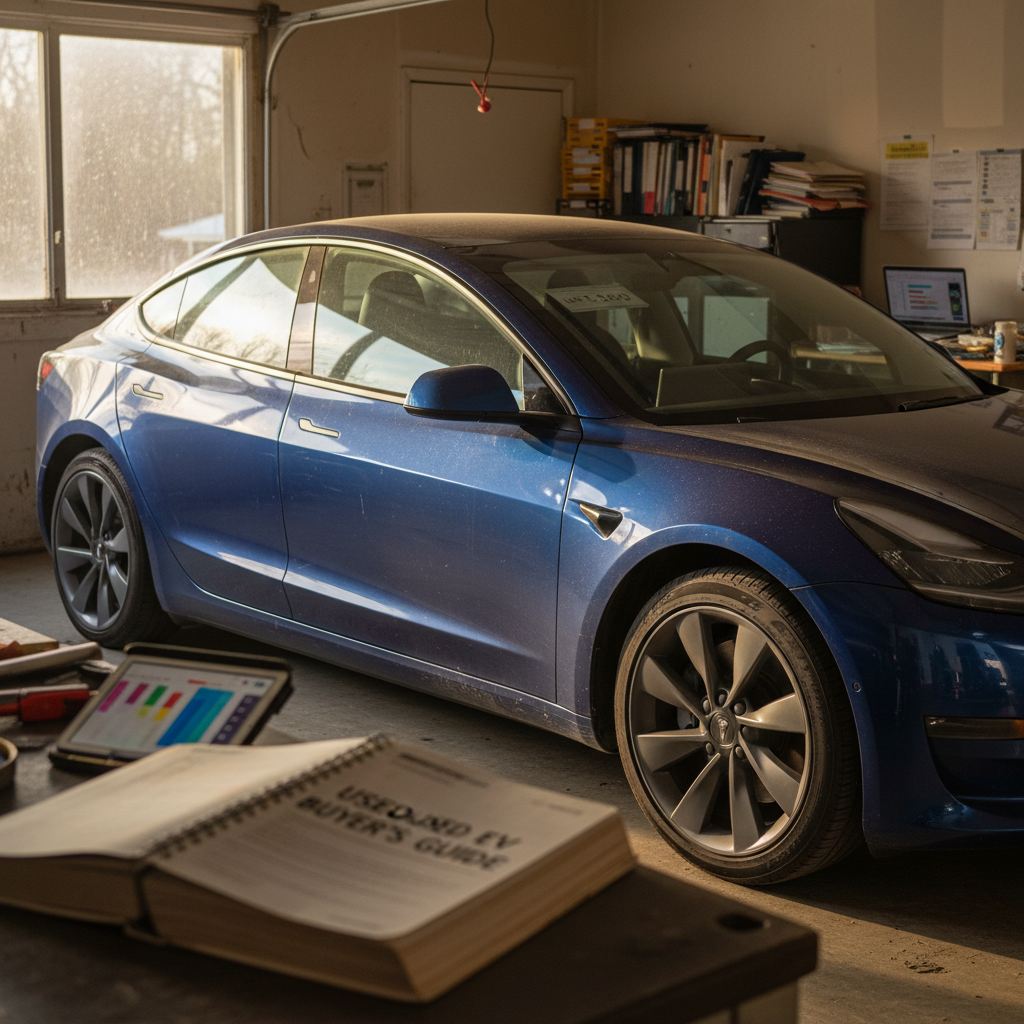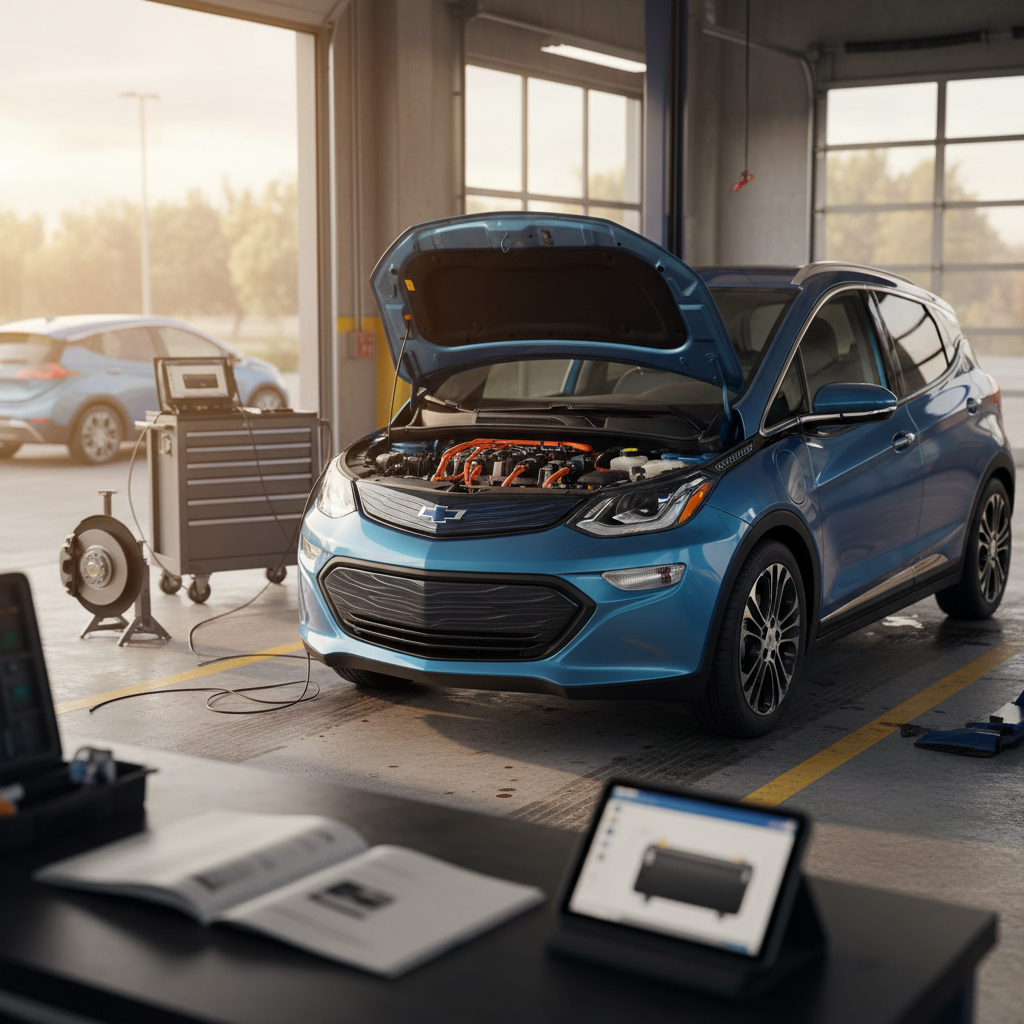
If you’re wondering how to get the best price selling your electric car, you’re not alone. Used EV prices have swung wildly in the last couple of years, fantastic if you’re buying, confusing if you’re trying to sell. The good news: with the right prep, proof of battery health, and a smart choice of where to sell, you can still come out ahead.
Today’s used‑EV reality
Why selling an electric car is different in 2025–2026
Selling an EV is not just selling “a car without gas.” The things buyers worry about, and are willing to pay extra for, are different. In the last couple of years, studies of 1–5‑year‑old cars have shown EVs depreciating much faster than gas and hybrid models, with average used EV prices dropping in the mid‑teens percentage‑wise year over year while gas models barely moved. That sharp drop changes how you play the game as a seller.
- Battery health, not just miles: A 60,000‑mile EV with a strong battery can be worth more than a 30,000‑mile EV with a tired pack.
- Fast‑moving tech: Newer EVs add range and charging speed quickly, which can make older models feel dated unless you price and position them well.
- Charging anxiety: Many shoppers are buying their first EV. They’ll pay more for a car that comes with a clear charging story: home setup, included cable, adapters, and honest range expectations.
- Incentive hangover: Federal and state incentives have come and gone. Buyers know they missed some new‑car deals, so they’re looking to make it up on the used side.
Think like a nervous first‑time EV buyer
Used EV pricing snapshot, early–mid 2025
Step 1: Know what your electric car is worth today
You can’t get the best price for your electric car if you don’t know where the market is right now for your specific model, trim, and battery. EV values move quickly, and generic “used car” tools often lag. Start with a tight estimate, then plan how you’ll beat it.
Three ways to check your EV’s value (and what they miss)
Combine them to get a realistic price range before you list.
Online valuation tools
Sites like KBB, Edmunds, and Autotrader are a good first pass.
- Plug in exact trim, options, and mileage.
- Check both trade‑in and private party values.
These tools rarely factor in real battery health, so treat the number as a baseline, not gospel.
Marketplace price scanning
Search cars like yours on major sites, same year, trim, and region.
- Note asking prices for similar condition.
- Sort by “newest” and “price low‑to‑high” to see the range.
Remember: ads show what sellers want, not what buyers actually pay.
Instant offers and bids
Get instant offers from sites and local dealers, then compare.
- Use offers as your realistic cash‑today floor.
- Expect to get more with a strong listing and patience.
Recharged uses live market data on used EVs, including battery condition, to benchmark value more precisely.
Don’t anchor to yesterday’s price
Step 2: Prove your battery health – the #1 price lever
For gas cars, buyers obsess over miles. For EVs, savvy shoppers care even more about battery state of health (SOH), how much usable capacity is left versus new. A clear, trustworthy battery report can be the difference between buyers low‑balling you and leaning in with serious offers.
Get an actual battery health report
Many modern EVs can display battery information through:
- The in‑car service menu or mobile app.
- A dealer service visit with a printed report.
- Third‑party battery diagnostics tools and services.
Aim to show buyers an SOH number, ideally 80% or better. Above 85–90% is excellent and justifies top‑of‑market pricing for your model.
Use battery health to justify your price
Don’t just wave a tablet screen at a buyer, connect the dots:
- Translate SOH into realistic range now vs. new.
- Explain charging habits that kept the pack healthy.
- Mention any battery warranty still in effect.
On Recharged, every car gets a Recharged Score battery health report, so buyers aren’t guessing. That transparency is exactly what private‑sale buyers wish they had, and what makes them pay more.

Red flag: No battery info, no premium
Step 3: Choose the right way to sell your EV
Once your pricing and battery story are in good shape, the next big decision is where to sell. Each path trades off time, hassle, and money a little differently for EVs than for gas cars.
Selling options for your electric car
How common selling routes stack up for a used EV.
| Option | Typical Price | Speed | Hassle Level | Best For |
|---|---|---|---|---|
| Private sale (DIY) | Highest potential | Slow–medium | High | Maxing price, comfortable with listings and test drives |
| EV‑focused marketplace (like Recharged) | High | Medium | Low–medium | Sellers who want strong pricing plus expert support |
| Dealer trade‑in | Lowest | Fastest | Low | When you’re upside‑down on a loan or need to move quickly |
| Consignment | High minus fees | Medium–slow | Low–medium | Higher‑end EVs where presentation and trust really matter |
Private sale can net the highest price, but EV‑savvy marketplaces and consignment options narrow the gap while saving time and risk.
Where Recharged fits
Ready to find your next EV?
Browse VehiclesStep 4: Time the market for the best price
You can’t control the whole market, but you can control when your car hits it. With EVs, timing around model changes, tax rules, and seasons matters more than you might think.
Smart timing moves that help your price
1. Sell before a major refresh or range bump
If rumor mills are hot about a big battery upgrade or facelift for your model, selling <strong>before</strong> it’s official can keep your car from feeling instantly “old tech.”
2. Watch tax credit changes
In recent years, the federal used‑EV credit and many new‑EV credits have come and gone or changed. When a popular new‑EV credit disappears, lightly used models often look more attractive, and your asking price feels easier to swallow.
3. Aim for spring and early summer
Cold weather can highlight range loss and scare first‑time EV shoppers off. Listings in spring and early summer, when people plan road trips and moves, typically draw more interest.
4. Avoid fire‑sale timing
If you list just after a wave of price cuts on new cars or a flood of off‑lease EVs hits the market, you’ll be swimming in similar listings. Unless you’re ready to undercut everyone, waiting a month or two can pay off.
Step 5: Prep your electric car so buyers pay top dollar
Good prep doesn’t mean throwing money at cosmetic fixes that won’t come back. It means eliminating reasons for a buyer to ask, “What else did they skip?” and making your EV look like the safest, easiest choice on their shortlist.
Detailing and prep checklist for EV sellers
Focus on what buyers actually notice, and what photos amplify.
Clean, bright, and “EV‑fresh”
- Professional detail or very thorough DIY wash and interior clean.
- Clear any personal data from infotainment and apps.
- Remove bumper stickers and clutter from trunk and frunk.
Buyers equate cleanliness with careful ownership, especially on a tech‑heavy EV.
Charging gear ready to go
- Include home charging cable (Level 1/2) if you’re not using it.
- Gather any adapters and explain what works where.
- Test the charge port door and cable release in front of the buyer.
A “charge‑ready” car is worth more than one that sends a buyer to figure it out alone.
Photos that actually sell
- Shoot in daylight, with the car clean and unplugged.
- Include close‑ups of the charge port and main screen.
- Add photos of the battery report, service records, and included charger.
Strong photos make buyers comfortable traveling or wiring a deposit for your car.
Fix the cheap stuff, disclose the big stuff
Step 6: Set a winning price and negotiate like a pro
Pricing an EV is part math, part psychology. Aim too high and you sit, dropping your price in public. Aim too low and you leave real money on the table. The sweet spot is just above what you’re truly willing to take, backed up with proof that your car is worth it.
- Start with your research range from Step 1. If similar cars list between $24,000 and $27,000, that’s your playground.
- Price at or slightly above the top of that range if you have a strong battery report, clean history, and great photos.
- Build in a little room, say $500–$1,000, to negotiate without feeling robbed.
- In your listing, explain your price briefly: recent battery test, home charging cable included, remaining factory battery warranty, etc.
- Respond quickly, be friendly, and stay factual. Serious EV buyers have usually done their homework; they’ll appreciate your specifics.
- When an offer comes in, focus on the difference, not the number. “We’re $700 apart, if we split that, it’s a deal today.”
Don’t negotiate your battery
Step 7: Gather documentation that builds trust and value
A thick folder (or clean PDF bundle) of documents is catnip for cautious EV buyers. It tells them you’re the kind of owner who didn’t ignore warning lights or skip service visits.
Paperwork that helps you get the best price
Battery and range documentation
Battery SOH report, any warranty paperwork, and notes on typical range you see in summer vs. winter.
Service and recall history
Invoices for tire rotations, brake fluid changes, software or hardware recalls, and any high‑voltage system work.
Charging history and habits
Screenshots from your charging app, or a simple one‑pager describing your routine (mostly home Level 2, rare DC fast charges, etc.).
Title, lien, and accident history
Clear title or payoff information if you still owe money, plus a recent vehicle history report if available.
Extras and accessories list
Floor mats, winter tires, roof racks, upgraded mobile charger, small items that help your car stand out from other listings.
When to trade in, consign, or sell to a marketplace like Recharged
You don’t have to go it alone. For many EV owners, the best price is not the absolute highest dollar amount on paper, it’s the best blend of price, speed, safety, and effort.
Trade‑in: convenience over every last dollar
Trading your EV at a dealer or directly with a retailer is almost always the lowest sale price, but also the least painful.
- Great if you’re rolling equity into another car.
- Helpful if your EV has cosmetic damage or a Carfax blemish.
- Best when you need to move on quickly or simplify taxes and payoff.
Even with trade‑ins, a documented battery health report can bump the offer a bit.
Recharged: EV‑specialist help and strong prices
Recharged is built specifically around used EVs. That changes the math:
- Instant offer or consignment: choose guaranteed money or a higher upside with us selling it for you.
- Recharged Score: independent battery diagnostics and pricing transparency that buyers trust.
- Nationwide audience: your car isn’t limited to local EV shoppers.
If you want better‑than‑dealer pricing without doing all the private‑sale legwork, this middle path often nets the best real‑world outcome.
How Recharged can help you net more, with less hassle
Common mistakes that quietly cost EV sellers thousands
You don’t have to be perfect, you just have to avoid the handful of big mistakes that scare buyers or hand them all the leverage.
- Listing without a battery story: No SOH number, no talk of range, no mention of warranty. Buyers assume the worst and slash their offers.
- Pricing like it’s still 2022: Ignoring the fact that used EV prices have reset and clinging to an old number until your listing goes stale.
- Scaring first‑time EV buyers: Casual comments like “range drops a ton in winter” with no context can sound worse than they are. Be honest but explain how you’ve lived with the car day to day.
- Ignoring software and connectivity: Out‑of‑date software, missing app access, or features that require a subscription can all affect value. Update and clarify what’s included.
- Being vague or slow to respond: EV buyers usually come armed with detailed questions. If you dodge them or take days to reply, they’ll move on.
The “mystery EV” discount
FAQs: Selling your electric car for the best price
Frequently asked questions
Bottom line: A simple playbook for getting the best price
You don’t control the whole EV market, but you do control how your specific car shows up in it. When you’re figuring out how to get the best price selling your electric car, think in layers: know your model’s current value, prove the battery, prep the car, pick the right channel, and tell a clear story that makes a nervous first‑time EV buyer feel at home.
Whether you decide to grind out a private sale, take a quick trade‑in, or lean on an EV‑specialist marketplace like Recharged, the same principles apply. Solid data beats guesswork, transparency beats salesmanship, and a well‑cared‑for EV with a healthy battery will always command the best price available in today’s fast‑moving electric market.