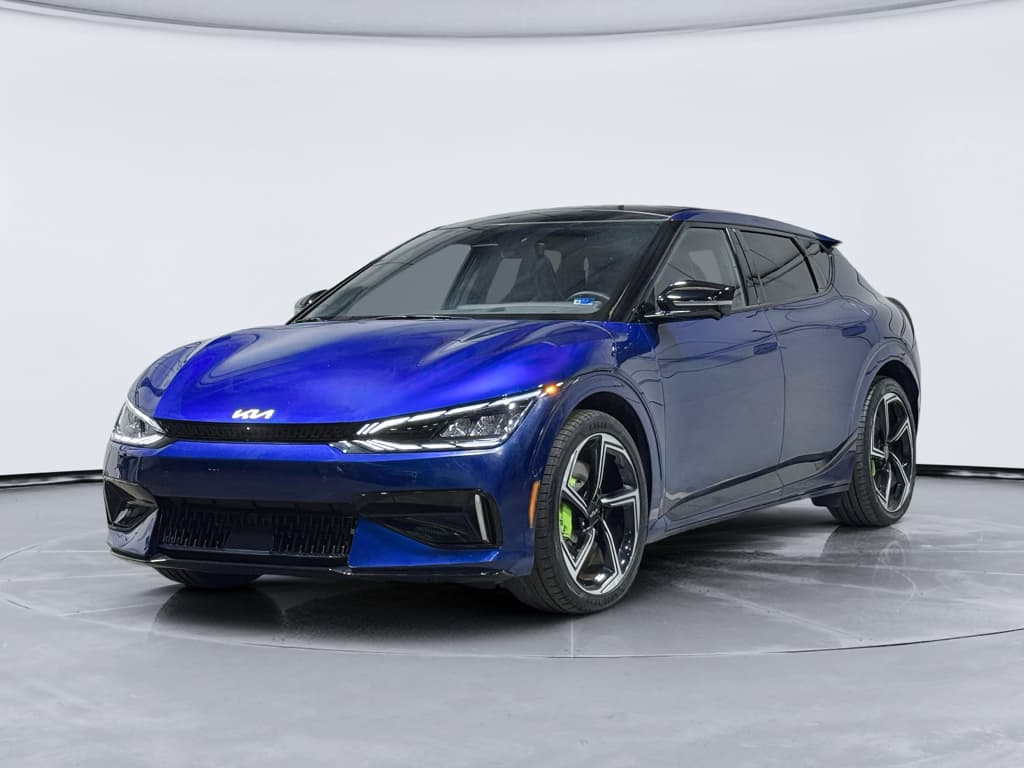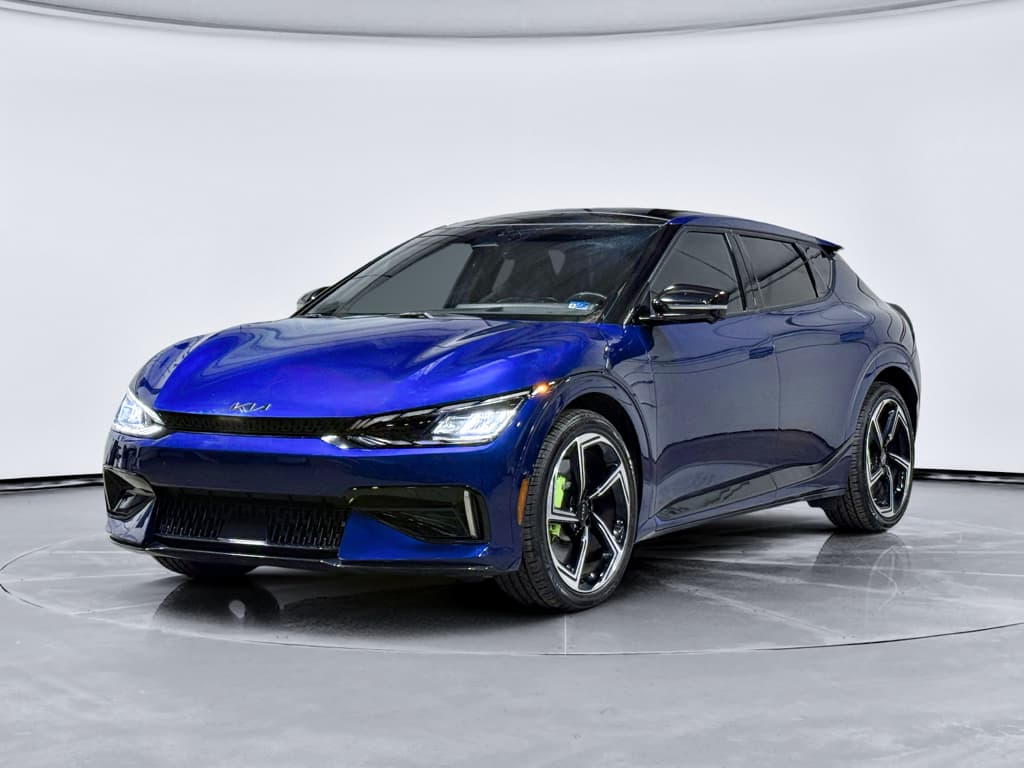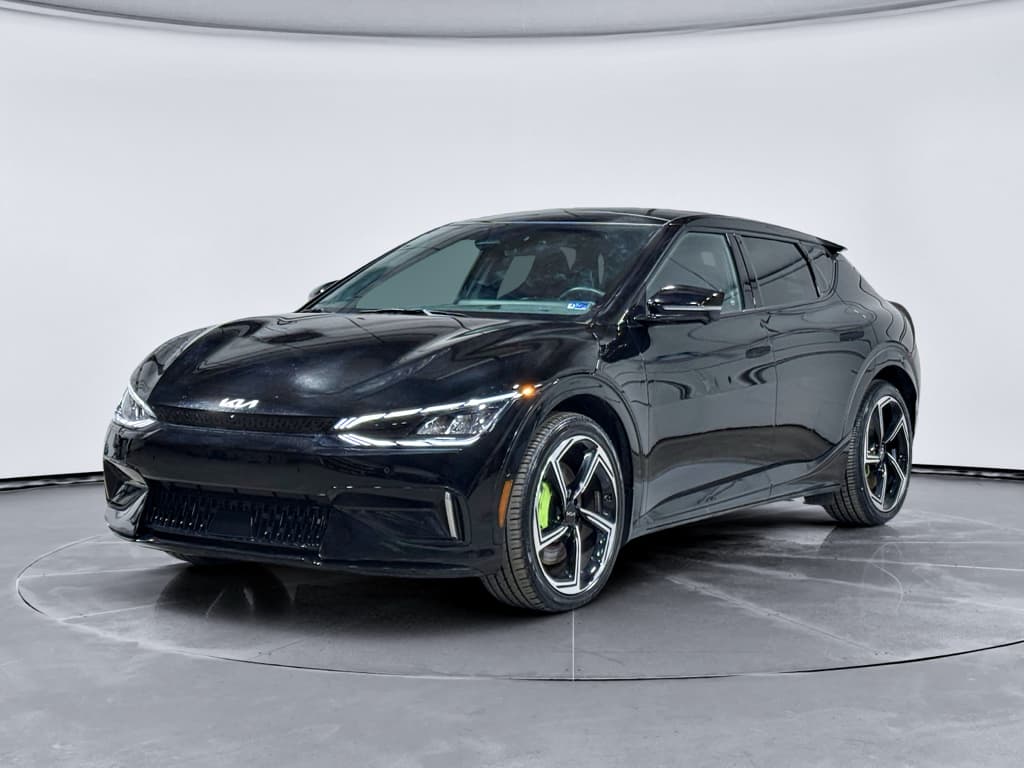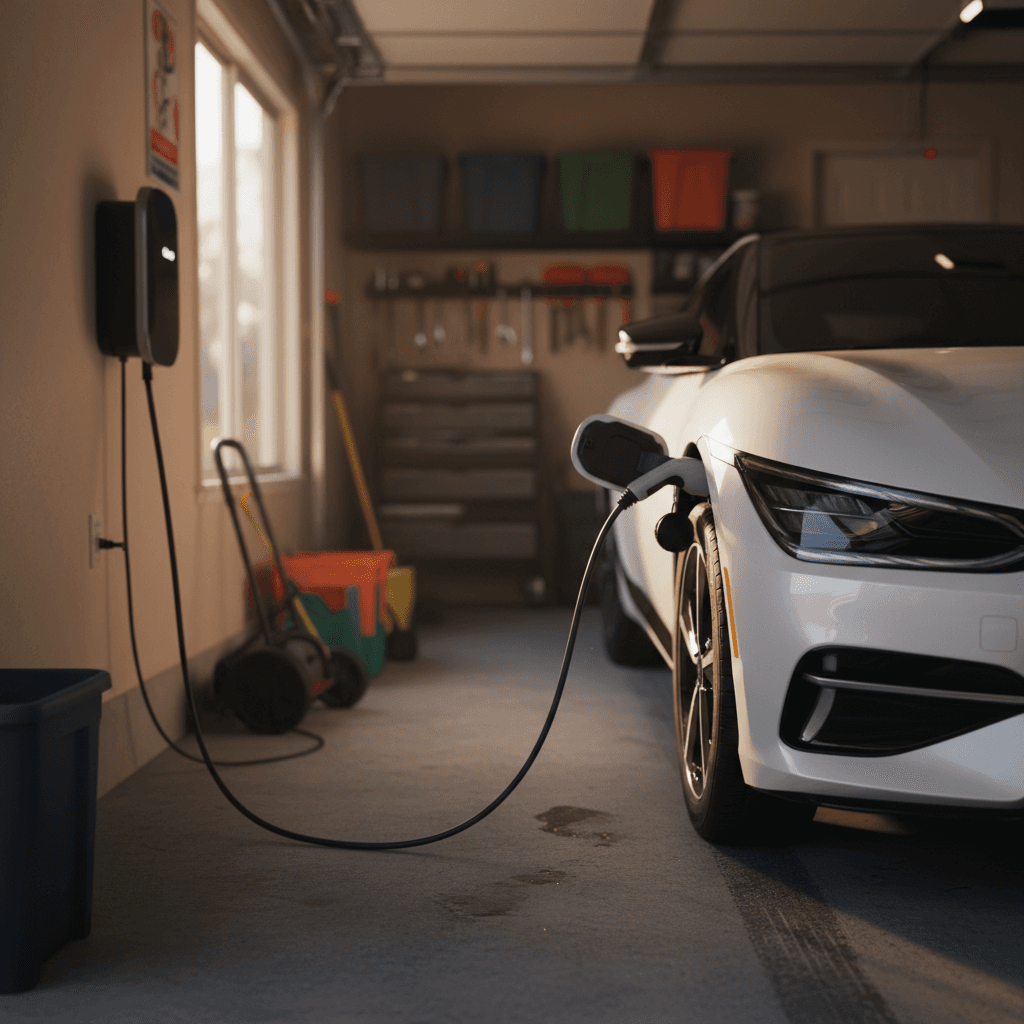
If you’ve just bought a Kia EV6, or you’re looking at a used EV6, the first real‑world question is simple: how do you charge it at home without turning your garage into a science project? The good news is that the EV6 is easy to live with once you understand the difference between 120‑volt and 240‑volt charging, what hardware you actually need, and how long charging will take in your driveway.
Quick overview
Kia EV6 home charging basics
Every Kia EV6, whether it’s an early CCS model or a newer NACS‑equipped car, charges on AC power at home. The EV’s onboard charger converts AC from your house into DC for the battery. For U.S. models, the onboard charger is roughly 11 kW, which means the car can take advantage of a 48‑amp Level 2 charger on a 60‑amp circuit for the quickest home charging.
Kia EV6 home charging: key numbers to know
Used EV6 owners
Charging options: 120V vs. 240V for your EV6
In the U.S., you have two realistic ways to charge a Kia EV6 at home: Level 1 (120V) using a regular household outlet and Level 2 (240V) using a dedicated circuit similar to an electric dryer or range. Each has pros and cons.
Kia EV6 home charging: Level 1 vs. Level 2
How 120V and 240V home charging stack up for a Kia EV6.
| Feature | Level 1 (120V outlet) | Level 2 (240V outlet) |
|---|---|---|
| Typical power | 1.2–1.4 kW | 7–11 kW (EV6 max ~11 kW) |
| Range added per hour | 3–4 miles | 25–40+ miles (setup‑dependent) |
| 0–100% charge time | ~36–48 hours | ~7–9 hours |
| Best for | Very light driving, backups, apartments | Daily commuting, road‑trip prep |
| Up‑front cost | $0 if outlet exists | $500–$1,800 installed (charger + electrician) |
| Electrical work | Usually none (but outlet must be healthy) | Dedicated 240V circuit, professional install recommended |
For most EV6 owners who drive daily, a 240V Level 2 charger is the most practical long‑term solution.
Don’t overload a 120V outlet
Step-by-step: how to charge a Kia EV6 at home
Step‑by‑step home charging process
1. Choose your charging method
Decide whether you’ll charge with an included portable cord on 120V, a 240V outlet with a portable Level 2 unit, or a wall‑mounted Level 2 charger. For most EV6 drivers in the U.S., a 40–48A Level 2 charger on a dedicated 240V circuit is the sweet spot.
2. Park and put the car in Park
Pull into your driveway or garage, straighten the wheels if you’re near a wall, put the EV6 in Park, and engage the parking brake if on a slope. Turn off the vehicle before plugging in.
3. Open the charge port door
Walk to the right‑rear corner of the EV6. Press the small touch button on the charge port door or use the unlock/charging button in the Kia key fob or on the driver’s door to release it.
4. Check the connector type
In the U.S., earlier EV6 models use a J1772 AC inlet with CCS for DC; newer models use NACS for both home and fast charging. Make sure your home charger cable uses the matching connector or an approved adapter.
5. Plug in until you hear a click
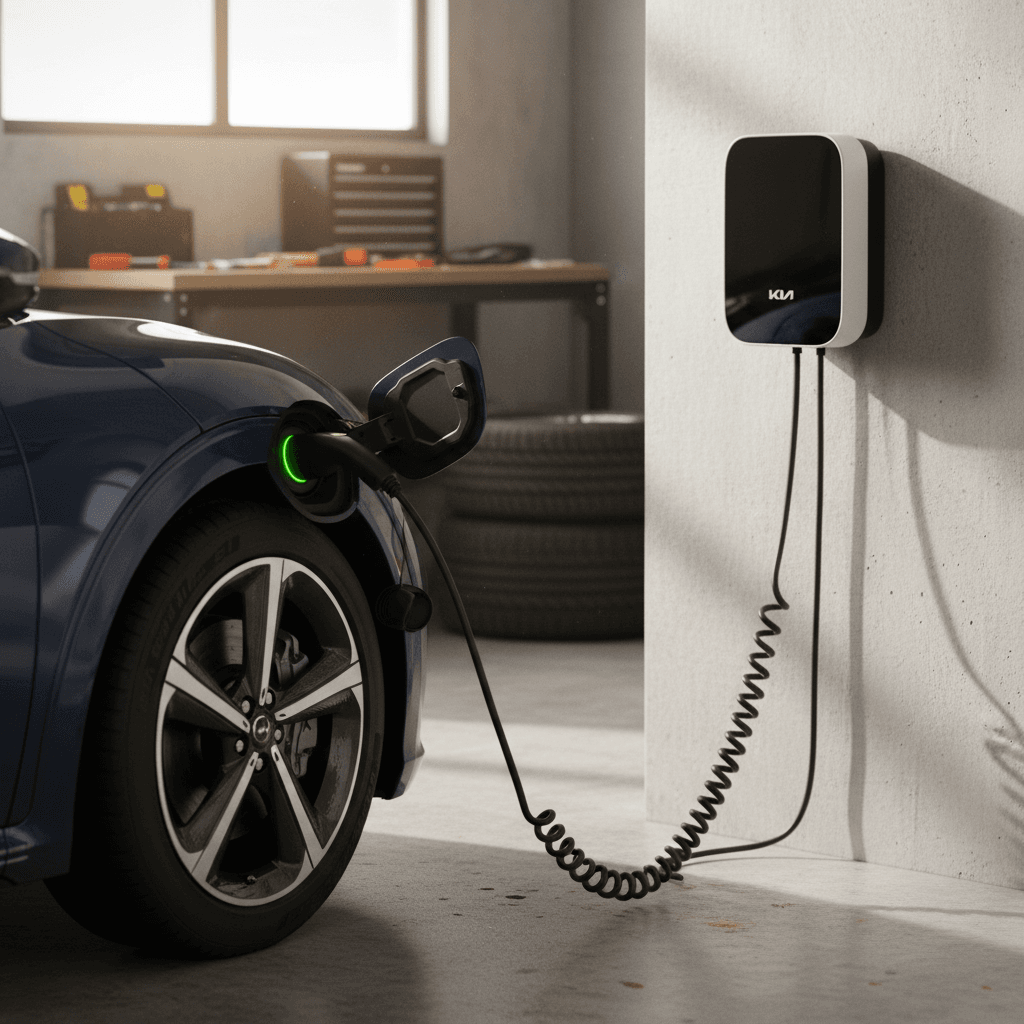
Align the connector and push it firmly into the EV6 charge port until you hear and feel it click into place. The charge indicator lights near the port and on the dash will illuminate to confirm connection.
6. Confirm charging on the dash or app
On the instrument cluster, look for the battery icon and estimated time to full. You can also check the Kia Access / Kia Connect app or the display on your wall charger to confirm charging and rate.
How long does it take to charge a Kia EV6 at home?
Real‑world charge time depends on your battery size, current state of charge, temperature, and the power of your home setup. But you can get very close with simple estimates.
Typical Kia EV6 home charge times
Assuming the larger ~77 kWh pack and mild temperatures
120V Level 1 (1.4 kW)
Use case: backup or very light driving.
- 0–100%: ~40–45 hours
- 20–80%: ~25–30 hours
- Overnight (10 hours): ~30–40 miles of range
32A Level 2 (~7.7 kW)
Common for 40A circuits.
- 0–100%: ~10–11 hours
- 20–80%: ~6–7 hours
- Overnight (8 hours): ~180–220 miles
48A Level 2 (~11 kW)
Maxing out EV6’s onboard charger.
- 0–100%: ~7–8 hours
- 20–80%: ~4.5–5.5 hours
- Overnight (7 hours): full daily recharge for most drivers
You rarely charge 0–100%
What you need to install a Level 2 home charger
Installing a Level 2 charger is the single best upgrade you can make to EV6 ownership. It does require a bit of planning, but it’s straightforward if you work with a licensed electrician.
Level 2 home charging checklist for Kia EV6 owners
1. Verify electrical panel capacity
Your electrician will check your main service (100A, 150A, 200A, etc.) and existing loads. A 40A or 60A 240V circuit for the charger is typical; a 60A circuit lets you run a 48A charger to fully utilize the EV6’s ~11 kW onboard charger.
2. Pick a charger amperage
Common options are 32A, 40A, and 48A. A 32A unit is often plenty for overnight charging; 40A is a great balance; 48A is ideal if your panel and wiring can support a 60A circuit and you want the quickest possible home top‑offs.
3. Decide on plug-in vs hardwired
Some chargers plug into a NEMA 14‑50 or 6‑50 outlet; others are hardwired. Hardwiring is often required for 48A operation, while 40A units frequently plug into a 50A receptacle. Your electrician can recommend what’s safest for your setup.
4. Choose a charger location
Mount the charger where the cable comfortably reaches your EV6’s rear‑right charge port. Think about pulling in forward, backing in, and the possibility of another EV in the future. Wall‑mounting near the garage door provides flexibility.
5. Get multiple quotes
Installation costs can vary widely depending on distance from the panel, drilling, and conduit runs. Get at least two quotes and ask whether the electrician has installed EV chargers before.
6. Check incentives and permits
Some utilities and states offer rebates for home EV chargers, and some jurisdictions require permits for new 240V circuits. Your electrician or local utility can explain what’s required where you live.
Safety first
Setting and scheduling charging in your EV6
Once your hardware is in place, the next step is using the EV6’s software to control when and how it charges. This protects your battery and can save you serious money if your utility has time‑of‑use rates.
Set a target charge level
In the EV6’s infotainment system, you can set a charge limit, typically 80% or 90% for daily use. Charging to 100% occasionally is fine, especially before a road trip, but staying a bit below full most days is easier on the battery long‑term.
Look for the EV settings > Eco/Charging menu to adjust your limits for AC (home) and DC (fast) charging separately if available.
Use scheduled or off‑peak charging
If your utility offers cheaper rates at night, enable scheduled charging in the EV6 or in your smart charger’s app. Set a start time just after your off‑peak window begins and an end or departure time for the morning.
This way you plug in when you arrive home, but the car waits until electricity is cheapest to start pulling power.
Stack your savings
How much does it cost to charge a Kia EV6 at home?
Charging costs are mostly about your local electricity rate. The math is straightforward: multiply your cost per kWh by the usable energy you add to the battery.
Approximate cost to charge a Kia EV6 at home
Illustrative costs based on a ~77 kWh battery and typical U.S. residential electricity rates.
| Scenario | Electricity price (per kWh) | Energy added | Approx. cost |
|---|---|---|---|
| Full charge (0–100%) | $0.13 | ~77 kWh | ~$10 |
| Daily top‑off (40–80%) | $0.16 | ~31 kWh | ~$5 |
| Road‑trip prep (20–100%) | $0.20 | ~62 kWh | ~$12–$13 |
Actual costs will vary with your driving style, climate, and electricity provider, but home charging almost always undercuts gasoline on a per‑mile basis.
Viewed another way, many EV6 drivers see fuel savings of 50–70% versus an equivalent gas crossover, even after accounting for a higher electricity bill. If you’re cross‑shopping a used EV6 against a gasoline SUV, that lower fueling cost is a big part of the total ownership equation. Platforms like Recharged’s EV ownership guides can help you compare real‑world costs over several years.
Battery-health best practices for home charging
The EV6 battery is engineered to last, but how you charge at home can subtly influence long‑term health and range. Fortunately, the habits that protect the pack are simple.
Battery‑friendly home charging habits
Aim for 20–80% for daily use
Let the EV6 float between roughly 20% and 80% for everyday driving when you can. Reserve 90–100% charges for road trips or when you genuinely need the extra range.
Use AC home charging as your default
Kia, like most manufacturers, recommends using <strong>AC (Level 1 or Level 2)</strong> for routine charging and saving DC fast charging for trips. Home charging is gentler on the pack and usually cheaper.
Avoid leaving the car full or empty for days
If you won’t drive for a while, park the EV6 somewhere between 40% and 70% state of charge. Try not to leave it sitting near 0% or 100% for extended periods.
Charge earlier in cold weather
In very cold climates, consider plugging in earlier so the battery can warm up gradually while charging. Some EV6 trims allow you to warm the battery before DC fast charging as well.
Watch for software updates
Kia occasionally updates the EV6’s charging and battery‑management software. Make sure your car receives these updates; they can improve charging reliability and battery longevity.
Battery reports for used EV6 shoppers
Troubleshooting common home charging issues
Most EV6 home charging sessions are boring in the best possible way. When something does go wrong, it’s usually one of a handful of predictable culprits.
- Charging won’t start: Check that the connector is fully seated, the charge port is clean, and the breaker for the circuit hasn’t tripped. Try pressing the Start button on your wall charger or app if it has one.
- Charging stops unexpectedly: Look for error lights on the charger and in the EV6. A weak 120V outlet or undersized extension cord can overheat and cause the charger to shut down; with Level 2, a tripping breaker or loose wiring must be addressed by an electrician.
- Charge rate is lower than expected: The EV6 may slow charging in very hot or cold conditions to protect the battery. Your charger or the car’s settings might also be limiting amperage; check maximum current settings in both.
- Connector or outlet feels hot: It’s normal for hardware to be warm, but it should not be too hot to comfortably touch. If it is, stop charging and have an electrician inspect the outlet, wiring, or charger before using it again.
- Car stops at 80% or 90%: This usually isn’t a fault, it’s a user‑set charge limit in the EV6 or charger app. Increase the limit temporarily if you need a full charge for a trip.
When to call a professional
FAQ: Kia EV6 home charging
Frequently asked questions about charging a Kia EV6 at home
Charging a Kia EV6 at home doesn’t have to be complicated. Start where you are, a 120V outlet and a portable cord can cover light use, then plan for a 240V Level 2 charger if you drive more miles or simply want the convenience of waking up to a “full tank” every morning. Size the circuit correctly, use the EV6’s built‑in charge limits and scheduling tools, and you’ll enjoy quiet, low‑cost fueling for years. And if you’re comparing used EV6s, look for transparent battery‑health information and charging history, so the way the last owner charged at home sets you up for confident ownership, not surprises.