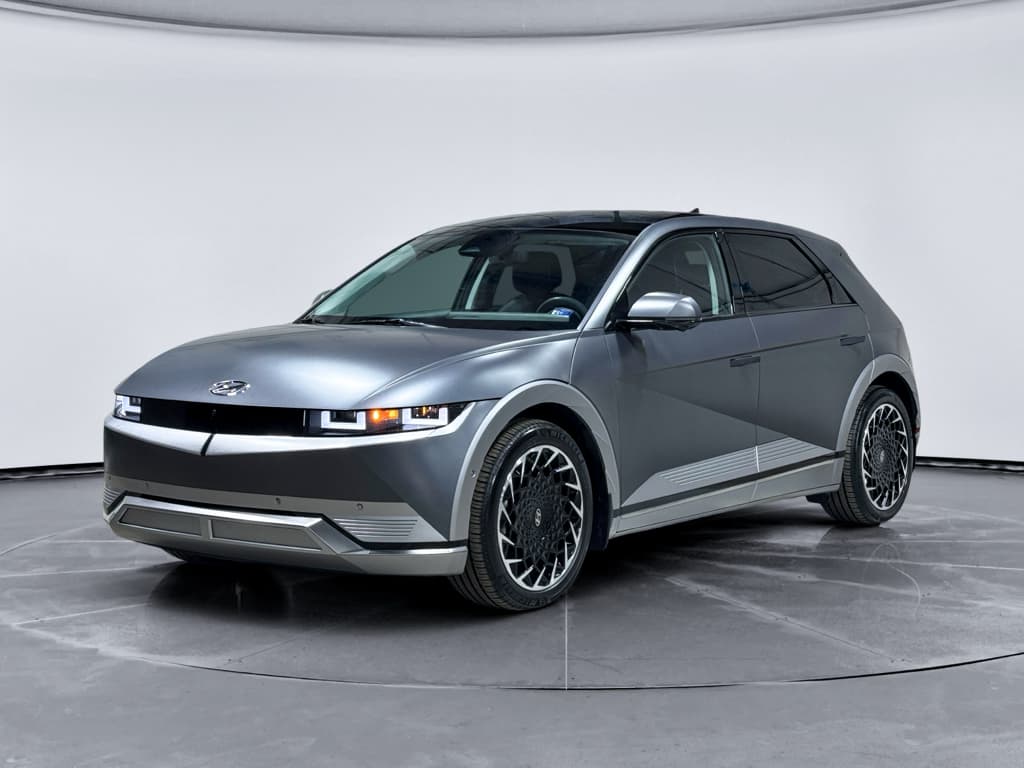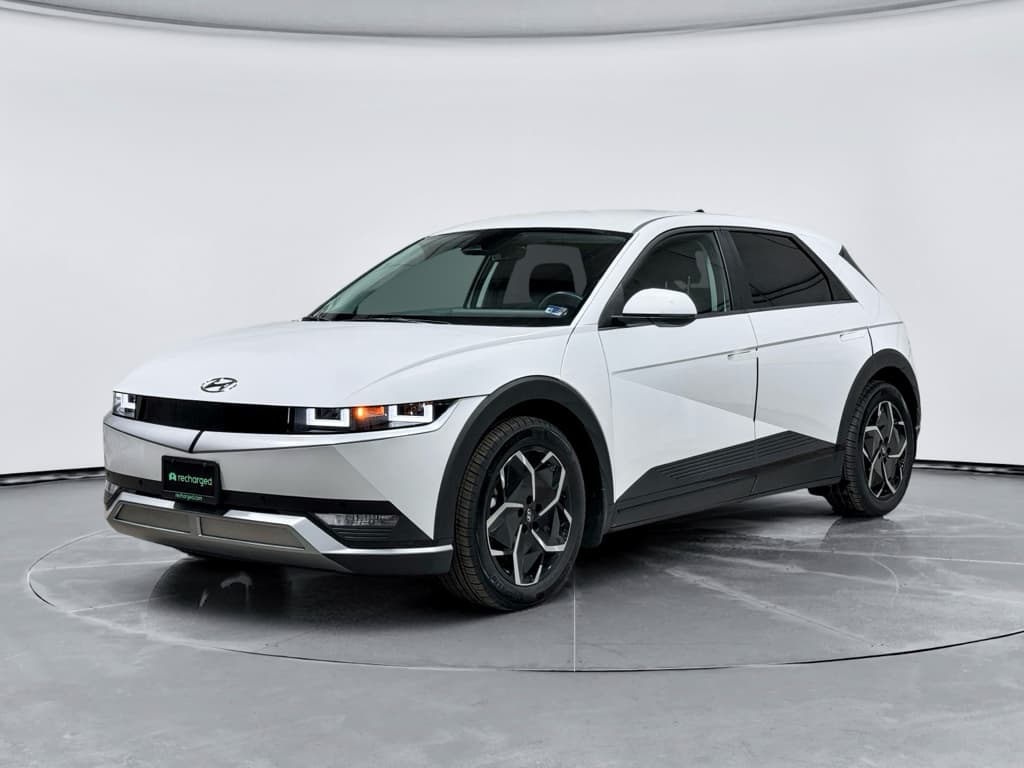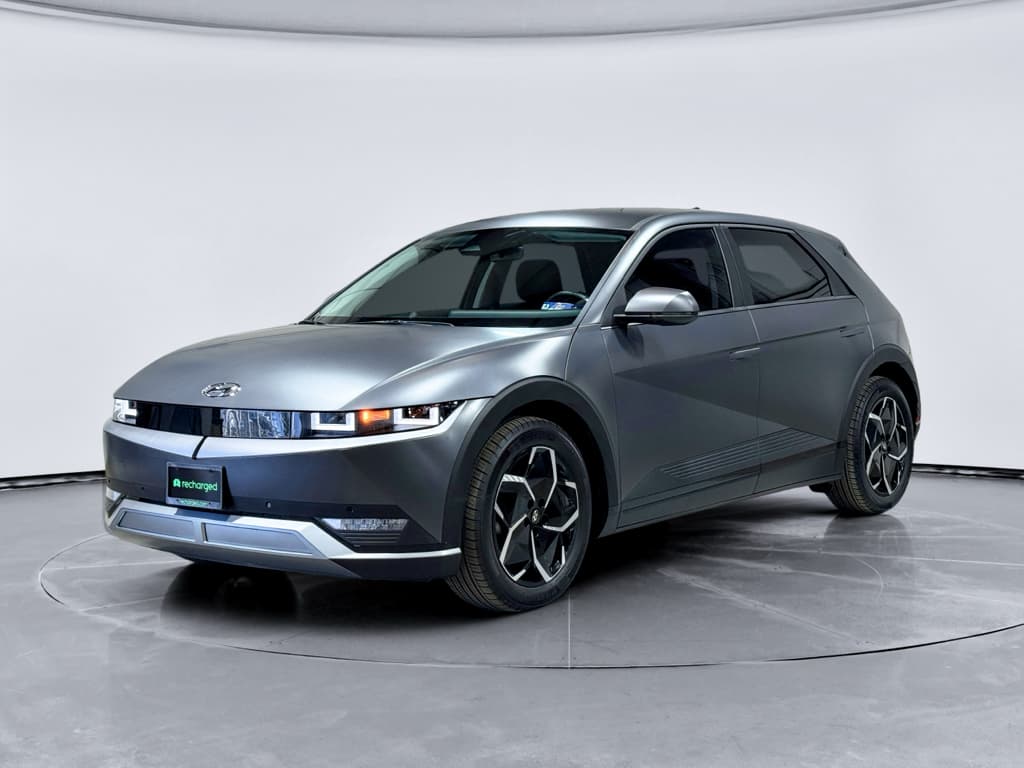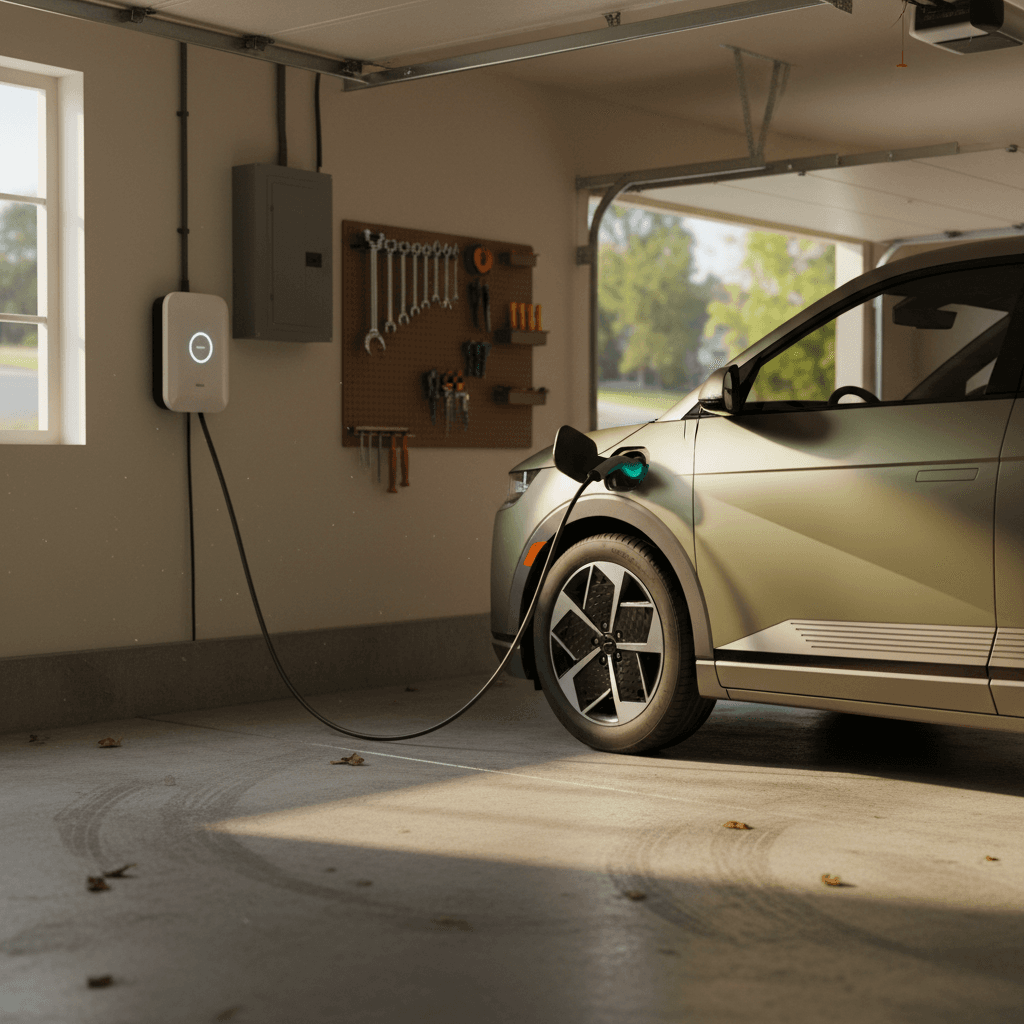
Owning a Hyundai Ioniq 5 gets a lot easier once you’ve figured out how to charge it at home. The good news: setting up home charging is usually simpler than people think. Whether you’re plugging into a regular outlet or installing a faster Level 2 charger, this guide will walk you through exactly how to charge a Hyundai Ioniq 5 at home, how long it really takes, what it costs, and how to keep your battery happy for the long haul.
Quick takeaway
Why home charging matters for your Ioniq 5
The real-world perks of home charging
Why your driveway is the best ‘gas station’ your Ioniq 5 will ever have
Time back in your day
Instead of hunting for public chargers, you plug in at night and wake up with a full battery. No detours, no waiting in line, no wasted coffee breaks babysitting a charger.
Lower fueling costs
Per mile, home electricity is usually cheaper than public fast charging, and far cheaper than gas. Off‑peak overnight rates can stretch your dollars even further.
Battery-friendly charging
Most of your charging will be slower AC at home, which is gentler on the battery than constant DC fast charging. That helps your Ioniq 5 stay healthy longer.
If you’re coming from a gas car, it takes a mental reset. You don’t “go somewhere to fill up” nearly as often. Instead, you treat your Ioniq 5 more like your phone: plug in when you’re home, unplug when you need to drive. The trick is choosing the right setup so that overnight charging comfortably keeps up with your weekly mileage.
Hyundai Ioniq 5 home charging basics
- Battery size: Most North American Ioniq 5 models use a pack around 77–84 kWh depending on model year and trim.
- Onboard AC charger: The car can accept roughly 10–11 kW on Level 2, which is the ceiling for home charging speed.
- Charge port: Earlier U.S. cars use CCS for DC fast charging and a J1772 connector for AC; newer models add the Tesla‑style NACS port. At home you’re using the AC side of that port.
- Charging levels: Level 1 (120V) and Level 2 (240V) are what matter for home. DC fast charging is for road trips, not your garage.
Know your max AC speed
Level 1 vs. Level 2: Which home charging is right for you?
Level 1 vs. Level 2 home charging for Hyundai Ioniq 5
Approximate numbers for a long‑range Ioniq 5 battery in North America. Actual times vary with temperature, starting state of charge, and efficiency.
| Setup | Electrical service | Typical power | Miles of range added per hour* | Full charge time (approx.) | Best for |
|---|---|---|---|---|---|
| Level 1 (included cord) | 120V, 12A on standard outlet | ~1.2–1.4 kW | ~3–5 miles/hour | 40–60 hours 0–100% | Very light daily driving, backup option |
| Slower Level 2 | 240V, 16–32A | ~3.8–7.7 kW | ~15–25 miles/hour | 10–20 hours 0–100% | Moderate driving, older wiring, small panel |
| Faster Level 2 | 240V, 40–48A on dedicated circuit | ~9.6–11 kW | ~30–35+ miles/hour | 6–8 hours 0–100% | Most owners, heavier commuting, future‑proofing |
Use this as a planning tool, not a promise from your dashboard.
Don’t rush to install Level 2 without a plan
Step-by-step: How to charge a Hyundai Ioniq 5 at home
Using the included Level 1 (120V) charging cord
1. Pick the right outlet
Use a grounded 3‑prong outlet on a dedicated or lightly used circuit, ideally one that doesn’t also power a space heater, microwave, or garage fridge. Avoid daisy‑chained power strips and old extension cords.
2. Inspect the cord and outlet
Make sure the Hyundai portable charger and plug are free of damage, and the outlet feels solid when you plug in. If the outlet is warm or loose, stop and have an electrician inspect it.
3. Plug into the wall first
Always plug the Level 1 charger into the household outlet before connecting it to your Ioniq 5. The control box on the cord should light up and run its self‑check.
4. Plug into the Ioniq 5 charge port
Press the charge door to open it. Line up the connector with the port and push firmly until it clicks. The indicator lights near the charge port and on the dash should show that charging has started.
5. Set a charge limit in the car
In the vehicle’s settings, choose a daily charge limit, many owners aim for 80–90% for routine use to reduce battery stress. You can raise it to 100% before long trips.
6. Let it charge overnight
Level 1 is slow but steady. Plug in whenever you’re home so the car can quietly add range while you sleep. Think of it as topping off, not refilling from empty every time.
Using a Level 2 (240V) home charger
1. Install or verify your 240V circuit
Work with a licensed electrician to install a dedicated 240V circuit with the correct amperage and breaker size for your charger (commonly 40A–60A). This isn’t a DIY project for most homeowners.
2. Mount or plug in your Level 2 unit
Wall‑mounted chargers are usually hardwired or plug into a NEMA 14‑50 or similar outlet. Portable Level 2 units hang from a bracket and plug in like a heavy‑duty appliance.
3. Configure current limits
Many chargers and the Ioniq 5 let you set a maximum charging current. Your electrician should size this so it respects the 80% rule (for example, 40A charger on a 50A breaker).
4. Connect the J1772 or NACS plug
At home you’ll use the AC connector, either J1772 or the Tesla‑style NACS, depending on your car and charger. If your Ioniq 5 uses a different inlet than your charger plug, use the appropriate adapter recommended by the manufacturer.
5. Schedule off‑peak charging (optional)
In the car’s menus, or in your charger’s app, set a charge schedule that lines up with your utility’s cheaper overnight rates. Plug in whenever you want; the system will wait to start until your set time.
6. Check the first few sessions
Watch the first couple of charges. Make sure cables stay cool to the touch, breakers don’t trip, and the car reaches the expected state of charge by morning.
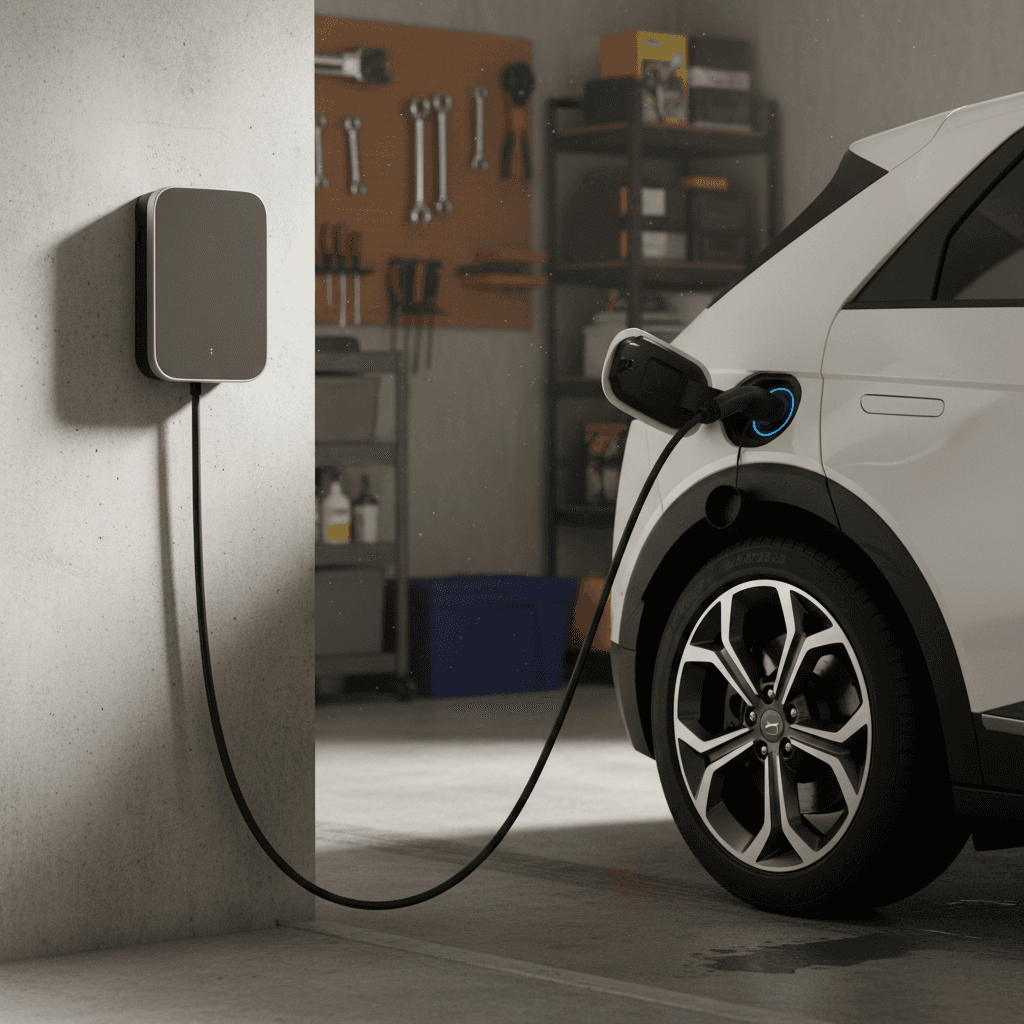
How long does a Hyundai Ioniq 5 take to charge at home?
Approximate Ioniq 5 home charging times (long‑range battery)
In daily life, you almost never charge from 0% to 100%. If you arrive home with 35–50% left, your Ioniq 5 needs far less energy to be ready by morning. That’s why many owners discover that even an 8–10 kW Level 2 charger feels “instant” for their routine: you plug in, go to bed, and the car quietly finishes hours before you wake up.
Real-world rule of thumb
What you need to install a Level 2 home charger for your Ioniq 5
1. Check your electrical panel
Pop open your main panel and look at the service rating, many U.S. homes are 100A or 200A. If your panel is already packed with breakers for HVAC, electric ranges, dryers, and hot tubs, you may need an electrical upgrade before adding a 40–60A EV circuit.
This is where a licensed electrician earns their money. They can do a load calculation, tell you what’s safe, and propose options: smaller charger, panel upgrade, or load‑sharing devices.
2. Choose a compatible Level 2 charger
For a Hyundai Ioniq 5, you’ll want:
- Output: 32–48 amps (7–11 kW) is the sweet spot.
- Connector: J1772 or NACS, depending on your car’s charge port and any adapters you plan to use.
- Cable length: 20–25 feet makes it easier to reach your car in different parking spots.
- Smart features: Wi‑Fi or Bluetooth, energy tracking, and scheduling can be handy but aren’t strictly required.
Look for UL‑listed hardware from a reputable brand, and confirm indoor/outdoor rating if it will live on an exterior wall.
Safety first: don’t DIY high‑voltage work
If you’re shopping for a used Hyundai Ioniq 5, a professionally installed home charger is a real plus. At Recharged, every used EV comes with a Recharged Score Report that shows verified battery health and charging performance, so you know exactly how the car has been treated and how it will behave on your own home setup.
Smart charging schedules and battery care
Easy habits that keep your Ioniq 5’s battery happy
You don’t need to baby it, but a little thought goes a long way.
Avoid sitting at 100%
For daily use, set your charge limit to around 80–90%. Save full 100% charges for road trips when you actually need the extra range.
Use scheduled charging
Program the car or your charger to start charging late at night. You’ll often get lower electricity rates and a cooler battery when you depart in the morning.
Mind temperature swings
Extreme heat and cold slow charging and stress the pack. If you can, park and charge in a garage during hot summers and frigid winters.
Good news: you can stop obsessing
Troubleshooting common Ioniq 5 home charging issues
If your Ioniq 5 won’t charge, or charges very slowly
1. Check connectors and doors
Make sure the charge port door is fully open, the connector is pushed in until it clicks, and there’s no debris or ice in the port.
2. Verify charge limits and schedules
In the car’s settings, confirm that you haven’t set a very low maximum charge current or a delayed start time. If you plug in at 6 p.m. but your schedule starts at midnight, the car will wait.
3. Look for warning lights on the EVSE
If the home charger’s status lights are red or flashing, consult its manual or app, many will tell you if they detect a ground fault, mis‑wiring, or overheating outlet.
4. Test a different outlet or circuit (Level 1)
If a 120V outlet trips its breaker or the charger runs hot, stop using that outlet. Try another circuit or call an electrician, this is a wiring problem, not your Ioniq 5 misbehaving.
5. Confirm amperage settings (Level 2)
Some chargers ship with a conservative default current. Use the app or front panel to set the allowed amps to match your circuit and your Ioniq 5’s capability.
6. Call in the pros if problems persist
If your Ioniq 5 refuses to charge on multiple known‑good chargers, it’s time for a dealer visit. Document what you’ve tried so far to speed up diagnosis.
When in doubt, unplug
How home charging affects your budget
Electricity cost vs. public charging
Most U.S. households pay somewhere between roughly 12–30 cents per kWh for electricity, depending on region and time of day. If your Ioniq 5 uses, say, 30 kWh to go 100 miles, that’s around $3.60–$9.00 per 100 miles in home electricity.
Public DC fast charging can easily cost double that on a per‑mile basis, and gas, depending on prices and your last combustion car, is usually higher still. Home charging is where EV ownership really pays off.
Upfront costs and long-term savings
A typical Level 2 setup (charger plus professional installation) can range from a few hundred dollars to a couple thousand, depending on your panel and wiring. That’s real money, but you recover it over time in fuel savings and time saved.
If you’re looking at a used Ioniq 5, you can roll part of that cost into financing. Recharged offers EV‑friendly financing and trade‑in options, so budgeting for a home charger becomes part of the overall ownership plan, not an unpleasant surprise after the fact.
Check for local incentives
FAQ: Hyundai Ioniq 5 home charging
Frequently asked questions about charging a Hyundai Ioniq 5 at home
Bringing it all together
Learning how to charge a Hyundai Ioniq 5 at home is mostly about matching your setup to your life. Level 1 on a standard outlet can work if your driving is light and your patience is long. A properly installed Level 2 charger turns your driveway into a personal fueling station that quietly replenishes your range while you sleep.
Take the time to get the electrical side right, build a couple of smart charging habits, and your Ioniq 5 becomes one of the easiest cars you’ve ever lived with. And if you’re still shopping, or thinking about trading into a used Ioniq 5, Recharged can help you compare options, check real battery health, arrange financing, and plan your home charging so everything is ready the day your EV shows up in the driveway.