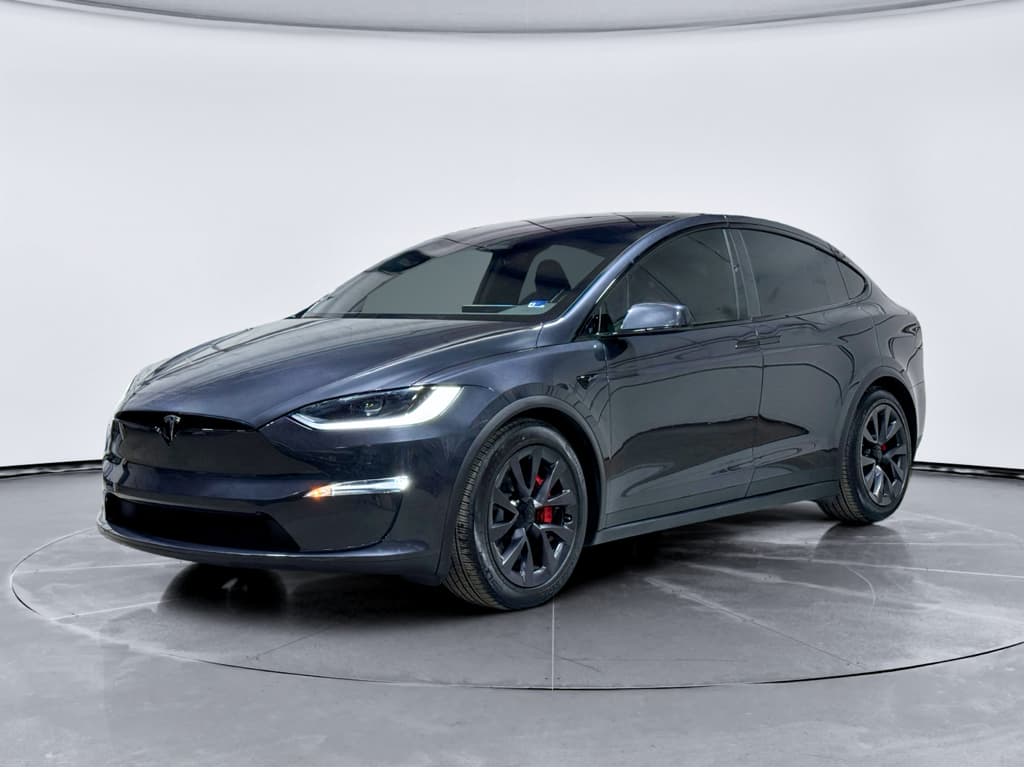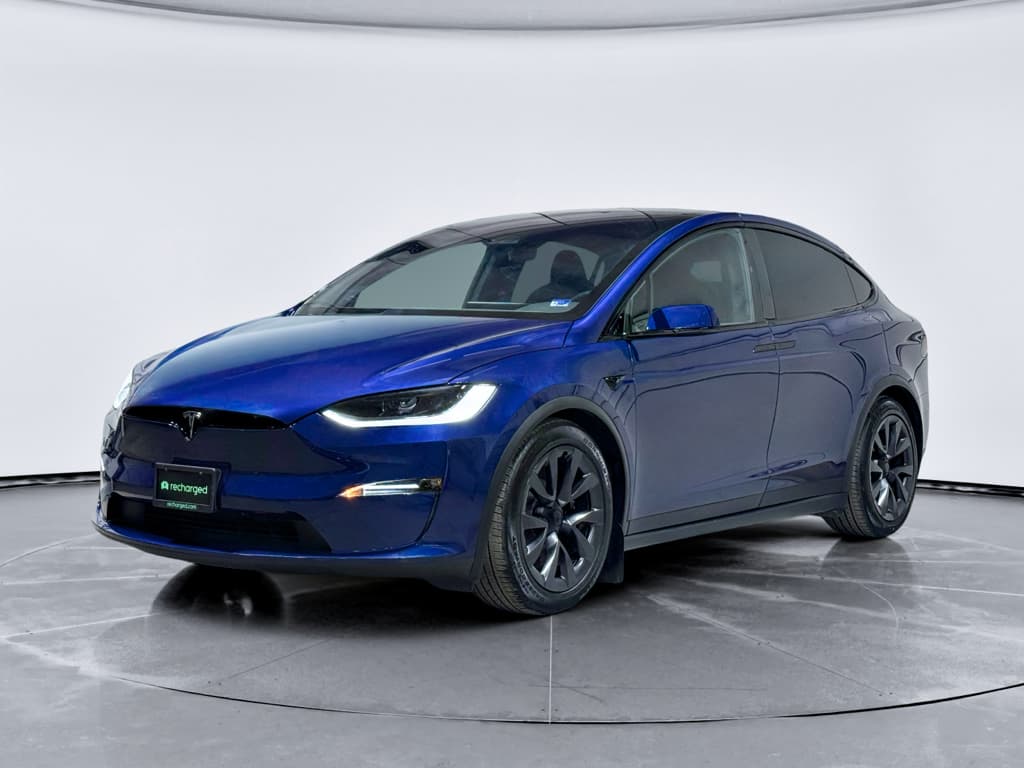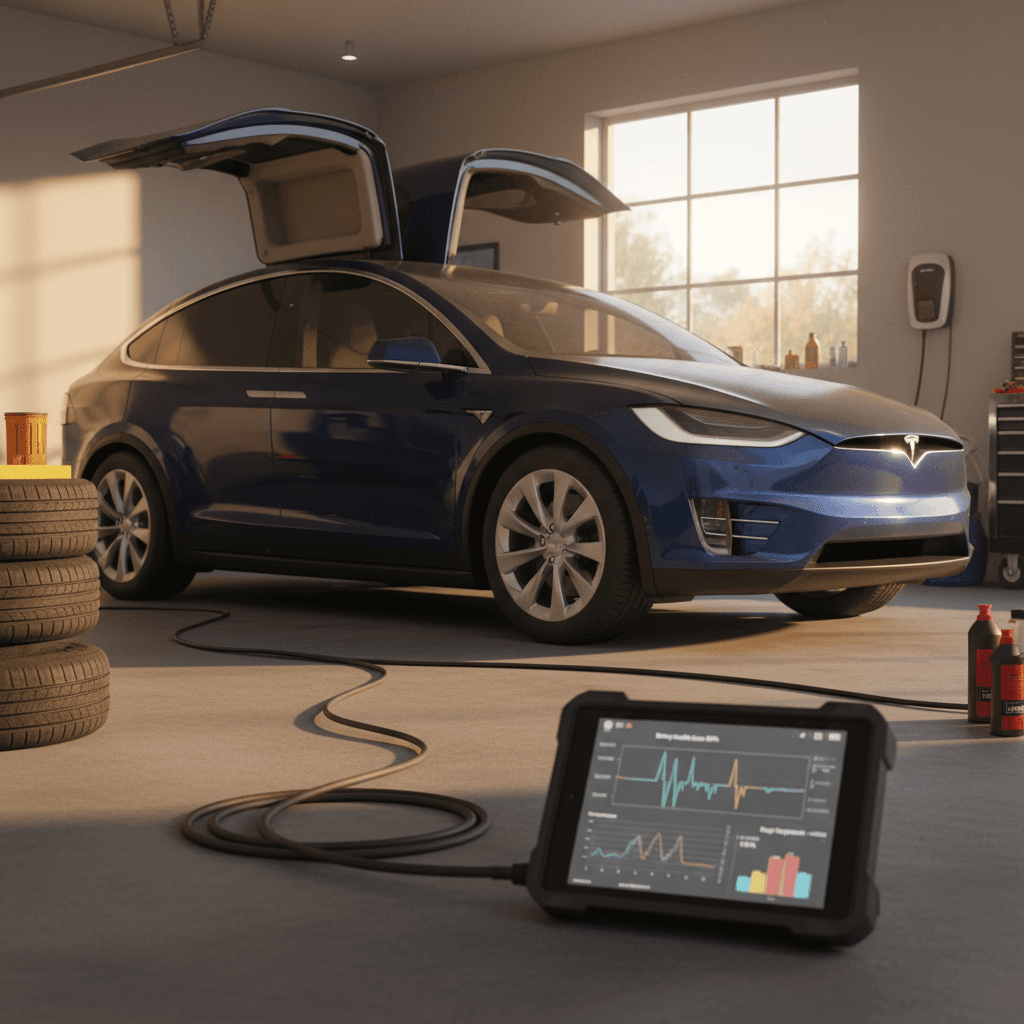
If you’re hunting for the best used Tesla Model X to buy in 2026, you’re shopping for a very specific kind of excess: a family-hauling, falcon‑wing‑doored electric spaceship that now costs about what a new mid‑trim gas SUV does. That’s the magic of depreciation, and also the trap if you pick the wrong year or a tired battery.
Context: Model X in 2026
Why the used Model X is interesting in 2026
Used Tesla Model X snapshot for 2026 shoppers
Across the U.S., used Teslas took a beating on price between 2023 and 2025 as new‑car discounts and stiffer competition rolled in. The Model X was hit especially hard thanks to its eye‑watering original sticker. The upshot for you in 2026: you can now buy a big‑battery, long‑range luxury EV SUV at a fraction of its launch price, if you choose your year carefully and verify the battery.
Quick answer: Best used Tesla Model X years to buy
Best used Tesla Model X years to buy in 2026
Here’s the short list before we dive deep.
Top pick: 2020–2021 Long Range
Why: Late pre‑refresh models with mature hardware, long range and updated Autopilot computers.
- Typically less buggy than early builds
- Still modern interior and tech
- Strong value after heavy depreciation
Great value: 2018–2019 “Raven”
Why: Air‑suspension and efficiency upgrades (“Raven” update) plus lower prices than 2020–2021.
- Big range for the money
- Better ride and efficiency than 2016–2017
- Ideal if you don’t need the newest screen layout
Premium choice: 2022–2023 Refresh
Why: New interior layout, yoke/round wheel options, modern MCU, and the final iteration of the Model X.
- Still feels like a current Tesla
- Highest prices but smallest tech compromises
- Best pick if you want to keep it long‑term
Years to be cautious about
Model X generations and what actually changed (2016–2023)
2016–2017: Early production and teething years
- First full production years, wild falcon‑wing doors stealing headlines.
- More reports of door alignment issues, wind noise, and trim quality quirks.
- Older Autopilot hardware and media computer in earliest cars.
- Great performance, but you’re buying an aging luxury EV with big repair bills if something major fails.
2018–2019: “Raven” and refinement
- “Raven” update adds more efficient motors and revised air suspension (softer ride, better range).
- Range increases versus earlier years on the same battery size.
- Build quality generally better than the launch years.
- Still classic Model X interior, but tech and software feel more current in everyday use.
2020–2021: Late pre‑refresh sweet spot
- Late‑cycle cars with most big bugs shaken out.
- Modern Autopilot and infotainment hardware, generally better reliability reports.
- Heavier early‑life depreciation now behind them, so you’re not catching the knife as it falls.
2021–2023: Major refresh and final generation
- Mid‑2021 brings a full interior redesign (landscape screen, revised seats, yoke or round wheel depending on spec).
- Performance variants (including Plaid) get brutal acceleration and big‑battery range.
- Highest used prices, but also the most future‑proof tech stack and cabin.
Think in terms of “generation”, not just year
Years to target, and years to approach carefully
Used Tesla Model X model year cheat sheet (for 2026 shoppers)
These aren’t hard rules, but a quick way to triage listings before you fall in love with the wrong “deal.”
| Model year | Verdict in 2026 | Why it’s a good / bad idea | Buyer profile it fits best |
|---|---|---|---|
| 2016–2017 | Only if cheap and well‑documented | Early build issues, older Autopilot and MCU hardware, most out of basic warranty. Great if meticulously maintained and priced aggressively. | Tinkerers, short‑range urban drivers, second car in the household. |
| 2018–2019 (incl. Raven) | Strong value picks | Efficiency and suspension upgrades, maturing build quality, big depreciation already priced in. | Families wanting three rows and 250+ miles of real‑world range without overspending. |
| 2020–2021 | Top balance of age vs. price | Late pre‑refresh hardware, long‑range variants abundant, many still under battery/drivetrain warranty. | Daily drivers, road‑trippers, first‑time EV buyers who want fewer surprises. |
| 2022–2023 Refresh | Best if you want to keep it 7–10+ years | Newest interior and software UX, most remaining warranty, highest upfront cost. | Drivers who prioritize a modern cabin and plan to keep the car for the long haul. |
Always verify individual battery health, warranty status and service history, model year is just the starting point.
Beware of “too good to be true” Plaid deals
How much should you pay for a used Model X in 2026?
By early 2026, most used Model X listings in the U.S. cluster somewhere between the mid‑$20,000s and around $50,000, with outliers above and below based on age and mileage. That’s down massively from original MSRPs that regularly crossed $100,000 with options, and even from asking prices just a few years ago.
- Early‑build 2016–2017 cars with higher mileage and basic equipment often live in the $25,000–$32,000 range if they’re not museum pieces.
- 2018–2019 (especially Raven) examples with reasonable mileage commonly show up in the low‑ to mid‑$30,000s.
- 2020–2021 Long Range models tend to sit in the mid‑$30,000s to low‑$40,000s depending on spec, wheels and miles.
- 2022–2023 refresh cars, especially Plaid, can still command $45,000–$60,000+ when clean and low‑miles.
Think cost per mile, not just sticker price
Battery health, range and longevity on a used Model X
The biggest single lever on a used Model X’s value is battery health. A tired pack turns a luxury road‑trip machine into a very expensive, very heavy city car. A healthy pack, meanwhile, makes a seven‑year‑old X feel essentially as usable as a newer EV.
How to judge Model X battery health in 2026
1. Look at rated range at 100%
Ask the seller to show the rated range at 100% charge in the car. Compare it to the original EPA range for that trim. A loss of ~10–15% after several years is common; much more than that deserves a price cut or a pass.
2. Ask for DC‑fast vs. home‑charging mix
A pack that lived mostly on home Level 2 charging tends to age more gracefully than one that’s been supercharged daily. Heavy fast‑charging isn’t an automatic red flag, but it’s data you should know.
3. Check for warranty left on the battery
Most Model X packs carry an 8‑year/150,000‑mile (or more) battery and drivetrain warranty, depending on trim and year. A 2019 or 2020 with time left on that clock is inherently less risky than an early 2016 out of coverage.
4. Use a third‑party battery health report
Where possible, lean on a quantified battery‑health report rather than guesswork. At Recharged, every used Tesla comes with a <strong>Recharged Score</strong> that includes verified pack health and degradation estimates, so you’re not buying blind.
Don’t treat the battery like an engine rebuild
Common issues on a used Model X, and how to spot them
The Model X is a complex luxury vehicle with enough moving parts to keep a service writer busy for years. Some problems are mostly annoyances; others are expensive. When you’re hunting for the best used Tesla Model X to buy in 2026, go in with your eyes open.
Typical Model X trouble spots
Not every X will have these issues, but you should check for them on every test drive.
Falcon‑wing door alignment and sensors
Those doors are equal parts theater and headache. Early cars in particular may show:
- Slow or hesitant operation
- False obstacle detection (door refuses to open fully)
- Wind noise or water leaks from misaligned seals
Cycle each door multiple times in a parking deck with low ceilings and in the open.
Front half‑shaft & suspension shudder
Many owners report front‑end shudder under hard acceleration, especially in standard ride height.
- Listen and feel for vibration when accelerating briskly
- Inspect service records for half‑shaft or CV joint replacements
- Be prepared to budget for suspension work on older, higher‑mileage X’s
Wind noise & trim creaks
With big frameless doors and large glass, some wind noise is inevitable. Excessive whistling, rattles or water leaks, though, point to:
- Door or hatch misalignment
- Worn seals
- Previous accident or poor body repair
MCU & screen issues
Earlier cars can suffer from aging media control units (MCUs):
- Slow boot‑up or random reboots
- Delaminating screens (yellow borders, bubbles)
- Touchscreen lag
A refreshed or replaced MCU is a plus on an older car.
Use service records as your lie detector
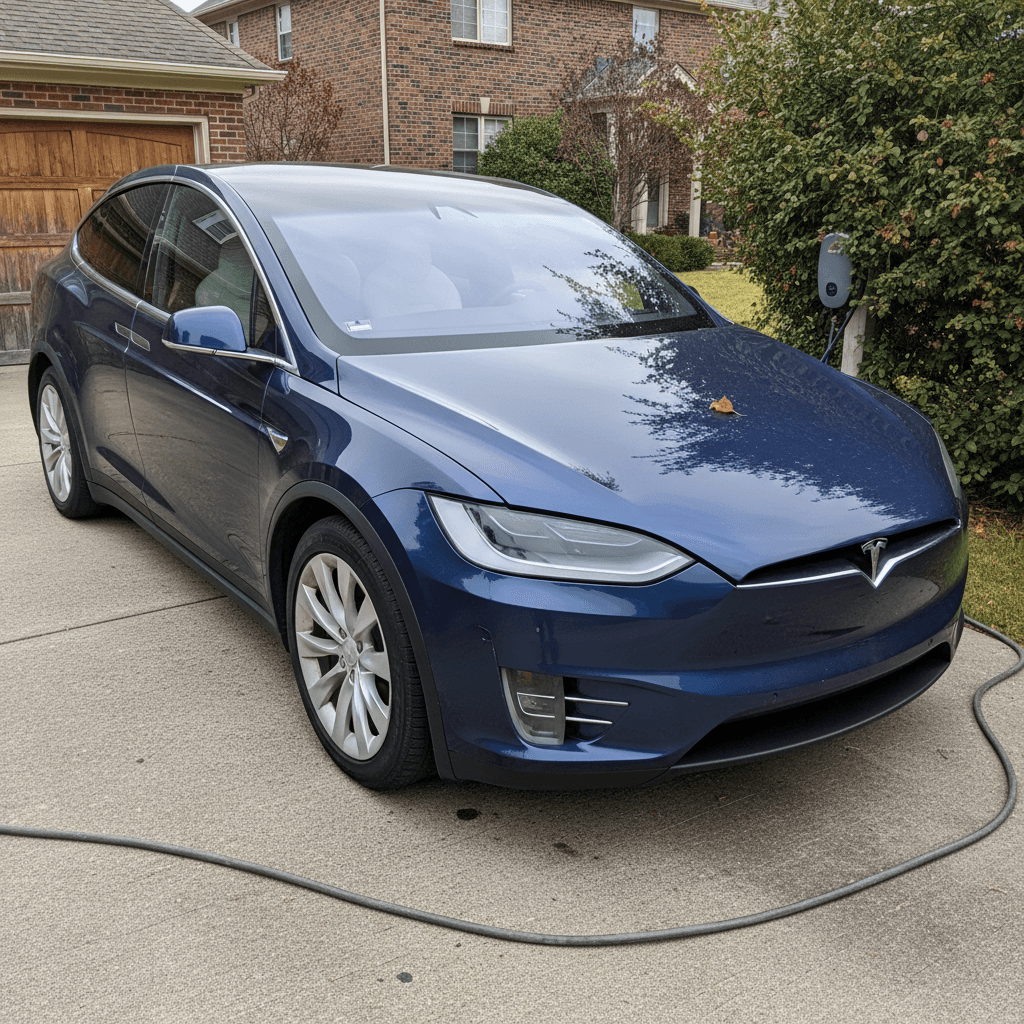
Must‑have features and options to look for
The right options can make an older Model X feel current; the wrong mix can saddle you with flashy but fragile toys you don’t need. Focus on everyday usability rather than collector‑car bragging rights.
- Long Range or 90/100 kWh packs: Bigger‑battery cars hold value better and keep the X usable for road trips as charging networks evolve.
- Heated seats and steering wheel: Vital in cold climates not just for comfort but for range, cabin heat is a big energy draw.
- Tow package (if you’ll use it): Factory towing hardware and software tuning are better than aftermarket improvisation if you plan to pull a small camper or utility trailer.
- Smaller wheels for range and comfort: The 22‑inch wheel setups look fantastic and ride like punishment, while chewing range and tires. The sensible move is 20‑inch wheels with decent‑profile tires.
- Updated Autopilot hardware: Later‑build cars with newer Autopilot computers feel more responsive and are more likely to receive meaningful software updates over time.
The spec that ages best
Checklist: How to inspect a used Model X before you buy
On‑the‑ground inspection steps for a used Model X
1. Start with the VIN and history
Run a full vehicle history report. Look for accidents, buybacks, flood titles, and repeated service visits for the same complaint, especially door and suspension issues.
2. Confirm warranty status with Tesla
Have the seller show you the warranty status in the Tesla app or via a Tesla service estimate. Knowing exactly how much battery and drivetrain coverage remains changes how risky an older X feels.
3. Test every door and seat
Open and close both front doors, the falcon‑wing doors and the hatch multiple times. Fold and slide the second‑ and third‑row seats. Watch for hesitations, errors, or gaskets rubbing.
4. Drive it like you’ll actually use it
On your test drive, do a mix of highway and low‑speed city streets. Listen for wind noise, suspension clunks, and shudder under acceleration. Try different suspension heights if equipped with air suspension.
5. Inspect the tires and wheels closely
Uneven tire wear on the inside edges can hint at alignment or suspension issues. Curb rash and cracked big‑diameter wheels are common on 22‑inch setups, budget accordingly or plan to downsize.
6. Ask for recent service invoices
Ideally you want evidence of recent maintenance: brake fluid changes, cabin and HEPA filters, suspension work and any door or latch adjustments. The absence of paperwork on a 7‑year‑old luxury EV is its own kind of answer.
7. Get an independent EV‑savvy inspection
Traditional pre‑purchase inspections are still useful, but look for someone with EV experience who understands pack health, high‑voltage safety, and Tesla‑specific quirks, or let a marketplace like <strong>Recharged</strong> do that work for you.
Don’t skip the road‑test in bad weather
Why buy a used Tesla Model X through Recharged?
A used Model X is not a Corolla. You’re buying a heavy, software‑defined luxury EV with complex doors, sophisticated suspension and a very expensive battery. The difference between a good one and a bad one isn’t just “clean vs. dirty”, it’s thousands of dollars in hidden risk.
How Recharged de‑risks a used Model X purchase
You focus on whether you love the car. We obsess over whether the car will love you back.
Recharged Score battery report
Every Model X on Recharged comes with a Recharged Score that includes verified battery health, charging history insights and range expectations, so you’re not guessing about the pack that powers everything.
Deep condition and pricing analysis
We benchmark each vehicle against fair‑market data, factoring in depreciation, mileage, options and EV‑specific wear. You see transparent pricing, not a mystery premium for those falcon‑wing doors.
Digital experience, real‑world support
Browse and buy entirely online, get EV‑specialist support when questions pop up, and have your Model X delivered nationwide. Already own an EV or gas car? Use our trade‑in and consignment options to keep the driveway rational.
Ready to find your next EV?
Browse VehiclesBest used Tesla Model X FAQ
Frequently asked questions about buying a used Model X in 2026
Bottom line: Which used Model X should you actually buy in 2026?
If you’re shopping for the best used Tesla Model X to buy in 2026, think like a portfolio manager, not a gambler. The shrewd play for most shoppers is a 2018–2021 Long Range Model X with 20‑inch wheels, cold‑weather features and a verified strong battery. Stretch to a 2022–2023 refresh if you want the newest interior and plan to keep it for a decade; drop back to 2016–2017 only if price and documentation are undeniably compelling.
Above all, remember that two Model X SUVs of the same year can live very different lives. One might be a pampered suburban shuttle; the other, a hard‑run road‑warrior with a tired pack and suspension. In 2026, the winning move is to buy the right example, not just the right year, which is exactly what Recharged was built to help you do.